Do Must-Carry Rules for Political Content Narrow User Viewpoints?
Analysis reveals 8 key thematic connections.
Key Findings
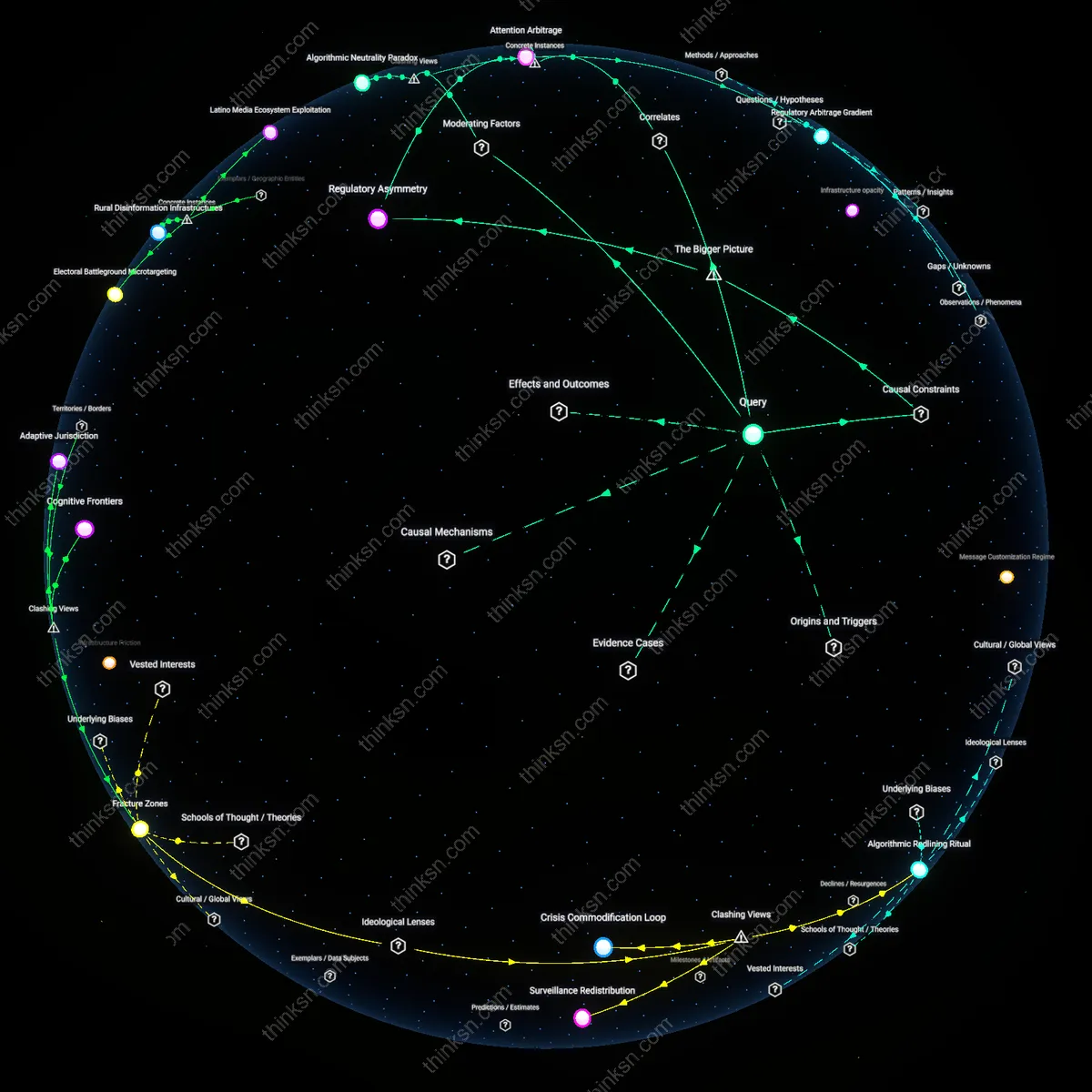
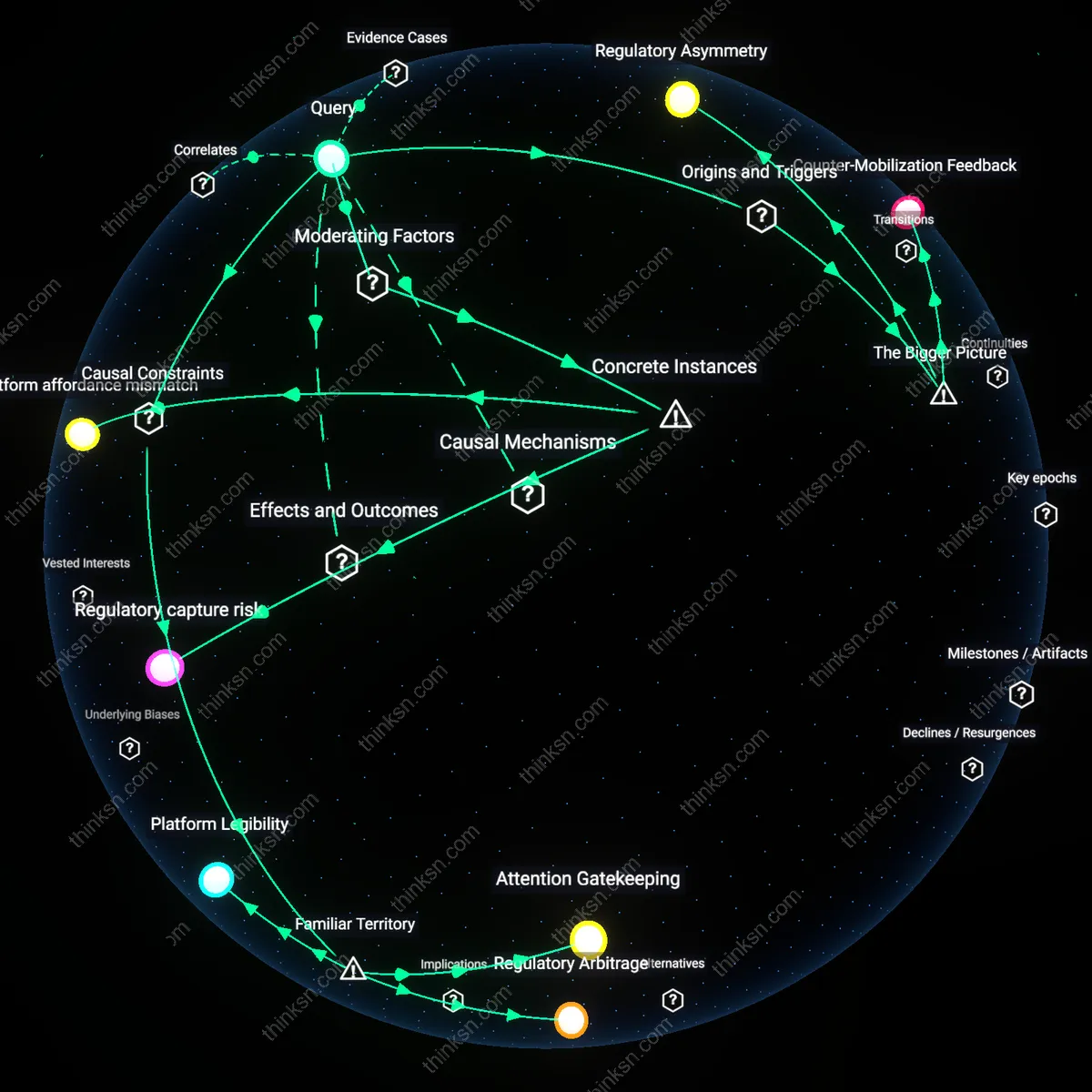
Regulatory Asymmetry
Must-carry rules increase the visibility of marginal political voices on dominant platforms, but primarily benefit established parties that can leverage regulatory enforcement to amplify their reach at the expense of grassroots movements. State-mandated carriage requirements, such as those modeled on public broadcasting obligations, compel platforms to distribute officially recognized political content equally—yet eligibility is often restricted to parties with prior electoral representation, reinforcing institutional gatekeeping. This dynamic emerged in jurisdictions like Germany and Canada, where electoral commissions define which entities qualify, effectively locking out insurgent or non-institutional actors. The underappreciated consequence is that state-backed equity in distribution reproduces inequality in political access, not reduces it.
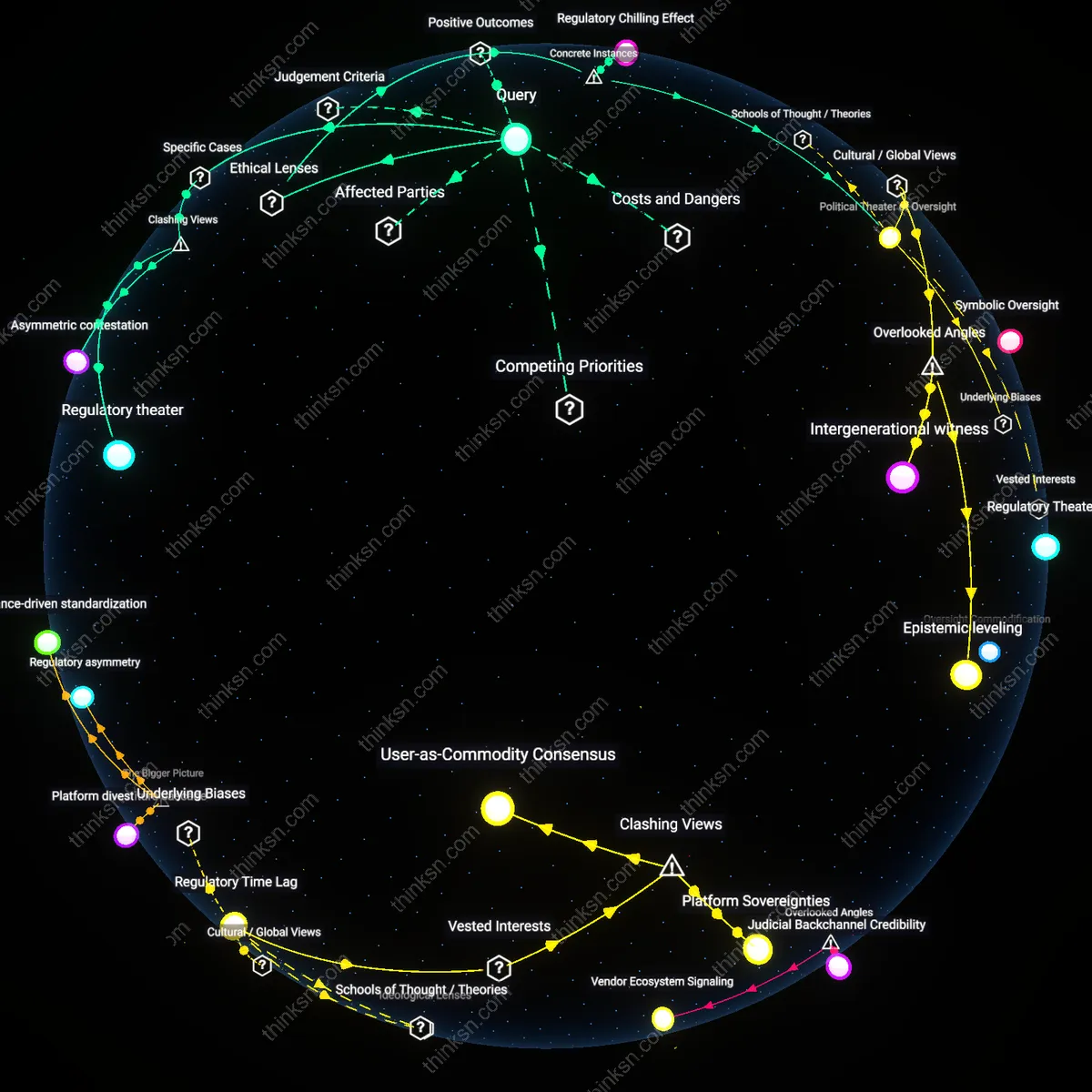
Platform Homogenization Pressure
When governments impose must-carry rules, platforms respond by standardizing political content formats and recommendation logic to minimize compliance risk, which reduces the expressive range of permitted discourse. Facing legal liability for non-compliance, platforms like Meta and YouTube adopt uniform templates for political content—such as labeled candidate videos or time-limited campaign slots—which systematically favor moderate, institutional messaging over radical or experimental forms. This mechanism intensifies under centralized regulatory regimes, such as the EU’s Audiovisual Media Services Directive, where uniformity across member states incentivizes lowest-common-denominator content policies. The overlooked effect is that technical compliance generates de facto ideological narrowing, even without overt censorship.
Counter-Mobilization Feedback
Must-carry rules trigger reactionary content strategies from excluded political actors, who circumvent mandated content ecosystems by building parallel distribution networks that deepen audience fragmentation. For example, in the U.S., figures denied official platform amplification under FCC-equivalent proposals have migrated to decentralized platforms like Rumble or Telegram, using perceived state coercion as a recruitment narrative. This dynamic is amplified by algorithmic engagement incentives, which reward outrage and in-group loyalty, thereby transforming regulatory inclusion mandates into polarization accelerants. The systemic irony is that attempts to guarantee pluralism through inclusion can expand the shadow media ecosystem, where oversight and diversity metrics no longer apply.
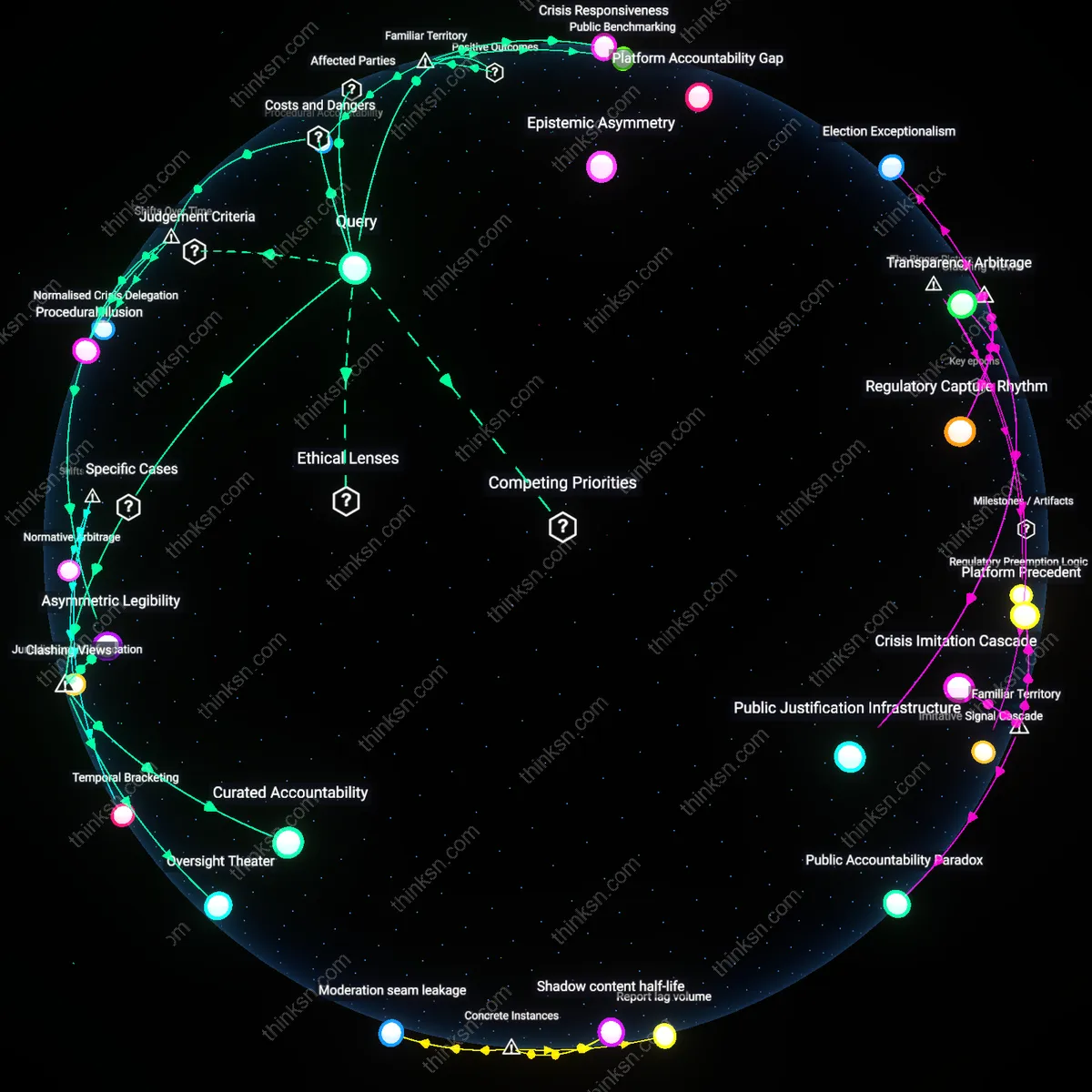
Regulatory capture risk
Mandatory political content carriage on French public broadcasters during the 2017 presidential elections amplified far-right visibility by requiring equal time for all registered parties, inadvertently privileging outlier voices with minimal public support; this effect emerged because the regulatory design failed to account for audience size or institutional legitimacy, revealing how neutral rules can distort discourse when applied without proportional thresholds. The condition of formal parity in a fragmented political field intensified exposure to marginal viewpoints, demonstrating that must-carry mandates may amplify extremism when regulation overlooks political ecology. This exposes the underappreciated vulnerability of impartiality regimes to strategic exploitation by low-salience actors.
Platform affordance mismatch
India’s 2020 electoral media regulations requiring cable operators to carry all registered political channels led to an oversupply of regional partisan broadcasters on limited-bandwidth systems, crowding out smaller independent news providers in rural areas; this occurred because the must-carry rule interacted with infrastructural constraints, privileging established political parties who could negotiate carriage fees and technical access, while new or civic-focused outlets were displaced. The mechanism of signal scarcity on legacy distribution networks pivoted the effect of the rule from inclusivity to consolidation, revealing how the material limits of transmission infrastructure condition the democratic outcome of content mandates. This shows that the same policy can suppress diversity when platform capacity is bounded.
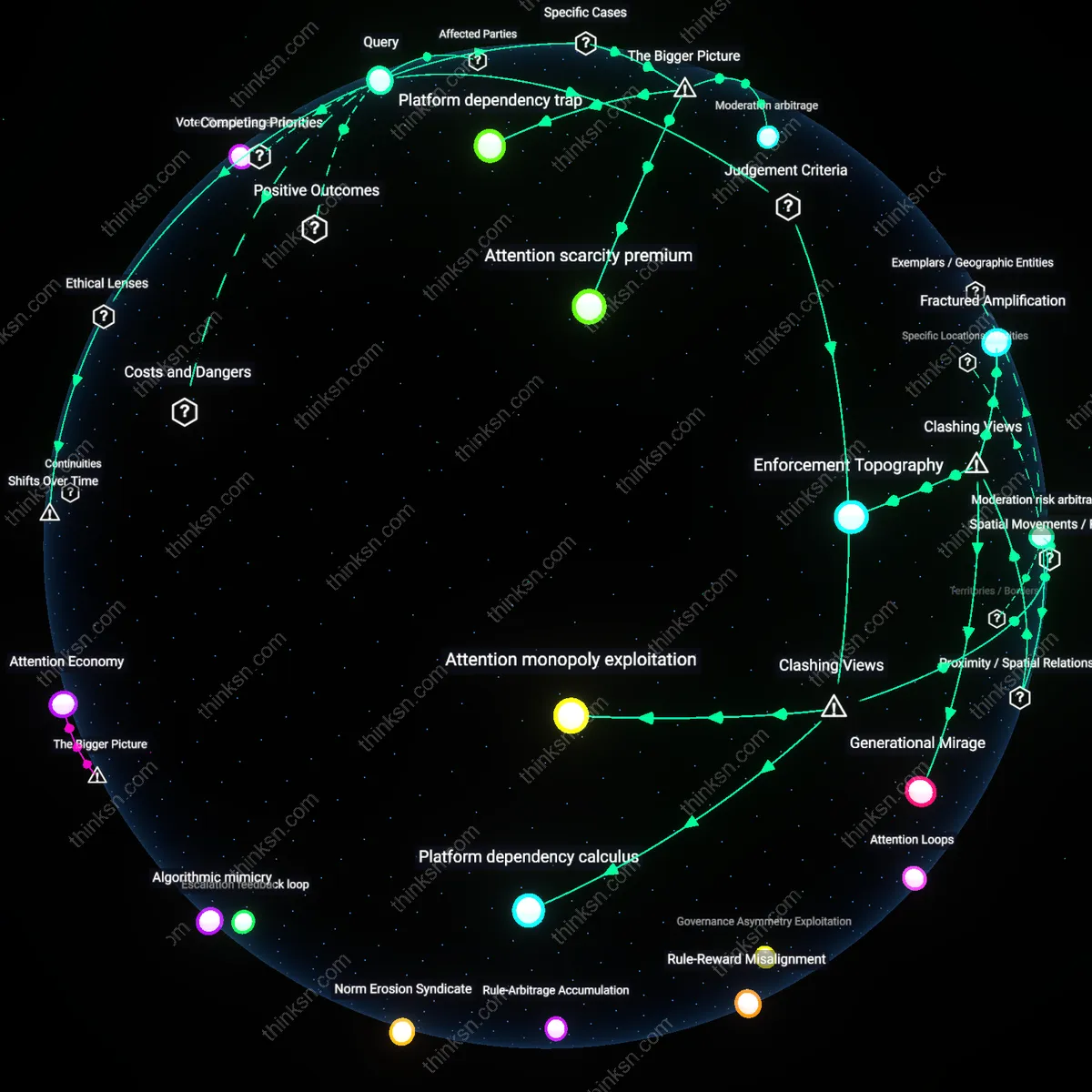
Attention Gatekeeping
Must-carry rules increase the diversity of political content in users' feeds only if platforms are compelled to amplify otherwise low-visibility sources. The mechanism hinges on platforms’ algorithmic distribution systems, which normally prioritize engagement over inclusion, meaning that even if content is carried, it may still remain below the threshold of user attention. What prevents the rule from increasing actual exposure is that carriage does not equate to amplification—users see only a fraction of what is technically available, filtered through opaque ranking logic. This reveals that the bottleneck is not content availability but attention allocation, a constraint rarely acknowledged in public debates that assume visibility follows automatically from mandated distribution.
Regulatory Arbitrage
Must-carry rules reduce viewpoint diversity when political actors adapt by flooding platforms with low-differentiation content to exploit mandatory distribution. Incumbents and well-resourced groups, such as national political parties or state-aligned media, can saturate the required slots with minor variations of the same messaging, crowding out emergent or minority voices that lack infrastructure for mass content production. The causal chain fails because the rule enforces presence but does not prevent homogenization through volume. The underappreciated reality is that the familiar ideal of 'more speech' assumes scarcity of access, not strategic dilution—transforming the rule into a tool for dominance rather than pluralism.
Platform Legibility
Must-carry rules enhance viewpoint diversity only when political content is legible to platform enforcement systems, meaning it must be identifiable, classifiable, and monitorable under existing moderation ontologies. Grassroots movements, satirical speech, or non-institutional critique often fail to register as 'political' within platform categorization regimes, which are tuned to formal candidates, parties, or electoral ads. Thus, the prerequisite for the rule to function is not legal mandate but semantic alignment with platform-defined genres of politics. The non-obvious constraint, obscured in public discourse centered on censorship and fairness, is that inclusion depends not on intent but on how well content fits predefined administrative categories—rendering invisible those forms of political expression that evade official labels.