Should Senior Analysts Prioritize Data Science or Aging Parents?
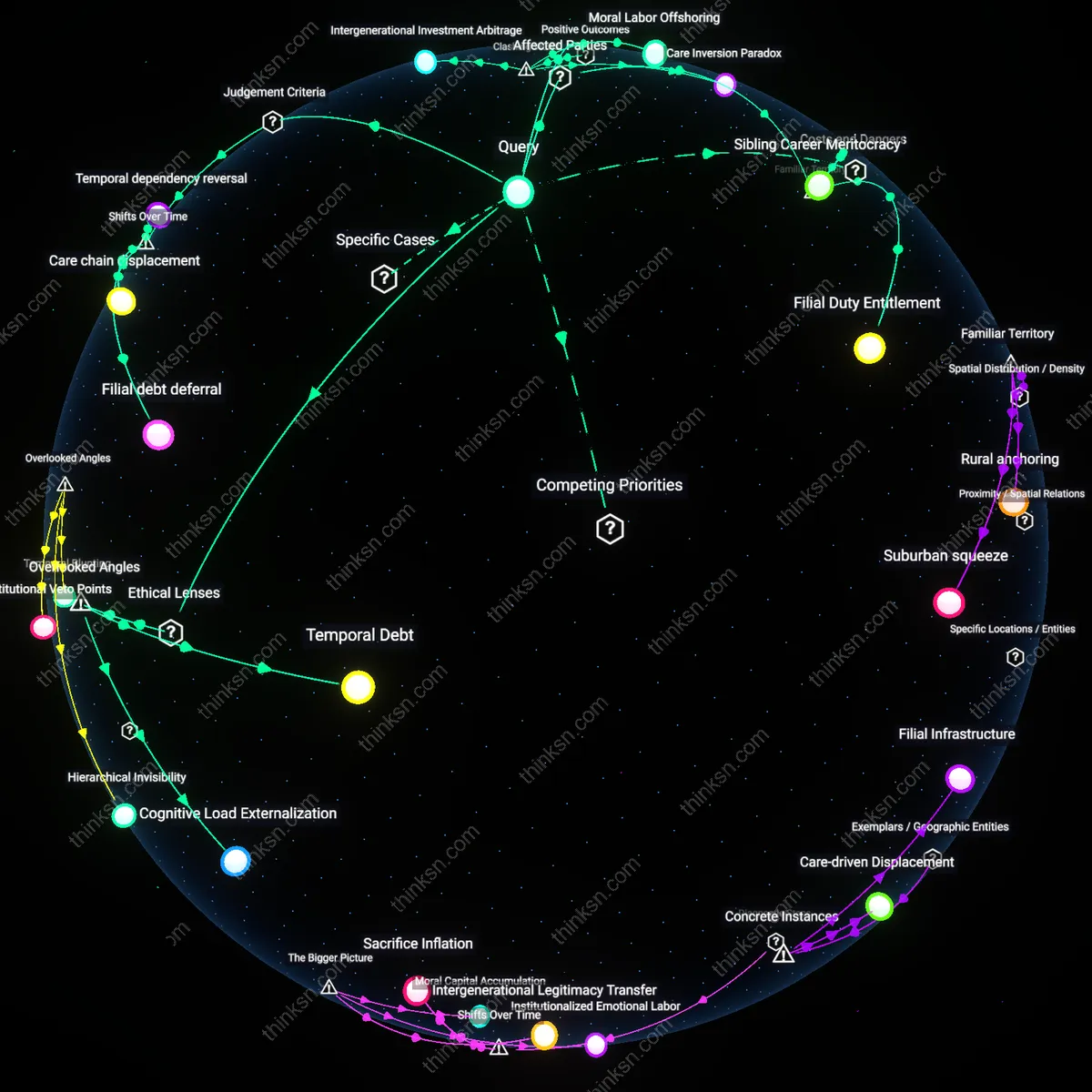
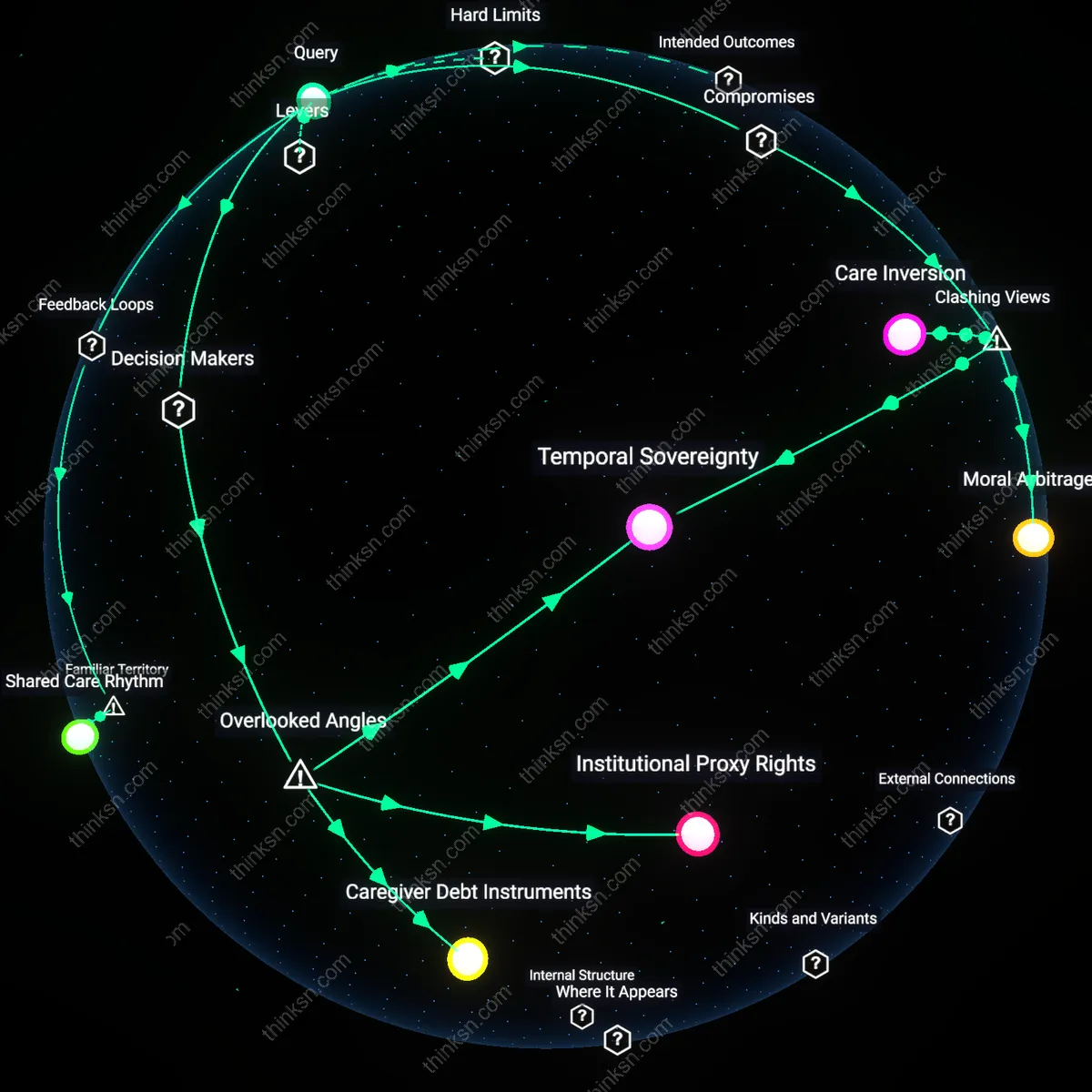
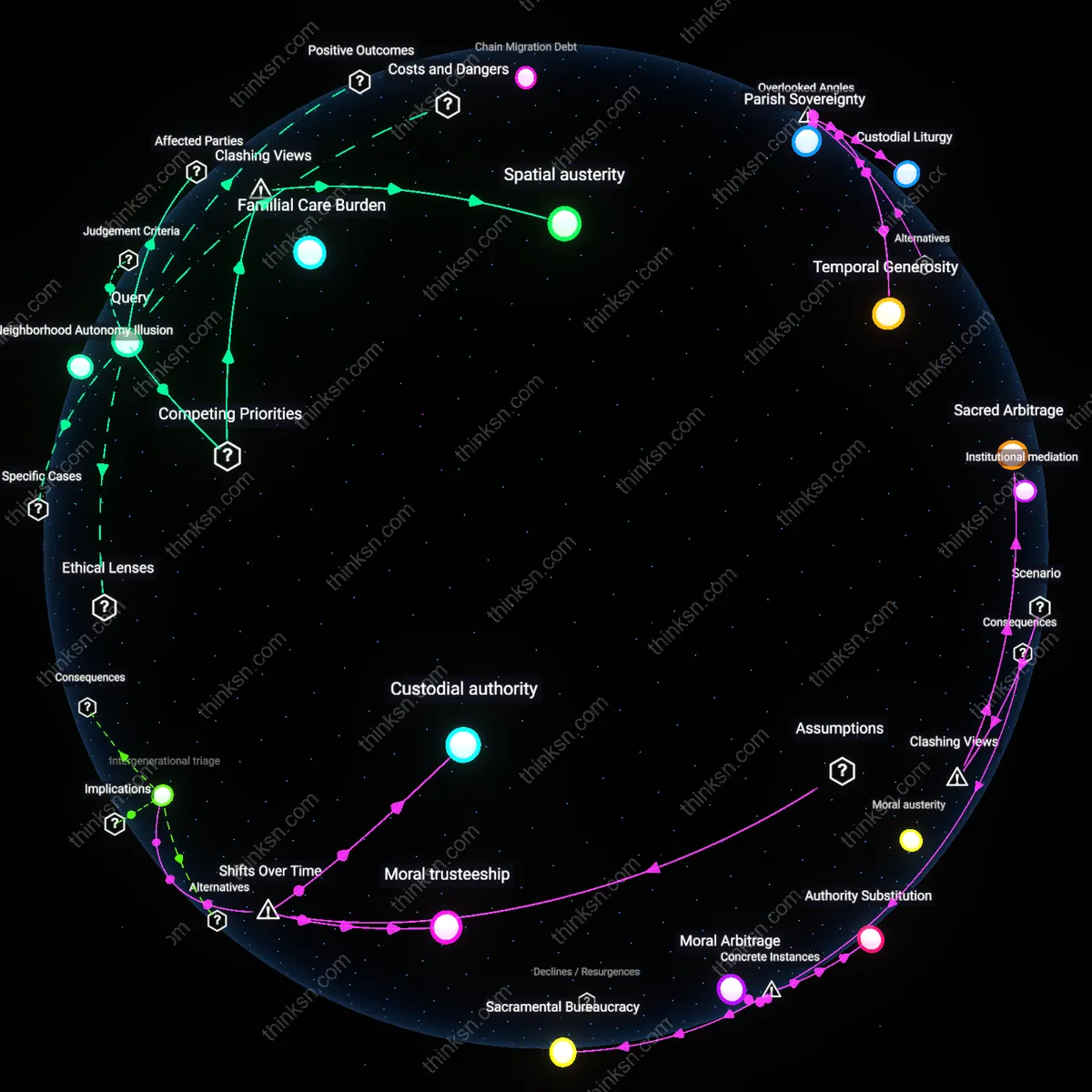
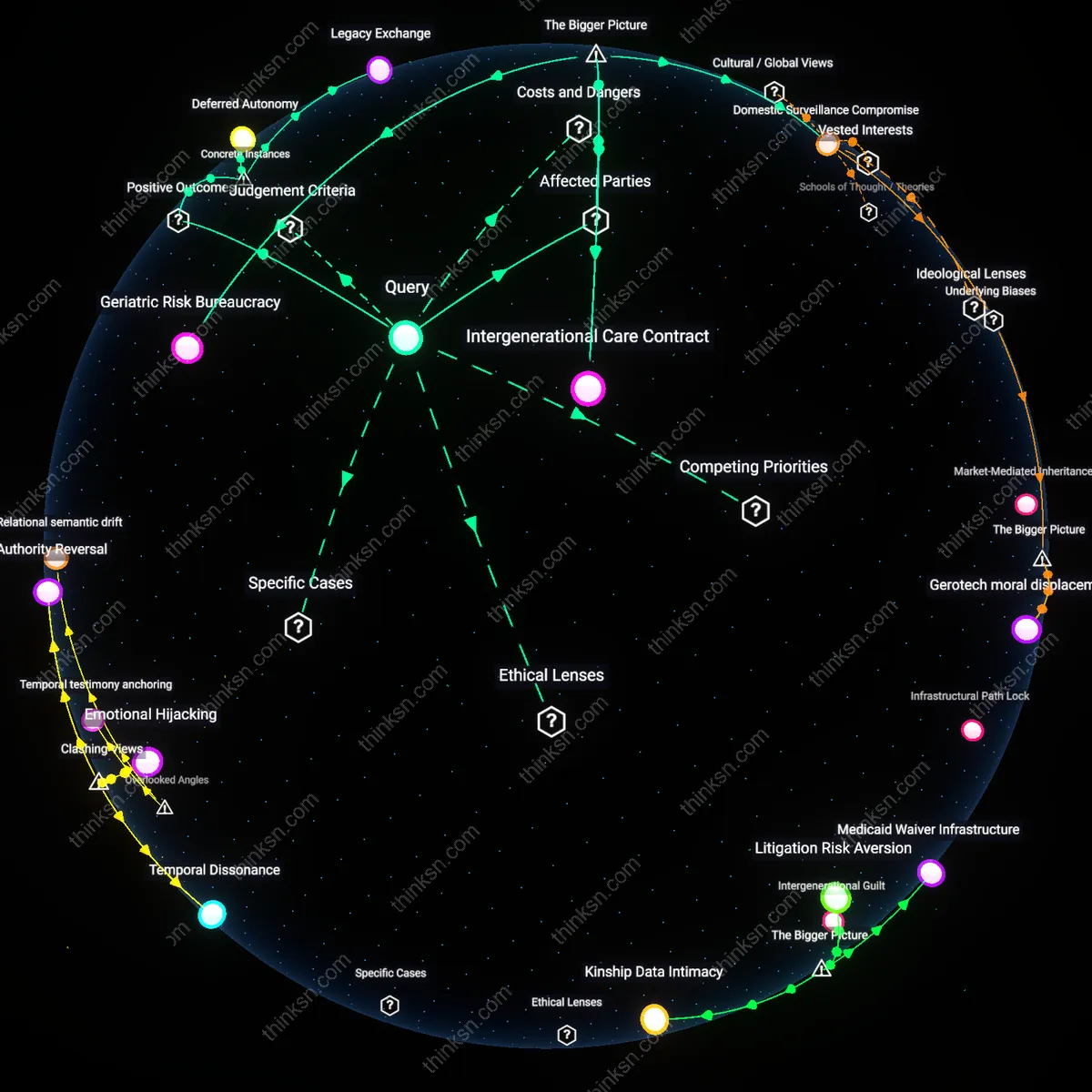
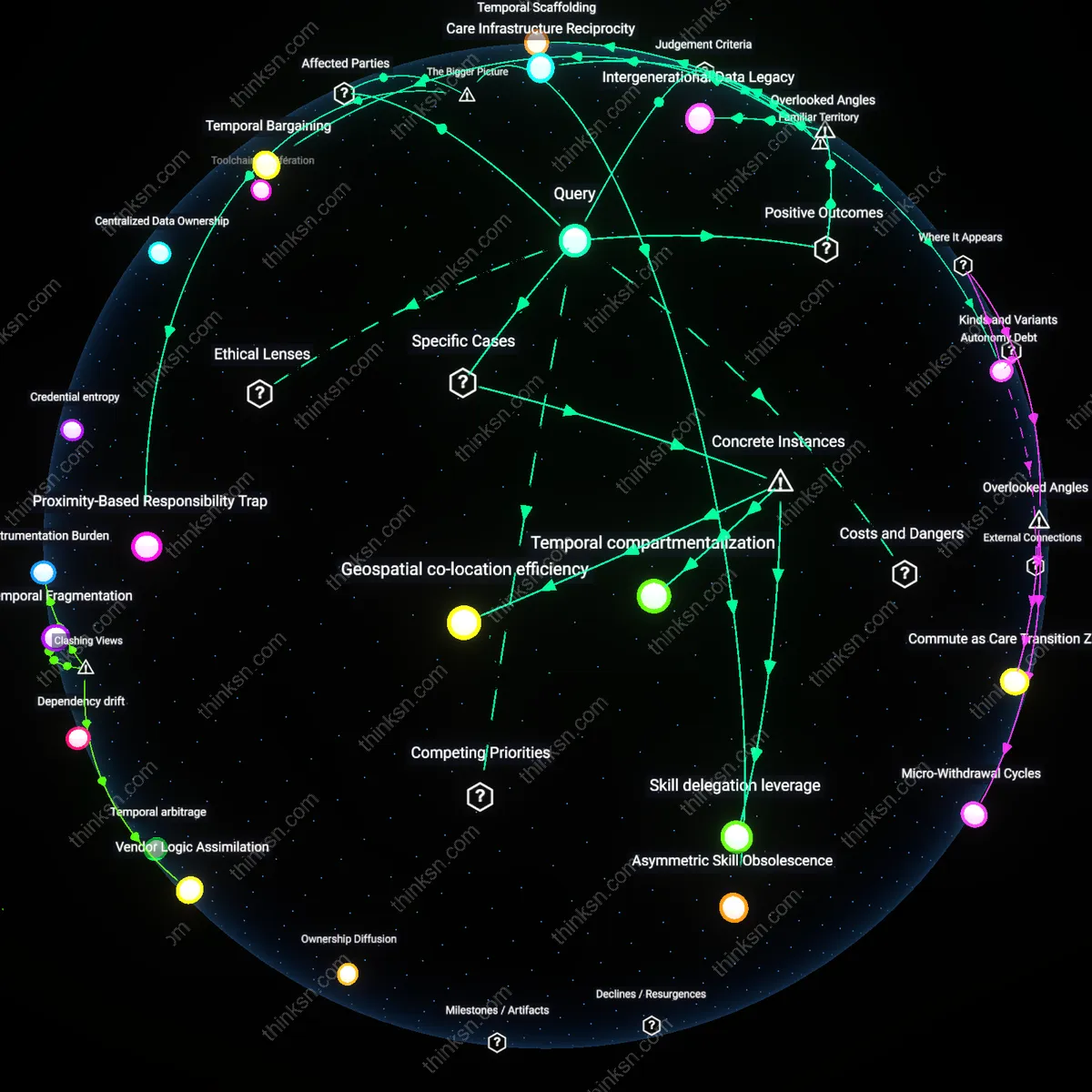
Analysis reveals 11 key thematic connections.
Key Findings
Intergenerational Care Penalty
Senior analysts who scale back professional development to care for aging parents inadvertently reproduce a hidden tax on career continuity, particularly where employer-sponsored upskilling programs are restricted to full-time contributors. This misalignment between familial care obligations and workplace learning access is systemically sustained by human capital policies that equate availability with commitment, disproportionately affecting mid-to-late career professionals in knowledge-intensive sectors. The non-obvious consequence is not reduced skill acquisition per se, but the delayed reinvestment in technical fluency that weakens downward knowledge transfer within teams during industry-wide AI transitions.
Asymmetric Skill Obsolescence
Healthcare fragmentation in decentralized systems forces senior analysts into unpaid care coordination roles—such as managing prescriptions, medical transports, or insurance claims—that consume precisely the cognitive surplus needed to master emerging data science tools like transformer-based modeling or MLOps pipelines. Because regional health infrastructure offloads administrative labor onto immediate family members, skilled professionals experience stealth skill degradation not through disinterest or inability, but through sustained micro-distractions during peak productivity windows. The overlooked mechanism is not time scarcity alone, but the cognitive tax imposed by episodic, high-stakes care logistics that erode deliberate practice.
Proximity-Based Responsibility Trap
When adult children are geographically closer to aging parents, especially in regions with limited public eldercare such as rural counties in the U.S. Sun Belt, they face intensified expectations to provide hands-on support—expectations reinforced by cultural norms and underfunded community health networks. This spatial tethering channels human and intellectual capital away from distributed, innovation-driven data science communities toward localized care ecosystems, creating a geographic arbitrage in professional development. The underrecognized effect is a clustering of technical stagnation not along income lines, but along residential density gradients where caregiving burden concentrates.
Temporal Bargaining
A senior analyst should negotiate fixed time boundaries between skill development and caregiving by treating both as non-negotiable commitments under the principle of temporal efficiency — allocating specific, recurring blocks for coding practice and parent support based on measurable weekly availability. This operates through household scheduling systems and calendar enforcement tools used by dual-responsibility professionals in urban metropolitan areas, where time is the primary scarce resource. The non-obvious insight is that rigid time segmentation, not flexible intentions, sustains long-term balance under competing demands.
Care Infrastructure Reciprocity
The analyst should integrate caregiving into professional output by designing data models that solve real challenges in eldercare logistics, judged by economic productivity and care equity — transforming parental support needs into applied research problems. This functions through public health data ecosystems and municipal aging-in-place programs where analysts contribute scalable solutions while fulfilling familial duties. Most overlook that caregiving can generate domain-specific technical innovation when framed as civic data science, not just personal obligation.
Autonomy Debt
The analyst must explicitly defer certain career advancements to preserve emotional and physical bandwidth for parental care, guided by the moral principle of relational autonomy — recognizing that self-actualization includes fulfilling asymmetric family roles. This dynamic plays out in mid-career professionals across East Asian and Southern European cultures where filial responsibility shapes identity and decision architecture. The underappreciated reality is that skill stagnation may be a deliberate ethical trade-off, not a failure of discipline or planning.
Temporal Scaffolding
A senior analyst can maximize both caregiving and skill advancement by aligning the rhythm of learning with the predictability of parental care routines—such as using fixed morning hours for micro-learning when parental needs are met by home care services. This works because caregiving often follows semi-predictable weekly cycles, and data science skill-building can be fragmented into consistent 20-minute modules that ride alongside those cycles without competing with them. The non-obvious insight is that time, not energy or willpower, is the constraining resource—and by treating parental care as an informal time-structure rather than a time-sink, the analyst turns dependency into a scaffold for disciplined upskilling, a dimension typically overlooked when caregiving is framed solely as a burden.
Intergenerational Data Legacy
By documenting parental life histories through structured digital archives—mapping migration paths, health trajectories, or personal narratives using basic data science tools—the analyst merges emotional care with technical practice, generating a personal dataset that doubles as both a familial heirloom and a sandbox for experimenting with data cleaning, natural language processing, and privacy-preserving techniques. This integration matters because it redefines caregiving output as a source of unique, ethically grounded training data, which most analysts struggle to access; the overlooked dynamic is that intimate familial relationships can supply high-context, emotionally resonant data projects that enhance professional empathy and domain creativity in ways synthetic datasets cannot, thus enriching both personal and professional dimensions simultaneously.
Temporal compartmentalization
A senior data scientist at the Mayo Clinic balanced advanced model development with eldercare by strictly segmenting time into isolated blocks for technical work and family duties, using calendar enforcement tools and institutional support for flexible hours. This mechanism functioned through the Clinic’s formalized remote-work policy for caregiving staff, which institutionalized temporal boundaries that prevented role spillover, revealing how structural time governance—not just personal discipline—enables dual accountability in high-skill, high-care roles.
Skill delegation leverage
At the Federal Reserve Bank of New York, a lead quantitative analyst maintained expertise in machine learning while supporting an aging parent by offloading routine data pipeline tasks to junior team members, freeing cognitive bandwidth for strategic upskilling during limited work windows. This functioned through the Fed’s rotational mentorship program, which formalized skill transfer and created accountability for senior analysts to train subordinates, exposing how institutional pipelines for knowledge succession can indirectly sustain individual career resilience amid personal care demands.
Geospatial co-location efficiency
A principal analyst at the UK Office for National Statistics relocated to a mixed-use development in Reading, Berkshire, where proximity between a tech co-working hub and a supported-living facility for elderly parents enabled rapid physical toggling between deep work and care interventions. The design of the town’s integrated infrastructure—specifically the proximity of the Green Park business district to NHS-affiliated elder housing—created a spatial economy that reduced transition costs between professional and familial roles, demonstrating how urban planning can function as a hidden enabler of workforce retention in caregiving-intensive demographics.