Why Mixed Studies on Instagram and Body Image Matter for Policy?
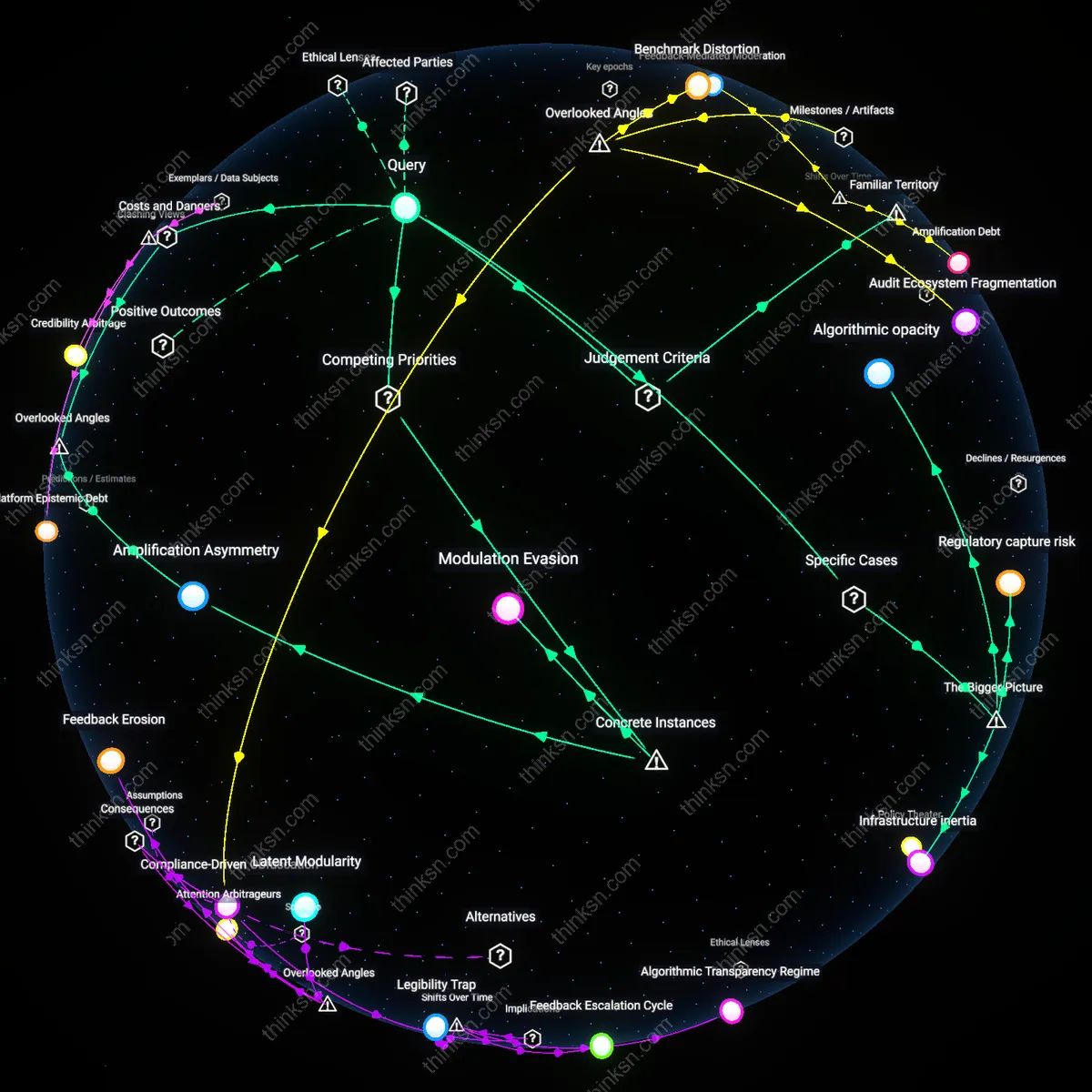
Analysis reveals 6 key thematic connections.
Key Findings
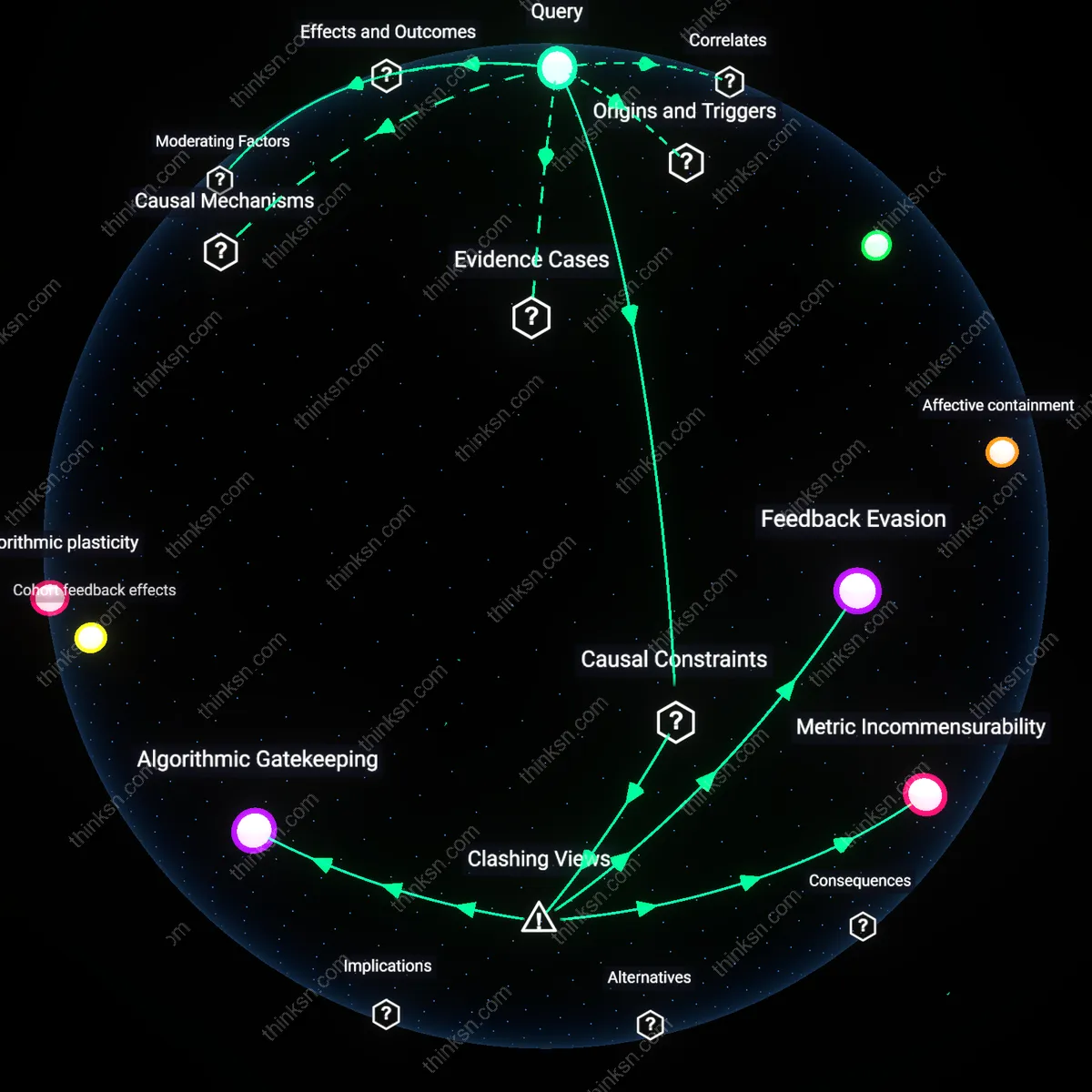
Algorithmic plasticity
Instagram’s shift from chronological to algorithmically curated feeds after 2016 intensified exposure to appearance-salient content for adolescents, which magnified body-image dissatisfaction among frequent users in targeted demographic clusters. The personalization mechanisms—driven by engagement metrics—adaptively reinforce aesthetic homogeneity, privileging idealized body types and creating feedback loops that vary by region, gender, and age cohort; this temporal recalibration of visibility regimes means that the same frequency of use can yield divergent psychological outcomes depending on when the behavior occurs within Instagram’s developmental timeline. The underappreciated insight is that platform architecture, not just user behavior, became psychometrically consequential through this shift, making historical moment a latent variable in research variance.
Cultural lag in moderation
Between 2018 and 2021, Instagram’s community guidelines expanded to restrict overtly harmful content related to eating disorders and extreme dieting, but enforcement lagged behind emergent subcultural coding—such as ‘wholesome’ and ‘aesthetic wellness’ imagery—that subtly promotes restrictive norms under the guise of health. This regulatory gap allowed body-dissatisfaction triggers to migrate from explicit to implicit forms, disproportionately affecting younger female users who engage with fitness and clean-eating influencers; as a consequence, studies measuring direct exposure to ‘pro-thin’ content began to underestimate harm while those capturing micro-messaging detected rising distress, producing contradictory findings. The historical discontinuity between policy intent and symbolic adaptation reveals how delay in content governance distorts research consensus over time.
Cohort feedback effects
Teens who began using Instagram heavily between 2013 and 2015, during the platform’s early influencer economy boom, internalized curated self-presentation as normative, and this cohort now shapes content norms for younger users through viral aesthetics and behavioral mimicry—thus shifting the baseline for what constitutes ‘normal’ body discourse online. As research conducted in 2020s samples users socialized into this post-2015 environment, their affective responses differ from earlier cohorts studied in the 2010–2012 period, when feed content was more peer-driven and less professionally mediated; this generational turnover in user culture produces divergent effect sizes in cross-sectional studies not due to methodology alone, but because the psychological contract with the platform has fundamentally evolved. The non-obvious implication is that body-image research now measures second-order socialization effects, not just individual exposure.
Algorithmic Gatekeeping
Instagram's algorithmic curation acts as a bottleneck by determining which body-related content users encounter, meaning body-image dissatisfaction cannot arise without exposure to curated idealized imagery; this mechanism privileges engagement-driven visibility over user well-being, embedding platform design as a necessary precondition for harm. The non-obvious implication is that individual vulnerability or predisposition matters only if the algorithm permits sustained exposure—making systemic content distribution, not personal usage habits, the dissonant fulcrum of causality, which challenges the dominant narrative that blames user behavior or psychological fragility.
Feedback Evasion
Content creators and influencers systematically avoid negative feedback about body ideals because their economic survival depends on audience approval, creating a bottleneck where critical discourse on body-image distortion is suppressed before it can circulate; this self-censorship disrupts the causal chain between research findings and public awareness. This reveals that the variability in research outcomes stems not from inconsistent effects but from a hidden structural silence enforced by incentive-aligned speech, challenging the intuitive belief that social media offers open contestation of beauty norms.
Metric Incommensurability
Research findings diverge because standardized psychological scales measuring body-image dissatisfaction cannot register the shifting, context-dependent meanings of 'body goals' in subcultural Instagram communities, making cross-study comparison fundamentally flawed; the bottleneck is semantic misalignment between clinical constructs and vernacular practices. This exposes that apparent scientific inconsistency arises from imposing static diagnostic categories onto fluid cultural performances, undermining policy assumptions that uniform interventions can address what is inherently a fragmented, meaning-laden phenomenon.