Is a Free Project Manager Worth the Hidden Costs for Freelancers?
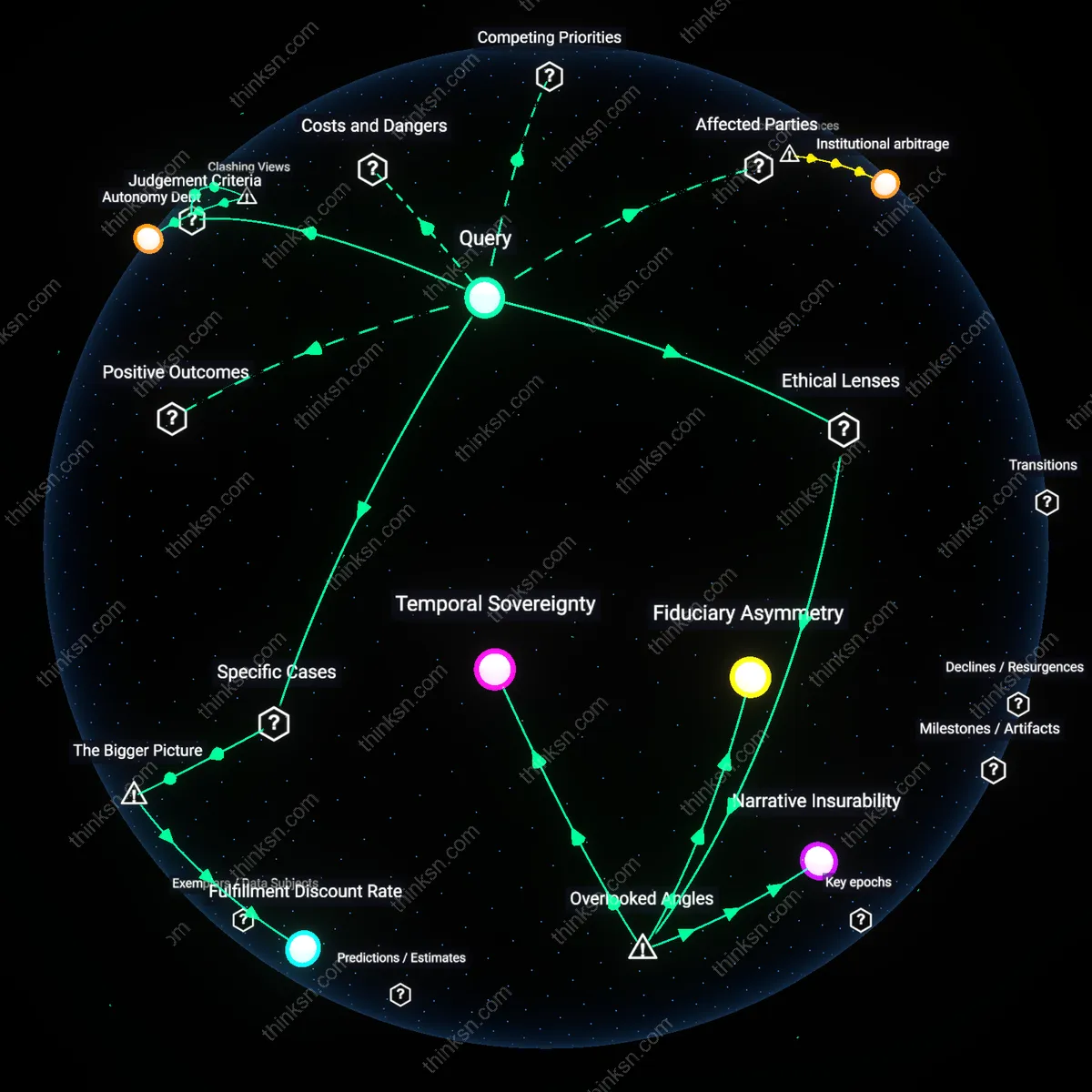
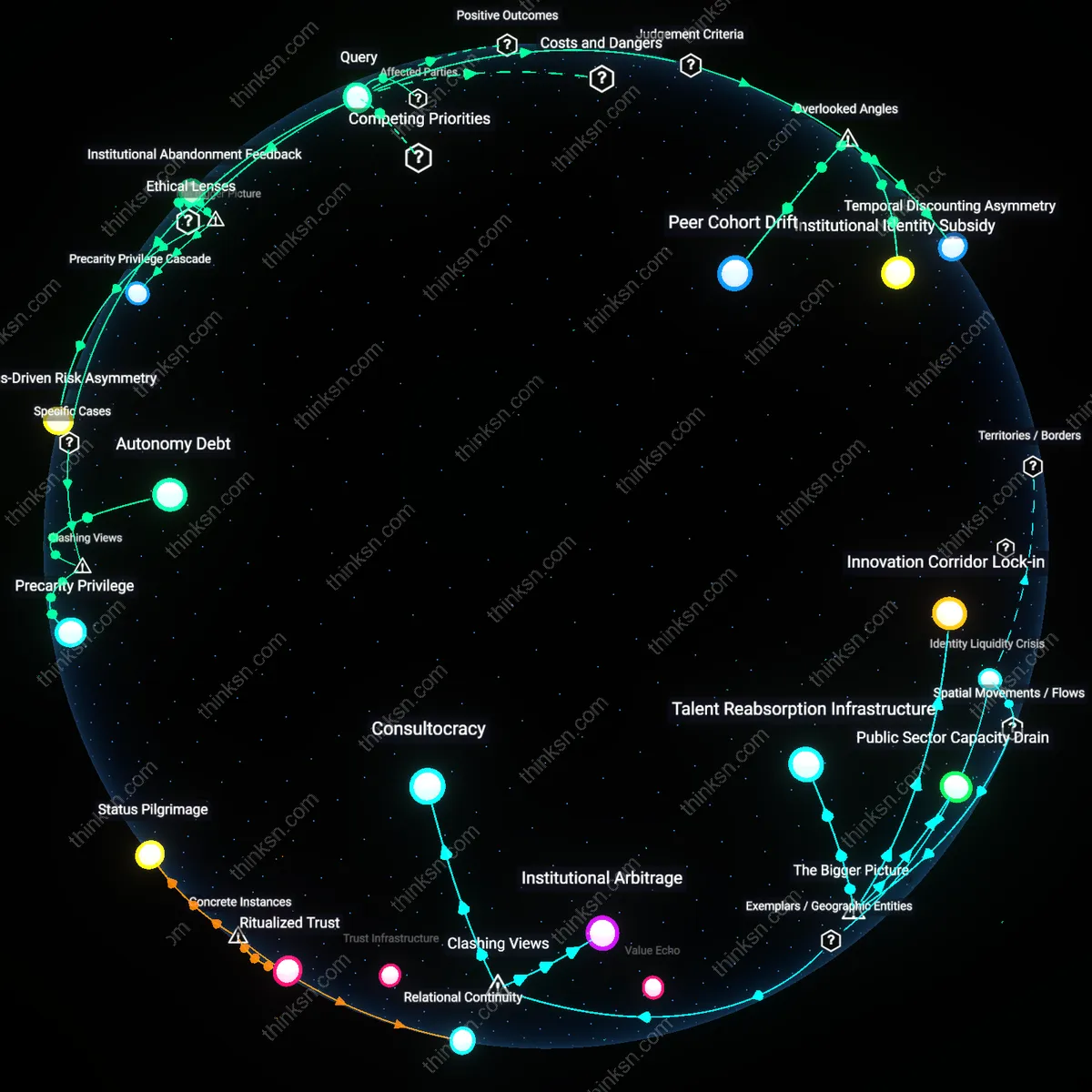
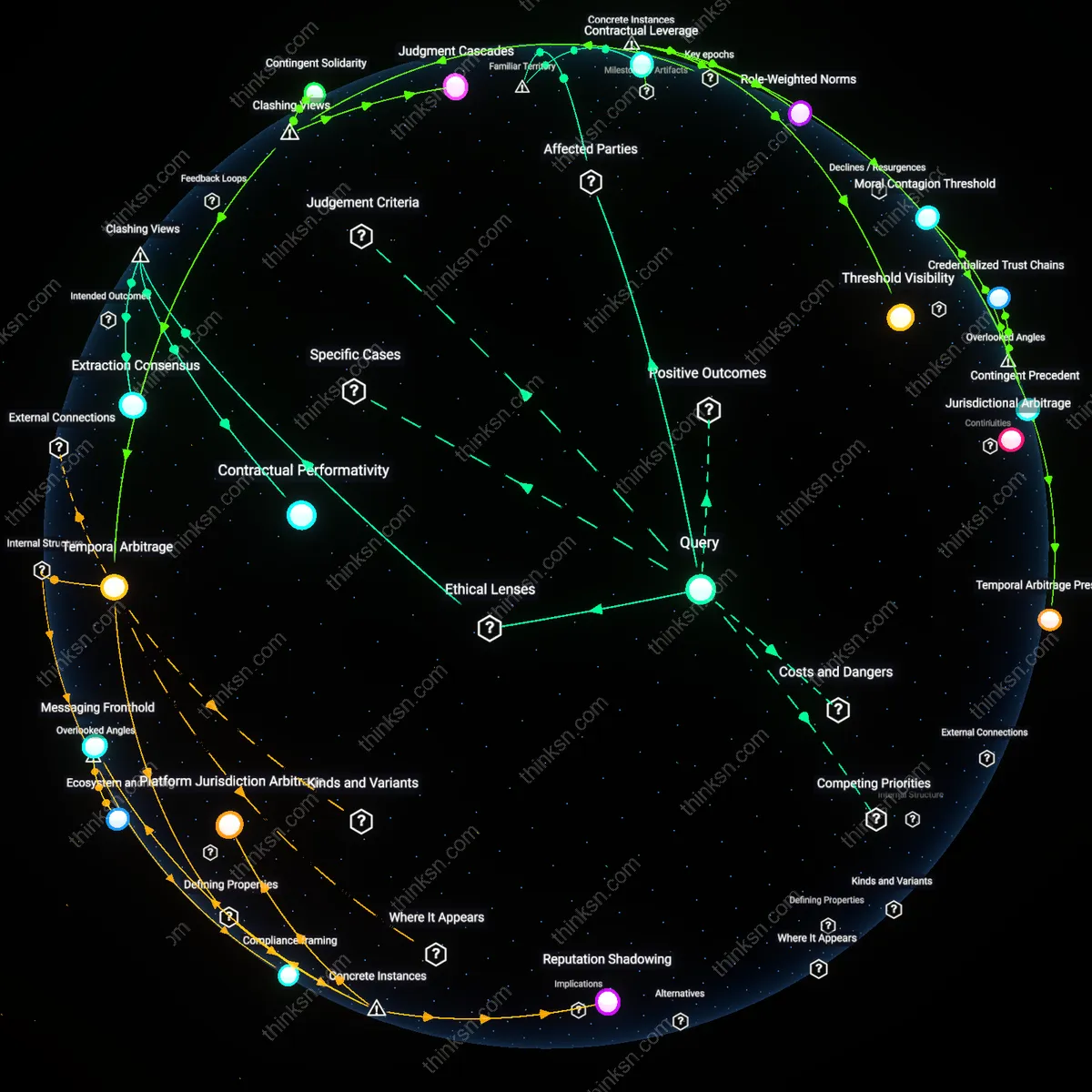
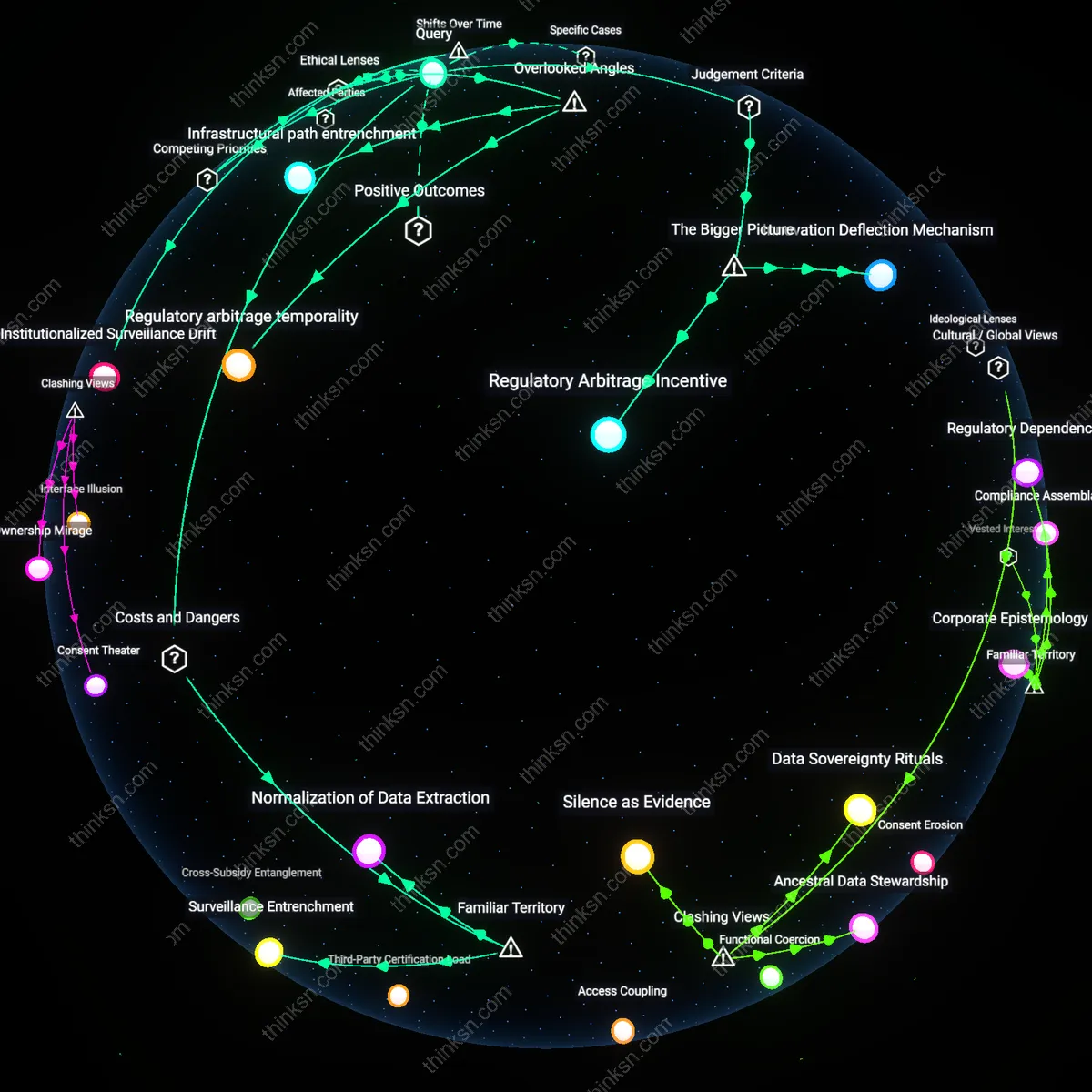
Analysis reveals 6 key thematic connections.
Key Findings
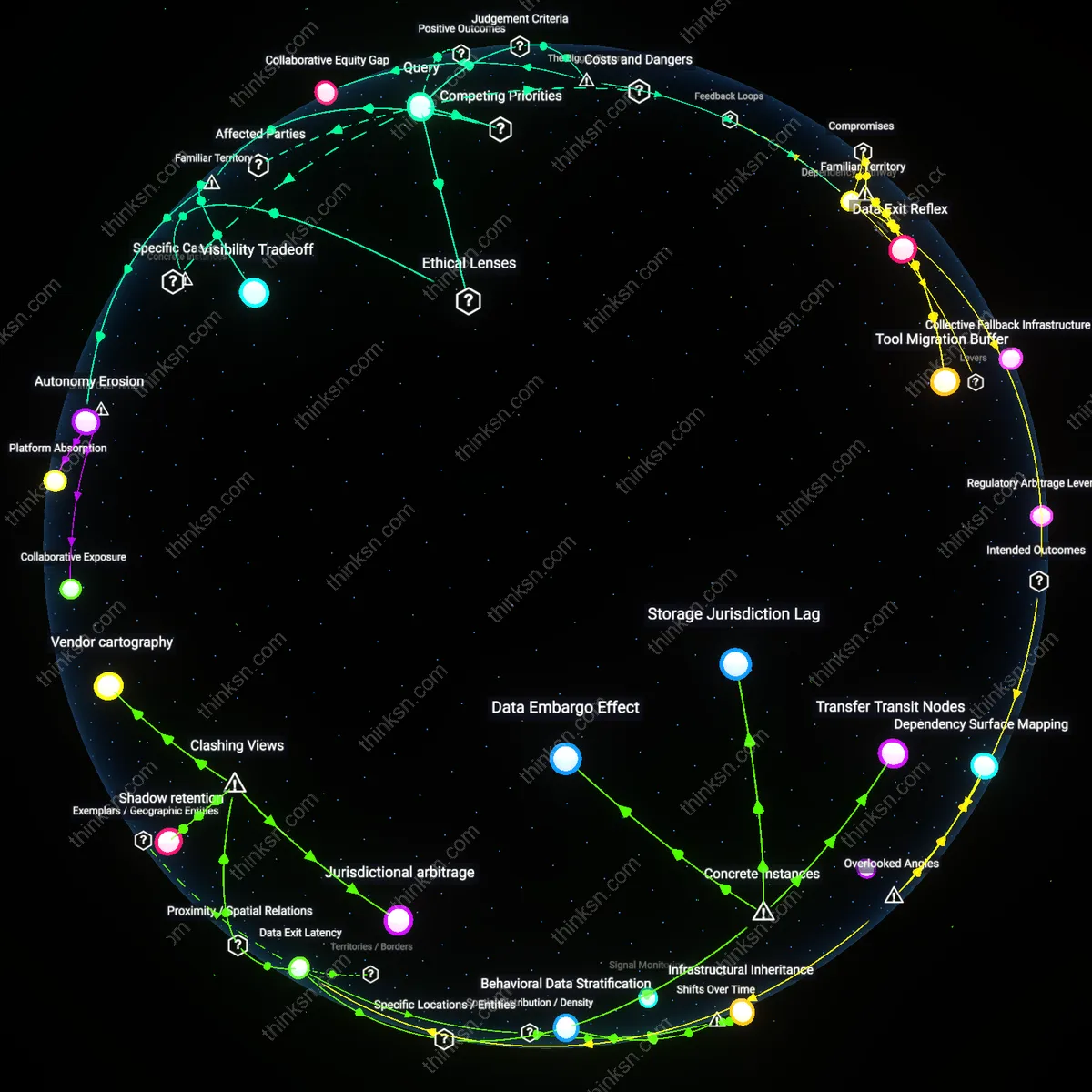
Collaborative Equity Gap
A freelancer can evaluate such tools by analyzing how algorithmic monitoring may distort credit attribution within teams, as automated performance metrics often favor visibility over actual contribution. Platforms that log message frequency, response time, or task initiation may systematically advantage extroverted or time-zone-privileged members while erasing the value of reflective or asynchronous labor—common among independent contractors. This skews fairness in reputation-building, especially when clients or leads use tool-generated analytics to assess team performance. The underappreciated consequence is that the tool’s design doesn’t just reflect collaboration—it actively reshapes it, privileging certain labor styles under the guise of objectivity, thereby reproducing inequity through technical mediation.
Dependency Pathway
Freelancers must consider how adopting free, monitoring-equipped tools can create lock-in through data accumulation and workflow integration, making future tool-switching costly despite deteriorating terms of service. These platforms are engineered to increase switching costs by centralizing communications, files, and relationship histories, exploiting the practical inertia common in small, resource-constrained operations. Over time, the tool becomes a de facto infrastructural layer maintained not by ownership but by relational dependency—one where the freelancer cannot leave without disrupting client connections or losing institutional memory. The overlooked mechanism is not the tool’s functionality but its role as a socio-technical sinkhole, where convenience today forecloses autonomy tomorrow.
Visibility Tradeoff
Adopting a free project-management tool that monitors team interaction dynamics forces freelancers to expose their workflow patterns to third-party data aggregation in exchange for functional access, because the service monetizes behavioral metadata through surveillance-based business models. The freelancer, as both user and data subject, trades operational transparency for cost savings, with the platform’s algorithmic tracking embedded directly into communication and task-logging features that map social interactions. This exchange is structurally inevitable—not a bug but the core economic mechanism—making privacy a priced resource rather than a default, which is underappreciated because users typically frame cost as purely monetary, not behavioral.
Autonomy Erosion
Using a free tool that analyzes team dynamics conditions the freelancer’s work habits to align with platform-designed engagement metrics, because continuous interaction monitoring rewards quantifiable activity over substantive outcomes. The tool shapes behavior through feedback loops like notification nudges, visibility rankings, and response-time benchmarks, which originate from the provider’s incentive to maximize user engagement as data yield. This subtle reshaping of work rhythm is rarely seen as a loss of agency, even though the freelancer increasingly optimizes for platform expectations rather than client or personal priorities, which contradicts the intuitive appeal of 'freedom' in freelancing.
Dependency Lock-in
Freelancers who integrate a free, interaction-tracking project-management tool into client workflows become enmeshed in its ecosystem, because accumulated data—messages, timelines, feedback—creates high switch costs despite nominal ownership. The platform binds user momentum through proprietary formats, asymmetric access, and relationship centrality, where abandoning the tool disrupts established client communication histories. This dependency emerges gradually, masking itself as convenience, and is underappreciated because the initial 'free' offer frames adoption as risk-free, when in reality it initiates a path toward infrastructural reliance on a third-party gatekeeper.
Data Sovereignty Erosion
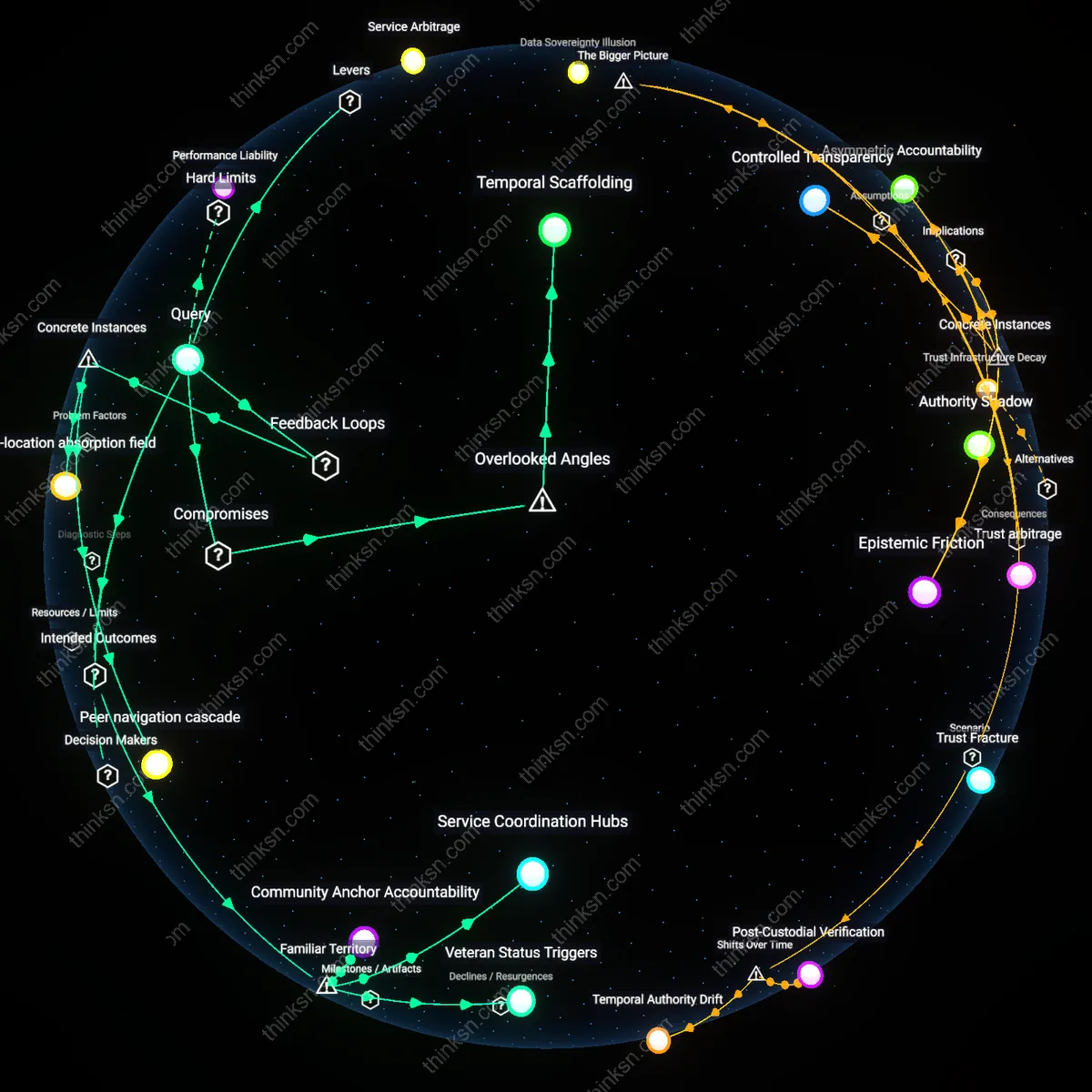
A freelancer using Trello, a free Asana-owned tool that tracks clickstreams and collaboration patterns, risks ceding data sovereignty to a corporation embedded in U.S. data extractive regimes, such as those revealed in the 2023 Federal Trade Commission investigation into Atlassian’s data practices. This case demonstrated how metadata from user interactions—timing, frequency, network topology—are repurposed for commercial modeling without explicit consent, turning freelance labor into training data for AI-driven productivity tools; this reflects a Lockean tension between individual labor rights and corporate appropriation, where the 'commons' of digital work product is enclosed through licensing agreements masked as service terms. The non-obvious insight is that the tool’s cost-free access is reciprocated not with money but with behavioral surplus, transforming the freelancer into an unpaid data producer within a digital enclosure movement.