Should Highly Sensitive Kids Play Sports Despite Anxiety?
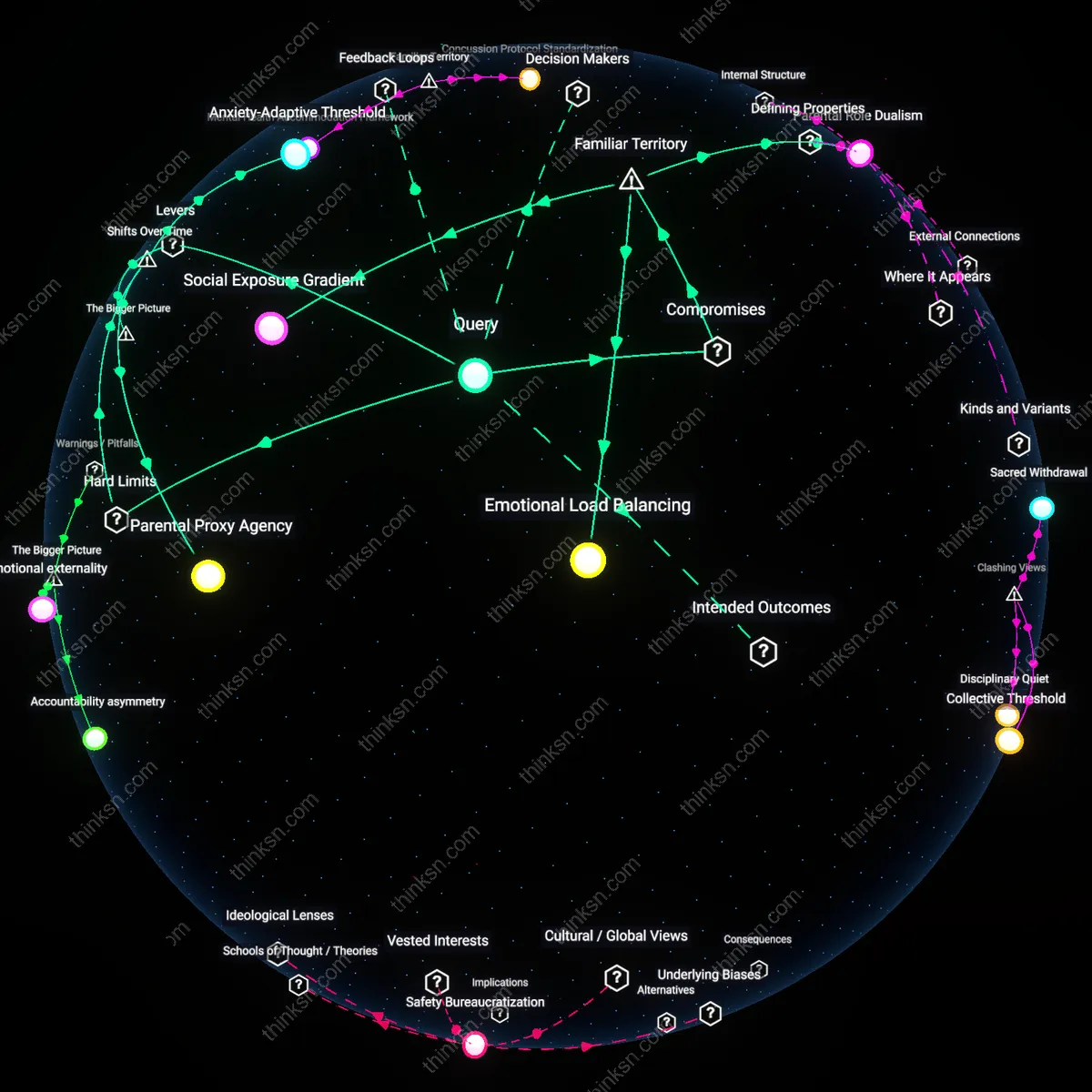
Analysis reveals 7 key thematic connections.
Key Findings
Anxiety-Adaptive Threshold
A single parent must defer enrollment in structured team sports until the child demonstrates consistent emotional regulation outside high-stakes environments, because pediatric behavioral health guidelines now emphasize developmental readiness over peer conformity, a shift accelerated by post-2010 increases in childhood anxiety diagnoses and school-based mental health screenings. This threshold emerged when clinical protocols began prioritizing neurodivergent-informed care, reshaping parental decision-making from social integration as default to risk-calibrated participation. The underappreciated dynamic is that schools now function as surveillance sites for early anxiety detection, which retrospectively invalidates earlier norms of 'sink-or-swim' extracurricular exposure.
Parental Proxy Agency
The parent should assume the role of negotiated advocate by securing a phased trial period with coaches and counselors, a mechanism made possible by the expansion of Individualized Accommodation Plans in non-academic school settings after the 2015 OCR guidance on emotional disabilities in extracurriculars. This shift transformed informal parental requests into enforceable procedural rights, anchoring access to sports in documented behavioral support frameworks rather than goodwill. The non-obvious consequence is that single parents now wield institutional leverage once reserved for special education contexts, converting personal judgment into policy-mediated authority.
Sensory Participation Contract
The parent must co-create a binding agreement with the child and program staff that specifies withdrawal protocols, sensory breaks, and communication channels, a practice that crystallized after youth sports organizations adopted trauma-informed training post-2020, driven by CDC mental health advisories and liability concerns. This formalization of exit rights reverses the historical norm of mandatory perseverance, replacing sunk-cost logic with conditional engagement. The residual innovation is that the child’s volatility is no longer managed through exclusion but institutionalized as a design parameter in activity structure.
Parent-school alignment
A single parent should initiate a structured needs assessment meeting with the child’s teacher and school counselor to align on observed behaviors and thresholds for emotional stress. This step activates formal school-based support systems by positioning the parent as a collaborator in the child’s socio-emotional framework, leveraging existing Individualized Education Program (IEP) or 504 plan infrastructure even in the absence of a formal diagnosis. The mechanism—data-informed advocacy—connects parental insight with institutional protocols, transforming subjective concerns into actionable accommodations that condition how extracurricular recommendations are evaluated. The non-obvious insight is that enrollment in sports becomes less a binary choice than a monitored trial governed by shared metrics, reducing the weight of conflicting advice through procedural anchoring.
Emotional Load Balancing
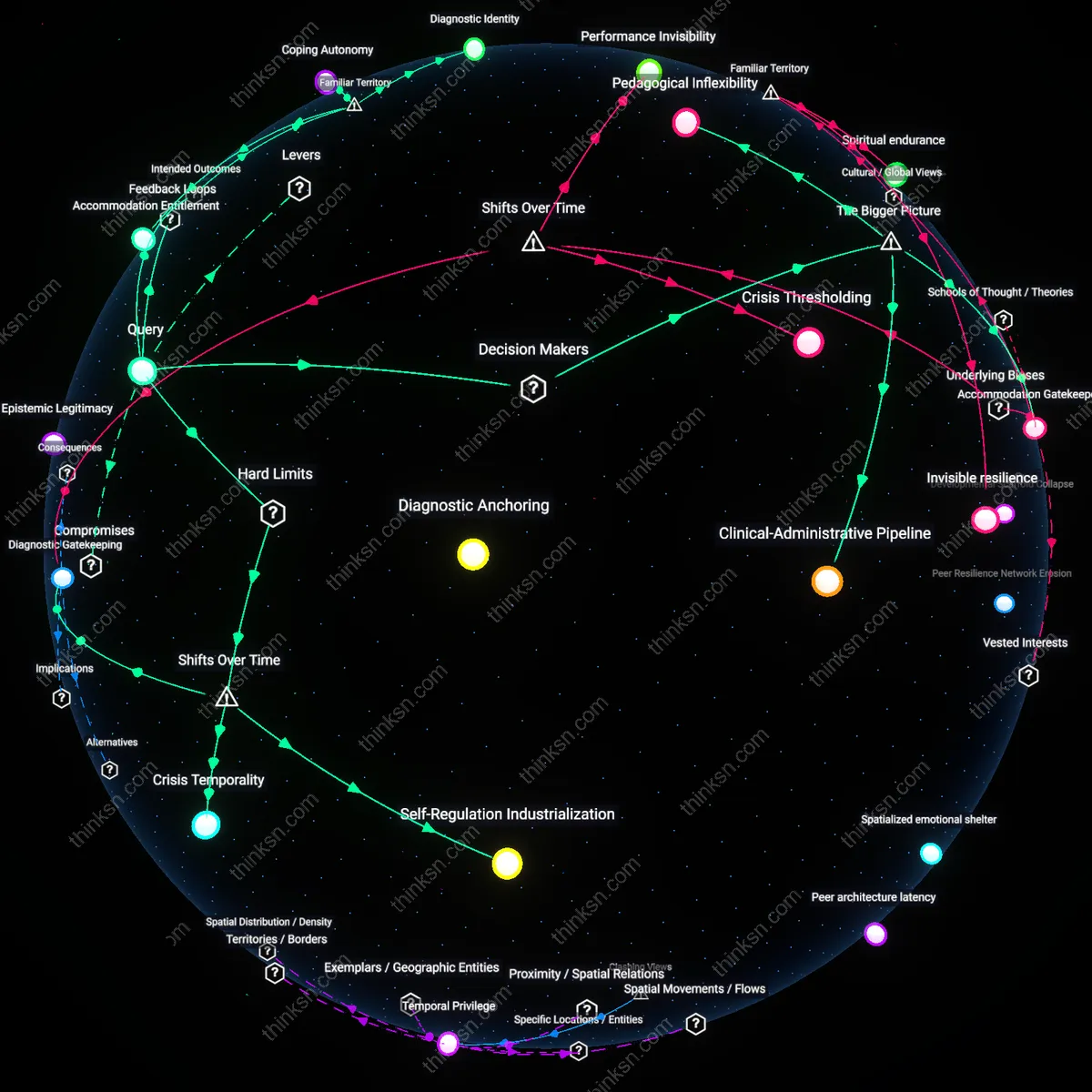
Prioritize the child’s daily emotional capacity when scheduling activities, treating each commitment as a withdrawal from a finite pool of nervous system resilience. Parents act as regulators by monitoring physiological cues—like sleep disruption or appetite changes—and adjusting sports participation accordingly, operating through the home-as-buffer system that shields neurodivergent children from overstimulation. While most advice frames activity selection as a behavioral fix (e.g., 'exposure builds confidence'), the non-obvious reality under Familiar Territory is that the home environment functions less as a haven and more as a metabolic ledger where emotional costs are settled nightly.
Social Exposure Gradient
Enroll the child in low-stakes, skill-based sports programs with predictable routines, such as martial arts or swimming, rather than team-based games emphasizing spontaneity and social performance. These activities operate through structured mastery loops that reward incremental progress over peer comparison, leveraging schools or municipal recreation centers that offer trial periods and opt-out flexibility. Contrary to the dominant cultural script that equates team sports with socialization success, the overlooked mechanism in Familiar Territory is that predictable physical routines—not unstructured peer interaction—serve as the primary on-ramp for anxiety-prone children to tolerate group settings.
Parental Role Dualism
Split the parental role into advocate and observer modes—act as advocate when negotiating accommodations with coaches or schools, but switch to neutral observer during practices to prevent anxiety transference. This duality operates through the child-coach-parent triangle, where the parent’s visible restraint signals implicit trust in the coach’s authority, reducing the child’s need to seek parental reassurance. Although conventional wisdom assumes constant parental emotional availability is protective, the underappreciated function within Familiar Territory is that strategic emotional distance—modeled by the parent—becomes a scaffold for the child’s autonomous engagement.