Why Colonoscopies Expand Under Fee-for-Service Despite Mixed Mortality Data?
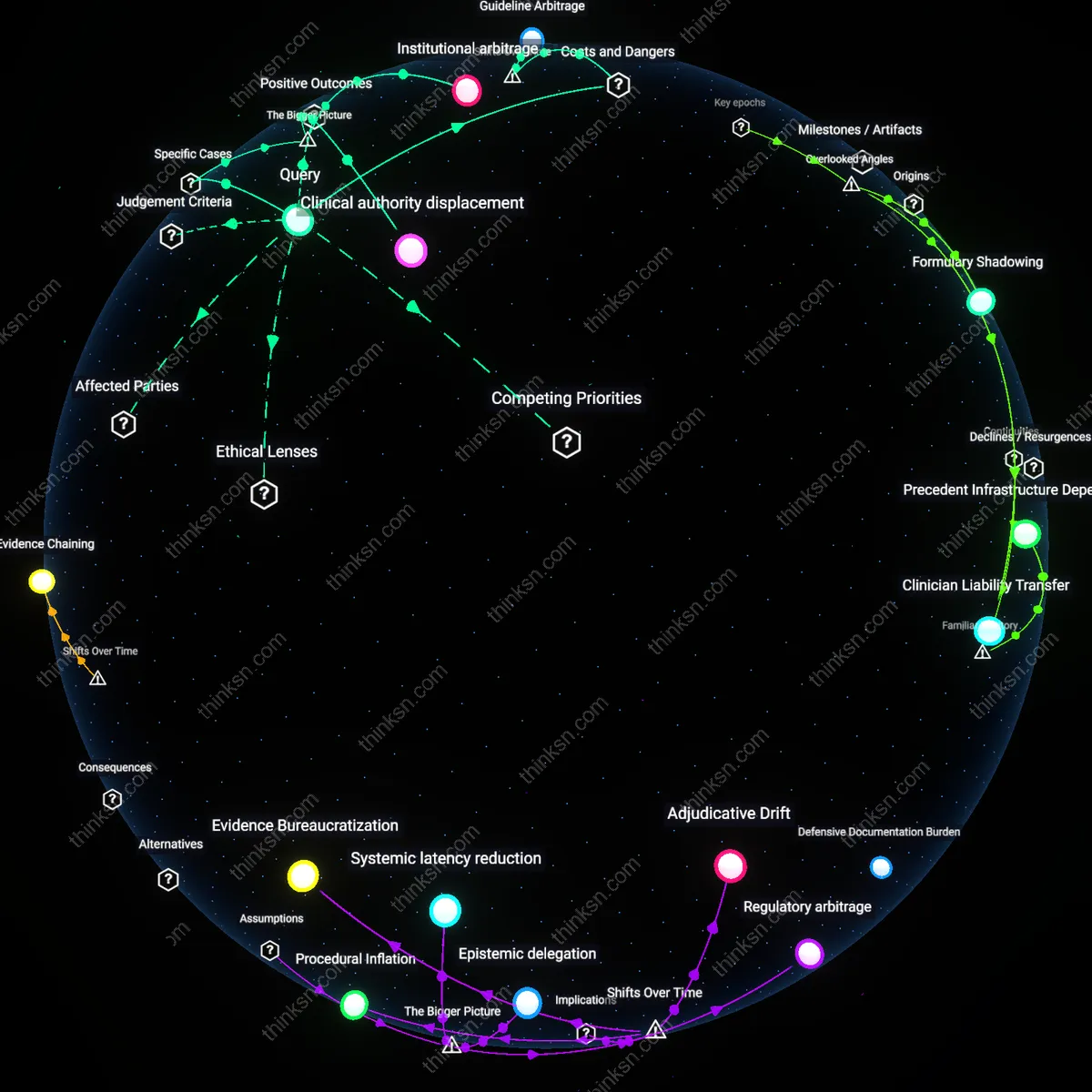
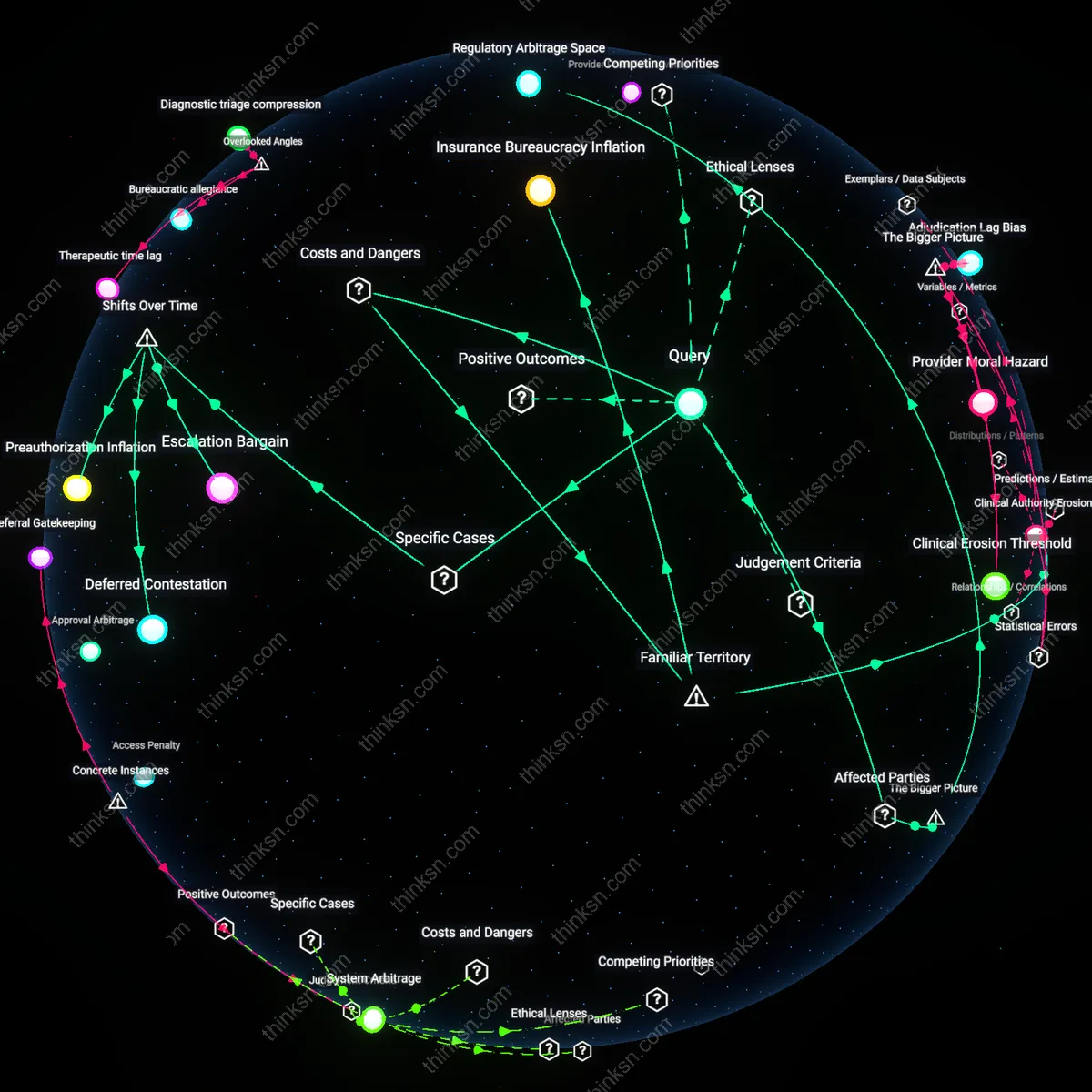
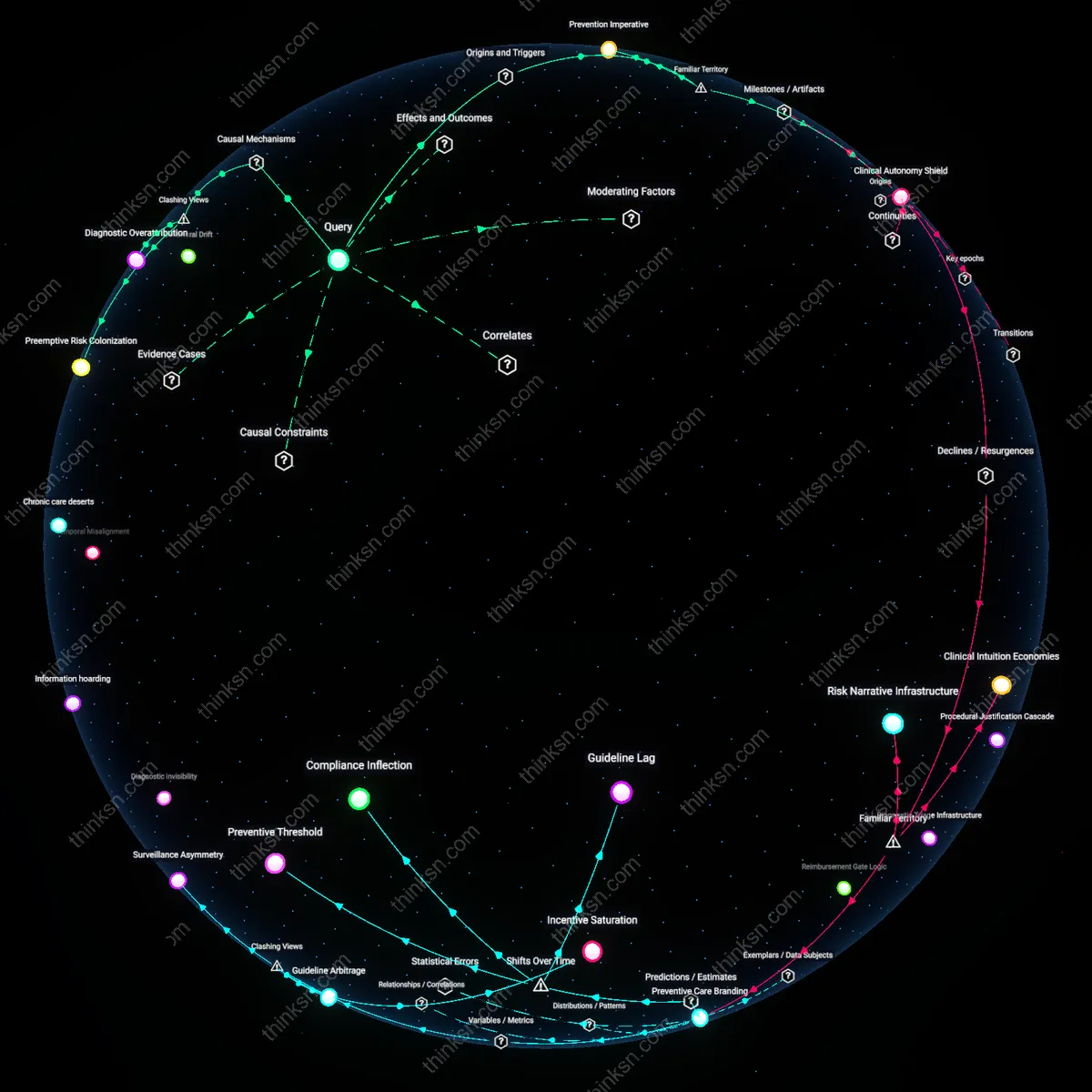
Analysis reveals 6 key thematic connections.
Key Findings
Financial Incentive Gradient
Fee-for-service reimbursement directly rewards physicians for each colonoscopy performed, creating a financial incentive that aligns provider income with procedure volume. This mechanism operates through Medicare and private insurer payment schedules that pay per service rather than per outcome, embedding economic benefit into procedural repetition regardless of guideline adherence or mortality impact. While patients and providers commonly associate colonoscopy with cancer prevention, the non-obvious reality is that billing codes—not clinical urgency—often determine scheduling density in high-volume practices.
Prevention Imperative
Public health campaigns and clinical guidelines have firmly established colonoscopy as a gold standard for colorectal cancer prevention, making its increased use feel inherently justified regardless of marginal benefit in low-risk populations. This cultural script—where screening equals responsibility—activates both patient demand and physician compliance, reinforcing utilization even when mortality data remain equivocal. The underappreciated dimension is that 'preventive care' functions as a moral signal, obscuring cost-benefit scrutiny by framing non-participation as personal or professional negligence.
Clinical Autonomy Shield
Physicians invoke individualized patient care as a rationale for recommending colonoscopy, using personal risk assessment to bypass population-level evidence thresholds. This autonomy operates as a legitimizing shield, deflecting critiques of overuse by reframing each decision as contextually tailored rather than systemically patterned. The non-obvious implication is that medical discretion—widely trusted as a safeguard—becomes a transmission belt for diffusion of unproven practices under the banner of customization.
Revenue-Driven Procedure Scaling
Fee-for-service systems increase colonoscopy use because physicians directly benefit financially from volume, creating an incentive to expand screening to populations where marginal clinical benefit is low but billing opportunities are high. This mechanism operates through hospital-based gastroenterology practices where productivity benchmarks and reimbursement rates prioritize procedural throughput over outcome metrics, particularly in private clinics with profit-linked physician compensation. The non-obvious reality this reveals is that service expansion is less about diagnostic uncertainty and more about revenue capture in settings where financial yield per procedure exceeds marginal effort.
Diagnostic Overattribution
Colonoscopy use rises under fee-for-service models not because physicians disbelieve evidence, but because they reframe indeterminate findings as clinically actionable through post hoc justification of polyp detection. This mechanism functions when ambiguous adenomas or non-advanced lesions are interpreted as 'potentially malignant' after discovery, transforming statistical noise into clinical urgency and retroactively validating screening intensity. The dissonance lies in how evidence inconclusiveness becomes a justification for—rather than a check on—intervention, revealing a cognitive-behavioral loop where diagnostic action erases its own epistemic doubt.
Preemptive Risk Colonization
Fee-for-service systems promote colonoscopies by shifting preventive care toward preemptive colonization of bodily risk states, where average-risk individuals are reclassified as 'polyp-prone' or 'surveillance-track' through minor findings that trigger cascades of future procedures. This mechanism works by embedding future billable events into initial diagnostic narratives, such as labeling hyperplastic polyps as surveillance-indicated, thus locking patients into recurring reimbursement cycles. The underappreciated insight is that procedure growth is sustained not by initial overuse but by engineering downstream dependency, converting episodic care into perpetual billing streams.