Is Criminalizing Abortion Info Protected by First Amendment?
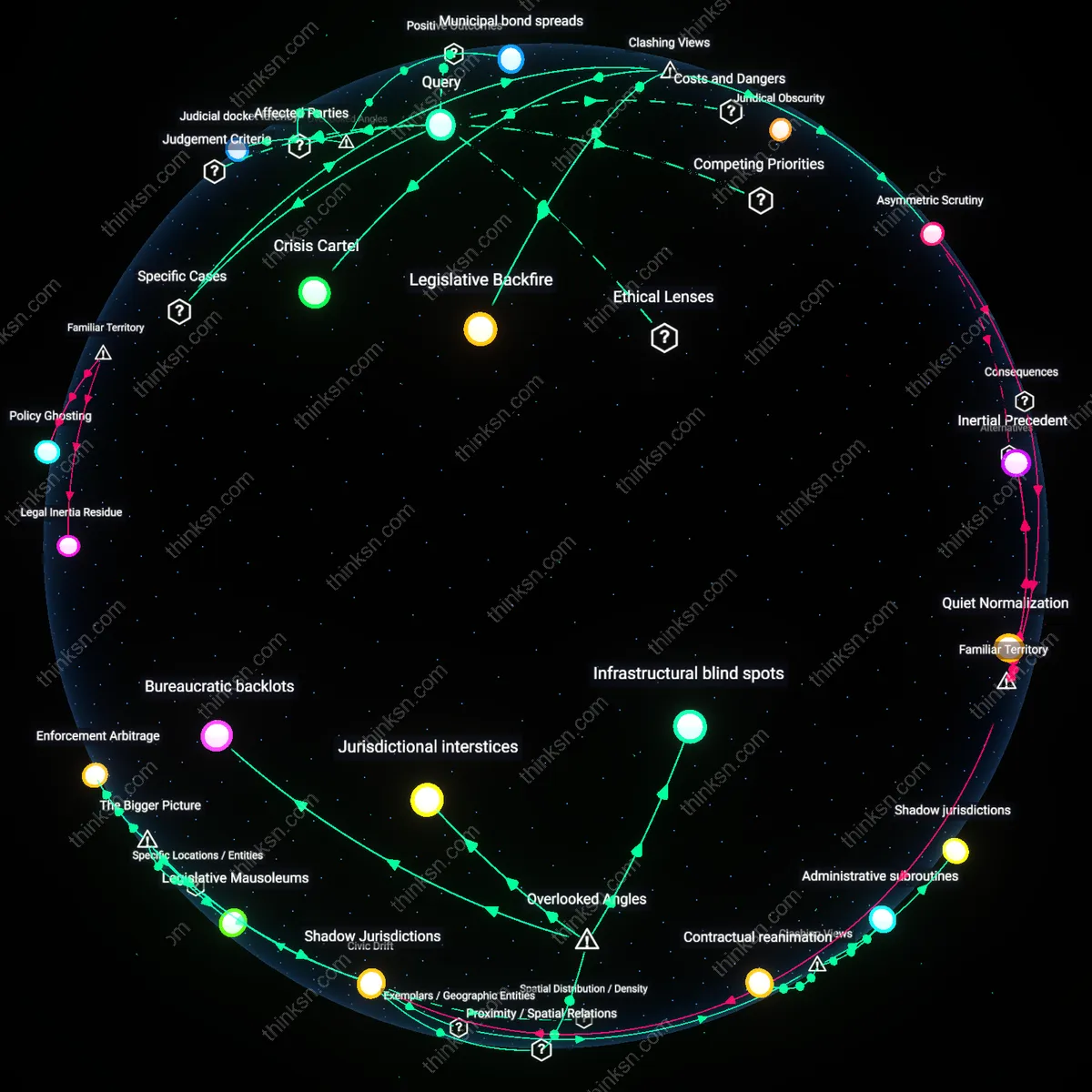
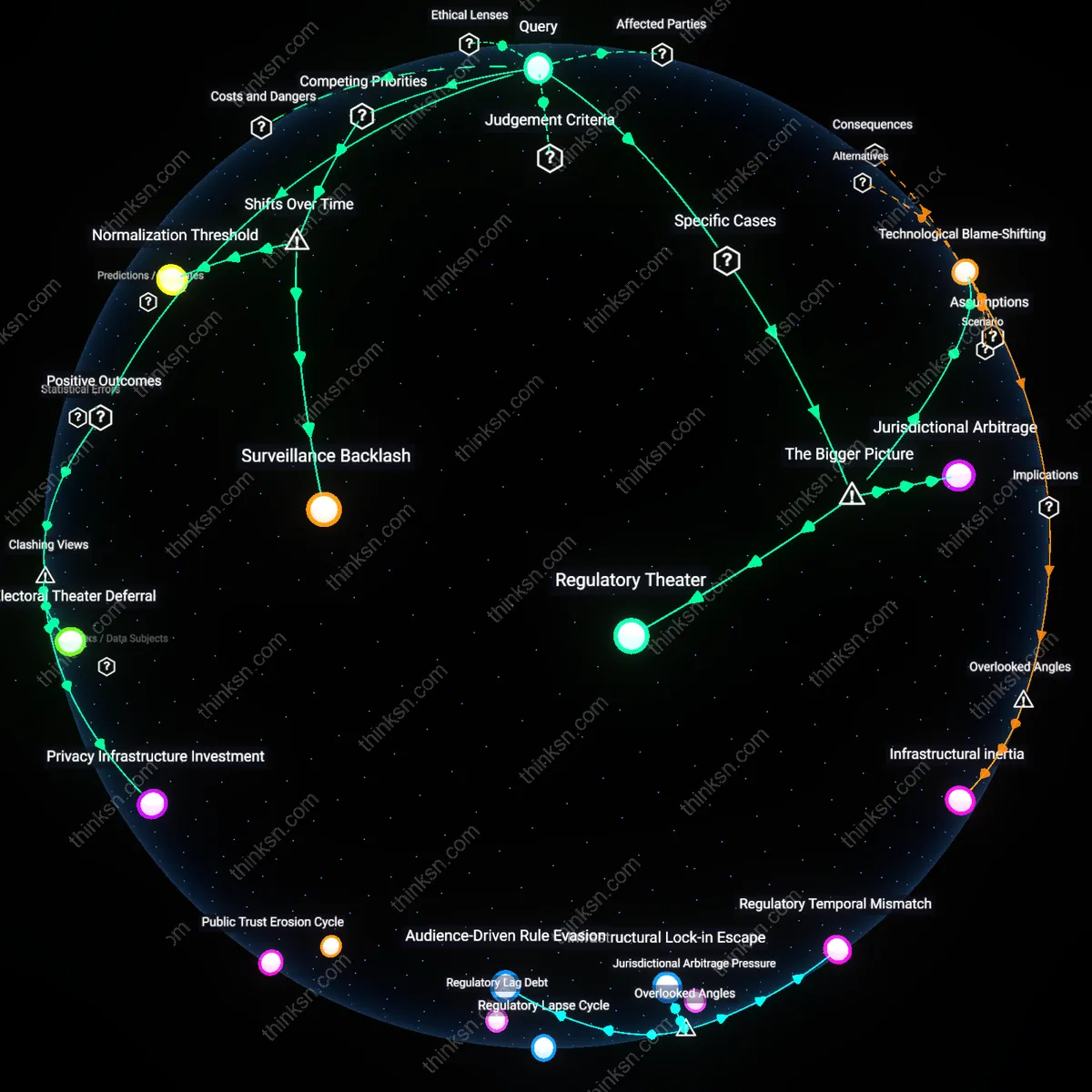
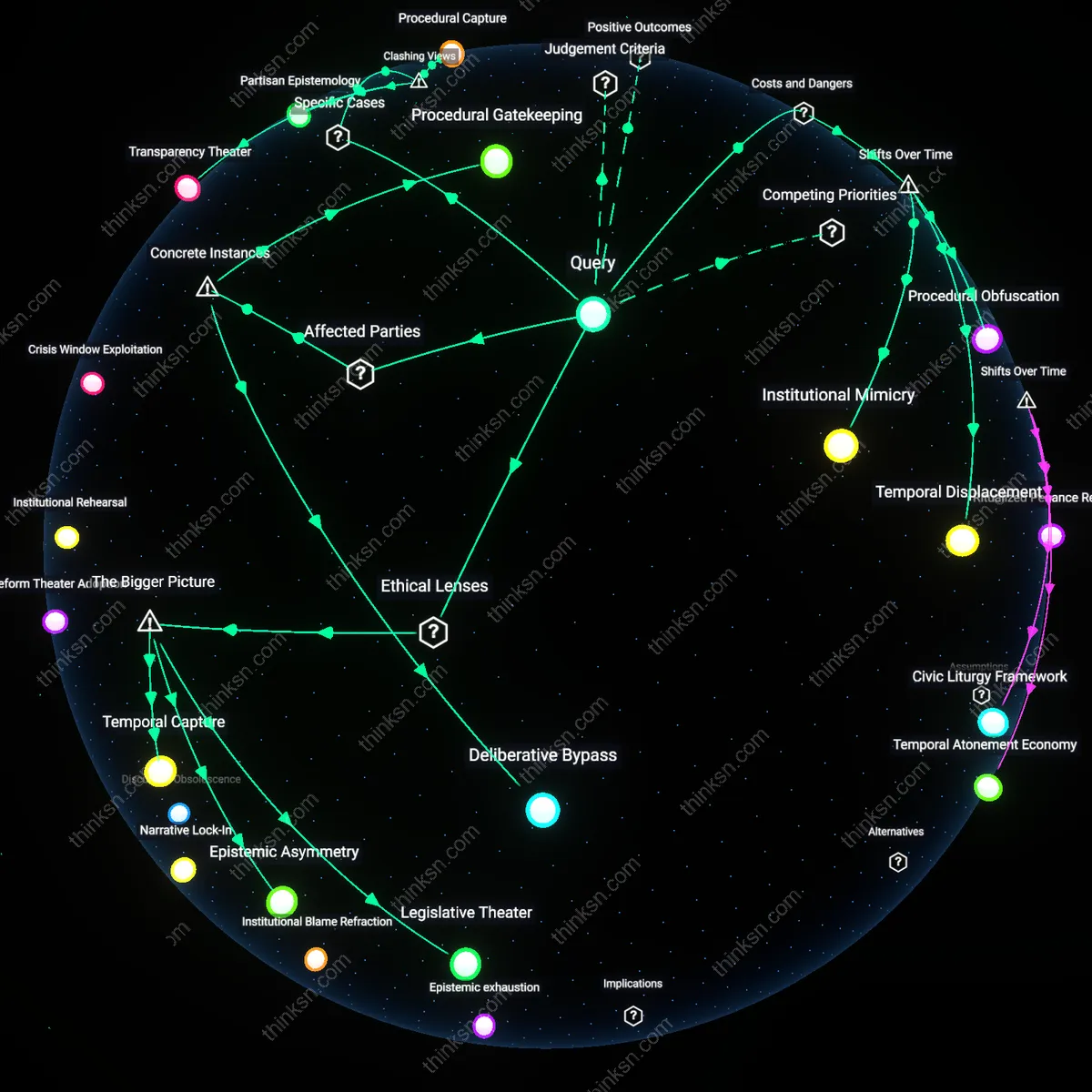
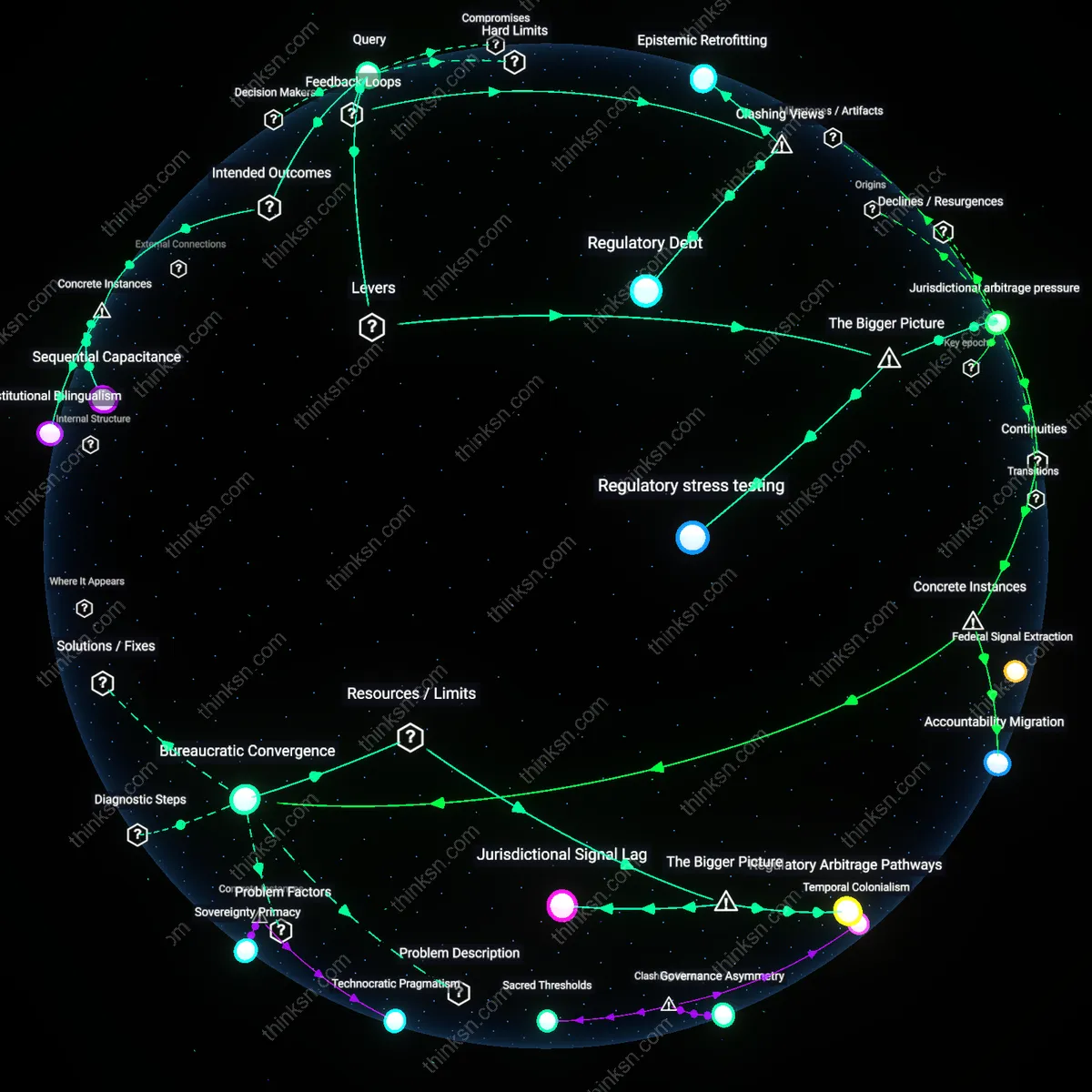
Analysis reveals 11 key thematic connections.
Key Findings
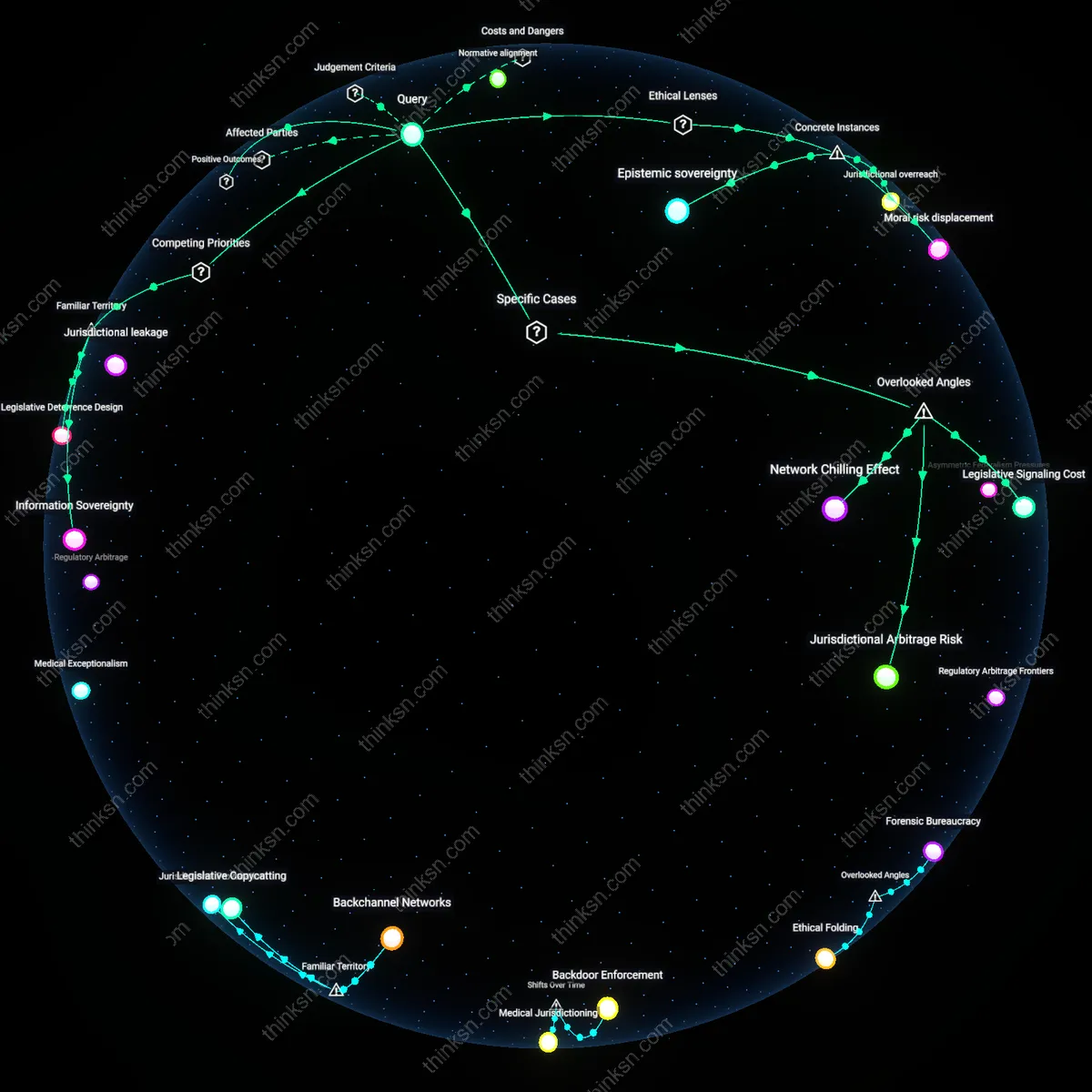
Normative alignment
Yes, because aligning speech restrictions with dominant moral frameworks reduces political friction and enables legislative coalition-building, as seen in states where anti-abortion majorities empower lawmakers to frame information referral as material support for illegal acts, thereby insulating the law from internal dissent; this stability emerges not from legal strength but from congruence between expressive regulation and prevailing community ethics, revealing how shared normative commitments lower enforcement costs and legitimize otherwise vulnerable statutes.
Jurisdictional leakage
Yes, because criminalizing the sharing of out-of-state service information helps contain the subversion of domestic law by preventing residents from easily circumventing local abortion bans through coordinated interstate access networks, particularly in border regions like Texarkana where proximity to permissive jurisdictions enables rapid real-world effect of shared logistical data; this regulatory move functions as a de facto extension of state reach, closing feedback loops where local restrictions generate pressure for extrajudicial workarounds that erode policy coherence.
Polarization arbitrage
Yes, because penalizing speech about abortion services allows state legislators to signal ideological commitment to base constituencies while outsourcing legal risk to federal courts, as demonstrated by GOP-led states leveraging conflict with federal guidance to rally support and attract strategic litigation funding from national interest groups; this outcome turns constitutional confrontation into a resource-generating mechanism, where the political upside of mobilization outweighs the practical unenforceability of such laws, thus making criminalization rational within an electoral survival calculus.
Information Sovereignty
Yes, it is rational for a state legislature to criminalize sharing information about out-of-state abortion services because states assert jurisdiction over speech that directly undermines their legal and regulatory regimes on morally contested health practices. State legislatures, particularly in conservative jurisdictions like Texas or Mississippi, treat the facilitation of abortion-related logistics as complicity in evading sovereign law, extending criminal liability to speech that enables violation of state policy. This reflects a mechanism long accepted in constitutional law—speech integral to illegal conduct is unprotected—and leverages state authority to defend regulatory exclusivity over bodily autonomy within borders. The non-obvious aspect is that most people associate free speech absolutism with public discourse on abortion, yet fail to recognize how jurisdictional integrity shapes state interest in suppressing speech that functions as logistical aid.
Legislative Deterrence Design
Yes, it is rational because criminalizing information-sharing acts as a deterrent strategy that expands the reach of state law beyond its geographic limits through reputational and legal risk. State legislatures design penalties not only to punish but to create a chilling effect among intermediaries—such as telehealth providers, apps, or advocacy groups—that might otherwise connect residents with legal services in states like California or New York. This operates through the legal system’s asymmetric enforcement capacity, where even ambiguous statutes discourage third-party actors due to fear of costly litigation or prosecution. Most public discourse frames this as a free speech issue, overlooking how the real mechanism is not suppression of opinion but the engineering of risk-averse behavior among information conduits.
Epistemic sovereignty
It is rational for a state legislature to criminalize sharing information about out-of-state abortion services when viewed through the lens of majoritarian moral enforcement, as demonstrated by the 2023 Arizona Attorney General’s interpretation of a 1864 territorial-era abortion ban to include shielding providers and facilitating access in California, which operates through the state’s claimed jurisdiction over moral conduct that undermines its public policy, revealing that rationality here is anchored not in suppressing speech per se but in asserting a polity’s exclusive authority to delimit legitimate knowledge about bodily autonomy.
Jurisdictional overreach
It is irrational under First Amendment doctrine for a state to criminalize speech about out-of-state services, as evidenced by the failed enforcement of Texas’s HB 1280 (the ‘Trigger Law’) post-Dobbs, where state prosecutors sought to penalize a Planned Parenthood affiliate for operating a website linking Texas residents to clinics in New Mexico, a mechanism rejected under the precedent of *Doe v. Reed* (2010) which established that information dissemination about lawful out-of-state conduct falls under protected political speech, exposing how the state’s attempt to project regulatory power beyond its borders undermines constitutional accountability.
Moral risk displacement
It is instrumentally rational for a state legislature to criminalize such information-sharing as a deterrent mechanism, illustrated by the 2022 actions of the Missouri General Assembly in amending its abortion statutes to include penalties for telehealth facilitators who connect residents with services in Illinois, a strategy functioning through the ethical framework of negative responsibility—where legislators claim duty to prevent citizens from engaging in morally wrongful acts, even extraterritorially—revealing that the primary function of the law is not epistemic control but the symbolic transfer of moral risk from the individual to the institutional enforcer.
Legislative Signaling Cost
A state legislature acts rationally when criminalizing speech about out-of-state abortion services because the symbolic cost of enforcement deters legal challenges, as seen in Texas’s SB 8, where private enforcement bypassed immediate judicial review. The mechanism hinges not on effective suppression but on inflating the transaction costs for plaintiffs—private lawsuits discourage coordinated legal action by fragmenting liability. This dynamic is overlooked because analyses focus on speech suppression efficacy, not how the structure of enforcement alters strategic behavior among rights advocates. What matters is the administrative burden imposed on opposition, shifting the contest from constitutional principle to procedural attrition.
Jurisdictional Arbitrage Risk
It is rational under a narrow constitutional logic because certain legislatures exploit ambiguities in interstate complicity doctrine, as illustrated by Mississippi officials after Dobbs encouraging prosecution of digital referral platforms under accomplice liability statutes. The overlooked mechanism is the use of criminal conspiracy frameworks to stretch jurisdiction beyond physical conduct, treating information sharing as an inchoate offense with out-of-state effects. This redefines speech as participation, a shift that escapes attention because First Amendment debates assume speaker location determines protection, not the legal fiction of complicity embedded in accessory statutes.
Network Chilling Effect
Criminalizing information about out-of-state abortion services is rational when the goal is not to punish individuals but to collapse referral networks, as evidenced by Oklahoma legislators targeting nonprofit helplines that coordinate clinic access across state lines. The unobserved dynamic is not individual deterrence but systemic disruption—removing institutional intermediaries multiplies the chilling effect far beyond direct enforcement. This collapses the infrastructure of access quietly, a strategy overlooked because free speech analysis centers on isolated speakers rather than the organizational mesh that enables mass coordination.