City Sanctuaries vs Federal Immigration: Legal Labyrinth for Undocumented Residents?
Analysis reveals 8 key thematic connections.
Key Findings
Procedural Asymmetry
Municipal sanctuary policies reduce the formal documentation required for undocumented residents to access health and social services, which inadvertently creates conflicting data trails when federal agencies later attempt to verify eligibility for benefits across jurisdictional lines. Because local agencies collect only minimal identifying information to protect residents, while federal systems demand consistent, traceable identifiers for compliance, mismatches in data depth and structure generate de facto legal ambiguities—not from explicit conflict in law, but from operational incompatibility in recordkeeping. This procedural misalignment is rarely addressed in legal debates focused on statutory authority, yet it determines whether an individual’s access to services becomes a liability during immigration enforcement. The overlooked issue is not whether services are legally permitted, but whether the administrative artifacts of access can be weaponized due to inconsistent data protocols across governance tiers.
Enforcement Latency
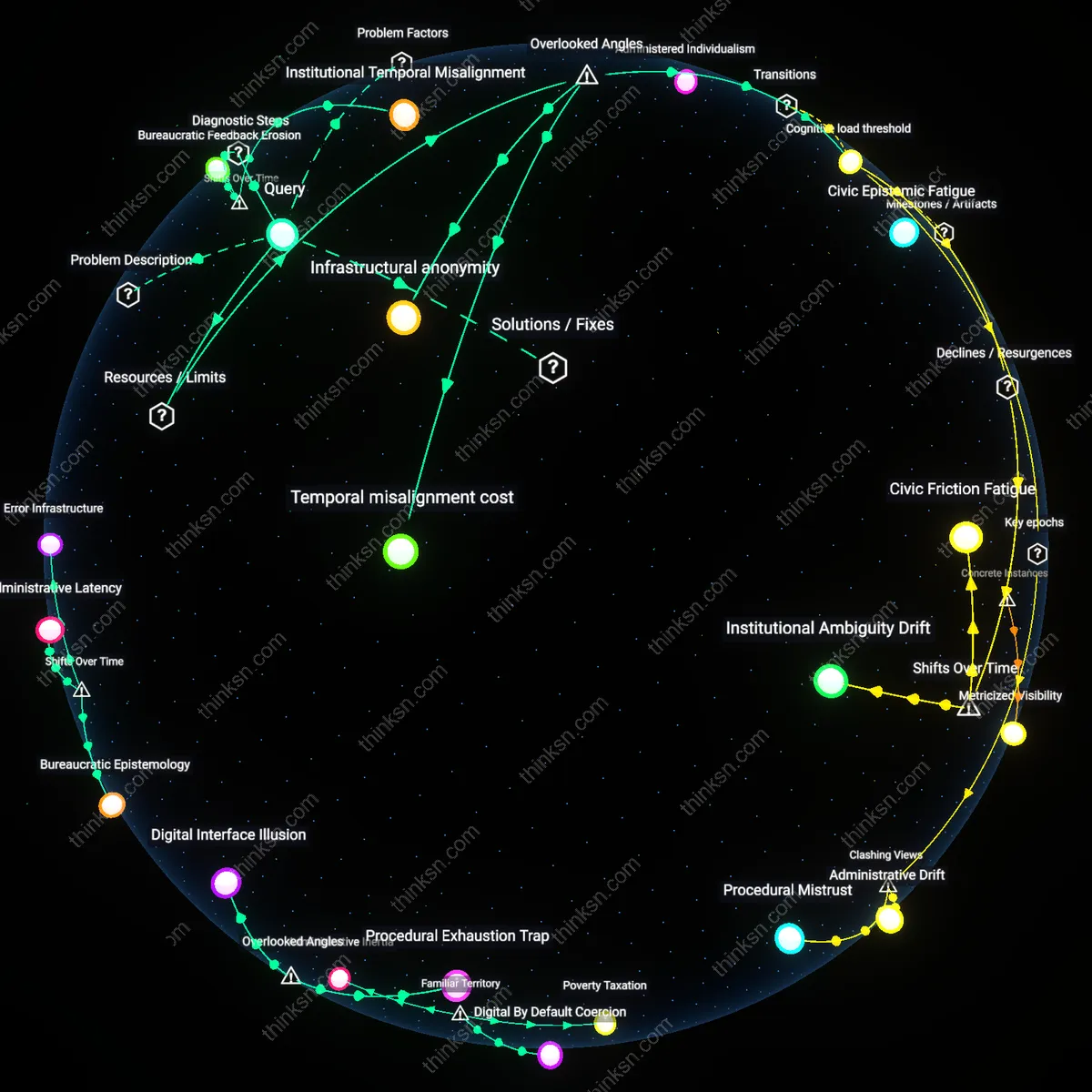
The temporal gap between when undocumented individuals access municipal services under sanctuary protections and when federal enforcement actions may occur—sometimes years later—creates a false sense of security that distorts risk assessment among both service providers and recipients. Federal immigration authorities increasingly use historical usage patterns, such as school enrollments or public health visits, not to immediately deport, but to build contextual profiles for future enforcement when other triggers emerge. This latency transforms benign, legally protected interactions into potential surveillance footholds over time, introducing ambiguity not through overt conflict, but through the deferred instrumentalization of routine municipal data. The overlooked dynamic is that sanctuary policies assume immediate legal consequence, but federal systems now operate on delayed, predictive logics that render present safety illusory in longitudinal immigration enforcement strategies.
Interagency Signaling
Local law enforcement’s informal communication patterns with federal immigration authorities—such as sharing dispatch logs or incident reports that indirectly identify service users—create backchannel pathways that circumvent official sanctuary restrictions, generating legal ambiguity even when frontline service providers comply with non-cooperation mandates. Because sanctuary policies typically bind direct cooperation but not lateral data flows among municipal departments, entities like fire or emergency medical services may inadvertently signal presence or location through routine interdepartmental reports, which are then aggregated by federal actors. This hidden dependency on bureaucratic communication norms, rather than formal policy breach, explains why some undocumented residents are targeted despite no direct violation of sanctuary rules. The overlooked reality is that compliance is structural, but exposure is organizational, hinging on unregulated internal information circuits within city government.
Jurisdictional signaling
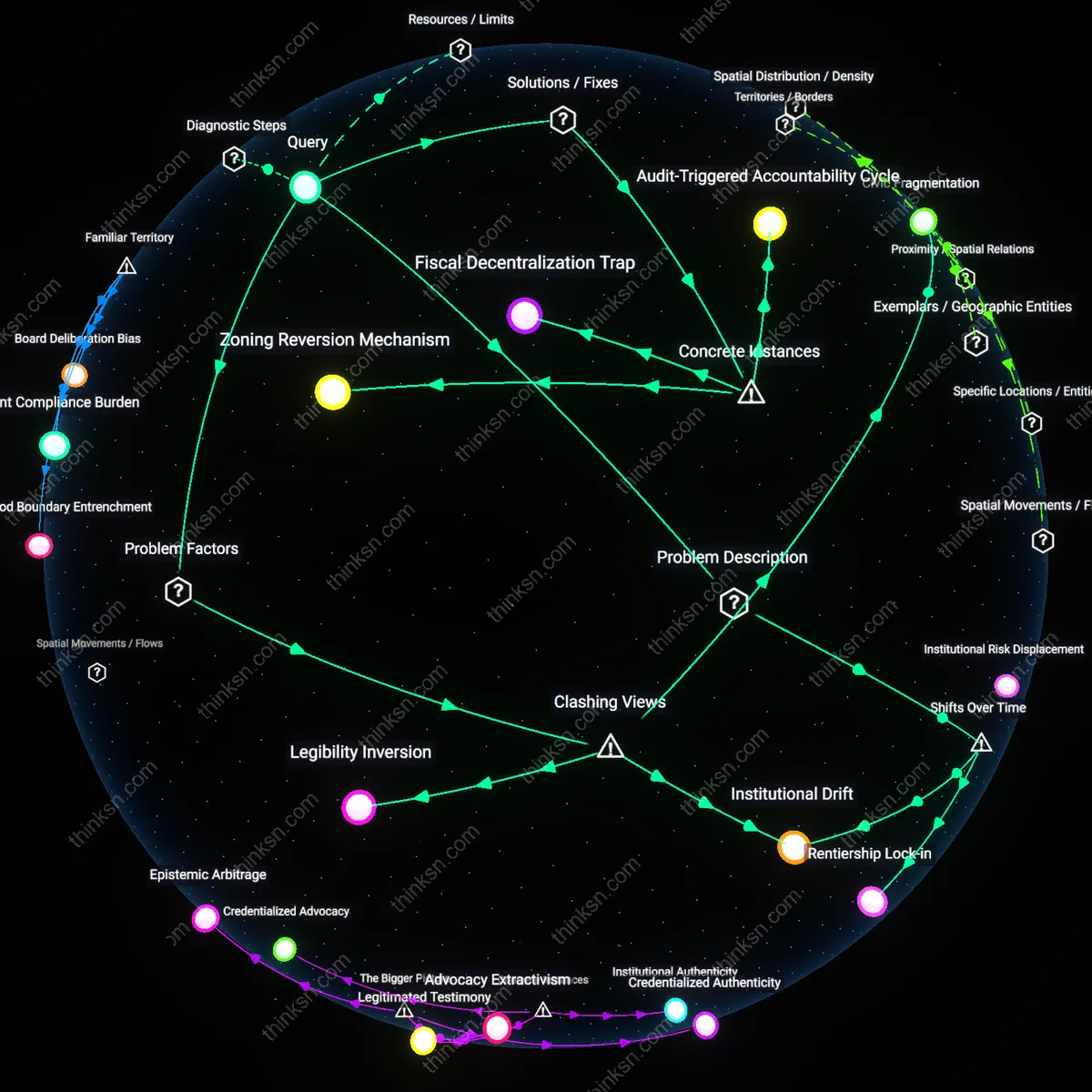
Sanctuary cities like Los Angeles limit cooperation with ICE detainer requests, leading local agencies to inconsistently report immigration status during routine health service visits, creating confusion among undocumented residents about eligibility even when services are legally accessible. This divergence between city policy and federal enforcement priorities generates a perceptual risk calculus among service users who cannot reliably discern actual legal risk from jurisdictional posturing, revealing that local policy expressions themselves—distinct from legal mandates—shape behavior. What is non-obvious is that the symbolic assertion of sanctuary status, not just operational non-cooperation, actively structures residents' decisions to avoid services, even where no federal law prohibits access. Evidence indicates this effect persists regardless of actual ICE activity levels in the region.
Administrative opacity
In Cook County, Illinois, the Board of Commissioners passed an ordinance restricting staff from inquiring about immigration status for access to public hospitals and clinics, yet patient intake forms in some facilities continue to include optional fields for visa or green card data, creating uncertainty in practice. Frontline workers receive inconsistent training on when and whether such data can be shared with other agencies, and the absence of standardized protocols across departments allows discretionary data collection that mirrors federal surveillance mechanisms even in non-cooperative jurisdictions. The non-obvious insight is that decentralized administrative design, not explicit policy alignment with federal aims, recreates pathways for indirect data leakage and deters utilization. Research consistently shows that perceived bureaucratic entanglement with immigration enforcement suppresses service uptake, irrespective of formal sanctuary status.
Service-by-service fragmentation
In New York City, the Municipal Health and Hospitals Corporation operates public clinics that do not require immigration documentation, while nearby federally funded Head Start programs administered by the Department of Education routinely conduct eligibility checks that exclude undocumented families, creating divergent access logics within the same urban space. Families accessing multiple services must navigate an invisible map of jurisdictional thresholds where one program’s sanctuary adherence does not extend to another’s conditional funding mandates, producing spatial and procedural disorientation. The overlooked reality is that sanctuary policies are not portable across service domains, even within a single city government, and this institutional fragmentation—rather than outright denial—becomes the mechanism of exclusion. Evidence indicates that this patchwork structure leads to self-denial of eligible services due to anticipatory confusion.
Jurisdictional Asymmetry
Municipal sanctuary policies create legal ambiguities for undocumented residents accessing public services when local governments restrict cooperation with federal immigration enforcement, but only if federal authorities retain statutory power to detain or deport individuals encountered during service provision. This bottleneck exists because while cities like San Francisco or New York can limit information sharing via executive orders or local ordinances, ICE remains empowered under the Immigration and Nationality Act to act on its own intelligence or incidental encounters—creating a split enforcement reality. The critical shift occurred after 2008, when ICE increasingly relied on local law enforcement partnerships through programs like Secure Communities, which expanded federal reach into municipal service ecosystems even as some cities formally withdrew cooperation. What emerged was not outright conflict but a structurally fragile coexistence where access depends on administrative discretion rather than clear legal boundaries.
Service Entanglement
Legal ambiguities arise when federal immigration enforcement indirectly penetrates sanctuary jurisdictions by targeting points of service integration, such as hospitals or schools, where identifying data is collected for non-enforcement purposes. The prerequisite condition is that public service systems must collect personal information to function—birth records for healthcare, enrollment data for education—which becomes a latent pathway for federal surveillance if shared, even unintentionally. A pivotal transition occurred in the mid-2010s when U.S. Citizenship and Immigration Services (USCIS) revised policy interpretations to treat public benefit use as a negative factor in visa adjudications under the public charge rule, retroactively altering the perceived risk of engagement even in sanctuary cities. This recalibration transformed previously neutral administrative systems into de facto gateways of immigration consequence, revealing how service infrastructure itself became entangled with enforcement.