Are Homeowners Trading Privacy for Rent in Canadas Backyards?
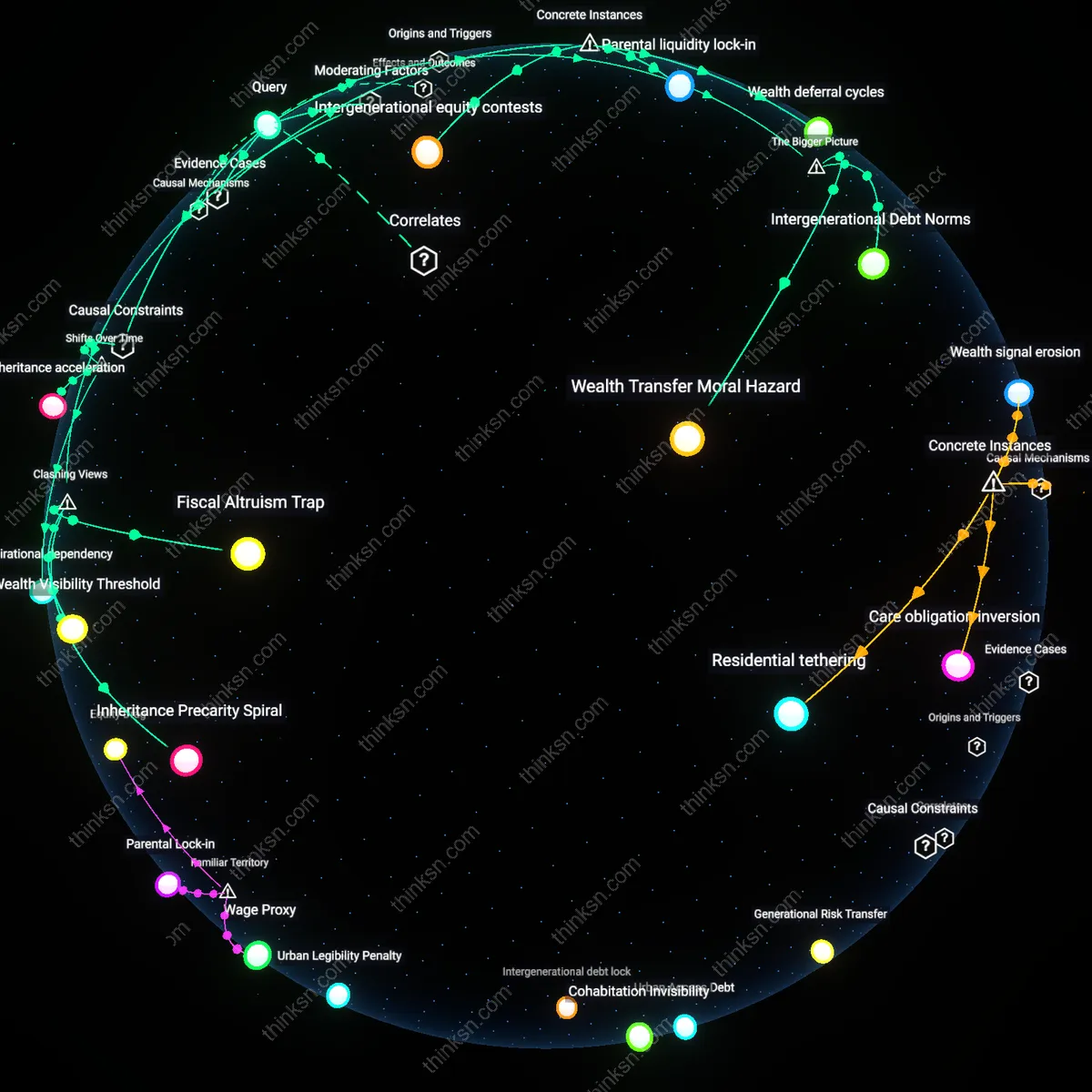
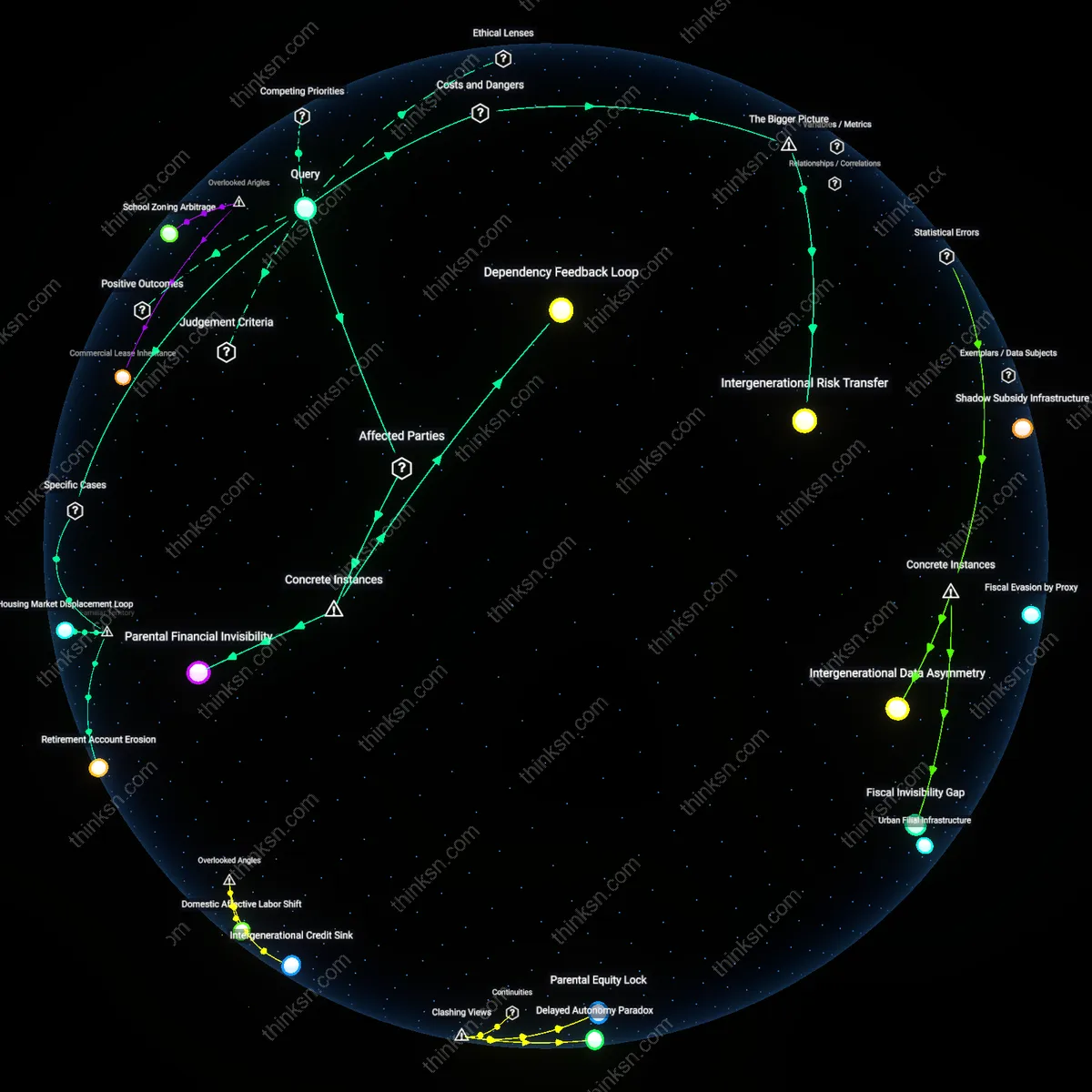
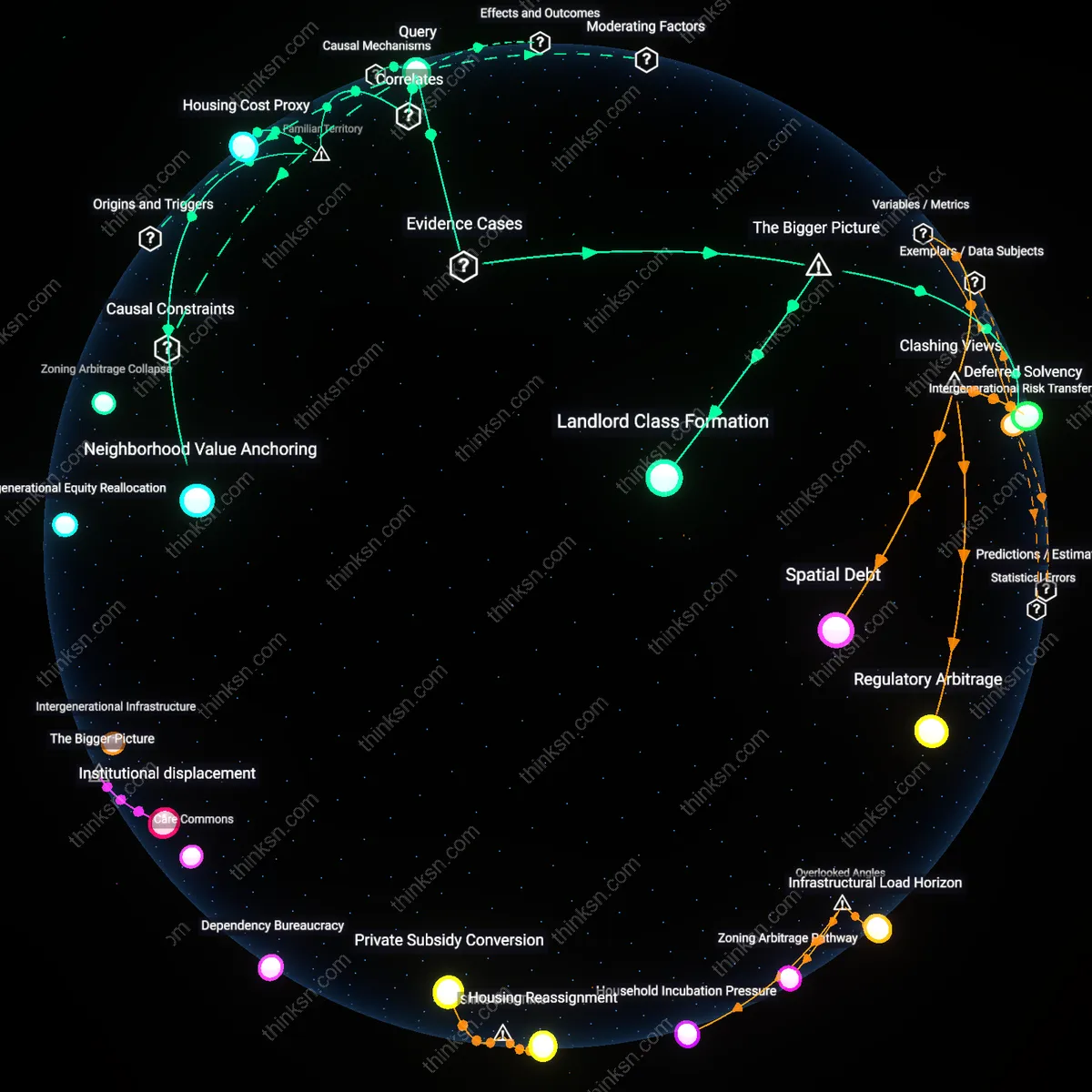
Analysis reveals 5 key thematic connections.
Key Findings
Housing Cost Proxy
Homeowners are trading privacy for rental income because rising property values and stagnant wages make accessory dwelling units a financial necessity rather than a luxury choice. Middle-income families in cities like Vancouver and Toronto face pressure to offset mortgage costs, and local zoning reforms enable backyard suites or basement rentals as legal income streams; this shift reflects not greed but an informal adaptation to unaffordable housing markets. The non-obvious insight is that privacy is not being discarded lightly—it is being recalibrated as a secondary need when shelter itself becomes economically precarious, revealing how housing costs are indirectly paid through domestic spatial reorganization.
Generational Contract Substitution
Homeowners are trading privacy for rental income because aging parents or adult children increasingly occupy ADUs, turning rental potential into intergenerational caregiving arrangements. In suburban municipalities across Metro Vancouver and the Greater Toronto Area, families are building ADUs less for tenants and more for relatives, leveraging municipal bylaw changes to formalize live-in care or support adult children burdened by student debt and high rents. The underappreciated reality is that this trend masks a retreat from market reliance—families internalize housing risk by converting potential income into private welfare, effectively replacing market or state support with kinship-based cohabitation.
Neighborhood Value Anchoring
Homeowners are trading privacy for rental income because ADU construction functions as a signal of neighborhood stability and investment, which in turn drives local property values upward. In gentrifying areas like Ottawa’s Hintonburg or Calgary’s Beltline, even unrented ADUs increase perceived density and economic activity, attracting buyers who associate secondary units with modernity and income resilience. The subtle dynamic is that privacy loss becomes a strategic sacrifice not just for cash flow but for symbolic alignment with aspirational urbanism—homeowners absorb spatial disruption to position themselves within a rising asset class, treating their yards and garages as undervalued economic zones.
Intergenerational Risk Transfer
Retiring baby boomer homeowners in Toronto are converting garages and basements into rental units to generate retirement cash flow, using Accessory Dwelling Units (ADUs) as hybrid financial instruments that offset pension insecurity and avoid downsizing. Enabled by provincial Neighbourhood Open Doors programs and low-interest renovation loans, these homeowners transform single-family homes into de facto multi-family assets, shifting the burden of housing shortages onto household-scale capital investments. This reflects a broader systemic shift where aging populations internalize economic risk once managed collectively through social programs. The overlooked reality is that privacy erosion is not merely tolerated but actively instrumentalized as a form of household-level fiscal insurance against state retrenchment.
Landlord Class Formation
Middle-income homeowners in Victoria are entering small-scale rental markets through ADUs, leveraging municipal grants covering up to 75% of construction costs to become micro-landlords, a shift enabled by targeted local policy that treats private homeowners as municipal affordability partners. These homeowners, typically earning $90,000–$130,000 annually, do not need the income for survival but are financially rational actors responding to high property values and low returns on traditional savings in a low-interest environment. Their actions reflect a systemic transformation where middle-class wealth formation is increasingly tied to rent extraction rather than wage growth or ownership equity alone. The critical insight is that the erosion of domestic privacy is not a sacrifice but a calculated entry into a new property-based class position—one that expands the private rental sector without corporate landlords.