Supporting Adult Kids: Where Generosity Becomes Enabling?
Analysis reveals 8 key thematic connections.
Key Findings
Intergenerational Equity Drain
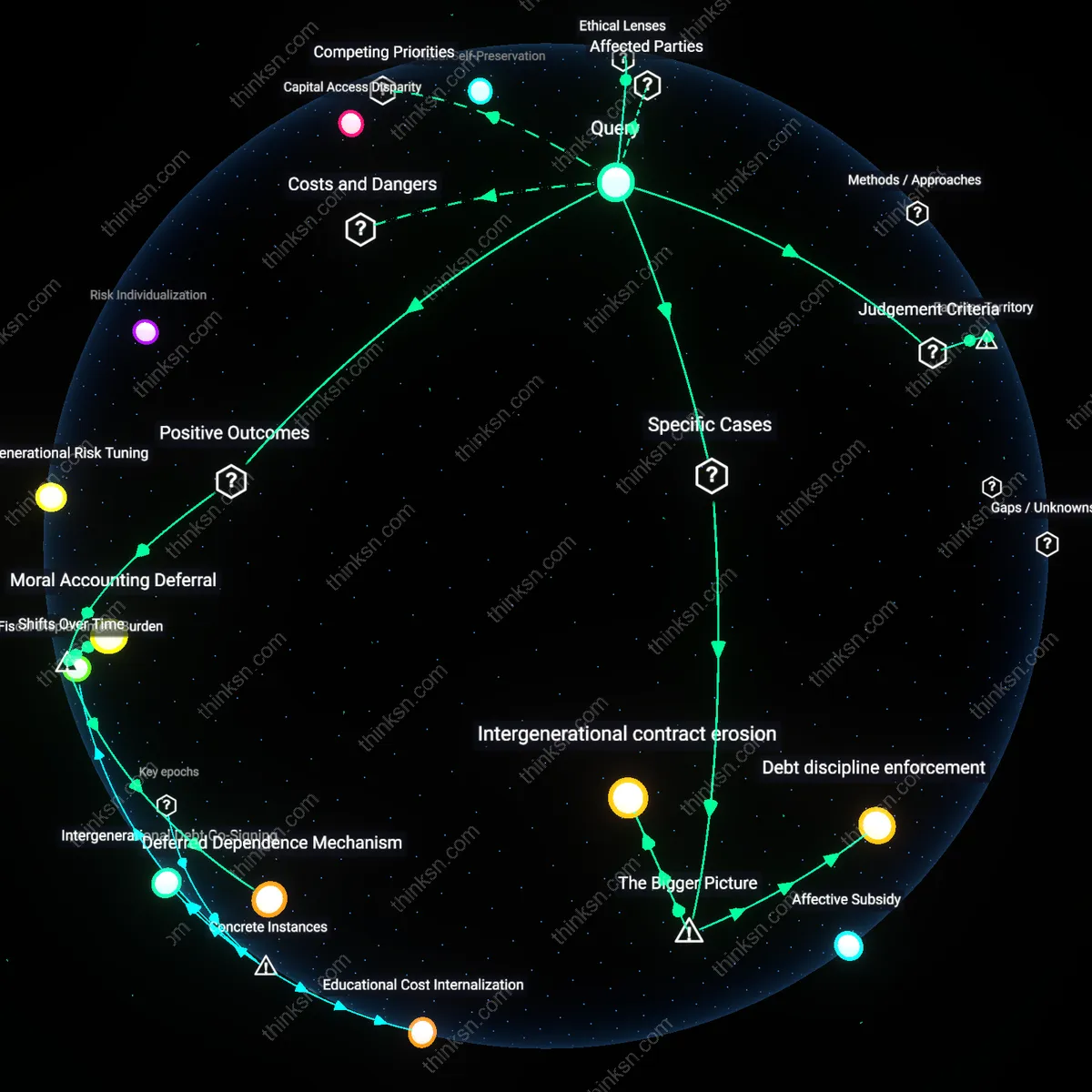
Paying an adult child's rent becomes harmful when it destabilizes retirement savings, as seen in the 2018 Oakland case of the Jacksons, a middle-class couple who withdrew $120,000 from their 401(k) to cover their daughter’s San Francisco rent for three years, ultimately delaying retirement and increasing reliance on future public Medicaid support; this reveals a mechanism where private familial support offloads parental financial risk onto future public systems, disproportionately affecting near-retiree households without inherited wealth.
Parental Financial Invisibility
The shift occurs when rent support becomes an expected norm rather than an emergency measure, as in Brooklyn’s tenant-by-family programs, where city-assisted rentals for young adults often list parents as co-responsible parties despite no formal lease role, masking the systematic burden on parents who are not tracked in housing policy metrics; this invisibility enables policymakers to ignore how informal transfers subsidize urban housing markets, particularly in high-cost cities where 37% of young renters cite parental help as essential, per NYU Furman Center 2021 data.
Dependency Feedback Loop
Support becomes harmful when it aligns with structural labor market exclusion, as in Detroit's post-2008 auto industry decline, where prolonged parental housing support enabled adult children to remain in underemployed status without incentives or access to retraining, effectively stabilizing a low-opportunity equilibrium; this case shows how well-intentioned rent payments can reinforce long-term disengagement from labor force recovery when local institutions lack reintegration programs.
Intergenerational Risk Transfer
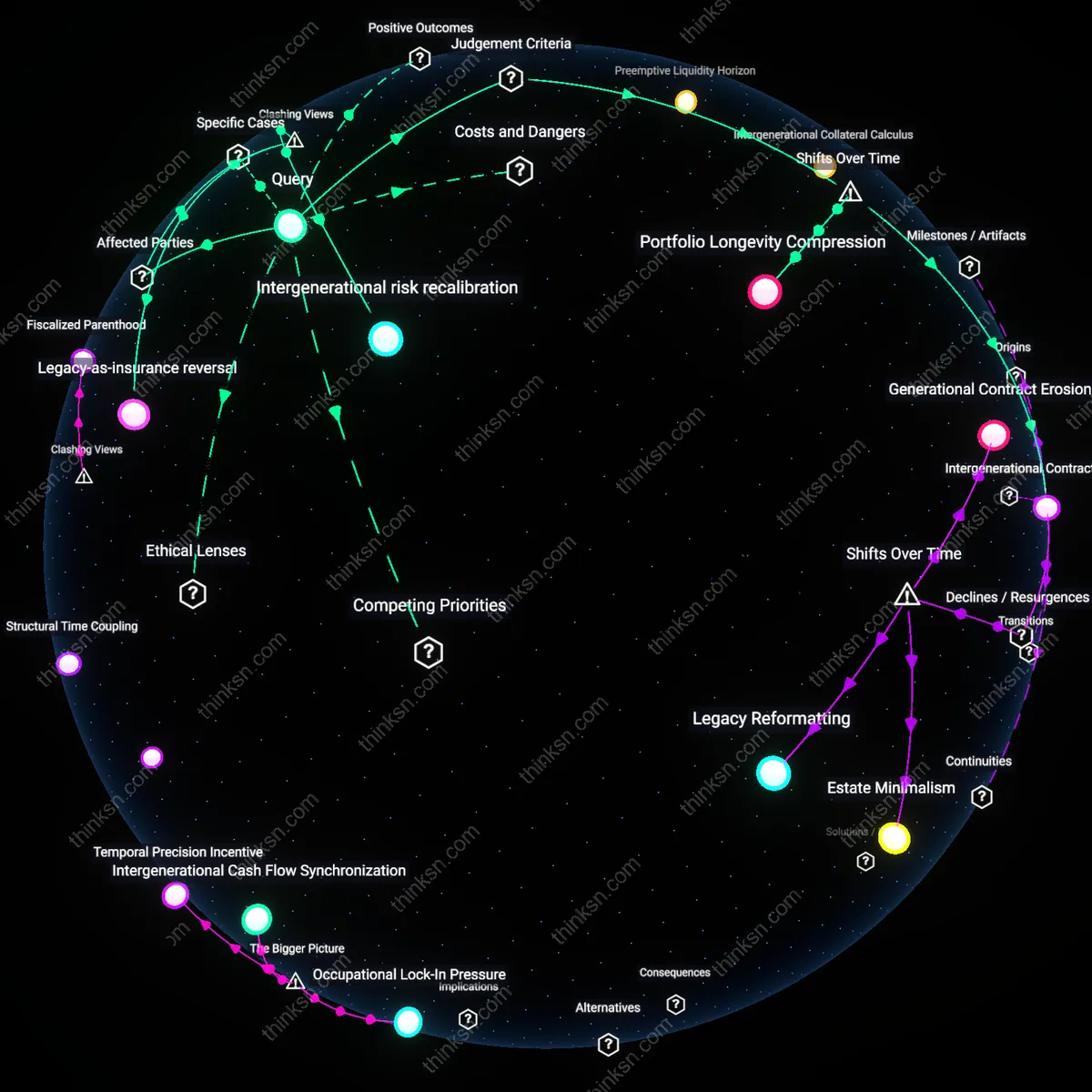
Paying an adult child's rent shifts from support to harm when parents absorb housing costs that should be borne by a working-age adult, thereby transferring financial risk from a generation with earning capacity to one with fixed or diminishing income. This transfer destabilizes retirement security, as parents deplete savings or take on debt to subsidize a lifestyle they can no longer afford to sustain, often without formal risk assessment. The mechanism operates through intergenerational household economies that mimic insurance systems but lack actuarial safeguards, exposing retirees to catastrophic financial shocks when their resources are backloaded into volatile private transfers. What is underappreciated is that this private risk mitigation behaves like an unregulated derivatives market—shifting systemic economic stress into personal balance sheets without oversight, transparency, or recourse.
Fiscal Invisibility Loop
Support becomes harmful when rent payments made within family networks escape taxation, reporting, and means-testing, creating a shadow welfare system that undermines state redistribution mechanisms. These informal transfers allow governments to underfund social housing and youth employment programs, relying on familial obligation to absorb failures in public provision. The system functions through regulatory omission—where private financial flows are neither monitored nor integrated into fiscal policy—enabling states to reduce visible public spending while families bear concealed fiscal burdens. The underappreciated reality is that this invisibility enables policymakers to sustain austerity by displacing social support onto intergenerational private contracts that are structurally unaccountable and financially unsustainable at scale.
Retirement Account Erosion
Paying an adult child's rent shifts from helpful support to harmful dependency when parents liquidate retirement assets like 401(k)s to cover housing costs. This occurs most visibly among middle-income suburban families in the U.S., where parents tap into tax-advantaged retirement accounts to sustain children facing high urban rents or underemployment, directly undermining compound growth critical to long-term financial stability. The non-obvious insight, despite widespread cultural normalization of parental support, is that even temporary rent payments funded through retirement withdrawals disproportionately damage financial resilience due to lost time and tax penalties—transforming short-term aid into structural fiscal jeopardy.
Emotional Entitlement Transfer
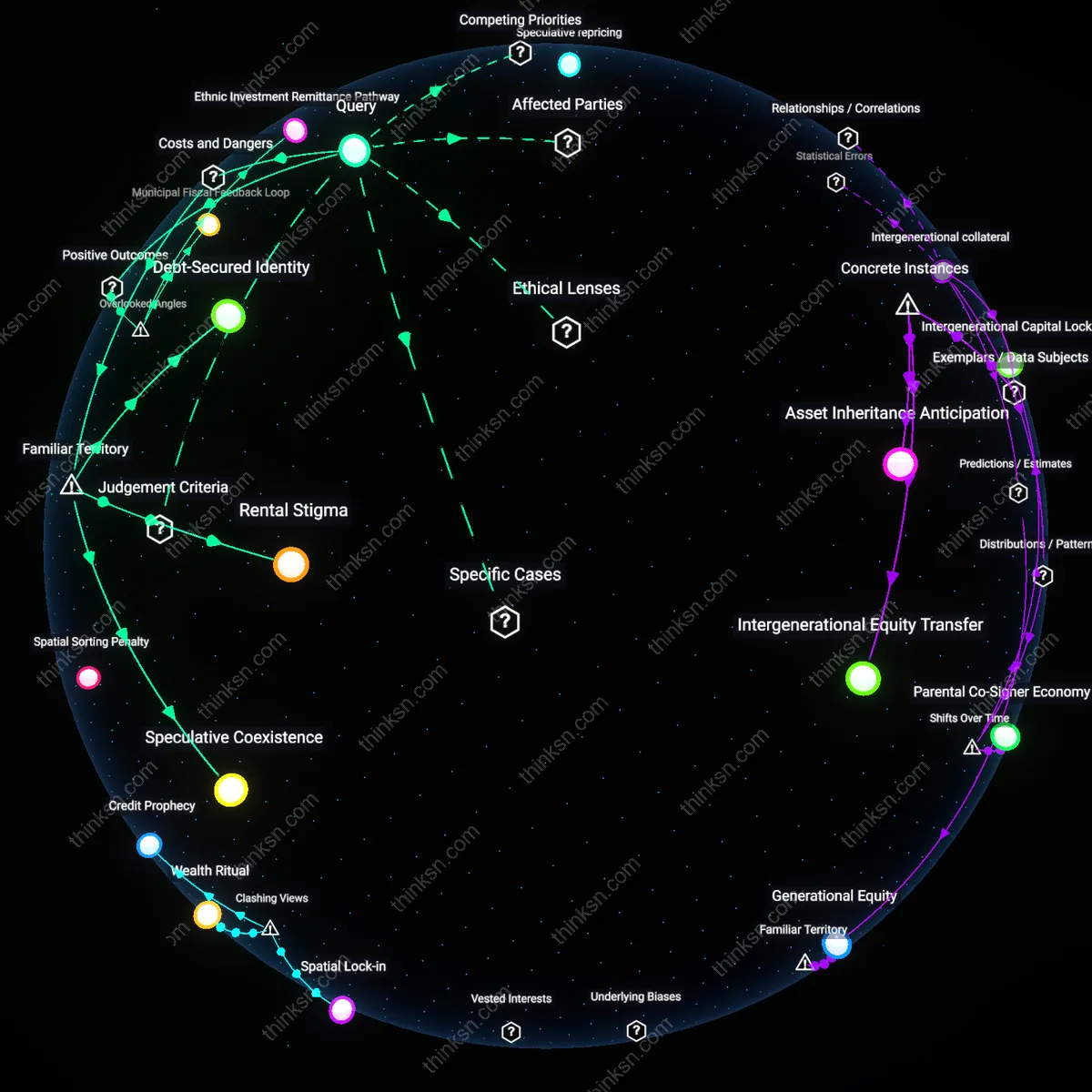
Paying an adult child's rent becomes harmful dependency when parents internalize guilt-driven obligations reinforced by cultural narratives of lifelong sacrifice, especially within immigrant families in densely populated urban corridors like Flushing, Queens or Koreatown, Los Angeles. In these communities, filial piety norms become operationalized as financial co-signing, rent subsidies, and deferred independence, where adult children interpret support as a moral right rather than temporary assistance. The underappreciated dynamic is how deeply familiar emotional scripts—rooted in honor and duty—quietly override economic rationality, allowing dependency to persist not through material need alone, but through affective debt encoded as familial loyalty.
Housing Market Displacement Loop
Support turns harmful when adult children in high-cost cities like San Francisco or Seattle remain financially dependent specifically because parents subsidize rent in markets where wages haven’t kept pace with housing inflation, effectively absorbing systemic failures through private family transfers. This dependency is most visible among college-educated millennials with stable jobs but unaffordable rents, whose continued reliance on parental rent payments enables landlords and developers to maintain exclusionary pricing, knowing family wealth acts as a de facto safety net. The overlooked reality within everyday discussions of 'helping out' is that such private support inadvertently stabilizes an unbalanced housing economy, converting personal generosity into a public market distortion.