How Arbitration Clauses Limit Tenant Rights in Weak-Protection States?
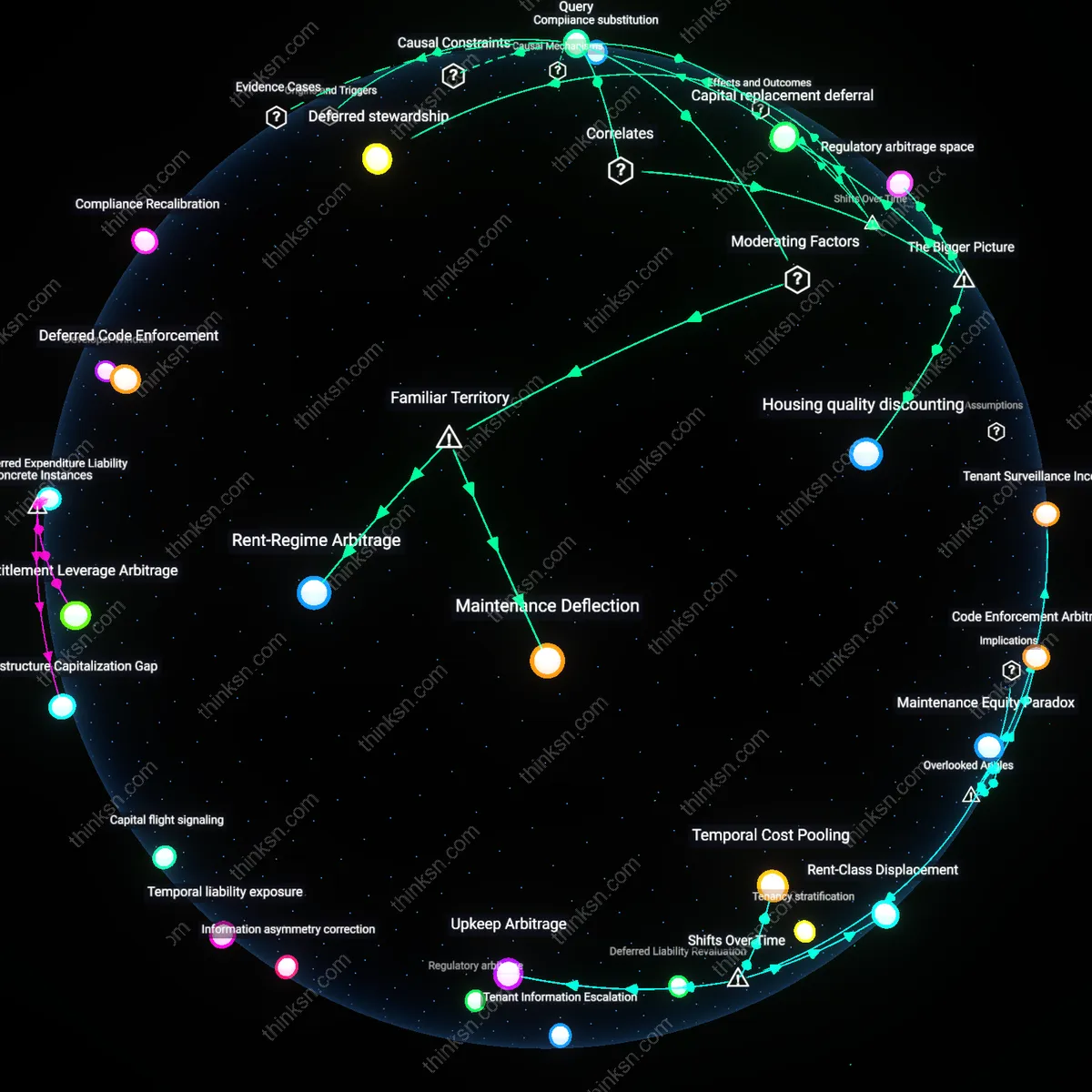
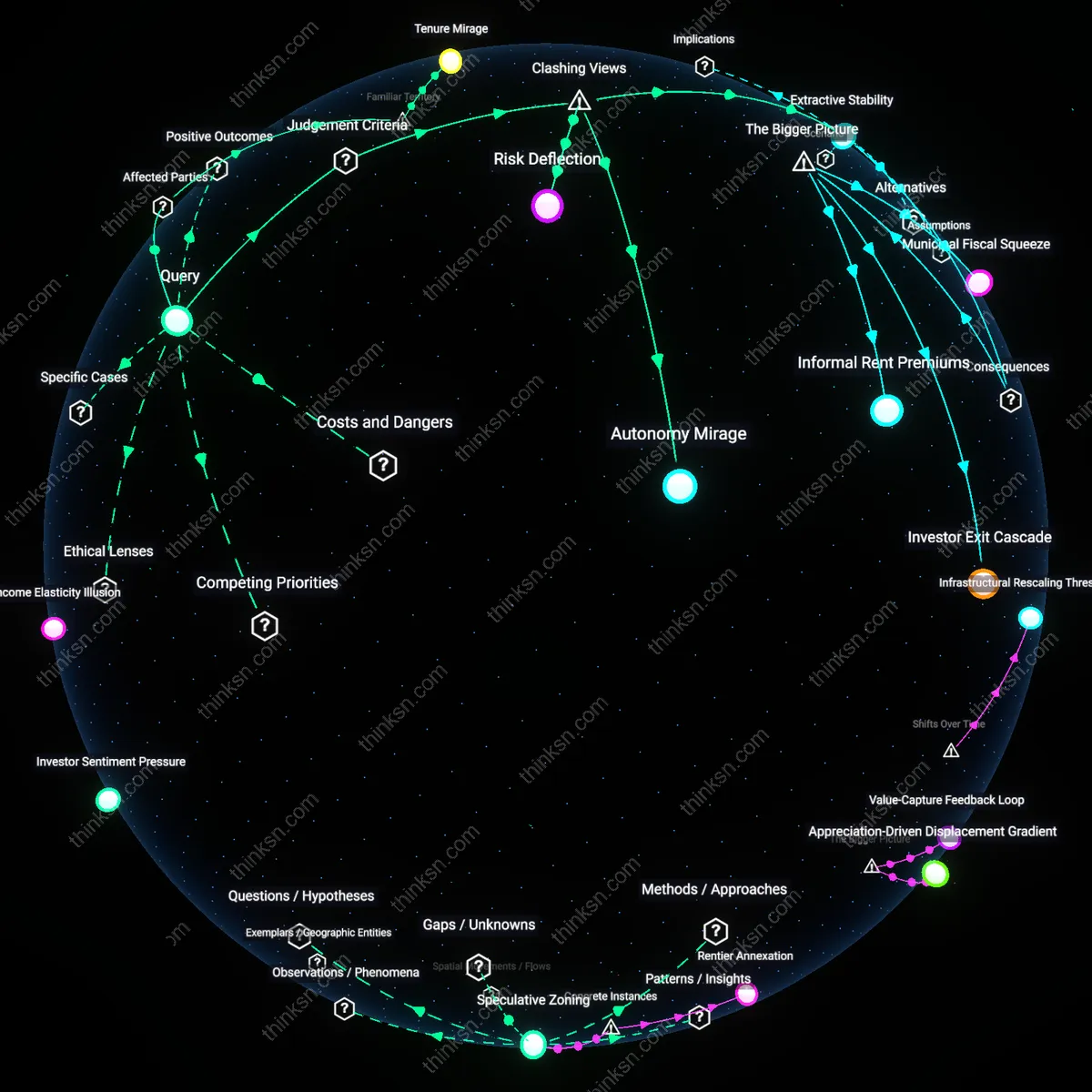
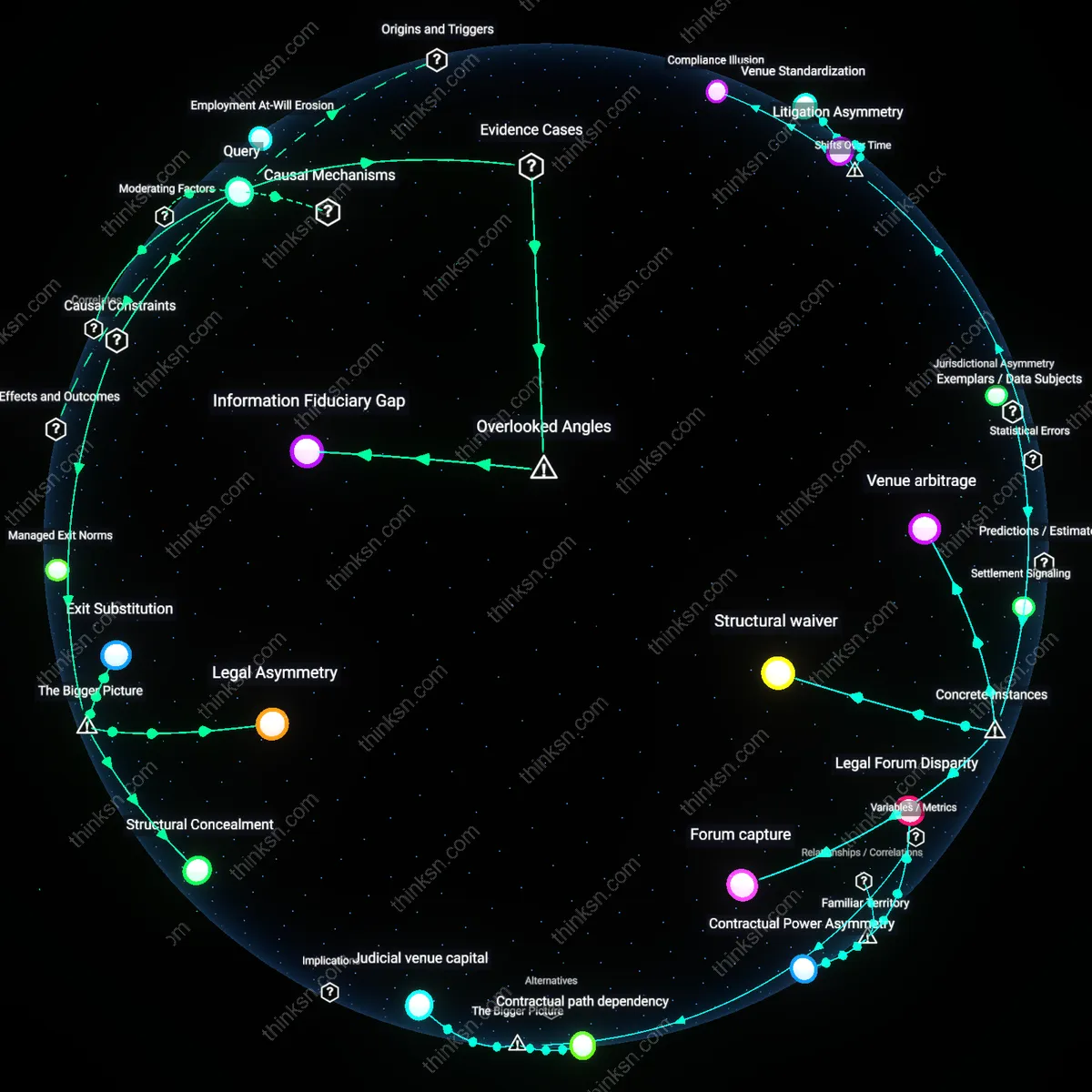
Analysis reveals 6 key thematic connections.
Key Findings
Enforcement Evasion
Arbitration clauses in leases systematically strip tenants of courtroom access, directly preventing judicial enforcement of habitability rights in states like Alabama and Mississippi where landlord-tenant laws already favor property owners; this mechanism operates through mandatory private arbitration that is structurally biased against low-income tenants, who face higher procedural and financial barriers, and whose claims are often dismissed without public scrutiny—revealing that the primary function of these clauses is not dispute resolution but the institutionalization of legal avoidance, a non-obvious outcome because it frames arbitration not as a neutral alternative but as a deliberate exit ramp from accountability.
Rights Inflation
Tenants in weak-protection states increasingly invoke habitability rights more aggressively in non-judicial forums precisely because arbitration clauses block court access, transforming local housing codes into symbolic weapons that tenants weaponize through complaints, media, and community pressure; this shift occurs because the elimination of judicial venues forces rights claims into informal arenas where reputational and political costs matter more than legal ones—challenging the intuitive view that restricting courts diminishes rights consciousness, instead showing how legal suppression can amplify demand for rights in less controllable forms.
Jurisdictional Drift
Landlords in states like Texas and Florida strategically insert broad arbitration clauses that extend to habitability claims, effectively transferring adjudication power from public housing inspectors and tenant advocates to private arbitrators who lack transparency and precedent-based consistency; this dynamic shifts the governance of housing conditions from local regulatory ecosystems to closed contractual systems, where outcomes favor repeat-player landlords—exposing a quiet relocation of regulatory authority not through legislative repeal but through the cumulative effect of contract design, a process overlooked when analysis focuses only on statutory changes.
Jurisdictional arbitrage
Arbitration clauses in leases within weak-tenant-protection states enable landlords to shift dispute resolution to third-party venues where tenant claims are less enforceable, effectively nullifying habitability rights even when technically preserved in lease language. Landlords exploit forum selection embedded in standardized arbitration agreements to route disputes to private arbitration panels located outside the tenant’s geographic or legal community—panels often unbound by local housing codes or public accountability. This mechanism is non-obvious because most analyses focus on the absence of statutory protections, not the deliberate externalization of adjudicative authority to obscure, unregulated systems where tenants lack standing or awareness, thereby transforming a legal right into a practically inaccessible process.
Paralegal asymmetry
Tenants' ability to enforce habitability rights is diminished not primarily by the presence of arbitration clauses themselves, but by the lack of pre-dispute legal scaffolding needed to navigate privatized dispute systems, a gap rarely mirrored on the landlord side. Property managers routinely retain contract-drafted legal teams who pre-package arbitration initiation within routine lease enforcement workflows, while tenants must independently identify, fund, and mobilize representation to even respond—let alone initiate counterclaims for mold or heat failure. This imbalance is overlooked because discourse centers on rights and clauses, not the procedural infrastructure required to activate them, rendering habitability claims functionally inert even when technically permissible under lease terms.
Temporal weaponization
Arbitration clauses weaken habitability enforcement by enabling landlords to exploit time as a structural barrier, where procedural delays in scheduling and limited discovery windows collapse tenants’ capacity to document ongoing conditions before lease termination or eviction. Unlike public courts, which may offer expedited housing dockets, private arbitration systems prioritize scheduling efficiency over emergency relief, allowing landlords to let repairs deteriorate during months-long lags, then cite tenant non-cooperation or lease breaches justified by the tenant’s living in substandard conditions. This dynamic is underappreciated because analyses typically treat procedural delays as incidental, not as a deliberate lever that inverts causality—making the pursuit of rights materially worsen the harm they aim to resolve.