Why Plea Bargaining Outcomes Vary by Region?
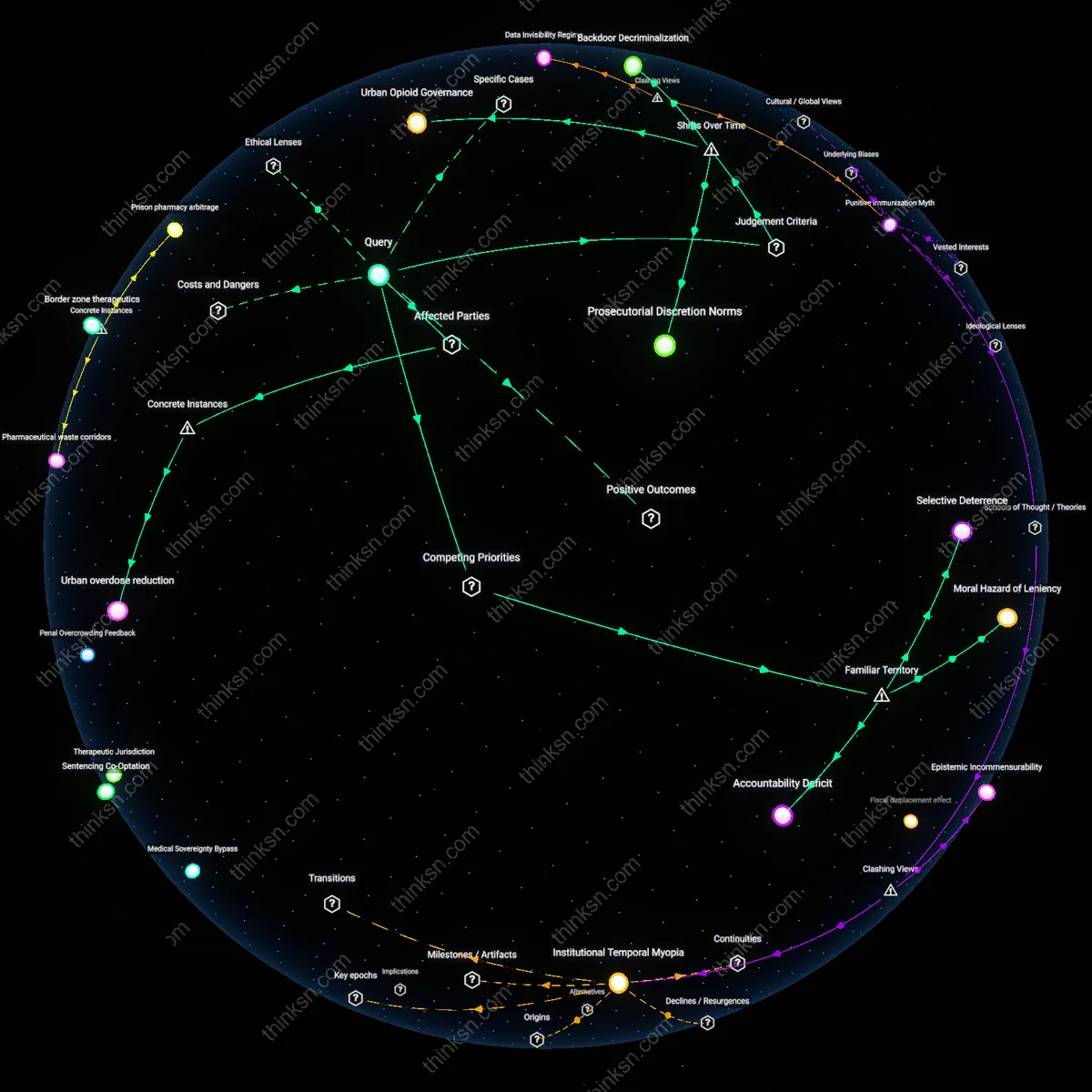
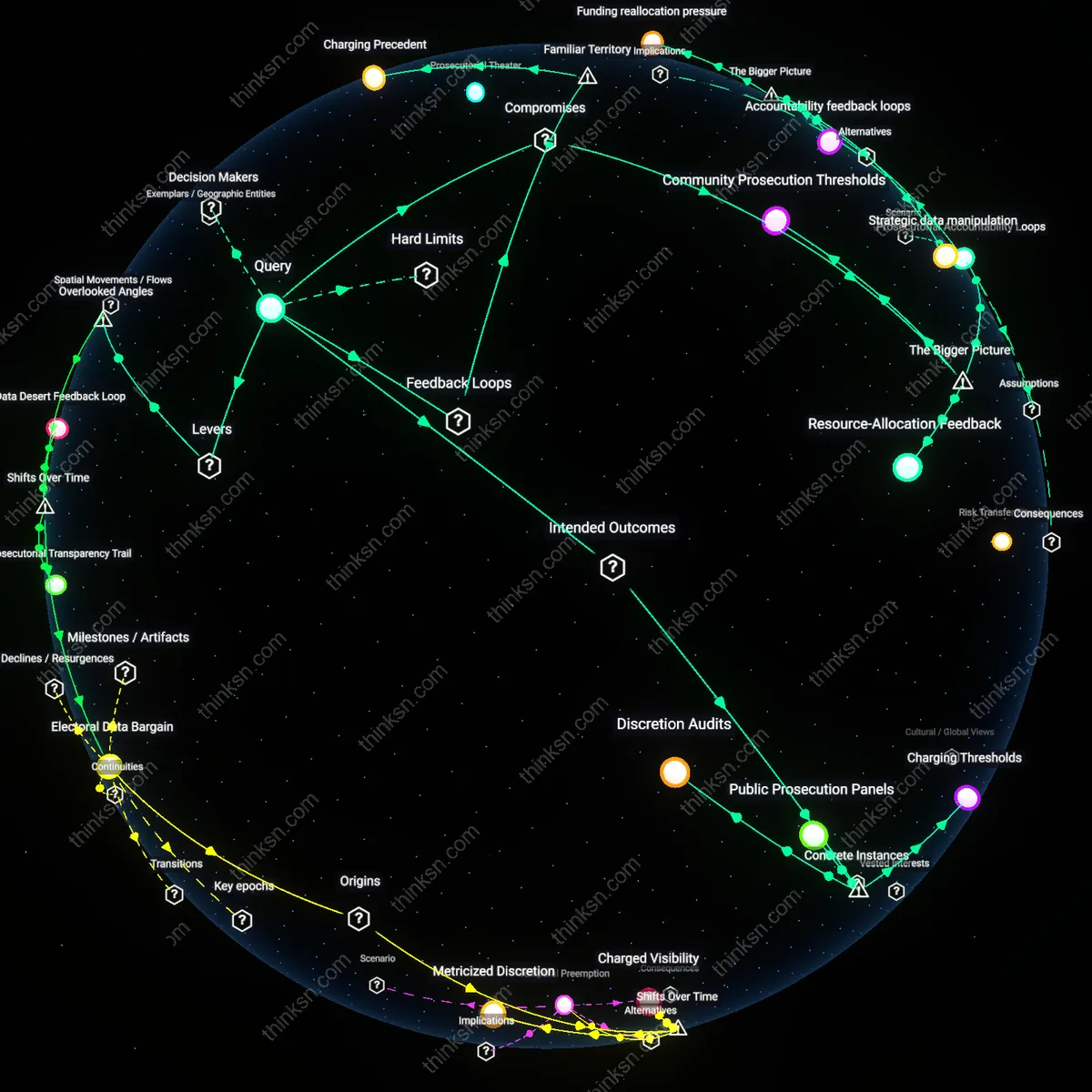
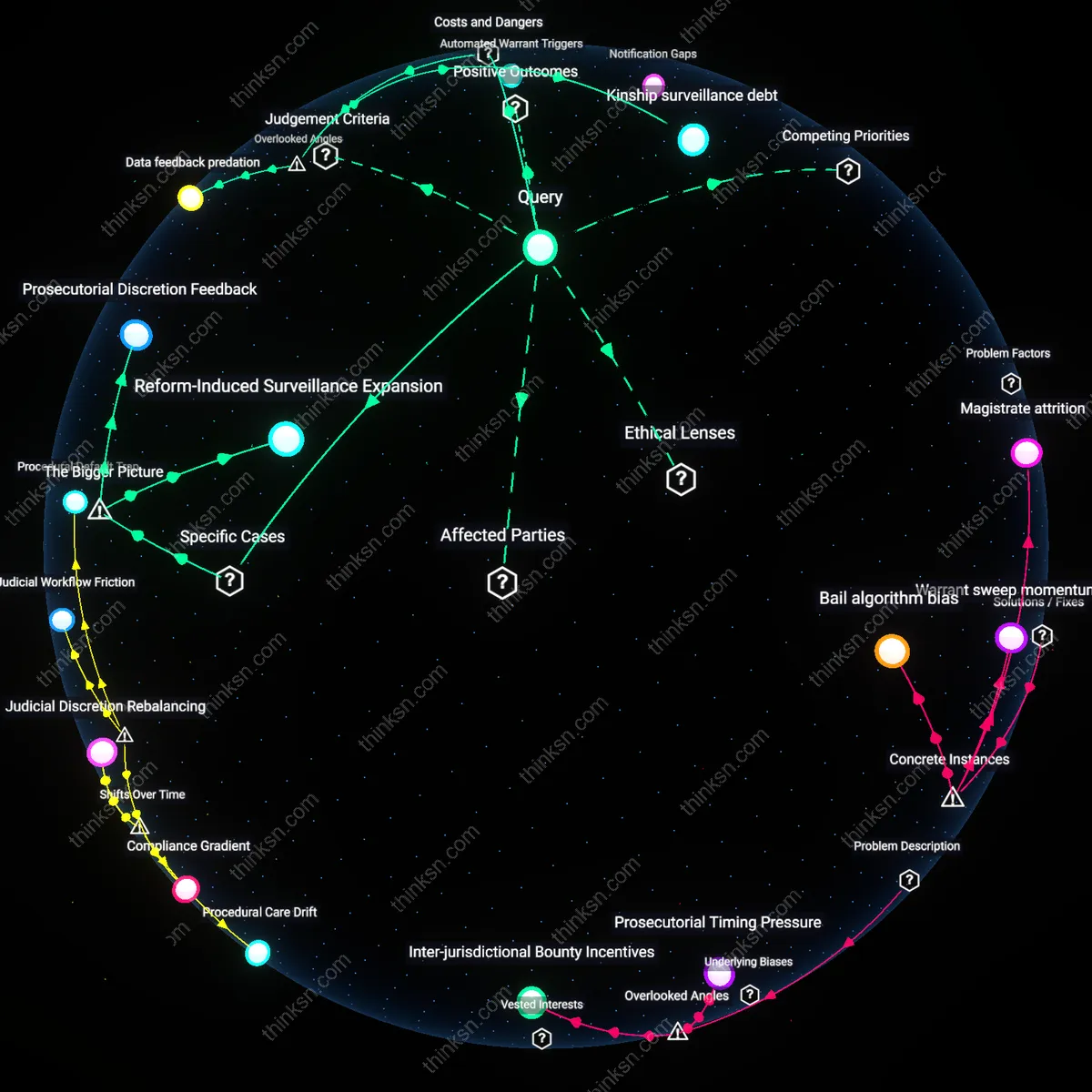
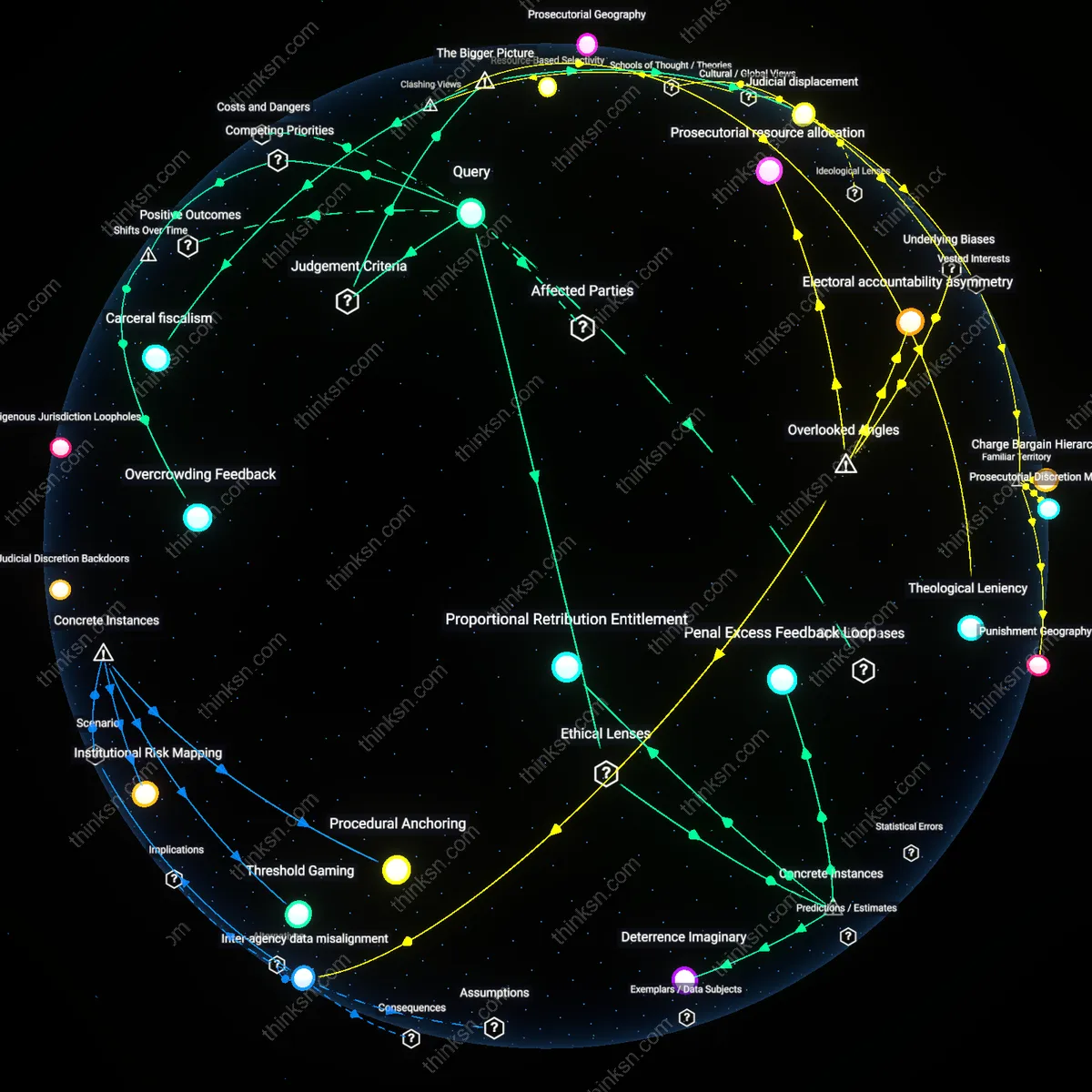
Analysis reveals 9 key thematic connections.
Key Findings
Performance Metrics Rebellion
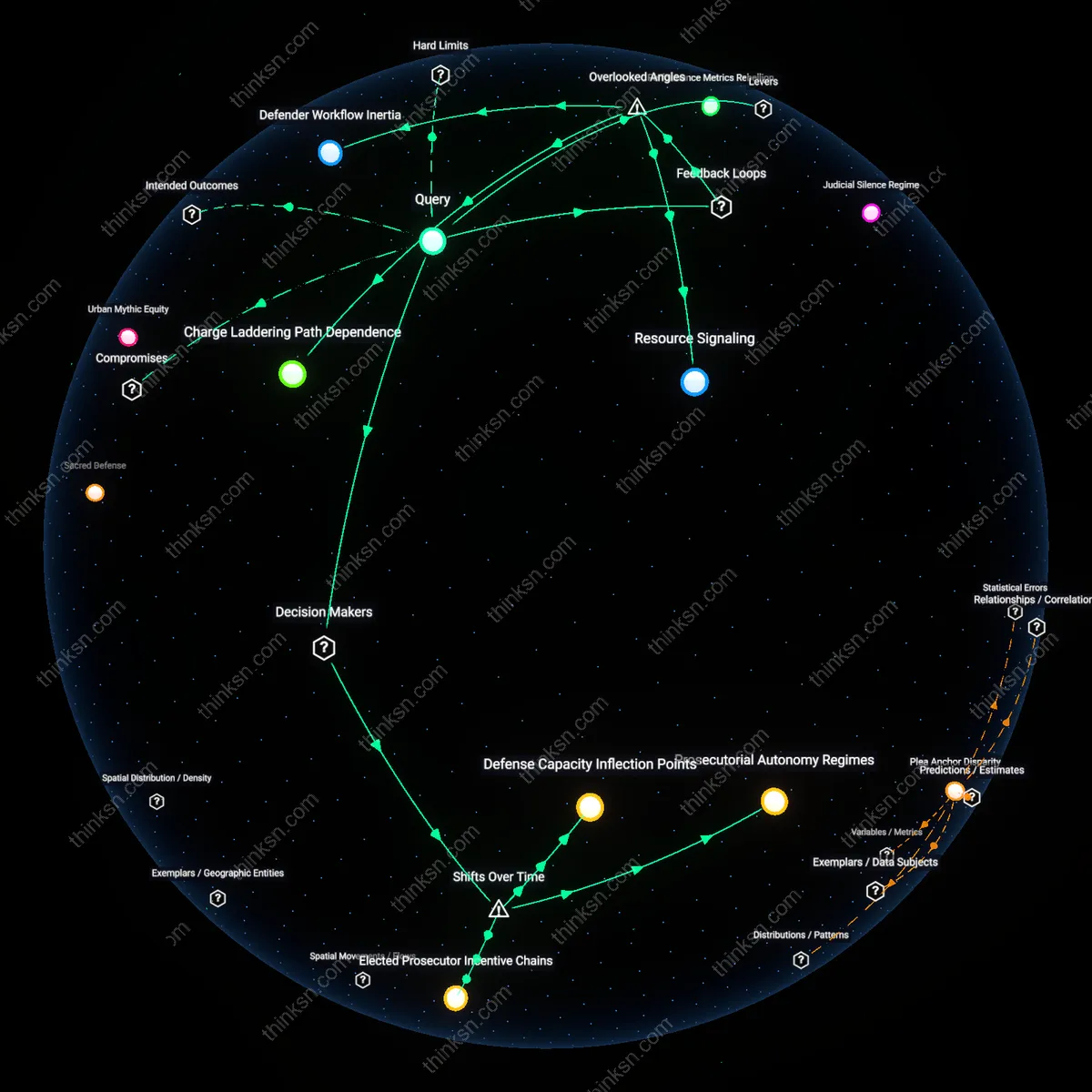
Prosecutorial discretion skews plea bargaining outcomes not because of individual bias but because prosecutors are evaluated on conviction rates, incentivizing high-volume plea deals over trial outcomes, particularly in jurisdictions like Harris County, Texas, where clearance statistics dominate office culture; this metric-driven behavior entrenches disparity by prioritizing efficiency over equity, revealing that reforming sentencing guidelines alone cannot recalibrate incentives—what's underappreciated is that prosecutors game quantifiable success metrics, not legal mandates, making accountability systems the true lever for change.
Defense Capacity Threshold
The impact of prosecutorial discretion varies across jurisdictions because public defender capacity, not prosecutorial policy, determines how plea offers are negotiated—underfunded offices like those in Louisiana’s rural parishes cannot contest even minor charges, forcing defendants into pleas regardless of prosecutorial leniency; this flips the dominant narrative that prosecutorial restraint alone reduces coercive pleas, exposing that defense resource ceilings, not prosecution choices, set the floor for bargaining fairness in high-volume courts.
Judicial Silence Regime
Disparities in plea outcomes persist because trial judges in jurisdictions like Cook County, Illinois, systematically refrain from scrutinizing prosecutorial charging decisions, treating plea agreements as administrative closures rather than constitutional moments—this judicial abdication allows minor infractions to be leveraged into felony pleas with no oversight, challenging the presumption that elected prosecutors are the primary reform target; instead, the unexamined norm of judicial non-intervention enables prosecutorial overreach, making silent dockets a tactical sanctuary for discretion run rampant.
Resource Signaling
Differential access to forensic accounting units in district attorneys’ offices creates a feedback loop where well-resourced jurisdictions signal credibility in plea threats, reinforcing prosecutorial leverage and accelerating guilty pleas, while underfunded offices face higher trial rates due to perceived weakness—this dynamic hinges on the unacknowledged role of forensic capacity as a signaling mechanism rather than mere investigative utility, shifting the focus from legal doctrine to material inputs as determinants of bargaining equilibrium.
Charge Laddering Path Dependence
The stability of plea bargaining systems depends on prosecutors’ ability to escalate charges early in case processing, creating a reinforcing loop where initial overcharging locks in downstream coercion, but jurisdictions with judicial pre-screening of charge severity disrupt this loop by imposing a balancing feedback that de-escalates bargaining pressure—this reveals charge formulation timing as a hidden procedural gatekeeper, not just a legal tactic, exposing how internal sequencing dependencies, not just discretion itself, determine coercive momentum.
Defender Workflow Inertia
Public defender workloads generate a balancing feedback loop that suppresses plea challenges even when prosecutorial overreach is detectable, because overwhelmed defenders prioritize case triage over negotiation depth, inadvertently stabilizing aggressive charging patterns—this uncovers defense-side procedural fatigue as a structural enabler of prosecutorial discretion, reframing disparity as a function of defense capacity rhythms rather than prosecutorial intent alone.
Prosecutorial Autonomy Regimes
State-level adoption of standardized charging guidelines in the 1980s diverged sharply due to federalism, creating durable jurisdictional asymmetries in how prosecutors exercise discretion during plea negotiations. While some states centralized prosecutorial authority under appellate oversight—limiting plea leverage through uniformity—others entrenched localized political control, allowing county attorneys to shape plea outcomes through case-specific charging threats unchecked by higher review. This institutional divergence, crystallized during the War on Drugs era, entrenched variable bargaining power not due to crime rates but to pre-existing governance structures now acting as temporal lock-in mechanisms. The non-obvious insight is that discretion’s impact today reflects not current policy but sedimented choices about who governs prosecutorial offices during a pivotal shift toward punitive enforcement.
Elected Prosecutor Incentive Chains
The rise of prosecutor elections after the 1960s expanded discretionary influence in plea bargaining by tying charging decisions to short-term public safety rhetoric rather than long-term justice outcomes, especially in jurisdictions where re-election depended on visible toughness metrics. As local prosecutors began leveraging high conviction rates—achieved through plea pressure—to secure ballot box legitimacy, plea negotiation dynamics shifted from case-resolution tools to performance signaling devices. This transformation, cemented in the 1990s with the decline of jury trials, reveals that disparities stem not from legal doctrine but from electoral feedback loops that reward aggressive discretion. The overlooked dimension is how a historical shift toward democratic accountability paradoxically weakened systemic accountability by aligning prosecutorial behavior with campaign cycles rather than equitable justice trajectories.
Defense Capacity Inflection Points
The collapse of public defender capacity between 1973 and the mid-1990s, following the Gideon v. Wainwright mandate without commensurate funding, fundamentally altered the balance of prosecutorial discretion by rendering plea negotiations structurally coercive in under-resourced jurisdictions. Where overwhelmed defenders could not litigate or investigate, prosecutors’ charging decisions became de facto sentencing outcomes, amplifying discretion’s impact even when formal rules were uniform. This developmental rupture created divergence not from prosecutorial intent but from asymmetric collapse in adversarial oversight—what varied was not prosecutorial ambition but the resilience of the opposing institutional check. The underappreciated consequence is that current disparities reflect a historical inflection in defense resourcing, not prosecutorial evolution, exposing plea systems as feedbacks of past underinvestment rather than present design.