Procedural Deafness
Court scheduling systems treat missed appearances as defiance because automation prioritizes procedural adherence over contextual comprehension, rendering logistical chaos invisible to the system's design. In Houston’s eFile system and Chicago’s Circuit Court e-filing portals, reminders and deadlines are issued en masse without feedback loops to detect or accommodate competing life pressures like irregular work hours or housing instability. The mechanisms of digital scheduling assume a standardized, docile subject who can monitor calendars with institutional regularity, thus coding failure to comply as intentional breach rather than navigational collapse. This reveals how efficiency-driven automation structurally disables courts from hearing the noise of social precarity, mistaking signal loss for resistance.
Bureaucratic Theater
Missed appearances are treated as defiance not because courts disbelieve hardship, but because punitive responses perform institutional legitimacy to an audience of funders, legislators, and higher courts. Chicago’s municipal courts, facing pressure to reduce case backlogs and appear ‘tough on crime,’ escalate non-appearance to arrest warrants as a visible act of judicial control, even when judges privately acknowledge systemic obstacles. The dynamic operates through performance metrics—like clearance rates and warrant issuance—that reward action over adjudication, incentivizing spectacle over diagnosis. This reframes contempt not as a failure of individual responsibility, but as a staged enactment of authority in the absence of capacity to manage complexity.
Temporal Apartheid
Court systems criminalize missed appearances because they enforce a monopolistic time regime that excludes populations operating under multiple, competing temporal logics. In Houston, municipal court dates are assigned during weekday business hours, conflicting with hourly service workers’ schedules, while notifications arrive with no regard for postal delays or transient housing. The scheduling infrastructure functions through a singular, state-imposed temporality that treats any deviation as rebellion, pathologizing those whose lives unfold across unstable or nonlinear time. This exposes how time itself becomes a disciplinary instrument, segregating those who can align with bureaucratic rhythm from those rendered defiant by dissonance.
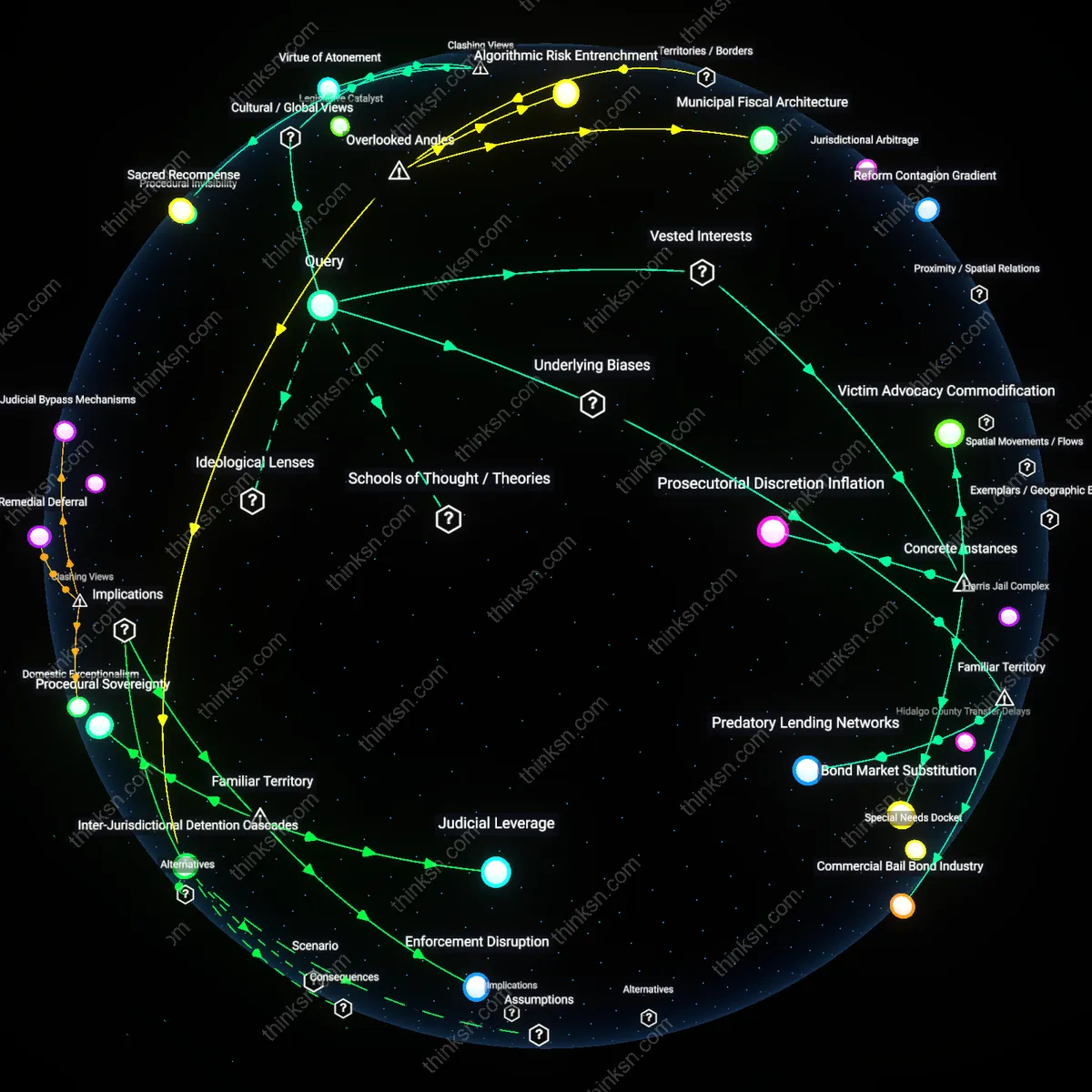
Automated warrant cascades
Court scheduling systems began treating missed appearances as defiance in the 1990s when municipal courts in cities like Houston adopted centralized computerized dockets that automatically issued arrest warrants for any failure to appear, regardless of intent, thereby converting administrative oversights into criminalized violations through integrated law enforcement databases. This shift replaced earlier, more discretionary practices where judges often allowed rescheduling or contacted defendants directly, but the new system prioritized case flow efficiency over individual circumstances, embedding non-appearance into a self-replicating cycle of enforcement. The non-obvious consequence is that the automation itself—not malice or policy intent—produced defiance as a systemic output, not a personal act.
Burden displacement to defendants
In the 2000s, Chicago and similar metro courts shifted the responsibility for tracking court dates entirely onto defendants during a wave of ‘user-fee reform,’ which reframed court operations as a service recipients must actively manage, rather than an institutionally coordinated process. This reform coincided with reduced public defender staffing and the elimination of reminder systems, making reliable appearance contingent on individual capacity rather than institutional support, thus redefining disorganization as noncompliance. The analytical significance lies in how fiscal austerity—disguised as efficiency—rewired accountability, rendering structural vulnerability legible only as personal failure.
Temporal mismatch regimes
Since the 2010s, court scheduling in major urban centers has operated under accelerating dockets shaped by performance metrics emphasizing case clearance rates, creating a regime where the time available for processing each case has shrunk so drastically that any deviation—such as a missed appearance due to work or transit conflicts—is structurally disallowed rather than accommodated. This shift from calendar-flexible magisterial discretion to time-rigid administrative oversight means courts no longer treat time as negotiable, even though daily life for low-income populations remains highly volatile. The underappreciated dynamic is that scheduling defiance is not a reaction to missed appearances but an inevitable product of aligning court time to bureaucratic deadlines, not human ones.
Procedural Inertia
Court scheduling systems treat missed appearances as defiance because dockets are designed for procedural velocity, not human fallibility; clerks, judges, and automated systems prioritize calendar efficiency over context, converting unexcused absences into contempt citations by default. This mechanism thrives in high-volume jurisdictions like Houston, where overburdened dockets incentivize treating each case as a binary compliance check rather than a social event—what makes this non-obvious is that the system isn't indifferent due to cruelty, but because processing speed structurally requires collapsing complex realities into administrative checkboxes.
Information Asymmetry
Court systems classify missed appearances as defiance because fragmented notification infrastructures—such as mailed notices to outdated addresses or unmonitored online portals—create gaps that are interpreted as noncompliance rather than miscommunication. In Houston, where public defenders lack real-time access to scheduling changes, clients receive no integrated alerts, rendering errors inevitable; the systemic significance lies in how institutional silos convert information failure into sanction, treating disconnection as disobedience. What is rarely acknowledged is that the architecture of notification is a gatekeeping mechanism disguised as administrative routine.
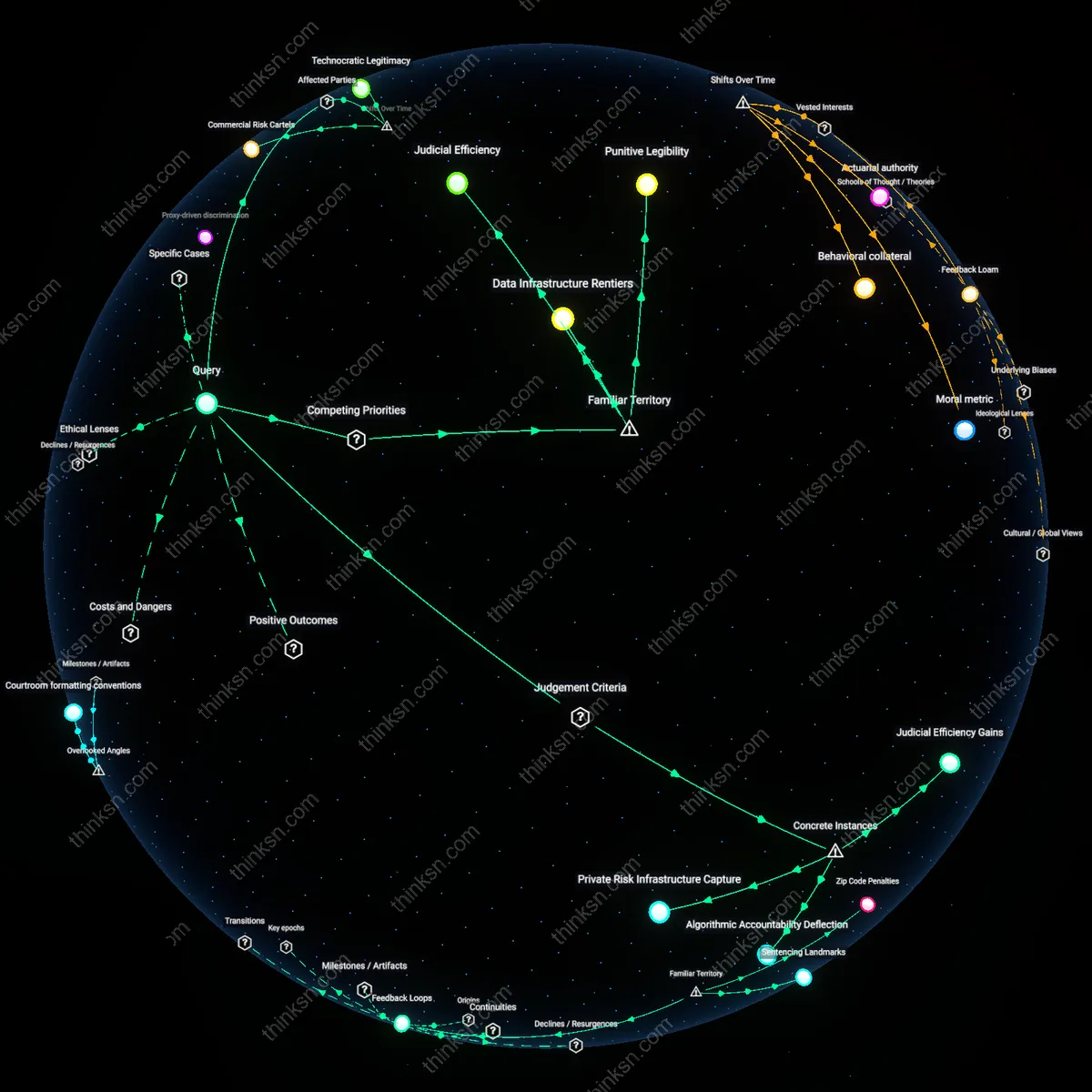
Clerk workflow inertia
Court scheduling systems treat missed appearances as defiance because court clerks’ daily workflows prioritize procedural momentum over contextual inquiry, making it institutionally easier to issue bench warrants than to verify attendance barriers. In Harris County, Texas, clerks process hundreds of daily dockets under time pressure, and the default action for a no-show—issuing a warrant—is embedded in software prompts and standard operating procedures, which discourages individualized follow-up. This workflow rigidity is rarely examined in debates about judicial fairness, yet it determines outcomes more consistently than judicial discretion, revealing how administrative convenience sustains punitive responses by design rather than intent.
Calendar opacity externalization
Missed appearances are treated as defiance because the burden of tracking court dates is structurally offloaded onto defendants through intentionally fragmented notification systems, as seen in Cook County’s decentralized courthouse scheduling where no central record is maintained across misdemeanor, traffic, and civil divisions. Defendants must navigate mismatched mailing addresses, automated phone calls, and paper notices without digital integration, creating what court administrators see as 'noncompliance' but is in fact systemic obscurity. This externalization of calendar clarity—where institutions are insulated from the consequences of poor communication—is a hidden enabler of contempt charges, shifting responsibility from system design to individual behavior.
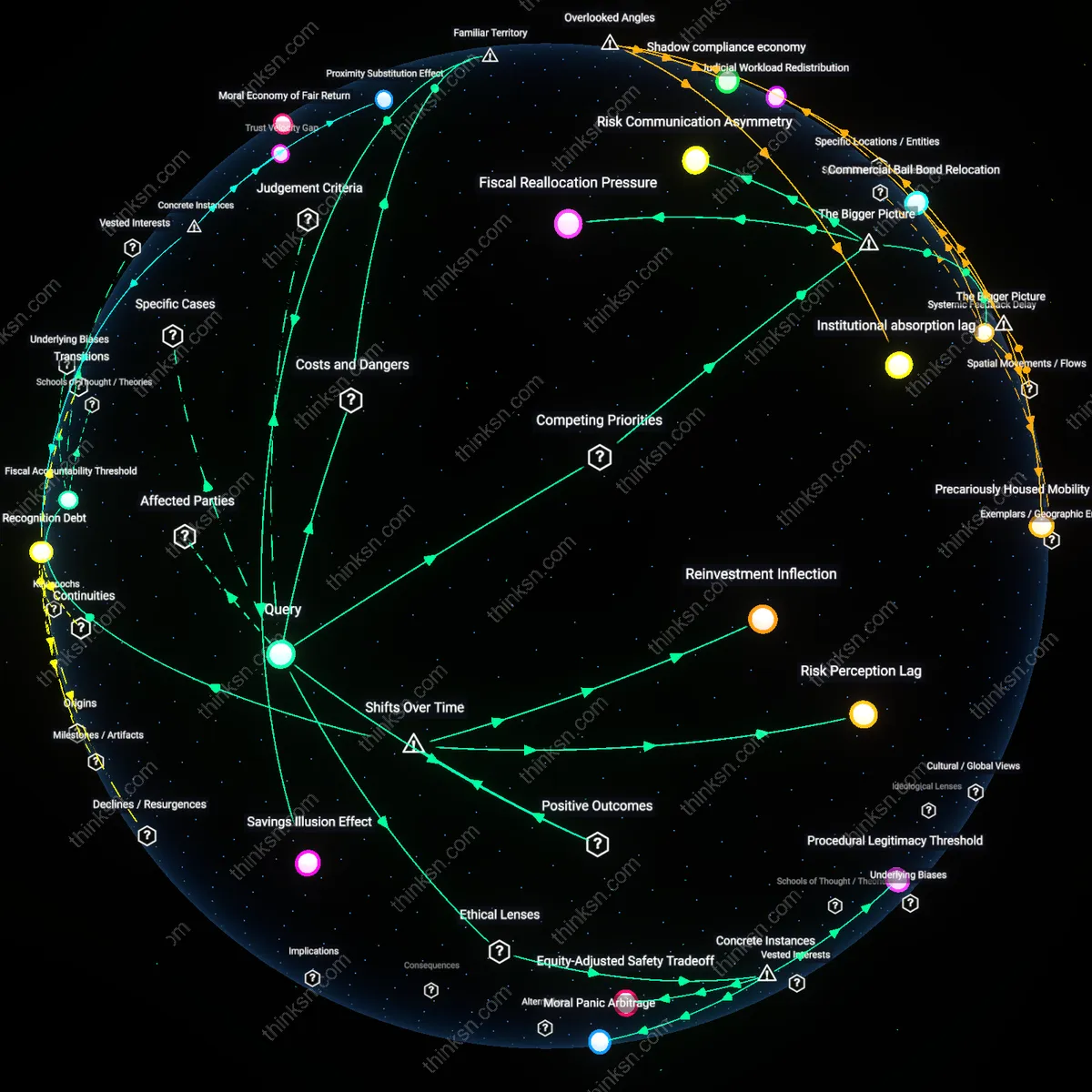
Bond market latency penalty
In cities like Houston, missed court dates trigger automatic defiance classifications because commercial bail bond agencies—key intermediaries in pretrial release—profit from failures to appear by forfeiting bonds and avoiding payouts to courts, creating a latent financial incentive to not remind defendants. These agencies are not required to maintain contact post-release, and their absence from court reminder systems preserves a revenue stream that depends on procedural default. This shadow economy, embedded in the bond ecosystem, subtly aligns institutional incentives against outreach or scheduling support, making defiance a financially optimized outcome rather than a mere administrative byproduct.
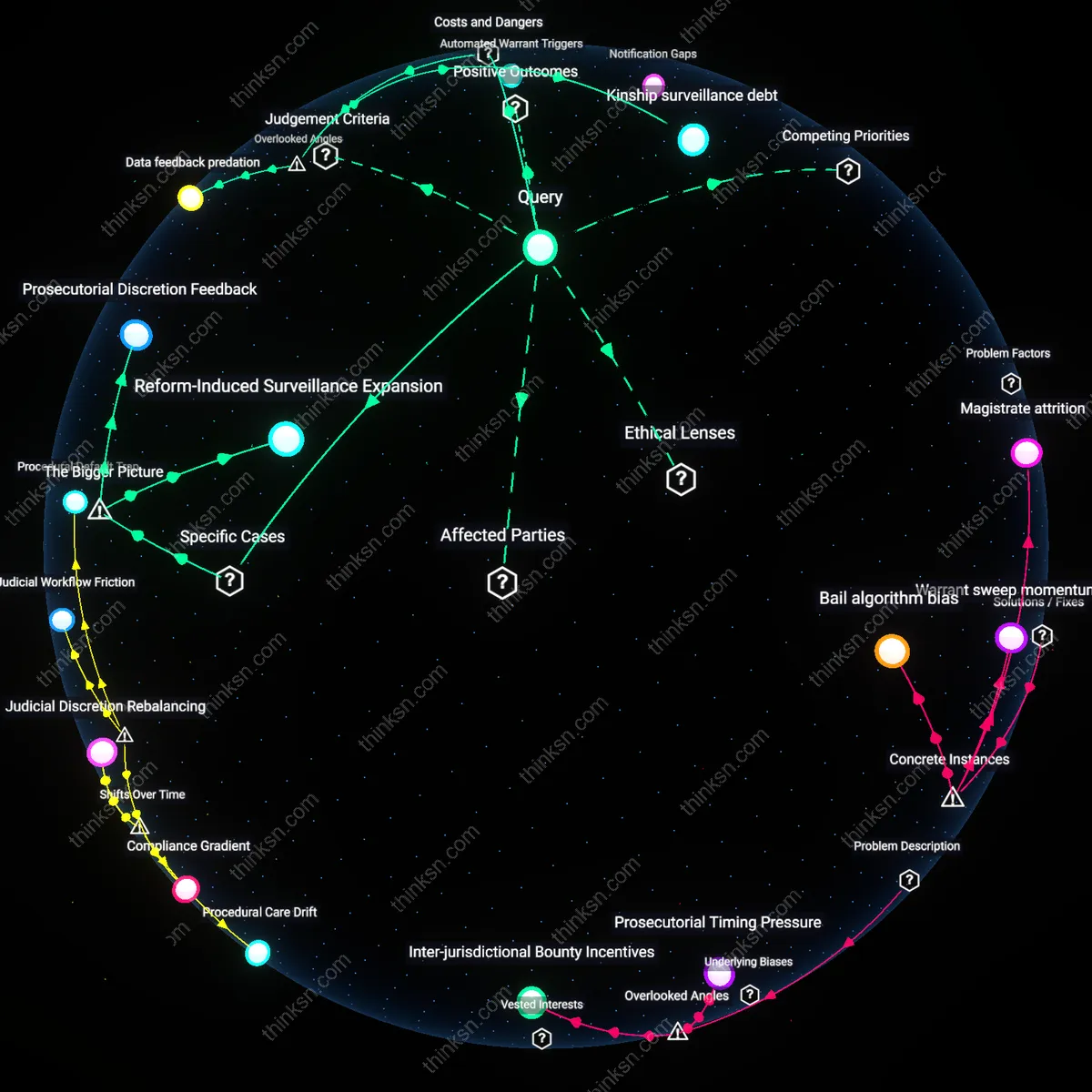
Automated Warrant Triggers
In Harris County, Texas, the court’s electronic scheduling system automatically issues arrest warrants for missed appearances without human review, as seen in the 2016 ACLU lawsuit against the county’s misdemeanor bail practices, where thousands of indigent defendants were jailed due to unexamined defaults on court dates. This mechanized response operates through a rule-based algorithm in the Odyssey case management system, which treats non-appearance as per se willful defiance regardless of context like homelessness or lack of notification. What is non-obvious is that the system’s procedural efficiency depends on presupposing culpability, making administrative convenience structurally blind to hardship or error.
Notification Gaps
In Cook County, Illinois, a 2018 investigation by the Uvalde Monitor revealed that over 40% of bench warrants for failure to appear originated from summonses sent to obsolete addresses, particularly in high-turnover ZIP codes like 60623, where housing instability is widespread. The court relies on mail-based notifications without follow-up verification, and the Chicago Sheriff’s Department logs non-appearance as defiance only after the warrant is issued, not before validating service. This exposes a critical lag between record-keeping and lived reality—where the system’s formal accountability mechanism activates in absence of proof of receipt, not proof of avoidance.
Cognitive Overload Threshold
A 2020 ethnographic study by the Chicago Appleseed Center for Fair Courts documented defendants in misdemeanor court managing an average of 3.2 concurrent life crises—such as shelter transitions, court dates, and job shifts—without coordinated support, leading to missed appearances misclassified as defiance. The study tracked 73 individuals who missed at least one hearing, many of whom had no calendar access or digital reminders and faced scheduling notices with non-standard formats across courts. The underappreciated dynamic is that the court presumes a cognitive bandwidth for tracking obligations that many, especially under material precarity, cannot maintain—turning structural invisibility into moral failure.