What Legal Defenses Shield Doctors in Abortion Investigations?
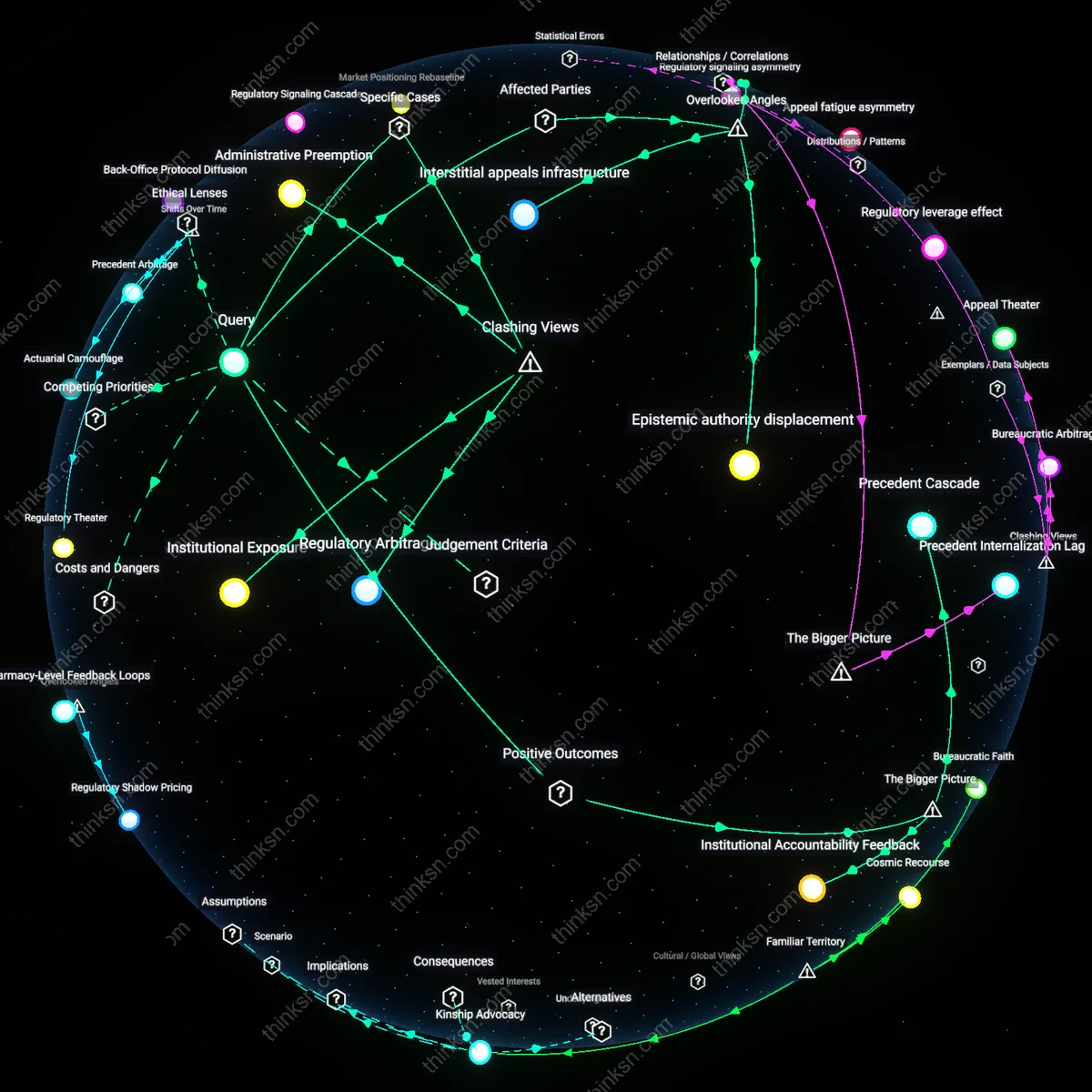
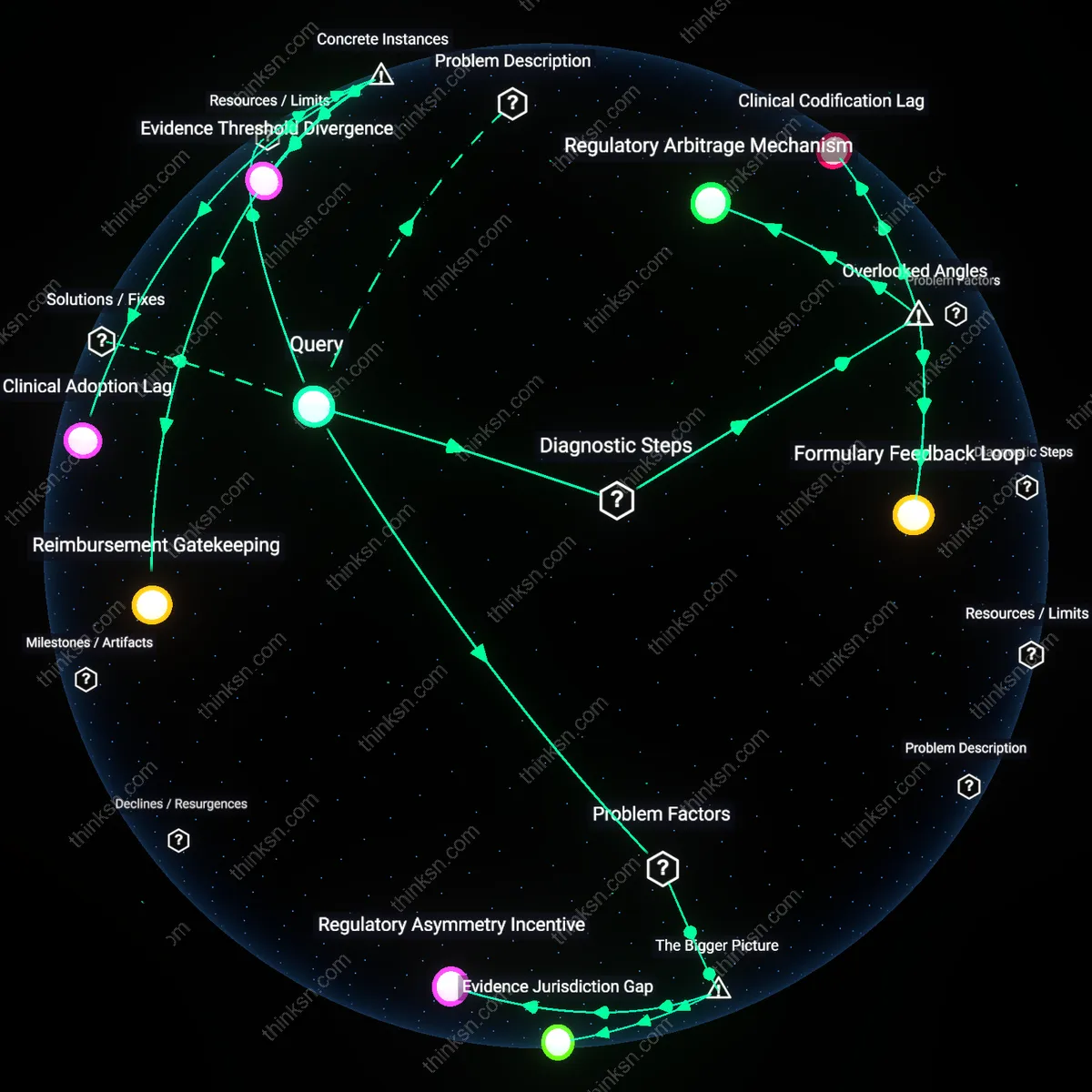
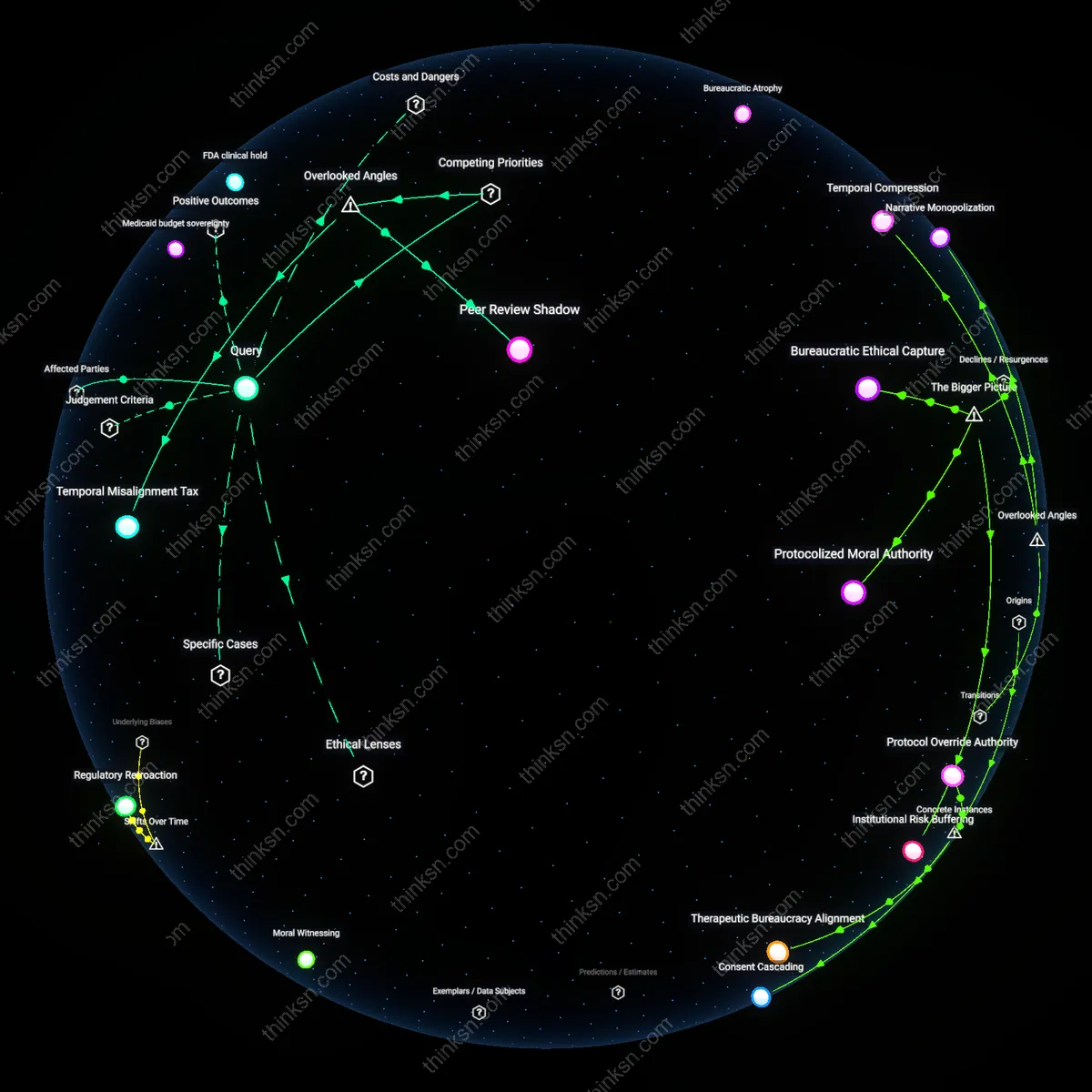
Analysis reveals 9 key thematic connections.
Key Findings
Custodian Displacement
The physician can assert that they are not the legal custodian of the records sought, thereby shifting responsibility to a third-party health information organization governed by stricter access protocols. This defense leverages the fragmentation of medical data across interoperability hubs, where physicians may clinically access but not legally control records stored offsite—particularly relevant under federal HITECH-mandated health exchanges. Most legal analyses assume custodianship resides with the treating physician, overlooking how networked data architectures redistribute liability and access authority, fundamentally altering subpoena compliance dynamics.
Subpoena Forum Mismatch
The physician can challenge the subpoena by demonstrating that the issuing state attorney general lacks statutory authority to compel records from a federally certified Patient Safety Organization or Quality Improvement Entity. These bodies, established under the federal Patient Safety and Quality Improvement Act, create jurisdictional insulation by designating certain clinical deliberations as inadmissible and non-discoverable even to state enforcement arms. This defense is rarely invoked because it treats the physician not as a target but as a conduit to a federally protected forum—an overlooked jurisdictional conflict that destabilizes state investigative reach.
Temporal Jurisdiction Trap
The physician can invoke a time-bound regulatory gap by showing that the alleged acts occurred during a period when the state law criminalizing abortion was enjoined or otherwise non-enforceable due to a pending constitutional challenge. If the subpoena demands records from a legally ambiguous window where compliance could self-incriminate under federal due process standards, the defense rests on the doctrine of equitable tolling. This rarely surfaces because it treats the physician's legal exposure as a function of judicial temporality rather than substantive conduct, transforming statute enforcement into a procedural minefield.
Subpoena Compliance Gatekeepers
A physician can assert that compliance is blocked by institutional review bodies with authority over medical records, such as hospital ethics committees or institutional review boards, which are routinely empowered under state health codes to mediate external legal demands for patient information. These bodies act as intermediate decision-makers between clinicians and law enforcement, leveraging their statutory role in protecting patient confidentiality and ensuring legally appropriate disclosure—particularly in politically sensitive investigations. While the public often assumes subpoenas are automatically binding on individual doctors, the structural reality is that many healthcare institutions insulate physicians by centralizing control over record release, making compliance contingent on organizational approval rather than individual action. This reveals that the physician’s legal exposure is not direct but filtered through institutional gatekeeping mechanisms that are rarely visible in public discourse about medical accountability.
Constitutional Privilege Claimants
A physician can invoke a constitutional physician-patient privilege rooted in substantive due process or privacy rights under state constitutions, asserting that compelled disclosure violates protected medical decision-making domains—particularly in states with explicit privacy amendments like California or Montana. This defense depends on judicial recognition of a qualified testimonial or documentary privilege shielding clinical communication from state overreach, especially when reproductive care is criminalized. Although most legal discussions assume subpoenas override medical confidentiality, certain state courts have acknowledged limits on investigative power to preserve physician autonomy in constitutionally sensitive areas, making this defense viable where judicial precedent constrains attorney general authority. The underappreciated point is that constitutional law can operate locally to transform physicians from passive targets into active claimants of fundamental rights against the state.
Medical Licensing Shield
A physician can argue that responding to the subpoena would violate standards set by professional licensing boards, such as the state medical board, which mandate confidentiality under penalty of disciplinary action for unauthorized release of patient health information. By framing non-compliance as adherence to mandatory ethical codes rather than obstruction, the physician shifts liability from criminal defiance to professional duty, leveraging the board’s parallel authority over medical conduct to create regulatory conflict that courts may resolve in favor of medical self-governance. While public perception treats attorney general investigations as supreme in legal hierarchy, the operational autonomy of medical boards in defining lawful practice creates a functional shield when compliance would breach core licensing requirements. This reflects how professional regulation can quietly check prosecutorial power by making compliance professionally impermissible, thus converting ethical rules into de facto legal defenses.
Subpoena Noncompliance Privilege
A physician can refuse compliance with a state attorney general’s subpoena by asserting a federal-law-derived privilege against self-incrimination under the Fifth Amendment, operationalized through the selective incorporation doctrine that binds states to federal constitutional limits, thereby creating a legal shield even in state-led investigations; this mechanism functions through federal courts’ authority to suppress state prosecutorial overreach when compelled testimony could yield incriminating evidence in jurisdictions where abortion statutes create criminal penalties; the non-obvious dimension is that constitutional privilege becomes a tactical defense not by invalidating the subpoena itself but by rendering its enforcement legally unenforceable, challenging the intuitive view that subpoenas are per se coercive and binding.
Medical Autonomy Exception
Physicians may invoke a de facto immunity rooted in statutory preemption under federal clinical judgment protections, such as those embedded in EMTALA or HIPAA, to resist disclosure mandates by reframing abortion-related care as emergency medical necessity rather than elective procedure, thus exploiting jurisdictional conflict between state criminal law and federal patient-care mandates; this functions through federal district courts’ power to stay state investigations that indirectly obstruct congressionally protected medical decision-making; the dissonance lies in treating a subpoena not as a neutral discovery tool but as an instrument of regulatory encroachment, thereby recasting medical autonomy as a systemic buffer against state overreach.
Investigative Privilege Asymmetry
A physician can delay or nullify subpoena enforcement by triggering the attorney general’s own obligation to justify the investigation’s legitimacy under state administrative law doctrines limiting prosecutorial discretion, such as requiring a showing of particularized suspicion before compelling testimony, thereby weaponizing procedural hurdles to expose the probe as politically motivated or overbroad; this operates through state appellate courts’ supervisory authority over executive branch investigations, revealing that the subpoena’s enforceability depends not on its form but on the prosecutor’s burden to sustain investigatory legitimacy; this flips the conventional script that targets must defend passively, instead positioning them as auditors of state power.