Why Racial Bias in Traffic Stops Remains Unclear and Complex
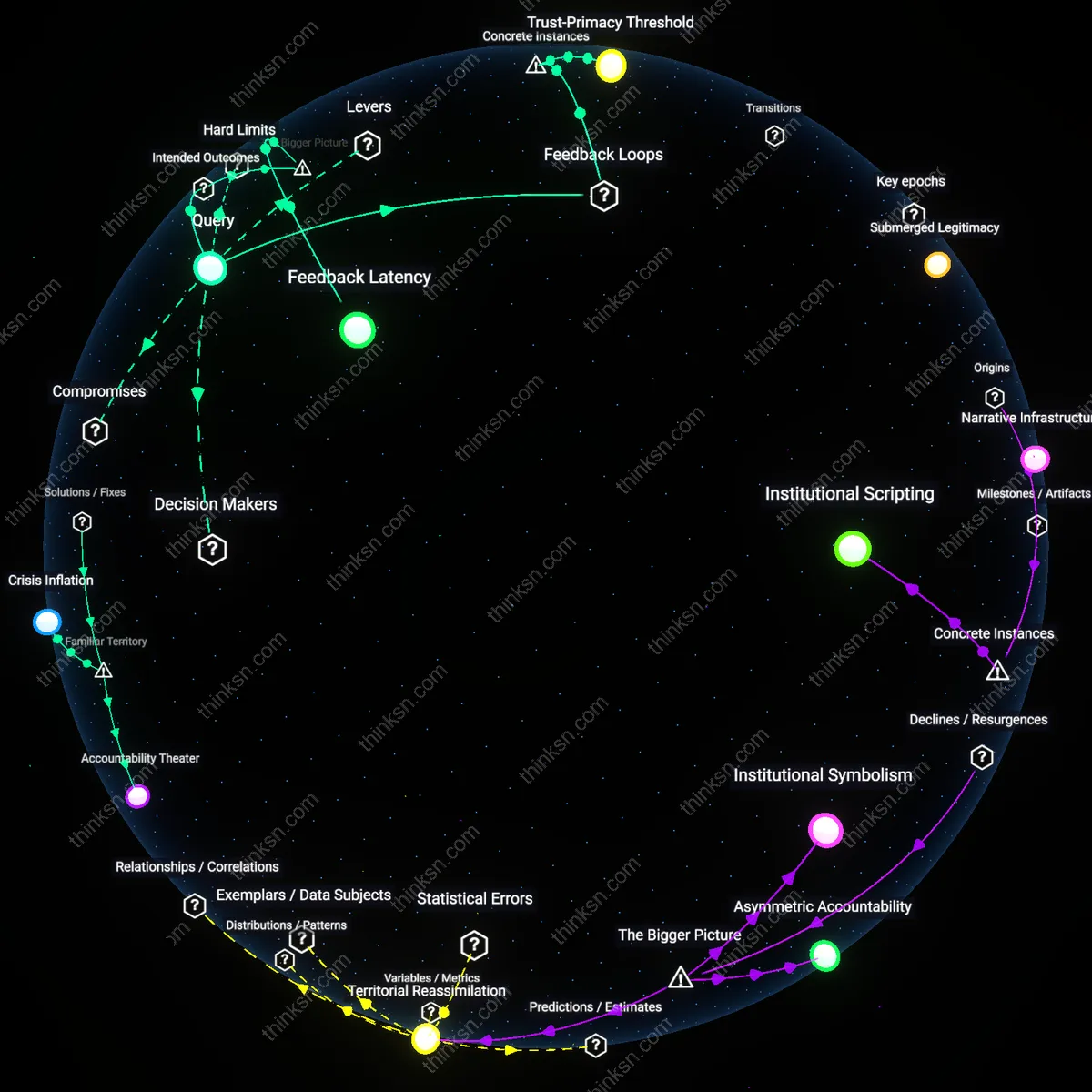
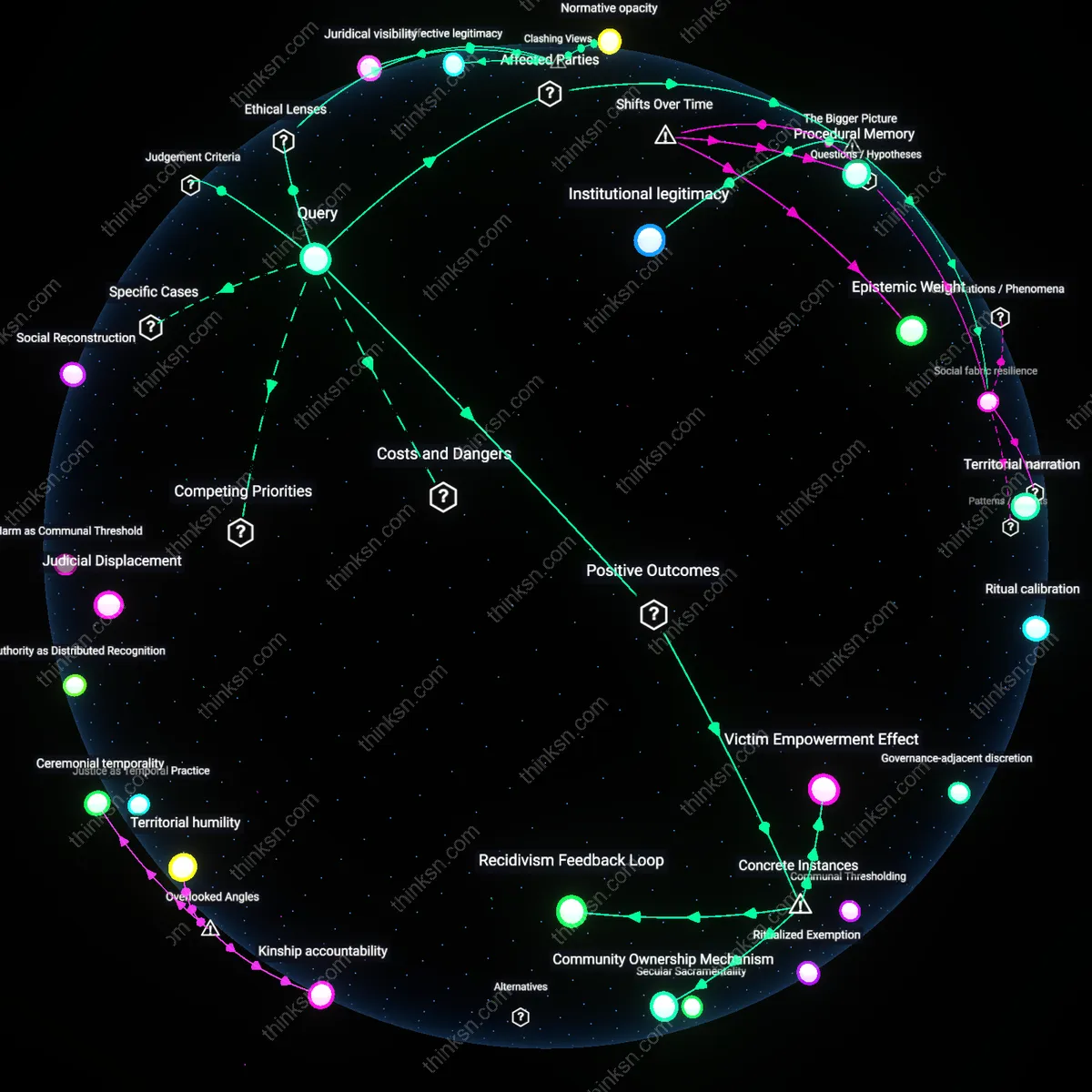
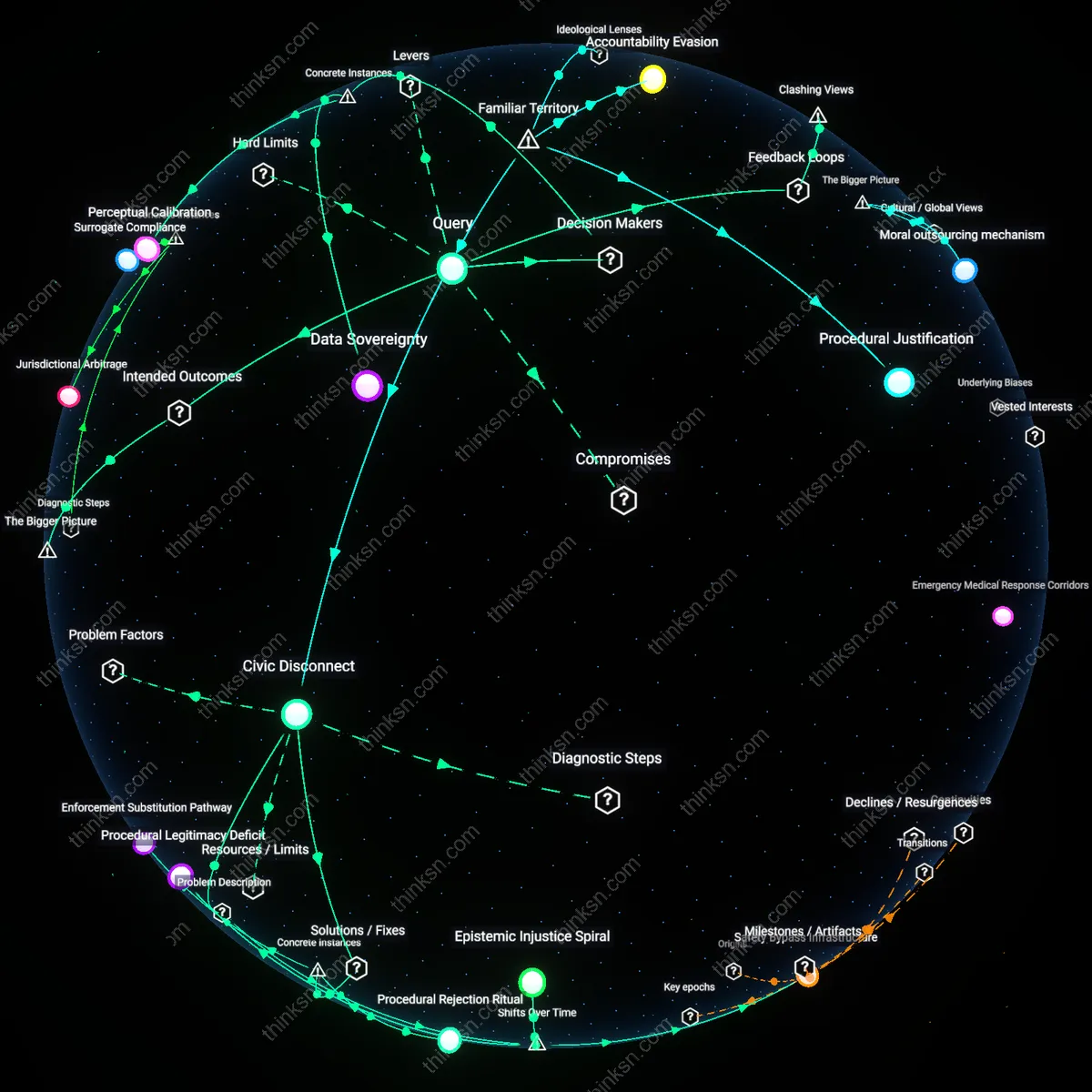
Analysis reveals 5 key thematic connections.
Key Findings
Bias Inversion
Frame racial bias inquiries as performance shortfalls in officer safety rather than moral failures to shift liability narratives and break public resistance. By treating elevated stop rates for Black drivers not as evidence of racism but as deviations from tactical risk-assessment protocols—such as those emphasizing behavior over demographics—reformers reposition the debate around professional standards, not identity politics. This reframing allows internal affairs units and training academies, not just civil rights advocates, to own the response, embedding oversight into routine evaluation cycles and creating a balancing loop where poor judgment metrics trigger retraining, not punishment. The dissonance lies in advancing equity not by confronting prejudice head-on but by routing reform through the professional legitimacy of law enforcement’s own risk doctrines.
Data Sovereignty
The Seattle Office of the Inspector General for Public Safety directed the Seattle Police Department to standardize traffic stop data collection using city-defined racial identification protocols, thereby reducing ambiguity in bias assessments by asserting municipal control over data ontology and taxonomy. This intervention reveals that cities can bypass federal inconsistencies in race classification by institutionalizing locally governed data standards, challenging the assumption that technical data reform is neutral rather than politically situated. The non-obvious insight is that defining who gets to categorize race in stop data—whether the state, the driver, or the officer—shapes the very evidence of bias.
Perceptual Calibration
The New Jersey Attorney General’s 2000 mandate to install in-car cameras across all patrol vehicles following the I-295 turnpike racial profiling cases transformed public trust not by eliminating bias but by aligning institutional transparency with community observation. The footage did not reduce stops, but it created a shared sensory reference point between police and residents, recalibrating public perception through evidentiary parity. This demonstrates that reforms addressing perception gaps need not resolve statistical ambiguity if they synchronize lived experience with institutional record.
Procedural Reframing
The ACLU of Northern California’s litigation in San Jose led to a 2019 settlement requiring officers to record the purpose of each traffic stop before initiating contact, embedding justificatory discipline at the moment of decision. This procedural shift turned discretionary stops into documented administrative acts, exposing pretextual enforcement through internal audit trails rather than relying on post-hoc statistical inference. The critical insight is that reform can target the structure of administrative routine—rather than data volume—to make bias visible through bureaucratic formality.
Institutional Feedback Loops
Reformers should tie federal and state grant allocations for law enforcement to demonstrated improvements in traffic stop equity metrics, such as a reduction in race-based stop disparity ratios over time, validated by third-party auditors. This leverages budgetary control mechanisms to transform abstract anti-bias goals into operational imperatives within police bureaucracies, where funding determines manpower, training, and equipment capacity. The critical insight is that data quality improves only when there is an organizational incentive to report accurately—by linking resource flows to performance on racial equity benchmarks, reformers activate internal compliance incentives within police departments that otherwise treat data collection as a ceremonial rather than strategic function.