Are Reproductive Health Days a Legal Risk for Employers?
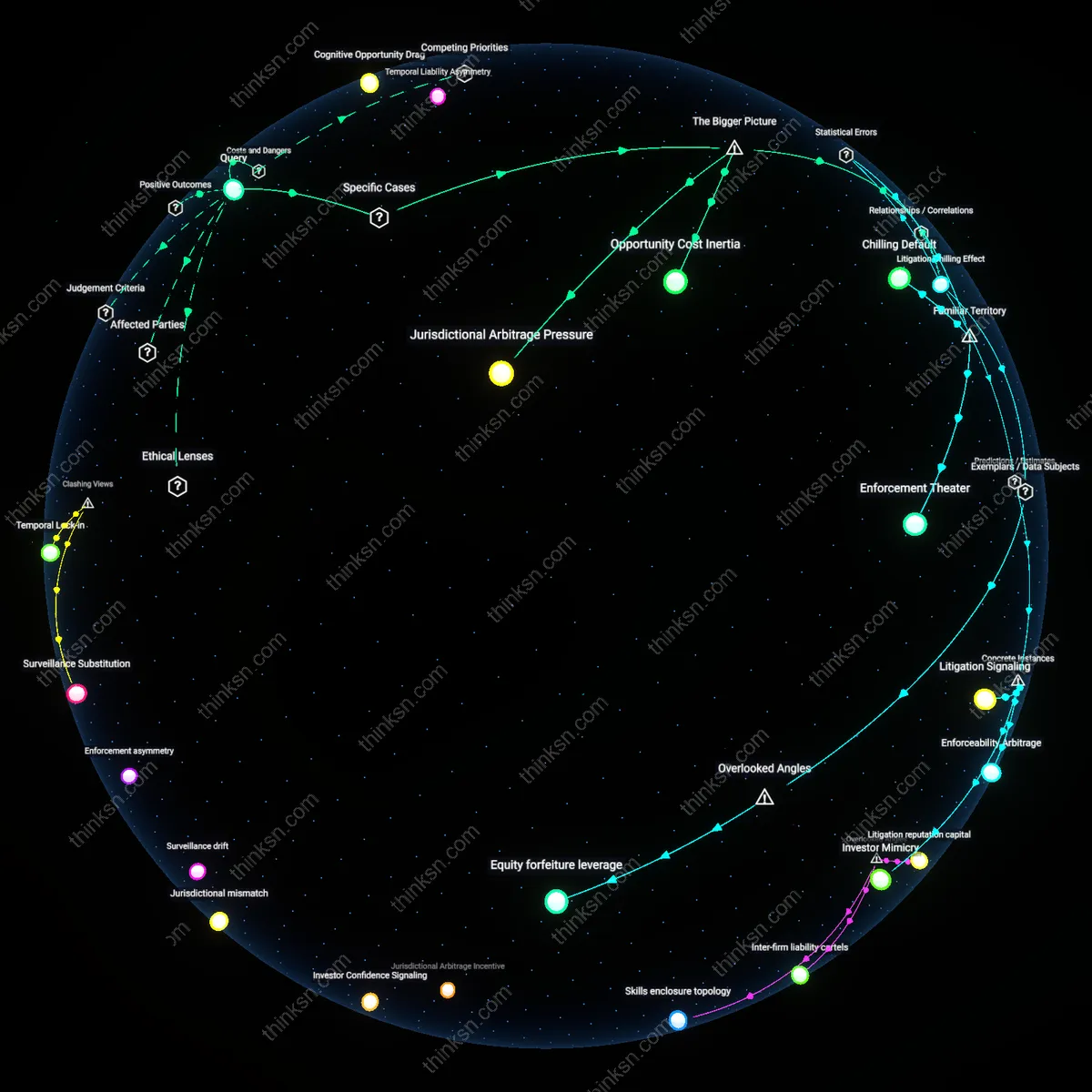
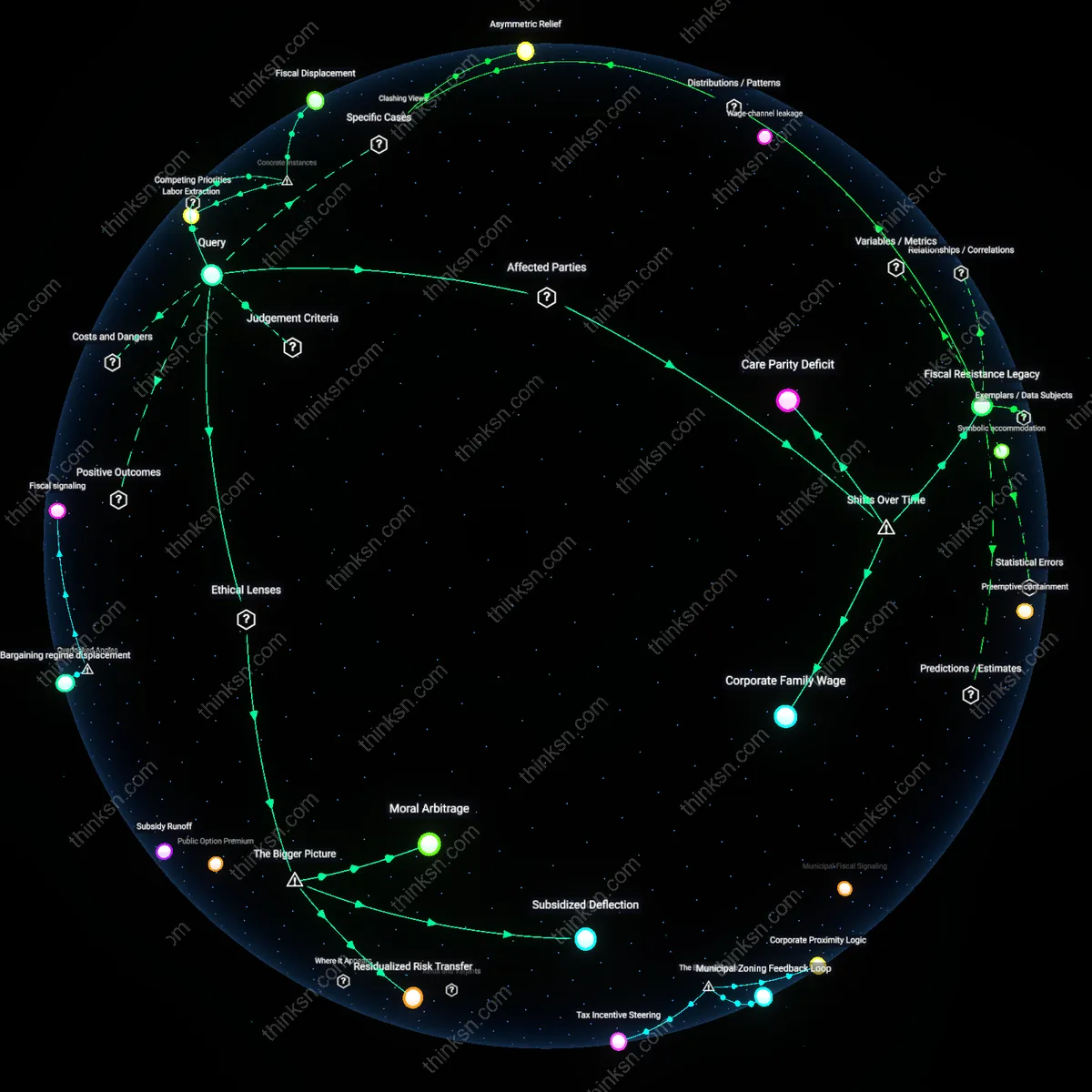
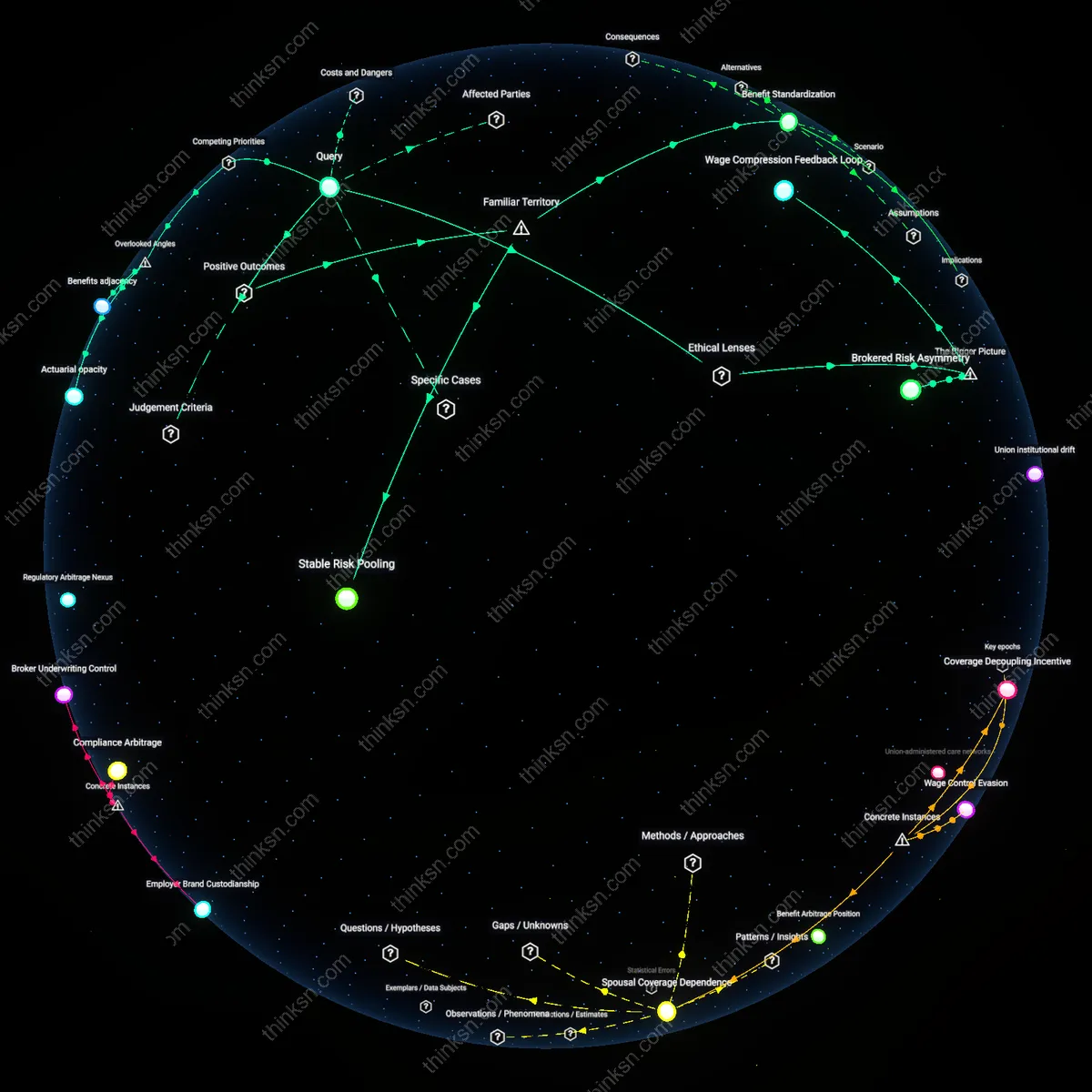
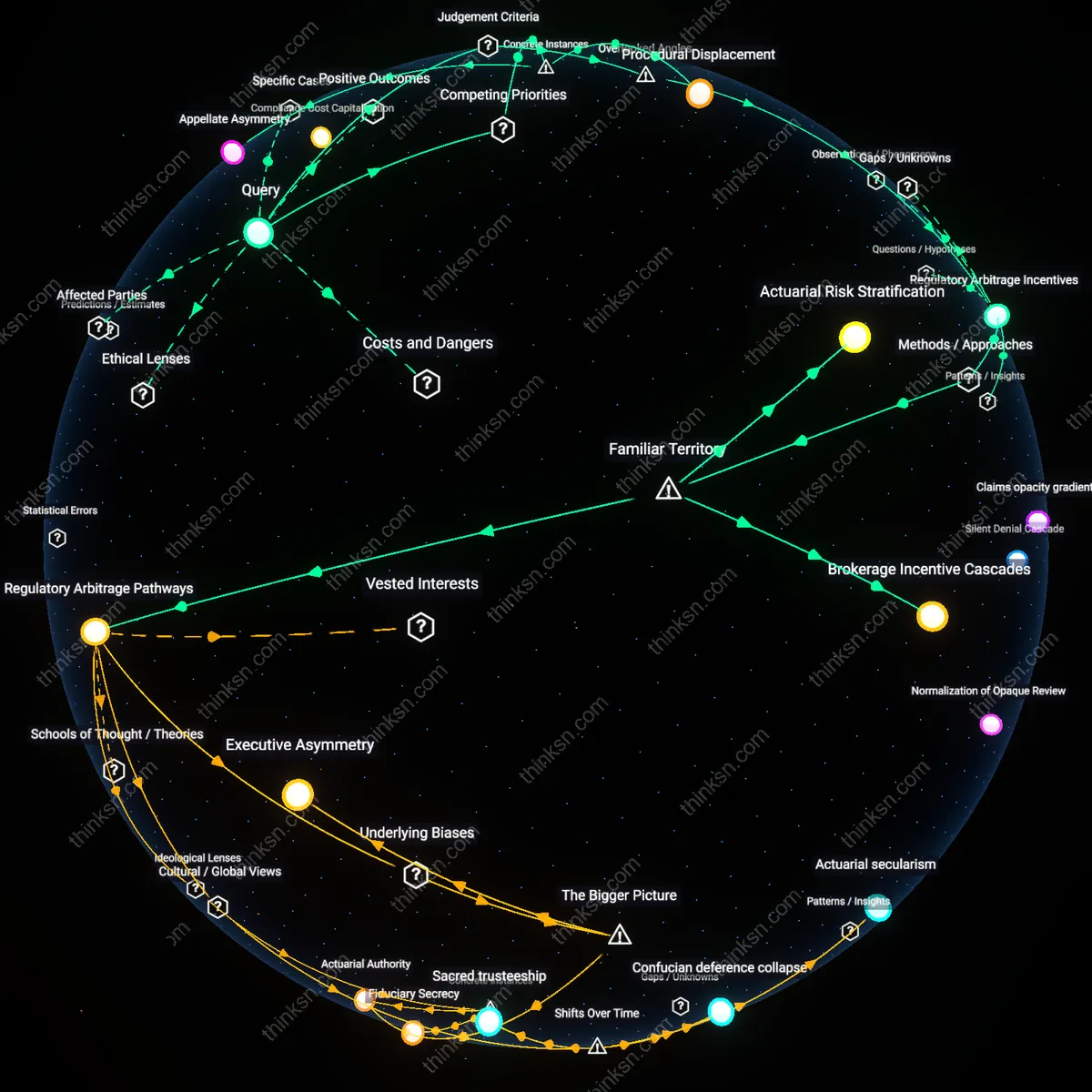
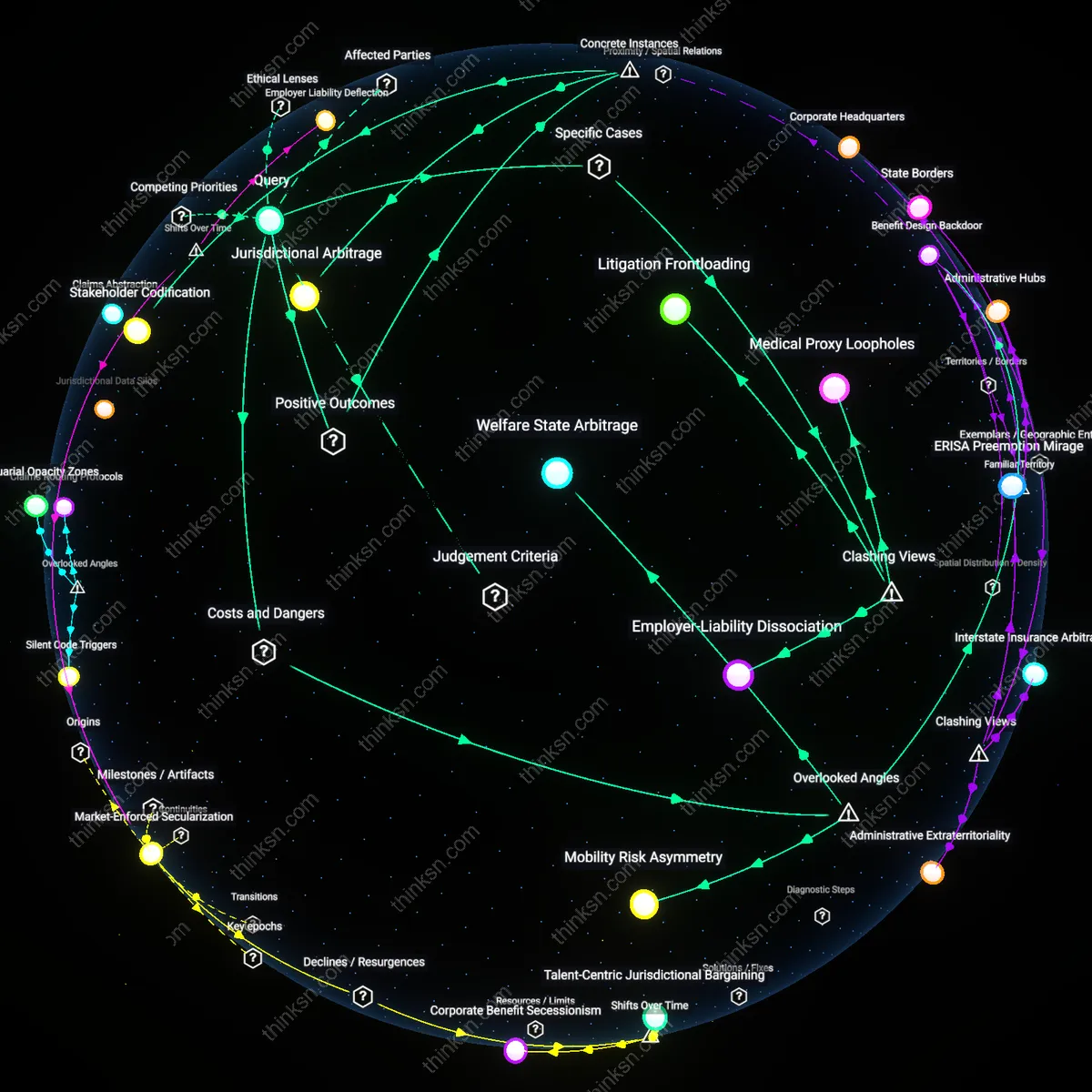
Analysis reveals 9 key thematic connections.
Key Findings
Precedent Anchoring
A legal analyst can mitigate civil liability risks by aligning reproductive health day policies with the precedent set by Microsoft’s 2022 employee benefit expansion, which proactively covered out-of-state travel for abortion care amid Texas’s SB8 law. This framework leveraged existing corporate relocation precedents in employee contracts to position reproductive access as a continuity of care issue, not a novel benefit, thereby reducing exposure to state-level interference. The mechanism operates through contract law insulation, where employer promises codified in benefit agreements preemptively neutralize tort claims by establishing a duty of care that transcends local criminal statutes. This reveals the underappreciated strategic value of benefit design as a shield against enforcement overreach.
Jurisdictional Arbitrage
Legal analysts can minimize liability exposure by structuring reproductive health benefits through self-insured health plans governed by ERISA, as demonstrated by Starbucks’ 2023 decision to route abortion-related travel reimbursements through its federally regulated plan. Because ERISA preempts state laws regulating employee benefit plans, employers insulate themselves from conflicting state abortion restrictions by shifting the legal locus of care access to federal labor policy. This dynamic turns benefit administration into a form of regulatory arbitrage, where plan governance displaces local criminal liability risks. The overlooked insight is that benefit funding structure—not medical policy content—determines jurisdictional vulnerability.
Stakeholder Codification
Analysts can reduce civil liability risks by formally integrating reproductive health days into disability accommodation frameworks, as seen in the University of California’s 2023 update to its academic personnel manual, which classified pregnancy-related travel as a protected leave category. This integration triggers established anti-retaliation and non-discrimination safeguards under the ADA and FMLA, transforming potential abortion-related absences into legally recognized medical accommodations. The system functions by reclassifying politically sensitive acts into administratively routine ones, diffusing legal risk through institutionalized procedural norms. The critical nuance is that bureaucratic assimilation, not moral justification, defuses liability exposure.
Benefit Design Backdoor
A legal analyst must recognize that reproductive health days can transform employer health plans into de facto abortion referral systems, triggering liability under state laws that criminalize aiding or abetting abortion. Because many self-insured employer plans are governed by ERISA but administered locally, third-party administrators and on-site clinic staff may inadvertently create standing records of referral patterns that map onto prohibited conduct in anti-abortion enforcement jurisdictions, especially where law enforcement uses benefit claims data to reconstruct timelines of care. This vector is rarely modeled in compliance frameworks because it treats human resources infrastructure as a surveillance conduit rather than a neutral delivery mechanism, exposing actuarial and administrative systems as latent legal witnesses. The overlooked mechanism is that benefit design—typically viewed as a cost-containment tool—becomes a backdoor reporting structure under criminalized healthcare regimes.
Mobility Risk Asymmetry
Legal analysts underestimate how employer-provided reproductive health days produce differential liability exposure across geographically mobile employees, particularly when workers based in abortion-hostile states travel to access care facilitated by employer logistics or paid time off. Since some states are drafting laws that criminalize out-of-state abortion procurement when supported by employer benefits, the act of scheduling, reimbursing, or even documenting travel for such purposes may constitute material support under novel felony statutes, turning HR-mandated leave tracking into prosecutable evidence. This risk is heightened for multistate employers with centralized data systems, where leave codes or travel reimbursements archived in shared HRIS platforms can be subpoenaed under interstate legal assistance doctrines. The non-obvious insight is that employee mobility, usually treated as a logistical variable, becomes a jurisdictional amplifier for civil liability when infrastructure assumes legal weight.
Welfare State Arbitrage
Employer-funded reproductive health days inject private capital into a legal gray zone where public welfare systems deny or criminalize the same services, making the employer an unwitting substitute for a dismantled social infrastructure and thereby increasing exposure to claims of unlawful state displacement. When employers step into gaps left by retreating public clinics—particularly in states with near-total abortion bans—courts may interpret benefit provision as a form of private governance that invites regulatory mimicry, where employers are held to standards analogous to licensed medical providers or state actors under novel 'moral agency' doctrines. This creates a stealth duty-of-care expansion where companies are presumed to have assumed public responsibilities, exposing them to tort claims not just from employees but from third parties alleging indirect harm. The overlooked dependency is that employer benefits cease being neutral accommodations and become seen as parallel governance structures, triggering liability logics normally reserved for state entities.
Litigation Frontloading
A legal analyst should assess civil liability risks by tracking pre-emptive lawsuits filed by employers in federal court to establish jurisdictional insulation against state enforcement. Companies like Whole Foods and Patagonia have initiated declaratory judgment actions in states such as Texas and Idaho—where abortion statutes are ambiguous—to force courts to rule that reproductive health benefits fall under ERISA preemption or interstate commerce protections, thereby short-circuiting future liability. This strategy treats courtroom timing as a structural shield, exploiting the lag between state enforcement and federal judicial review, which is rarely seen as a preventive compliance tool. The non-obvious insight is that liability is not assessed reactively but manufactured as absence through procedural aggression.
Medical Proxy Loopholes
Civil liability exposure declines when employers reframe reproductive health days as psychiatric or trauma-related leave under state telemedicine frameworks, shifting treatment location to telehealth platforms registered in permissive states. For example, California-based tech firms route employees through mental health referrals to providers licensed in Oregon or Maine, where abortion is codified as mental wellness care, thus leveraging clinical categorization to bypass physical jurisdictional bans. This mechanism reveals that care access is being quietly medicalized under non-reproductive diagnostics to avoid triggering state prohibitions—contradicting the assumption that physical presence determines legal exposure. The underappreciated dynamic is diagnostic repackaging as jurisdictional arbitrage.
Employer-Liability Dissociation
Liability risk is materially reduced when employers outsource benefit administration to third-party health trusts domiciled in states with shield laws, such as New York’s nonprofit health consortiums, which absorb fiduciary responsibility for care access logistics. In practice, firms like Salesforce use administrative intermediaries to fund and coordinate out-of-state travel, insulating themselves by reframing benefit provision as passive reimbursement rather than active facilitation. This severs the causal chain between employer policy and individual care decisions under tort frameworks, challenging the intuitive belief that corporate sponsorship implies control. The overlooked principle is structural disavowal via delegated logistics.