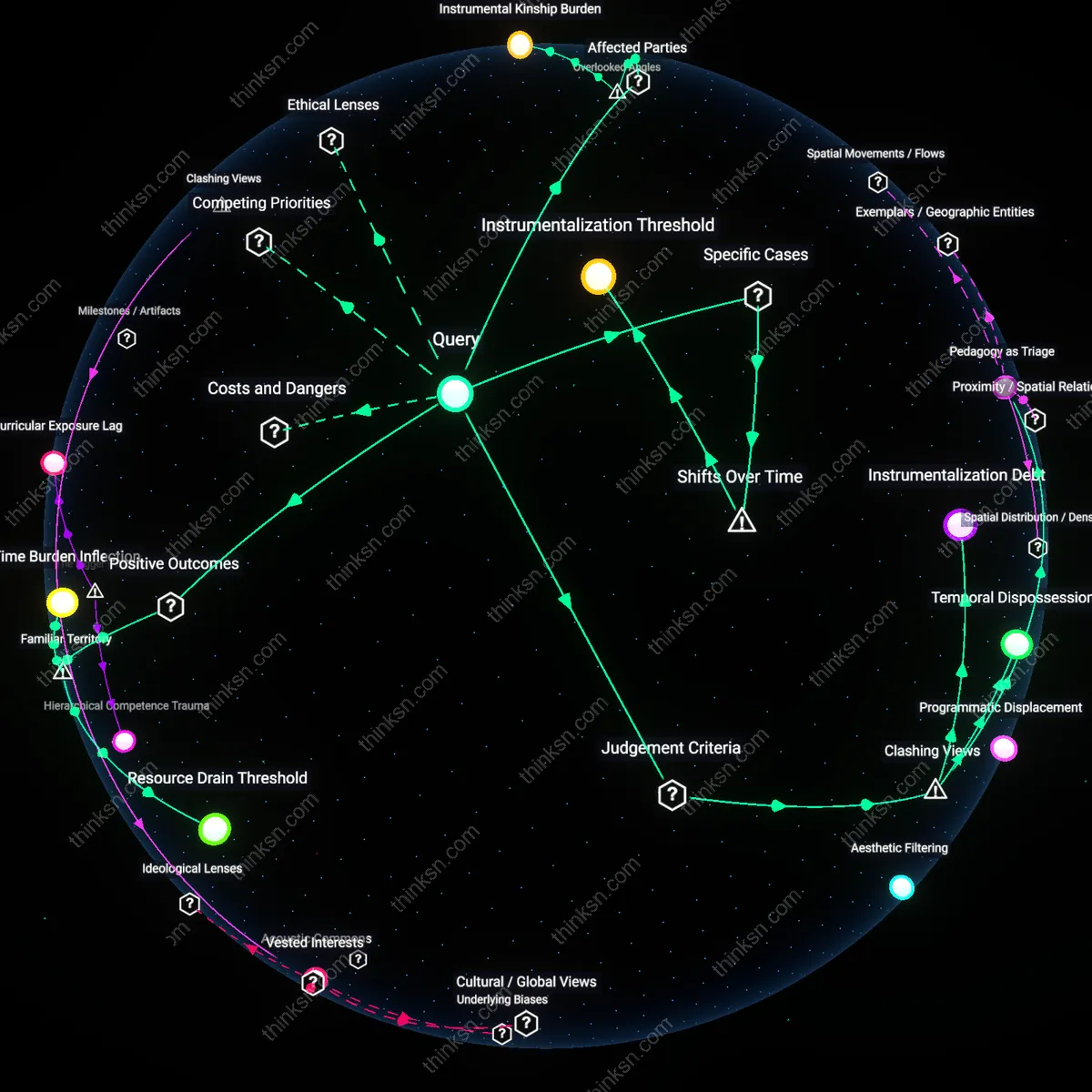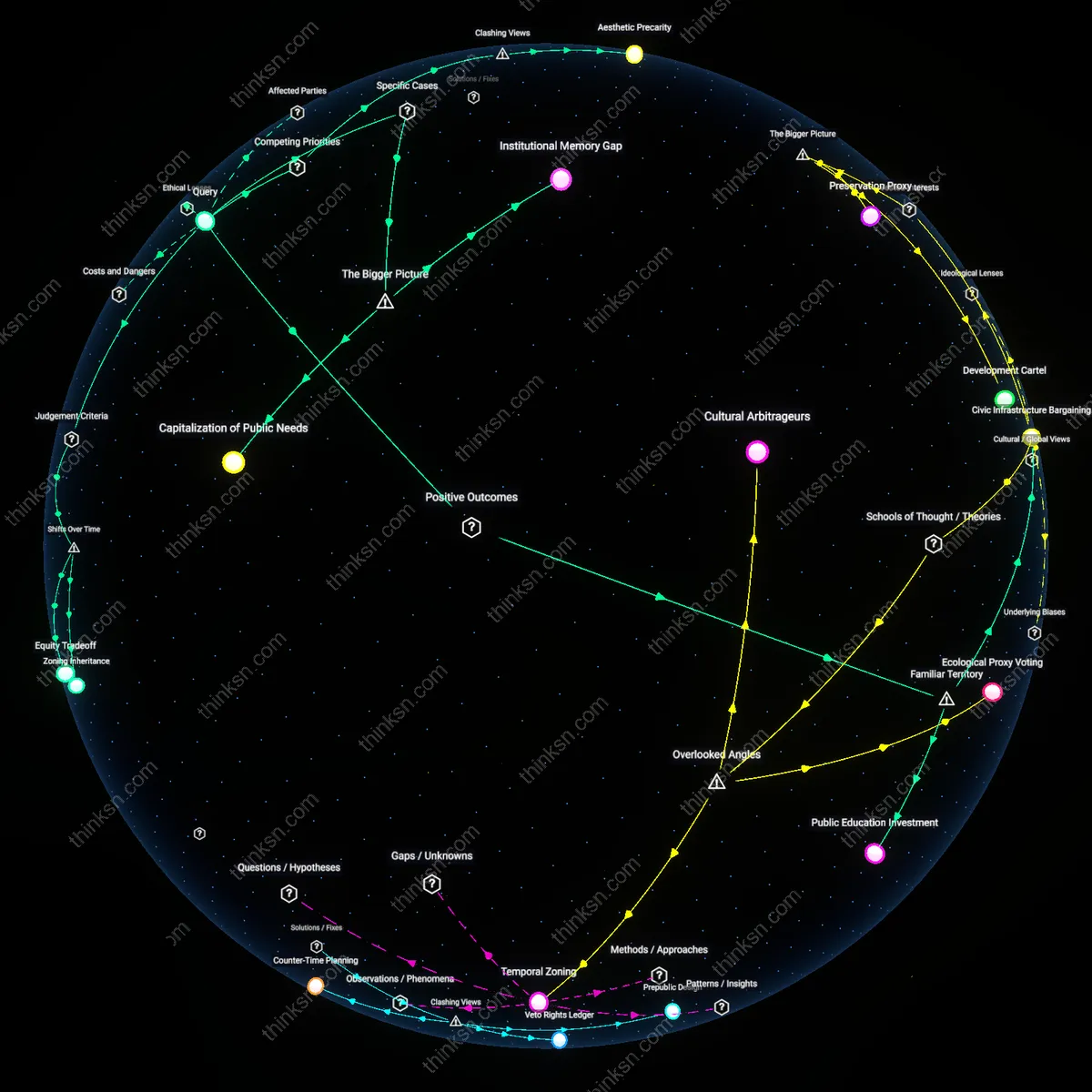
STEM Focus Neglecting Arts Education? Systemic Risks?
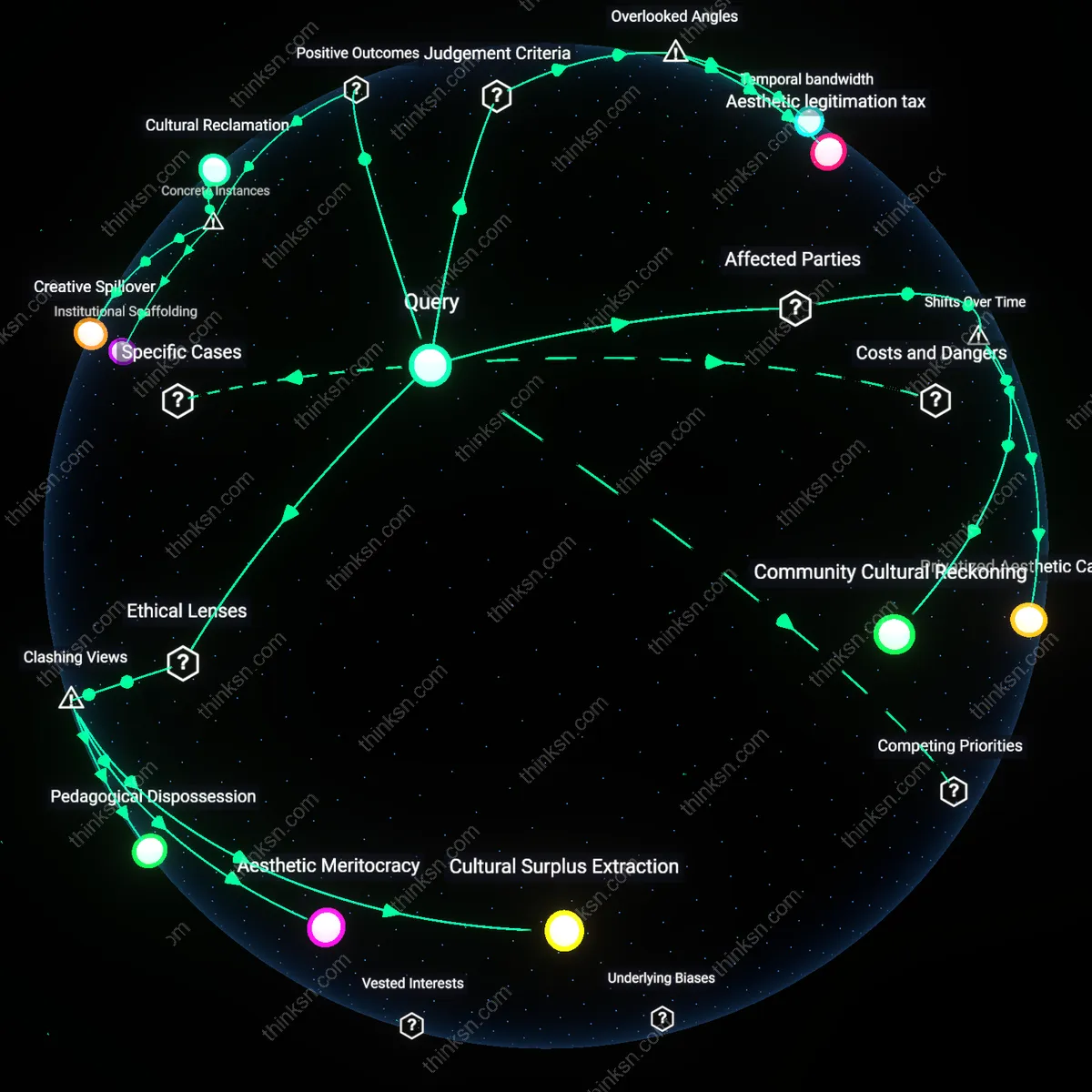
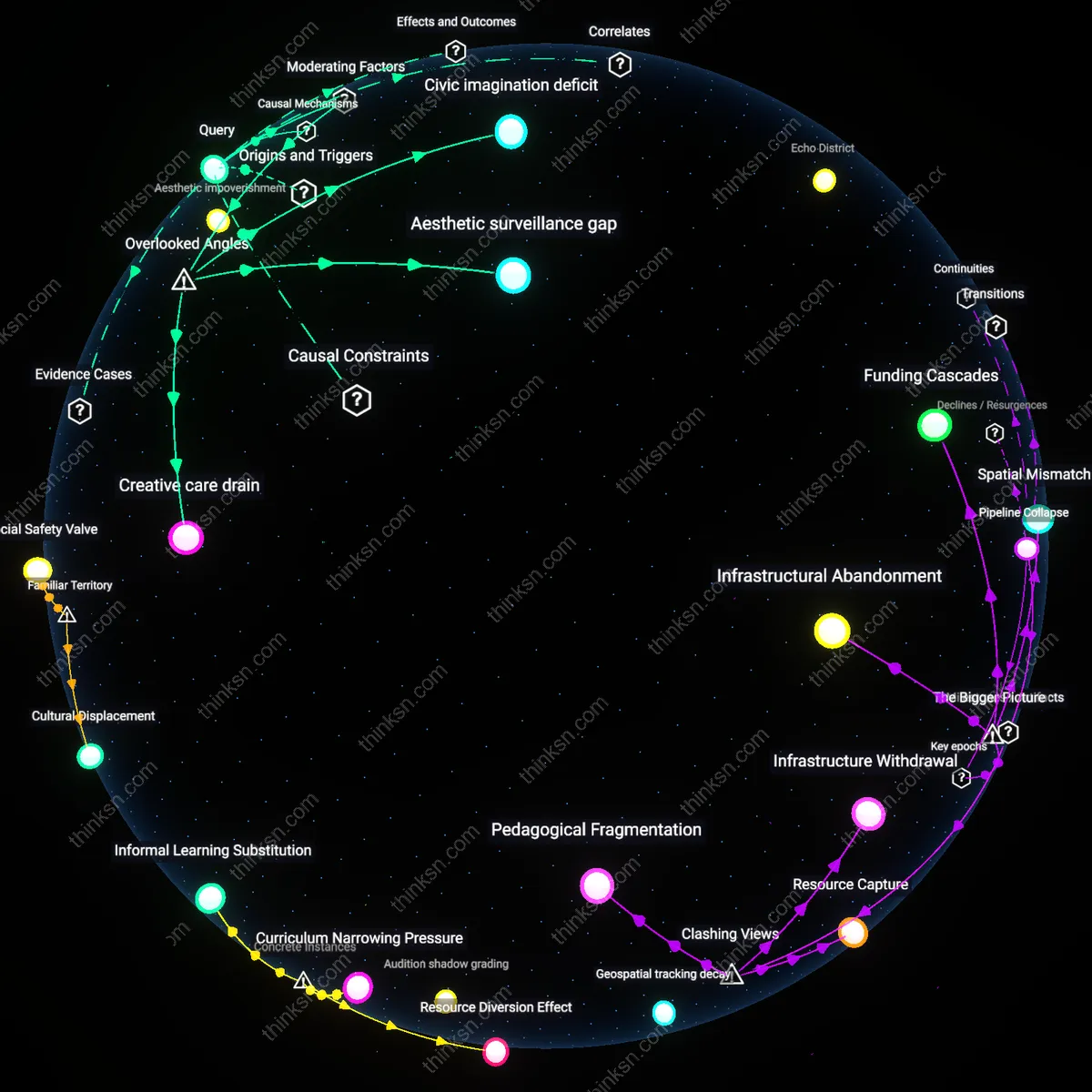
Analysis reveals 5 key thematic connections.
Key Findings
Cultural desynchronization
The 2011 defunding of California’s K-12 arts education mandate under Governor Jerry Brown’s budget reconciliation directly weakened curriculum continuity between elementary music programs and high school conservatory pipelines, causing district-level arts coordinators in Los Angeles Unified to dismantle cross-grade mentorship structures that had connected student performers with professional artists via state-funded outreach. This erosion occurred not merely through budget cuts but through the systematic misalignment of accountability metrics that prioritized math and reading test scores over creative development, revealing how administrative rationality in education policy can disrupt long-term cultural transmission by privileging short-term performance benchmarks over developmental ecosystems.
Aesthetic impoverishment
After the 2002 No Child Left Behind Act intensified Title I compliance in Mississippi’s Delta region, elementary schools in majority-Black districts like Sunflower County phased out visual arts instruction to redirect resources toward remedial literacy, resulting in the collapse of a community-based quilt-making pedagogy that had historically served as both cultural preservation and spatial reasoning training for young learners. The mechanism was not simply resource reallocation but the erasure of embodied knowledge systems from formal education, exposing how STEM-centric policy frameworks can pathologize non-Western cognitive modalities by failing to recognize them as forms of legitimate epistemic practice.
Civic imagination deficit
Federal prioritization of STEM over arts education systematically erodes students' capacity to envision collective futures, because public schools in low-income districts—where arts programming is most vulnerable—serve as primary sites for developing narrative empathy and speculative thinking about social change. Without sustained engagement in theater, visual storytelling, or creative writing, students lose access to cognitive tools that enable them to model alternative societal configurations, a mechanism particularly consequential in communities disenfranchised from political design processes; this dimension is rarely acknowledged in policy debates, which focus on individual skill deficits rather than the erosion of collective sensemaking infrastructure.
Aesthetic surveillance gap
The retreat from arts education weakens public capacity to critically interpret symbolic communication in digital media ecosystems, because adolescents without training in visual semiotics or narrative structure are disproportionately susceptible to algorithmically amplified disinformation campaigns that rely on emotional resonance over factual content. This vulnerability is most acute in rural and deindustrialized regions where school-based arts programs were the sole source of media literacy development, a systemic function that neither online platforms nor families commonly replicate; the resulting interpretive naiveté transforms into a blind spot in national resilience planning, where the role of aesthetic fluency in democratic defense is typically ignored.
Creative care drain
Deprioritizing arts education accelerates the erosion of care work innovation in health and education sectors, because many frontline professionals—particularly women of color in Title I school districts—draw on informal artistic practices to develop culturally responsive therapeutic techniques for trauma-affected youth, which disappear when school systems eliminate mentorship pathways in dance, music, or drama. These displaced micro-practices are not captured in workforce metrics but were essential to sustaining emotional throughput in overburdened institutions; the disappearance of these hybrid roles reveals a hidden dependency of public health systems on underfunded arts infrastructure.