Rent Freeze or Risk? Weighing Leases in Uncertain Times
Analysis reveals 7 key thematic connections.
Key Findings
Rent Stability Paradox
Renters gain greater long-term affordability by rejecting rent-freeze clauses, because landlords insert weaker force-majeure triggers when constrained by fixed rents, shifting negotiation power to tenants during external shocks like inflation or regulatory changes. This dynamic surfaces in jurisdictions like Berlin and Oregon, where rent control intensified landlord reliance on broader force-majeure language—yet empirical enforcement patterns show fewer successful rent hikes due to heightened tenant legal mobilization and public scrutiny, revealing that apparent contractual rigidity often induces systemic restraint in landlord escalation tactics. The non-obvious insight is that freezing nominal rent can inadvertently activate countervailing social and legal checks that more effectively suppress rent growth than flexible agreements with superficially limited adjustment clauses.
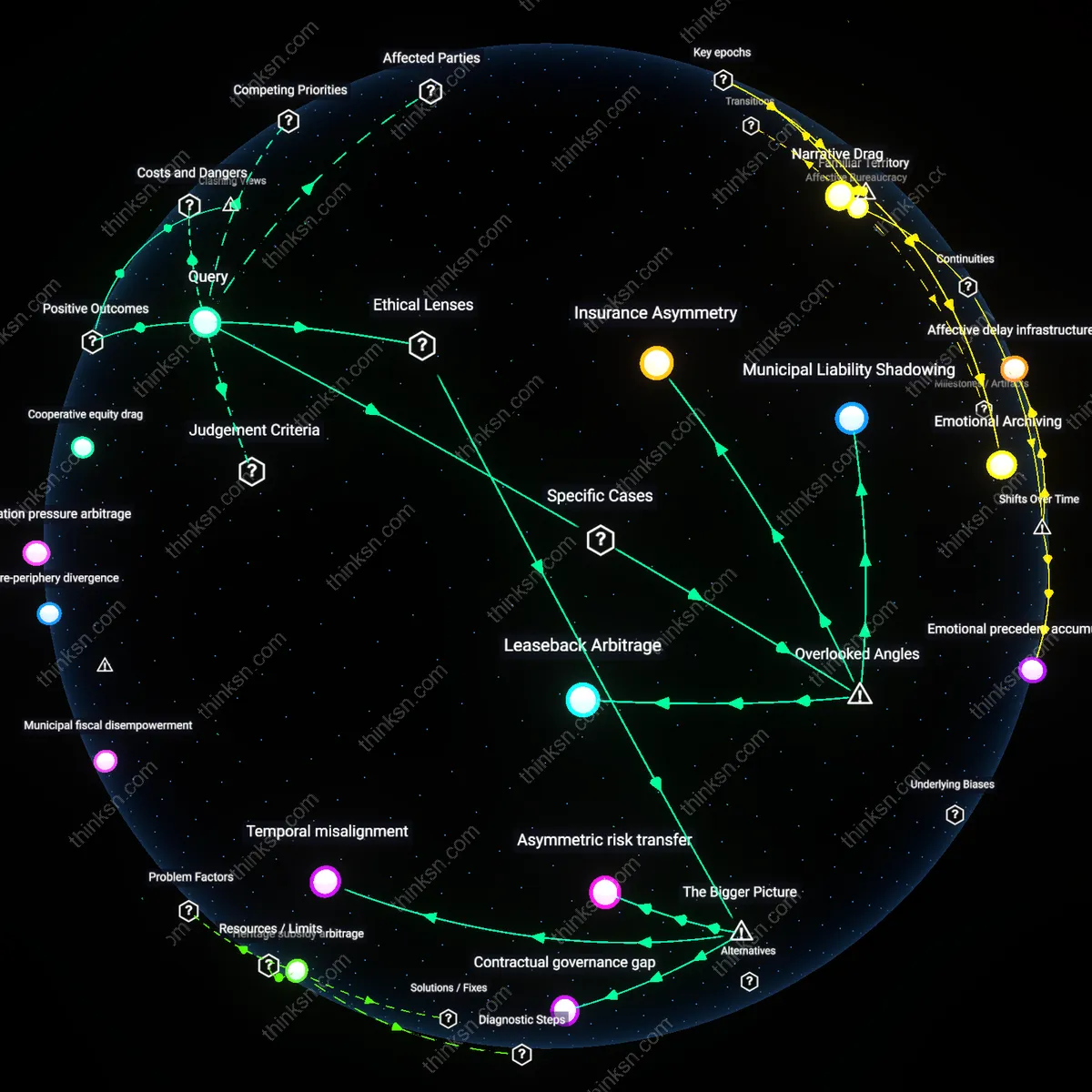
Asymmetric risk transfer
Renters should prioritize rejecting rent-freeze clauses that coexist with expansive force-majeure provisions because such contractual pairings function as mechanisms of asymmetric risk transfer within neoliberal housing regimes. Landlords, empowered by property rights regimes and judicial deference to contract enforcement, offload market and environmental volatility onto tenants—who bear the brunt of displacement risks—while retaining regulatory advantages and exit options in downturns. This dynamic is enabled by the privatization of housing stock and weakened tenant protections in jurisdictions like U.S. Sun Belt cities, where climate-related disruptions are increasingly coded as force majeure, allowing rent adjustments despite nominal freezes. The non-obvious consequence is that rent stability is undermined not through overt policy change but through contractual design nested in broader privatization logics.
Contractual governance gap
Renters should evaluate the trade-off by recognizing that the interplay between rent-freeze clauses and force-majeure provisions reveals a contractual governance gap where private agreements subvert public interest goals in housing stability. In cities like Berlin or Portland, where rent controls are politically mandated, landlords exploit ambiguously defined force-majeure terms—such as 'unforeseen regulatory costs'—to bypass legislative intent, effectively privatizing rent-setting authority. This erosion occurs because contract law traditionally defers to party autonomy, even when power imbalances invalidate true consent, allowing landlords to invoke force majeure as a de facto opt-out from social housing obligations. The underappreciated systemic pressure is that judicial systems treat these clauses as neutral risk-allocation tools, ignoring their function as political resistance to redistributive housing policy.
Temporal misalignment
Renters should treat the inclusion of force-majeure-driven rent increases in otherwise stable leases as evidence of temporal misalignment between short-term tenant security and long-term landlord adaptability under financialized real estate models. Institutional investors managing multifamily portfolios in markets like Toronto or Sydney demand contractual flexibility to recalibrate returns in response to interest rate shifts or insurance cost spikes—conditions often bundled into force majeure—while tenants seek predictability over fixed lease terms. This tension is structurally embedded in securitized rental markets, where lease agreements are optimized for asset fluidity rather than occupancy continuity, making nominal rent freezes hollow if termination or repricing triggers lie dormant. The overlooked reality is that stability is time-bound and conditional, not absolute, with contractual timelines serving investment horizons more than residential needs.
Leaseback Arbitrage
Renters in San Francisco’s rent-controlled apartments with force-majeure loopholes are more exposed to landlord-driven displacement than rent increases when cities amend landmark preservation rules. Because certain historic building owners can classify restoration mandates as force majeure, triggering rent adjustments despite freeze clauses—seen in the 2021 retrofit disputes at Jackson Square—tenants face de facto eviction via unaffordable surcharges. This mechanism reveals that the risk is not inflationary drift but strategic declassification of lease terms under civic mandates, an outcome rarely modeled in tenant advocacy guides. The overlooked dynamic is that public interest policies can be weaponized through contractual ambiguity, transforming preservation into displacement.
Insurance Asymmetry
In New Orleans' post-Katrina rental market, landlords with federal flood mitigation grants can invoke force majeure after minor water events if private insurers redefine ‘extreme weather’ thresholds. Renters who prioritize freeze clauses overlook that insurer underwriting criteria—controlled by third parties external to the lease—can activate rent escalations without landlord malice. This reveals that risk allocation depends less on landlord intent than on actuarial reinterpretations of environmental thresholds embedded in reinsurance contracts. Most tenant risk assessments ignore how global capital markets indirectly shape local rental stability, mistaking contract terms for full control variables.
Municipal Liability Shadowing
Tenants in HUD-subsidized Housing Choice Voucher units in Detroit have experienced rent-linked penalties after landlords claimed force majeure due to delayed city reimbursements for property repairs. Because municipal budgeting delays are treated as external disruptions, freeze clauses become voidable even when rent levels are federally capped. This exposes renters to fiscal governance lags outside lease jurisdiction, where local government solvency becomes a hidden variable in rent security. Standard analyses frame rent risk as bilateral, yet here it is a function of intergovernmental accounting latency—rarely visible until reimbursement chains fracture.