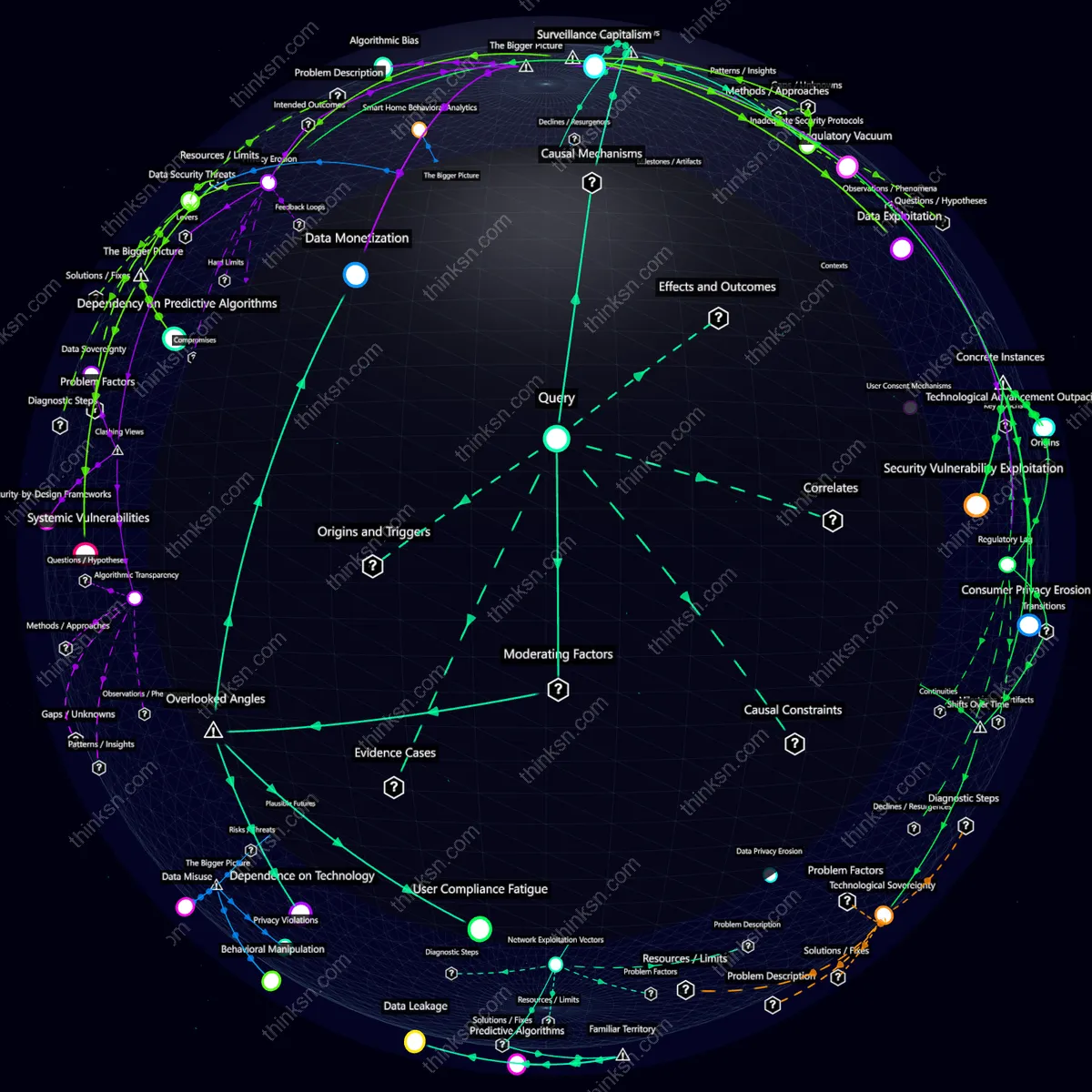
Smart Home Devices: Privacy Risks as Routines Are Learned
Analysis reveals 6 key thematic connections.
Key Findings
Data Monetization Practices
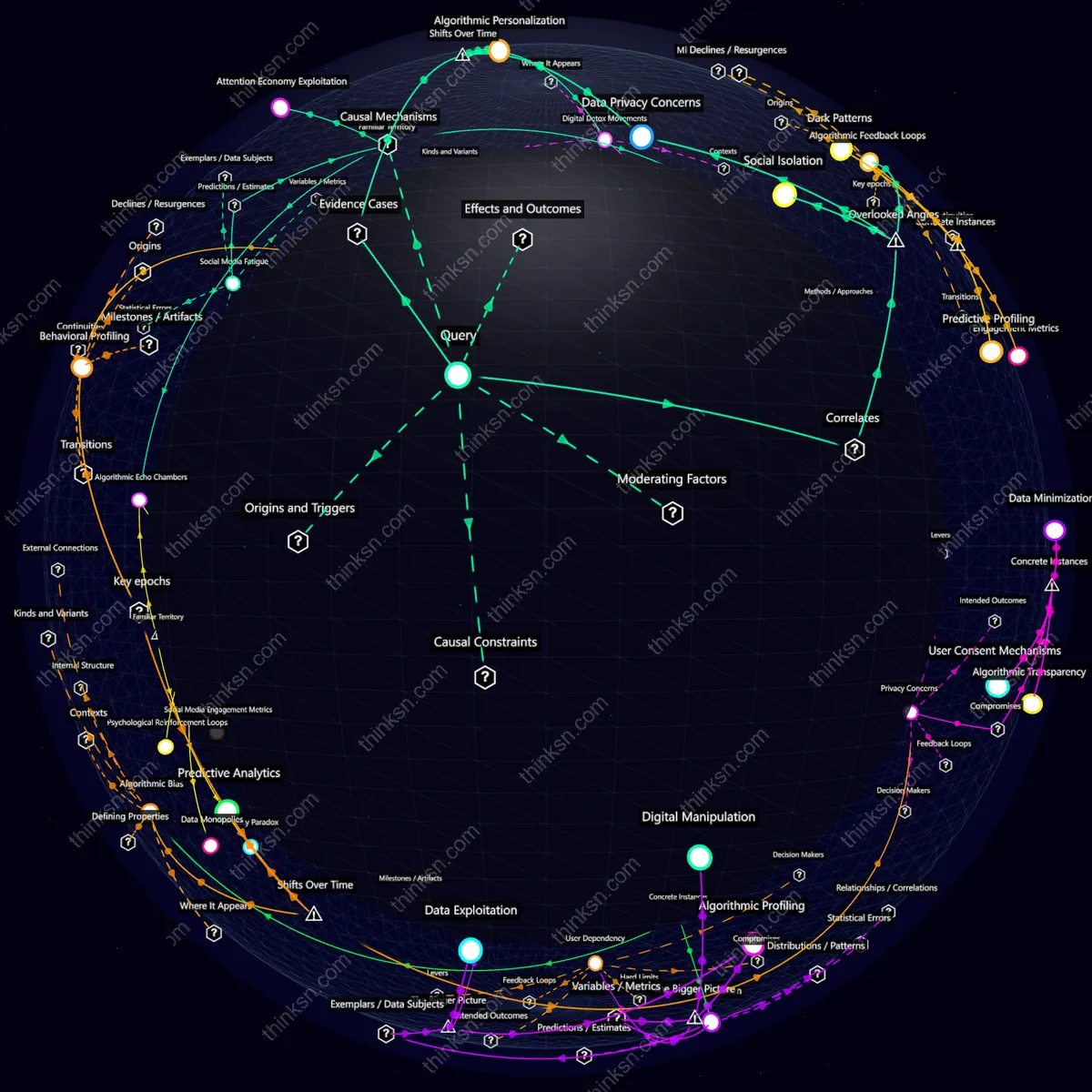
As smart home devices gain deeper insights into daily routines, companies might exploit this data for targeted advertising and user profiling, undermining privacy while enhancing marketing efficiency. This shift could create a feedback loop where users unknowingly consent to invasive practices in exchange for convenience.
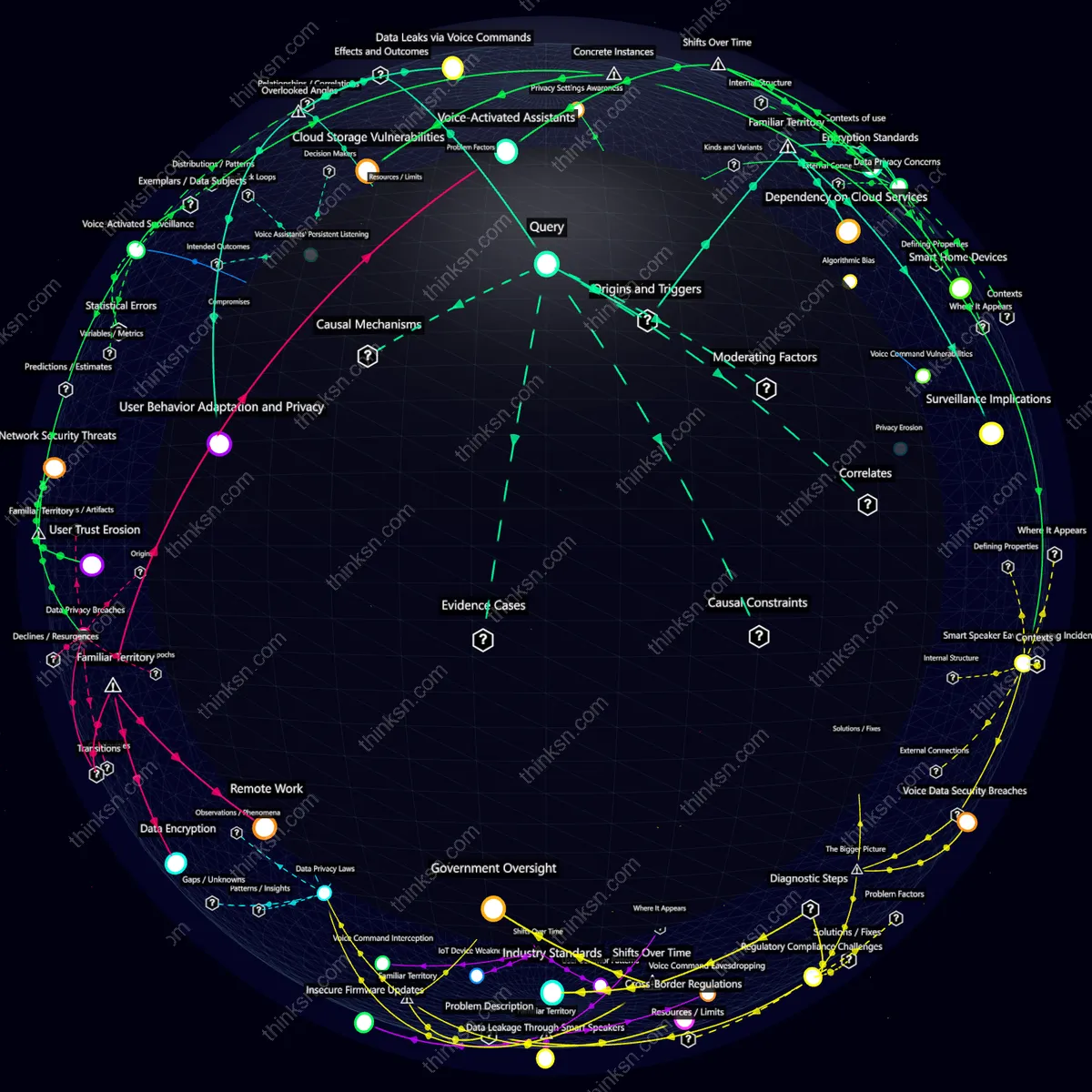
Inadequate Security Protocols
The expansion of smart home functionalities may lead manufacturers to prioritize feature development over robust security measures, exposing users to potential data breaches and cyberattacks. This trade-off between innovation and safety can leave individuals vulnerable despite the allure of advanced technology.
Surveillance Capitalism
The deep understanding of daily routines by smart home devices could enable surveillance capitalism, where companies monitor user behavior to influence decisions and extract economic value. This systemic shift raises ethical concerns about privacy invasion and loss of autonomy, challenging the societal perception of technological advancement as inherently beneficial.
Data Monetization
As smart home devices gain deeper insights into daily routines, the risk of data monetization becomes more pronounced. Companies may sell anonymized behavioral patterns to advertisers, leading to targeted marketing that exploits user vulnerabilities without explicit consent, thereby undermining privacy.
User Compliance Fatigue
Over time, users might experience compliance fatigue as they are constantly reminded to update security settings and modify daily routines due to new privacy threats. This can result in a lax attitude towards updating or securing devices, increasing the vulnerability of personal data.
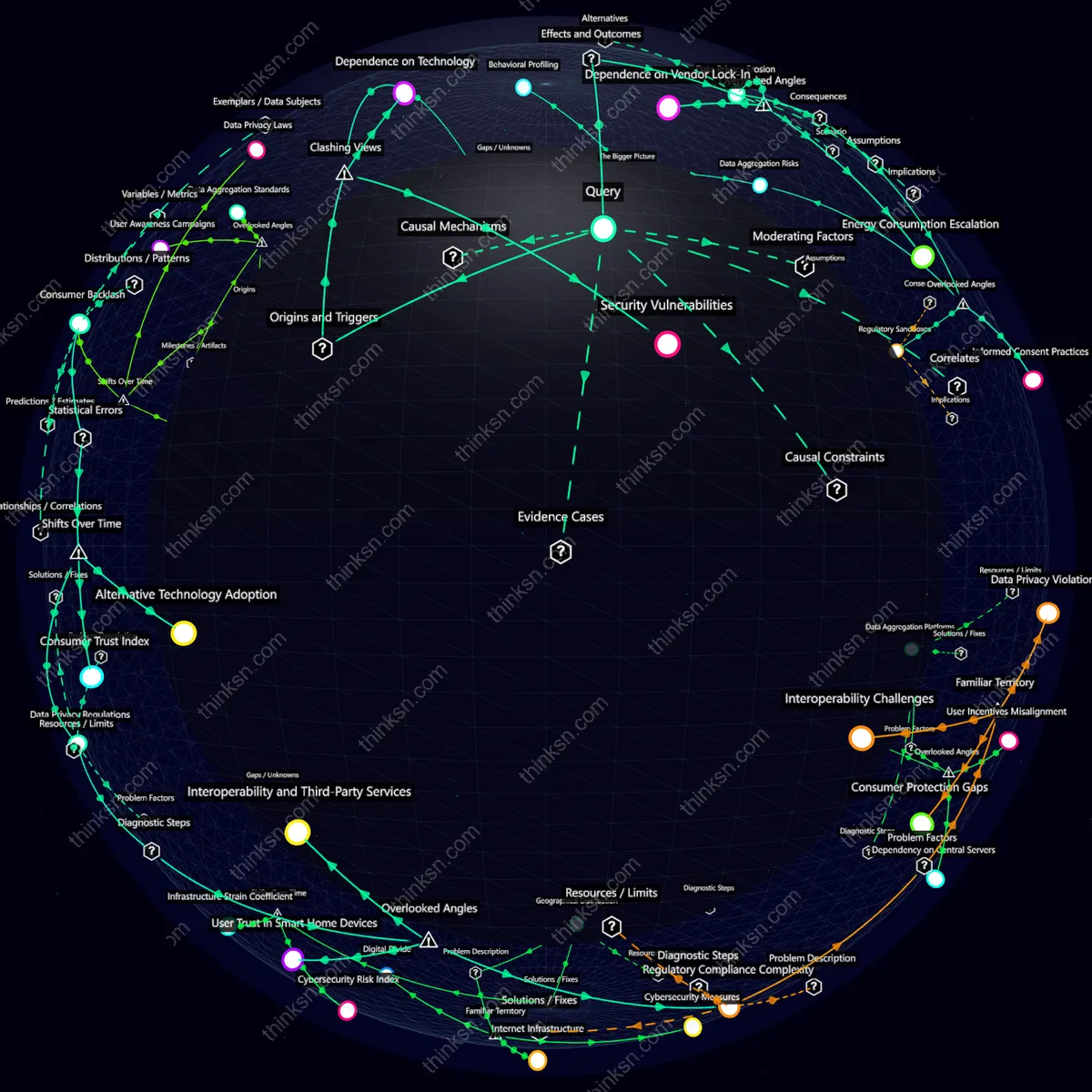
Dependence on Technology
A deeper understanding by smart home devices may foster an unhealthy dependence on technology for routine tasks, making users less vigilant about potential breaches. This reliance could be exploited by hackers who design more sophisticated attacks targeting the psychological attachment to convenience and automation.
Deeper Analysis
How might data monetization practices evolve over time as smart home devices become more adept at understanding daily routines, and what are the potential consequences for user privacy and security?
Smart Home Behavioral Analytics
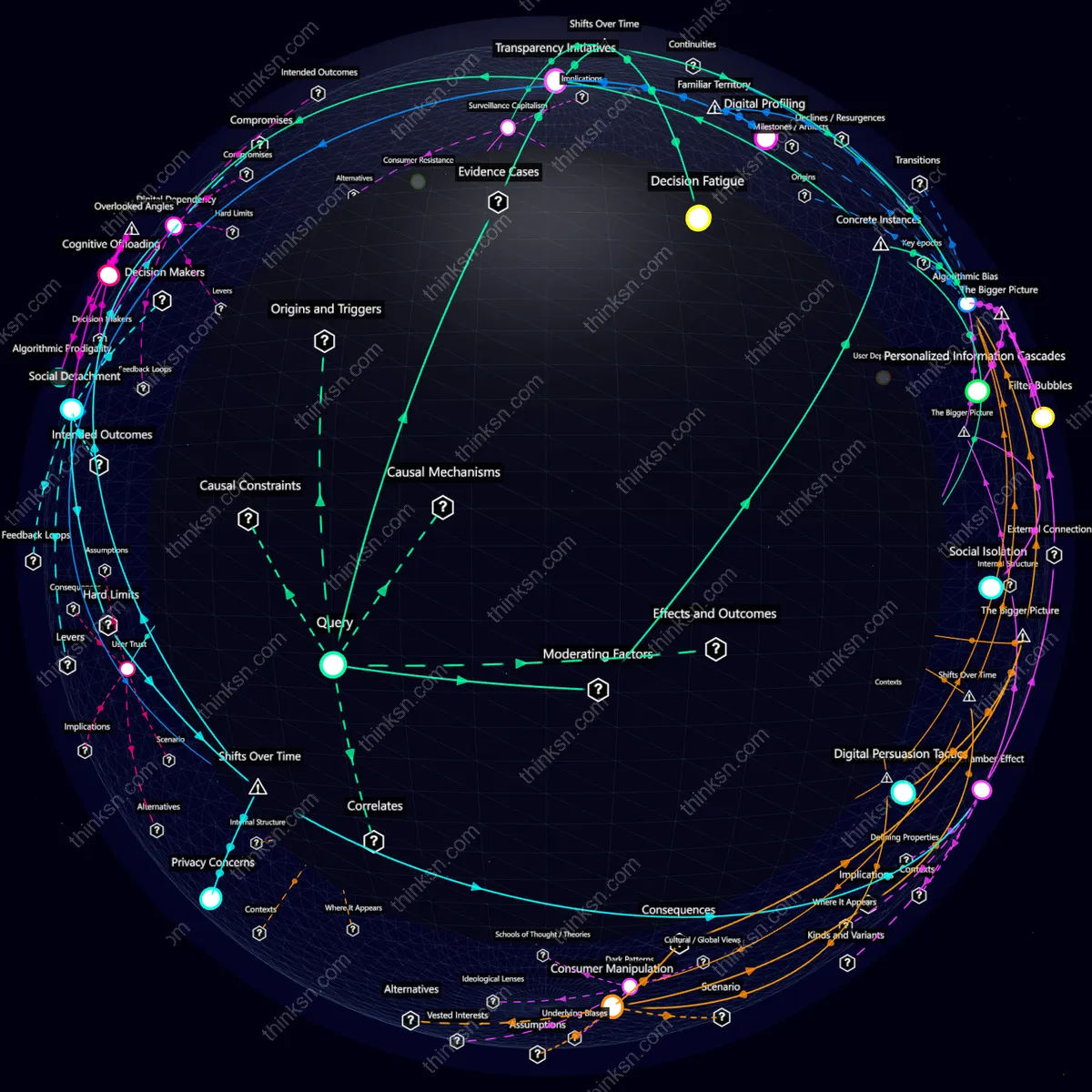
As smart home devices gain a deeper understanding of daily routines through behavioral analytics, data monetization practices will evolve to include more personalized and context-aware services. However, this shift increases the risk of privacy violations as companies may exploit detailed user profiles for targeted advertising or even predictive marketing schemes.
User Privacy Regulations
Growing concerns over user privacy in the wake of advanced data monetization practices are likely to spur stricter regulations. While this could protect users, it also imposes significant compliance burdens on tech companies, potentially stifling innovation if not handled carefully.
Data Security Threats
As smart home devices become more integrated into daily lives and generate vast amounts of personal data, the cybersecurity landscape becomes increasingly complex. The potential for data breaches heightens with every new monetization strategy, leaving users vulnerable to identity theft and other security threats.
Explore further:
- How do user privacy regulations impact the architectural design and implementation of smart home devices as they become more integrated into daily routines?
- What are the measurable impacts on user privacy and security when smart home devices predict daily routines with high accuracy, and what systemic failures could arise from these predictions?
What emerging insights and hidden assumptions are revealed about user privacy risks when smart home devices incorporate inadequate security protocols to understand daily routines better?
Data Exploitation
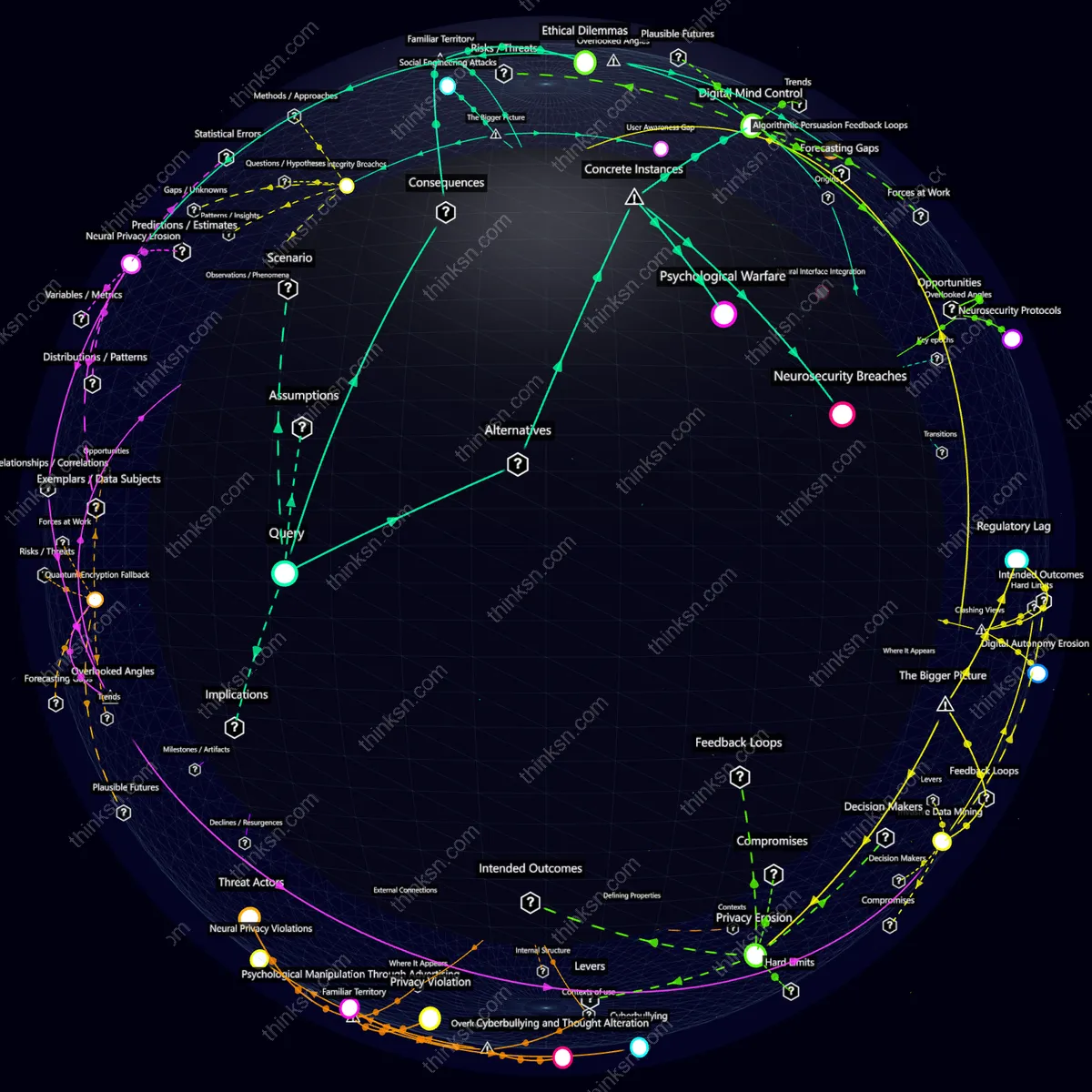
Inadequate Security Protocols enable malicious actors to exploit smart home data, leading to unauthorized surveillance and data theft. This shift from passive privacy risks to active exploitation reframes consumer behavior towards heightened paranoia and distrust of IoT devices.
Regulatory Vacuum
The absence of robust security regulations for smart homes exacerbates the risks posed by inadequate security protocols, leading to a fragmented market where manufacturers prioritize features over safety. This vacuum empowers hackers to develop new attack vectors targeting the most vulnerable devices.
Privacy Erosion
Inadequate Security Protocols accelerate the erosion of user privacy as smart home systems become more integrated with personal data and daily routines. Consumers face a trade-off between convenience and security, often underestimating the long-term consequences until it is too late.
How do user privacy regulations impact the architectural design and implementation of smart home devices as they become more integrated into daily routines?
Data Minimization Practices
Data minimization practices, mandated by user privacy regulations, often require smart home device manufacturers to design systems that collect only necessary data. This leads to a trade-off where enhanced security and privacy come at the expense of potentially richer functionality and user experience.
User Consent Mechanisms
The integration of complex consent mechanisms in smart home devices, as required by user privacy regulations, complicates user interactions. This can lead to a 'consent fatigue' among users, where repeated requests for permissions become less effective and may undermine the very privacy protections intended.
Third-Party Service Integration
User privacy regulations restrict direct third-party service integration in smart home devices, compelling manufacturers to design more isolated or modular systems. This isolation can create a fragmented ecosystem that hinders innovation and user convenience, as seamless interconnectivity becomes legally challenging.
What are the measurable impacts on user privacy and security when smart home devices predict daily routines with high accuracy, and what systemic failures could arise from these predictions?
Privacy Erosion
As smart home devices predict daily routines with high accuracy, users may experience a gradual erosion of privacy. This occurs as the devices gather and analyze intimate details of personal life, leading to an increased surveillance footprint that can be exploited by malicious actors or even accessed legally through data breaches.
Systemic Vulnerabilities
Highly accurate predictions about daily routines create systemic vulnerabilities in smart home networks. If hackers gain access to these systems, they could exploit the detailed knowledge of users' habits and schedules to launch sophisticated attacks, such as timed entry into homes or targeted phishing scams.
Dependency on Predictive Algorithms
Users become increasingly dependent on predictive algorithms for convenience, which can lead to a fragile dependency where minor issues with the system's performance result in significant disruptions of daily life. This heightened reliance makes it harder for users to revert to less invasive alternatives or detect subtle security breaches.
What strategies can be formulated to mitigate privacy erosion when smart home devices learn and adapt to daily routines?
Data Sovereignty
As smart home devices collect data on daily routines to adapt and learn, the notion of 'data sovereignty' challenges traditional ownership paradigms. Users find themselves relinquishing control over their personal data to tech companies that leverage this information for targeted advertising or analytics, creating a subtle but potent form of privacy erosion.
Algorithmic Transparency
The lack of algorithmic transparency in smart home devices exacerbates privacy concerns. Users are unaware of how their routine data is processed and used, leading to an opaque decision-making process that can inadvertently reveal sensitive information or influence user behavior through subtle nudges and suggestions.
Security-by-Design Frameworks
Implementing security-by-design frameworks as a mandatory requirement for smart home devices could mitigate privacy erosion but may also create barriers to innovation and accessibility. Tech companies, seeking to maintain competitive edges, might resist such regulations, leaving consumers in a precarious balance between convenience and protection.
Data Monetization
Smart home devices collect vast amounts of personal data that can be monetized through targeted advertising. However, this practice often leads to a trade-off where users sacrifice privacy for convenience and cost savings, creating an opaque market system that benefits tech companies while eroding individual autonomy.
Algorithmic Bias
As smart home devices learn from user routines, algorithmic biases can emerge, reinforcing stereotypes or discriminatory patterns. This not only impacts the accuracy of personalized services but also perpetuates social inequalities and privacy risks for marginalized communities.
Regulatory Lag
The rapid evolution of technology outpaces existing data protection regulations, leaving a gap where smart home devices can exploit legal ambiguities. This regulatory lag enables companies to push the boundaries of user consent and privacy norms, leading to a gradual erosion of personal rights without clear legal recourse.
Explore further:
How might regulatory lag affect the evolution of privacy and security protections as smart home devices increasingly understand daily routines over time?
Technological Advancement Outpacing Regulation
As smart home devices evolve to predict and adapt to daily routines, their capabilities often surpass the regulatory framework meant to protect user privacy. This gap can lead tech companies to prioritize innovation over compliance, exposing users to privacy risks such as unauthorized data sharing or surveillance.
Consumer Privacy Erosion
The delay in updating privacy regulations leaves consumers vulnerable to increased surveillance and data misuse by smart home device manufacturers. For instance, users might unknowingly consent to invasive monitoring practices that become standard due to the lack of updated legal protections against such intrusive technologies.
Security Vulnerability Exploitation
Regulatory lag allows cybercriminals to exploit security vulnerabilities in smart home devices that are not addressed by outdated laws. This creates a dangerous scenario where even as manufacturers release updates, the lack of enforced standards leaves consumers at risk from sophisticated hacking techniques.
Privacy Erosion
As smart home devices learn daily routines over time, regulatory lag allows privacy erosion to accelerate unnoticed. Homeowners may feel an initial convenience but later face risks like unauthorized data sharing or targeted advertising, undermining trust in technology and its regulators.
Cybersecurity Vulnerabilities
Regulatory lag enables cybersecurity vulnerabilities to proliferate as smart home technologies advance beyond outdated protections. This creates fragile dependencies on patchwork security measures, leaving homes open to sophisticated attacks by criminals or state actors who exploit the gap between technological innovation and legal safeguards.
Technological Sovereignty
Regulatory lag complicates discussions around technological sovereignty as smart home ecosystems evolve. By delaying necessary regulations, governments risk ceding control over domestic data to foreign tech giants, raising concerns about surveillance, data localization, and the balance between innovation freedom and national security.
Explore further:
- What are the cybersecurity vulnerabilities that arise from smart home devices mapping out and understanding daily routines, and how do these vulnerabilities affect different components within a household's network architecture?
- What are the measurable impacts on technological sovereignty when smart home devices intrude into daily routines, and how might this affect user privacy and security in terms of systemic failures and trade-offs?
What are the cybersecurity vulnerabilities that arise from smart home devices mapping out and understanding daily routines, and how do these vulnerabilities affect different components within a household's network architecture?
User Behavioral Patterns
The mapping of user behavioral patterns by smart home devices can lead to overconfidence in security measures, as users may assume that their devices are protecting them adequately. This misplaced trust can result in weaker password practices and less frequent software updates, thereby increasing vulnerability.
Network Topology
Smart homes often have complex network topologies with various interconnected devices, creating a myriad of entry points for potential cyber threats. A single compromised device can serve as a gateway to the entire home network, leading to cascading failures and widespread data breaches.
Third-Party Service Integration
Integration with third-party services such as cloud storage or remote access platforms introduces additional vulnerabilities through API endpoints. These services often have weaker security measures compared to internal networks, making them attractive targets for attackers seeking broader network control.
Data Privacy Erosion
Smart home devices mapping daily routines create a detailed digital profile of user behavior, leading to significant data privacy erosion. As these devices become more integrated into household networks, they inadvertently expose users to risks such as unauthorized access and surveillance by third parties.
Network Exploitation Vectors
The reliance on centralized cloud services for smart home devices introduces new network exploitation vectors. Cybercriminals can exploit weak points in these systems to gain entry into broader household networks, compromising not just the devices but also personal computers and external IoT gadgets.
User Trust Deterioration
Continuous tracking of daily routines by smart home devices may lead to user trust deterioration as individuals become wary of pervasive surveillance. This mistrust can result in reduced adoption or abandonment of beneficial technologies, undermining the broader goal of integrating intelligent solutions into everyday life.
Explore further:
- How might the analysis of user behavioral patterns over time by smart home devices impact privacy and security concerns in the future?
- What are the measurable risks and potential points of failure in smart home networks if devices can predict daily routines, focusing on how this could be exploited by malicious actors to compromise user privacy and security?
How might the analysis of user behavioral patterns over time by smart home devices impact privacy and security concerns in the future?
Privacy Violations
As smart home devices continuously monitor user behavioral patterns over time, the risk of unauthorized access to this sensitive data increases. Hackers and malicious actors can exploit vulnerabilities in device security protocols or social engineering techniques to gain insights into personal routines, preferences, and habits, leading to severe privacy violations.
Behavioral Manipulation
Insight into user behavioral patterns allows smart home devices to subtly influence daily activities by suggesting changes that align with corporate interests rather than individual needs. This can lead to unintended consequences such as reinforcing unhealthy habits or undermining personal autonomy, making users vulnerable to subtle forms of psychological manipulation.
Data Misuse
The detailed behavioral patterns collected by smart home devices may be misused for purposes beyond their original intent, such as discriminatory targeting in marketing or insurance. Companies with access to this data might employ it unfairly against individuals, highlighting a critical ethical dilemma and potential misuse of technological capabilities.
What are the measurable risks and potential points of failure in smart home networks if devices can predict daily routines, focusing on how this could be exploited by malicious actors to compromise user privacy and security?
Predictive Algorithms
Malicious actors exploit predictive algorithms in smart home devices to infer daily routines, enabling targeted attacks that compromise user privacy. By analyzing device usage patterns and timing, attackers can predict when homes are unoccupied or when users follow specific routines, allowing them to time their breaches more effectively.
Data Leakage
Smart home networks may inadvertently leak sensitive data through predictive analytics services, which transmit routine information to cloud servers. This leakage not only exposes user behavior but also creates a rich dataset for attackers to reverse-engineer and exploit, undermining the security of smart devices.