Blockchain Failure in Economic Crisis Impacts Supply Chains
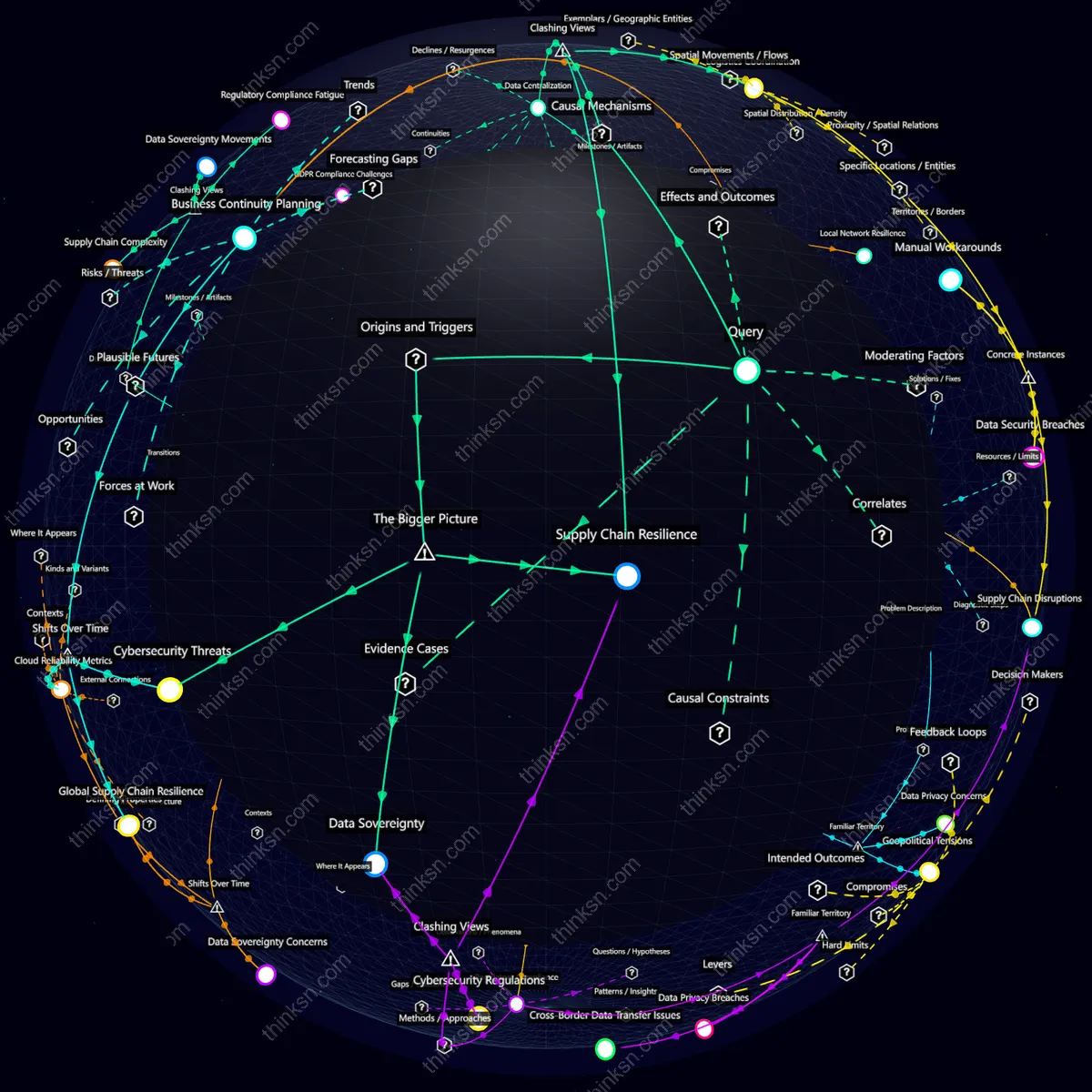
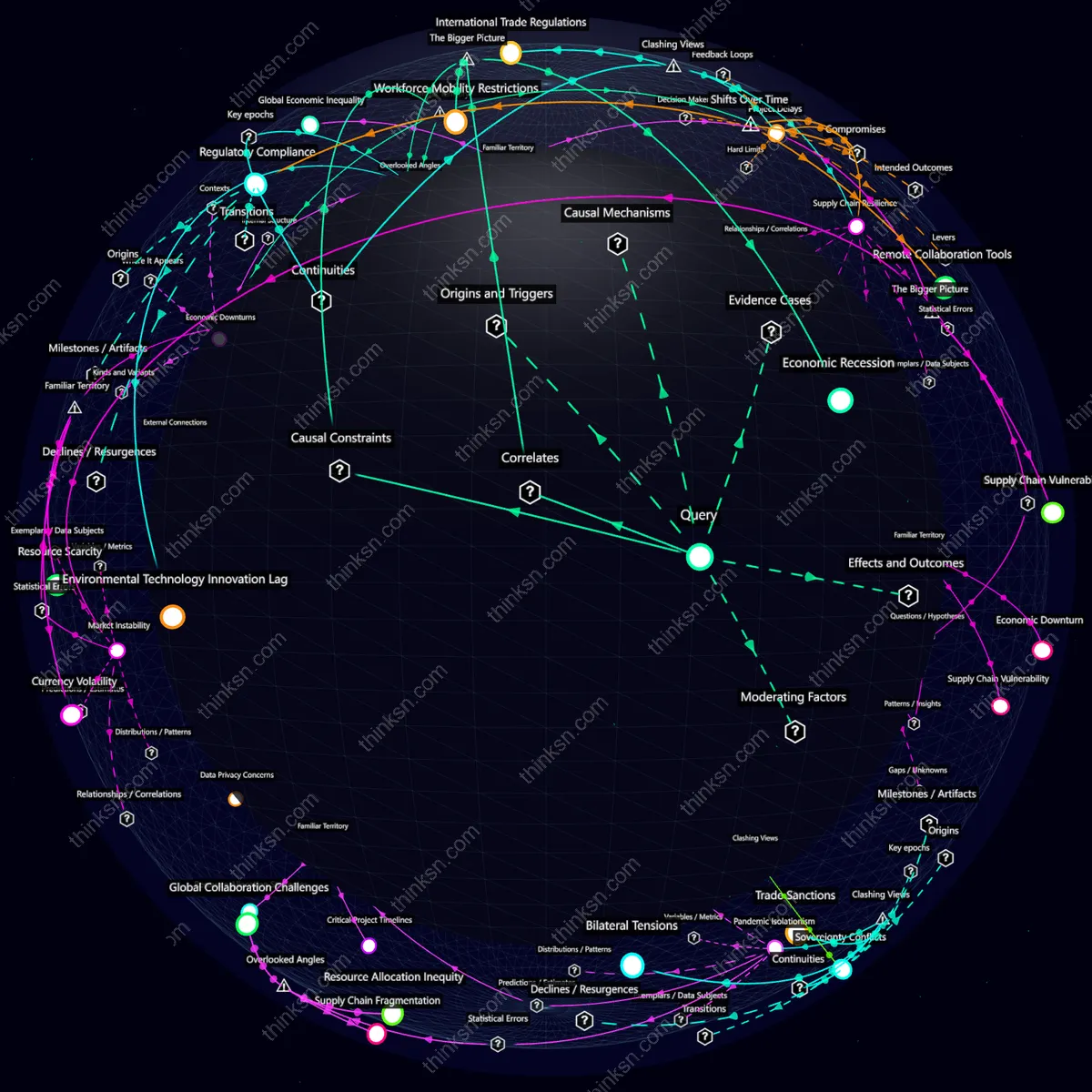
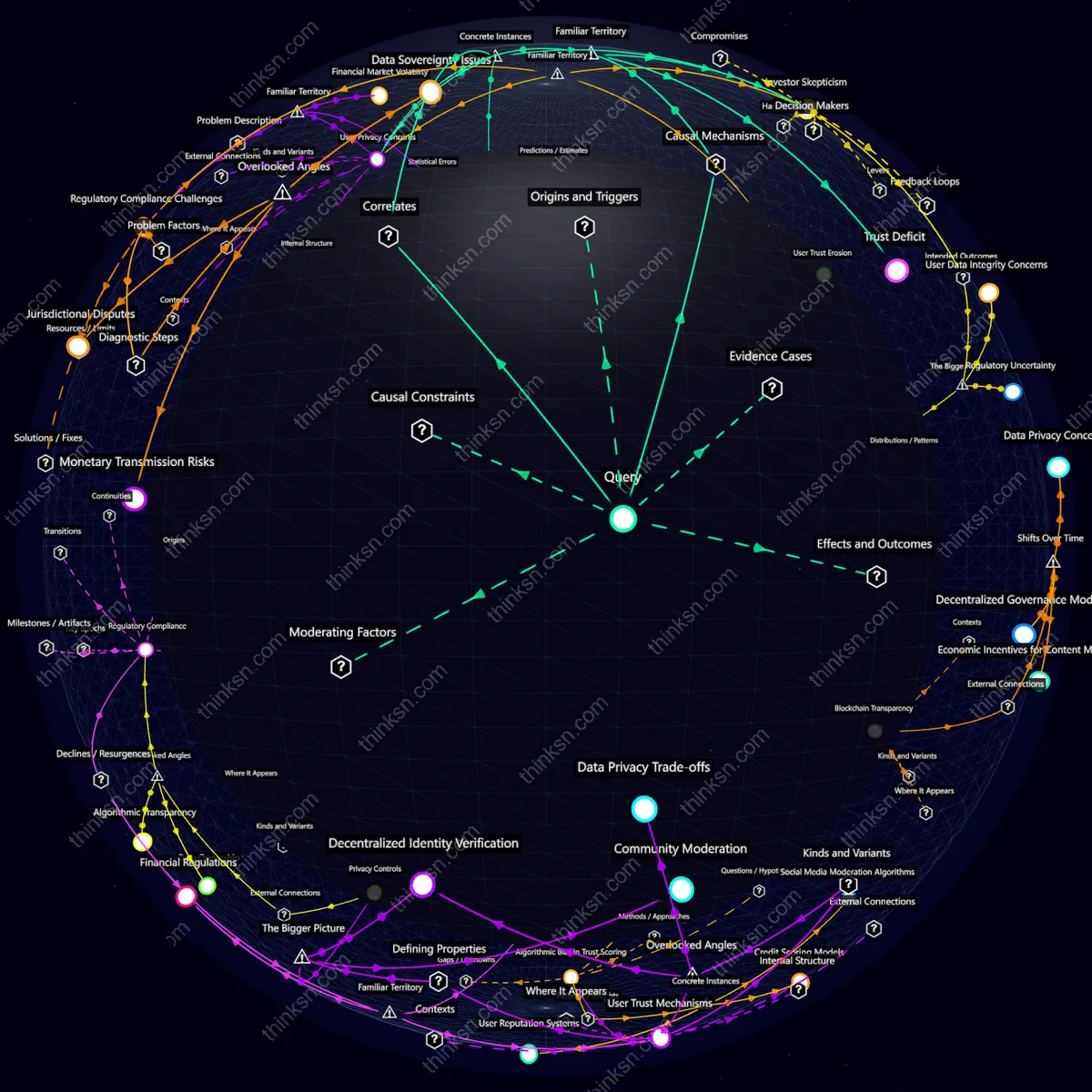
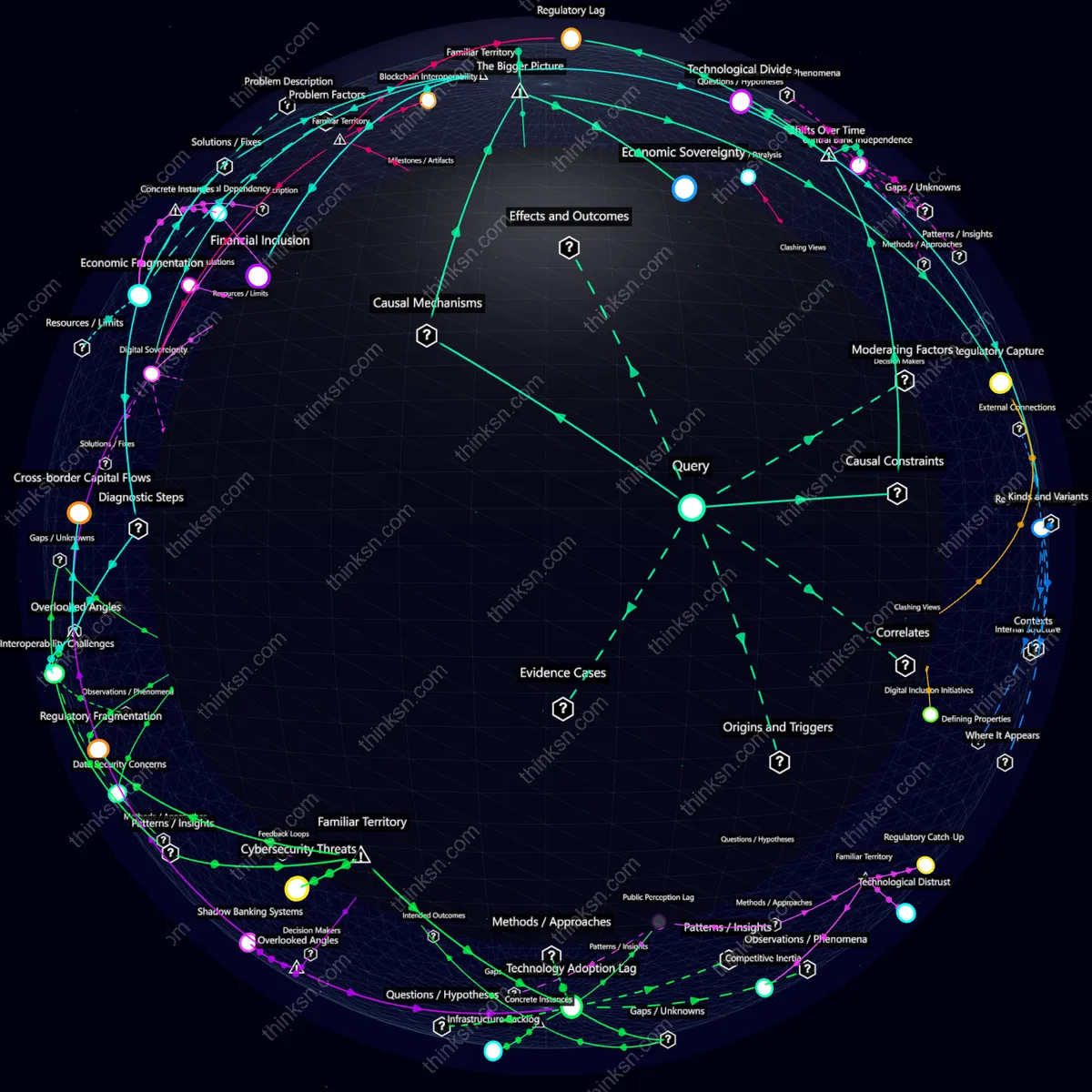
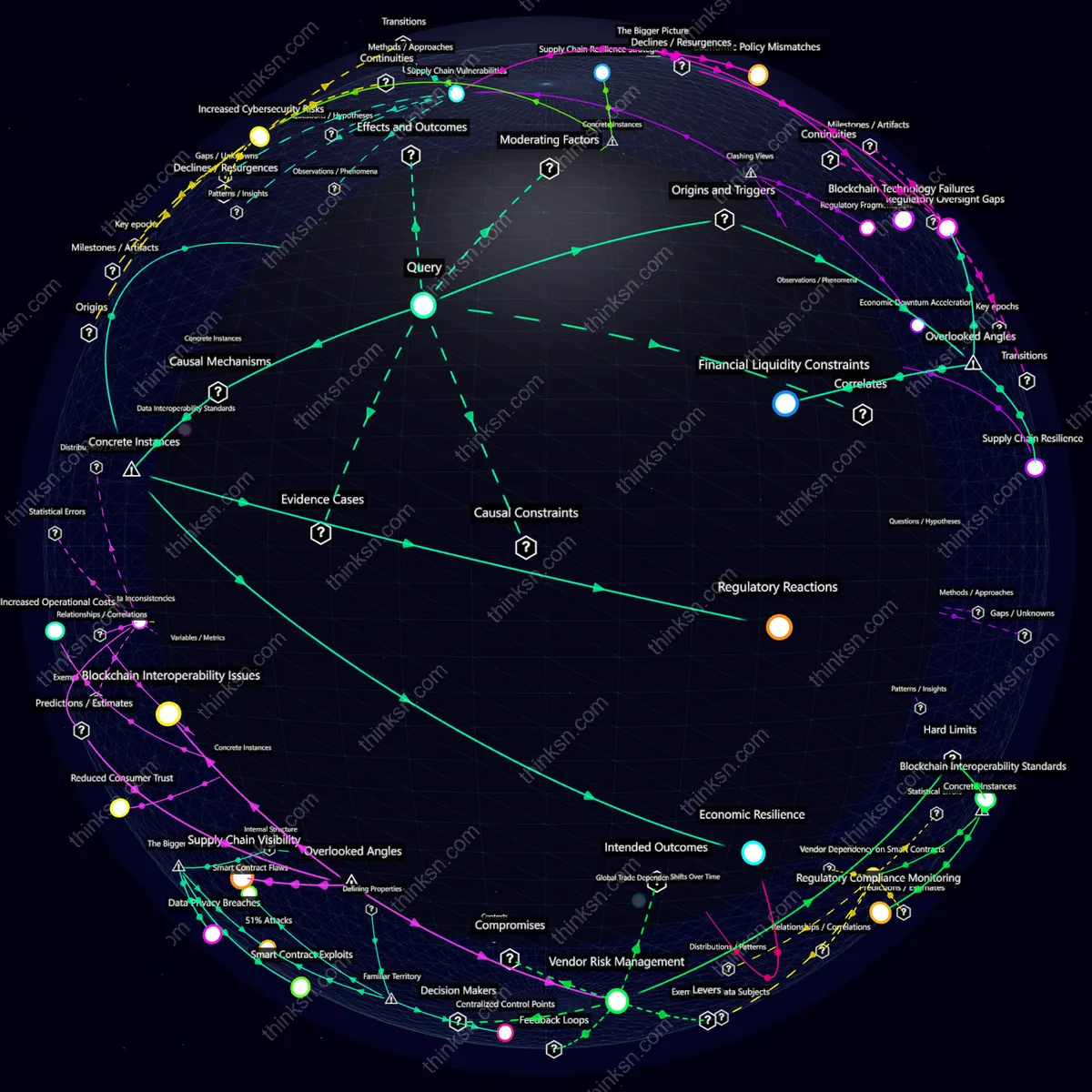
Analysis reveals 6 key thematic connections.
Key Findings
Supply Chain Resilience
Blockchain failures during economic downturns can reveal the fragility of supply chain resilience. Companies heavily reliant on blockchain for tracking and transparency may face sudden disruptions, highlighting a paradox where increased digitization has not necessarily led to robustness against systemic shocks.
Financial Liquidity Constraints
Economic downturns exacerbate financial liquidity constraints, making it harder for supply chain partners to recover from blockchain-related failures. This interplay between digital infrastructure and economic conditions can lead to cascading delays and bankruptcies, underscoring the critical role of cash flow management beyond technological advancements.
Regulatory Oversight Gaps
The failure of blockchain systems during a downturn exposes gaps in regulatory oversight. Policymakers might struggle to keep up with rapid technological changes, leaving supply chains vulnerable to exploitation or systemic risks that could have been mitigated by stronger regulatory frameworks.
Economic Resilience
Blockchain failure can undermine economic resilience in supply chains during downturns by exposing vulnerabilities in financial transactions and logistical coordination. For instance, a major disruption in cryptocurrency exchanges could freeze global trade payments, leaving companies without cash flow to sustain operations.
Supply Chain Disruption
A blockchain failure can trigger widespread supply chain disruptions as automated systems for inventory management and tracking break down, leading to delays and shortages. In 2017, Maersk's blockchain-based platform TradeLens faced technical issues that delayed shipments and created bottlenecks at ports worldwide.
Regulatory Reactions
Blockchain failure during economic downturns may prompt regulatory bodies to tighten oversight on digital assets and smart contracts, stifling innovation but also protecting consumers from fraud. For example, the European Union might accelerate its Digital Finance Strategy to address such vulnerabilities.
Deeper Analysis
How do regulatory oversight gaps evolve over time and impact global supply chains during economic downturns when blockchain technology fails?
Supply Chain Vulnerabilities
Regulatory oversight gaps exacerbate supply chain vulnerabilities during economic downturns by failing to address systemic risks. This creates a fertile ground for opportunistic behaviors and malpractices, leading to disruptions and shortages that disproportionately affect developing nations.
Blockchain Technology Failures
The failure of blockchain technology in regulatory oversight highlights the fragility of digital solutions during crises. When supply chains rely heavily on such technologies, their collapse can undermine trust and reveal deep-seated issues within governance frameworks, leading to a resurgence of traditional but often less effective oversight methods.
Economic Policy Mismatches
Regulatory gaps create economic policy mismatches, as rapid changes in market conditions outpace bureaucratic processes. This mismatch can lead to unintended consequences such as increased corruption and regulatory arbitrage, further undermining global supply chain resilience during downturns.
How do blockchain failures evolve and impact supply chain disruptions during economic downturns over time?
Blockchain Interoperability Challenges
As supply chains become increasingly reliant on blockchain technology during economic downturns, the lack of interoperability between different blockchain systems can lead to significant delays and inefficiencies. Companies may face unexpected costs in adapting their existing systems or risk falling behind competitors who have invested in cross-chain solutions.
Increased Cybersecurity Risks
The shift towards more digital supply chain management through blockchain brings heightened cybersecurity risks, as hackers target critical infrastructure and data. For instance, the WannaCry ransomware attack in 2017 disrupted global manufacturing by crippling IT systems, illustrating how unpreparedness can exacerbate disruptions and lead to substantial financial losses.
Supply Chain Resilience Strategies
Efforts to build resilience against blockchain failures during economic downturns often result in companies overinvesting in redundant systems or diversifying suppliers. While this reduces immediate vulnerabilities, it can also lead to operational complexity and increased costs, creating a delicate balance between preparedness and efficiency.
Explore further:
- What are the potential emerging insights and diverse viewpoints on how blockchain interoperability challenges exacerbate the impacts of blockchain failure on global supply chains during an economic downturn?
- How do increased cybersecurity risks evolve over time in response to blockchain failures during economic downturns, and what are the resulting impacts on global supply chains?
What are the potential emerging insights and diverse viewpoints on how blockchain interoperability challenges exacerbate the impacts of blockchain failure on global supply chains during an economic downturn?
Supply Chain Vulnerabilities
The inability of blockchain systems to interoperate effectively during an economic downturn exposes critical vulnerabilities in global supply chains. Companies reliant on a single, non-interoperable blockchain system are forced into rigid, inefficient processes that exacerbate shortages and delays, undermining trust and resilience.
Economic Downturn Acceleration
Interoperability issues among blockchains can lead to isolated economic ecosystems where data silos prevent the swift sharing of critical information during downturns. This fragmented approach not only hampers recovery efforts but also accelerates financial instability by discouraging cross-border and cross-industry collaboration.
Regulatory Fragmentation
As various regions implement unique blockchain regulations, interoperability challenges intensify, leading to divergent compliance requirements that stifle innovation and discourage investment. This regulatory patchwork undermines the global standardization efforts necessary for robust supply chain management, highlighting the need for a unified approach despite regional differences.
Supply Chain Resilience
The fragility of supply chain resilience during economic downturns is exacerbated by blockchain interoperability challenges. As global trade networks increasingly rely on fragmented blockchain ecosystems, the inability to seamlessly transfer data between different platforms can cause critical delays and disruptions. This leads to a heightened risk of inventory shortages and increased operational costs for businesses.
Cross-Platform Data Silos
The emergence of cross-platform data silos as a result of blockchain interoperability challenges poses significant risks to global supply chains, especially during economic downturns. These silos can hinder real-time monitoring and coordination across different stages of the supply chain, leading to inefficiencies and potential failures in meeting consumer demands. This situation is further complicated by regulatory inconsistencies that prevent data from flowing freely between jurisdictions.
Explore further:
- What are the emerging insights and hidden assumptions regarding how supply chain vulnerabilities, exacerbated by blockchain failures, affect global supply chains during economic downturns?
- What strategies can be formulated to mitigate the impacts of cross-platform data silos on global supply chains when blockchain failures occur during an economic downturn?
What strategies can be formulated to mitigate the impacts of cross-platform data silos on global supply chains when blockchain failures occur during an economic downturn?
Blockchain Disintermediation Failures
During economic downturns, reliance on centralized blockchain intermediaries can exacerbate cross-platform data silo issues. As trust in these systems wanes, companies may revert to less transparent, legacy data management practices, increasing the risk of fragmented supply chain operations and delayed responses.
Supply Chain Visibility Solutions
Real-time visibility platforms aim to mitigate cross-platform data silos but can themselves become new points of failure. For instance, during a blockchain outage in 2019, companies relying on these tools faced critical delays in responding to supply chain disruptions due to isolated data.
Data Interoperability Standards
Establishing universal interoperability standards is crucial but faces challenges from entrenched interests and competing proprietary systems. A notable example is the struggle of various blockchain consortia to agree on a standard, leading to fragmented efforts that hinder cross-platform data integration during crises.
Vendor Lock-In
During an economic downturn, cross-platform data silos exacerbate vendor lock-in as companies become overly dependent on a single supplier's proprietary systems. This dependency can lead to significant delays and increased costs when blockchain failures occur, undermining supply chain resilience.
Data Inconsistencies
Cross-platform data silos create inconsistencies that ripple through the global supply chain during economic downturns. For example, discrepancies between shipping records in different systems can lead to shortages and overages simultaneously, disrupting inventory management and causing financial losses.
Supply Chain Fragmentation
Fragmented data silos hinder coordination among suppliers and manufacturers, leading to inefficiencies and vulnerabilities. During a crisis like the 2020 pandemic, fragmented supply chains struggled to adapt quickly due to poor interoperability between various platforms.
Explore further:
- How might vendor lock-in exacerbate risks associated with blockchain failures in global supply chains during an economic downturn, and what emerging insights can be derived from this relationship?
- What are the quantitative impacts of data inconsistencies on global supply chains during an economic downturn, specifically focusing on blockchain failures?
What are the quantitative impacts of data inconsistencies on global supply chains during an economic downturn, specifically focusing on blockchain failures?
Supply Chain Disruptions
During an economic downturn, data inconsistencies can lead to severe supply chain disruptions. For instance, discrepancies in inventory levels reported by blockchain systems might cause shortages or excess stocks, impacting production schedules and delivery timelines for major retailers like Walmart.
Increased Operational Costs
Data inconsistencies can dramatically increase operational costs due to the need for manual audits and corrections. In a downturn, this becomes even more critical as companies like Maersk might face substantial financial strain trying to verify blockchain data manually against traditional records.
Reduced Consumer Trust
Inaccuracies in tracking food safety or product origins via blockchain can erode consumer trust and lead to a drop in sales. For example, during the 2019-2020 economic downturn, inconsistencies in blockchain data for meat products might have caused significant backlash against brands like Tyson Foods.
Supply Chain Visibility
Data inconsistencies obscure supply chain visibility during economic downturns, making it difficult for companies to track inventory and anticipate shortages. This can lead to overstocking or stockouts, exacerbating financial strain on businesses.
Blockchain Interoperability Issues
Inconsistent data across blockchain systems can create interoperability issues, hindering the seamless exchange of goods and services in global supply chains. This may result in delays and increased costs as companies struggle to align their operations with partners using different blockchain platforms.
Vendor Risk Management
Data inconsistencies increase vendor risk management challenges by complicating the assessment of supplier reliability and financial health. During economic downturns, this can lead to unexpected disruptions in supply chain continuity as companies may over-rely on or prematurely discard suppliers based on inaccurate data.
Explore further:
- What are the static components and categories involved in supply chain disruptions caused by blockchain failures during an economic downturn, and how do they relate to each other spatially within global supply chains?
- What strategies should vendor risk management adopt to mitigate the risks posed by blockchain failures in global supply chains during an economic downturn?
What are the static components and categories involved in supply chain disruptions caused by blockchain failures during an economic downturn, and how do they relate to each other spatially within global supply chains?
Blockchain Vulnerabilities
During an economic downturn, blockchain failures highlight systemic vulnerabilities in supply chains. As companies rely more on digital infrastructure for transactions and logistics, the failure of a single node can cascade into broader disruptions, leading to delays and increased costs across global networks.
Economic Resilience
The interplay between economic downturns and blockchain failures underscores the need for robust economic resilience strategies. While blockchain promises transparency and efficiency, its rigid architecture can also amplify systemic shocks, pushing companies to diversify their supply chain management approaches beyond digital solutions.
Global Trade Dependencies
Supply chains are increasingly intertwined with global trade dependencies, making disruptions from blockchain failures more severe. This interconnectedness highlights the fragility of reliance on a single technology stack and underscores the need for adaptive strategies to mitigate risks during economic downturns.
What strategies should vendor risk management adopt to mitigate the risks posed by blockchain failures in global supply chains during an economic downturn?
Blockchain Interoperability Standards
The lack of interoperable standards across blockchain platforms can exacerbate vendor risk during an economic downturn. For instance, when suppliers use incompatible systems, it leads to data silos and inefficiencies that magnify operational risks, delaying critical transactions and disrupting supply chain integrity.
Regulatory Compliance Monitoring
Stricter regulatory scrutiny on blockchain use in financial transactions can force vendors to divert resources from core operations, potentially undermining risk management efforts. For example, a sudden change in regulations could compel a vendor to halt or modify existing blockchain initiatives, leading to compliance delays and increased operational costs.
Vendor Dependency on Smart Contracts
Over-reliance on smart contracts for automating supply chain processes can backfire if there are coding errors or security breaches. A notable case is the 2016 DAO hack, where a vulnerability in a smart contract led to a significant financial loss, illustrating how flaws can cascade through interconnected systems and compromise vendor risk management strategies.
What are the key components and categories of blockchain vulnerabilities that impact global supply chains during an economic downturn, and how do they interrelate spatially within these systems?
Smart Contract Flaws
During an economic downturn, supply chain reliance on smart contracts intensifies as companies seek efficiency and automation. However, these systems are prone to coding errors or logical flaws that can freeze transactions or allow unauthorized access, potentially halting critical operations and causing substantial financial losses.
51% Attacks
As economic pressures grow, the temptation for malicious actors to perform a 51% attack on less secure blockchain networks increases. This not only undermines trust but also allows attackers to manipulate supply chain records, leading to delays, fraud, and significant financial harm that can ripple through global markets.
Centralized Control Points
The push for efficiency in economic downturns often leads to greater centralization within blockchain systems, creating single points of failure. If a key node or service provider fails, it can paralyze the entire supply chain network, exposing vulnerabilities that were hidden under normal operations and causing widespread disruption.
Smart Contract Exploits
During economic downturns, companies may rush to deploy smart contracts without thorough testing, leading to exploitable vulnerabilities. Hackers can exploit these flaws by manipulating contract logic or triggering conditional clauses that were not properly tested under stress conditions.
Data Privacy Breaches
Supply chain participants often upload sensitive transaction data onto blockchains during economic instability, exposing themselves to privacy risks due to the immutable nature of blockchain records. This can lead to loss of competitive advantage and regulatory penalties if proprietary information is leaked.