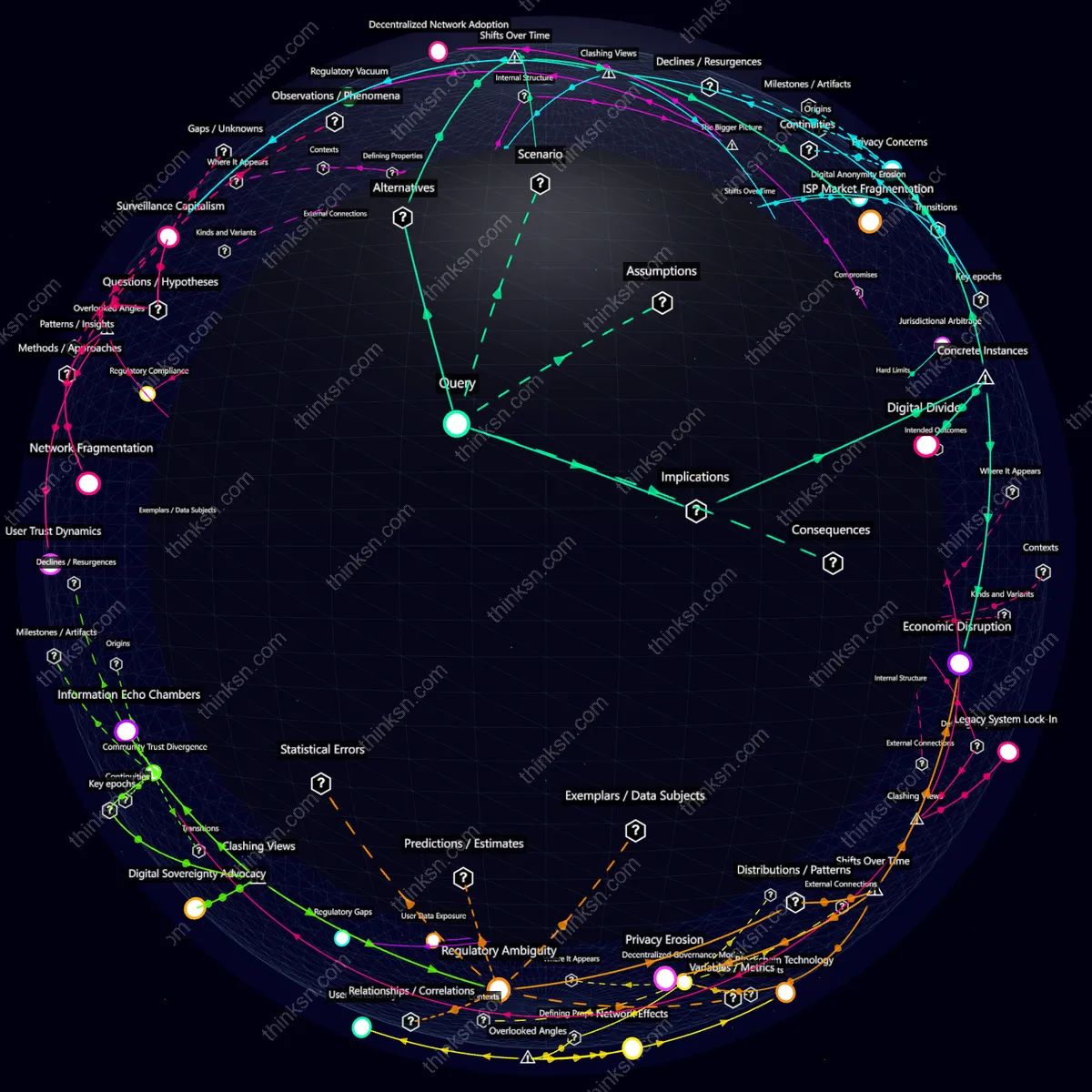
Life After Decentralization: How 50% Internet Users Switching to DNNs Will Reshape Daily Life
Analysis reveals 5 key thematic connections.
Key Findings
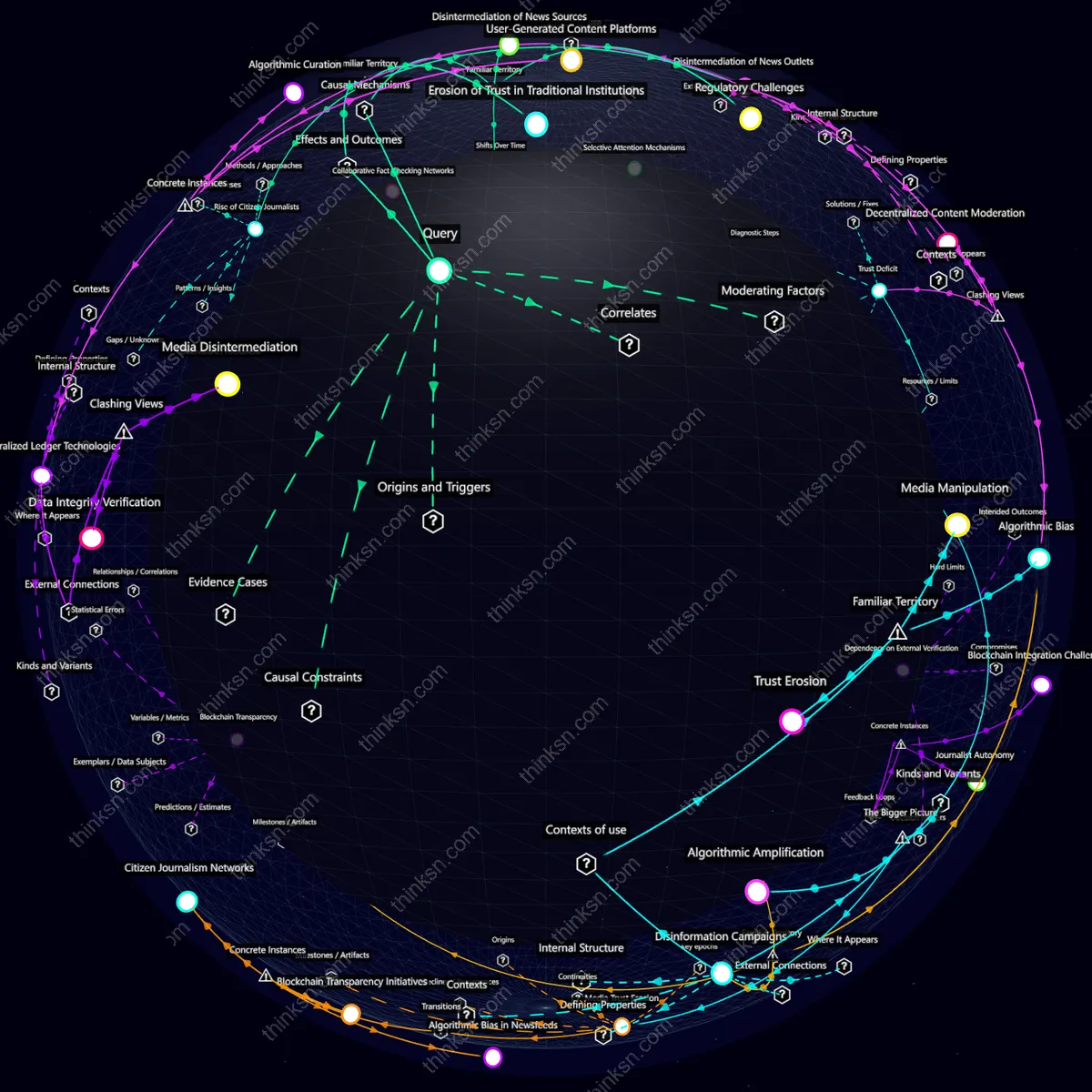
Digital Anonymity
As more users transition to decentralized networks, digital anonymity could skyrocket. This shift might empower activists and whistleblowers globally, yet also embolden cybercriminals hiding behind layers of encryption, complicating law enforcement efforts.
ISP Market Fragmentation
Traditional ISPs would face a significant market shake-up with the exodus to decentralized networks. This could lead to mergers and acquisitions within the ISP industry as companies scramble for survival or diversification strategies, potentially reducing competition and innovation in broadband services.
Privacy Concerns
Decentralized networks might initially reduce privacy risks by limiting data collection points. However, the lack of clear oversight and regulation could lead to new vulnerabilities as users inadvertently expose personal information through unsecured peer-to-peer connections.
Economic Disruption
Traditional ISPs would face severe economic disruption if half their user base switches to decentralized networks. This shift could destabilize regional economies that heavily rely on ISP revenues, leading to job losses and reduced investment in local infrastructure.
Digital Divide
While intended to democratize internet access, decentralized networks might inadvertently exacerbate the digital divide if only tech-savvy users adopt them. Those with less technological expertise could be left behind, widening the gap between early adopters and latecomers.
Deeper Analysis
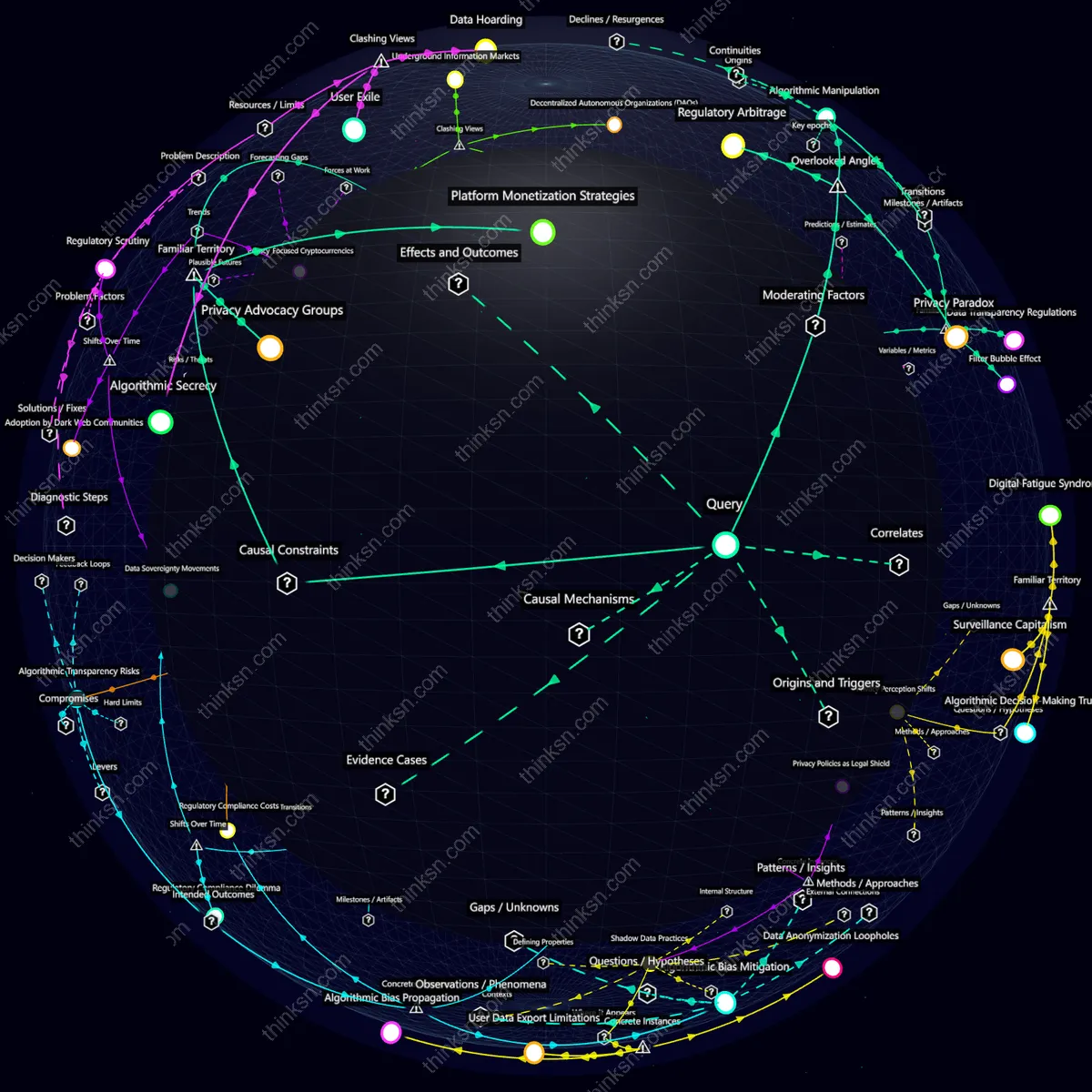
How will privacy concerns evolve over time if half of internet users switch from traditional ISPs to decentralized networks?
Data Sovereignty
As more internet users adopt decentralized networks, data sovereignty emerges as a critical concept, shifting the focus from protecting personal information to managing and controlling one's own data. This transition amplifies privacy concerns by introducing new complexities like ensuring data integrity and preventing unauthorized access while maintaining user control.
Regulatory Fragmentation
The shift towards decentralized networks challenges existing regulatory frameworks, leading to a fragmented landscape where different regions or jurisdictions enforce varying levels of protection. This disparity could exacerbate privacy concerns by creating legal grey areas and increasing the risk of data breaches or misuse.
Surveillance Capitalism
Despite the promise of decentralized networks in enhancing user privacy, large corporations may adapt surveillance capitalism strategies to infiltrate these new ecosystems. This could result in subtle tracking methods that undermine users' trust and privacy, highlighting a critical tension between technological progress and corporate influence.
Digital Anonymity Erosion
While decentralized networks promise enhanced privacy, the reality shows that anonymity can be compromised by metadata tracking and network analysis techniques. This erosion of digital anonymity poses risks to activists, whistleblowers, and individuals in oppressive regimes who rely on strong privacy protections.
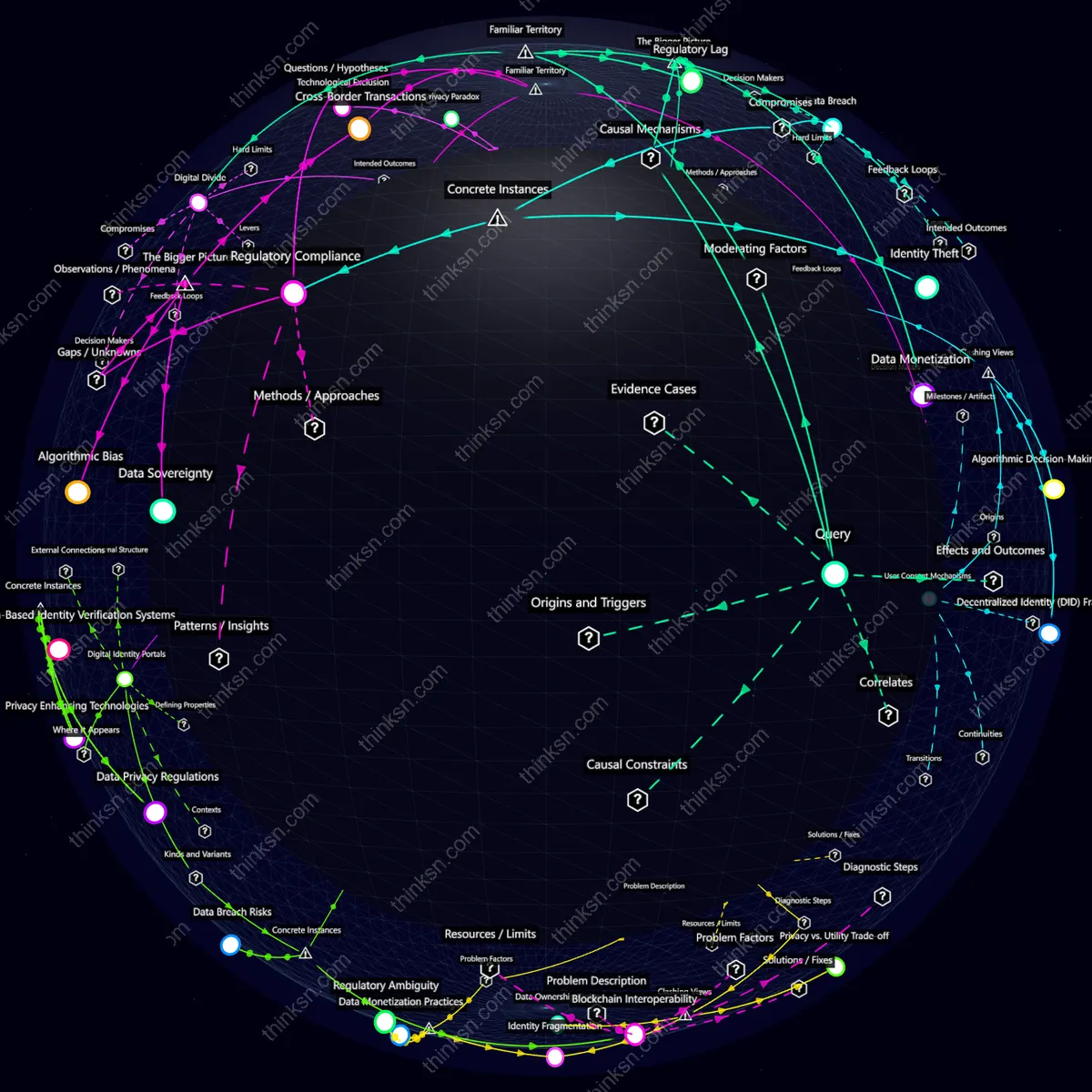
How would data sovereignty be affected if half of internet users transitioned to decentralized networks from traditional ISPs?
Decentralized Network Adoption
As half of internet users transition to decentralized networks, traditional ISPs lose significant market share, leading to reduced surveillance and data collection by central authorities. However, this shift could also fragment the digital economy, making it harder for large tech firms to track user behavior, thus undermining targeted advertising and personalized services.
Regulatory Vacuum
The rapid adoption of decentralized networks may outpace regulatory frameworks, creating a vacuum where data sovereignty is inconsistently enforced across different jurisdictions. This could lead to legal ambiguities around cross-border data flows and heightened risks for users in regions with lax privacy laws or authoritarian regimes.
Interoperability Challenges
While decentralized networks promise enhanced user control, ensuring seamless interoperability between various platforms becomes a critical issue. This challenge can exacerbate existing digital divides, as less tech-savvy users might struggle to navigate complex systems, potentially leaving them more vulnerable to exploitation by unscrupulous actors.
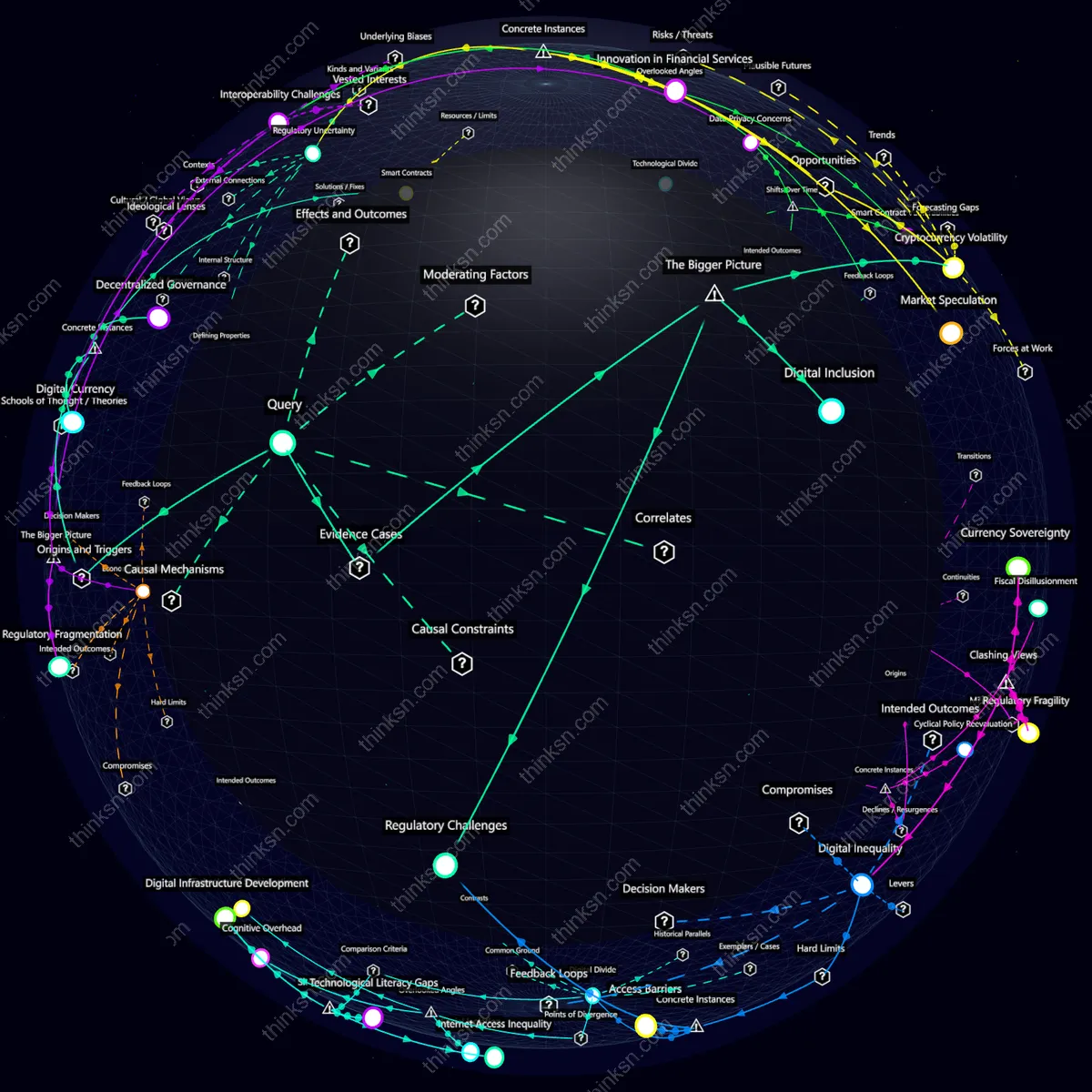
How might surveillance capitalism be affected if half of internet users transitioned to decentralized networks instead of traditional ISPs?
Data Anonymity
The shift to decentralized networks could significantly enhance data anonymity for users, potentially weakening the business model of surveillance capitalism based on user profiling and targeted advertising. However, this also introduces new challenges in regulatory compliance and technical infrastructure for maintaining privacy.
Network Fragmentation
Decentralized networks may fragment the internet into isolated communities with varying levels of security and governance, complicating efforts to combat malicious actors while simultaneously undermining large-scale data aggregation practices used by surveillance capitalists. This fragmentation could lead to a fragmented digital economy with significant barriers to cross-platform integration.
User Trust Dynamics
As more users opt for decentralized networks, the erosion of trust in traditional ISPs and tech giants may accelerate, leading to increased scrutiny and regulation of their data practices. This shift could force surveillance capitalists to innovate new methods of monetization that do not rely on user tracking, potentially driving them towards ethical alternatives or exacerbating existing tensions between privacy advocates and corporate interests.
What are the interoperability challenges that arise when mapping the transition from traditional ISP networks to decentralized networks for half of internet users?
Legacy System Lock-In
The transition from traditional ISP networks to decentralized ones faces significant resistance due to legacy system lock-in. This inertia is driven by existing infrastructure, proprietary protocols, and entrenched market positions, making it difficult for half of internet users to migrate seamlessly. The risk lies in the prolonged dependency on outdated systems, delaying innovation and exacerbating security vulnerabilities.
Regulatory Fragmentation
Regulatory fragmentation poses a critical challenge as different regions adopt varying standards and oversight mechanisms for decentralized networks. This patchwork of regulations can create legal barriers that stifle interoperability efforts, leading to fragmented user experiences and market inefficiencies. For instance, stringent data protection laws in Europe contrast sharply with more permissive approaches elsewhere, complicating global network integration.
Community Trust Divergence
The shift towards decentralized networks hinges on building trust within communities that are accustomed to centralized service providers. This divergence of trust can manifest as skepticism or resistance among users who fear loss of privacy and control over their data in a more distributed environment. As a result, bridging this gap requires significant effort in education and community engagement, highlighting the fragile nature of social acceptance in network transitions.
Explore further:
- What regulatory fragmentation could occur if half of internet users switched to decentralized networks, and what strategies can be formulated to mitigate potential negative impacts?
- How would community trust divergence evolve over time if half of internet users switched to decentralized networks from traditional ISPs?
What are the measurable impacts on data anonymity when half of internet users switch to decentralized networks, and how do these changes stress-test existing privacy trade-offs and systemic vulnerabilities in traditional ISP environments?
User Privacy Expectations
As more internet users transition to decentralized networks, the shift challenges traditional ISP environments by redefining user privacy expectations. Users increasingly demand stronger anonymity features, while ISPs struggle with adapting legacy systems and legal frameworks that prioritize surveillance for security reasons.
Data Breach Incidents
A surge in data breach incidents highlights the fragility of centralized data management practices. Decentralized networks offer resilience against single points of failure but introduce new challenges such as maintaining anonymity across a distributed ledger, where every node's security is critical.
Regulatory Compliance
The rapid adoption of decentralized technologies stresses existing regulatory compliance frameworks, which were designed for centralized systems. This mismatch creates legal grey areas and operational risks, especially when data anonymity practices diverge between countries with varying privacy laws.
What regulatory fragmentation could occur if half of internet users switched to decentralized networks, and what strategies can be formulated to mitigate potential negative impacts?
Data Sovereignty
As more internet users migrate to decentralized networks, the concept of data sovereignty becomes increasingly fragmented. Different regions may implement varying regulations concerning user data ownership and privacy, leading to legal uncertainties for both individuals and businesses operating across borders.
Jurisdictional Arbitrage
The shift towards decentralized networks can create opportunities for actors to exploit regulatory differences between jurisdictions, seeking out the least restrictive environments. This leads to a race-to-the-bottom scenario where regulations are weakened to attract more users and businesses, undermining global data protection standards.
Interoperability Standards
Fragmentation in regulatory frameworks can hinder interoperability among different decentralized networks, complicating cross-platform communication and collaboration. This may result in the formation of isolated network silos, each governed by its own set of rules, thereby impeding innovation and user mobility.
How would community trust divergence evolve over time if half of internet users switched to decentralized networks from traditional ISPs?
Digital Sovereignty Advocacy
The shift to decentralized networks empowers digital sovereignty advocacy groups to challenge traditional ISP monopolies. This could lead to a fragmented internet landscape where different communities adopt varying levels of decentralization, potentially deepening trust divergence between those who embrace new technologies and those who remain with established ISPs.
Information Echo Chambers
As users migrate towards decentralized networks, information echo chambers may become more pronounced. This could exacerbate the divide in community trust as users increasingly consume content from like-minded peers within their chosen network, leading to a polarized environment where cross-community understanding and cooperation becomes harder.
Regulatory Ambiguity
The emergence of decentralized networks introduces regulatory ambiguity. This creates uncertainty for both traditional ISPs and users about data privacy, security standards, and legal jurisdictions, which can lead to conflicting trust dynamics within communities as some embrace the lack of regulation while others demand stricter oversight.
What are the interoperability standards required for seamless integration between decentralized networks and traditional ISPs in daily life scenarios?
Data Sovereignty Conflicts
Interoperability Standards can paradoxically undermine data sovereignty by forcing decentralized networks to conform to centralized ISP practices, leading to conflicts over who controls user data and privacy settings.
Network Fragmentation Risks
While aiming for seamless integration, Interoperability Standards may inadvertently create network fragmentation as innovative decentralized solutions are constrained by rigid standards designed for traditional ISPs.
Security Compromises in Compatibility
The push towards interoperable systems between decentralized networks and ISPs can expose both to security vulnerabilities if robust encryption and authentication mechanisms are compromised for the sake of compatibility.
What are the measurable impacts on regulatory ambiguity as a result of half of internet users switching to decentralized networks from traditional ISPs, and how might this affect systemic stability?
Decentralized Governance Models
As more internet users shift to decentralized networks, regulatory ambiguity deepens due to the lack of clear legal frameworks governing these new systems. This creates a vacuum where innovative governance models emerge but also leads to confusion and conflict as traditional authorities struggle to adapt.
Privacy Erosion
The move towards decentralized networks paradoxically heightens privacy erosion in the face of regulatory ambiguity. While such networks promise enhanced user control, their novel architecture can obscure data flows and weaken enforcement of existing privacy laws, exposing users to new forms of surveillance by tech-savvy actors.
Economic Disruption
Regulatory uncertainty in the wake of mass adoption of decentralized networks triggers significant economic disruption. Companies reliant on clear regulatory guidelines face operational challenges and potential legal liabilities, while startups innovating within these ambiguous landscapes find unique opportunities but also increased risk of failure due to unpredictable market conditions.
How might security compromises in compatibility evolve over time if half of internet users transition from traditional ISPs to decentralized networks?
User Data Exposure
As more users transition to decentralized networks, traditional security measures become less effective. This shift increases the likelihood of user data exposure due to weaker encryption standards and interoperability issues between legacy and new systems, creating a risk for both individual privacy and broader cybersecurity infrastructure.
Interoperability Challenges
Decentralized networks often prioritize innovation over compatibility with existing security protocols. This can lead to interoperability challenges where critical security updates or patches are not uniformly applied across different platforms, leaving users vulnerable to targeted attacks and data breaches.
Regulatory Gaps
The transition from traditional ISPs to decentralized networks exposes regulatory gaps in cybersecurity oversight. This ambiguity can embolden malicious actors to exploit legal loopholes, undermining efforts to establish a robust security framework that protects user interests across all network types.
What is the architectural structure of decentralized governance models and how do they differ from traditional ISP structures in terms of daily life impact for users?
Blockchain Technology
Decentralized governance models leverage blockchain technology to ensure transparency and immutability in decision-making processes. However, the reliance on complex cryptographic algorithms can lead to high computational costs, potentially excluding less technologically advanced users from participating fully.
Network Effects
The success of decentralized governance models depends heavily on network effects; as more participants join, the system becomes more secure and reliable. Conversely, if adoption stalls, it can lead to a fragmented user base with competing factions, undermining the model's integrity.
User Autonomy
Decentralized governance models empower users through greater autonomy in decision-making processes. However, this empowerment comes at the cost of increased responsibility and complexity for individual users who must actively engage to maintain system health, which can be a barrier for less tech-savvy participants.