AR Glasses in Work: Risk of Physical Strain and Health Risks
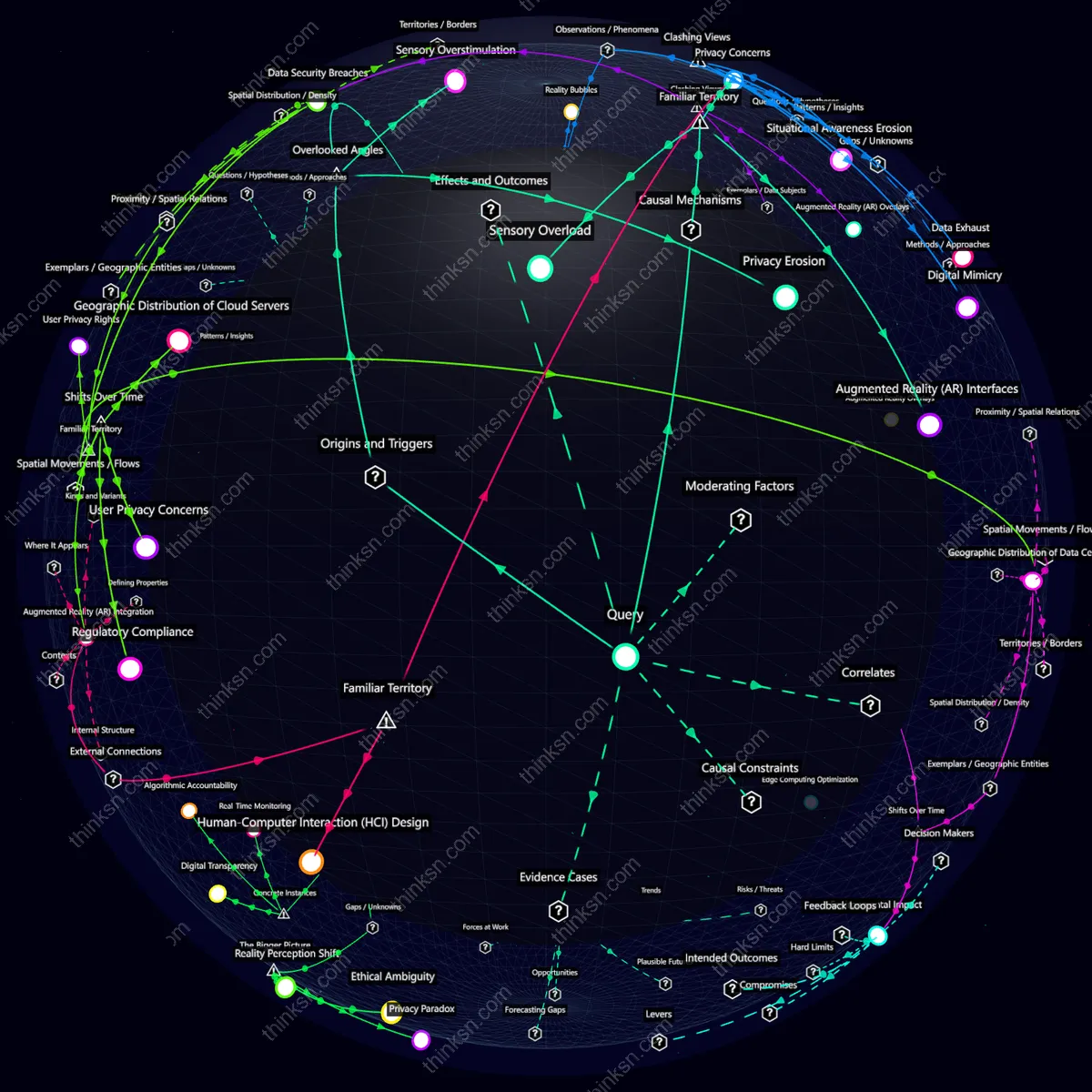
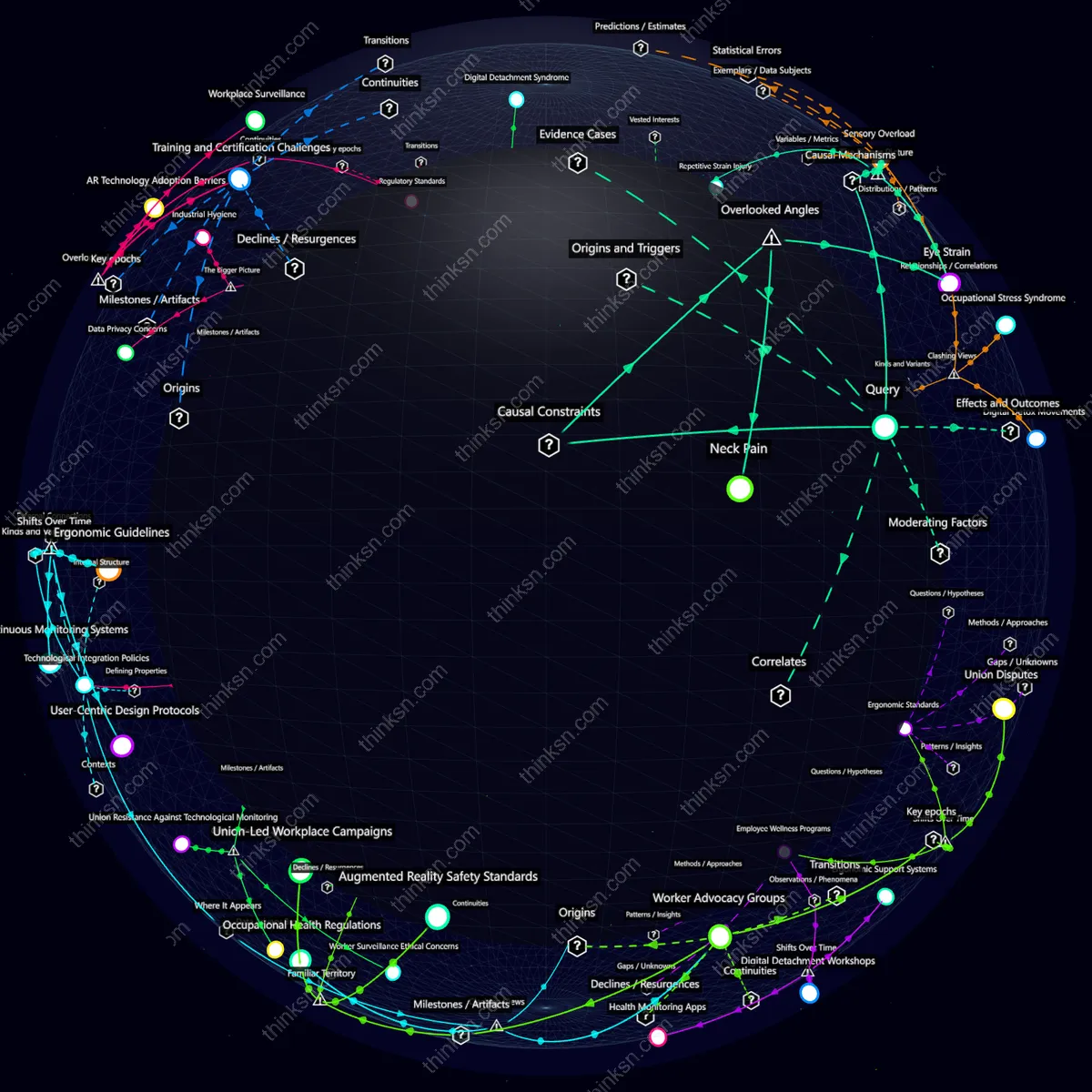
Analysis reveals 4 key thematic connections.
Key Findings
Eye Strain
Extended use of AR glasses can lead to eye strain due to the constant focus on a near-field display. This not only affects visual comfort but also increases the risk of long-term ocular issues such as myopia or dry eyes, impacting overall workplace productivity and employee well-being.
Neck Posture
The design of AR glasses often requires users to maintain a specific posture, potentially causing neck strain. This constant positioning can lead to chronic pain and reduced mobility over time, highlighting the need for ergonomic solutions to mitigate these risks in workplace environments.
Sensory Overload
Continuous exposure to AR interfaces may result in sensory overload, where users experience cognitive fatigue due to the constant influx of digital information. This can diminish decision-making abilities and increase mental stress, underscoring the importance of balancing technology use with breaks.
Neck Pain
AR glasses worn for extended periods can exacerbate neck pain issues in workers who already have pre-existing conditions due to their design that may require users to tilt their heads upward. This ergonomic challenge highlights the need for more adaptive technologies or work practices.
Deeper Analysis
What are the emerging insights and diverse perspectives on how maintaining poor neck posture while using AR glasses for extended periods affects workplace ergonomics and long-term health outcomes?
Repetitive Strain Injury
Extended use of AR glasses with poor neck posture can lead to repetitive strain injury among office workers. This condition not only disrupts daily productivity but also imposes significant healthcare costs and long-term disability risks, highlighting the need for ergonomic solutions.
Digital Detachment Syndrome
Poor neck posture while using AR glasses exacerbates digital detachment syndrome, a phenomenon where individuals become increasingly isolated from physical environments. This syndrome can lead to social disconnection and mental health issues such as anxiety and depression, challenging the assumed benefits of immersive technology.
Regulatory Standards
The increasing prevalence of neck posture issues due to AR glasses use has spurred calls for stricter regulatory standards in workplace ergonomics. However, implementing these standards could be hindered by corporate resistance and conflicting interests between tech companies and labor unions.
What are the measurable impacts of sensory overload on user stress levels and physiological health when using AR glasses over extended periods in a workplace environment?
Neurophysiological Fatigue
Extended use of AR glasses can induce neurophysiological fatigue, leading to decreased cognitive function and reduced reaction times. Workers may experience a decline in productivity as their brains struggle to process the influx of sensory information, highlighting the fragility of human attention spans under continuous technological augmentation.
Digital Detox Movements
As awareness grows about the detrimental effects of prolonged AR usage, digital detox movements are gaining traction. Employees advocate for breaks and reduced screen time to mitigate sensory overload, challenging corporate policies that prioritize technological integration over employee well-being. This shift underscores a critical tension between productivity gains and physiological health.
Occupational Stress Syndrome
The cumulative effect of AR-induced sensory overload can lead to Occupational Stress Syndrome (OSS), characterized by chronic stress, anxiety, and physical ailments such as headaches and insomnia. This condition poses significant risks for workplace absenteeism and healthcare costs, prompting companies to reassess the balance between technological advancement and human resilience.
How have regulatory standards for workplace health and safety evolved in response to the increasing use of AR glasses over time?
Occupational Safety and Health Administration (OSHA)
As AR glasses became prevalent in manufacturing and construction, OSHA had to adapt its regulatory standards to address novel ergonomic issues like eye strain and spatial disorientation. This shift necessitated extensive research and industry collaboration, highlighting the agency's evolving role as a mediator between technological advancement and worker safety.
Data Privacy Concerns
The integration of AR glasses in workplaces raised significant data privacy concerns due to their potential for continuous recording and real-time analysis. Regulatory standards had to incorporate provisions that protected employees' personal information while allowing the technology's benefits, leading to a delicate balance between innovation and privacy.
Industrial Hygiene
The emergence of AR glasses prompted industrial hygienists to re-evaluate their approach to workplace health, focusing on micro-environmental factors such as light exposure and electromagnetic radiation. This shift underscored the need for interdisciplinary collaboration in setting regulatory standards that ensure technological advancements do not compromise employee well-being.
Workplace Surveillance
As regulatory standards evolved to accommodate AR glasses for safety in the workplace, concerns over employee privacy grew. Companies began using AR technology not just for safety but also for continuous monitoring of worker performance and compliance, creating a grey area where safety measures blur into surveillance practices.
AR Technology Adoption Barriers
While regulatory standards have adapted to the increasing use of AR glasses, smaller enterprises struggle with adoption due to high initial costs and complex integration requirements. This creates disparities in safety standards across different company sizes and industries, potentially leading to uneven enforcement and risk levels.
Training and Certification Challenges
Regulatory updates aimed at ensuring AR glass usage aligns with workplace health and safety have introduced new training demands for employees. However, the rapid pace of technological advancements outstrips certification programs' ability to keep up, leaving a gap in adequately preparing workers for safe use of these devices.
Explore further:
- What are OSHA's guidelines and perspectives on the potential physical strain and health risks associated with prolonged use of AR glasses in a workplace environment?
- How do training and certification challenges evolve over time as a result of prolonged use of AR glasses in workplace settings, and what are the associated physical strain and health risks?
What are OSHA's guidelines and perspectives on the potential physical strain and health risks associated with prolonged use of AR glasses in a workplace environment?
Ergonomic Standards
OSHA's ergonomic standards evolve in response to emerging technologies like AR glasses, forcing employers to adapt quickly to protect workers from repetitive strain injuries. However, the rapid pace of technological advancement can outstrip regulatory updates, leaving a temporal gap where employees face unmitigated risks.
Global Workplace Regulations
OSHA's influence extends beyond U.S. borders as multinational corporations seek uniform safety standards across regions. This leads to the harmonization of workplace regulations globally but also highlights cultural and regional differences in how physical strain is perceived and managed, challenging OSHA’s one-size-fits-all approach.
Technological Integration Policies
OSHA's guidelines for technological integration face increasing scrutiny as AR glasses become ubiquitous. While designed to enhance worker efficiency, these devices can lead to digital fatigue and decreased physical activity, prompting OSHA to balance the benefits of tech with long-term health impacts.
Eye Strain Regulations
OSHA's guidelines on eye strain regulations for prolonged AR glass use in the workplace aim to prevent long-term visual impairment among workers, yet these rules often lag behind rapid technological advancements. This creates a fragile dependency where companies may exploit regulatory gaps until new standards are enforced.
Cumulative Trauma Disorders
OSHA's emphasis on Cumulative Trauma Disorders (CTDs) in AR users highlights the potential for repetitive motion injuries, such as carpal tunnel syndrome. However, this focus may shift attention away from less visible risks like cognitive overload and mental fatigue, which can have long-term health impacts not immediately apparent.
Human-Computer Interaction Standards
OSHA's Human-Computer Interaction (HCI) standards for AR devices are critical in ensuring user safety but often require significant investment from companies to meet. This real-world example shows how adherence benefits employees by reducing health risks, yet can burden smaller firms struggling with compliance costs.
Explore further:
- What are emerging ergonomic standards and hidden assumptions in designing AR glasses to mitigate physical strain and health risks for prolonged workplace use?
- How do technological integration policies in workplaces address the physical strain and health risks associated with prolonged use of AR glasses?
How do technological integration policies in workplaces address the physical strain and health risks associated with prolonged use of AR glasses?
Ergonomic Guidelines
Ergonomic guidelines developed under Technological Integration Policies aim to mitigate physical strain from AR glasses, yet often struggle with rapid technological evolution. This creates a fragmented standardization process where guidelines become outdated quickly, leading to increased health risks and worker dissatisfaction.
User-Centric Design Protocols
The introduction of user-centric design protocols in Technological Integration Policies can significantly reduce physical strain but may also prioritize usability over safety, creating a trade-off between immediate comfort and long-term occupational health. This risk is compounded as users might overlook potential hazards when technology feels intuitive.
Continuous Monitoring Systems
Technological Integration Policies incorporating continuous monitoring systems to track AR glass usage can improve health outcomes but raise privacy concerns, leading workers to resist the technology despite its benefits. This resistance can undermine efforts aimed at reducing physical strain and enhancing workplace safety.
Occupational Health Regulations
Employers in Silicon Valley have faced legal challenges for not adequately addressing the ergonomic issues associated with prolonged use of AR glasses, highlighting a gap between technological advancement and existing occupational health regulations. This tension forces companies to balance innovation with compliance, often leading to delayed product launches or expensive redesigns.
User-Centric Design Frameworks
A major European tech firm adopted a user-centric design framework that prioritized reducing physical strain over initial productivity gains when implementing AR glasses. This approach led to significant delays and higher costs but ultimately resulted in more sustainable technology adoption, challenging the conventional focus on rapid deployment and short-term efficiency.
Worker Advocacy Groups
In Japan, worker advocacy groups successfully lobbied for mandatory breaks during AR glass usage to mitigate eye strain and neck pain. While these policies improved overall health outcomes, they also introduced operational inefficiencies that some companies attempted to circumvent through less transparent practices, sparking debates over enforcement and compliance.
Explore further:
- What user-centric design frameworks can be implemented to formulate deliberate strategies and workflows that mitigate physical strain and health risks associated with prolonged use of AR glasses in a workplace setting?
- How have worker advocacy groups evolved in their approach to addressing physical strain and health risks associated with prolonged use of AR glasses in workplace settings over time?
How have worker advocacy groups evolved in their approach to addressing physical strain and health risks associated with prolonged use of AR glasses in workplace settings over time?
Ergonomic Standards
Worker Advocacy Groups have pressured companies to adopt ergonomic standards for AR glasses, shifting focus from productivity metrics to employee health. However, the rapid pace of technological change often outstrips regulatory updates, leaving workers vulnerable until new guidelines are enforced.
Union Disputes
As AR technology proliferates in industries, unions have faced internal debates between embracing innovation and protecting members from health risks. This has led to fragmented approaches, with some unions aggressively pushing for protective measures while others prioritize tech adoption over worker safety.
Employee Wellness Programs
To mitigate the health impacts of AR glasses, advocacy groups have spurred companies to invest in comprehensive wellness programs that include eye care and mental health support. However, these programs often rely on voluntary participation, leaving those most at risk less likely to seek help due to stigma or work demands.
Augmented Reality Safety Standards
As AR glasses became prevalent in manufacturing, worker advocacy groups pushed for stringent safety standards to mitigate physical strain and health risks. This led to the development of ergonomic guidelines but also sparked debates over compliance costs and potential job losses.
Union-Led Workplace Campaigns
Worker unions initiated campaigns highlighting the adverse effects of prolonged AR use, aiming for better working conditions and health benefits. These efforts sometimes faced resistance from employers wary of increased expenses, leading to complex negotiations over technological adoption versus employee well-being.
Digital Labor Monitoring Tools
Advocacy groups began using advanced monitoring tools to track AR usage patterns and their impact on workers' health. While these tools provided valuable data for reform efforts, they also raised concerns about privacy violations and surveillance in the workplace.
Explore further:
- How can employee wellness programs address and mitigate the physical strain and health risks associated with prolonged use of AR glasses in a workplace environment?
- How might digital labor monitoring tools, integrated with AR glasses, evolve over time to mitigate physical strain and health risks for workers in prolonged use scenarios?
How can employee wellness programs address and mitigate the physical strain and health risks associated with prolonged use of AR glasses in a workplace environment?
Ergonomic Support Systems
Ergonomic support systems designed for AR glasses users can mitigate physical strain, yet they often require significant upfront investment and ongoing maintenance. Companies may prioritize short-term savings over long-term health benefits, leading to higher turnover rates due to worker dissatisfaction and injury.
Digital Detachment Workshops
Workshops aimed at teaching employees how to disconnect from digital tools like AR glasses can help reduce mental fatigue but may inadvertently isolate tech-savvy workers who feel alienated by the emphasis on disengagement. This can lead to a skills gap and decreased innovation in technology-driven roles.
Health Monitoring Apps
The integration of health monitoring apps that track AR usage patterns offers real-time insights into user behavior but raises concerns about privacy and data security. Employees may be hesitant to use these tools due to fears of surveillance, undermining the effectiveness of wellness programs.
How might digital labor monitoring tools, integrated with AR glasses, evolve over time to mitigate physical strain and health risks for workers in prolonged use scenarios?
Worker Surveillance Ethical Concerns
As AR glasses integrate with digital labor monitoring tools, the line between productivity optimization and intrusive surveillance blurs. Workers in prolonged use scenarios may experience heightened stress due to constant oversight, leading to deteriorating mental health despite physical strain mitigation efforts.
Data Privacy Breaches
The reliance on AR glasses for digital labor monitoring exposes workers to significant data privacy risks. Incidents like the 2019 Facebook Cambridge Analytica scandal highlight how sensitive personal and professional data can be compromised, undermining trust in these tools and prompting legal challenges.
Union Resistance Against Technological Monitoring
Labor unions increasingly view advanced monitoring technologies as a threat to worker rights. For instance, the United Steelworkers union has challenged the deployment of such tools, arguing that they infringe on privacy and collective bargaining agreements, leading to potential strikes and work stoppages.