How Financial Institutions Will Adapt to New High-Value Transaction Reporting Rules
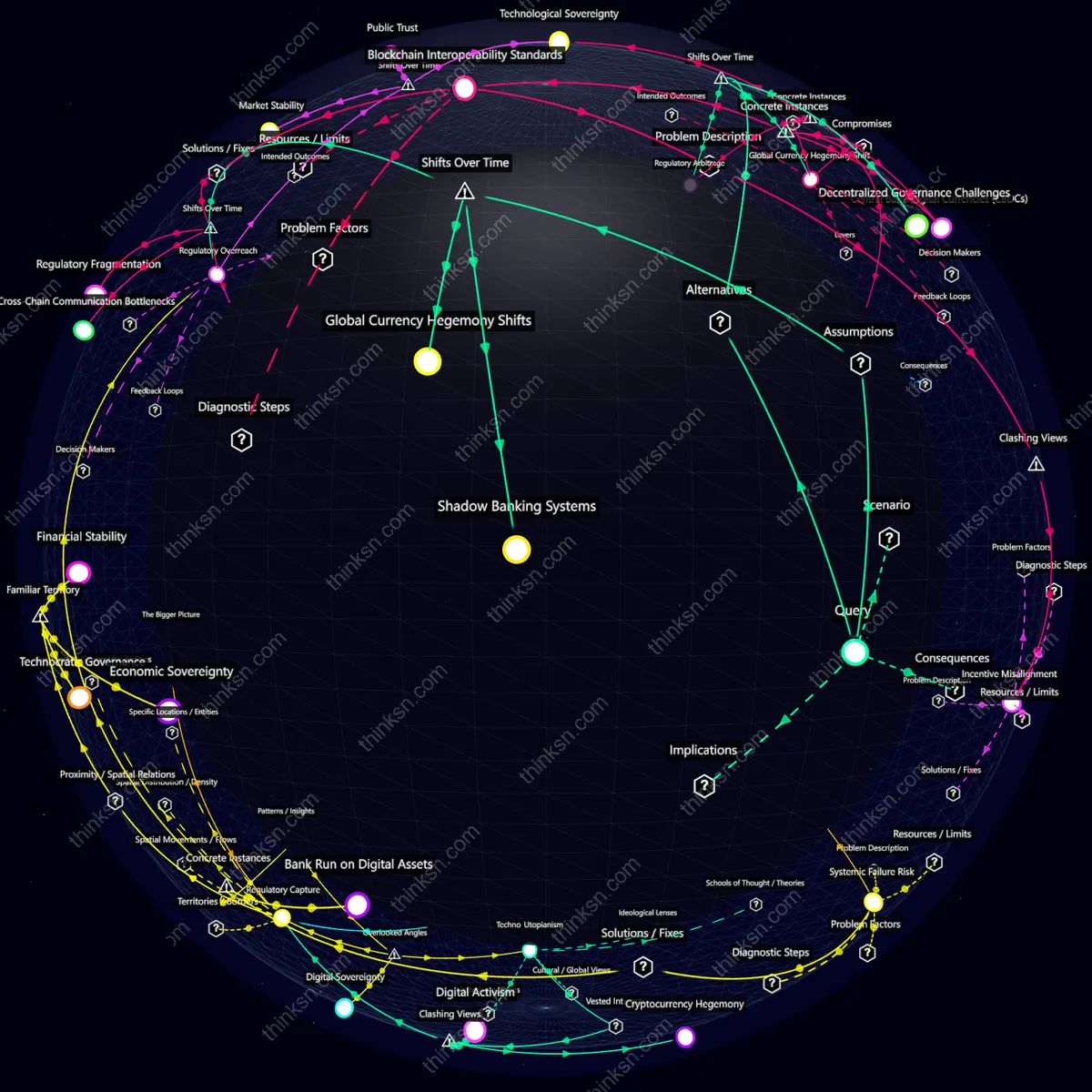
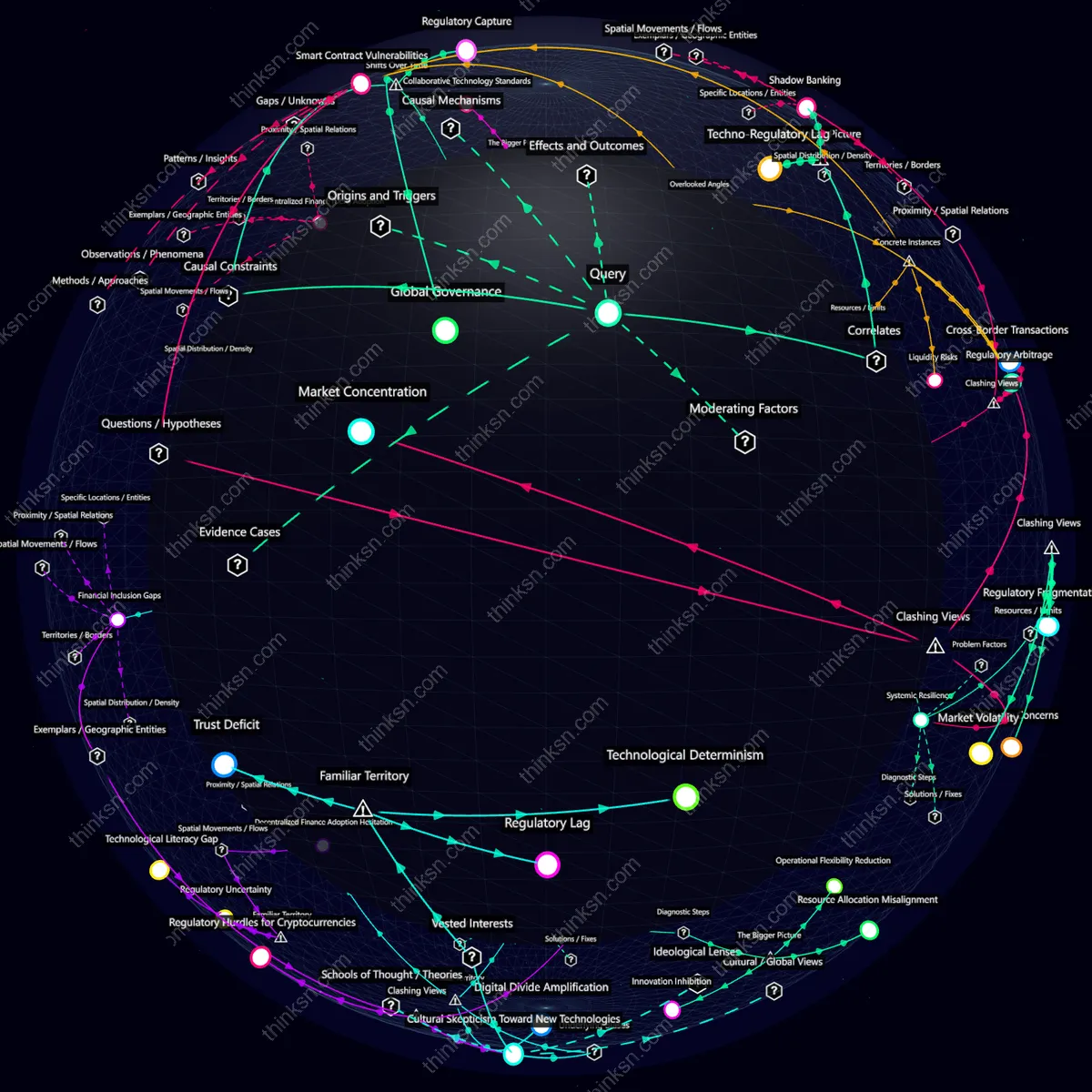
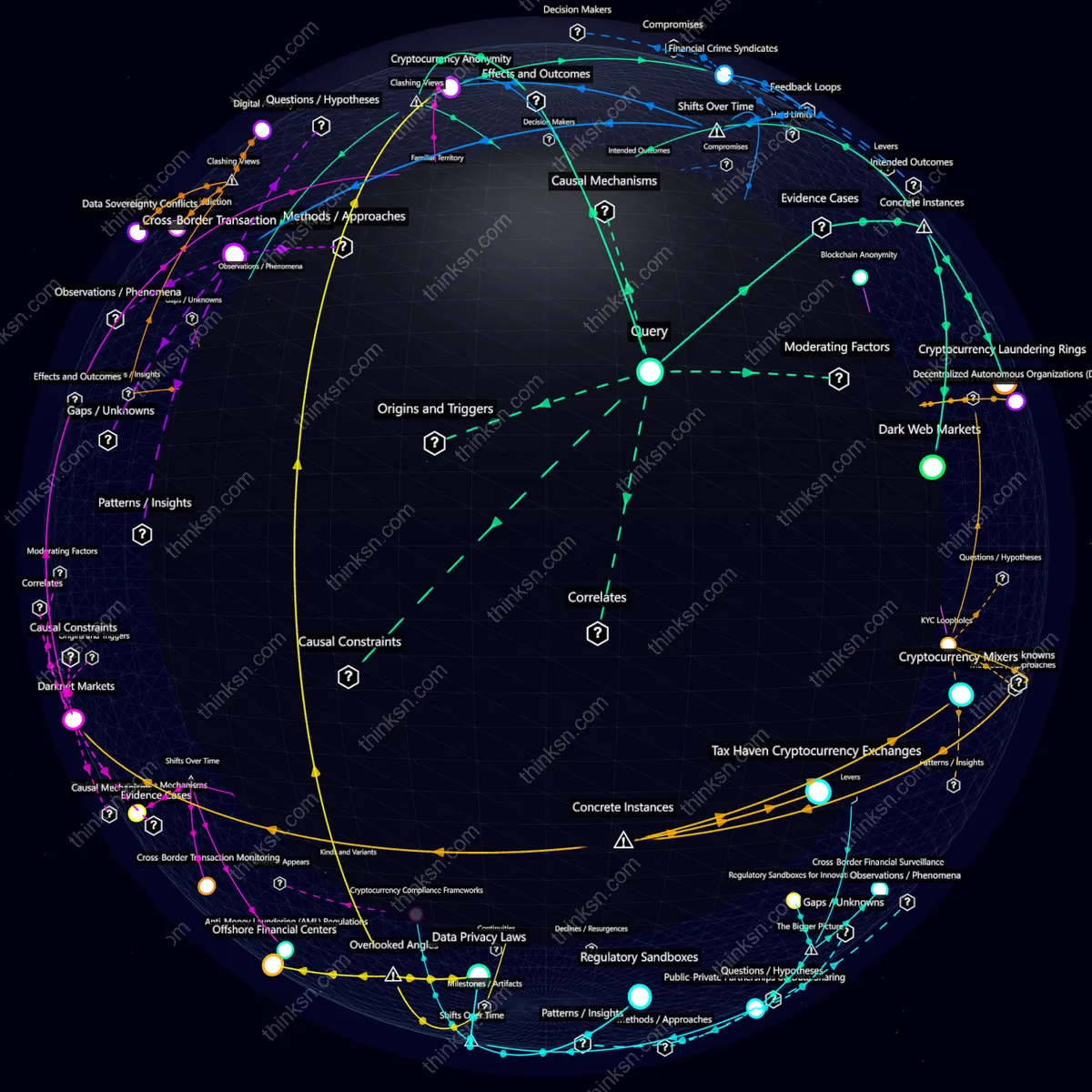
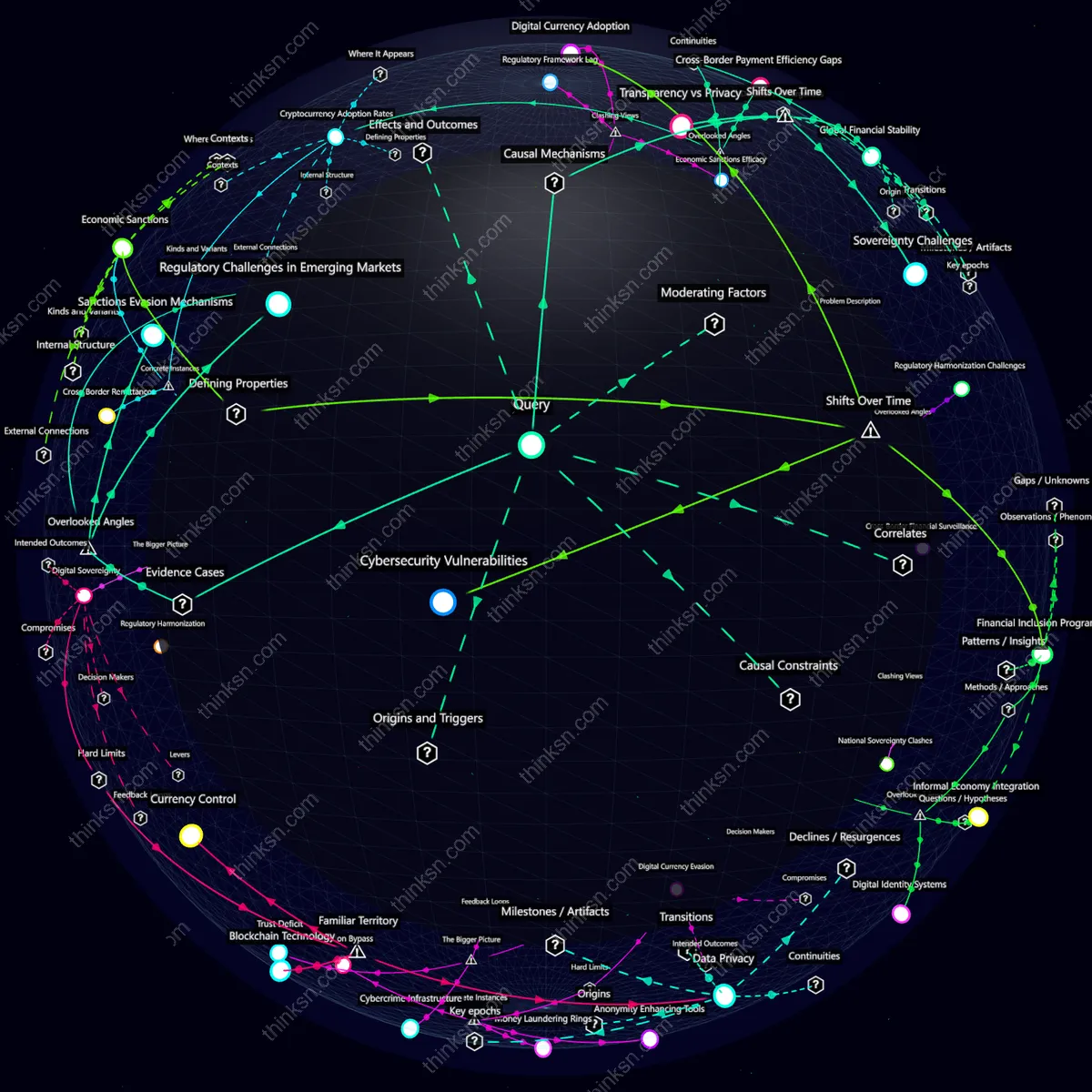
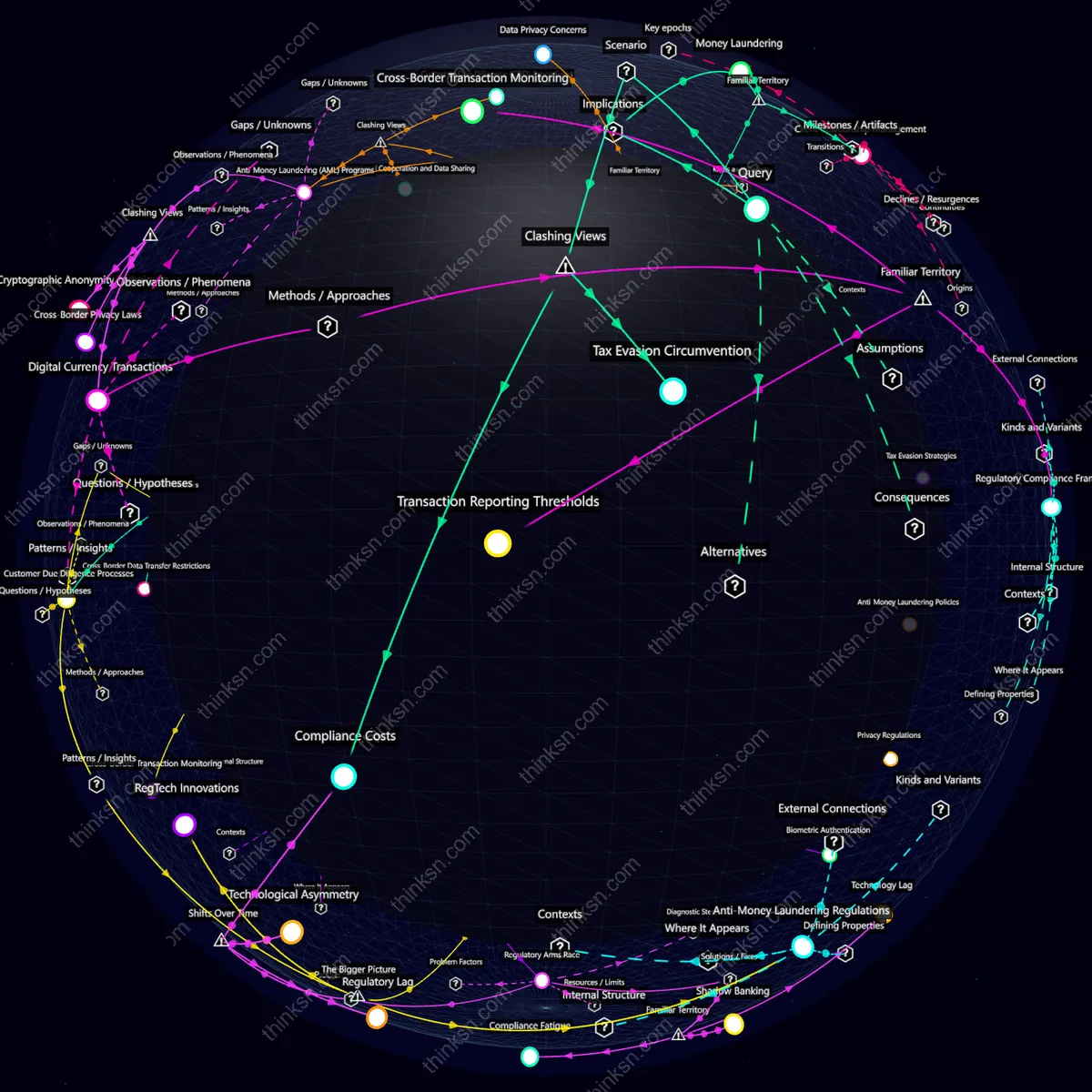
Analysis reveals 5 key thematic connections.
Key Findings
Compliance Costs
The imposition of new regulations mandating the reporting of high-value transactions as gifts or inheritances will significantly increase compliance costs for financial institutions. This not only pressures banks to raise fees on services but also pushes smaller institutions towards consolidation, creating a more concentrated market dominated by large players who can absorb the expenses.
Tax Evasion Circumvention
As stricter reporting requirements are introduced, sophisticated tax evasion schemes may evolve to exploit legal grey areas or loopholes within these regulations. Financial institutions could face ethical dilemmas in balancing regulatory compliance with client confidentiality and might inadvertently support new forms of financial secrecy through innovative but legally ambiguous services.
Regulatory Compliance
New government regulations mandating the reporting of high-value transactions as gifts or inheritances would compel financial institutions to drastically overhaul their compliance frameworks. This could lead to increased scrutiny and operational costs, while also raising ethical questions about privacy invasion and client trust.
Money Laundering
The requirement to report high-value gifts and inheritances as transactions will likely prompt financial institutions to develop sophisticated anti-money laundering (AML) measures. However, this may inadvertently create loopholes or incentives for criminals seeking new ways to circumvent these regulations, leading to an ongoing cat-and-mouse game between regulators and illicit actors.
Client Relationship Management
Financial institutions will face the challenge of managing client relationships under stricter reporting requirements. This could strain customer loyalty as clients might feel their privacy is compromised, prompting banks to invest heavily in transparent communication strategies while balancing regulatory compliance with maintaining a competitive edge.
Deeper Analysis
What are the structural components and categories involved in regulatory compliance by financial institutions when new government regulations mandate reporting high-value transactions as gifts or inheritances?
Anti-Money Laundering (AML) Programs
New regulations mandating the reporting of high-value gifts and inheritances can significantly strain existing AML programs, as they must adapt to identify such transactions. Financial institutions may face a trade-off between increasing operational costs and maintaining compliance, potentially leading to a fragmented enforcement landscape where some entities struggle to keep up.
Customer Due Diligence (CDD) Procedures
The requirement to report high-value gifts and inheritances amplifies the need for rigorous CDD procedures. This shift can lead to heightened scrutiny of wealthy clients, potentially deterring legitimate financial activity due to overly aggressive enforcement or regulatory pressure. Financial institutions must balance thoroughness with customer relations to avoid alienating a significant client base.
International Cooperation and Data Sharing
The implementation of new reporting requirements necessitates enhanced international cooperation among financial regulators, posing challenges in harmonizing diverse legal frameworks and data privacy laws. This dependency can create systemic fragility, as delays or discrepancies in cross-border information sharing may undermine the effectiveness of regulatory compliance efforts.
Data Privacy Concerns
As new regulations mandate detailed reporting about gifts and inheritances, financial institutions face heightened risks of data breaches. Striking a balance between regulatory compliance and customer privacy becomes increasingly challenging, potentially leading to public backlash if personal information is compromised.
International Reporting Standards
The implementation of new regulations often requires alignment with international standards, creating complex legal landscapes for multinational financial institutions. This can lead to fragmented compliance strategies and increased operational costs, especially in jurisdictions with differing regulatory frameworks.
Explore further:
- How might Anti-Money Laundering (AML) programs need to be adapted by financial institutions in response to new government regulations requiring the reporting of high-value transactions as gifts or inheritances, and what emerging insights could this reveal about current AML practices?
- How do international reporting standards impact the way financial institutions interpret and implement new government regulations mandating the reporting of high-value transactions as gifts or inheritances?
How might Anti-Money Laundering (AML) programs need to be adapted by financial institutions in response to new government regulations requiring the reporting of high-value transactions as gifts or inheritances, and what emerging insights could this reveal about current AML practices?
Digital Currency Transactions
The expansion of AML programs to include monitoring high-value digital currency transactions as gifts or inheritances could divert significant resources from traditional fiat currency scrutiny, potentially weakening defenses against other forms of money laundering. This shift may inadvertently create a blind spot for illicit activities in less-regulated areas.
Cross-Border Privacy Laws
Adapting AML programs to report high-value transactions as gifts or inheritances across borders could clash with stringent privacy laws, such as those in the EU's GDPR. This conflict may lead financial institutions to prioritize compliance over robust anti-money laundering measures, risking legal penalties and reputational damage.
Cryptographic Anonymity Techniques
The increasing use of cryptographic anonymity techniques by sophisticated actors could render traditional AML detection methods obsolete for high-value transactions. Financial institutions might find themselves in a race against technology, where any delay in adopting new forensic tools can expose them to significant financial and legal risks.
How do international reporting standards impact the way financial institutions interpret and implement new government regulations mandating the reporting of high-value transactions as gifts or inheritances?
Anti-Money Laundering Policies
International Reporting Standards require financial institutions to align their AML policies with global norms. This forces local banks in developing nations like Nigeria to implement stringent measures, often causing operational inefficiencies and increased costs for legitimate businesses while struggling to allocate resources effectively against sophisticated money laundering tactics.
Data Privacy Regulations
The imposition of international reporting standards intersects with stringent data privacy laws such as GDPR in the EU. This creates a complex regulatory landscape where financial institutions must balance compliance with both sets of regulations, risking breaches if they fail to harmonize their practices effectively.
Tax Evasion Strategies
As countries adopt stricter reporting standards for high-value transactions as gifts or inheritances, wealthy individuals and entities may adapt by employing more sophisticated tax evasion methods. This can include the use of offshore structures, leading to a cat-and-mouse game between regulators and financial actors, where compliance becomes increasingly challenging.
How might financial institutions adapt their digital currency transaction monitoring systems to comply with new regulations requiring detailed reporting on high-value transactions as gifts or inheritances?
Regulatory Compliance Framework
The introduction of a stringent regulatory compliance framework for digital currency transactions significantly shifts the focus from innovation to risk mitigation, compelling financial institutions to allocate substantial resources towards monitoring and reporting. This shift can delay or stifle technological advancements in blockchain technology, potentially leaving institutions vulnerable to new forms of cyber threats.
Transaction Reporting Thresholds
Setting transaction reporting thresholds for gifts and inheritances introduces a complex layer of oversight that requires financial institutions to scrutinize personal relationships and intentions behind high-value digital currency exchanges. This not only increases operational costs but also raises privacy concerns among users, who may be wary of excessive surveillance.
Cross-Border Transaction Monitoring
Adapting monitoring systems for cross-border transactions in digital currencies introduces intricate legal and jurisdictional challenges. Financial institutions must navigate varying regulations across different countries, leading to potential conflicts and operational inefficiencies. This complexity can inadvertently create loopholes that sophisticated actors exploit.
How do data privacy regulations impact the reporting requirements for financial institutions concerning high-value transactions as gifts or inheritances under new government mandates?
Anti-Money Laundering Compliance
Data Privacy Regulations create a complex web for financial institutions to navigate when reporting high-value transactions as gifts or inheritances. While aiming to protect individual privacy, these regulations can inadvertently hinder effective anti-money laundering efforts by limiting the information available for suspicious activity detection.
Customer Due Diligence Processes
Financial institutions face a delicate balance between adhering to data privacy laws and conducting thorough customer due diligence. Privacy regulations often necessitate reduced access to personal financial histories, which can complicate the assessment of transaction legitimacy and potentially allow for undetected suspicious activities.
Cross-Border Data Transfer Restrictions
The implementation of stringent data privacy regulations may restrict cross-border data transfer mechanisms crucial for multinational financial institutions. This constraint poses operational challenges, particularly when complying with both domestic and international reporting requirements for high-value transactions, leading to potential delays or non-compliance.
What are the emerging insights and diverse viewpoints on how customer due diligence processes in financial institutions will evolve to comply with new government regulations mandating the reporting of high-value transactions as gifts or inheritances?
Anti-Money Laundering Regulations
As anti-money laundering regulations become more stringent, financial institutions must navigate a complex web of compliance requirements that can inadvertently stifle legitimate high-value transactions. This regulatory tightening risks creating bureaucratic delays and increased costs for customers while also potentially leading to false positives in due diligence processes.
Digital Identity Verification
The adoption of digital identity verification technologies is reshaping customer due diligence practices, offering both efficiency gains and new challenges. While these tools promise faster onboarding and reduced operational costs, they also introduce risks related to data privacy breaches and the potential for sophisticated fraudsters to exploit vulnerabilities in automated systems.
RegTech Innovations
Regulatory technology innovations are being leveraged by financial institutions to automate compliance checks but come with trade-offs. While these solutions enhance accuracy and reduce manual errors, they also introduce dependencies on proprietary software and third-party data providers, creating new points of failure that can disrupt operations if not properly managed.
Cross-border Transaction Monitoring
Expanding customer due diligence processes to include cross-border transaction monitoring introduces complex legal and operational challenges. Financial institutions must navigate varying international laws while ensuring compliance with domestic regulations, potentially leading to fragmented enforcement practices and inconsistent risk assessments across borders.
Data Privacy Regulations
The integration of data privacy regulations within customer due diligence processes can lead to conflicting requirements between financial transparency rules and privacy protections. This tension may result in legal grey areas where institutions are pressured to balance the need for thorough verification against the risk of violating individual privacy rights, complicating compliance efforts.
Explore further:
- What changes would financial institutions implement in their anti-money laundering regulations to comply with new government mandates for reporting high-value transactions as gifts or inheritances?
- How might digital identity verification technologies reshape financial institutions' approaches to complying with new government regulations on high-value transactions, and what emerging insights or hidden assumptions could this reveal about privacy and security trade-offs?
How might digital identity verification technologies reshape financial institutions' approaches to complying with new government regulations on high-value transactions, and what emerging insights or hidden assumptions could this reveal about privacy and security trade-offs?
KYC Automation
The automation of Know Your Customer (KYC) processes through digital identity verification could streamline compliance for financial institutions but introduces risks such as increased data breaches, as seen in the Equifax hack. This shift requires a delicate balance between efficiency and security.
Privacy Regulations
Growing privacy regulations like GDPR challenge traditional approaches to digital identity verification by mandating stricter controls on personal data usage, potentially leading financial institutions to invest heavily in compliance measures while facing public scrutiny over data handling practices. This can create a regulatory lag where innovations outpace legal frameworks.
Biometric Authentication
The implementation of biometric authentication for digital identity verification offers unparalleled accuracy and security but raises significant privacy concerns, particularly regarding the storage and use of sensitive biological data. A breach could expose millions to identity theft, as seen in the 2015 OPM breach.
Privacy Paradox
As financial institutions adopt advanced digital identity verification for high-value transactions to comply with stringent government regulations, they face a 'privacy paradox' where enhanced security measures exacerbate user concerns about data misuse and surveillance. This tension can lead to customer attrition if trust in the institution's privacy practices diminishes.
Regulatory Arms Race
The dynamic interplay between evolving digital identity verification technologies and increasingly stringent government regulations sets off a 'regulatory arms race'. Financial institutions are compelled to continuously innovate their security protocols, while regulators must keep pace with technological advancements, creating a fragile equilibrium that can be disrupted by new cyber threats or privacy breaches.
Digital Divide
The push for digital identity verification in high-value transactions highlights the 'digital divide', where marginalized communities face barriers to accessing advanced financial services due to lack of technological infrastructure or knowledge. This disparity can deepen economic inequalities, creating a systemic blind spot that challenges traditional approaches to equitable service delivery.
Explore further:
- In what ways might financial institutions' privacy practices be affected by new regulations mandating the reporting of high-value transactions as gifts or inheritances, considering the Privacy Paradox?
- In a regulatory arms race, how might financial institutions fail to adapt effectively to new government regulations mandating the reporting of high-value transactions as gifts or inheritances, and what are the measurable systemic strains that could arise?
In a regulatory arms race, how might financial institutions fail to adapt effectively to new government regulations mandating the reporting of high-value transactions as gifts or inheritances, and what are the measurable systemic strains that could arise?
Regulatory Lag
Financial institutions often struggle to adapt swiftly to new regulations due to bureaucratic inertia. This lag creates a gap where innovative evasion tactics outpace regulatory measures, enabling illicit activities like money laundering through high-value gifts or inheritances.
Compliance Costs
The escalating costs of compliance can disproportionately impact smaller financial institutions, forcing them to cut corners on due diligence. This systemic strain not only undermines the effectiveness of regulatory measures but also exacerbates inequality within the industry by driving consolidation and market exit among weaker players.
Technological Asymmetry
While large banks may invest heavily in cutting-edge technologies to track high-value transactions, smaller institutions often lack the resources for such advancements. This technological asymmetry leaves a regulatory blind spot, enabling wealthier clients to exploit loopholes through sophisticated digital camouflage.
Compliance Fatigue
Financial institutions suffer from compliance fatigue as they struggle to keep up with ever-evolving regulations. This leads to a fragmented focus, where resources are thinly spread across multiple mandates rather than deeply integrated into operational practices, increasing the risk of non-compliance and operational inefficiencies.
Shadow Banking
As financial institutions face regulatory challenges in mainstream banking, some may shift towards shadow banking activities to circumvent stringent reporting requirements. This can lead to a significant increase in unregulated high-value transactions, undermining the very objectives of new government regulations and creating systemic risks.
Technology Lag
Inefficiencies arise when financial institutions' technological infrastructure fails to keep pace with regulatory changes. Outdated systems may not support real-time monitoring or reporting of gifts and inheritances, leading to delayed compliance and potential legal penalties. This technology lag can exacerbate the arms race between regulators and banks.