Blockchain in Renewable Energy: New Challenges for Transaction Integrity
Analysis reveals 6 key thematic connections.
Key Findings
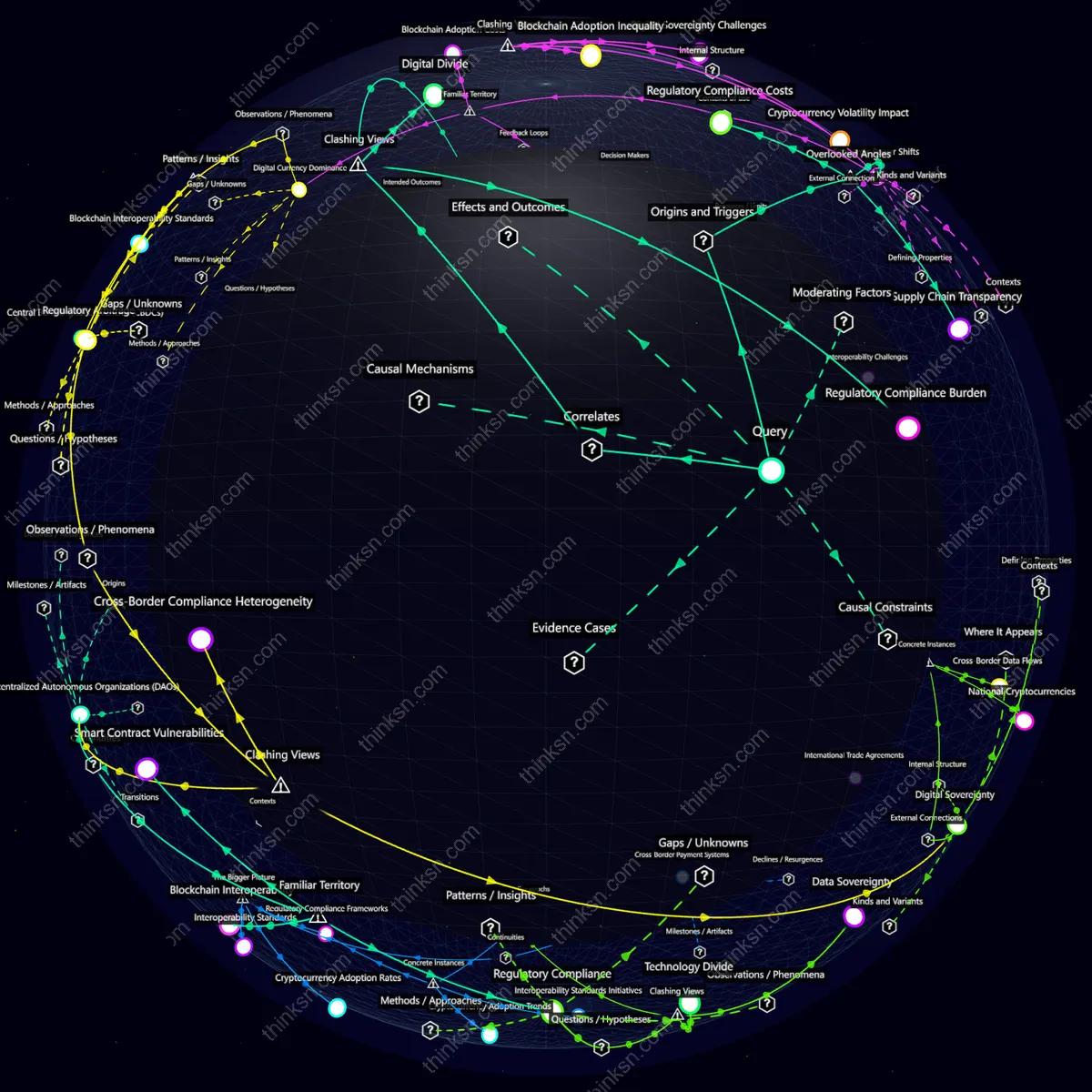
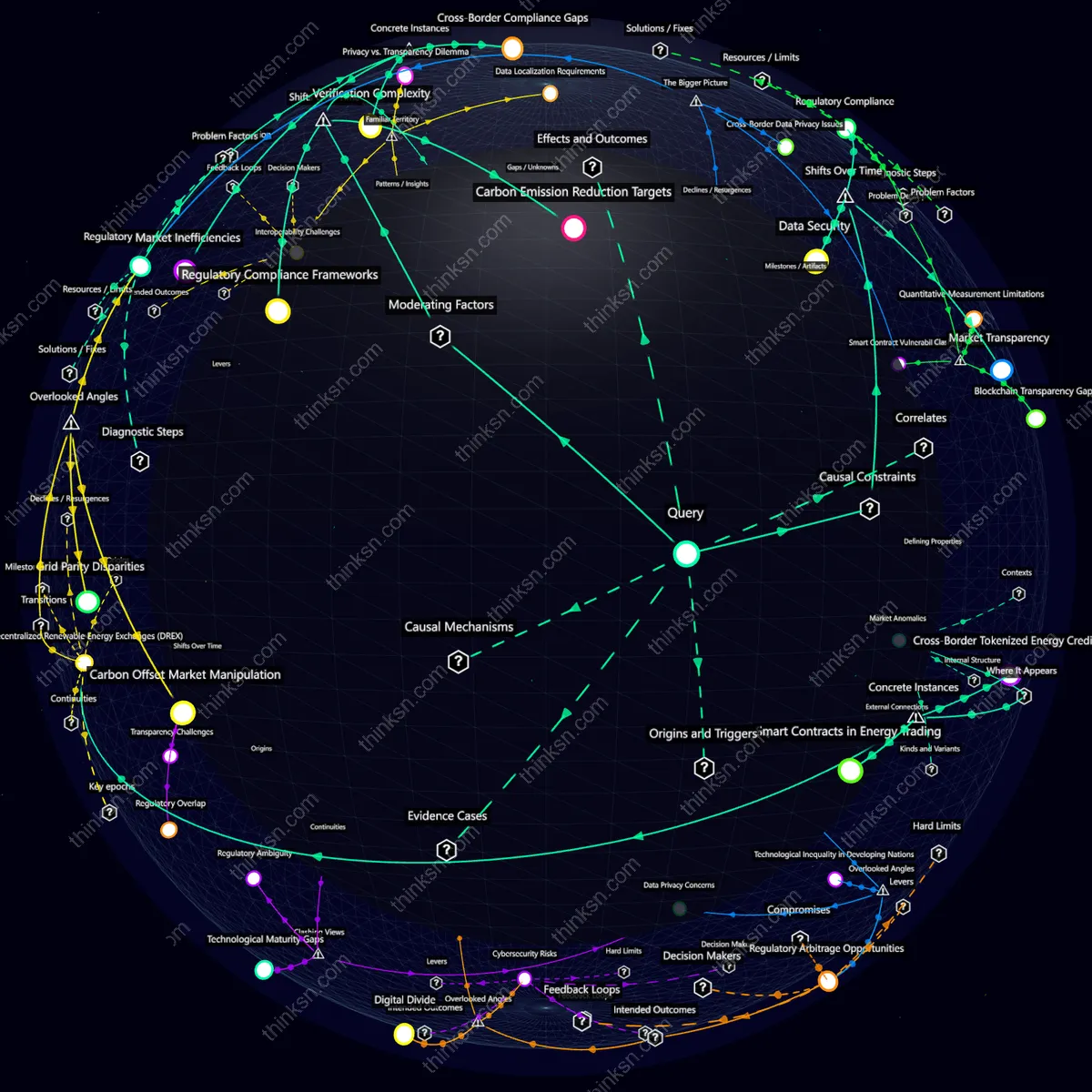
Regulatory Compliance Frameworks
Blockchain's adoption in international energy trading intensifies the need for adaptable regulatory compliance frameworks. As countries and organizations vary in their blockchain maturity, this disparity can create friction and inefficiencies, with risks of non-compliance penalties or market exclusion for less technologically advanced players.
Carbon Emission Reduction Targets
The integration of renewable energy credits (RECs) on a blockchain platform may inadvertently shift focus away from broader carbon emission reduction targets. While enhancing transparency and efficiency in RECs trading, this could undermine efforts to address other critical aspects of emissions control, leading to a narrow focus on tradable credits rather than holistic sustainability goals.
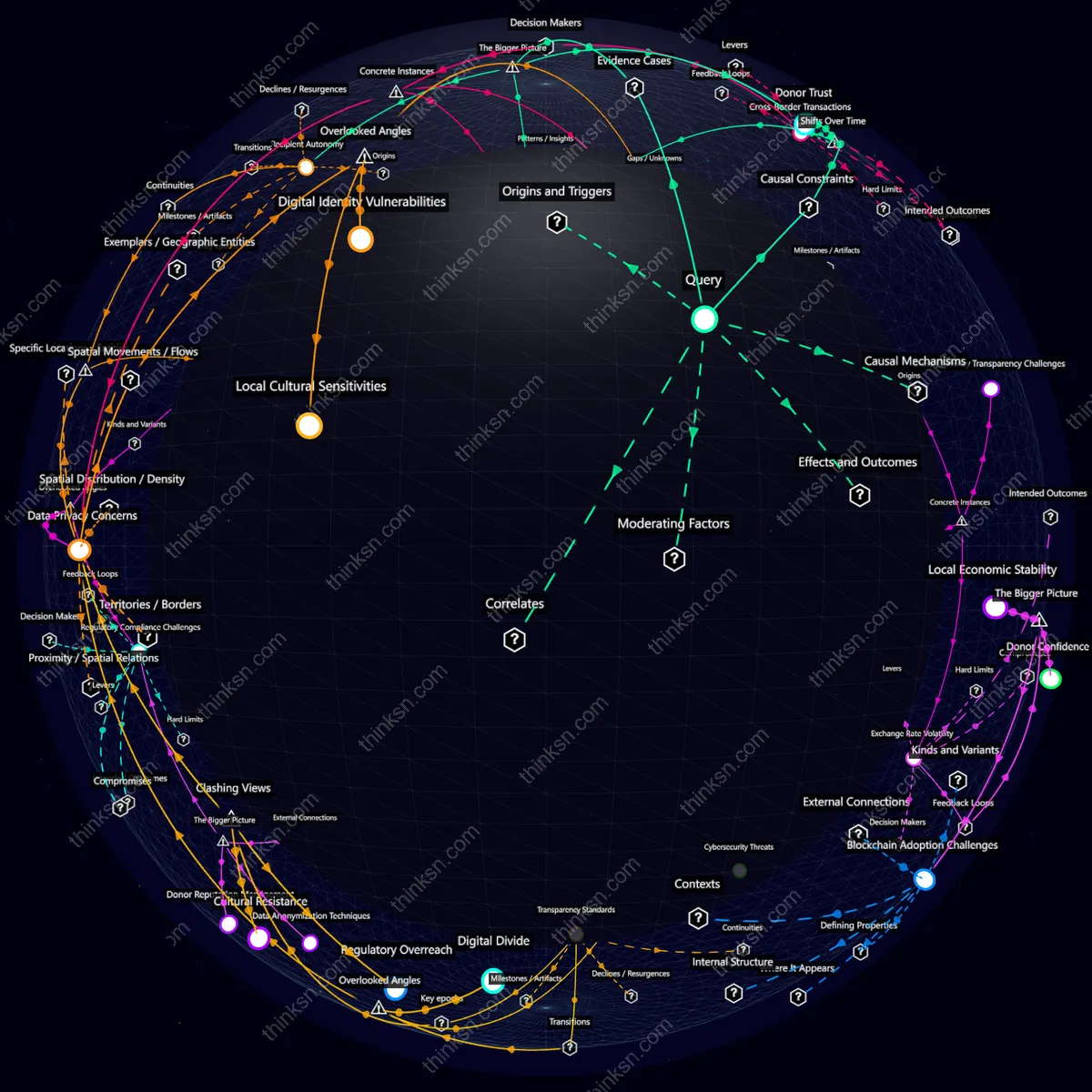
Cross-Border Data Privacy Laws
The deployment of blockchain technology for international energy trading introduces complex challenges in navigating cross-border data privacy laws. This could lead to legal and operational bottlenecks, potentially deterring innovation or forcing regional fragmentation that hampers the global scalability of sustainable energy solutions.
Regulatory Compliance
Blockchain technology's introduction in international energy trading disrupts traditional regulatory compliance systems. This shift necessitates rapid adaptation by regulators who must balance innovation with the need for stable, predictable frameworks. The risk lies in creating a fragmented landscape where overly stringent regulations stifle blockchain adoption or overly lenient ones lead to market instability and misuse of renewable energy credits.
Market Transparency
Enhanced transparency through blockchain can transform trust dynamics among international trading partners, making opaque practices more visible. However, this also exposes traders to heightened scrutiny, potentially deterring smaller or less established players from participating in the market unless robust support systems and safeguards are put in place.
Data Security
As blockchain integrates with energy trading platforms, data security becomes paramount. While blockchain promises secure transaction records, integrating it into legacy systems introduces new vulnerabilities. The interplay between cutting-edge technology and dated infrastructure creates a fragile dependency where a single breach could compromise entire networks, highlighting the urgent need for comprehensive cybersecurity measures.
Deeper Analysis
What emerging insights can be derived regarding the impact of cross-border data privacy laws on the application of blockchain technology for verifying renewable energy credits in international energy trading?
Data Localization Requirements
Data localization requirements imposed by cross-border data privacy laws can significantly impede the seamless operation of blockchain for renewable energy credits, as these regulations necessitate storing critical transactional data within specific jurisdictions. This constraint not only increases operational costs but also hampers real-time verification and international trade efficiency.
Interoperability Challenges
Cross-border data privacy laws exacerbate interoperability challenges for blockchain technology by imposing varying legal standards across different countries, complicating the development of unified frameworks that support renewable energy credit trading. This fragmentation can undermine trust and scalability in international markets.
Privacy vs. Transparency Dilemma
The enforcement of cross-border data privacy laws often leads to a delicate balance between ensuring data confidentiality and maintaining transparency required for blockchain-based verification systems. This dilemma could result in the exclusion or marginalization of smaller entities that lack robust compliance mechanisms, thereby skewing market dynamics.
What are the potential regulatory compliance failures in international energy trading when using blockchain technology with renewable energy credits, and how can these failures be quantitatively measured under stress-test conditions?
Blockchain Transparency Gap
The transparency promised by blockchain in renewable energy trading may create a false sense of regulatory compliance. However, disparities between actual data recorded on-chain and real-world transactions can lead to significant discrepancies, undermining trust and enforcement efforts.
Jurisdictional Overlap Confusion
Energy trading involving multiple jurisdictions exposes traders to conflicting regulations and standards, complicating the implementation of uniform blockchain compliance solutions. This confusion often results in regulatory arbitrage, where firms exploit less stringent rules across borders to minimize costs.
Quantitative Measurement Limitations
Stress tests designed to measure the resilience of energy trading systems under extreme conditions may fail to capture nuanced regulatory compliance issues. These limitations can arise from the complexity of integrating diverse renewable energy credits and blockchain data, leading to potential systemic vulnerabilities.
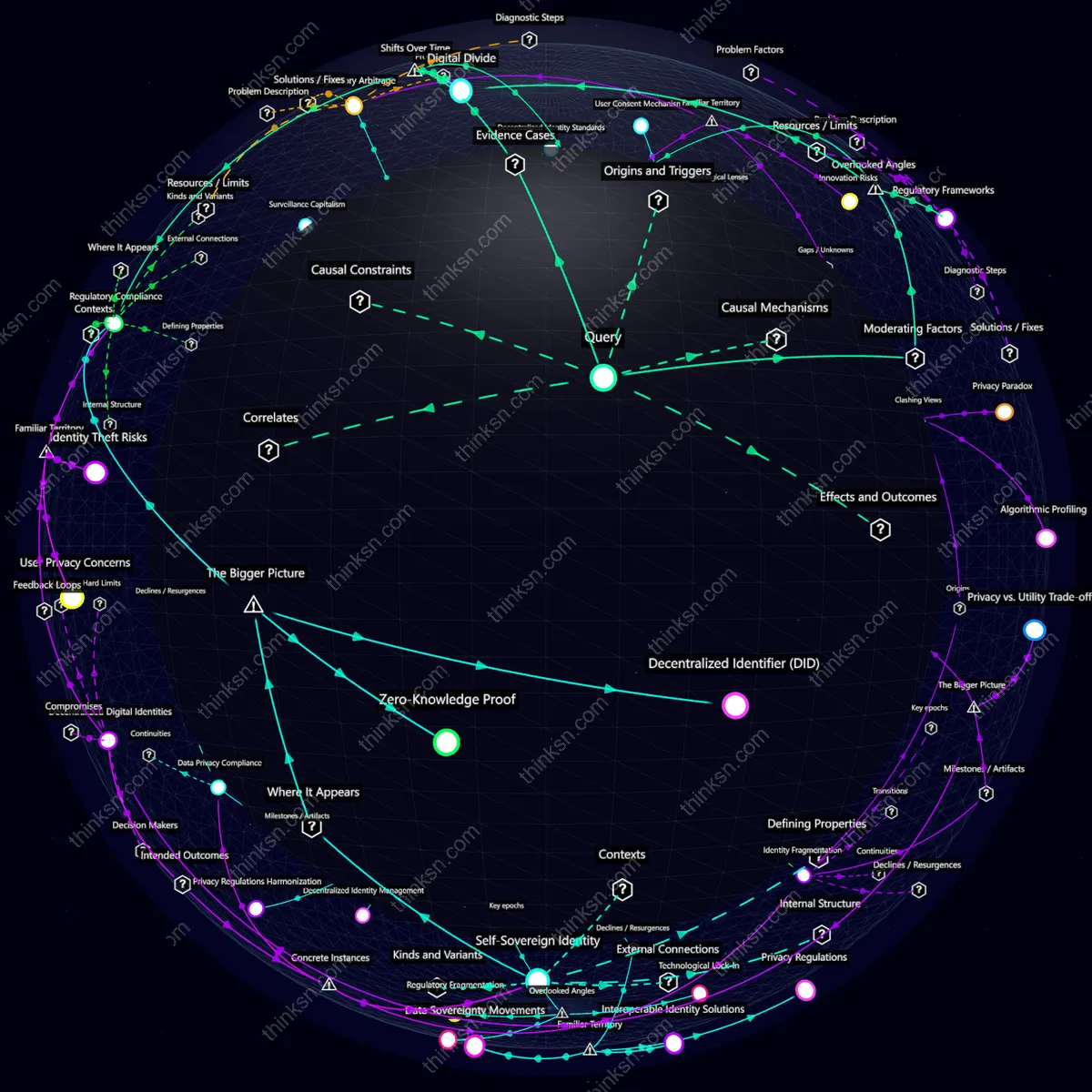
How will jurisdictional overlap confusion evolve as blockchain technology is adopted in international energy trading with renewable energy credits, and what mechanisms might mitigate or exacerbate this issue over time?
Regulatory Patchwork
As blockchain technology enhances transparency in international energy trading with renewable energy credits (RECs), the emergence of a regulatory patchwork can exacerbate jurisdictional overlap confusion. Different jurisdictions may implement varying rules and standards for RECs on blockchains, creating loopholes or conflicting requirements that complicate cross-border transactions and compliance.
Smart Contract Vulnerabilities
The reliance on smart contracts in blockchain-based international energy trading can introduce new vulnerabilities to jurisdictional overlap confusion. If smart contract codes are not uniformly interpreted across different legal systems, disputes may arise over the enforcement of these automated agreements, leading to unpredictable outcomes and undermining trust in cross-border REC transactions.
Market Anomalies
The adoption of blockchain technology can inadvertently create market anomalies as jurisdictions struggle with overlapping regulations. For instance, arbitrage opportunities may arise from price discrepancies between markets due to differing interpretations of RECs' validity and transferability across borders, potentially leading to speculative behaviors that destabilize the energy trading ecosystem.
Regulatory Fragmentation
As blockchain technology integrates with international energy trading and renewable energy credits (RECs), regulatory fragmentation emerges, leading to inconsistencies in how different jurisdictions interpret and enforce rules. This exacerbates jurisdictional overlap confusion by creating legal grey areas where RECs might be recognized differently across borders, complicating compliance efforts for multinational corporations.
Cross-Border Data Privacy Issues
As blockchain-based systems for tracking renewable energy credits (RECs) become more prevalent, cross-border data privacy issues intensify. Different countries have varying approaches to data protection laws, which can lead to conflicts when RECs are traded internationally. This confusion over jurisdictional boundaries and applicable regulations could hinder the adoption of blockchain technology in international energy trading.
Explore further:
What is the impact of regulatory patchwork on the application of blockchain technology for verifying renewable energy credits in international energy trading?
Legal Arbitrage Opportunities
Regulatory patchwork creates legal arbitrage opportunities for energy companies by allowing them to exploit differences in renewable energy credit (REC) verification standards across jurisdictions. This often leads to greenwashing as firms may claim higher sustainability metrics without genuine improvements, undermining the integrity of international trading systems.
Cross-Border Compliance Challenges
The inconsistent application of blockchain technology for verifying RECs across borders due to regulatory patchwork complicates cross-border compliance efforts. This can lead to significant delays and increased costs for energy traders, as they must navigate a complex web of varying legal requirements and technological barriers.
Technological Fragmentation
Regulatory patchwork fosters technological fragmentation by incentivizing the development of blockchain solutions tailored to specific regulatory environments. While this diversity can lead to innovative local solutions, it often hinders interoperability and scalability, making it difficult for international energy traders to adopt unified standards.
What are the potential market anomalies caused by blockchain technology in international energy trading with renewable energy credits?
Decentralized Renewable Energy Exchanges (DREX)
The emergence of DREX platforms like Power Ledger in Australia has led to market anomalies where small-scale renewable energy producers can sell directly to consumers, bypassing traditional utilities. This disrupts the centralized control over pricing and supply chains, creating volatile price fluctuations and regulatory challenges as authorities struggle to adapt existing frameworks.
Cross-Border Tokenized Energy Credits
Tokenization of energy credits on blockchain platforms like WePower in Europe enables seamless cross-border transactions but also introduces anomalies such as currency mismatches and legal jurisdiction issues. This can lead to unexpected financial risks for traders, as the speed and scale of token transfers outpace regulatory oversight.
Smart Contracts in Energy Trading
Implementing smart contracts for automatic energy trading agreements on platforms like Ethereum creates market anomalies where automated trades can trigger unforeseen cascading effects during supply shortages. For instance, a sudden spike in demand due to weather events could lead to simultaneous contract executions that overwhelm grid capacity, causing systemic disruptions.
How will cross-border compliance challenges evolve as blockchain technology is applied to verify renewable energy credits in international energy trading?
Regulatory Arbitrage Opportunities
As blockchain verifies renewable energy credits in international trade, regulatory arbitrage opportunities may arise where companies exploit the varying compliance standards between jurisdictions. This can undermine cross-border compliance efforts by incentivizing entities to circumvent stringent regulations and seek out more lenient ones.
Data Privacy Concerns
The application of blockchain technology for renewable energy credits verification raises significant data privacy concerns, particularly as it involves transferring sensitive information across borders. This could lead to a conflict between the need for transparent, verifiable transactions and the protection of personal or proprietary data.
Technological Inequality in Developing Nations
The adoption of blockchain technology for cross-border compliance can exacerbate technological inequality among developing nations that lack robust infrastructure. This disparity may result in uneven implementation of renewable energy trading standards, creating new challenges and barriers to equitable international cooperation.
How will Decentralized Renewable Energy Exchanges (DREX) evolve over time in response to challenges in international energy trading with renewable energy credits using blockchain technology?
Carbon Offset Market Manipulation
As DREX platforms grow and integrate renewable energy credits, the risk of carbon offset market manipulation increases. Actors may exploit regulatory loopholes to overstate their green credentials, undermining both trust in DREX systems and broader climate action efforts.
Grid Parity Disparities
DREX evolution hinges on achieving grid parity across diverse regions, but disparities in technological adoption rates can create unequal benefits. Wealthier areas may advance faster, exacerbating existing energy inequities and challenging the DREX model's scalability.
Regulatory Fragmentation
As DREX systems expand internationally, fragmented regulatory environments pose a significant challenge. Varying standards and oversight mechanisms can stifle innovation and cooperation, potentially isolating promising projects in less regulated jurisdictions.
What strategies can be formulated to mitigate regulatory arbitrage opportunities in international energy trading when using blockchain technology for renewable energy credits verification?
Market Complexity
The introduction of blockchain technology increases market complexity, making it harder for regulators to track and enforce compliance. This can lead to fragmented oversight where some areas become overlooked or underregulated, inadvertently creating regulatory arbitrage opportunities.
Digital Divide
In regions with lower digital literacy and access, the implementation of blockchain for renewable energy credits verification may exacerbate existing inequalities. Smaller players might be unable to participate effectively due to technological barriers, leading to a concentration of power among tech-savvy entities who can exploit regulatory gaps.
Cybersecurity Risks
While blockchain is often seen as secure, the complexity and interconnectedness it introduces in international energy trading create new cybersecurity risks. A breach or loophole could expose entire systems to vulnerabilities, leading to massive disruptions and opportunities for regulatory arbitrage through cyber-enabled financial manipulation.
Explore further:
- How will market complexity evolve in international energy trading with renewable energy credits as blockchain technology is adopted, and what mechanisms drive this change over time?
- What strategies can be formulated to mitigate cybersecurity risks when using blockchain technology for verifying renewable energy credits in international energy trading?
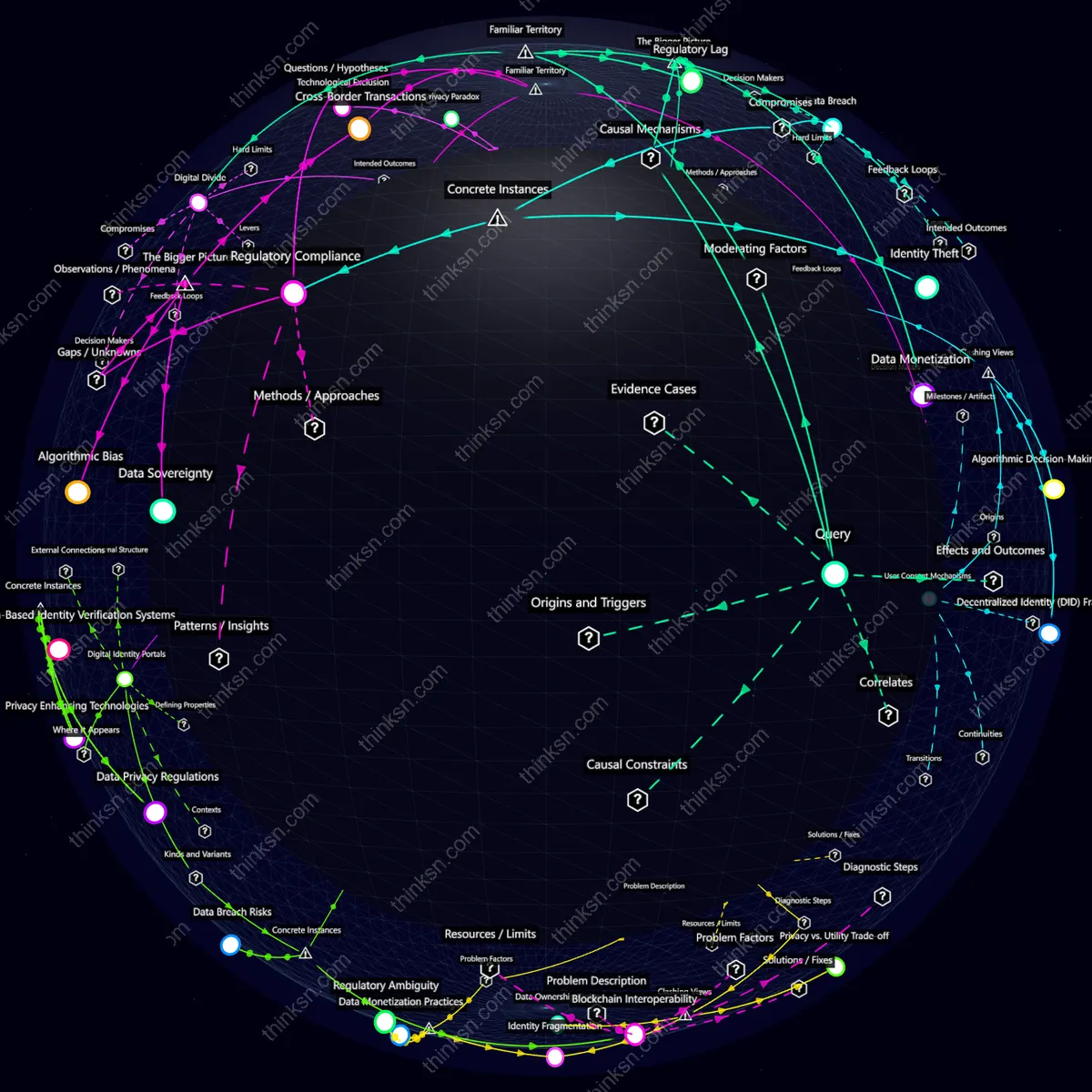
How might regulatory fragmentation exacerbate verification challenges in international energy trading involving renewable energy credits, and what are potential systemic failures under such conditions?
Cross-Border Compliance Gaps
Regulatory fragmentation creates cross-border compliance gaps where renewable energy credits (RECs) issued in one jurisdiction may not be recognized or valued equivalently in another, leading to significant discrepancies and undermining the integrity of international REC markets. This gap can deter investment and compromise the environmental benefits intended by these incentives.
Market Inefficiencies
Fragmented regulations result in market inefficiencies as companies must navigate a patchwork of rules, leading to higher transaction costs and reduced liquidity in renewable energy trading. For instance, discrepancies between EU's Emissions Trading System (ETS) and voluntary carbon markets can cause price volatility and impede the flow of investment towards clean energy projects.
Verification Complexity
Regulatory fragmentation exacerbates verification complexity by requiring multiple standards and audits for renewable energy credits across different regions. This was evident in discrepancies between China's National Green Certificate Trading System and international REC schemes, where varying methodologies for measuring carbon reduction led to inconsistencies and distrust among stakeholders.
How will market complexity evolve in international energy trading with renewable energy credits as blockchain technology is adopted, and what mechanisms drive this change over time?
Regulatory Overlap
As international energy trading adopts renewable energy credits (RECs) and blockchain technology, regulatory overlap intensifies between jurisdictions with varying environmental policies. This creates a complex patchwork of compliance requirements that can stifle innovation and increase operational costs for businesses, potentially leading to market fragmentation.
Transparency Challenges
The adoption of blockchain in international energy trading aims to enhance transparency but introduces new challenges related to data privacy and standardization. As more actors adopt the technology, ensuring uniform data sharing practices becomes critical; otherwise, disparities can undermine trust and efficacy across different RECs markets.
Technological Fragmentation
While blockchain promises efficiency in tracking RECs, the proliferation of competing blockchain platforms can lead to technological fragmentation. This not only complicates interoperability but also poses risks for smaller market participants who may struggle to adapt, thereby widening existing inequalities within international energy trading.
Regulatory Ambiguity
As blockchain technology integrates with international energy trading, regulatory ambiguity becomes a significant barrier. National and regional regulations may conflict, creating legal grey areas that discourage investment in renewable energy credits (RECs). This ambiguity can lead to market fragmentation and reduced liquidity, despite the promise of enhanced transparency and efficiency through blockchain.
Data Privacy Concerns
The adoption of blockchain technology in international energy trading introduces new data privacy concerns. Despite its potential for secure transactions, blockchain's immutable ledger raises questions about how to manage sensitive information such as trade secrets or personal consumer data. This challenge could impede widespread adoption and necessitate the development of additional layers of encryption and anonymization technologies.
Technological Maturity Gaps
The varying levels of technological readiness among different countries can exacerbate market complexity in international energy trading. While some nations may leapfrog into advanced blockchain applications for RECs, others might lag behind due to infrastructure constraints or policy hesitance. This disparity could create inefficiencies and transactional friction, undermining the potential benefits of a unified global energy market.