Could Blockchain IDs Create Privacy Issues in the Gig Economy?
Key Findings
Digital Identity Tracking
Blockchain identity systems increase long-term tracking because permanent records allow repeated verification to build detailed user profiles over time.
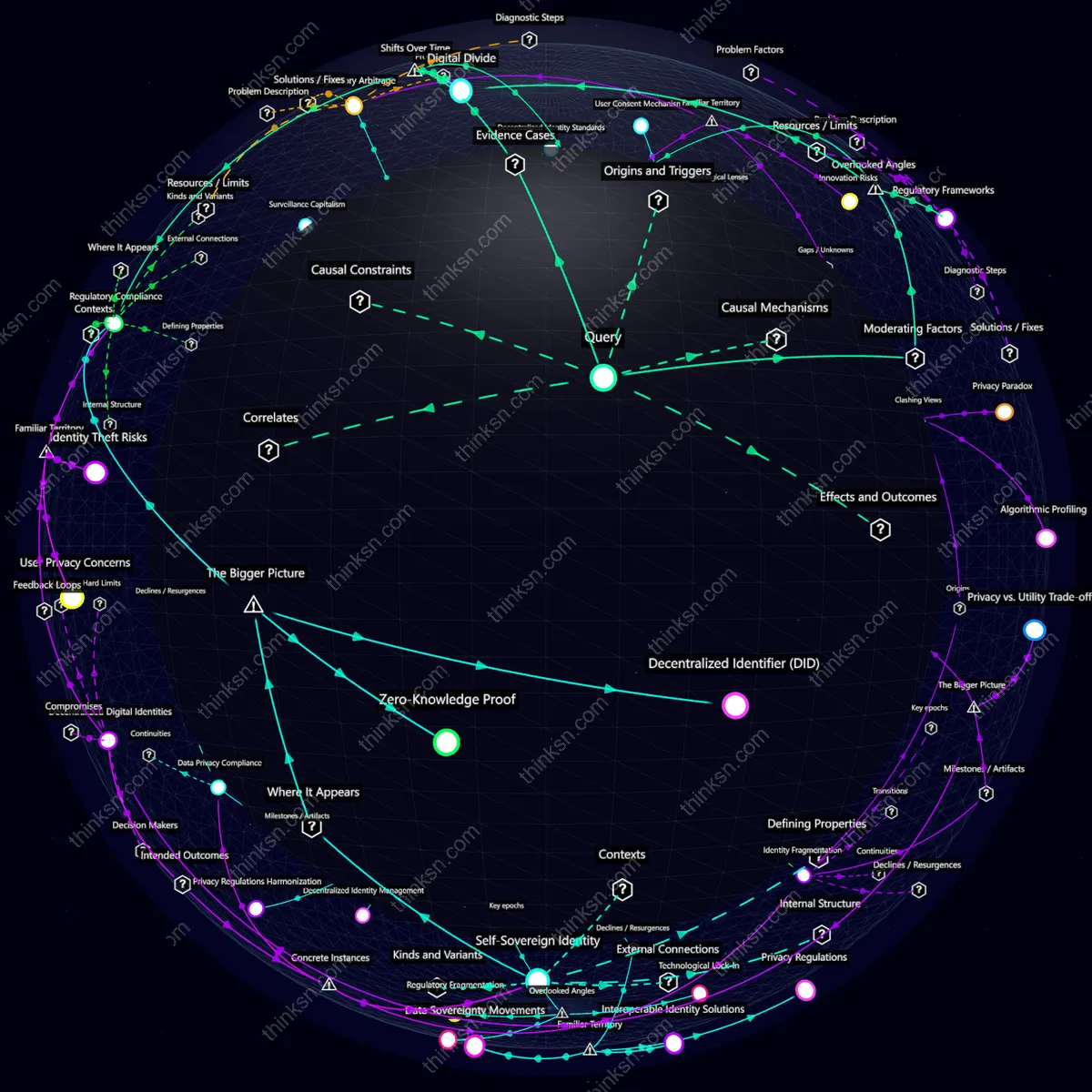
Blockchain systems keep identity records permanently. These records are hard to change or delete. They rely on trust in data accuracy and access controls. In decentralized networks this trust is hard to maintain. The eIDAS framework shows centralized oversight cannot fully protect against risks. Third-party verifiers increase the number of points where identity can be exposed. The main issue is not hacking. It is the permanent link between data points. Each time a user verifies identity on platforms like Uber or Upwork the system logs the event. These logs build a detailed history of behavior over time. Privacy protocols cannot prevent this accumulation. Individual users may feel more in control of their data. Yet system-wide tracking becomes easier. GDPR rules allow data portability but not deletion from blockchains. This limits user power over their own data. The system works only if users truly control their identity. But repeated use across platforms creates many data points. Cryptographic signatures tie these to real people. The more platforms used the higher the risk of reidentification. Gig workers face higher risk. They lack the privacy protections salaried workers have. Data stays forever even when no longer needed. This goes against data minimization rules. Blockchain improves identity verification. But it increases long-term tracking risks. This is especially true in gig work where platforms use algorithms to manage labor.
Algorithmic Control In Gig Work
Privacy risks in the gig economy arise mainly from unchallengeable algorithmic control over worker identity, not data permanence, because platforms use continuous behavioral tracking to assign work and pay.
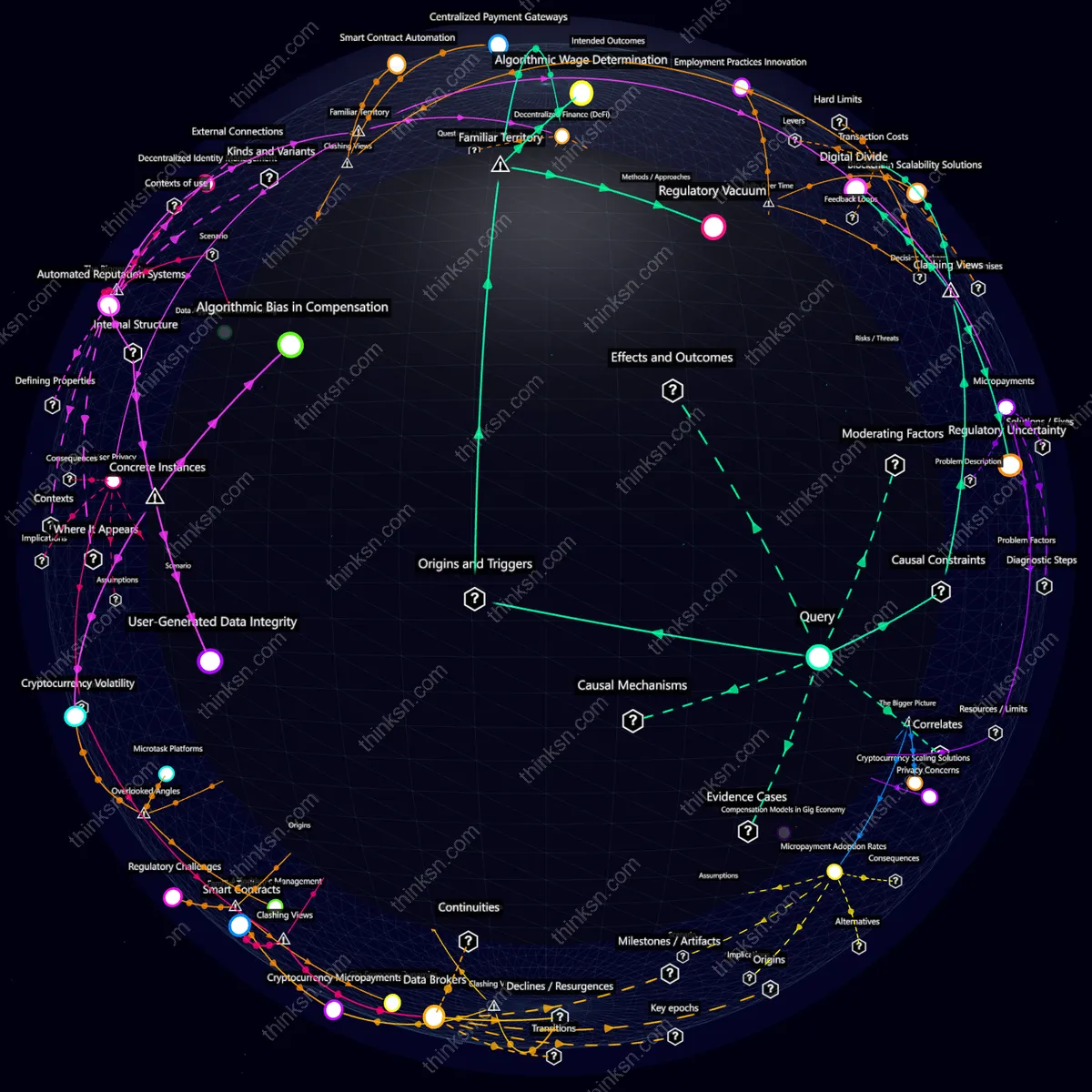
Digital platforms use algorithms to manage workers from the start. These systems shape how identity verification technologies are used. They collect personal data through constant monitoring of behavior. Algorithms use this data to assign jobs, set pay, and rate performance. This turns identity into a tool for real-time control. It is not just checked once but tracked continuously. Workers are subject to automated decisions they cannot challenge. The system’s inner logic stays hidden. This opacity affects privacy more than data storage design. Even if identity data is stored securely or immutably, control remains one-sided. Algorithms interpret worker behavior in ways workers cannot question. This power imbalance defines privacy risk. Regulation in the EU and studies of Uber show this pattern. Cryptographic security does not fix unbalanced algorithmic control.
Digital Identity Trail
Blockchain identity systems create lasting privacy risks by making personal records permanently visible through decentralized verification that cannot be undone.
Blockchain-based identity systems in the gig economy do not remove privacy risks. They change their nature. Instead of corporate data collection, the main issue becomes permanent visibility. Identity records are logged publicly and cannot be altered. This happens because blockchain systems rely on trustless verification. Examples include Estonia’s e-Residency program. These systems record every credential forever. Workers cannot delete or expire their past verifications. Unlike old systems, the problem is not who holds the data. The problem is that records never fade. Once a credential is logged, it remains visible. This creates lasting exposure for gig workers. The shift happens when identity control moves from platforms to self-sovereign models. Privacy loss now comes from permanence, not surveillance. The change is locked in once records become irreversible.
Deeper Analysis
What happens to worker privacy in blockchain-based identity systems if cryptographic identities are reused across platforms but linked to real identities through off-chain data leaks?
Digital Identity Tracking
Repeated use of blockchain-based digital IDs enables long-term tracking of gig workers because immutable verification records combine with off-platform data leaks to reidentify users over time.
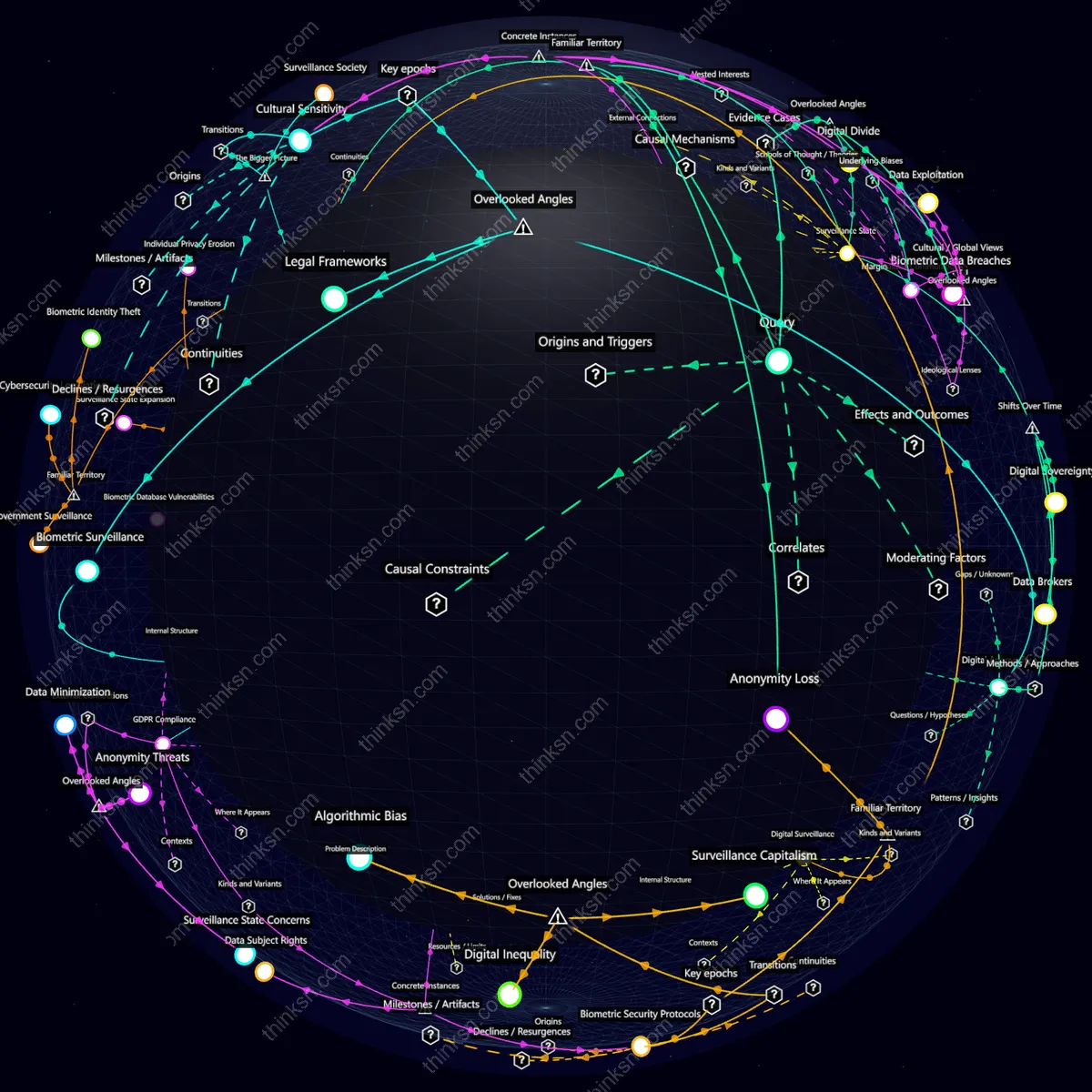
The EU's eIDAS system allows digital IDs to work across borders. When these IDs are used on gig economy platforms, they often rely on blockchain technology. Blockchain keeps a permanent record of each time an identity is verified. Even without personal data, these records mark when and where a person logs in. If other platforms like Deliveroo or Upwork leak small bits of data, those can match up with the blockchain record. Over time, patterns in login behavior form a traceable profile. This tracing does not need a data breach. It happens because each verification adds to a growing timeline of activity. The system's design, meant to ensure security, also enables tracking. Encryption or user consent does not stop this. The blockchain creates a permanent audit trail by design. When real identities are exposed elsewhere, this trail becomes a tool for surveillance. Gig workers are especially vulnerable because they lack legal protections. Most identity systems do not expect risks from repeated use. They assume each check is isolated. But in practice, repeated checks build a cumulative record. Privacy fades not all at once but over time. The risk comes not from single events but from the linking of many small ones across platforms.
Worker Tracking Through Reused IDs
Workers get tracked across platforms because reused digital IDs create lasting links on blockchains that cannot be erased or changed.
When workers reuse the same digital identity across platforms, their activity can be tracked over time. This happens even if personal data is not directly shared. The reason is that blockchain systems store identity records permanently. Once an identity link is exposed outside the system, it can connect actions across platforms. These links are unchangeable because the blockchain cannot erase or alter past records. This matches a known flaw: privacy laws allow people to request data removal, but blockchains cannot comply. Each time a worker verifies their identity, new tracking clues build up. Observers can piece together behavior patterns without seeing private data. The real issue is not stolen data. It is the steady buildup of traceable records that never disappear. Over time, this tracking becomes permanent. Reused digital IDs turn isolated actions into a long-term profile. This loss of privacy is built into how current blockchain systems work.
Digital Identity Trails
Repeated use of the same digital identity across platforms enables long-term reidentification through accumulation of off-chain data fragments, despite protocol-level privacy.
When workers use the same digital identity across many platforms, their personal data can be pieced together over time. Even if each platform follows privacy rules, the record of transactions on a blockchain stays forever. This creates a lasting digital trail. Third parties can combine small, seemingly harmless details like location or time stamps to identify individuals. These details are not covered by current privacy laws. Over time, these fragments form a complete profile. The risk grows as workers take on more gigs. This is common in systems that value easy movement between platforms over strict data limits. It happens often in gig work systems using blockchain identity tools. The problem lessens only when workers stay in closed systems or when laws limit how long data can be stored. But in most cases, reidentification becomes almost certain. This occurs not because data is exposed directly, but because verifiable pieces add up. Real identities can also be revealed through legal or business data sharing.
If algorithmic management is the primary source of privacy risk, what happens to that risk when workers use pseudonymous identities that cannot be linked to behavioral performance histories?
Worker Tracking By Behavior
Worker privacy is not protected by pseudonyms because algorithms identify individuals through their behavior patterns.
Algorithmic management on digital labor platforms relies on constant streams of behavioral data. These platforms track how workers perform tasks in real time. Examples include response times, job acceptance rates, and customer ratings. This data shapes automated decisions about who gets work and bonuses. Identity is less important than patterns of behavior. Platforms like Uber and Deliveroo assign shifts based on this behavior, not who the worker legally is. Systems use performance history to build reliability scores. These scores are private and hard to challenge. They control access to jobs. Identities are treated as labels for behavior, not as legal persons. Even if workers hide their names or personal details, systems can still identify them. Behavioral patterns reveal individual profiles. Automated systems learn from past actions to predict reliability. The privacy risk is not the exposure of identity but the tracking of behavior. Studies from the International Labour Organization and the European Union Agency for Fundamental Rights confirm this. Privacy tools like pseudonyms do not block tracking. Behavior itself becomes the identifier. Any attempt to obscure identity fails to stop performance profiling. The system is built to bypass such efforts.
Worker Tracking In Apps
Worker privacy is not protected by pseudonymous identities because platforms identify individuals through real-time analysis of behavior patterns.
Gig economy platforms track workers through their actions, not their identity documents. Even with private digital identities, platforms observe behavior like when and where tasks are done. These behaviors create patterns that reveal who the worker is. Systems like Deliveroo's analyze device data, timing, and location to match activity to individuals. This means identity is rebuilt in real time, no matter what credentials are used. Algorithms make decisions based on these patterns without needing personal details. The European Commission found such systems lack transparency. The ILO also noted gaps in accountability. Because the system interprets behavior without challenge, privacy is lost. Pseudonymity cannot prevent identification when behavior gives identity away. The result is constant surveillance, even without verified personal data.
Digital Identity Privacy
Immutable blockchain records do not enable long-term surveillance when identity systems use temporary keys and zero-knowledge proofs that prevent linking user activities across time.
Blockchain identity systems are often thought to enable constant surveillance because records cannot be changed. This belief ignores how access rules shape data linkage risks. Systems differ based on whether networks are open to all or restricted to approved users. Standards like the EU’s Digital Identity Wallet and ISO/IEC 29115 define these rules. Immutable ledgers ensure audit trails but do not automatically link user activities. Many modern systems use zero-knowledge proofs. These allow verification without revealing identity. They separate validation events from persistent user identifiers. Even if records are public, this prevents linking service uses over time. Tracking behavior requires matching digital signatures to patterns of activity. This is only possible with centralized data that maps pseudonyms to actions. Such repositories do not exist in decentralized models. Attributes are verified and then discarded, not stored. Most post-2020 national frameworks require temporary keys and on-demand disclosure. Because no lasting identifier connects interactions, histories cannot be built. Even if data leaks occur off-chain, there is no anchor for tracking. Thus, immutable records alone do not enable long-term surveillance. The architecture blocks continuity by design.
Fake Anonymity Online
Anonymity fails online because systems use behavioral patterns to identify people, not names.
Platforms like Upwork and Airbnb do not need real names to track workers. They use past behavior to build trust and control access. Worker identities are hidden, but their actions leave clear traces. These platforms link each person's activities over time through reputation scores. Machine learning models sort through detailed logs of actions. Each score changes based on performance history. This creates a record tied to a pseudonym, not a name. Even without personal data, patterns in behavior reveal who is who. A European audit showed worker evaluations continue by matching past actions to results. Metadata alone can expose individual habits. The International Labour Organization found these systems treat consistent behavior as identity. Pseudonyms do not stop constant monitoring. Instead, they become another way to watch performance. Privacy does not improve because the system learns to recognize behavioral patterns. Identity is rebuilt silently through activity. Anonymity fails not because names are known, but because actions are unique and trackable.
Worker Tracking System
Privacy in gig work is compromised not by identity exposure but by unchallengeable algorithmic scoring of behavior, which persists even under pseudonymity because platforms judge workers through opaque behavioral data proxies.
Gig work platforms like Uber and Deliveroo act as employers without legal responsibility. They rely on constant performance monitoring. This drives how they assign jobs, set pay, and remove workers. Workers are treated as data streams, not people. Their real identities are separated from the data used to judge them. This lets platforms avoid transparency rules. Control stays centralized. Even with blockchain-based pseudonyms, privacy isn't improved. Algorithms judge based on behavior patterns, not personal details. Risk comes not from being identified, but from being scored without explanation. Workers face penalties based on opaque systems. These scores have lasting consequences. Platforms don't have to justify their decisions. Pseudonymity doesn't help because the core issue is unchallengeable classification. Privacy is lost through automated judgment. Change happens only when laws require explainable algorithms. Laws like the EU AI Act help. They give workers the right to contest decisions. Without such rules, the system remains unaccountable.
Explore further:
- If algorithmic management systems can reconstruct individual profiles from behavioral metadata regardless of identity verification, what prevents workers from manipulating their behavior in ways that systematically distort performance metrics?
- If algorithmic identity reconstruction undermines blockchain-based anonymity, what specific technical or institutional conditions would be required for pseudonymity to regain meaningful privacy protections in gig work?
- What happens to privacy protections in blockchain-based identity systems if a government mandates retention of attribute attestations despite decentralized protocols designed to discard them?
- If platforms shift to zero-knowledge proofs for reputation, does the need for behavioral history linkage collapse or merely relocate into the proof generation layer?
- What would happen if workers collectively refused to accept algorithmically scored behavioral classifications as valid grounds for deactivation?
What if blockchain-based identity systems were designed to expire or self-destruct after a set number of uses—how would that affect the ability to trace gig workers over time?
Worker Tracking Pattern
Workers can be tracked over time because the timing of repeated identity checks creates detectable patterns, even when credentials expire.
Blockchain identity systems often use temporary credentials that expire on their own. These systems sometimes reuse unique codes across different verification events. Even though each event seems isolated, it leaves a time stamp on the public ledger. When workers use these credentials repeatedly on platforms like Uber or Fiverr, each use leaves a trace. Over time, these traces form a pattern linked to when and how often workers verify their identity. Most privacy designs assume that temporary tokens are safe because they disappear. But the timing and frequency of use create a hidden structure that stays detectable. This structure can be matched with payment schedules or device data to identify workers. Researchers at the IMF have shown such patterns allow reidentification. As long as workers keep using new credentials on the same schedule, their activity can be mapped. Privacy fails not because credentials last too long, but because the rhythm of their use creates a lasting trace.
Worker Tracking On Apps
Pseudonyms protect worker identity when data collection is limited, because tracking relies on continuous behavioral data that strict privacy laws prevent.
Gig work platforms often collect detailed data through sensors, location, and timing patterns. This data allows them to track workers even when identities are hidden. Privacy protections like pseudonyms fail because behavior patterns reveal who is who. These patterns are tracked constantly and can be linked to individuals over time. However, some regions limit how much data can be collected. In countries like Germany, strict rules reduce background monitoring. This makes it harder to follow workers through their digital traces. Without constant tracking, identity reconstruction becomes less reliable. As a result, strong privacy laws weaken the argument that anonymity is useless. The claim that identity tracking is unavoidable only holds where surveillance is unchecked.
If algorithmic management systems can reconstruct individual profiles from behavioral metadata regardless of identity verification, what prevents workers from manipulating their behavior in ways that systematically distort performance metrics?
Behavior Tracking
Gig workers cannot effectively disguise their behavior because real-time data tracking adjusts to group norms, making individual gaming attempts self-defeating.
Gig platforms do not rely on linking workers to fixed identities. They depend on collecting live data about behavior. This data feeds constantly updated reputation scores. These scores shape worker ratings and job access. The system works even without tracking who a worker truly is. It needs only a steady flow of activity data. Speed, response time, and task completion frequency are key. These metrics are tracked because they are standard in labor assessments. Workers could in theory hide or change their behavior to gain advantages. But such tricks do not work often. The system learns from large groups of workers. It treats average behavior as normal. Any unusual pattern gets treated as unreliable. Deviations are absorbed and used to adjust the system itself. Control comes not from checking identity but from watching real-time actions. Changes in behavior update scores instantly. This means privacy risks are not about stolen identity. They come from constant monitoring of small actions. The detail of this tracking makes hiding irrelevant. The system adapts too quickly for tricks to work long.
Ride-hail Score Tracking
Workers cannot cheat ride-hail scoring because the system resets performance targets based on real-time group averages.
Gig economy platforms like Uber and Deliveroo track workers through real-time behavior. They collect data on how fast jobs are done and how customers rate service. This data shapes each worker’s performance score. The score depends on patterns, not personal identity. Workers are ranked against others in similar roles. Systems adjust standards as group performance changes. If one person tries to cheat, the system notices unusual patterns. It resets the bar using new averages. This makes cheating pointless over time. Scores reset based on group trends. No single worker can stay ahead by gaming the system. The platform responds quickly to odd behavior. Scores are stable because they rely on group comparisons. Individual tricks do not last. The system updates constantly. It measures ongoing behavior, not fixed traits. Workers stay monitored with every task.
If algorithmic identity reconstruction undermines blockchain-based anonymity, what specific technical or institutional conditions would be required for pseudonymity to regain meaningful privacy protections in gig work?
Identity As Backup
When regulatory rules limit real-time data use, gig platforms fall back on identity checks to maintain control, proving identity tracking is a built-in backup.
Gig platforms rely on constant data to track worker behavior. These systems use real-time scores to manage performance. But this only works if data flows without interruption. When privacy laws like the EU's GDPR restrict data use, platforms can no longer track behavior continuously. During such times, automated deactivation based on behavior was paused. Platforms then fell back on verified identity data instead. They used ID checks and account history tied to real names. This shift happened because real-time monitoring was no longer legal without worker consent. Without constant data, systems turned to fixed identity markers. This shows identity verification acts as a backup. Regulatory limits expose this hidden reliance. The idea that behavior data alone controls workers is not true. When data access breaks, identity systems take over. Identity-based tracking is always part of the system. It ensures control continues despite data disruptions.
What happens to privacy protections in blockchain-based identity systems if a government mandates retention of attribute attestations despite decentralized protocols designed to discard them?
Rotating Identity Keys
Privacy risks in blockchain identity systems vanish under EU rules because rotating identifiers prevent the linking of user activity over time.
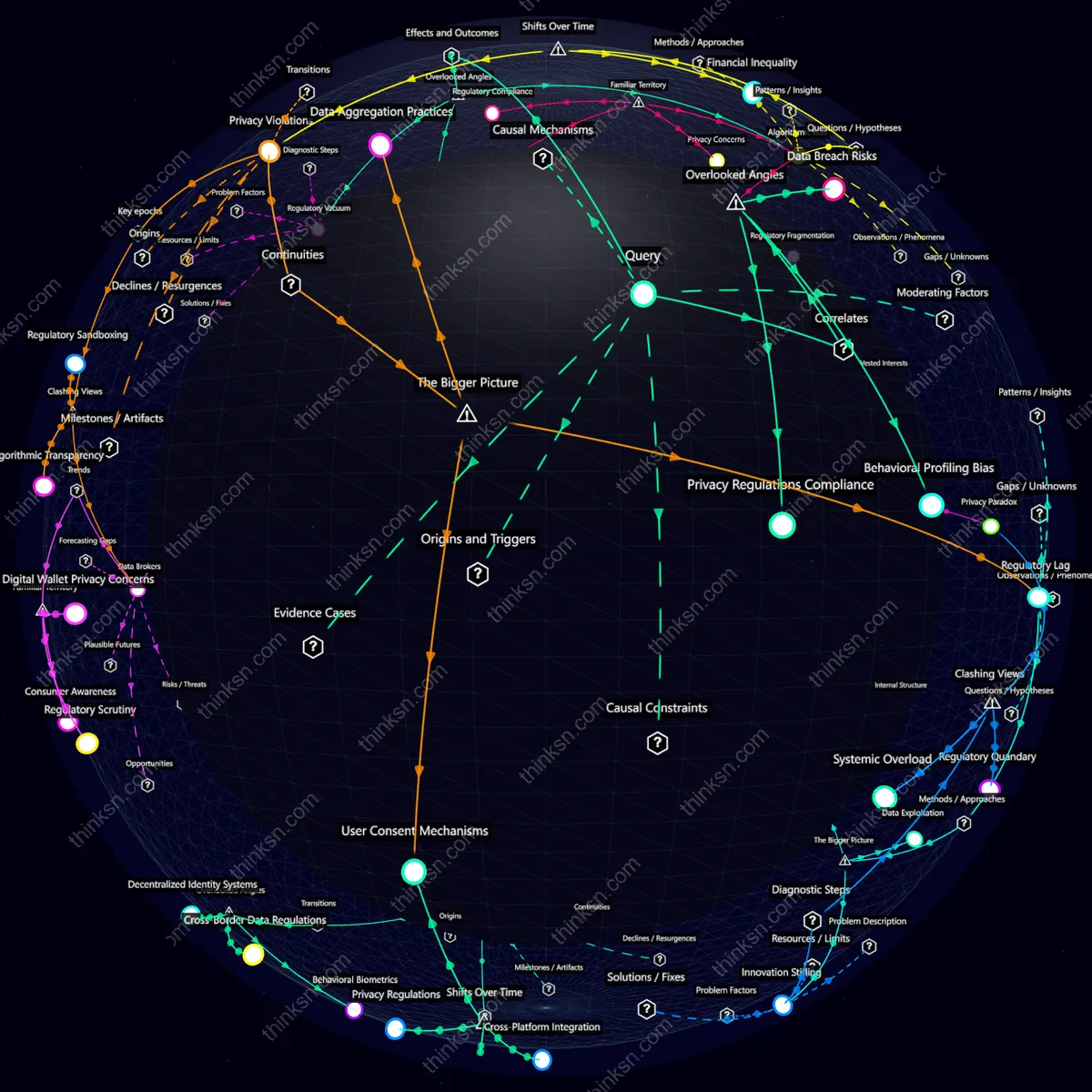
Blockchain identity systems can keep user data private only if old identifiers can be linked over time. This link depends on using the same pseudonym across transactions. Under eIDAS 2.0, EU countries must rotate these pseudonyms regularly. Each new transaction uses a new cryptographic identifier. ENISA supports this approach for self-sovereign identity systems. Even if verification events are logged with timestamps, the user's pseudonym changes every time. This breaks the connection between past and future attestations. A steady pattern of use cannot form. Cross-platform tracking of users relies on persistent identifiers. With frequent rotation, that persistence ends. In systems that follow EU rules, identifiers change too often for stable profiles to emerge. Most digital identity wallets in Europe are built to rotate keys by design. This means user behavior patterns cannot be reliably reconstructed at scale.
If platforms shift to zero-knowledge proofs for reputation, does the need for behavioral history linkage collapse or merely relocate into the proof generation layer?
Worker Tracking
Worker tracking persists because behavioral metadata is embedded in proof structures, allowing platforms to monitor performance even when identities are hidden.
Platforms use algorithmic management to monitor performance. They track behavior patterns even when identities are hidden. This is done using metadata like timing and frequency of actions. Identities may be secured with advanced privacy tools. But patterns of behavior are still recorded. Centralized systems keep data on when actions happen. They record how often tasks occur. They note the outcomes of each action. These details allow platforms to assess workers. The OECD documented this in 2022. Reputation scores depend on consistent behavior over time. These systems use machine learning models. The models learn from past behavior sequences. They require structured data inputs. These inputs contain traces of user actions. Privacy tools may hide identities. But they do not hide action patterns. The structure of the data itself reveals behavior. This means tracking continues by design. Behavioral history remains essential. It is built into how proofs are created and verified. Platforms preserve surveillance through metadata.
What would happen if workers collectively refused to accept algorithmically scored behavioral classifications as valid grounds for deactivation?
Algorithmic Job Firings
Automated worker firings are possible not because the technology is final, but because current laws do not give workers the right to challenge them.
Gig platforms have far more power than workers in their contracts. These contracts are set entirely by the platforms. Workers must accept them as they are. The law often protects this imbalance. Legal rules shield platforms from worker challenges. This includes how platforms use automated systems to rate and fire workers. Such systems make decisions without oversight. They often lack transparency. But the key issue is not the technology itself. It is that legal systems allow platforms to avoid accountability. Courts routinely accept platform ratings as final. Workers rarely get a chance to question them. This was shown in labor cases reviewed by the ILO. Most tribunals did not question the platforms' data. They accepted it without review. As a result, workers cannot effectively resist. Their refusal has no force unless the law changes. Some countries are beginning to act. In Germany, regulators looked at Uber's deactivation system. They saw it as a form of workplace control. It was treated as a labor issue, not just a contract. This allowed for legal review. The real driver of automated firings is not the software. It is the lack of legal rights for workers. Only when the law treats algorithmic decisions as managerial acts can workers fight back. This shift must happen in court systems and regulations.
Worker Control By Algorithm
Worker control by algorithm persists because platforms deny the right to appeal, making resistance effective only when backed by laws that require transparency and redress.
In the gig economy, workers' ability to challenge unfair treatment depends on their right to contest decisions made by computer systems. Companies like Uber use secret scoring methods to classify and remove drivers. These decisions are often final, with no real chance to appeal. Workers can be deactivated based on risk scores they cannot see or question. This is not mainly about privacy but about lacking rights to fight back. The power lies in the platform's final say over worker status. These systems treat data as private property, avoiding public review. Even when workers protest, their actions fail without legal support. Only when rules require clear explanations and fair appeals do group efforts succeed. Strong laws like the EU AI Act create paths for effective resistance. Without them, workers are left without voice or remedy.