Coastal Cities Evacuation Plans as Sea Levels Rise Quickly
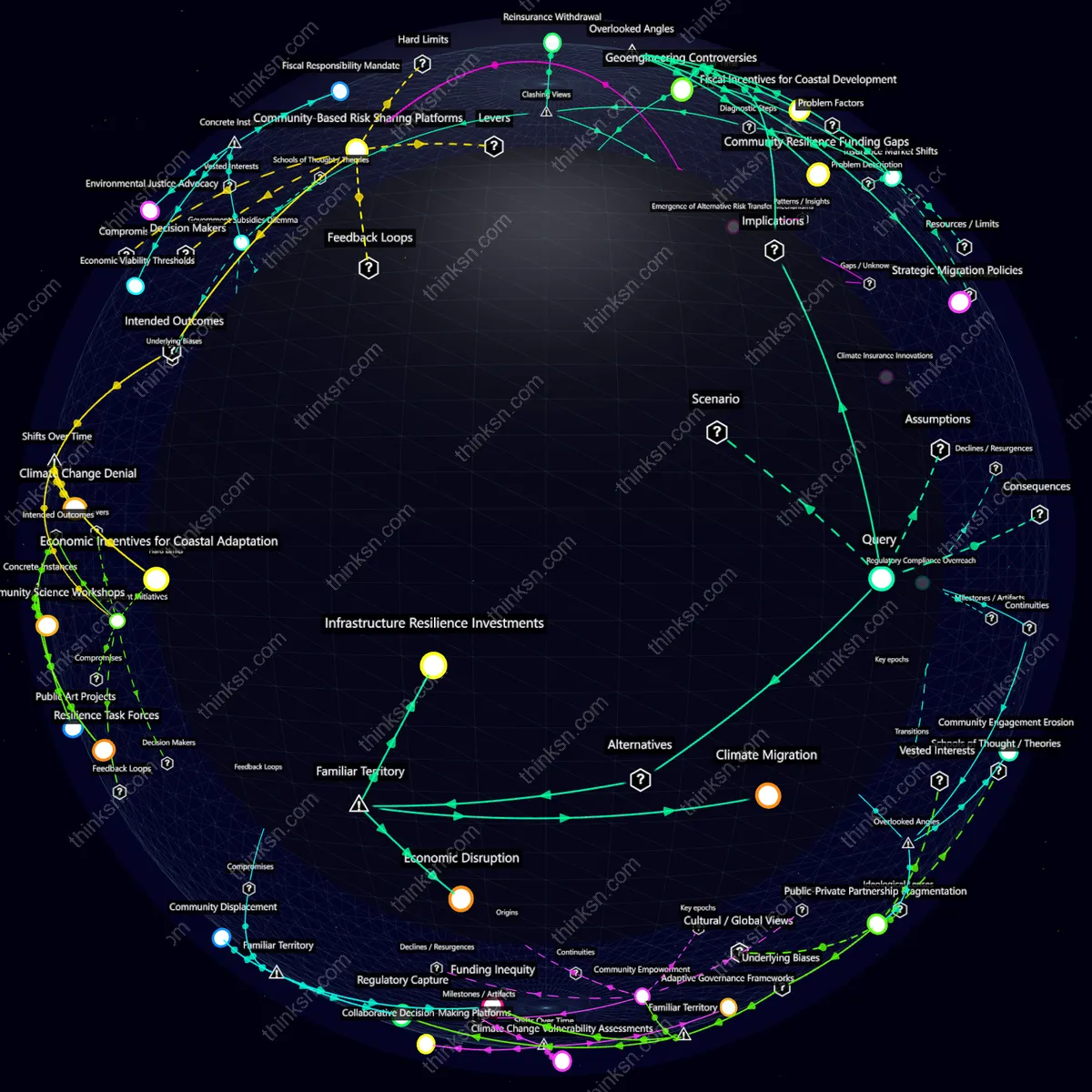
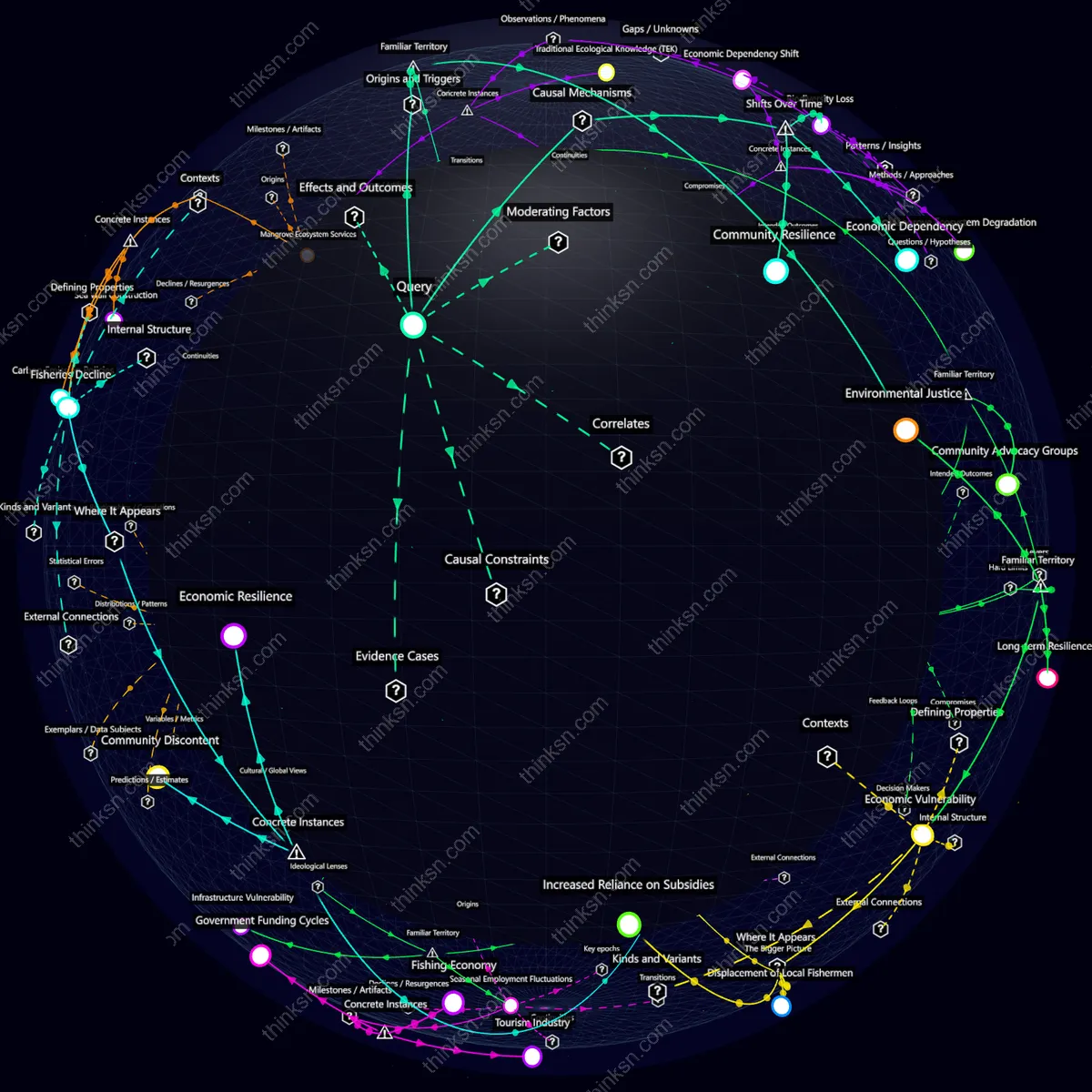
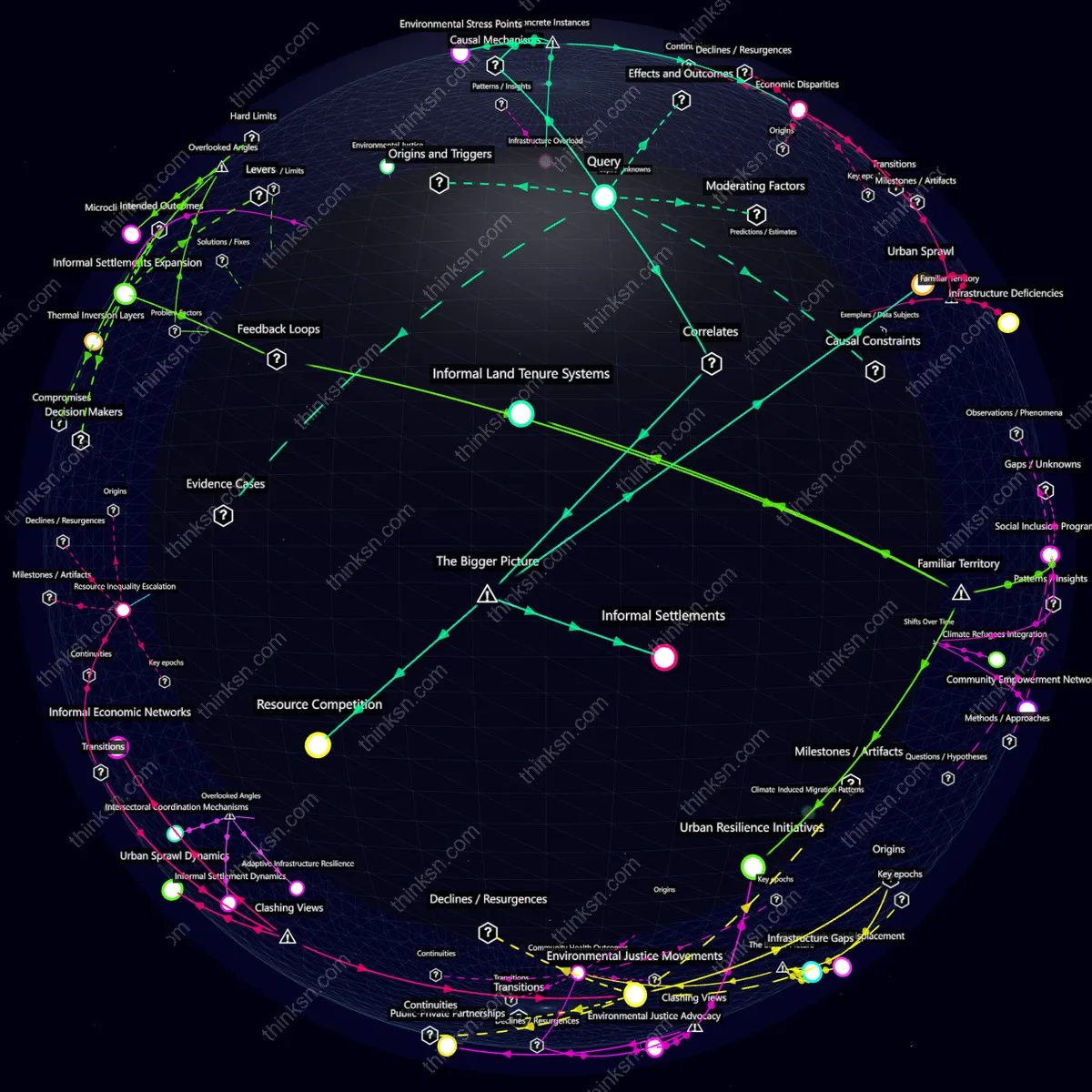
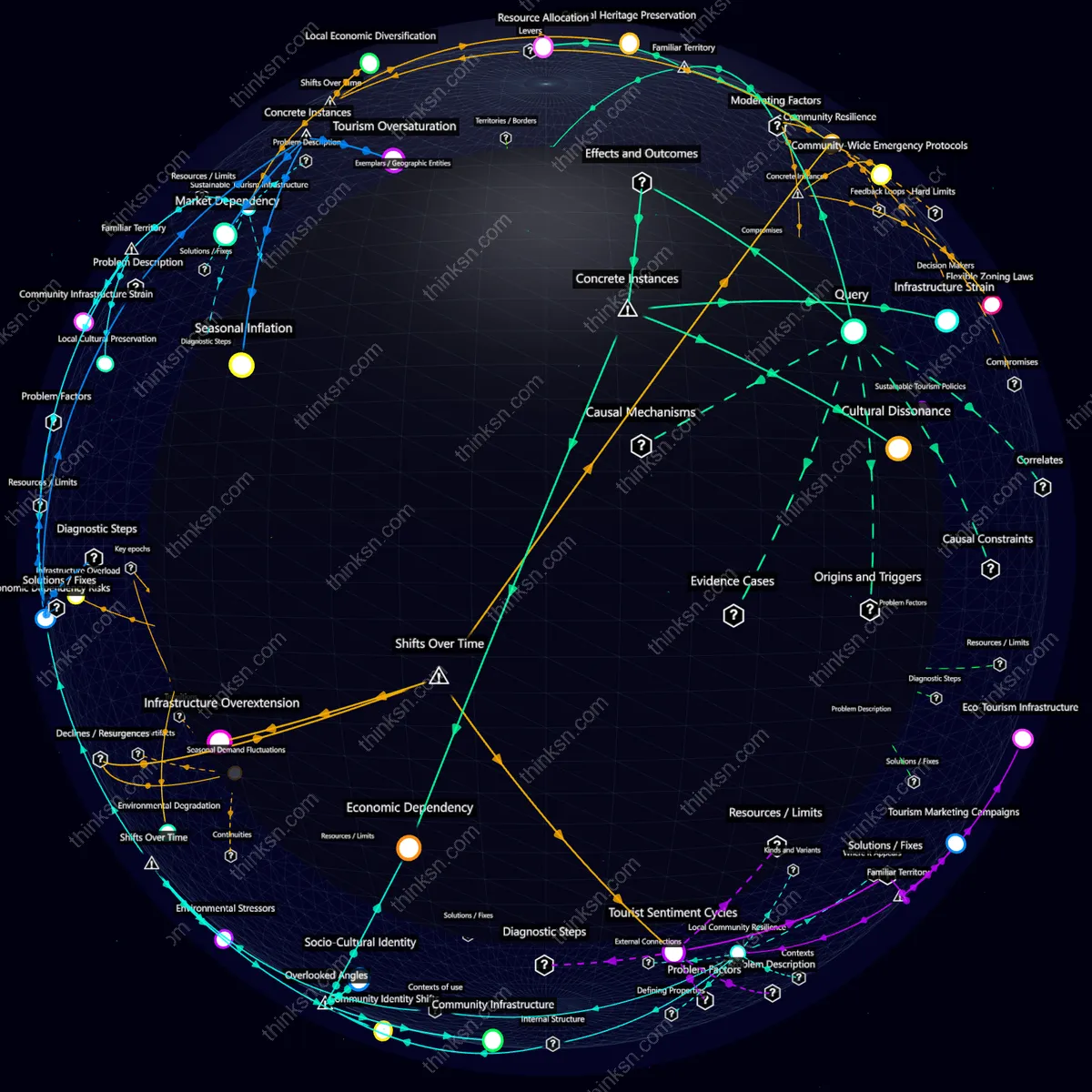
Analysis reveals 6 key thematic connections.
Key Findings
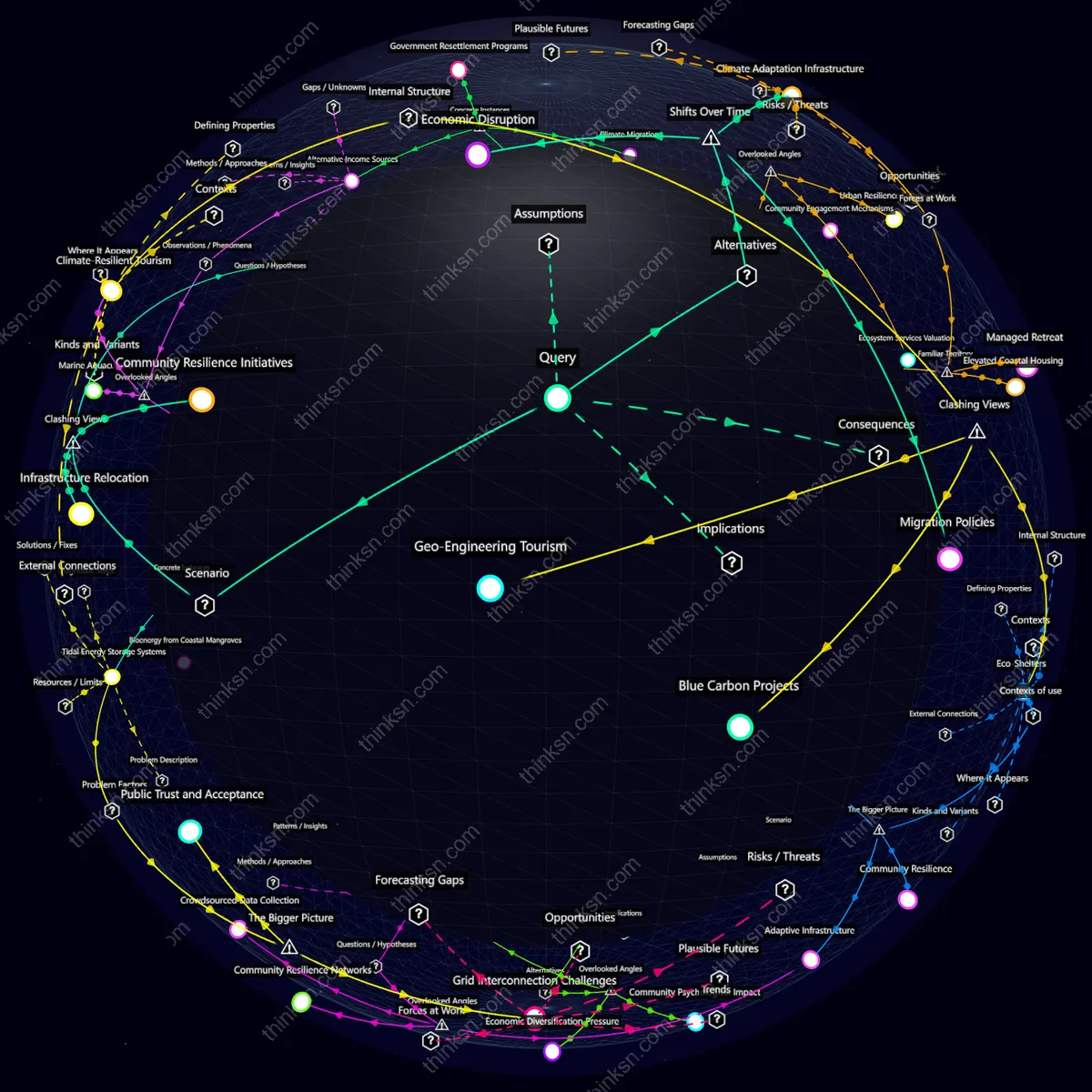
Infrastructure Relocation
The mass relocation of critical infrastructure inland not only disrupts local economies but also amplifies social inequalities as wealthier residents can afford to rebuild in safer areas, while poorer communities are left behind with inadequate resources.
Economic Dependency on Tourism
Coastal cities heavily dependent on tourism face an economic crisis if forced evacuations deter visitors indefinitely. This scenario underscores the fragility of coastal economies and their reliance on unpredictable visitor patterns, leading to a potential shift towards alternative income sources.
Community Resilience Initiatives
Communities that prioritize resilience-building initiatives over immediate relocation may find themselves better prepared for long-term challenges. However, this approach requires substantial upfront investment and coordination among diverse stakeholders, posing significant logistical and political hurdles.
Climate Adaptation Infrastructure
Investments in climate adaptation infrastructure can shift the focus from evacuation to resilience, but may divert resources from immediate needs and exacerbate inequalities if benefits are unevenly distributed.
Migration Policies
Rapid implementation of strict migration policies by coastal cities could lead to humanitarian crises as displaced populations face limited options for relocation, highlighting the need for coordinated international responses.
Economic Disruption
Forced mass evacuations can trigger significant economic disruption in affected regions, impacting local businesses and industries that rely on coastal areas, potentially leading to long-term unemployment and social instability.
Deeper Analysis
How will economic dependency on tourism in coastal cities evolve over time as a response to forced mass evacuations due to rising sea levels?
Alternative Income Sources
As coastal cities face forced evacuations due to rising sea levels, the shift towards alternative income sources will accelerate. This transition may lead to short-term economic instability as tourism-dependent businesses struggle to adapt or relocate. However, diversification can mitigate risks associated with climate change and natural disasters.
Climate Migration
Mass evacuations due to rising sea levels in coastal cities will drive significant internal migration towards inland areas. This demographic shift can strain local infrastructure and services, exacerbating urban sprawl and potentially isolating former tourism hubs. The resulting economic restructuring may create new opportunities for sustainable development but also risks of social dislocation.
Government Resettlement Programs
In response to forced evacuations, governments will implement resettlement programs aimed at relocating displaced populations and revitalizing affected areas. These efforts can be costly and politically contentious, often leading to delays or inadequate support for those most affected. Successful implementation requires careful planning to avoid exacerbating existing social inequalities.
How will climate adaptation infrastructure evolve in coastal cities to address forced mass evacuations due to rising sea levels over the next decade?
Elevated Coastal Housing
As sea levels rise, elevated coastal housing emerges as a critical component of climate adaptation infrastructure. However, this solution can exacerbate socioeconomic inequalities, leaving lower-income residents in flood-prone areas while wealthier individuals move to safer, higher grounds.
Managed Retreat
The concept of managed retreat gains traction as a proactive measure against forced mass evacuations. Yet, the implementation faces significant political and social resistance, with communities often unwilling to abandon their homes and local economies built over generations.
Nature-Based Solutions
Ecosystems like mangroves and coral reefs are recognized for their ability to absorb storm surges and protect coastal cities. However, the reliance on these natural barriers can be fragile due to ongoing environmental degradation elsewhere, potentially undermining their protective capacity.
How might coastal cities explore alternative income sources to mitigate economic impacts from forced mass evacuations due to rising sea levels over the next decade?
Marine Aquaculture
Coastal cities investing in marine aquaculture as an alternative income source could shift local economies towards sustainable food production, yet this diversification strategy may attract invasive species and strain existing fishing communities who fear competition for resources.
Climate-Resilient Tourism
By developing climate-resilient tourism initiatives that highlight unique coastal adaptations to rising sea levels, cities can attract eco-conscious travelers seeking authentic experiences. However, this could inadvertently prioritize short-term economic gains over long-term environmental sustainability and community resilience.
Renewable Energy Projects
Expanding renewable energy projects like offshore wind farms might offer a stable income source but requires significant upfront investment and collaboration with federal agencies. This can lead to delayed implementation, leaving coastal communities vulnerable during the transition period.
Explore further:
- How are coastal cities incorporating climate-resilient tourism strategies in their planning to mitigate forced mass evacuations due to rising sea levels over the next decade?
- What hypothetical scenarios can coastal cities explore by integrating renewable energy projects into their strategic responses to forced mass evacuations caused by rising sea levels over the next decade?
What are the emerging perspectives on how nature-based solutions can be effectively integrated into coastal city planning to mitigate forced mass evacuations due to rising sea levels over the next decade?
Urban Resilience Frameworks
The integration of nature-based solutions into urban resilience frameworks can shift city planners' focus from short-term infrastructure fixes to long-term adaptive strategies, potentially leading to increased upfront costs but substantial savings in the long run. However, this approach hinges on sustained political will and public support, which may falter amid economic downturns or competing priorities.
Ecosystem Services Valuation
Valuing ecosystem services provided by nature-based solutions can enhance their attractiveness for coastal city planning but also risks commodifying natural assets. This could lead to market-driven decisions that prioritize quick financial returns over long-term ecological benefits, undermining the very resilience these solutions aim to foster.
Community Engagement Mechanisms
Effective nature-based solutions require robust community engagement mechanisms to ensure local buy-in and maintain social cohesion. However, inadequate or poorly implemented engagement can exacerbate existing inequalities by excluding marginalized groups who often bear the brunt of environmental risks but lack a voice in decision-making processes.
How are coastal cities incorporating climate-resilient tourism strategies in their planning to mitigate forced mass evacuations due to rising sea levels over the next decade?
Eco-Shelters
Coastal cities are experimenting with eco-shelters as a means to absorb and redirect tourist flows during peak storm seasons, but these temporary accommodations often rely on fragile supply chains for materials and energy. A disruption in any link can exacerbate local shortages and strain the city's resilience.
Blue Carbon Projects
Cities investing heavily in blue carbon projects to bolster their coastal defenses against rising sea levels may inadvertently prioritize large-scale, industrial solutions over smaller, community-driven initiatives. This could marginalize local voices that offer crucial insights into traditional adaptation methods and ecological wisdom.
Geo-Engineering Tourism
The promotion of geo-engineering tourism to showcase climate intervention technologies like artificial cloud seeding can create a false sense of security among visitors, masking the urgent need for systemic changes in urban planning and infrastructure. This could delay critical actions needed for long-term resilience.
What hypothetical scenarios can coastal cities explore by integrating renewable energy projects into their strategic responses to forced mass evacuations caused by rising sea levels over the next decade?
Floating Solar Farms
Coastal cities integrating floating solar farms into their emergency response plans may face unexpected challenges such as increased maintenance costs and potential damage from storm surges, leading to critical delays in evacuation efforts.
Tidal Energy Storage Systems
Cities relying on tidal energy storage systems for power during evacuations could be blindsided by sudden shifts in ocean currents or extreme weather events that disrupt the regularity of tidal flows, leaving them with insufficient backup power when needed most.
Bioenergy from Coastal Mangroves
Developing bioenergy solutions using coastal mangrove forests for biomass can provide renewable energy but may lead to severe ecological disruption and loss of natural storm barriers, exacerbating the need for evacuation and recovery efforts.
What are the architectural components and categories of eco-shelters designed for coastal city evacuations due to rising sea levels over the next decade?
Adaptive Infrastructure
Coastal city planners increasingly focus on adaptive infrastructure as a critical component of eco-shelter design. However, this shift often diverts resources from immediate disaster relief efforts, creating a trade-off between long-term resilience and short-term safety for evacuees.
Rapid-Onset Flooding
The sudden onset of flooding due to storm surges or king tides poses an acute threat to eco-shelters designed without rapid evacuation protocols. This risk highlights the need for flexible, modular shelter designs that can be quickly deployed and reconfigured in response to unpredictable coastal emergencies.
Community Resilience
While eco-shelters aim to enhance community resilience through sustainable practices, their effectiveness heavily depends on pre-existing local knowledge of environmental hazards. Communities with weaker historical ties to natural disaster management may struggle to fully leverage these shelters, underscoring the fragile interplay between technological solutions and socio-cultural preparedness.
What are the potential failures and systemic strains in implementing tidal energy storage systems as a response to forced mass evacuations due to rising sea levels in coastal cities over the next decade?
Grid Interconnection Challenges
As coastal cities implement tidal energy storage systems in response to rising sea levels, grid interconnection challenges can exacerbate systemic strains. These challenges include outdated infrastructure and regulatory hurdles that slow down the integration of renewable sources, potentially delaying critical evacuation support during emergencies.
Public Trust and Acceptance
Public trust in tidal energy storage systems as a reliable evacuation aid is fragile. Technical failures or perceived inefficiencies can erode community confidence, leading to decreased cooperation with emergency protocols. This can complicate orderly evacuations during mass displacement scenarios.
What are the potential quantitative impacts on coastal cities' infrastructure and resources if rapid-onset flooding forces mass evacuations over the next decade?
Infrastructure Damage Costs
Rapid-onset flooding can lead to catastrophic infrastructure damage costs in coastal cities. For instance, a single extreme event might require over $1 billion for repair and reconstruction of roads, bridges, and utilities, straining municipal budgets and diverting funds from other critical services such as education and healthcare.
Evacuation Capacity
The capacity to evacuate populations rapidly in response to flooding is a crucial yet fragile system. Over-reliance on limited transportation networks can lead to dangerous bottlenecks, leaving some residents behind due to lack of access to vehicles or public transit. This exposes the vulnerability of elderly and low-income populations during emergencies.
Freshwater Contamination
Rapid-onset flooding often leads to severe contamination of freshwater supplies in coastal cities. Sewage systems can overflow, mixing with floodwaters, thereby posing significant public health risks. This not only disrupts daily life but also requires extensive cleanup and sanitation efforts that further strain local resources.
Emergency Resource Allocation
Rapid-onset flooding can lead coastal cities to over-rely on centralized emergency resource allocation systems, potentially straining local supply chains and creating bottlenecks. This reliance exposes systemic fragilities when unexpected surges in demand overwhelm limited resources.
Infrastructure Resilience Index
The development of an Infrastructure Resilience Index specific to rapid-onset flooding can inadvertently prioritize certain types of infrastructure over others, leading to neglect of less visible but critical systems like underground utilities and drainage networks. This oversight may cause secondary damage during evacuations.
Economic Displacement
Mass evacuations triggered by rapid-onset flooding often lead to significant economic displacement for low-income residents, who are disproportionately affected due to lack of resources and mobility. This can exacerbate long-term socioeconomic inequalities in coastal cities, complicating recovery efforts.
Explore further:
- What are the emerging strategies for emergency resource allocation in coastal cities facing forced mass evacuations due to rising sea levels, and how do different communities perceive these strategies?
- What would be the impact on the Infrastructure Resilience Index of coastal cities if they implement strategic evacuation plans in response to rising sea levels over the next decade?
What are the emerging strategies for emergency resource allocation in coastal cities facing forced mass evacuations due to rising sea levels, and how do different communities perceive these strategies?
Community Resilience Networks
The emergence of community resilience networks in coastal cities facing forced mass evacuations due to rising sea levels has shifted focus from top-down emergency resource allocation to a more decentralized model. However, this shift can exacerbate inequalities, as wealthier communities may develop robust self-sufficiency while less privileged areas struggle with inadequate resources and support.
Crowdsourced Data Collection
The use of crowdsourced data collection for emergency resource allocation presents an innovative way to gather real-time information about needs during evacuations. However, this approach raises privacy concerns and the risk of misinformation, complicating decision-making processes and potentially undermining trust in official responses.
Adaptive Infrastructure
Investment in adaptive infrastructure as a long-term strategy for emergency resource allocation can reduce immediate pressure on resources during evacuations. Yet, this strategy requires significant upfront investment and may divert funds from immediate relief efforts, highlighting the trade-offs between short-term aid and long-term resilience.
What would be the impact on the Infrastructure Resilience Index of coastal cities if they implement strategic evacuation plans in response to rising sea levels over the next decade?
Emergency Resource Allocation
Implementing strategic evacuation plans may lead coastal cities to prioritize emergency resource allocation towards transportation and communication infrastructure, potentially diverting funds from maintenance of other critical systems like water supply networks or healthcare facilities. This could create a false sense of security in resilience while leaving these areas vulnerable.
Community Psychological Impact
Strategic evacuation plans might foster anxiety among coastal residents due to repeated drills and uncertainty about property safety during evacuations, leading to reduced social cohesion and community support systems. This psychological impact could weaken the overall resilience of infrastructure by undermining the human element critical for its effective operation.
Economic Diversification Pressure
Cities focusing on evacuation strategies in response to rising sea levels may face economic diversification pressures, as businesses and industries dependent on coastal locations reconsider their presence. This could trigger a shift towards inland development, altering urban landscapes and increasing pressure on less developed areas' infrastructure resilience.