Could Stablecoin Failures Spark Crypto Market Collapse?
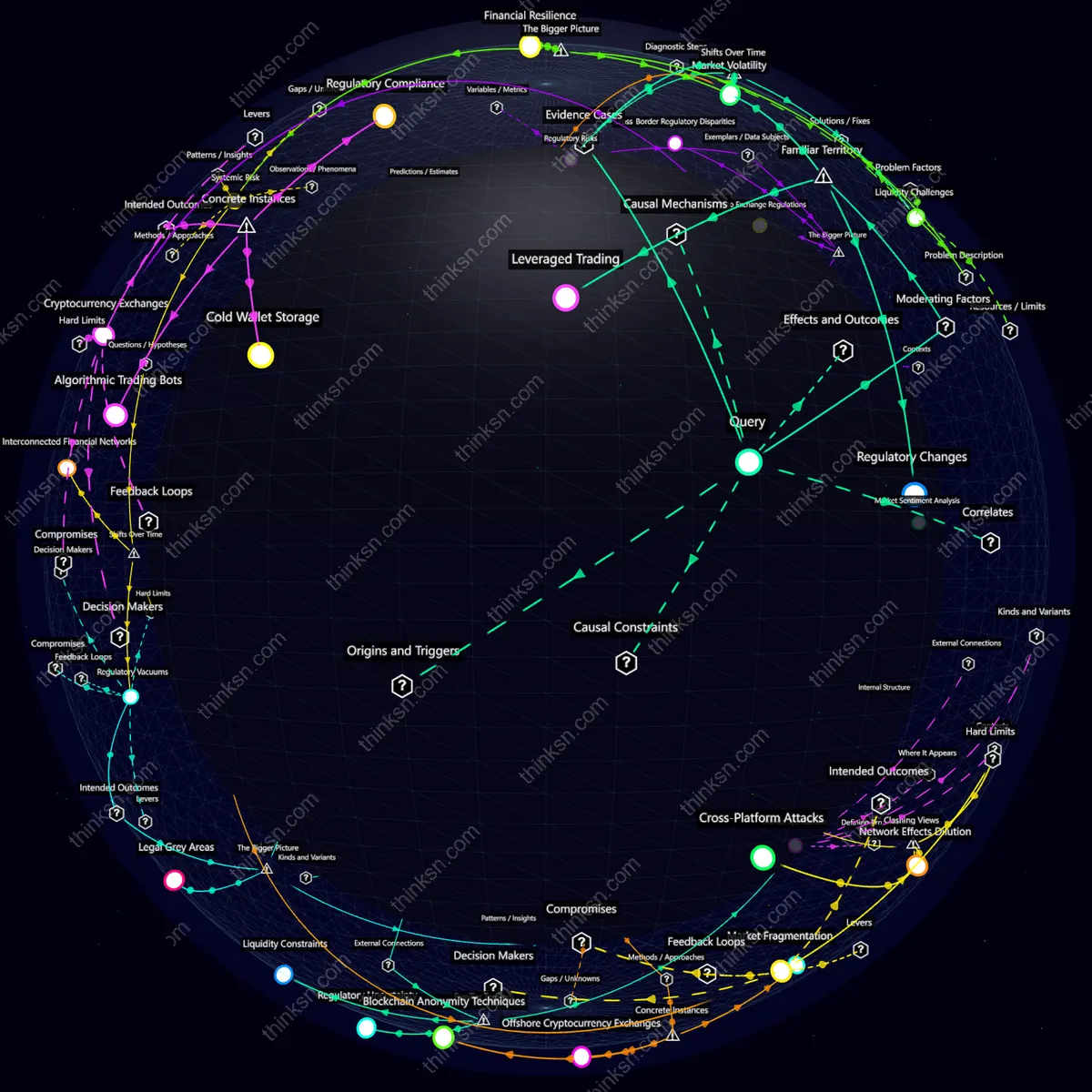
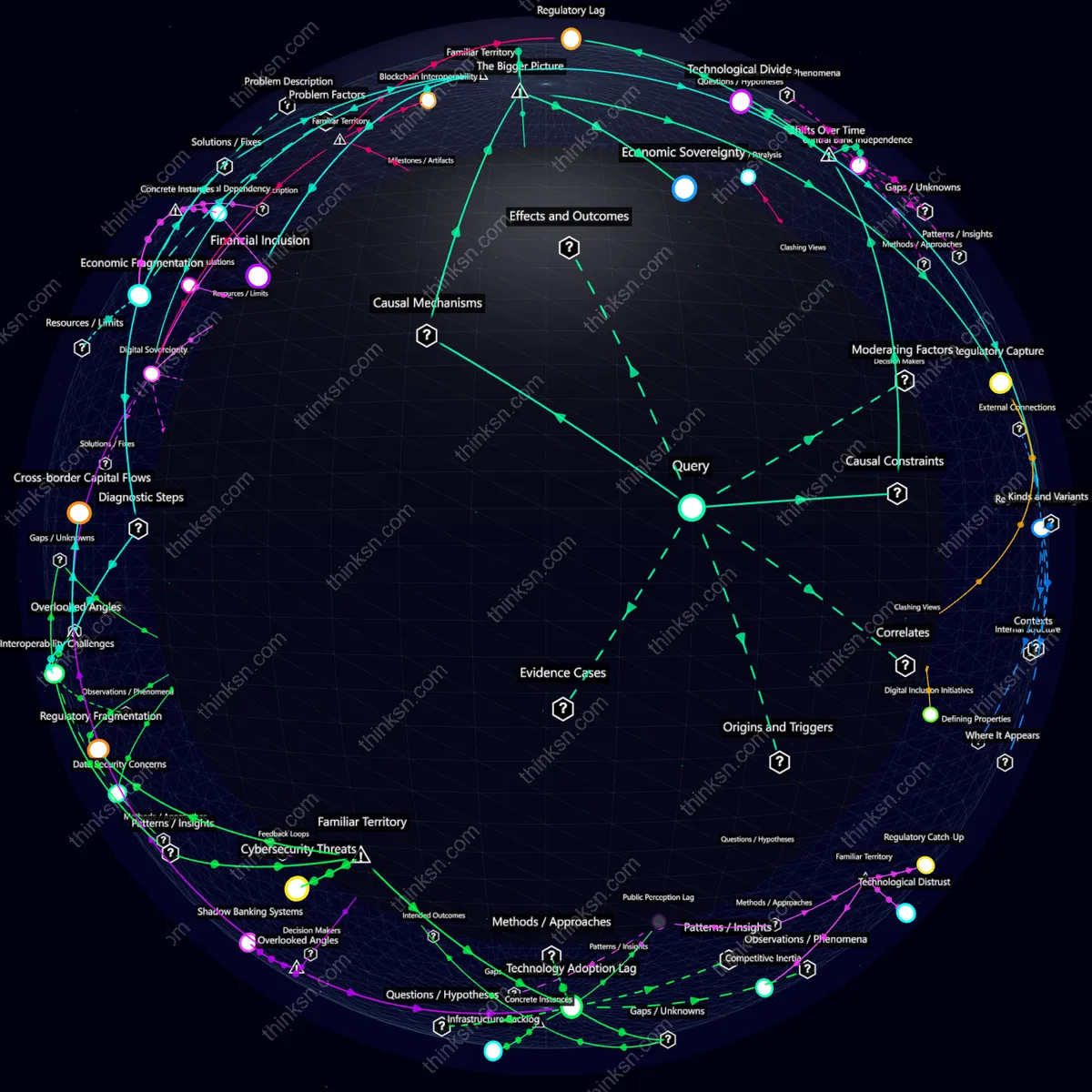
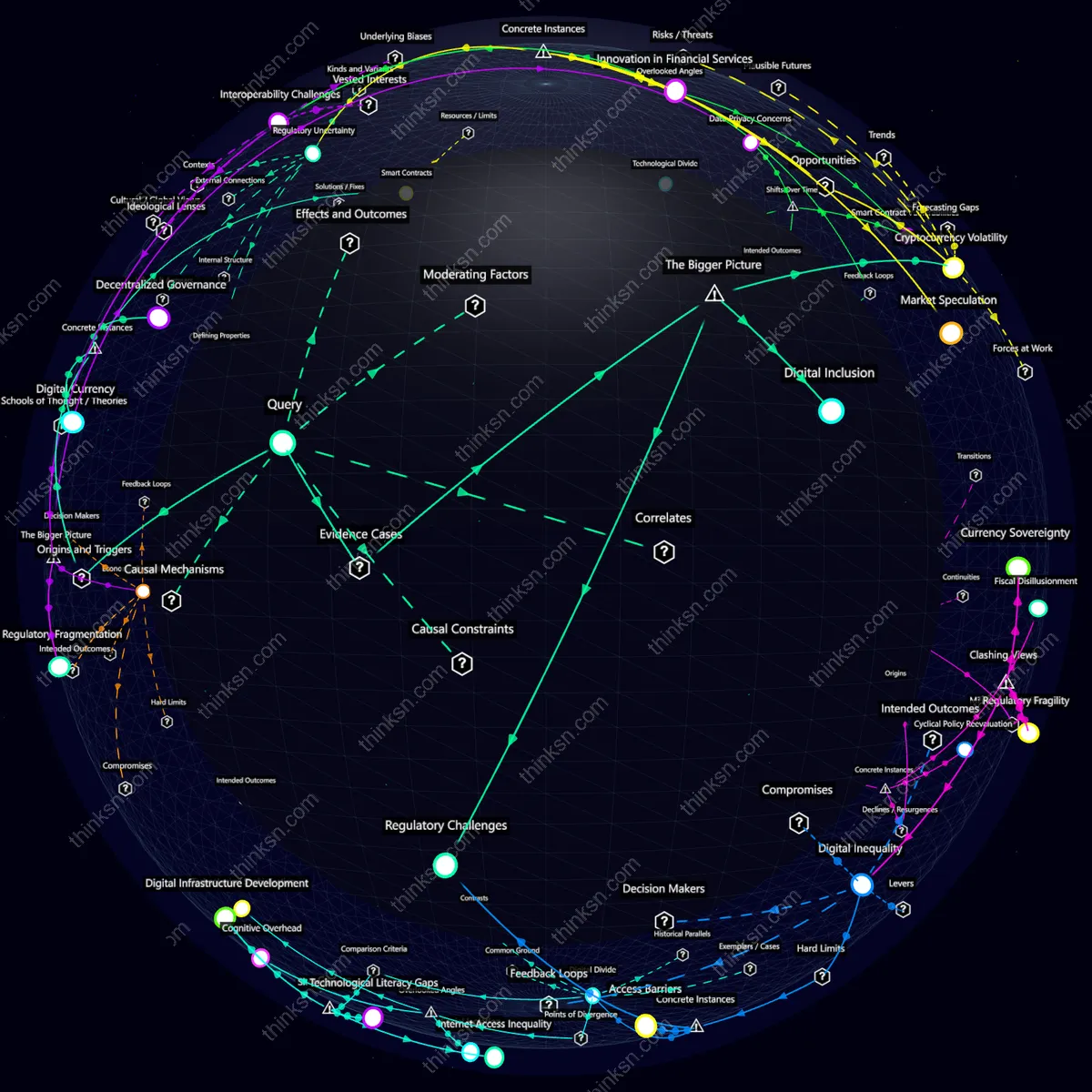
Analysis reveals 5 key thematic connections.
Key Findings
Systemic Interconnectedness
The failure of stablecoins could expose the systemic interconnectedness within the cryptocurrency market, revealing fragile dependencies that amplify contagion risks. Financial institutions and retail investors alike might panic as trust in digital assets erodes, triggering broader sell-offs.
Regulatory Scrutiny
A collapse of stablecoins would likely intensify regulatory scrutiny, compelling authorities to implement stricter oversight measures that could stifle innovation but also stabilize the market. This tension between regulation and technological advancement poses a significant risk for future cryptocurrency development.
Market Confidence
The sudden loss of value in stablecoins can undermine overall market confidence, leading to widespread sell-offs and liquidity crises that could disproportionately affect smaller players and emerging projects. This undermines the decentralization ethos of cryptocurrencies and exposes their vulnerability to centralized financial shocks.
Market Interconnectivity
The failure of stablecoins could exacerbate market interconnectivity risks, triggering a domino effect where major exchanges and lending platforms collapse due to liquidity shortages. This systemic vulnerability highlights the fragile dependencies within the crypto ecosystem.
Investor Confidence
The collapse of stablecoins can severely undermine investor confidence, prompting a rapid outflow of capital from other crypto assets and fostering market panic. This could lead to long-term damage to the reputation of cryptocurrencies as reliable investment vehicles.
Deeper Analysis
How might shifts in investor confidence due to stablecoin failures impact diverse perspectives on wider cryptocurrency market stability?
Market Sentiment
A failure of stablecoins can rapidly shift market sentiment from optimism to skepticism, undermining investor confidence. This dynamic is particularly pronounced in Western markets where rapid information dissemination via social media and financial news platforms amplifies volatility.
Regulatory Scrutiny
The collapse of a major stablecoin may prompt increased regulatory scrutiny globally, but with varying intensities based on cultural attitudes towards risk and innovation. In Western cultures, regulators tend to respond swiftly with stricter oversight, while in non-Western regions like China or Japan, the response might be more covert, focusing on systemic risks without direct intervention.
Cross-Cultural Trust
Shifts in investor confidence due to stablecoin failures highlight cross-cultural trust issues. In Western markets, transparency and regulatory compliance are key factors for restoring trust, whereas in non-Western cultures, community ties and reputation among investors play a crucial role.
Central Bank Digital Currencies (CBDCs)
Shifts in investor confidence towards CBDCs as a safer alternative to stablecoins can accelerate the adoption of government-backed digital currencies, potentially diminishing the decentralized ethos of cryptocurrencies. This realignment benefits traditional financial institutions and governments but may erode user trust in private blockchain networks.
Explore further:
How might market sentiment evolve if stablecoins fail, and what would be the potential impact on the wider cryptocurrency market over time?
Investor Confidence
A failure of stablecoins could erode investor confidence rapidly, as doubts about their stability spread. This erosion might be exacerbated by a lack of clear regulatory oversight and the potential for sudden liquidity crises, leading to broader skepticism in the cryptocurrency market.
Regulatory Scrutiny
Increased regulatory scrutiny would likely follow the failure of stablecoins, as regulators seek to understand and mitigate systemic risks. This could lead to stricter oversight or outright bans in some jurisdictions, impacting the operational freedom and innovation within the cryptocurrency ecosystem.
Alternative Stablecoin Solutions
The pressure on traditional stablecoins might spur the development of alternative solutions that aim for greater transparency, regulation-compliance, or algorithmic stability. However, this rapid evolution could introduce new risks and uncertainties as the market navigates untested waters.
Could the rise of Central Bank Digital Currencies (CBDCs) mitigate risks associated with stablecoin failures and stabilize broader cryptocurrency markets?
Regulatory Capture
The rise of CBDCs could lead to regulatory capture by large financial institutions, as they dominate the development and implementation stages. This could undermine the intended benefits for broader cryptocurrency markets, creating risks that smaller players are excluded or marginalized.
Cross-Border Transactions
CBDCs may disrupt cross-border transaction dynamics, potentially leading to conflicts with existing international financial regulations and governance structures. This can create legal uncertainties and friction, hindering the seamless integration of CBDCs into global markets and limiting their ability to stabilize cryptocurrency ecosystems.
Digital Divide
The adoption of CBDCs could exacerbate digital divides in developing countries with limited access to technology or internet infrastructure. This exclusionary effect risks deepening economic disparities, as those without access are further marginalized from financial systems and the benefits of digital currency.
Explore further:
How might the digital divide exacerbate or mitigate the impact of a stablecoin failure on different segments of the cryptocurrency market over time?
Financial Inclusion Gaps
The digital divide exacerbates financial inclusion gaps by limiting access to stablecoins for underserved populations. This restricts their ability to hedge against economic volatility, reinforcing existing inequalities and potentially isolating them from broader market recovery efforts.
Rural Internet Infrastructure
Weak rural internet infrastructure amplifies the digital divide's impact during a stablecoin failure, as remote areas lack robust communication channels for swift information dissemination. This delay can lead to prolonged economic distress and reduced trust in emerging financial technologies among marginalized communities.
Educational Access Disparities
Disparities in educational access further entrench the digital divide by limiting understanding of stablecoins' risks and benefits, especially for older demographics. This can hinder their ability to navigate market disruptions effectively, leading to prolonged financial insecurity and decreased resilience.
Financial Inclusion
The digital divide exacerbates financial exclusion by limiting access to stablecoins and other crypto assets for underserved populations. This disparity can lead to heightened vulnerability during market downturns, as those lacking digital literacy or infrastructure are unable to diversify their portfolios or seek alternative investments.
Technological Sovereignty
As more users in developed nations adopt stablecoins and other cryptocurrencies, the digital divide reinforces a technological sovereignty gap. This uneven distribution of access amplifies economic inequality, as those without internet connectivity or advanced devices are excluded from the global financial ecosystem, perpetuating existing social hierarchies.
Regulatory Compliance
The digital divide complicates regulatory compliance for stablecoins by creating a fragmented user base. Regulators may struggle to implement uniform standards across regions with varying levels of technological access and literacy, leading to increased risk of fraud or misuse among less connected populations.
Explore further:
How would educational access disparities affect the resilience of cryptocurrency markets in the event of stablecoin failures?
Financial Literacy Inequity
In regions with limited educational access, financial literacy remains underdeveloped. This inadequacy means that individuals are less likely to understand the intricacies of cryptocurrency markets and stablecoins, leading them to be more vulnerable during market failures or crashes. Without a robust understanding of these systems, communities may face exacerbated economic instability.
Digital Divide
The digital divide exacerbates educational access disparities by limiting internet connectivity and device availability in underserved areas. This gap hinders individuals from participating fully in the cryptocurrency market, where online transactions and decentralized finance platforms are essential. Consequently, stablecoin failures disproportionately impact these communities, as they lack alternative financial tools to mitigate risk.
Institutional Trust Deficit
Communities with educational access disparities often experience a significant institutional trust deficit, especially towards traditional banking systems and large corporations. This mistrust can lead them to rely more heavily on decentralized finance (DeFi) platforms and cryptocurrencies as perceived alternatives. However, this increased dependency makes these communities particularly vulnerable when stablecoins fail, due to their limited understanding of the underlying risks.
Digital Literacy Gap
The digital literacy gap exacerbates educational access disparities by limiting students' ability to engage with online learning platforms and cryptocurrency-related financial education tools. This disparity can hinder the development of a knowledgeable user base for stablecoins, potentially increasing market volatility when these instruments fail due to widespread lack of understanding.
Financial Inclusion
In regions where educational access disparities are significant, financial inclusion programs often struggle to integrate cryptocurrency education into their offerings. This exclusion can lead to a situation where stablecoin failures disproportionately affect marginalized communities that rely on traditional banking systems for stability and savings.
Regulatory Compliance
Educational access disparities complicate regulatory compliance efforts in the cryptocurrency space, as individuals without adequate financial education may inadvertently engage in illegal activities or face significant risks from unstable currencies. This can lead to stricter regulations that further isolate disadvantaged populations who lack the resources to navigate complex legal frameworks.
Explore further:
- How might the evolution of financial inclusion affect the stability and resilience of stablecoins in the face of market failures, and consequently impact broader cryptocurrency markets over time?
- What regulatory compliance strategies could mitigate the risk of a wider cryptocurrency market crash following stablecoin failures?
What regulatory compliance strategies could mitigate the risk of a wider cryptocurrency market crash following stablecoin failures?
Market Interdependence
Regulatory Compliance's strict enforcement of stablecoin regulations can paradoxically increase market interdependence. As regulators clamp down on risks associated with stablecoins, the pressure mounts for crypto firms to diversify their operations and find alternative revenue streams, potentially reinforcing interconnections between different cryptocurrency markets.
Liquidity Hoarding
Regulatory Compliance measures aimed at preventing a market crash can inadvertently encourage liquidity hoarding among institutional players. Firms may prefer to hold onto large reserves of liquid assets rather than actively participate in trading, leading to reduced overall market liquidity and heightened volatility during critical times.
Cross-Border Regulatory Disparities
As regulatory compliance strategies vary across different jurisdictions, cross-border regulatory disparities can create safe havens for less regulated stablecoins. This fosters a competitive landscape where some firms might exploit these differences, undermining the effectiveness of stricter regulations in other regions.
Market Volatility
Regulatory compliance strategies aiming to stabilize the cryptocurrency market through stricter oversight of stablecoins can inadvertently introduce new layers of complexity and costs for smaller players. This may lead to a consolidation where only larger, more resourceful entities can afford to navigate these regulations, exacerbating market concentration and potentially stifling innovation.
Systemic Risk
Efforts to enhance regulatory compliance by imposing stricter controls on stablecoins could create systemic risk if regulators fail to appreciate the interconnectedness of different crypto assets. Overly restrictive measures might push speculative activities underground, increasing the likelihood of shadow markets that are harder to monitor and regulate effectively.
Regulatory Arbitrage
Crypto firms may exploit differences in regulatory standards across jurisdictions through regulatory arbitrage if compliance strategies vary widely between countries. This could undermine global efforts to mitigate risks from stablecoin failures, as firms move operations and assets to regions with less stringent oversight.
What is the relationship between stablecoin failure and market volatility in the cryptocurrency ecosystem?
Liquidity Provision
The failure of a stablecoin can severely disrupt liquidity provision in decentralized finance (DeFi) platforms. This sudden withdrawal of liquidity by users and automated bots due to fear of contagion leads to increased market volatility, making it harder for traders to execute orders at fair prices.
Regulatory Uncertainty
The collapse of a stablecoin often triggers regulatory scrutiny and potential intervention, which introduces significant uncertainty into the cryptocurrency ecosystem. This uncertainty can cause market participants to reassess risk profiles and adjust trading strategies, leading to unpredictable shifts in asset prices and increased volatility.
Network Effects
Stablecoins are often integral to various DeFi applications like lending and borrowing platforms, which rely on stable assets for collateral. If a stablecoin fails, it can trigger cascading defaults across these interconnected systems, amplifying market volatility through network effects that were previously unseen or underappreciated.
Systemic Risk
Stablecoin failure amplifies systemic risk in the cryptocurrency ecosystem by undermining investor confidence. This can trigger a cascade of withdrawals and sell-offs, destabilizing other assets and reinforcing market volatility through negative feedback loops.