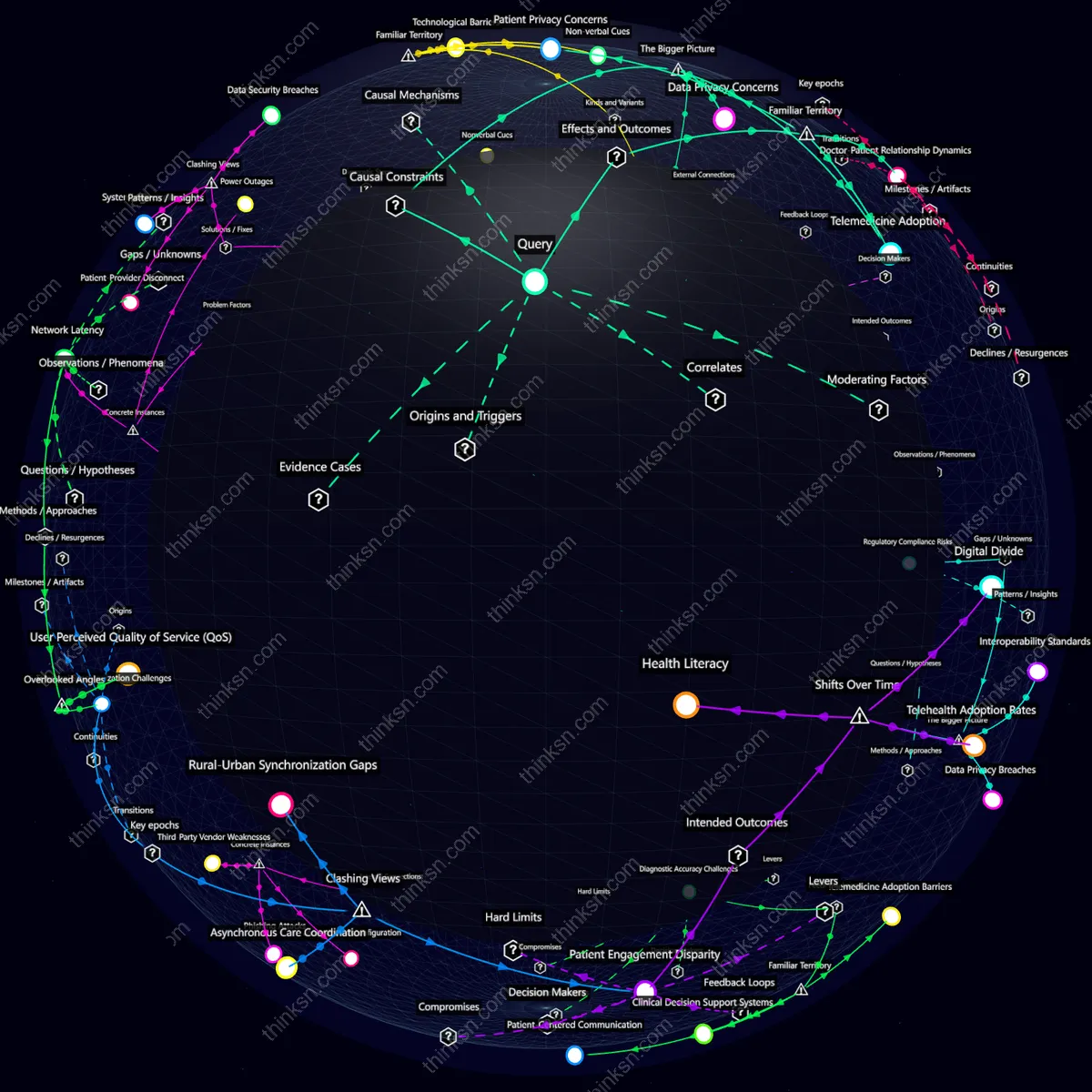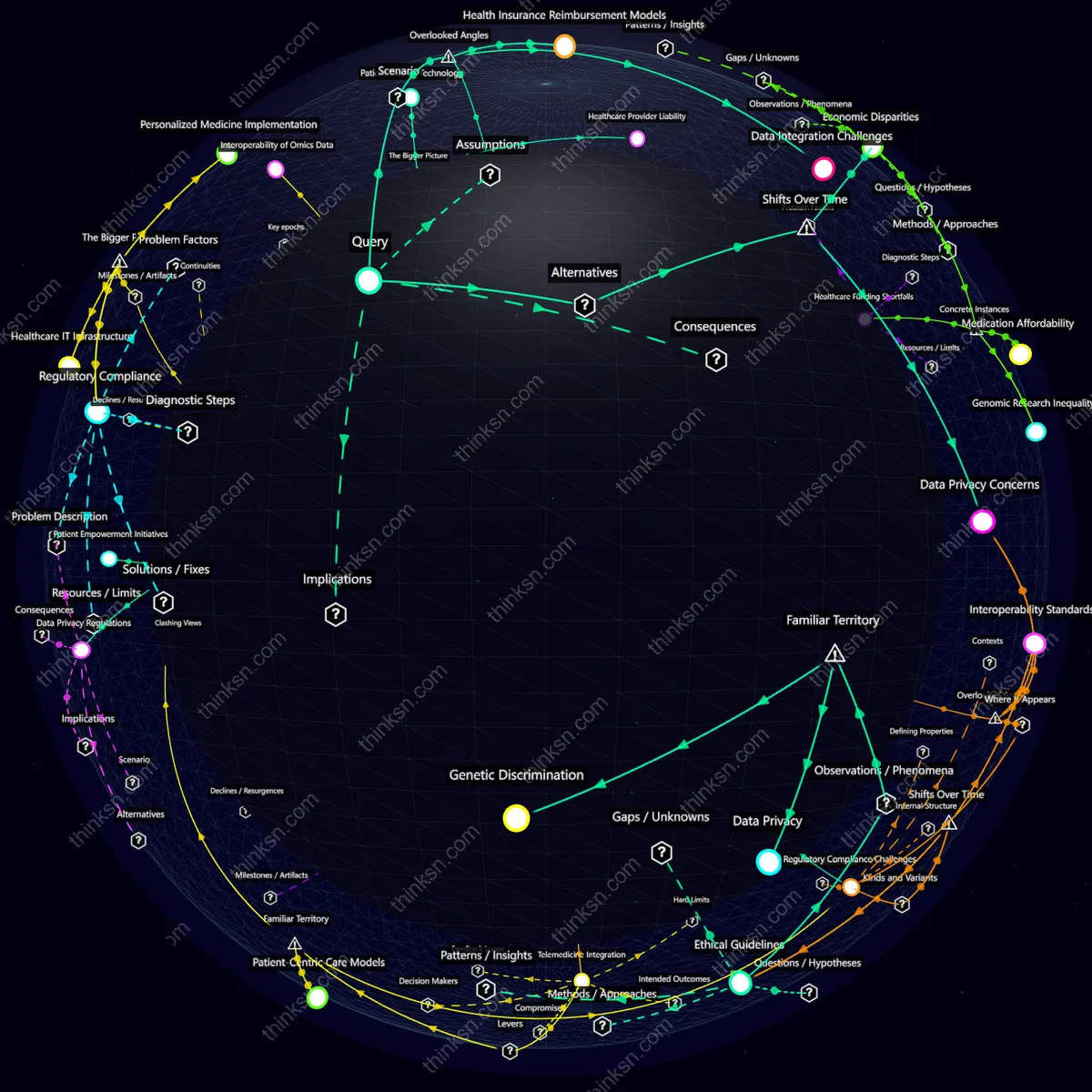
How Public Health Systems Can Handle a Pandemic with Telemedicine Only
Key Findings
Telemedicine Breaking Point
Telemedicine keeps primary care running in early outbreaks by managing mild cases remotely, but fails when hospital overflow demands in-person care.
Public health systems can handle early pandemic cases using telemedicine. This works when most patients have mild symptoms. Teleconsultations help spare hospital space and staff. But the system starts to fail when infections grow too fast. Many patients then need in-person exams and hospital beds. At this point, telemedicine alone is not enough. Hospitals reach their limits. The shift happens because severe cases require hands-on care. This has been seen in systems like the NHS during early COVID-19. As long as digital access is good and rules for care are centralized, telemedicine delays the breaking point. But once hospital capacity is overwhelmed, care collapses quickly.
Deeper Analysis
What happens to telemedicine's effectiveness in a pandemic when internet access becomes unstable due to increased demand or infrastructure failure?
Broken Internet Breaks Care
Telemedicine fails during pandemics when internet instability breaks real-time coordination, causing local clinics to bypass central protocols and misroute critical cases.
During a pandemic, weak internet connections reduce the effectiveness of remote medical care. This happens not just because of slow bandwidth. The real problem is that health systems rely on constant digital contact to coordinate patient priorities. When internet service fails, it breaks the link between central command and local clinics. Doctors must then make decisions on their own. They fall back on local rules, not the shared system. This leads to poor use of hospital resources. Critical patients do not get help fast enough. This occurred in large health networks early in the pandemic. In big cities, short outages delayed urgent care. Clinicians had the facts, but feedback loops were cut. Central systems could not adapt. Real-time data is key to fast responses. Even brief internet gaps disrupt the whole routing system. Telemedicine fails not because of lack of beds or doctors, but because split-second coordination is lost. When timing fails, care collapses.
Pandemic Data Gaps
Pandemic response fails when frontline clinics submit incomplete data, because central systems cannot accurately assess disease spread without reliable local reporting.
During pandemics, public health systems rely on accurate reports from frontline clinics to track disease spread. These reports depend on consistent clinical data collection. When internet problems disrupt telemedicine, the key issue is not poor communication or decision delays. The real problem is missing or inconsistent data from local providers. Without clear data, central health authorities cannot assess the true disease burden. This leads to poor resource allocation, even in countries with advanced health systems. The failure begins at the point of care. Incomplete reporting distorts national situational awareness. During the 2020-2021 pandemic, places like the UK and Canada faced delays. Their strong digital health systems could not compensate for flawed frontline data. Reliable internet helps, but it is not the main factor. What matters most is standardized patient data from local clinics. Without that, centralized triage systems cannot respond effectively.
Telemedicine During Blackouts
Telemedicine fails during internet outages because broken connections prevent accurate diagnosis and timely care.
Telemedicine works well when internet connections are stable. During the 2020 pandemic, the VA kept treating patients online. Video visits helped manage chronic and mild cases. This worked because the system had strong, reliable networks. Care relied on clear, real-time communication. Doctors could monitor patients and make timely decisions. But when internet service faltered, problems arose quickly. High demand or outages broke the connection. Remote consultations failed. Vital health data could not be shared. Doctors lost the ability to assess patients accurately. Without physical exams or steady data, decisions worsened. Critical cases were harder to manage. Resources went to the wrong patients. Delays in care led to avoidable harm. When networks fail, telemedicine collapses. Patient outcomes decline.
Telemedicine During Outbreaks
Telemedicine works during internet outages when a single, integrated digital health system keeps data sharing and care coordination intact.
During a pandemic, internet networks can become overloaded. This affects how well telemedicine works. In countries like India, many different health providers run telemedicine systems. These systems often fail to share information when network problems occur. Patient care suffers because decisions are made in isolation. Critical cases may not get urgent help quickly. In contrast, countries like Estonia have a single integrated digital health system. This system keeps working even when internet access is poor. It sends only essential medical data using low bandwidth. It authenticates users and stores patient records locally. Triage decisions remain consistent. Systems succeed because they rely on unified health information and identity networks. Effective telemedicine during network stress requires one coordinated national system.
Telemedicine During Outages
Telemedicine fails during network outages because it depends on constant data flow to match patients with limited hospital resources, and broken connections disrupt this coordination, making virtual triage unworkable.
When internet connections become unstable during a pandemic, telemedicine works less well. This happens not just because patients get disconnected. Critical care systems need constant, fast data flow to assign medical help where it is most needed. During the first wave of COVID-19, the NHS Direct system showed a clear problem. When network reliability fell below 90%, symptom-checking tools could not link with hospital bed and ventilator records. This broke the chain between identifying severe cases and admitting them to care. Centralized health systems like the UK's rely on real-time updates to manage scarce resources. Without stable networks, decisions shift from medical need to what the broken system can handle. Telemedicine only works when networks are reliable. When connections fail, virtual care stops being a realistic main option for treating widespread illness.
Telemedicine During Outbreaks
Telemedicine fails during outbreaks when internet links weaken because care teams lose access to shared data and must improvise, breaking central coordination.
During disease outbreaks, health systems face sudden high demand. Telemedicine can help, but only if networks work well. Strong central control helps manage patient flow. But clear rules for rationing care depend on constant data sharing. Systems like the NHS need live updates from clinics, hospitals, and emergency services. These updates rely on steady internet links. When connections drop below 90% reliability, problems arise. The issue is not just slow internet. It is that doctors and nurses cannot access shared patient records. They also lose access to real-time bed availability data. Without this information, local teams make their own rules. This leads to fragmented care. Even top-down plans fail when teams act alone. Central algorithms cannot guide care if local sites cannot communicate. So telemedicine stops working well when data links break, no matter how strong the central system is.
Explore further:
- Would decentralized triage protocols outperform centralized ones in maintaining resource allocation accuracy during internet outages in a pandemic?
- What happens to telemedicine triage effectiveness when internet access is available but digital literacy among elderly or low-income populations prevents reliable use of remote care platforms?
- Would centralized digital health systems still maintain telemedicine functionality during a pandemic if national digital identity systems become compromised or lose public trust?
- What happens to clinical decision-making authority when network providers, rather than health officials, effectively control access to telemedicine during connectivity shortages?
Would decentralized triage protocols outperform centralized ones in maintaining resource allocation accuracy during internet outages in a pandemic?
Hospital Triage During Blackouts
Decentralized triage fails during internet outages because most health systems lack pre-deployed, standardized decision rules for local use.
When the internet fails, hospitals must still assign patient priority fairly. This only works if clear, agreed-upon rules are already in place at each local clinic. Without live data, decisions fall to local teams. If those teams lack uniform guidelines, their choices become inconsistent. Some may prioritize quickly but inaccurately. Others may delay. Variations grow when there is no common standard. During the 2020–2021 pandemic peaks, U.S. and U.K. emergency rooms made up rules on the spot. Central systems were down or slow. Local improvisation led to unequal care. The failure shows a key truth. Decentralized triage only stays reliable when tested rules are shared in advance. Most health systems have not done this. Therefore, backup plans fail when connectivity fails. Resilience depends not on structure but on ready-to-use norms.
Internet Outage Triage
Centralized triage systems maintain better resource coordination during internet outages because only real-time data integration keeps care decisions synchronized across locations.
National health systems use real-time data to prioritize patients during emergencies. These systems rely on constant internet connections. When the internet fails, central commands can no longer coordinate with local clinics. Local providers then make decisions based on their own judgment. Without shared updates, these local judgments fall out of sync. This lack of coordination leads to misused medical resources. During the 2009 H1N1 pandemic, this problem caused uneven care. Centralized systems fail during outages, but decentralized ones do not fix the problem. Only continuous data flow keeps decisions aligned. Even fragile central systems manage coordination better than fragmented alternatives. Stability in data timing matters more than who holds authority.
What happens to telemedicine triage effectiveness when internet access is available but digital literacy among elderly or low-income populations prevents reliable use of remote care platforms?
Telemedicine Access Gap
Telemedicine triage fails for vulnerable groups because low digital literacy causes inaccurate patient inputs, which distort central health decisions even with good internet access.
During health emergencies, telemedicine relies on patients using digital tools correctly. Many elderly and low-income people have internet access but lack the skills to use these tools well. Without experience in digital interfaces, they struggle to log in, report symptoms, or follow online medical prompts. This leads to mistakes in how they are triaged, even if the system works perfectly. Errors happen not because of slow networks or broken software, but because users cannot interact accurately. When patient input is incomplete or wrong, the whole triage system loses accuracy. Correct data collection is essential for timely care during outbreaks. If people cannot provide reliable information, the system fails its purpose. This problem persists even when trust in institutions and network access are strong. Poor digital literacy undermines the foundation of remote care systems.
Would centralized digital health systems still maintain telemedicine functionality during a pandemic if national digital identity systems become compromised or lose public trust?
Health Data Access
Telemedicine stays functional during identity crises when health data access is split from identity verification and relies on secure, decentralized data systems.
During a pandemic, public trust in digital identity systems can break down. This creates problems for centralized digital health platforms. These platforms keep working only when they separate user identity checks from how they store and share medical data. Estonia uses a system called X-Road that shows how this works. Medical records are linked to government-backed digital identities. But access to these records relies on secure, distributed networks. These networks let doctors retrieve urgent care data quickly. They do not need full identity verification each time. Instead, they use pre-approved records and standard data formats. This means health services keep running even if identity systems fail. The system works because critical data access does not depend on real-time identity checks. It depends on trusted, secure data storage layers that work on low-bandwidth networks. When identity systems are weak or under attack, this design keeps telemedicine alive.
Digital Identity Trust
Digital health systems stay functional during crises only if trust in digital identity remains, because patient care depends on reliable access to records through trusted identity verification.
Centralized digital health systems keep telemedicine working during pandemics. This only happens when digital identity systems are still strong and trusted. These systems need secure access to patient records over time. They also require automated systems that work without constant internet. In places like Estonia, a system called X-Road helps. It allows safe, local access to records through state-issued digital identities. Even with poor network connections, care can continue. But if trust in digital identity drops, problems spread quickly. This can happen during cyberattacks or political crises. When identity systems fail, so does patient access. Patients may be misidentified. Care teams cannot share information across regions. The system's resilience collapses. This breakdown does not come from weak technology. It comes from loss of trust in digital identity. System failure starts not when networks fail, but when confidence in identity erodes.
What happens to clinical decision-making authority when network providers, rather than health officials, effectively control access to telemedicine during connectivity shortages?
Doctor Authority Online
Clinical authority stays strong during network disruptions because regulatory systems and professional standards keep decision-making accountable even when communication is delayed.
During pandemics people worry that poor internet connections will harm medical decision-making. This fear assumes that real-time communication is essential. But in wealthy countries most telemedicine already uses delayed responses. Clinicians review messages and test results when bandwidth is available. They follow legally recognized protocols for triage and treatment. These systems are designed to function even when networks slow down. Medical authority does not vanish during outages. Licensed professionals still make decisions. They do so through standardized workflows. Legal and professional rules remain in place. These rules hold doctors accountable. They ensure care continues even with delayed communication. Network problems do not collapse medical oversight. The structure of healthcare regulation keeps decisions reliable. This is why clinical governance survives internet stress. The real foundation is not connectivity but professional accountability.
Telemedicine During Pandemics
Telemedicine stays reliable during pandemics when health data systems are decentralized and interoperable, because local nodes can operate independently during network outages.
During pandemics, telemedicine often becomes the main way people get care. When internet connections are weak, clinical decisions still need to be sound. This reliability does not depend only on having strong connectivity. Instead, it depends on how health data systems are organized. Countries with better data-sharing systems handled the 2009 H1N1 pandemic more effectively. After that, the U.S. adopted a network that lets health providers share records safely and locally. This system uses standardized rules and decentralized design. When connections fail, local systems can still access patient data. They do this through cached records and local computing power. Systems that do not rely on a central hub keep working during outages. The key factor is not internet speed or stability. It is how data is shared across providers. If governance allows independent, interoperable networks, care continues. Centralized systems are more likely to fail. So, the strength of telemedicine under stress comes from data architecture. Decentralized and interoperable systems maintain care during disruptions.
What happens to clinical decision-making in decentralized care nodes when pre-deployed protocols are absent and internet connectivity is restored after an outage?
Hospital Network Delays
Network outages cause critical delays in patient care because local systems lose sync with central data, and without shared timestamps, they cannot rebuild accurate priority lists.
Public health systems use real-time data to assign patients to intensive care during pandemics. Telemedicine platforms send patient data to central systems that track bed availability. These systems assume constant digital contact between local clinics and central servers. When network outages occur, even for less than five minutes, local systems rely on outdated information. Patient priority lists get rebuilt based on stale data. This causes mismatches between how sick patients are and where they are placed. The NHS found such mismatches led to delays in critical care. These delays grew worse when systems could not agree on the order of events. Algorithms used timestamps to decide urgency, but outages made it impossible to verify sequence. Without shared timing, local nodes could not sync properly. Current fallback plans fail to maintain accurate patient order during disconnection. This happens because no national system used reliable consensus logging during 2020 to 2022. Without such logging, recovery after outages cannot restore true patient priority.
Would centralized telemedicine systems still fail during a pandemic if digital literacy were universal but older adults disproportionately avoided platform use due to distrust in remote diagnosis?
Health Data Sharing
Telemedicine stays reliable during health crises when mandatory health data standards enable automatic, continuous sharing of clinical information across systems.
During a public health crisis, telemedicine systems work best when health data can flow seamlessly between providers. This reliability does not mainly come from strong digital IDs or clear rules for doctors. Instead, it depends on existing national laws that require health data to be shared in a standard way. The U.S. saw this during the 2020–2021 pandemic. Laws like the HITECH Act pushed hospitals to adopt common data standards such as HL7 and FHIR. These standards let clinical information be automatically sorted and sent to the right place. They use structured digital formats that computers can read and process without human help. This means care continues even when digital access is spotty or doctors are overwhelmed. Because data moves reliably, the system keeps working even if other parts fail. The key to keeping telemedicine running is not perfect digital IDs or trust systems. It is having enforced, nationwide rules for how health data must be shared.
What would happen to clinical decision-making authority in telemedicine systems if professional licensing bodies temporarily suspended standard liability requirements during a pandemic?
Doctor Accountability Online
Doctors retain decision authority in telemedicine during crises through established rules for liability and documentation, not connectivity, because these rules maintain accountability and coordination even when communication fails.
In wealthy countries, doctors keep decision-making power in telemedicine during pandemics not because of perfect internet connections. Instead, it comes from formal systems of professional responsibility. These systems are built into national licensing rules and medical liability laws. They stay active even when communication is delayed or interrupted. During the 2020–2021 pandemic, the most stable digital health systems used backup methods. These included delayed patient assessment, standard care plans, and doctor-signed records. These methods are legally recognized and tied to liability. They ensure medical choices can still be traced and reviewed. When licensing authorities relax liability rules, uncertainty grows. This does not raise immediate errors but weakens the systems that track decisions. It reduces the motivation to follow best practices. Over time, this breaks down the shared standards needed for coordinated care. As a result, clinical leadership loses coherence across the system. Authority diminishes when no clear accountability remains. This undermines the structure that supports doctor decisions without real-time supervision.