Space Travel for Elites Only as Costs Remain Sky-High
Analysis reveals 6 key thematic connections.
Key Findings
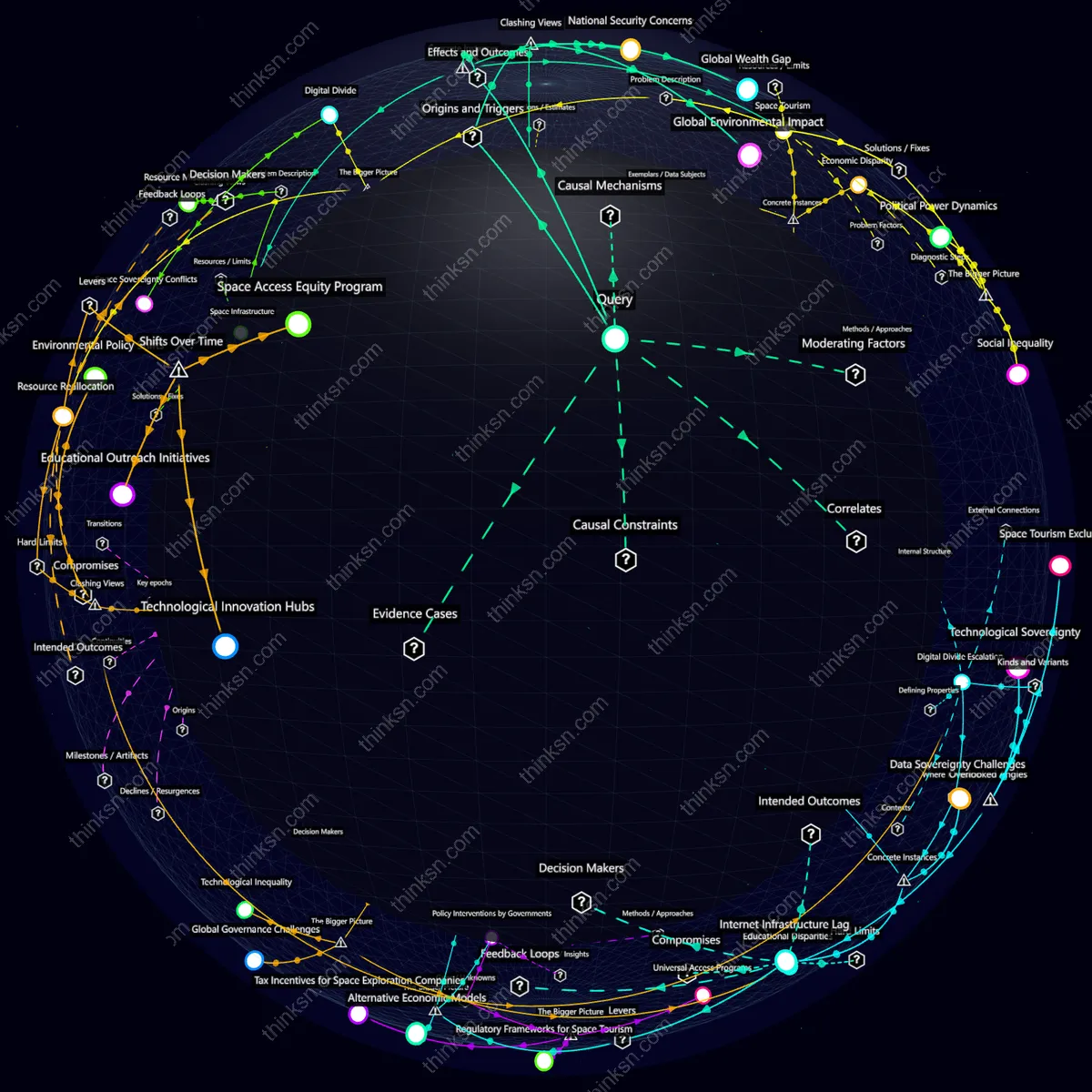
Income Inequality
The exclusive access to space travel by the wealthy exacerbates income inequality as it reinforces technological advancements for personal enrichment rather than public benefit, diverting resources from critical societal needs such as healthcare and education.
National Security Concerns
As wealthy individuals gain unprecedented capabilities through private space ventures, national security concerns rise due to the potential militarization of space travel. This could lead to a new arms race where states struggle to control personal space activities that threaten geopolitical stability.
Global Environmental Impact
The environmental impact of frequent launches and space exploration by the elite, without broader societal oversight or regulation, may accelerate climate change and resource depletion, challenging international efforts to address global sustainability goals.
Space Tourism
As space tourism becomes an exclusive luxury for the wealthy, it shifts public attention from scientific exploration to consumerist aspirations. Governments and private companies may prioritize profit over research, leading to a fragmented approach where innovation stagnates due to lack of diverse funding and expertise.
Global Wealth Gap
The widening global wealth gap exacerbates when access to space travel is limited to the rich, deepening social inequalities. This disparity can lead to resentment among lower-income groups who see space exploration as a frivolous expense rather than a societal benefit, potentially fueling political unrest or radical policies aimed at redistributing resources.
Space Infrastructure
The development of expensive space infrastructure primarily catering to the wealthy could create fragile dependencies on private companies for access and safety. In case of economic downturns or conflicts, this reliance might expose vulnerabilities in global security and emergency response systems that depend on satellite communications and surveillance.
Deeper Analysis
How would widespread space travel exclusion based on income inequality quantitatively impact measures of systemic strain in society, such as economic disparity and political stability?
Space Tourism
The emergence of space tourism as a luxury exclusive to the wealthy exacerbates income inequality by creating new forms of conspicuous consumption and social stratification, potentially leading to increased societal tension and decreased political stability. For instance, billionaires like Jeff Bezos and Richard Branson have used private space ventures to highlight economic divides.
Economic Disparity
Income inequality widens the gap between those who can afford access to space travel and the majority who cannot, deepening perceptions of economic disparity. This widening gap could lead to decreased social cohesion and an increase in populist movements demanding more equitable distribution of resources and opportunities.
Global Wealth Inequality
As space travel becomes increasingly privatized and expensive, it serves as a new front for global wealth inequality, with developing nations being left behind. This exclusion can fuel nationalist sentiments and protectionist policies in countries struggling to compete economically with developed nations that dominate the space industry.
Explore further:
- What are the potential systemic failures and measurable strains on society if space tourism becomes a luxury for the wealthy, focusing on social inequality, economic disparity, and political power dynamics?
- How might global wealth inequality be exacerbated or mitigated if space travel becomes a luxury reserved for the wealthy few?
What are potential trade-offs and systemic strains on space infrastructure if common but exclusive space travel for the wealthy leads to uneven economic, social, and political pressures?
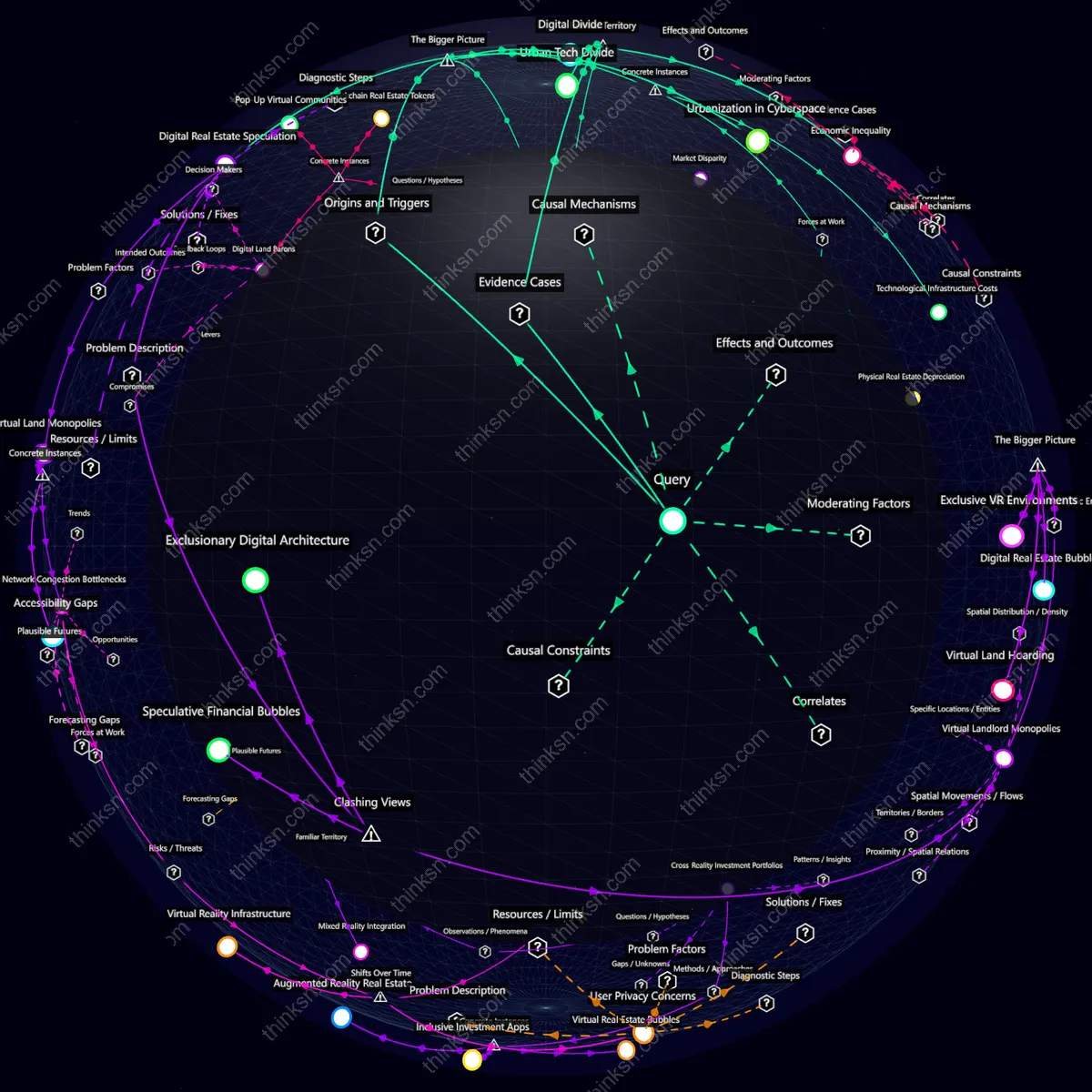
Digital Divide
As space infrastructure becomes a playground for the wealthy, the digital divide widens on Earth. The resources and technologies developed in space are not shared equitably, leading to increased technological disparities between nations and social classes.
Space Sovereignty Conflicts
Exclusive access to space for the elite accelerates geopolitical tensions over space sovereignty. Nations with limited or no access to space infrastructure may see this as a threat to their national security, leading to an arms race in low Earth orbit and beyond.
Resource Misallocation
The concentration of investment in space travel for the wealthy diverts resources from critical global issues such as climate change, healthcare, and education. This misallocation can exacerbate existing societal inequalities and hinder progress towards sustainable development goals.
What are the potential systemic failures and measurable strains on society if space tourism becomes a luxury for the wealthy, focusing on social inequality, economic disparity, and political power dynamics?
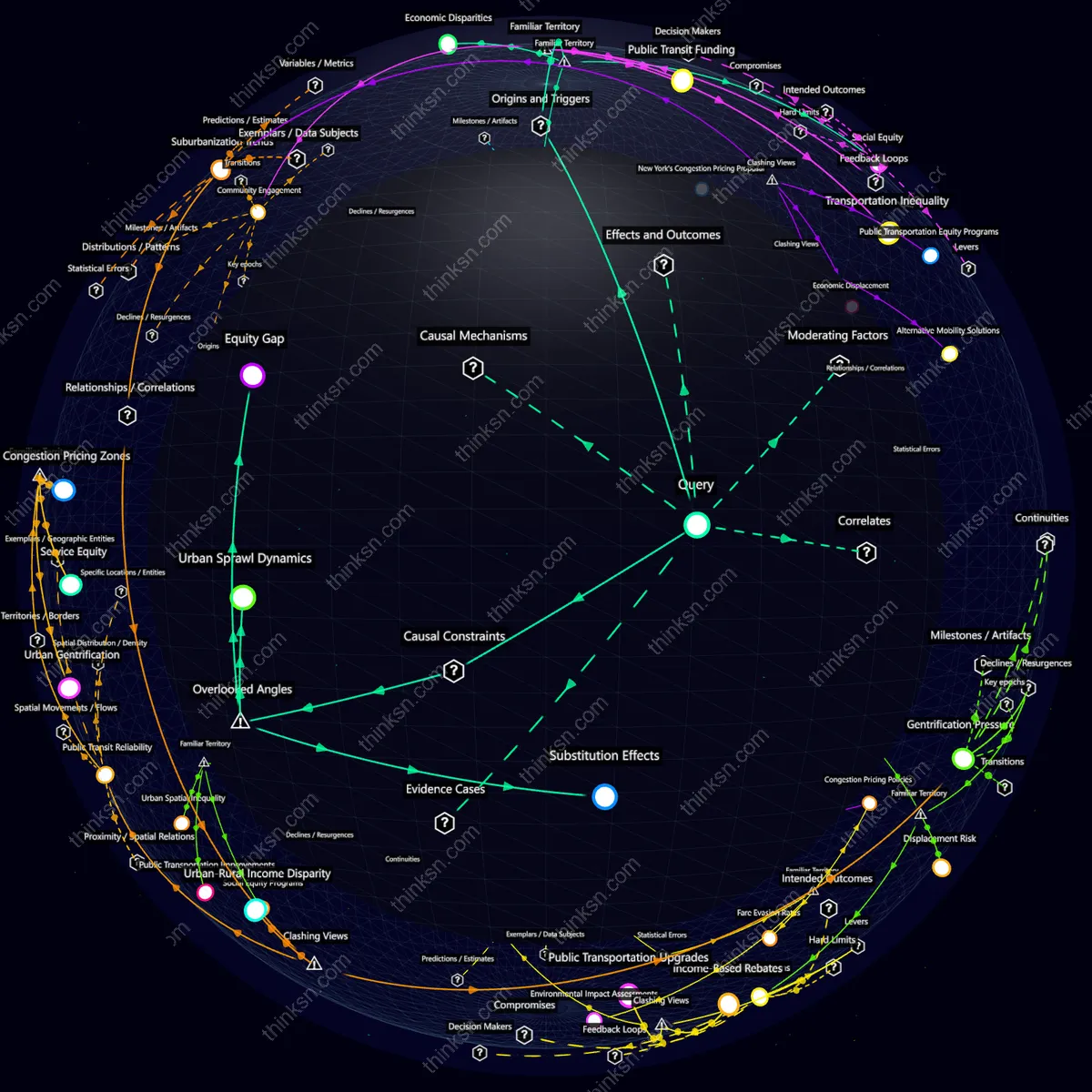
Digital Divide
As space tourism becomes a luxury for the wealthy, it exacerbates the digital divide by diverting resources away from public internet infrastructure and technology access programs. This shift can deepen social inequality as marginalized communities struggle to connect with global knowledge networks.
Resource Reallocation
Governments may prioritize space tourism investments over critical social services, leading to a decline in healthcare, education, and public safety budgets. This reallocation strains the economy by increasing inequality and reducing overall societal well-being, as basic needs of many citizens are neglected.
Political Patronage
Space tourism may become a tool for political patronage and favoritism among elites, leading to further concentration of power. This can distort democratic processes and public policy-making, undermining the principle of equality before the law as wealthy patrons leverage space ventures to influence governance.
Social Inequality
Space tourism exacerbates social inequality as it becomes a luxury reserved for the wealthy elite. This gap widens societal divisions, creating resentment and frustration among those who cannot afford to participate in space travel.
Economic Disparity
The economic disparity caused by space tourism becoming exclusive to the affluent can lead to a brain drain from less privileged regions as talent migrates towards opportunities in aerospace industries, further deepening regional disparities and undermining local economies.
Political Power Dynamics
Space tourism's exclusivity to the wealthy alters political power dynamics, allowing influential elites to exert greater control over space-related policies and regulations. This concentration of power can marginalize public interests and hinder democratic processes.
Explore further:
- What strategies can be formulated to reallocate resources and mitigate the socio-economic impacts if space travel becomes exclusive to the wealthy while remaining common?
- How might political patronage evolve if space travel becomes a status symbol exclusively for the wealthy, and what new forms of social influence could this create?
What strategies can be formulated to reallocate resources and mitigate the socio-economic impacts if space travel becomes exclusive to the wealthy while remaining common?
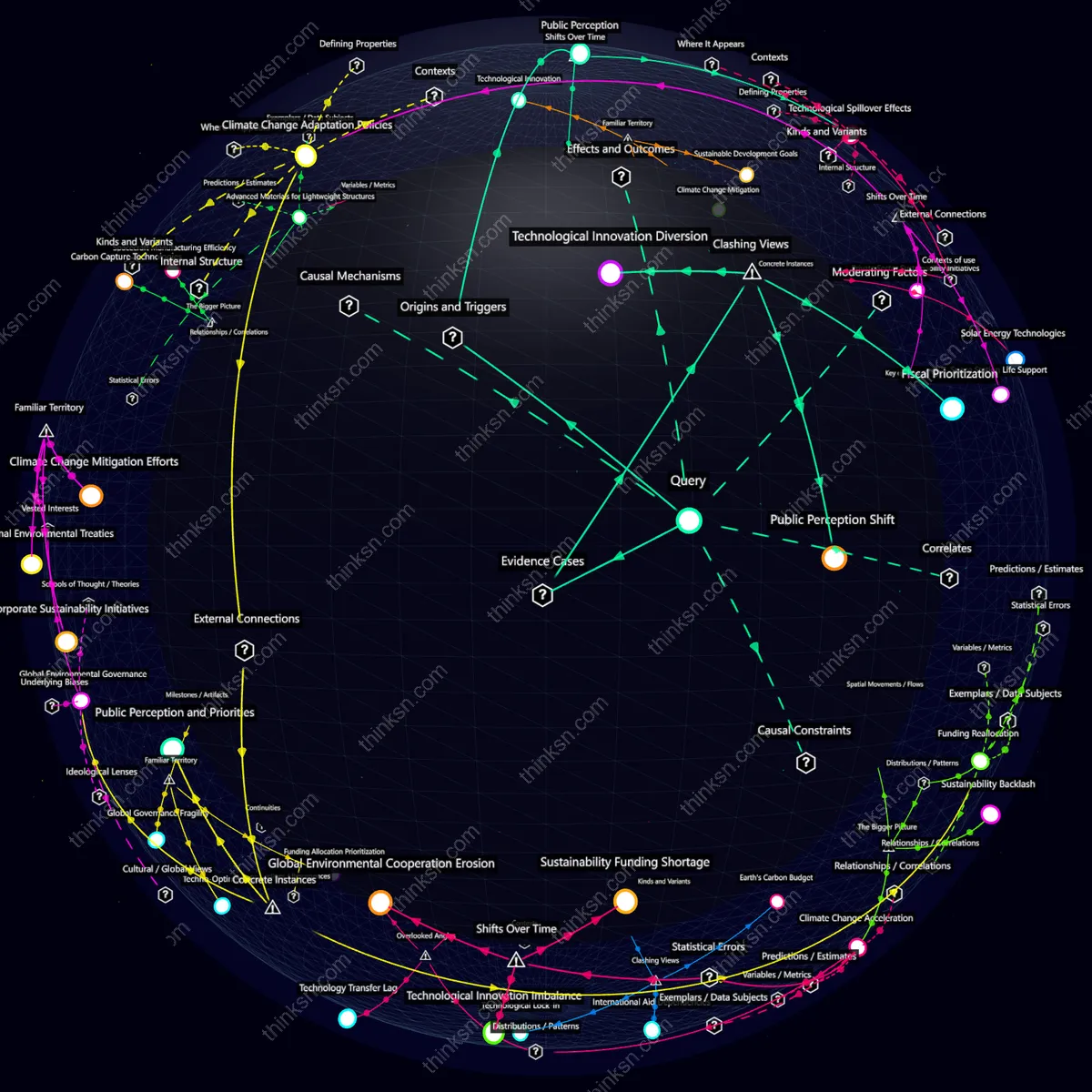
Digital Divide Escalation
As space travel becomes a luxury for the elite, funding shifts away from public space programs and towards private ventures. This exacerbates existing digital inequalities as investment in satellite internet infrastructure dwindles, leaving underserved communities further behind.
Environmental Policy Shifts
Increased resource reallocation to support wealthy individuals' space ambitions could lead to environmental policy changes prioritizing economic growth over sustainability. This shift may accelerate climate change and biodiversity loss as public interest in green initiatives wanes under the allure of cosmic exploration.
Technological Innovation Lag
Resource reallocation towards exclusive space travel projects risks stunting innovation across other critical sectors like medicine, agriculture, and renewable energy. As funds are diverted to high-profile space missions, less visible but essential technological advancements may suffer from underinvestment.
Space Access Equity Program
The Space Access Equity Program aims to democratize space exploration by reallocating government funds towards public-private partnerships that subsidize low-income individuals' access. However, this program risks exacerbating wealth disparities if not carefully monitored and adjusted for inclusivity.
Technological Innovation Hubs
Establishing Technology Innovation Hubs in underprivileged areas could foster a new generation of space entrepreneurs and scientists by providing them with cutting-edge tools and mentorship. Yet, these hubs might fail to thrive without sustained investment and community buy-in.
Educational Outreach Initiatives
Implementing Educational Outreach Initiatives in schools across all socio-economic backgrounds can inspire young people to pursue careers in space science and technology. However, the long-term effectiveness of such initiatives depends heavily on the quality of educational systems supporting them.
Explore further:
- How might the digital divide escalate if space travel becomes a privilege for the wealthy, and what are the implications of this new form of stratification?
- How might a technological innovation lag in space travel technology development affect the social, economic, and political implications if space travel becomes common but remains exclusive to the wealthy?
How might the digital divide escalate if space travel becomes a privilege for the wealthy, and what are the implications of this new form of stratification?
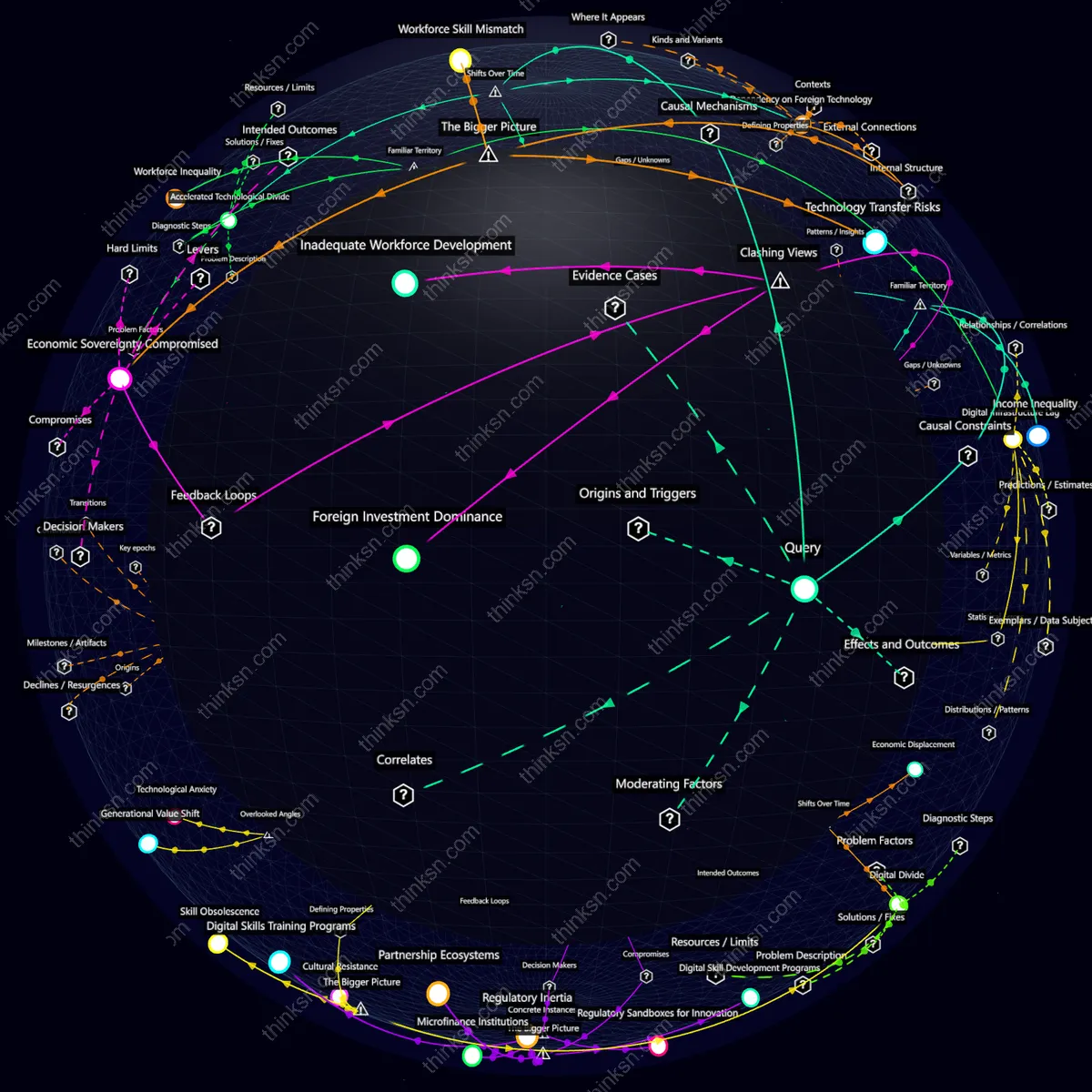
Space Tourism Exclusivity
As space travel becomes a luxury for the wealthy elite, it exacerbates global disparities by diverting resources from essential digital infrastructure projects to space exploration initiatives. This shift may lead to increased technological stagnation in less affluent regions, further isolating underprivileged populations from advanced digital networks and opportunities.
Technological Sovereignty
The concentration of technological advancements within wealthy nations or corporate entities involved in space travel can erode the sovereignty of developing countries. These nations may face challenges in maintaining their own technological independence, leading to a deeper reliance on foreign digital systems and services, thus perpetuating the digital divide.
Educational Disparities
The widening gap between those who can afford space tourism and those who cannot leads to significant educational disparities. Wealthy individuals gain exclusive access to cutting-edge technologies and scientific knowledge through space missions, while less privileged communities are left behind in terms of innovation and educational resources, deepening the digital divide.
Space Tourism Elite
The rise of space tourism as a luxury item exacerbates the digital divide by concentrating cutting-edge technological resources and development in the hands of the wealthy few, potentially leaving behind vast populations without access to even basic internet services. This stratification could deepen inequalities as only those with financial means can participate in new economic opportunities created by space-based technologies.
Internet Infrastructure Lag
As investment and innovation in space travel divert resources from terrestrial internet infrastructure, less developed regions face a widening gap in connectivity. This lag not only hinders educational and economic opportunities but also amplifies the digital divide, making it increasingly difficult for marginalized communities to bridge this technological chasm.
Data Sovereignty Challenges
The concentration of space-based data collection by wealthy entities poses significant challenges for data sovereignty in developing nations. These countries may find themselves at a disadvantage as they lack the resources and technology necessary to control their own digital environments, leading to increased dependency on foreign technologies and services.
Explore further:
- What are the emerging social, economic, and political patterns that arise from space travel becoming a domain exclusively for the wealthy elite?
- What strategies can be implemented to mitigate the Internet Infrastructure Lag caused by the concentration of space travel among the wealthy, and how might these interventions shape alternative socio-economic scenarios?
What are the emerging social, economic, and political patterns that arise from space travel becoming a domain exclusively for the wealthy elite?
Global Wealth Disparity
The rise of space tourism for the elite exacerbates global wealth disparity as resources are diverted from public health and education to private ventures, deepening societal tensions and fostering resentment towards technological progress.
Regulatory Capture
As wealthy elites dominate space travel, regulatory bodies increasingly cater to their interests, leading to a dangerous lack of oversight that could compromise safety standards and environmental regulations in the name of economic growth.
What strategies can be implemented to mitigate the Internet Infrastructure Lag caused by the concentration of space travel among the wealthy, and how might these interventions shape alternative socio-economic scenarios?
Digital Divide Expansion
As wealthy individuals focus on space exploration, funding for global internet infrastructure is diverted. This exacerbates the digital divide, leaving less affluent populations with inadequate connectivity and limited access to educational resources and economic opportunities.
Alternative Economic Models
Communities facing Internet Infrastructure Lag may turn towards alternative economic models such as mesh networks and community-owned internet services. These solutions can empower local communities but require significant grassroots organization and sustained investment, posing challenges for scalability and sustainability.
Policy Interventions by Governments
Governments could implement policies to redirect investments from space travel into improving Internet infrastructure in underserved regions. However, such interventions may face resistance from private sector stakeholders invested in the space industry, leading to complex political negotiations and potential delays.
Explore further:
- What strategies can be formulated to prevent the expansion of the digital divide as space travel becomes more exclusive and only available to the wealthy?
- What policy interventions could governments implement to mitigate the social, economic, and political implications of exclusive space travel for the wealthy?
What strategies can be formulated to prevent the expansion of the digital divide as space travel becomes more exclusive and only available to the wealthy?
Technological Inequality
The exclusive access to advanced space travel technology exacerbates technological inequality, as those left behind in Earth's digital infrastructure are further isolated from the cutting-edge advancements available only to the wealthy elite. This creates a feedback loop where the gap widens as the benefits of new technologies do not trickle down to the broader population.
Educational Disparities
As space travel becomes more exclusive, educational disparities widen due to the lack of accessible resources and opportunities for underprivileged students. Schools in poorer regions struggle to integrate advanced digital learning tools that are becoming integral to understanding and participating in emerging space technologies, leaving these communities behind in a knowledge economy that increasingly values such expertise.
Global Governance Challenges
The challenge of preventing the expansion of the digital divide due to exclusive space travel highlights the inadequacies in current global governance frameworks. International efforts to regulate and democratize access to advanced technologies are often slow-moving and underfunded, failing to address the rapid pace at which technological disparities grow as wealthier nations and individuals monopolize space exploration.
What policy interventions could governments implement to mitigate the social, economic, and political implications of exclusive space travel for the wealthy?
Universal Access Programs
Governments could implement universal access programs to democratize space travel, potentially reducing social inequalities. However, this approach risks diverting significant public funds from other critical areas like healthcare and education, which might exacerbate existing economic disparities.
Regulatory Frameworks for Space Tourism
Introducing stringent regulatory frameworks could ensure safety standards in space tourism while also addressing equity concerns. Yet, over-regulation may stifle innovation and investment in the burgeoning commercial space sector, hindering long-term economic growth.
Tax Incentives for Space Exploration Companies
Offering tax incentives to private companies can accelerate technological advancements in space travel. However, this policy might inadvertently deepen the divide between wealthy individuals and lower-income groups if not coupled with measures that support broader societal benefits.