Could Remote Work Widen Regional Income Inequality?
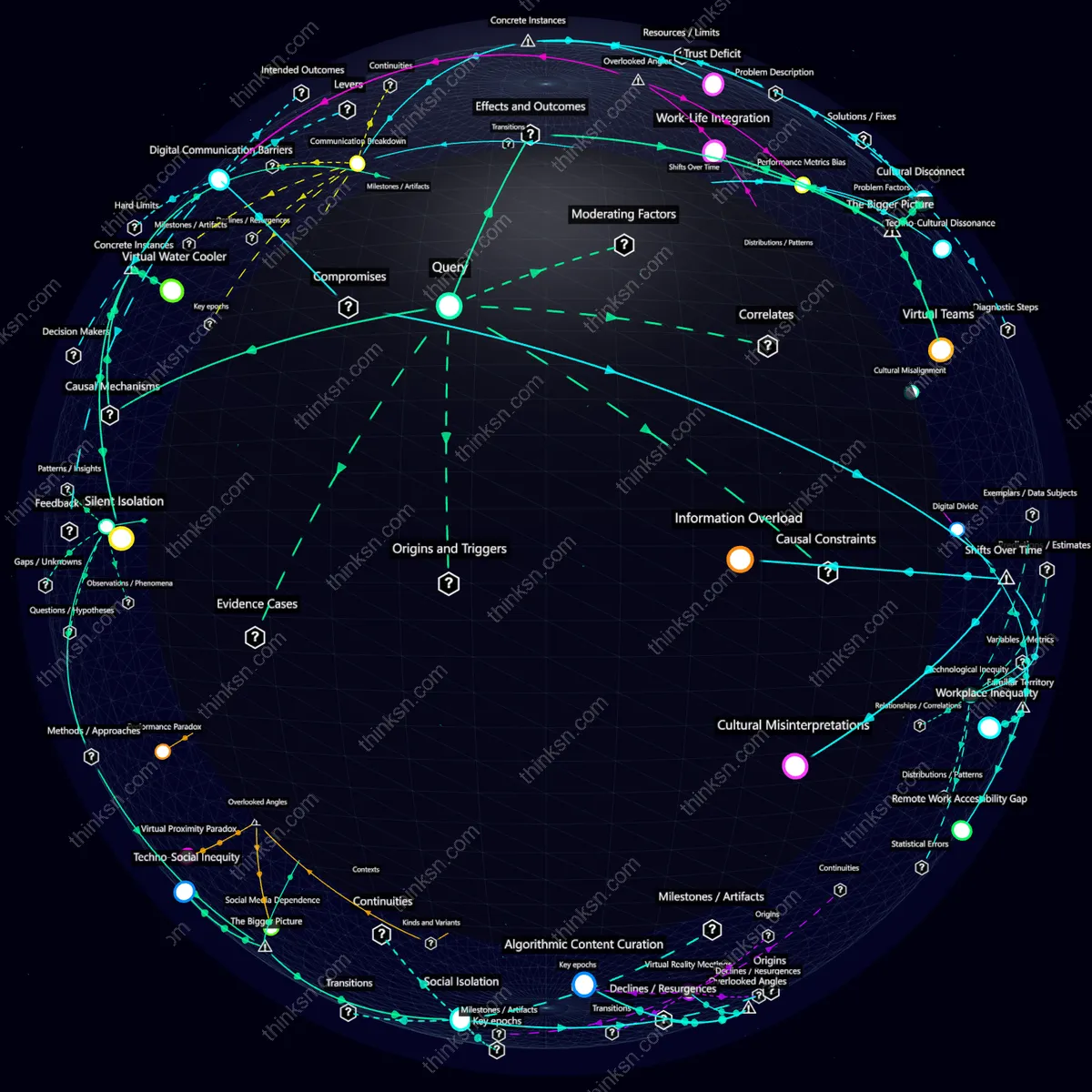
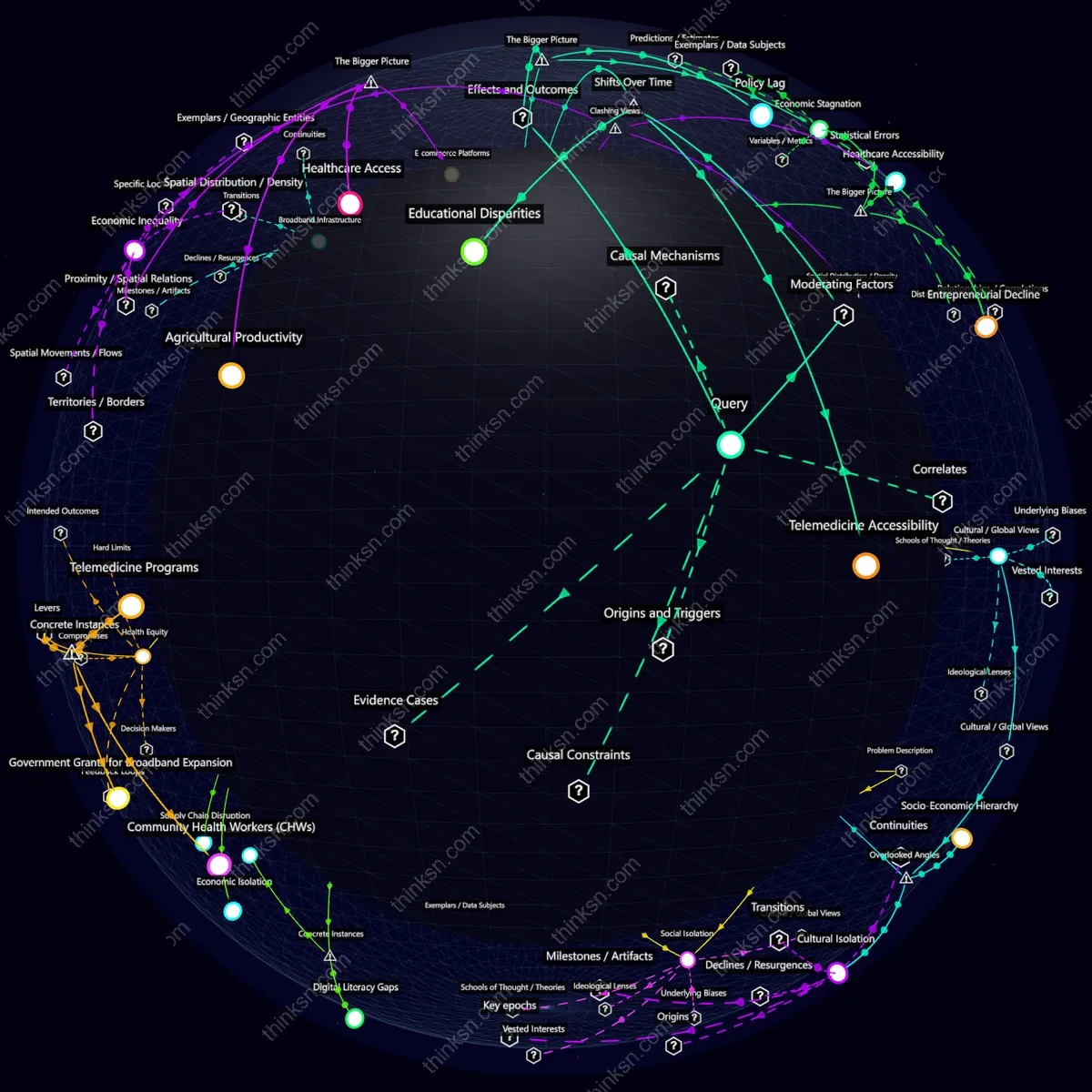
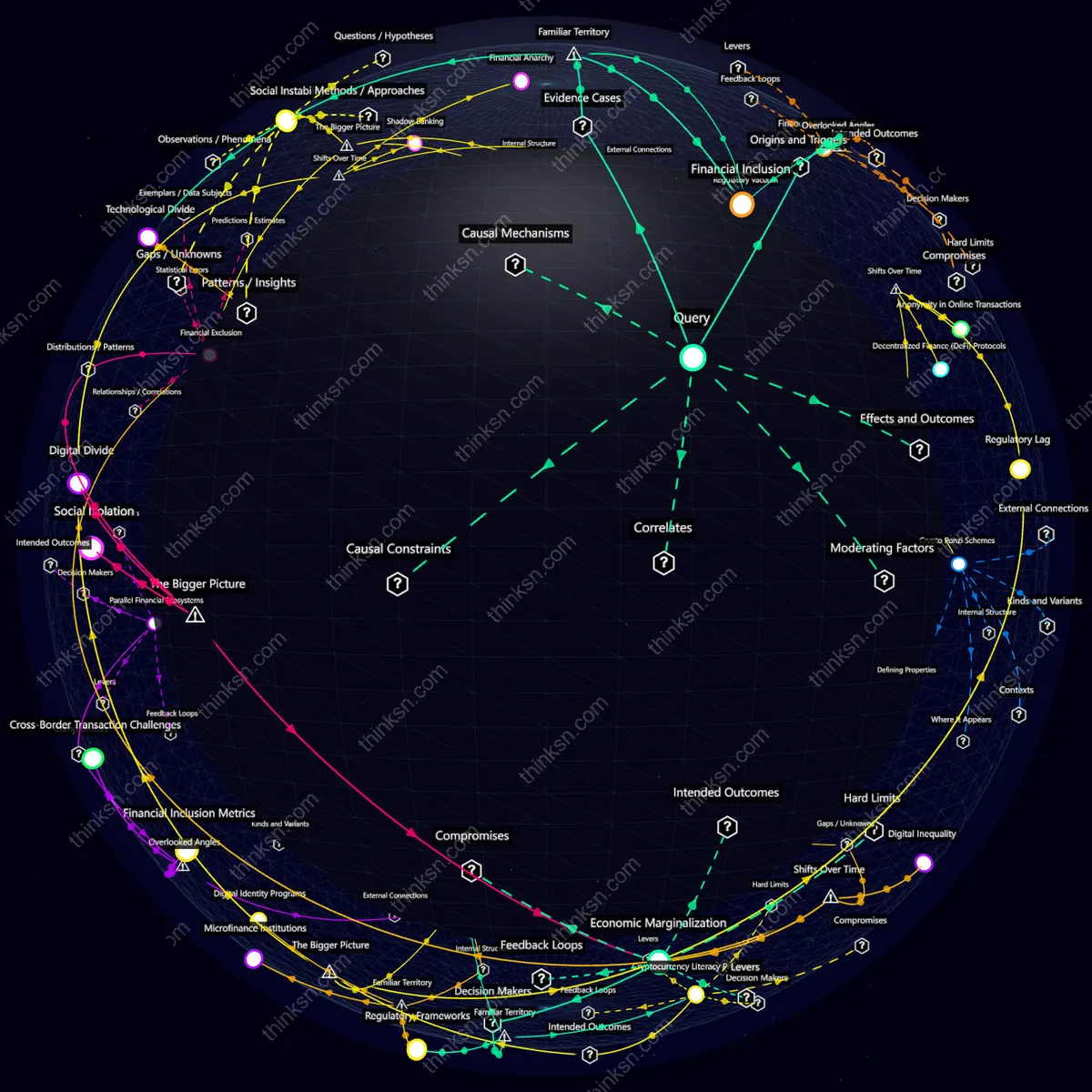
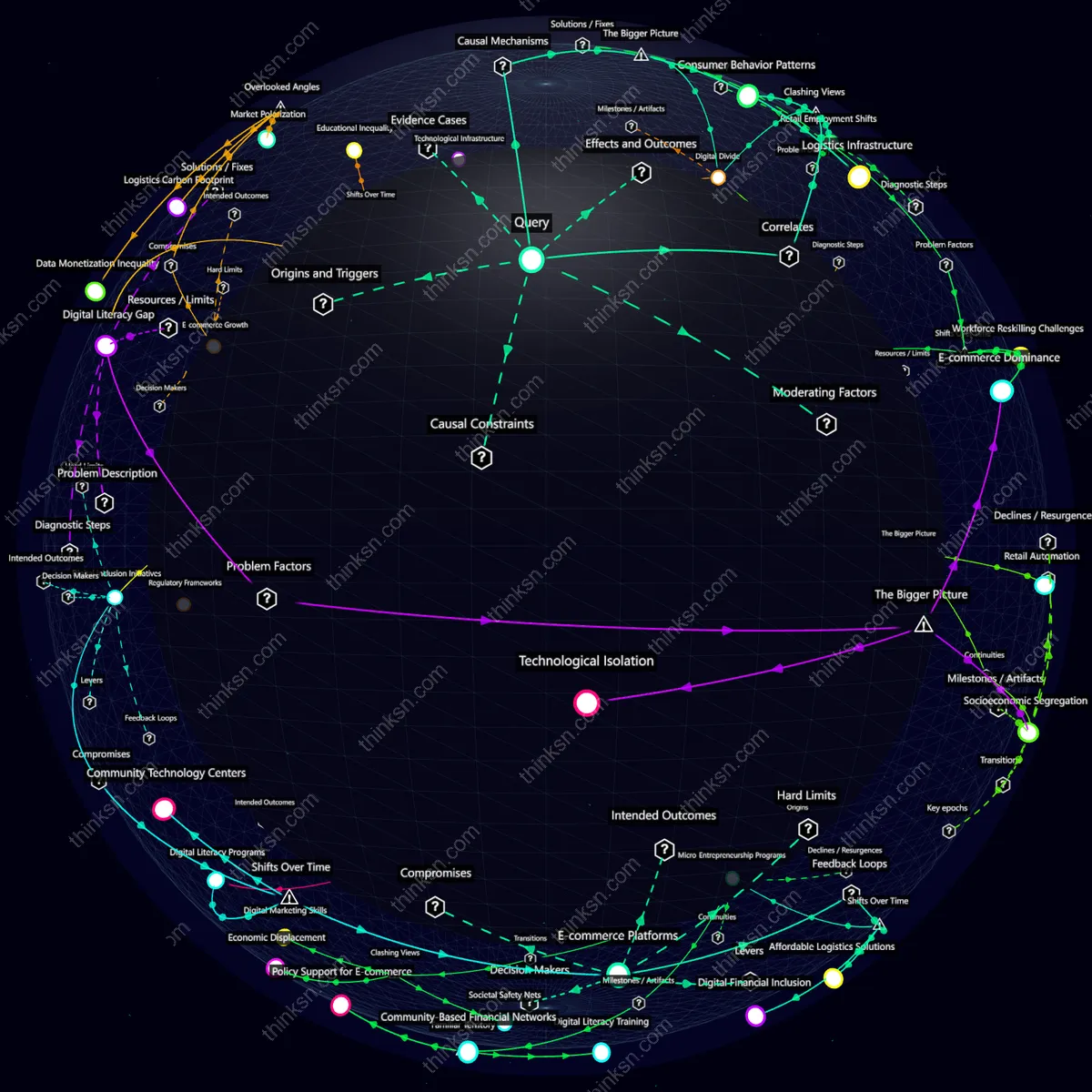
Analysis reveals 6 key thematic connections.
Key Findings
Digital Divide
The digital divide exacerbates regional income inequality by limiting access to high-speed internet in rural areas. This can isolate remote workers from essential resources and market opportunities, perpetuating economic disparities and reinforcing systemic barriers.
Educational Inequity
Educational inequities between regions result in varying levels of digital literacy among remote workers. This disparity hinders the ability to perform complex tasks remotely, deepening income inequality as tech-savvy urban professionals outpace their less fortunate rural counterparts.
Infrastructure Lag
Inadequate infrastructure in underserved regions leads to unreliable internet connectivity, hampering productivity and innovation. This lag not only stifles economic growth but also discourages businesses from expanding into these areas, further entrenching income inequality.
Digital Exclusion
The rise of remote work intensifies digital exclusion for lower-income regions due to inadequate internet infrastructure. This not only isolates these areas from economic opportunities but also reinforces stereotypes about their technological incompetence, creating a vicious cycle that deters investment and innovation.
Telework Advantage
Companies might perceive remote work as a panacea for reducing office overheads, thereby neglecting the uneven distribution of telework tools. This can lead to an overestimation of tech-savvy among employees who do not actually possess necessary skills or equipment, widening the gap in professional advancement opportunities.
Urban-Rural Divide
Remote work often consolidates professional activities within urban centers with robust digital infrastructures. This exacerbates an already stark urban-rural divide by diverting essential services and economic resources away from rural areas, undermining local development efforts and reinforcing socio-economic disparities.
Deeper Analysis
What strategies can be implemented to mitigate educational inequity caused by disparities in internet and tech access, thereby addressing potential exacerbation of regional income inequality due to remote work?
Digital Divide
The digital divide exacerbates educational inequity by limiting access to online learning resources for underprivileged students. Schools in low-income areas often lack the necessary technology and internet infrastructure, leading to a widening gap between technologically advanced schools and those struggling with basic connectivity. This disparity not only affects immediate academic performance but also future career prospects as remote work opportunities increasingly require robust digital skills.
Telecommuting Policies
Government policies encouraging telecommuting without addressing the underlying technological disparities further entrench educational inequity. Companies that pivot to remote work often favor hiring candidates with reliable internet access and advanced technology, excluding those from less affluent backgrounds who struggle with inadequate tech resources at home. This creates a feedback loop where lack of digital skills perpetuates economic disadvantages, as individuals are unable to compete in the modern job market.
Community Learning Centers
The establishment and maintenance of community learning centers can mitigate educational inequity but come with operational challenges. These centers act as hubs for technology access and tutoring services, yet rely heavily on funding and volunteer support that may fluctuate due to economic conditions or shifts in policy priorities. The fragile dependency on consistent resource allocation poses a risk to the sustainability of these initiatives, potentially leaving many students without critical educational support.
How does infrastructure lag evolve over time and contribute to exacerbating regional income inequality through disparities in internet and tech access during remote work scenarios?
Digital Divide
As remote work becomes ubiquitous, the digital divide widens between regions with robust internet infrastructure and those lagging behind. Companies increasingly favor locations where employees can access high-speed internet and advanced technology, perpetuating a cycle of economic stagnation in under-resourced areas.
Economic Displacement
Infrastructure lag exacerbates regional income inequality by displacing workers in less developed regions who lack the necessary digital skills or equipment for remote work. This economic displacement often forces individuals to move to urban centers with better infrastructure, leading to overcrowding and escalating living costs.
Technological Dependency
The reliance on advanced technological infrastructure for daily operations intensifies as more businesses adopt digital platforms. Regions with poor internet connectivity risk falling further behind due to a lack of investment in technology, creating a dependency where economic growth is contingent upon external factors beyond local control.
How has the role of community learning centers evolved over time in addressing disparities in internet and tech access for remote workers, and what mechanisms have driven these changes?
Digital Literacy Programs
As remote work surged, digital literacy programs in community learning centers expanded to include specialized training for tech-savvy skills. However, the emphasis on advanced coding and data analytics risks leaving behind older adults and those with less formal education, deepening existing skill gaps.
Public-Private Partnerships
Community learning centers have increasingly partnered with tech companies to provide free internet access and equipment. While this collaboration boosts resource availability, it also creates a dependency on corporate goodwill, exposing communities to potential shifts in company priorities or funding cuts.
Remote Work Infrastructure
The integration of remote work infrastructure into community learning centers has enabled many rural workers to maintain productivity. However, this reliance on centralized digital hubs can exacerbate the strain during natural disasters or power outages, highlighting vulnerabilities in these networks.
What strategies can be formulated to mitigate technological dependency in remote work and reduce regional income inequality through disparities in internet and tech access?
Digital Divide
The digital divide exacerbates technological dependency by disproportionately affecting marginalized communities with limited access to internet and technology. As remote work becomes more prevalent, the gap widens, leading to reduced job opportunities and increased regional income inequality for those without adequate tech resources.
Telecommuting Policies
Corporate telecommuting policies often prioritize speed and efficiency over equity, inadvertently deepening technological dependency among workers with less access to advanced technology. This creates a cycle where firms optimize for productivity but neglect the broader societal impact of digital disparities.
Infrastructure Development
Investment in infrastructure development aimed at reducing regional income inequality through improved internet and tech access is critical, yet fraught with design trade-offs. While rapid deployment can accelerate economic inclusion, it may overlook quality and sustainability, leading to fragile dependencies on unreliable or short-term solutions.
How have Digital Literacy Programs evolved over time in response to remote work and its impact on regional income inequality, particularly concerning disparities in internet and tech access?
Digital Divide
The rise of remote work exacerbated the digital divide, as companies assumed all employees had reliable internet access. This assumption led to significant disparities in productivity and income between regions with robust tech infrastructure and those lacking it, highlighting a fragile dependency on initial conditions for successful implementation of digital literacy programs.
Economic Inequality
Digital literacy programs aimed at reducing economic inequality by providing training in essential digital skills often overlook the broader systemic issues contributing to inequality. For instance, these initiatives might fail to address underlying socio-economic barriers such as job scarcity and poor educational systems, leading to a superficial engagement with the problem rather than a transformative change.
Remote Work Policies
Corporate policies for remote work have created an uneven landscape of digital literacy needs. Companies in urban tech hubs may invest heavily in employee training and infrastructure support, while those in less developed areas might cut costs by minimizing these investments. This discrepancy leads to a widening skills gap that further entrenches regional income inequality.
What telecommuting policies can be formulated to mitigate regional income inequality exacerbated by disparities in internet and tech access?
Digital Literacy Programs
Targeted digital literacy programs in underserved regions can significantly enhance telecommuting opportunities for local residents. However, the efficacy of these programs is highly dependent on sustained funding and community engagement, with potential risks of widening inequality if access to advanced training remains limited.
Government Subsidies
Subsidies provided by governments for internet service providers (ISPs) in economically disadvantaged areas can improve broadband infrastructure necessary for telecommuting. Yet, such subsidies often face challenges due to bureaucratic delays and may not reach the intended beneficiaries efficiently without robust monitoring mechanisms.
Flexible Work Schedules
Implementing flexible work schedules that accommodate variable internet access can help mitigate disparities in productivity among remote workers. However, this approach might inadvertently incentivize employers to overlook critical infrastructure investments needed for long-term telecommuting solutions.
How do evolving remote work policies impact regional income inequality through disparities in internet and tech access over time?
Digital Divide
The rise of remote work policies exacerbates the digital divide, as regions with inadequate internet infrastructure see a disproportionate increase in income inequality. Companies often prioritize urban areas for fiber optic upgrades, leaving rural communities further behind and widening disparities over time.
Economic Stratification
Remote work policies can lead to economic stratification within cities themselves, as high-tech hubs become increasingly concentrated with affluent workers while lower-income neighborhoods struggle to keep pace. This creates a dual economy where the benefits of remote work are unevenly distributed, deepening class divides.
Workplace Inequality
The shift towards remote work policies disproportionately affects lower-skilled and less educated workers who lack reliable internet access or the necessary technology. This leads to a scenario where traditional office-based jobs might become inaccessible, reinforcing workplace inequality and limiting career advancement opportunities for those in need.
Explore further:
- What strategies can be implemented to mitigate the digital divide and reduce regional income inequality caused by remote work disparities in internet and tech access?
- How might economic stratification be exacerbated by remote work, and what are the measurable impacts on regional income inequality due to disparities in internet and technology access?
What are the potential quantitative impacts and trade-offs of implementing government subsidies for internet and tech access in remote areas to mitigate income inequality exacerbated by remote work practices?
Digital Divide
Government subsidies aimed at bridging the digital divide can lead to a temporary surge in technology adoption among remote populations. However, without simultaneous investment in education and skills training, this influx of tech access may result in superficial use patterns that fail to fully leverage internet resources for economic advancement.
Social Inclusion Metrics
The introduction of government subsidies for tech access can obscure the true extent of social inclusion by focusing metrics on broadband coverage and device distribution rather than on actual engagement with digital services. This gap can leave behind vulnerable populations who, despite having devices, remain digitally illiterate.
Remote Work Adoption
Subsidies designed to support remote work infrastructure may inadvertently widen income inequality by disproportionately benefiting urban dwellers already accustomed to digital tools and networks over rural residents. This scenario underscores the need for tailored programs that address underlying socioeconomic disparities rather than merely providing access.
What strategies can be implemented to mitigate the digital divide and reduce regional income inequality caused by remote work disparities in internet and tech access?
Internet Infrastructure Investment
Investment in robust internet infrastructure can significantly reduce the digital divide by improving connectivity. However, such projects often face challenges like high upfront costs and bureaucratic delays, leading to uneven rollout that disproportionately benefits urban areas over rural ones.
E-government Services Accessibility
Expanding access to e-government services can empower marginalized communities but requires overcoming significant barriers such as digital literacy and reliable internet access. Without addressing these issues, the gap between technologically advanced users and those without basic internet skills widens further.
Workplace Digital Literacy Programs
Initiatives aimed at enhancing digital literacy among remote workers can mitigate disparities in tech access but require sustained effort and tailored approaches for diverse user groups. Failure to adequately address these needs can lead to increased social exclusion and economic inequality.
How might economic stratification be exacerbated by remote work, and what are the measurable impacts on regional income inequality due to disparities in internet and technology access?
Digital Divide
The digital divide exacerbates economic stratification by limiting remote work opportunities for those in lower socioeconomic brackets who lack reliable internet access. This creates a feedback loop where only the digitally equipped can thrive, while others fall further behind.
Telecommuting Inequality
Telecommuting inequality highlights how companies in affluent areas are more likely to offer remote work benefits due to better local infrastructure and workforce quality. This leads to a concentration of high-income jobs in these regions, widening regional income disparities.
Skill Mismatch
The skill mismatch between available remote work opportunities and the skills possessed by economically disadvantaged individuals deepens economic stratification. As tech-savvy roles increase, those without requisite digital literacy face unemployment or underemployment, reinforcing existing socio-economic divides.
Explore further:
- What are some emerging insights and hidden assumptions about how telecommuting inequality impacts regional income disparities, particularly in relation to internet and technology access?
- How might skill mismatches among remote workers exacerbate regional income inequality due to disparities in internet and technology access?
What are some emerging insights and hidden assumptions about how telecommuting inequality impacts regional income disparities, particularly in relation to internet and technology access?
Digital Divide
The digital divide exacerbates telecommuting inequality by limiting access to high-speed internet in rural areas, forcing workers to rely on slow and unreliable connections. This not only impedes productivity but also deepens regional income disparities as tech-savvy urban centers pull ahead.
Remote Work Policies
Inconsistent remote work policies across companies can create a two-tier workforce, where established employees in high-income areas benefit from flexible telecommuting arrangements while new hires or those based in lower-income regions face stricter requirements and fewer opportunities for career advancement.
Technological Literacy
Low technological literacy among some populations hinders their ability to participate effectively in the digital economy, further widening income gaps. As more jobs require advanced tech skills, those without such training risk being left behind, reinforcing existing economic inequalities.
How might skill mismatches among remote workers exacerbate regional income inequality due to disparities in internet and technology access?
Digital Divide
The digital divide exacerbates skill mismatches among remote workers by limiting access to high-speed internet and advanced technology. This disparity restricts opportunities for professional development, as those in underprivileged areas cannot easily participate in online training programs or virtual networking events, leading to a widening gap between skilled and unskilled workers.
Income Inequality
Skill mismatches among remote workers can deepen income inequality by creating a feedback loop where low-income individuals lack the necessary skills for higher-paying jobs due to limited access to quality education and training resources. As technology demands evolve, this cycle intensifies, leaving many behind economically while others thrive in high-tech sectors.
Educational Disparities
Educational disparities are a critical factor in the skill mismatch problem among remote workers. In regions with poor educational infrastructure, students miss out on foundational skills and technological literacy needed to succeed in today's digital economy. This leaves them ill-prepared for remote work opportunities that require advanced technical competencies.