Quantum Encryption Threatens Current Cybersecurity: Urgent Need for Update
Analysis reveals 6 key thematic connections.
Key Findings
Quantum Computing
The rise of quantum computing challenges traditional cryptographic methods, forcing cybersecurity professionals to develop new strategies. As this technology advances, the risk grows that existing encryption protocols will become vulnerable, necessitating urgent updates to digital security measures.
Cybersecurity Protocols
As quantum computers threaten current encryption standards, cybersecurity experts must urgently revise protocols to protect sensitive data. This shift not only demands significant investment in new technology but also poses a risk of creating vulnerabilities during the transition period if updates are inadequately managed.
Data Security
The advent of quantum encryption necessitates robust security measures that can withstand quantum computing attacks, thus driving innovation in data protection techniques. However, this shift might also expose less advanced systems to increased cyber threats from actors exploiting the transition period's vulnerabilities.
Encryption Breakthrough
The advent of quantum encryption could force existing cybersecurity firms to urgently update their protocols, potentially leaving a window for exploitation if the transition is not seamless. This technological leap raises significant risks such as increased vulnerability during the transition period and the potential for data breaches.
Regulatory Lag
As quantum encryption technologies advance, regulatory bodies may struggle to keep pace, leading to a gap between innovation and legal frameworks that protect against cyber threats. This lag could expose industries heavily reliant on digital security to unforeseen risks, undermining the effectiveness of current cybersecurity measures.
Interoperability Issues
The introduction of quantum encryption could disrupt existing communication systems due to interoperability challenges between legacy and new cryptographic protocols. This could lead to increased complexity in network management and potential points of failure, creating a fertile ground for cyberattacks targeting the transitional infrastructure.
Deeper Analysis
How has the advent of quantum encryption influenced the evolution of data security measures over time, and what urgent updates might be necessary in digital security protocols as a result?
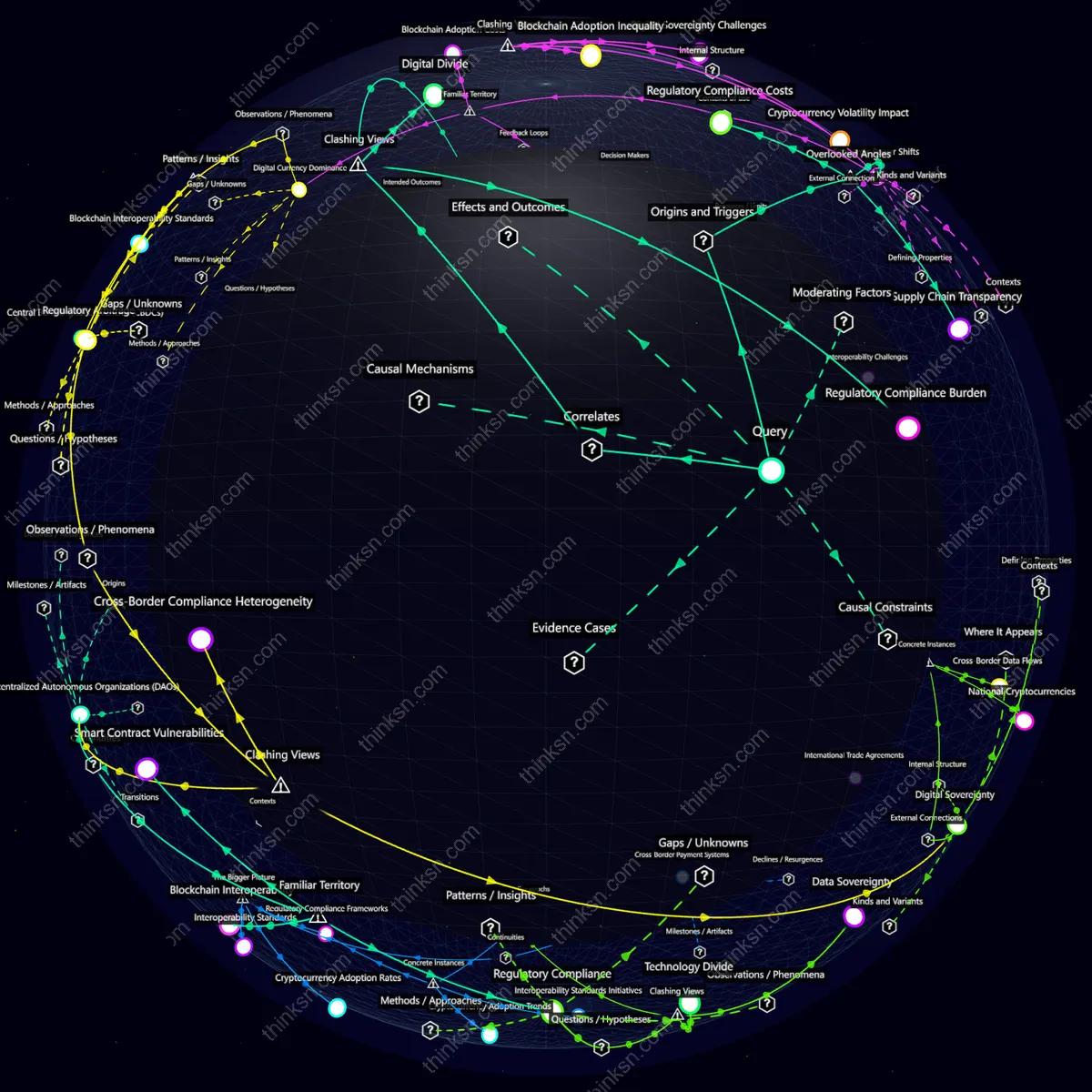
Regulatory Compliance
The rapid evolution of quantum encryption technologies challenges existing regulatory frameworks, which often lag behind technological advancements. Organizations must navigate complex legal landscapes, adhering to outdated security standards while implementing cutting-edge solutions like QKD and PQC. This creates a fragmented compliance environment where companies may face penalties for not complying with old laws or for failing to adopt new ones in time.
What strategies should be formulated to adapt existing cybersecurity protocols in light of potential encryption breakthroughs like quantum encryption?
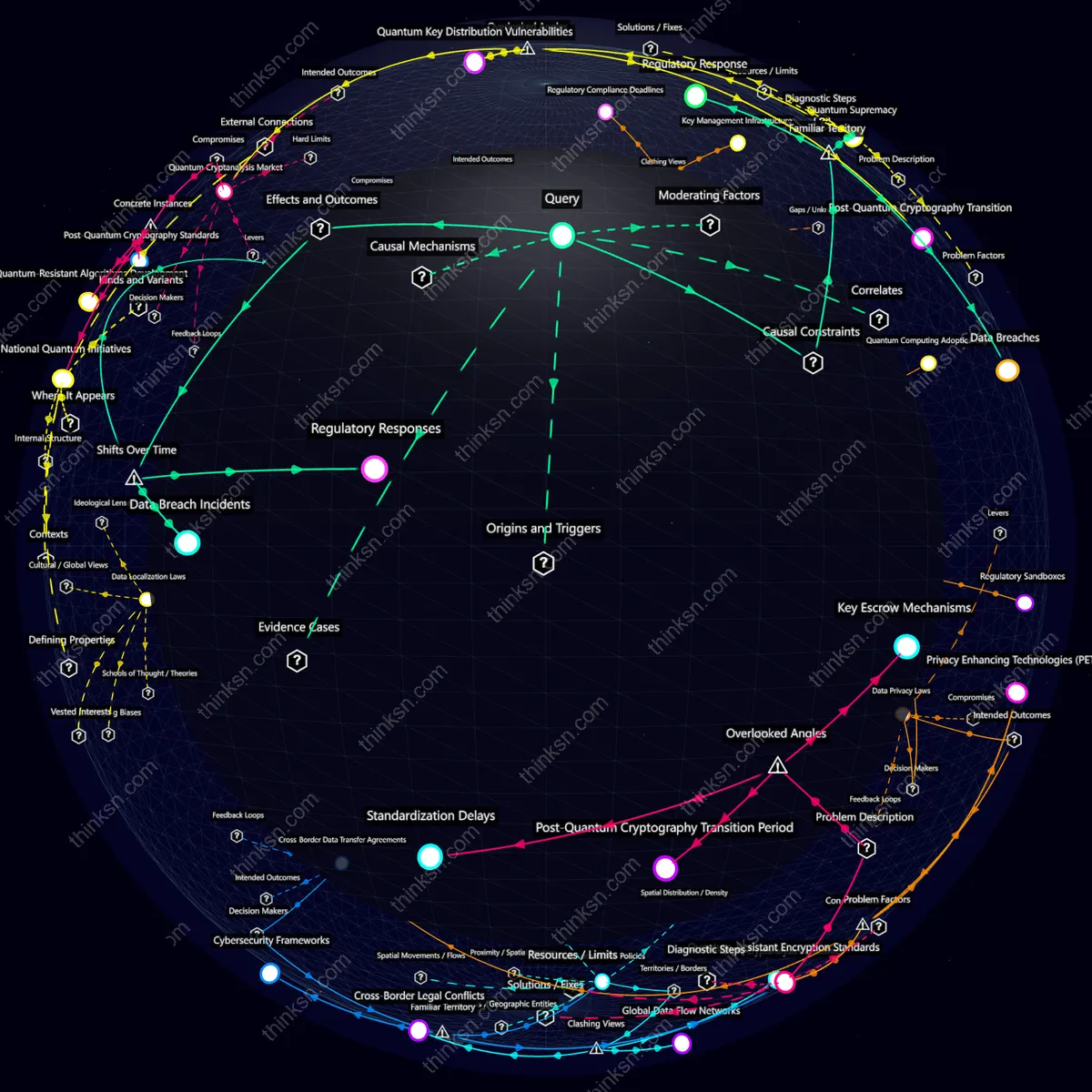
Quantum Key Distribution Vulnerabilities
As encryption breakthroughs like quantum computing advance, the reliance on Quantum Key Distribution (QKD) for secure communications introduces new vulnerabilities. For instance, QKD assumes perfect hardware and protocols, which could be exploited by sophisticated attackers or insider threats, undermining trust in otherwise robust cryptographic systems.
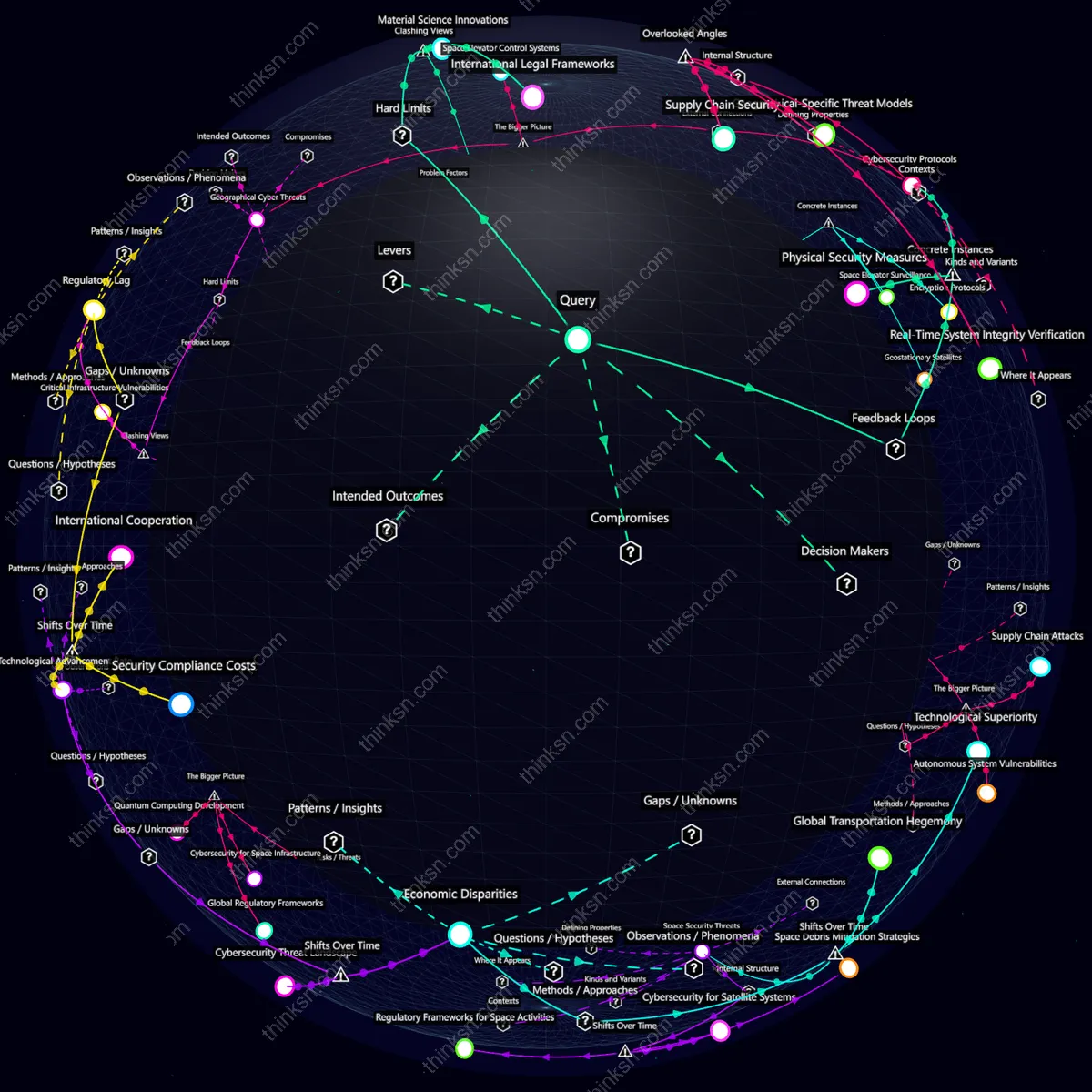
Legacy System Compatibility Issues
The shift towards quantum-resistant encryption poses significant challenges for legacy IT infrastructures that cannot easily upgrade their hardware and software. This creates a fragmented security landscape where older systems are left vulnerable to new threats, widening the attack surface and complicating network management strategies.
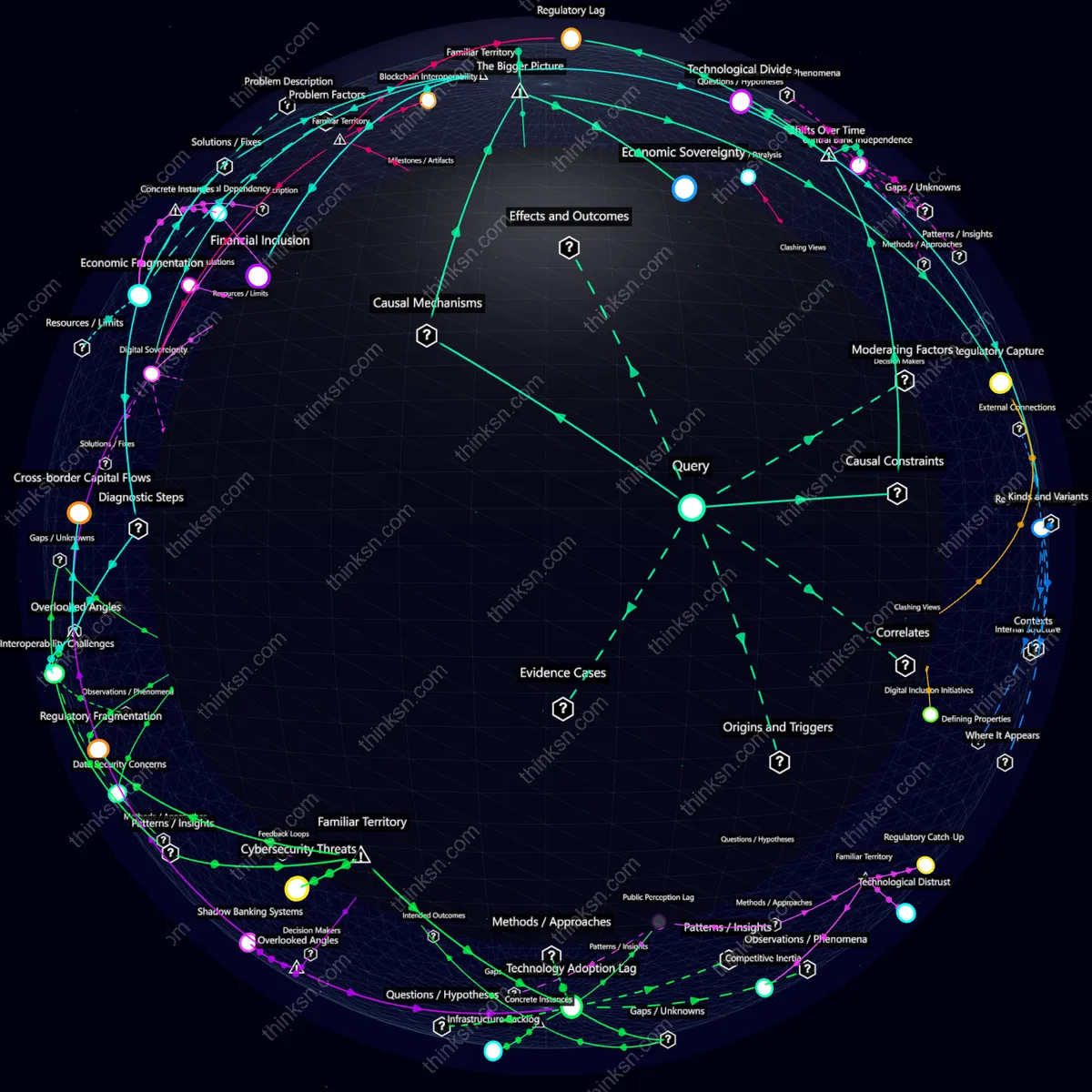
Regulatory Lag in Cybersecurity Policies
Encryption breakthroughs often outpace regulatory frameworks, leaving gaps in legal protections for data privacy. As new cryptographic techniques become available, there's a risk that outdated laws could be exploited or misinterpreted, leading to inconsistent enforcement and potential abuse of personal information.
Explore further:
- What are the potential challenges and opportunities for legacy cybersecurity systems in adapting to quantum encryption technologies, and what emerging insights can guide this transition?
- How does regulatory lag in cybersecurity policies evolve as quantum encryption technology advances, and what are the implications for updating digital security protocols?
What are the potential challenges and opportunities for legacy cybersecurity systems in adapting to quantum encryption technologies, and what emerging insights can guide this transition?
Quantum Key Distribution (QKD) Integration
The integration of QKD into legacy cybersecurity systems poses significant challenges due to the incompatible encryption protocols and hardware requirements. Organizations like BBN Technologies have encountered difficulties in retrofitting older infrastructure, leading to extended project timelines and increased costs.
Backward Compatibility Constraints
Legacy systems often lack the flexibility needed for backward compatibility with emerging quantum encryption standards, creating a bottleneck that slows down adoption. For instance, financial institutions like JPMorgan Chase have faced delays in updating their cybersecurity measures to align with new quantum-resistant algorithms.
Dependency on Obsolete Technology
The reliance on outdated hardware and software can exacerbate the risk of security breaches when transitioning to quantum encryption. IBM's experience with maintaining compatibility while upgrading cryptographic systems highlights the fragility of legacy infrastructure, where even minor updates require comprehensive overhauls.
Quantum Cryptography Adoption Barriers
Enterprises face significant challenges in integrating quantum cryptography due to existing legacy systems' rigid architectures. This creates a bottleneck where new encryption technologies are often sidelined, leading to potential security vulnerabilities as classical encryption methods become more susceptible to quantum attacks.
Interoperability Standards Lag
The lack of established interoperability standards for quantum cryptography means that legacy systems must undergo extensive and costly modifications. This delay not only hampers the adoption rate but also creates a competitive disadvantage for organizations lagging behind in cybersecurity upgrades.
Vendor Dependency on Legacy Infrastructure
Vendors specializing in traditional encryption solutions may resist adapting to quantum technologies due to entrenched interests and existing customer base, leading to a fragmented market where legacy systems dominate despite the growing need for advanced security measures.
Explore further:
- How might the dependency on obsolete technology in cybersecurity evolve as quantum encryption becomes more prevalent, and what urgent updates to digital security protocols could mitigate this issue over time?
- To what extent do interoperability standards lag hinder the adoption and effectiveness of quantum encryption in existing cybersecurity measures, and what are the measurable strains on digital security protocols as a result?
How might the dependency on obsolete technology in cybersecurity evolve as quantum encryption becomes more prevalent, and what urgent updates to digital security protocols could mitigate this issue over time?
Quantum Supremacy
The pursuit of quantum supremacy accelerates the obsolescence of current encryption methods, highlighting a significant risk for cybersecurity systems that rely on outdated technology. This shift forces organizations to reckon with critical trade-offs between immediate security needs and long-term technological advancements, potentially leading to fragmented defense strategies.
Legacy Systems
The reliance on legacy systems in cybersecurity exposes organizations to a heightened risk of data breaches and cyberattacks as quantum computing progresses. These outdated infrastructures often lack the necessary upgrades to integrate new security protocols, creating fragile dependencies that can compromise an entire network's integrity.
Regulatory Compliance
As quantum encryption becomes more prevalent, regulatory bodies are increasingly demanding compliance with advanced cryptographic standards. Organizations dependent on obsolete technology face significant challenges in meeting these requirements, risking legal penalties and reputational damage if they fail to adapt their security protocols in a timely manner.
Explore further:
- What are the potential vulnerabilities and failure points when integrating quantum encryption into legacy cybersecurity systems, and how would this impact the overall digital security infrastructure's resilience and performance metrics?
- How would regulatory compliance requirements change in response to quantum encryption technology, necessitating updates to existing cybersecurity measures?
To what extent do interoperability standards lag hinder the adoption and effectiveness of quantum encryption in existing cybersecurity measures, and what are the measurable strains on digital security protocols as a result?
Security Vulnerabilities
The lag in interoperability standards leaves a window for emerging security threats to exploit vulnerabilities unique to quantum encryption systems. This exposes existing cybersecurity measures to risks that could undermine trust and adoption of new technologies.
Market Fragmentation
Delayed standardization efforts exacerbate market fragmentation, with competing proprietary solutions dominating the landscape. This not only stifles innovation but also increases complexity in deploying integrated quantum encryption protocols across diverse platforms.
Regulatory Hesitation
The absence of clear interoperability standards leads to regulatory uncertainty, causing delays and cautious approaches from governments and industries hesitant to commit resources without firm guidelines. This hesitation can stall critical security upgrades in the face of evolving cyber threats.
What are the potential vulnerabilities and failure points when integrating quantum encryption into legacy cybersecurity systems, and how would this impact the overall digital security infrastructure's resilience and performance metrics?
Interoperability Challenges
Integrating quantum encryption into legacy systems often exposes hidden interoperability issues. System architects must navigate complex API and protocol mismatches, leading to potential security vulnerabilities that could be exploited by attackers during the transition period.
Human-Centric Security Gaps
Security training programs may overlook the nuances of quantum encryption, leaving human operators vulnerable to social engineering attacks. This gap can lead to accidental breaches as employees struggle with unfamiliar security protocols and practices.
Resource Allocation Disparity
Quantum encryption integration demands significant computational resources that legacy systems may not support efficiently. This disparity forces organizations to prioritize between critical operational needs and cybersecurity enhancements, potentially delaying overall system resilience improvements.
Explore further:
- In the context of quantum encryption, how might human-centric security gaps exacerbate systemic vulnerabilities and necessitate urgent updates to digital security protocols?
- How would resource allocation disparity affect the adoption and implementation of quantum encryption in different sectors, potentially highlighting vulnerabilities in cybersecurity measures?
How would regulatory compliance requirements change in response to quantum encryption technology, necessitating updates to existing cybersecurity measures?
Data Privacy Laws
Quantum encryption technology could compel a reevaluation of existing data privacy laws as they struggle to keep pace with the quantum-proofed security measures. This shift may necessitate stricter compliance requirements for organizations, increasing operational costs and regulatory scrutiny.
Cybersecurity Standards
The advent of quantum encryption might prompt cybersecurity standards bodies like NIST to revise guidelines, creating a ripple effect on industries reliant on outdated protocols. Companies could face significant challenges in adapting their systems, leading to potential security vulnerabilities if updates are delayed.
International Regulations
As countries develop and implement quantum encryption technologies at different paces, international regulatory bodies may struggle with harmonizing regulations across borders. This divergence can create legal complexities for multinational corporations operating in multiple jurisdictions, potentially leading to inconsistent compliance efforts and increased operational risks.
How would resource allocation disparity affect the adoption and implementation of quantum encryption in different sectors, potentially highlighting vulnerabilities in cybersecurity measures?
Cybersecurity Vulnerabilities
In regions with significant resource allocation disparity, underfunded cybersecurity measures increase the likelihood of quantum encryption vulnerabilities being exploited by sophisticated attackers targeting critical infrastructure and financial systems. This highlights a systemic risk where unequal investment patterns exacerbate digital security gaps.
Technological Divide
The uneven distribution of resources for quantum technology fosters a technological divide between wealthy nations and developing regions, widening the gap in cybersecurity capabilities. This disparity not only hampers the adoption of advanced encryption but also leaves less affluent areas more susceptible to cyber threats that exploit outdated or inadequate security measures.
Economic Inequality
Resource allocation disparity leads to economic inequality, where wealthy entities can afford cutting-edge quantum encryption while smaller businesses and individuals remain vulnerable. This creates a fragile dependency on dominant players for cybersecurity support, potentially undermining market competition and personal privacy in the digital era.
Economic Insecurity
Insecure economic conditions fostered by resource allocation disparity can lead to increased cybersecurity risks as financially strained organizations may cut corners on data protection. For example, small businesses in economically depressed areas might opt for cheaper, less secure encryption methods, inadvertently exposing sensitive information to potential quantum attacks.
Explore further:
- What strategies should be developed to address cybersecurity vulnerabilities in light of quantum encryption's impact on existing digital security protocols?
- How might quantum encryption technology alter economic insecurity dynamics over time, necessitating changes in cybersecurity measures and digital security protocols?
What strategies should be developed to address cybersecurity vulnerabilities in light of quantum encryption's impact on existing digital security protocols?
Quantum Computing Threats
The emergence of quantum computing poses a significant threat to current cryptographic systems, rendering traditional encryption methods vulnerable. As organizations rush to implement quantum-resistant algorithms, the risk of overlooking existing vulnerabilities in infrastructure and operational security increases, creating a window for cyberattacks that exploit these weaknesses.
Regulatory Compliance
With growing awareness of cybersecurity risks due to quantum computing, regulatory bodies are increasingly mandating stricter compliance standards. This drives up costs for smaller enterprises already struggling with tight budgets and limited technical expertise, potentially stifling innovation in favor of rigid adherence to regulations.
Post-Quantum Cryptography
Developing post-quantum cryptographic solutions is essential but complex, requiring significant investment in research and development. The transition period leaves organizations vulnerable as they balance the need for immediate security enhancements with long-term strategic planning, introducing delays that can be exploited by sophisticated attackers.
Quantum-Resistant Algorithms
The rush to develop quantum-resistant algorithms could divert significant resources from patching immediate cybersecurity vulnerabilities, creating a trade-off between future-proofing against quantum threats and addressing current security gaps. This shift may leave critical systems vulnerable to conventional attacks while focusing on long-term quantum resilience.
Supply Chain Integrity
As organizations scramble to implement quantum-resistant technologies, the integrity of their supply chains becomes a critical vulnerability. Suppliers may not have the same level of security measures in place, leading to potential backdoors or weak points that could be exploited by attackers, highlighting a systemic risk often overlooked amid technological advancements.
Regulatory Lag
The rapid evolution of quantum encryption technologies outpaces regulatory frameworks, creating a vacuum where cybersecurity standards and compliance measures lag behind practical applications. This delay can expose organizations to legal risks and operational inconsistencies as they navigate evolving security landscapes without clear guidelines.