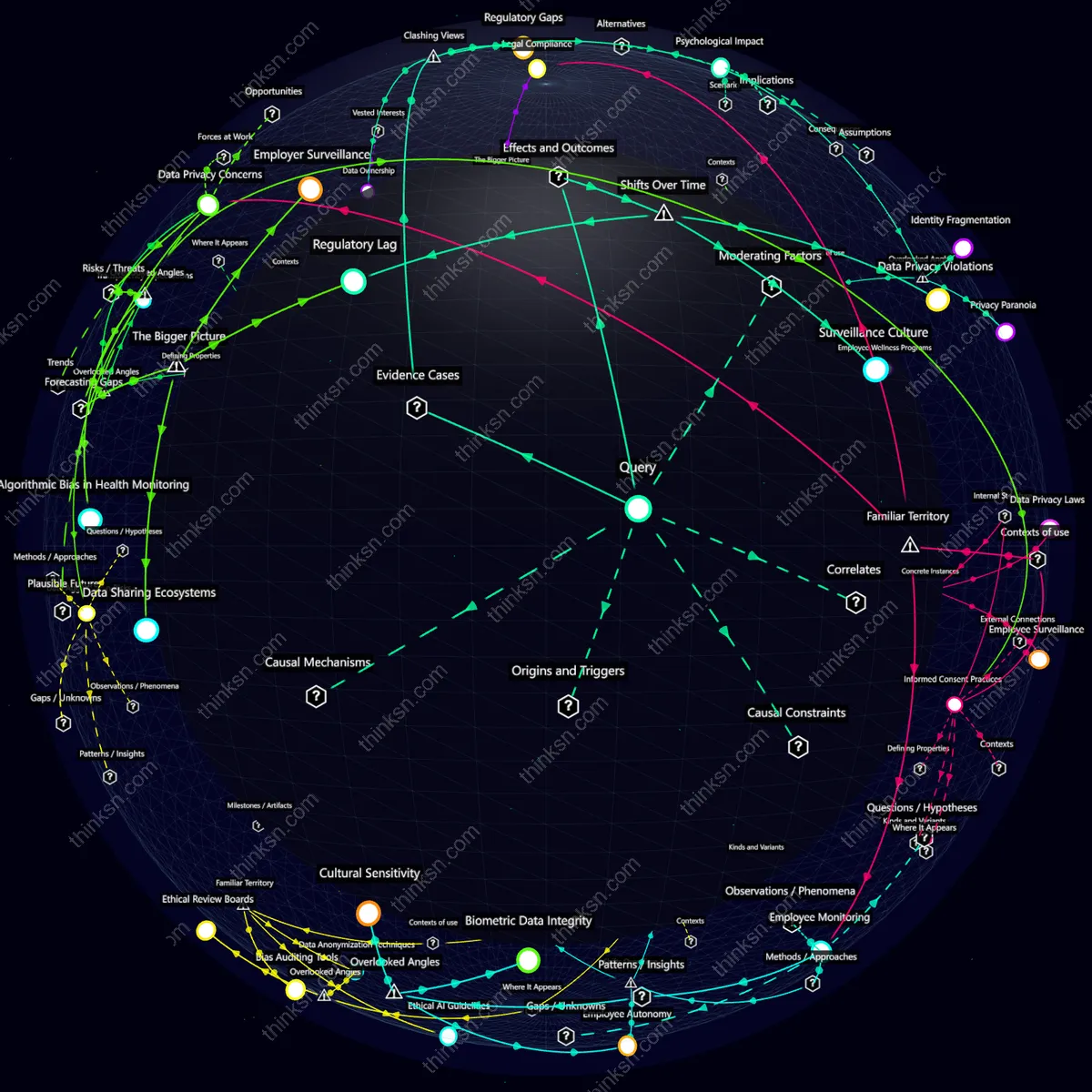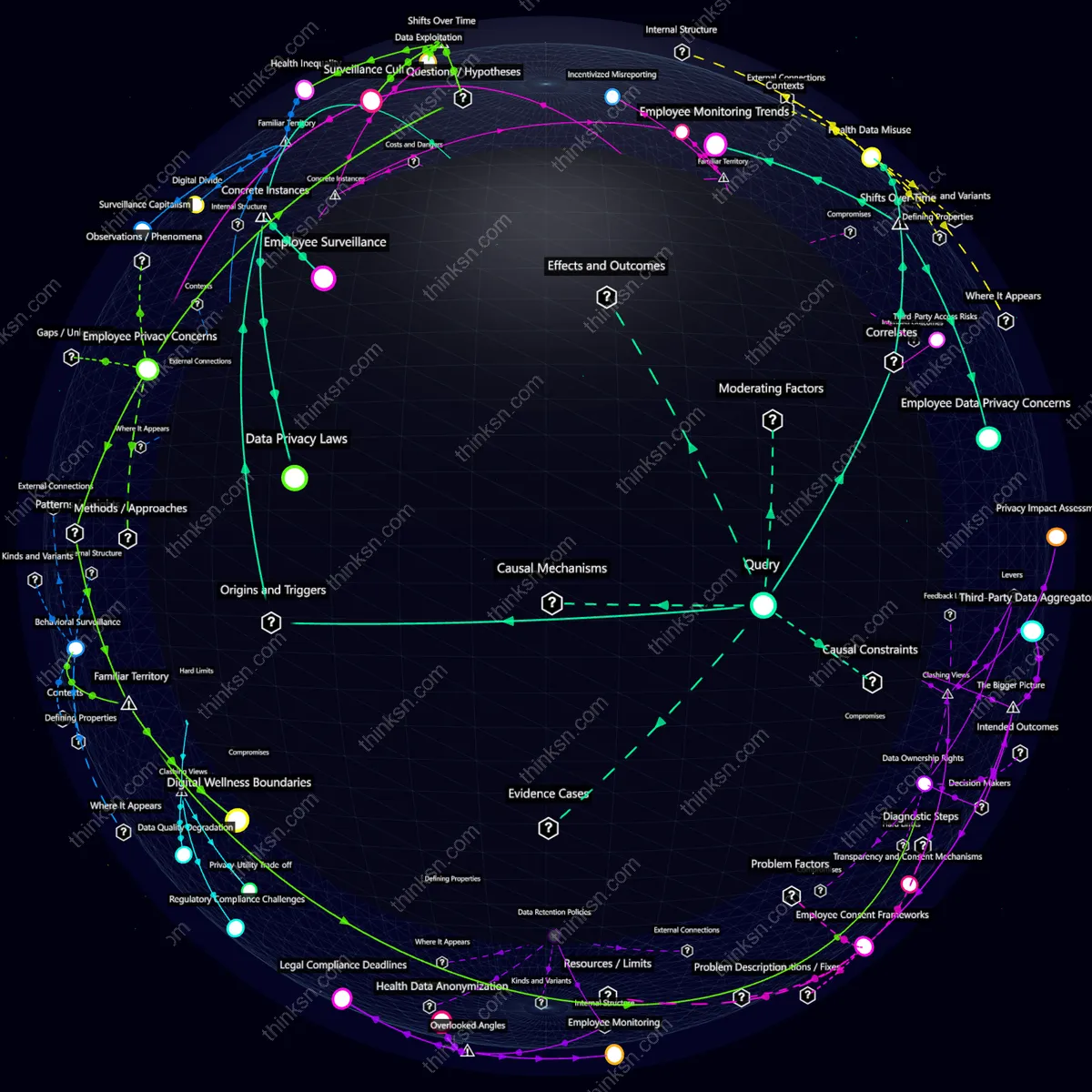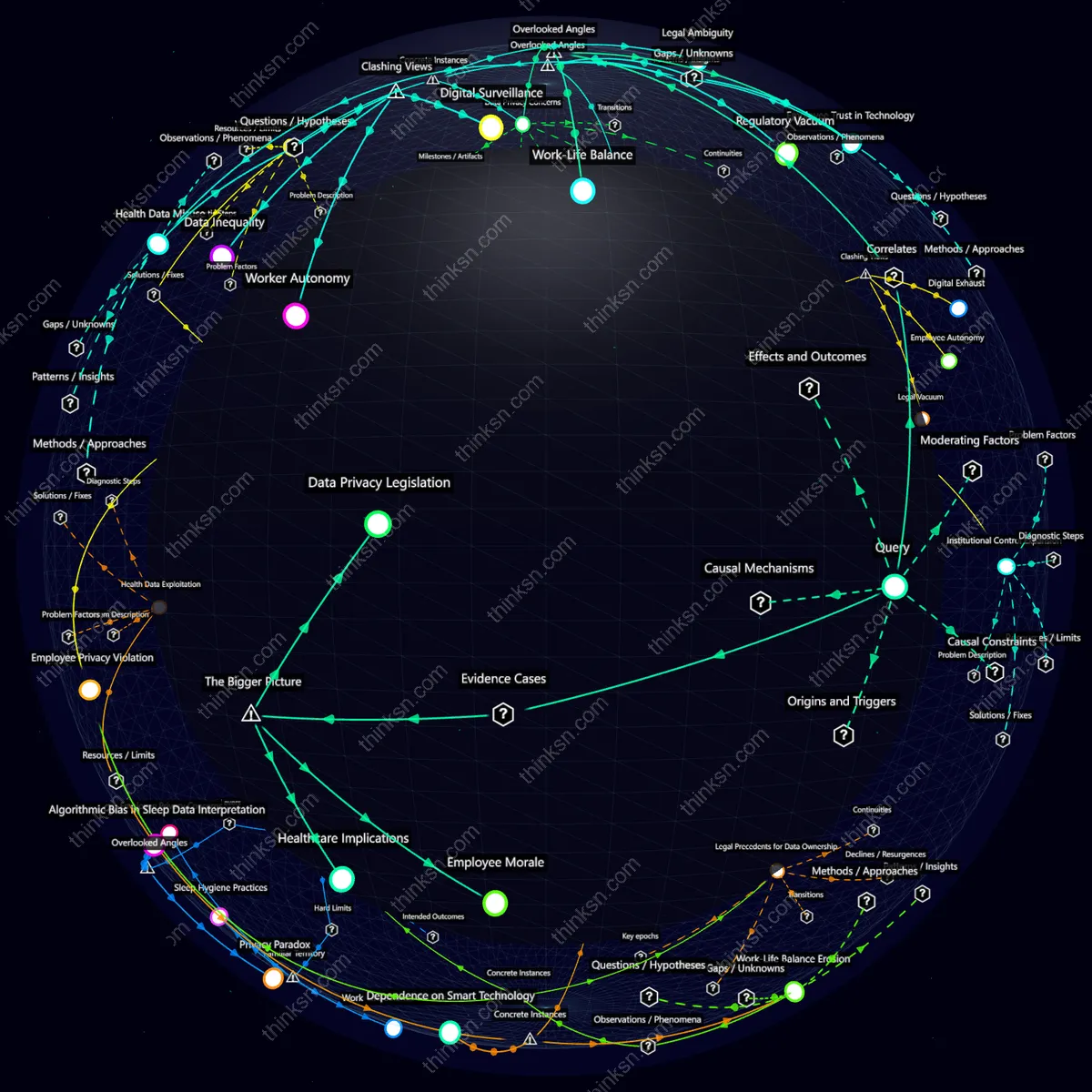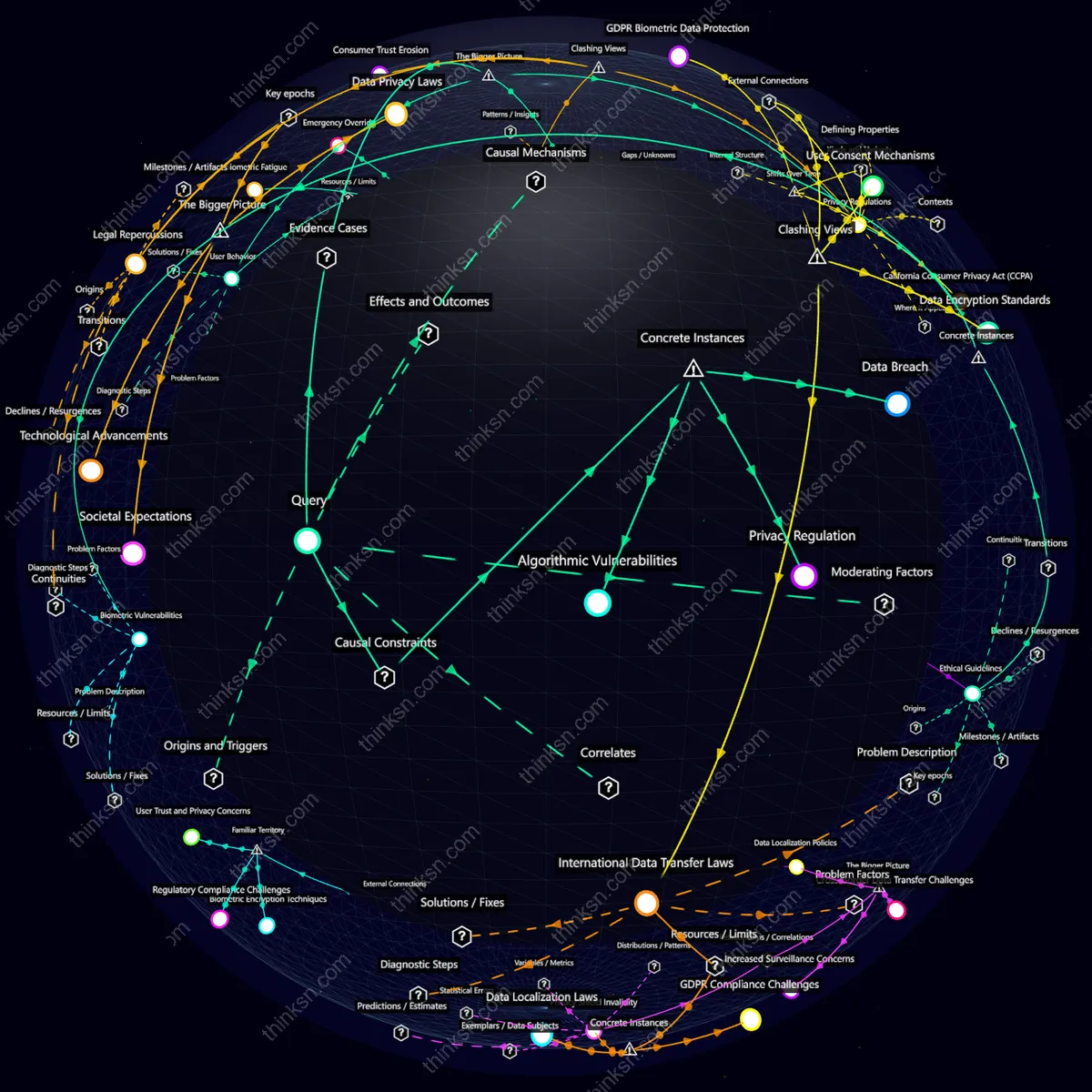
Government Mandatory Biometric Drug Testing for Employment: Privacy at Risk?
Key Findings
Hidden Drug Scans
Mandatory biometric drug testing undermines privacy because invisible, unchallengeable surveillance erodes personal autonomy.
Mandatory drug testing using biometric data continues surveillance without clear boundaries. This resembles the case United States v. Jones, where long-term monitoring by the government was found to violate privacy rights. The Fourth Amendment protects against such intrusions. When people cannot see or control how data is collected, they cannot challenge it. Consent is absent in constant biometric monitoring. Without the ability to opt out, individuals lose power over their personal information. This imbalance strengthens state authority at the cost of personal freedom. As a result, invisible and ongoing monitoring weakens constitutional privacy protections. Therefore, mandatory biometric drug testing threatens the right to a private life.
Biometric Job Checks
Mandatory drug testing using biometric data erodes privacy by design, because routine data reuse across government functions follows from entrenched administrative systems.
Governments often start by collecting biometric data for work programs in the name of efficiency. Over time, these systems grow beyond their original purpose. Early investments create habits and structures that favor more data collection. What begins as voluntary often becomes required. Once biometric data is part of job-related requirements, like drug testing, it gets reused in other areas. These repeated uses slowly weaken privacy. Such reuse is common in democracies with large databases. The result is not accidental. It follows from how these systems are built and expanded. Routine data sharing across government functions makes privacy loss predictable. Privacy is not just weakened by misuse. It is weakened by design.
Biometric Drug Tests
Biometric drug testing does not always harm privacy because strict data rules and decentralized systems can block misuse.
Biometric data in drug testing can harm privacy only when stored in centralized systems. These systems allow different databases to share information. This increases the risk of misuse. When data is managed locally and kept to a minimum, the risk drops. Rules like those in the EU protect against broad use. National laws in Germany back these limits. In India, large databases have allowed mission creep. Testing data started for health but expanded to other areas. Such shifts happen when databases connect. Privacy loss is not automatic. Courts in Europe have blocked function creep. Legal systems that limit data reuse prevent abuse. Protection depends on rules and design. Technology alone does not determine outcomes. Strong oversight keeps data use narrow.
Job Drug Tests With Biometrics
Job drug tests using biometrics undermine privacy when weak oversight lets institutions prioritize control over personal rights, turning monitoring into a routine condition of work.
Mandatory drug testing using biometric data can severely weaken privacy. This happens only when the system lacks independent court oversight. In such cases, personal data is treated as a tool for regulators, not a protected right. Without judicial checks, access to data becomes routine. Officials can expand monitoring without limits. What starts as occasional checks becomes a standard job requirement. This turns privacy rights into empty promises. The risk grows when agencies serve bureaucratic goals over personal freedoms. Stronger oversight would prevent abuse. Countries that keep health, jobs, and surveillance separate avoid this problem. But combining biometric systems with employment without strong rules damages privacy in real ways. The core problem is not the technology itself. It is how weak oversight allows institutions to override rights in practice. The outcome shifts power from individuals to state control. This persists only where public institutions fail to set clear limits. Change can come from laws or international rules that restore accountability. So the danger lies in the system's design, not the data alone. Privacy erodes when monitoring becomes routine and unchallenged.
Job Drug Tests
Biometric job drug testing spreads because workers lack the power to refuse it, making consent meaningless where labor is weak.
Biometric drug testing in jobs spreads because workers often cannot say no. Employers hold most of the power, especially where jobs are scarce and unions are weak. In these places, workers must accept testing to get or keep a job. Laws allowing at-will firing make refusal even riskier. Even without strong government surveillance systems, companies still impose these checks. The reason is not high-tech systems or data tracking, but weak worker rights. History shows this during tough economic times. It repeats now in gig work. Safety and productivity justify the testing, but privacy rules matter less when workers have no choice. Thus, drug testing grows fastest where workers have the least protection. This pattern holds across countries, no matter their data laws.
Job Drug Tests
Mandatory biometric drug testing establishes constant workplace monitoring by turning routine data collection into a condition of work, eroding personal freedom over time.
Employers using biometric drug testing create a system where workers must give up personal data to get work. These systems start small but grow silently over time. What begins as a narrow check for safety expands to cover more people and uses. Once data systems exist, they are hard to roll back. Compliance becomes routine. Workers feel they must agree, even if they do not truly consent. This shift happens slowly, not through force but through routine. As more data is collected, the idea of personal privacy fades. The workplace begins to monitor bodies continuously. This change undermines the right to control one's private life. The system replaces personal freedom with enforced compliance. State-backed rules make this shift seem normal and necessary. The result is embedded in how jobs are structured today. It mirrors how national ID systems have expanded in the past. Surveillance becomes standard in employment.
Drug Test Tracking
Drug testing using biometrics succeeds when existing ID systems have already normalized personal data collection, making expansion easier.
Drug testing using fingerprints or scans is easier to introduce when a country already uses similar data for ID and benefits. India’s Aadhaar system uses biometrics for everyday services like welfare and banking. This use makes people more used to sharing such personal data. When the government later uses the same data for drug tests at work, it feels like a small step. People do not resist much because the system is already in place. But in places like Germany, strict privacy laws keep health and identity data separate. Accessing health data for job testing faces strong legal and public resistance. There, no shared system means more barriers. So, drug testing using biometrics works best where such data systems already exist. The key factor is not health goals but the ability to use existing data. Privacy concerns matter less when systems are already in use.
Drug Testing At Work
Workplace drug testing turns bodily data into a job requirement, weakening privacy because people must give up control over their bodies to earn a living.
Mandatory biometric drug testing for jobs extends government surveillance into private life. It uses workplace safety rules as justification. Employers require drug tests to comply with regulations. This ties job access to personal biological data. People must share private information to work. Over time, this weakens individual control over personal data. When jobs depend on such testing, workers lose privacy. Courts rarely check employer actions. Governments accept corporate reports without scrutiny. This links public policy with private monitoring. The result is not new laws, but daily enforcement practices. These practices slowly erode privacy rights. The body becomes regulated by the need to work. In many wealthy nations, this pattern fits broader trends. Privacy is traded for efficiency and health goals. The real cost is personal freedom.