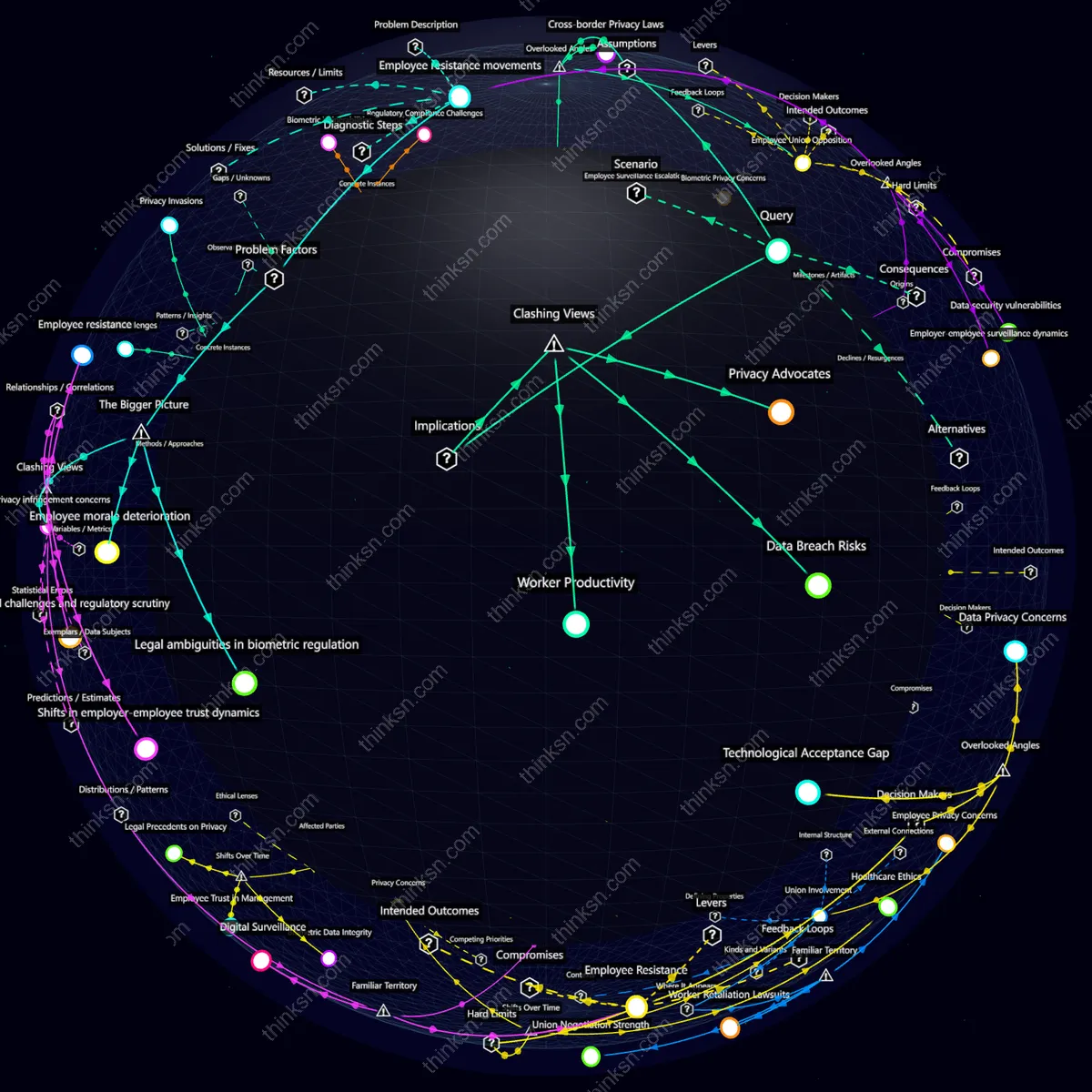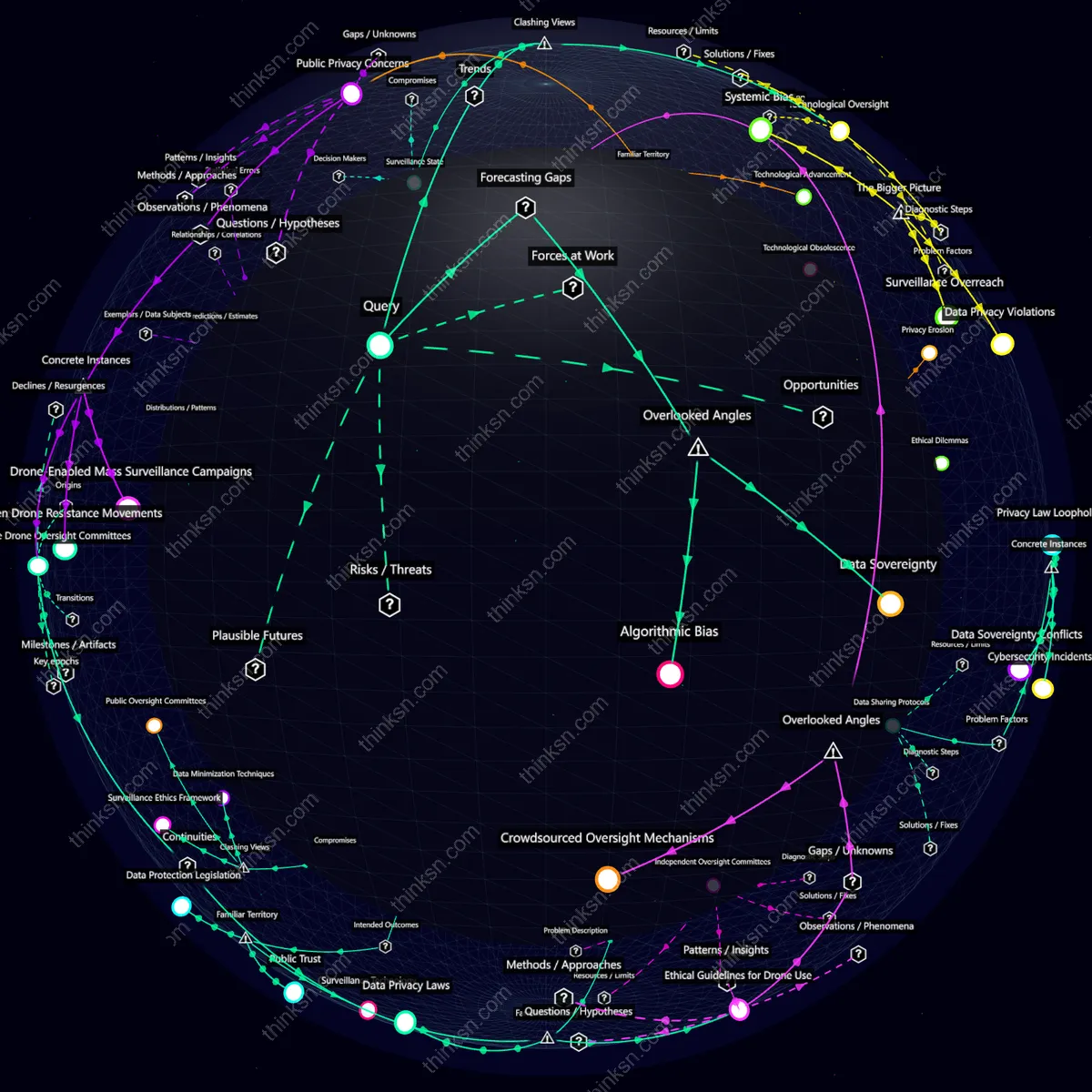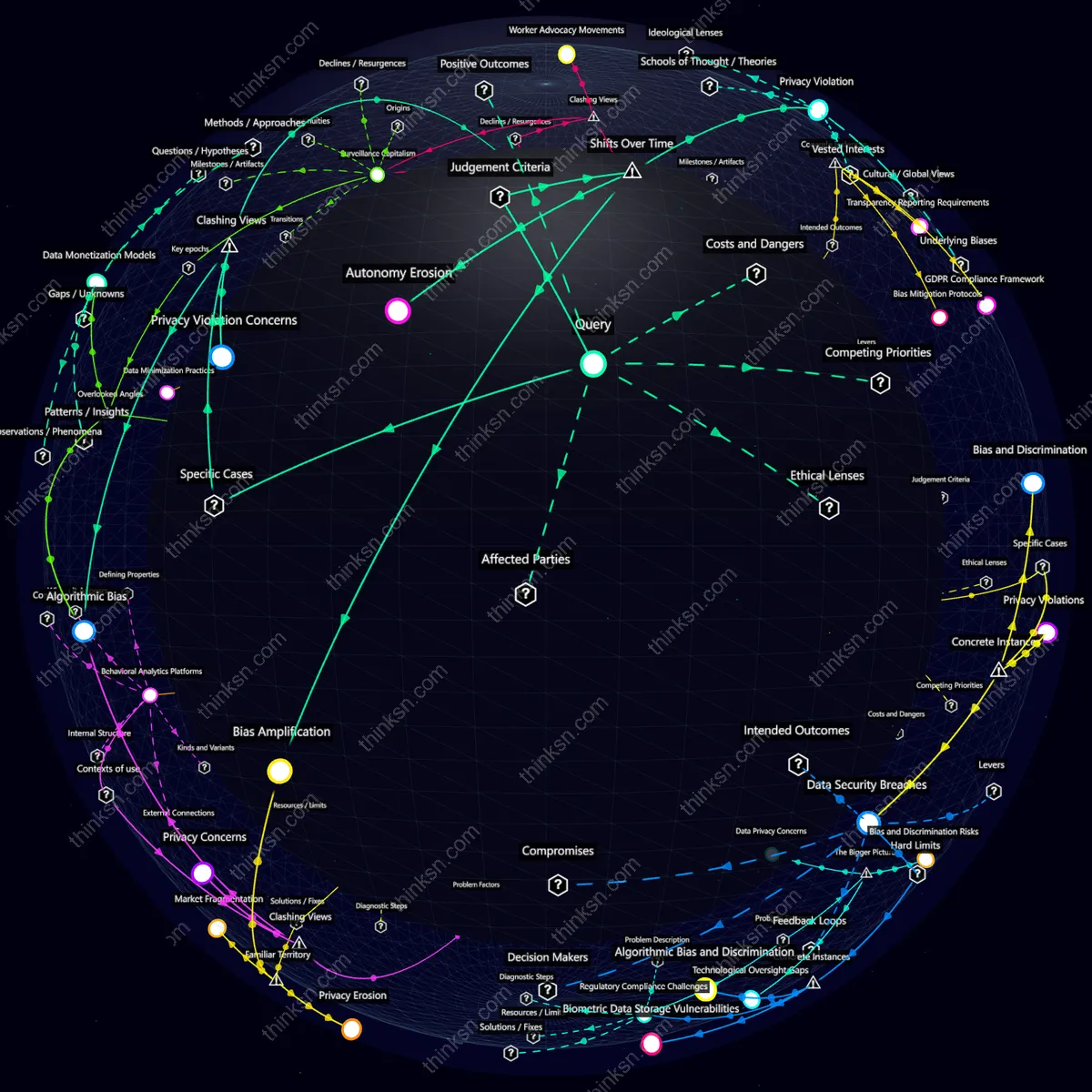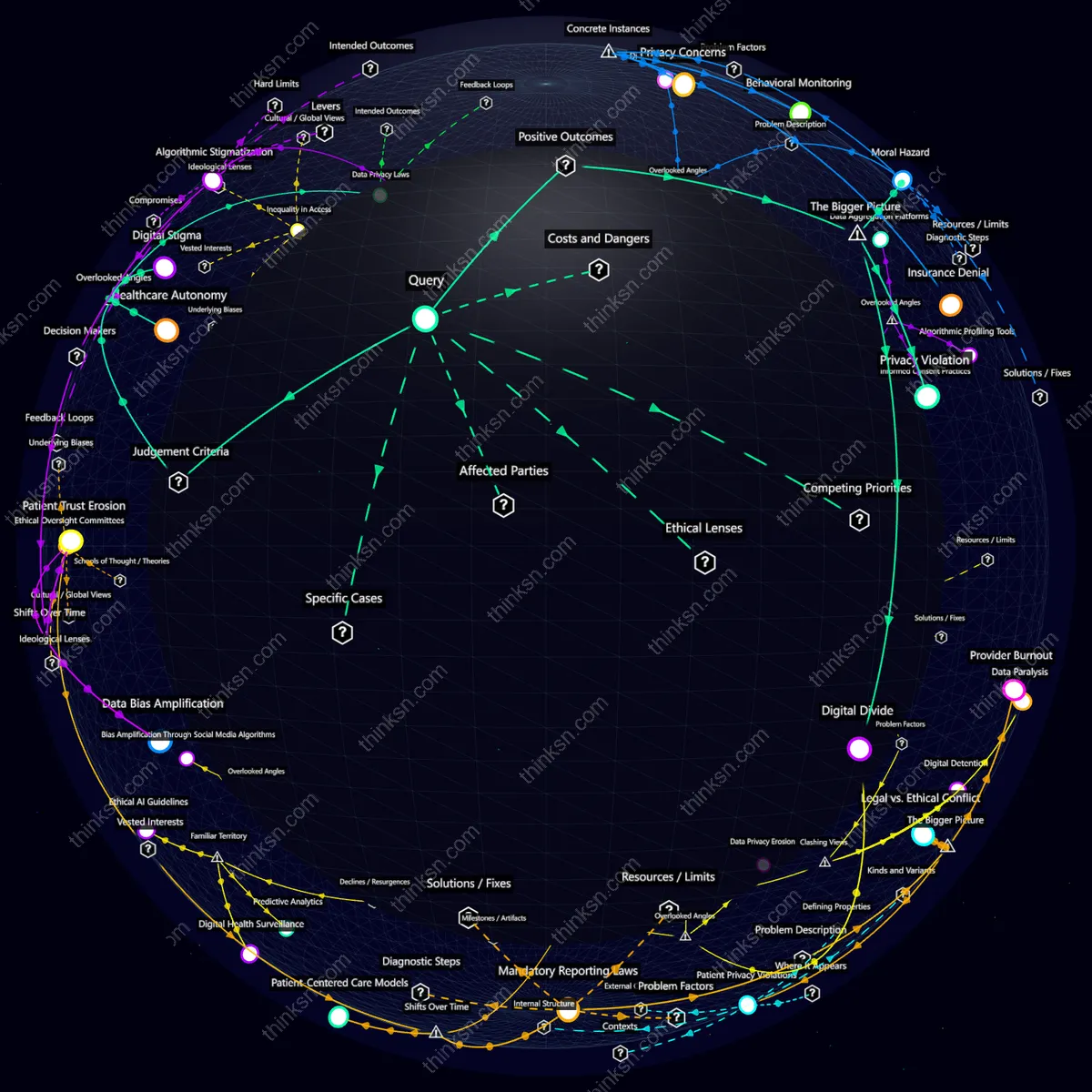
Legal Risks of Employer-Sponsored Sleep Monitoring in the Workplace
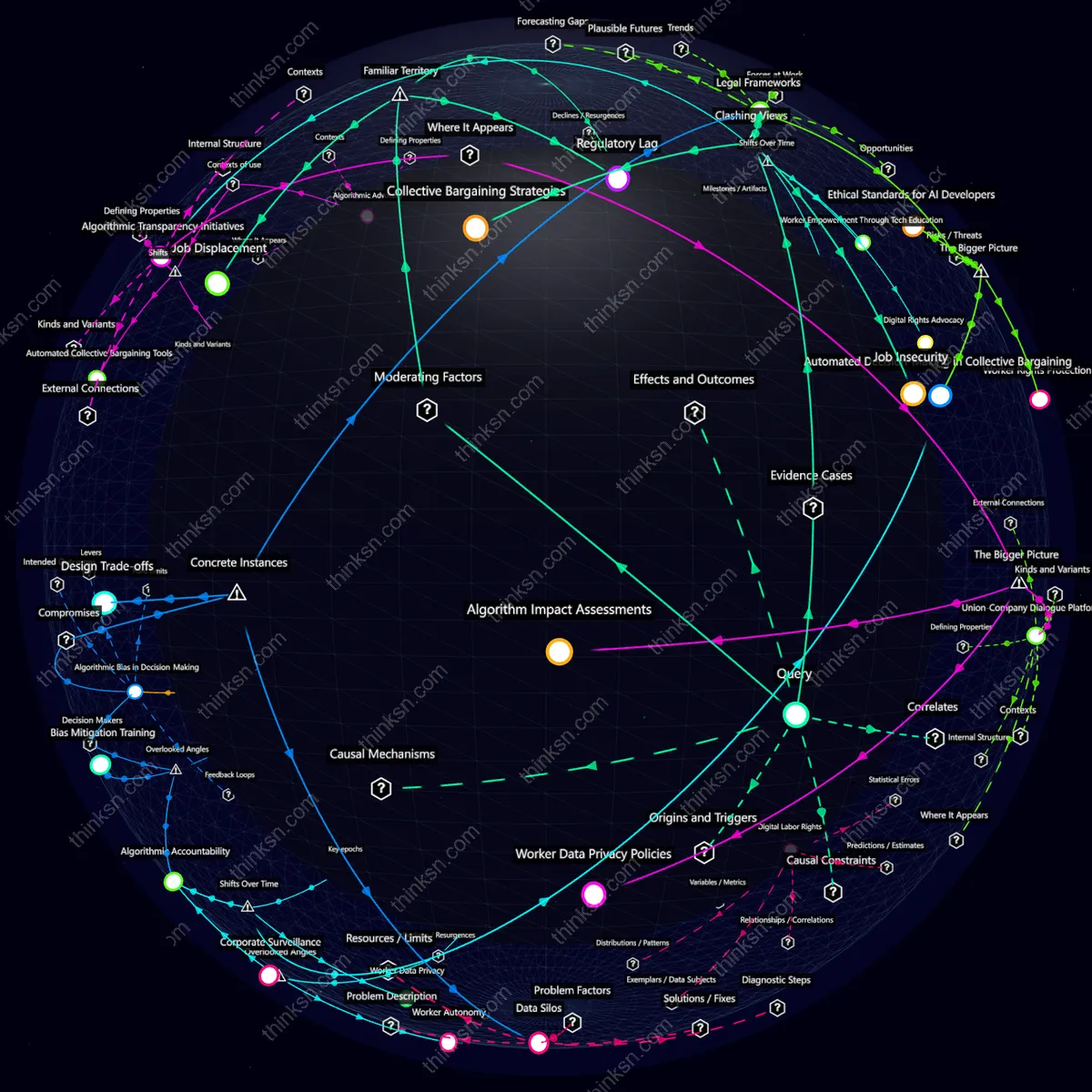
Analysis reveals 6 key thematic connections.
Key Findings
Work-Life Balance
Employer monitoring of employee sleep through smart beds can skew perceptions of work-life balance. Employees might feel pressured to optimize their sleep for productivity, potentially leading to chronic stress and burnout as they struggle to meet unspoken performance targets.
Data Privacy Concerns
The use of smart beds introduces a new layer of data privacy concerns beyond traditional surveillance. Employees may hesitate to express personal health issues or seek medical advice due to fear of stigma or repercussions from employers, creating a chilling effect on open communication about sensitive topics.
Employee Trust in Technology
Smart beds as monitoring tools can strain employee trust in workplace technology. This erosion of trust may extend beyond sleep data and affect broader adoption of digital tools, hampering collaboration and innovation when employees become wary of perceived invasions of privacy.
Data Privacy Legislation
The introduction of stricter data privacy laws in Europe through the GDPR has forced companies to reassess their monitoring practices. Employers using smart beds to monitor employees' sleep may face stringent legal challenges and hefty fines if they cannot demonstrate clear, lawful justification for such intrusive surveillance.
Employee Morale
Monitoring employees' sleep can lead to a significant erosion of trust within the workplace. Employees might experience heightened stress and reduced job satisfaction due to perceived violations of personal privacy. This could result in higher turnover rates, decreased productivity, and legal disputes over employee rights.
Healthcare Implications
While smart beds can provide valuable health insights, the misuse or mishandling of sensitive health data by employers raises ethical concerns and potential liabilities. Employees may feel coerced into disclosing personal medical information, leading to conflicts over consent and privacy rights in healthcare settings.
Deeper Analysis
How might employee trust in technology be affected by employers monitoring sleep through smart beds, and what emerging legal concerns arise from this technological shift?
Data Privacy Concerns
Employers using smart beds to monitor employee sleep can erode trust by exposing employees' personal health data to potential breaches. This surveillance technology creates a fragile dependency on secure IT infrastructure, with risks of unauthorized access or accidental leaks compromising privacy.
Work-Life Balance Expectations
The introduction of smart beds for monitoring sleep can distort perceptions about work-life boundaries, as employees feel compelled to meet productivity targets even during rest periods. This shift may lead to unintended consequences such as increased stress and burnout, undermining overall well-being and trust in technology solutions.
Legal Ambiguity
Emerging legal concerns around the use of smart beds for monitoring employee sleep highlight a lack of clear guidelines or precedents. This ambiguity can create systemic risks as companies navigate uncharted territory, potentially facing backlash from employees and regulatory bodies over privacy violations and ethical considerations.
Privacy Erosion
Employer monitoring through smart beds erodes employee privacy, leading to a chilling effect on trust in workplace technology. Employees may become anxious about ubiquitous surveillance, fearing that personal data could be misused or shared without consent.
Health Data Misuse
The collection of sensitive health information through smart beds raises concerns over potential misuse by employers for discriminatory practices or performance evaluations based on sleep patterns. This can undermine trust in technology as employees question its neutrality and fairness.
Regulatory Vacuum
Emerging technologies like smart beds outpace existing data protection laws, creating a regulatory vacuum that leaves employees vulnerable to exploitation without clear legal recourse. This ambiguity heightens anxiety about the sanctity of personal information in the workplace.
Explore further:
- How might the stress-test of work-life balance expectations reveal potential systemic failures when employers monitor employees' sleep with smart beds, and what are the measurable implications for privacy rights and employee well-being?
- What are the emerging concerns and diverse perspectives on health data misuse when employers use smart beds to monitor employees' sleep for productivity purposes?
How might the stress-test of work-life balance expectations reveal potential systemic failures when employers monitor employees' sleep with smart beds, and what are the measurable implications for privacy rights and employee well-being?
Employee Privacy Violation
Employers monitoring sleep with smart beds can lead to severe privacy violations as employees' most intimate physiological data is at risk. The breach of this personal boundary triggers a loss of trust, causing stress and anxiety among staff, undermining work-life balance.
Digital Fatigue Syndrome
As employers extend surveillance into the realm of sleep through smart beds, employees experience digital fatigue syndrome due to constant monitoring. This condition exacerbates burnout and diminishes productivity, highlighting a systemic failure in recognizing the need for personal downtime.
Institutional Control Expansion
The deployment of smart beds by employers signals an expansion of institutional control over employees' lives, eroding personal autonomy. This shift can lead to resistance and dissatisfaction among workers, as systemic pressures intensify the divide between work and private life.
Explore further:
- How might digital fatigue syndrome affect employees' privacy rights when employers use smart beds to monitor sleep patterns?
- How might institutional control expansion in employer oversight over employee sleep through smart beds exacerbate systemic pressures and trade-offs between privacy rights, productivity metrics, and potential legal challenges?
What are the emerging concerns and diverse perspectives on health data misuse when employers use smart beds to monitor employees' sleep for productivity purposes?
Digital Surveillance
The increasing use of smart beds for monitoring employee sleep introduces a new form of digital surveillance. This shifts the focus from traditional workplace monitoring to continuous, intimate data collection on personal health metrics, potentially altering employee behavior and trust in employers. Employees may experience heightened anxiety over privacy invasions and misuse of their sensitive health information.
Worker Autonomy
Employer-driven health surveillance through smart beds undermines worker autonomy by crossing boundaries between private and professional life. This raises ethical questions about consent, especially when workers feel pressured to comply due to employment conditions. The risk of employees feeling less in control over their personal data can lead to systemic issues like decreased job satisfaction and higher turnover rates.
Data Inequality
The deployment of smart beds for health monitoring highlights disparities between employers with advanced technology capabilities and those without, exacerbating existing inequalities. This digital divide could result in uneven power dynamics where smaller or less technologically adept organizations struggle to compete while also prioritizing employee privacy over productivity metrics.
How might digital fatigue syndrome affect employees' privacy rights when employers use smart beds to monitor sleep patterns?
Privacy Erosion
The deployment of smart beds to monitor employees' sleep patterns exacerbates privacy erosion by blurring the lines between personal and professional life. Employees may feel compelled to consent under pressure from employers, leading to a normalization of invasive monitoring that could undermine trust in organizational policies designed to protect individual rights.
Data Commodification
As sleep data collected through smart beds becomes monetizable, employees face the risk of their personal health information being treated as corporate assets. This commodification can lead to a trade-off where privacy is compromised for potential benefits in workplace productivity or health management programs, creating an uneven power dynamic between employers and employees.
Surveillance Society
The integration of smart beds into the workplace contributes to the formation of a surveillance society, where constant monitoring erodes traditional boundaries around personal privacy. Employees might experience heightened stress and anxiety due to the pervasive nature of data collection, affecting mental health and overall well-being, thus challenging the ethical implications of such technologies in employment contexts.
Employee Data Privacy
The use of smart beds by employers to monitor employees' sleep patterns exacerbates digital fatigue syndrome by increasing anxiety and distrust over data privacy. Employees may feel surveilled, leading to a sense of helplessness and diminished control over personal information.
Employer-Employee Trust Dynamics
Digital fatigue syndrome can erode the trust between employers and employees when invasive monitoring technologies like smart beds are introduced. This mistrust could lead to decreased productivity, higher turnover rates, and a hostile work environment as employees feel their privacy rights are being violated.
Health Data Exploitation
Employers exploiting health data from smart bed systems can intensify digital fatigue syndrome by creating an uncomfortable balance of power. Employees might face pressure to disclose sensitive information or fear reprisals if their sleep patterns do not meet certain criteria, leading to a pervasive sense of vulnerability and exploitation.
Explore further:
- How might privacy erosion evolve as employers increasingly monitor employees' sleep through smart beds, and what are the potential legal implications over time?
- What are the measurable risks and trade-offs for employee health data privacy when employers exploit sleep monitoring data from smart beds to manage workforce productivity?
How might privacy erosion evolve as employers increasingly monitor employees' sleep through smart beds, and what are the potential legal implications over time?
Digital Exhaust
As employers monitor employees' sleep patterns through smart beds, the accumulation of digital exhaust poses a significant risk to personal privacy. This data becomes an insidious form of surveillance that can be used not just for productivity metrics but also to infer mental health conditions and stress levels, leading to potential misuse by employers.
Legal Vacuum
The rapid deployment of smart beds in the workplace has outpaced existing data protection laws. This legal vacuum leaves employees vulnerable to privacy erosion, with no clear guidelines on how personal biometric data should be handled or protected from unauthorized access by employers.
Employee Autonomy
The monitoring of sleep through smart beds challenges the very notion of employee autonomy and blurs the lines between private life and professional obligations. This shift towards pervasive workplace surveillance could lead to a culture where workers feel constantly under observation, impacting their mental health and personal lives.
What are the measurable risks and trade-offs for employee health data privacy when employers exploit sleep monitoring data from smart beds to manage workforce productivity?
Informed Consent Challenges
Companies exploiting sleep monitoring data face a delicate balance between gathering insights for productivity and ensuring employees give truly informed consent. Employees might feel compelled to agree without fully understanding the extent of data use, leading to erosion of trust and potential legal repercussions if mishandled.
Work-Life Balance Erosion
The pervasive monitoring of sleep through smart beds can blur lines between personal time and professional demands. Employees may experience increased stress as their rest becomes part of performance metrics, leading to a vicious cycle where better sleep is both desired and undermined by constant surveillance.
Dependence on Smart Technology
Employers relying heavily on smart beds for monitoring sleep risk creating an unhealthy dependence on technology that may not be accessible or affordable outside the workplace. This can exacerbate inequalities, as employees without access to similar tech at home might feel disadvantaged and pressured to conform, leading to privacy concerns beyond the office.
Explore further:
- What are the potential challenges and failures in obtaining informed consent when employers monitor employees' sleep using smart beds, and how do these impact privacy rights and systemic strain?
- In what ways could the monitoring of employees' sleep through smart beds affect their work-life balance, and what emerging legal concerns might arise from this erosion?
What are the potential challenges and failures in obtaining informed consent when employers monitor employees' sleep using smart beds, and how do these impact privacy rights and systemic strain?
Digital Privacy Erosion
Employers monitoring employees' sleep through smart beds can lead to a pervasive feeling of surveillance and control, eroding digital privacy rights. Employees may feel compelled to sacrifice personal boundaries for job security, creating a fragile dependency on employer benevolence.
Employee Dissent
The implementation of sleep monitoring technologies often triggers significant employee dissent due to concerns over data misuse and lack of transparency in consent processes. This can lead to decreased morale, increased turnover, and legal challenges as employees seek redress for privacy violations.
Systemic Overreach
The deployment of sleep monitoring systems within organizations may signal a systemic overreach by employers into private aspects of employees' lives. This can strain existing regulatory frameworks, prompting calls for stricter oversight and policy reform to protect individual rights against corporate encroachment.
In what ways could the monitoring of employees' sleep through smart beds affect their work-life balance, and what emerging legal concerns might arise from this erosion?
Employee Privacy Violation
The monitoring of employees' sleep through smart beds can lead to significant privacy concerns. Employers gain unprecedented access to personal health data, raising ethical questions about consent and the extent to which employers should influence workers’ personal lives.
Increased Workplace Stress
Employees may experience heightened stress due to the constant surveillance of their sleep patterns through smart beds. This can create a pervasive sense of being monitored, leading to anxiety and decreased job satisfaction as employees feel their private health information is not secure or respected.
Legal Precedents for Data Ownership
As employers collect more personal data via technology like smart beds, legal debates around data ownership are intensifying. Employees are increasingly questioning who owns the data collected and what rights they have over their own health information, leading to potential conflicts between corporate policy and individual privacy rights.
Explore further:
- What strategies can be implemented to mitigate increased workplace stress resulting from employers monitoring employees' sleep with smart beds?
- How has the legal interpretation of data ownership evolved over time in response to technological advancements like smart beds used for employee sleep monitoring, and what are the implications for privacy rights?
What strategies can be implemented to mitigate increased workplace stress resulting from employers monitoring employees' sleep with smart beds?
Employee Privacy Concerns
Increased surveillance through smart beds exacerbates employee privacy concerns, leading to heightened stress as workers feel constantly monitored and evaluated. This tension can erode trust between employees and management, undermining morale and productivity.
Sleep Hygiene Practices
The introduction of sleep-monitoring technology prompts employers to emphasize sleep hygiene practices among employees, which may improve overall health but also pressures workers to conform to strict sleep schedules, creating additional stress around achieving optimal rest conditions.
Work-Life Balance Policies
Efforts to mitigate workplace stress through monitoring might lead companies to implement more robust work-life balance policies. However, these policies could be superficially applied or poorly enforced, failing to address underlying issues and instead generating frustration among employees who feel their personal boundaries are continually being invaded.
Privacy Paradox
The paradox emerges as employees feel more observed yet paradoxically less secure when employers use smart beds to monitor sleep. This shifts attention from productivity metrics to personal data security, creating a fragile dependency on employer assurances of privacy.
Algorithmic Bias in Sleep Data Interpretation
Employers relying on algorithmic analysis of sleep data risk misinterpreting patterns and attributing negative workplace performance solely to poor sleep quality. This oversight can lead to unfair evaluations and undermine employee trust, especially among diverse populations with varied health needs.