AI Avatars and the Risk of Identity Fraud
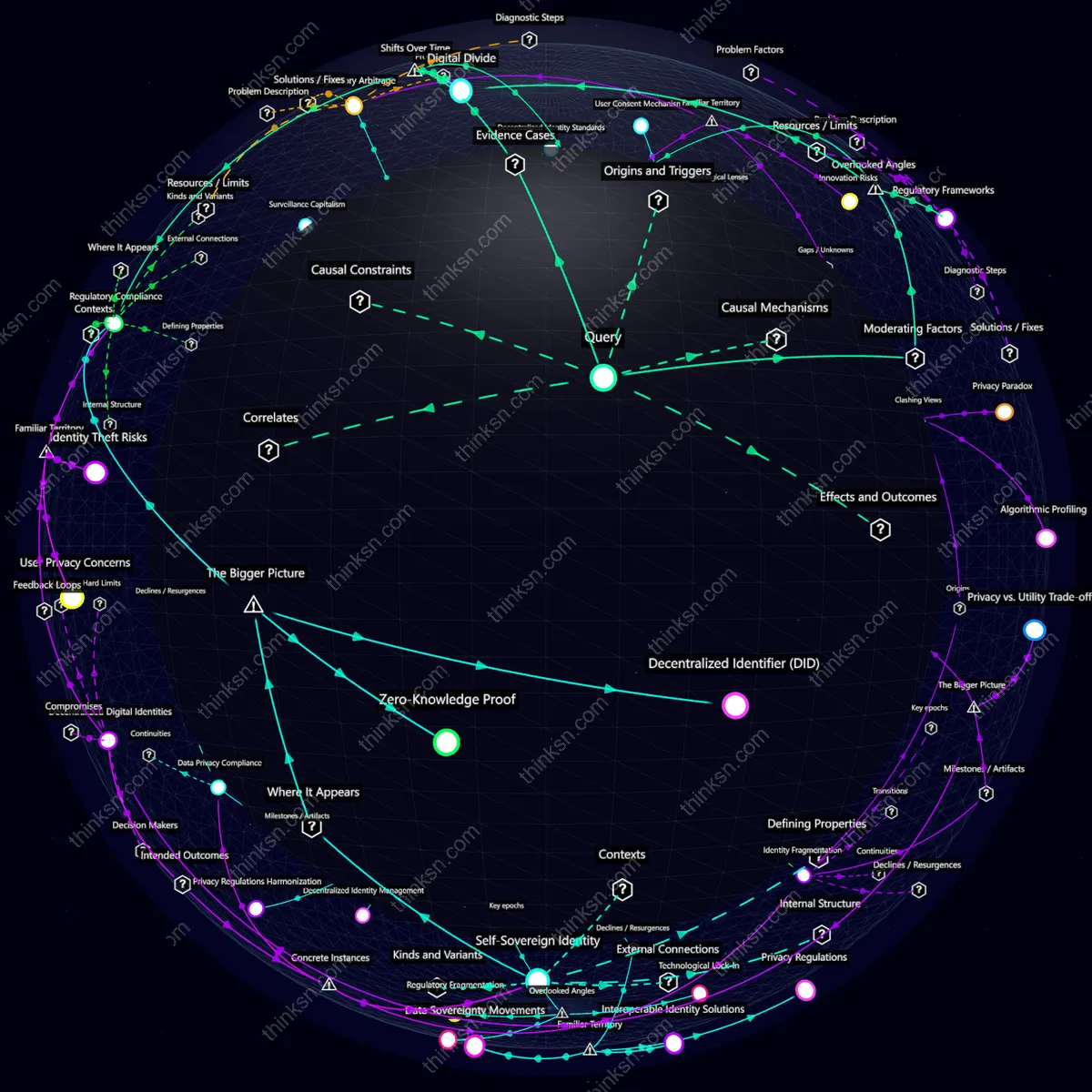
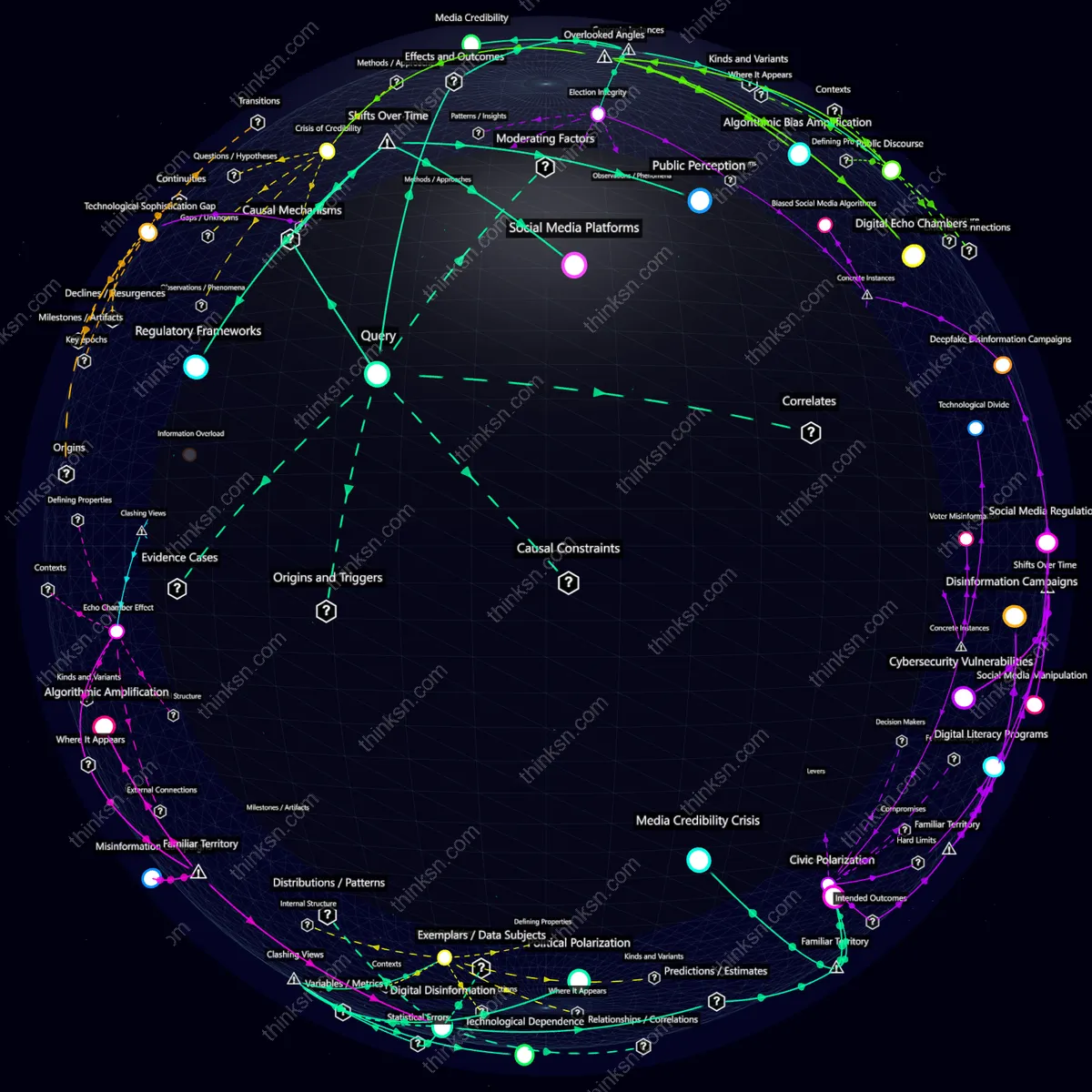
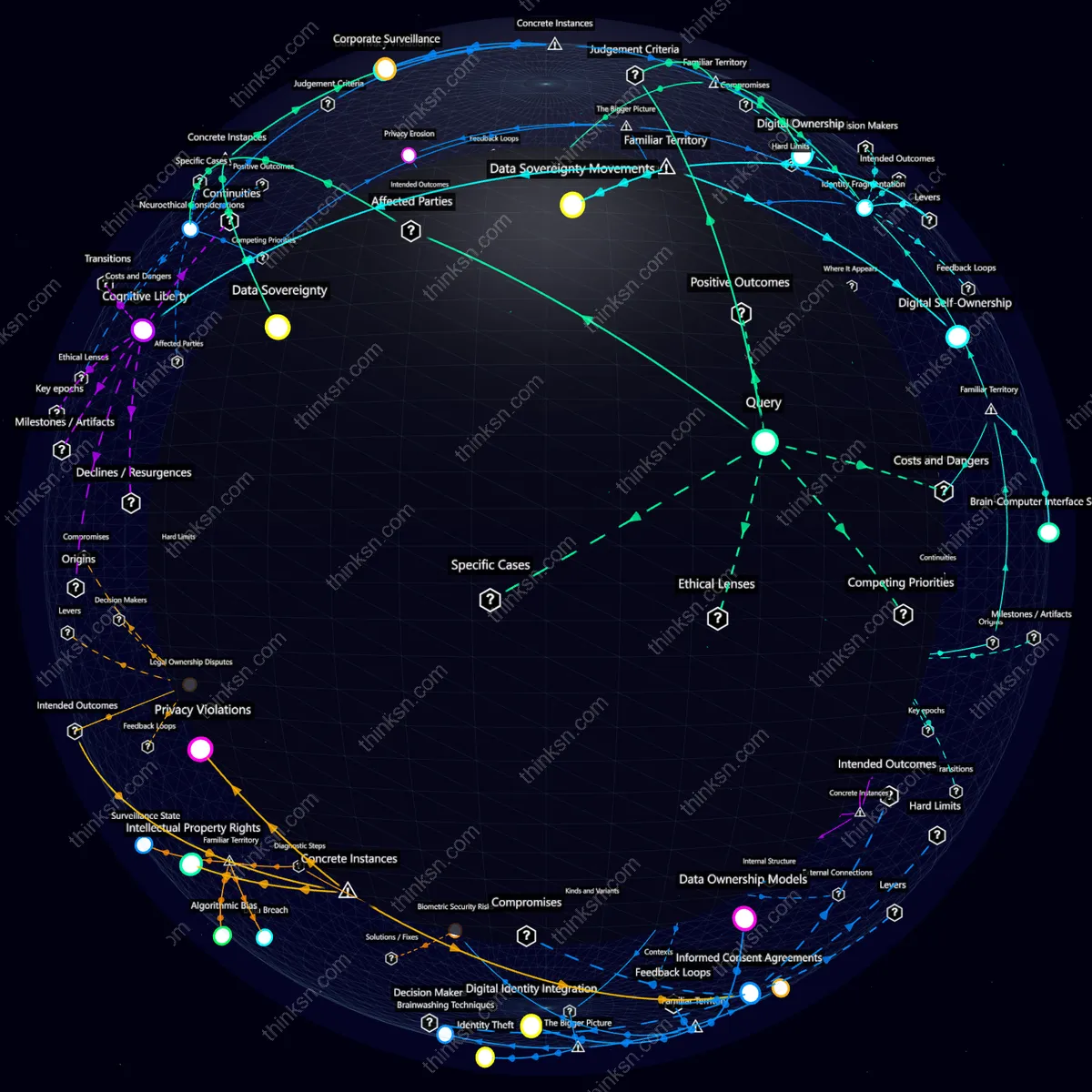
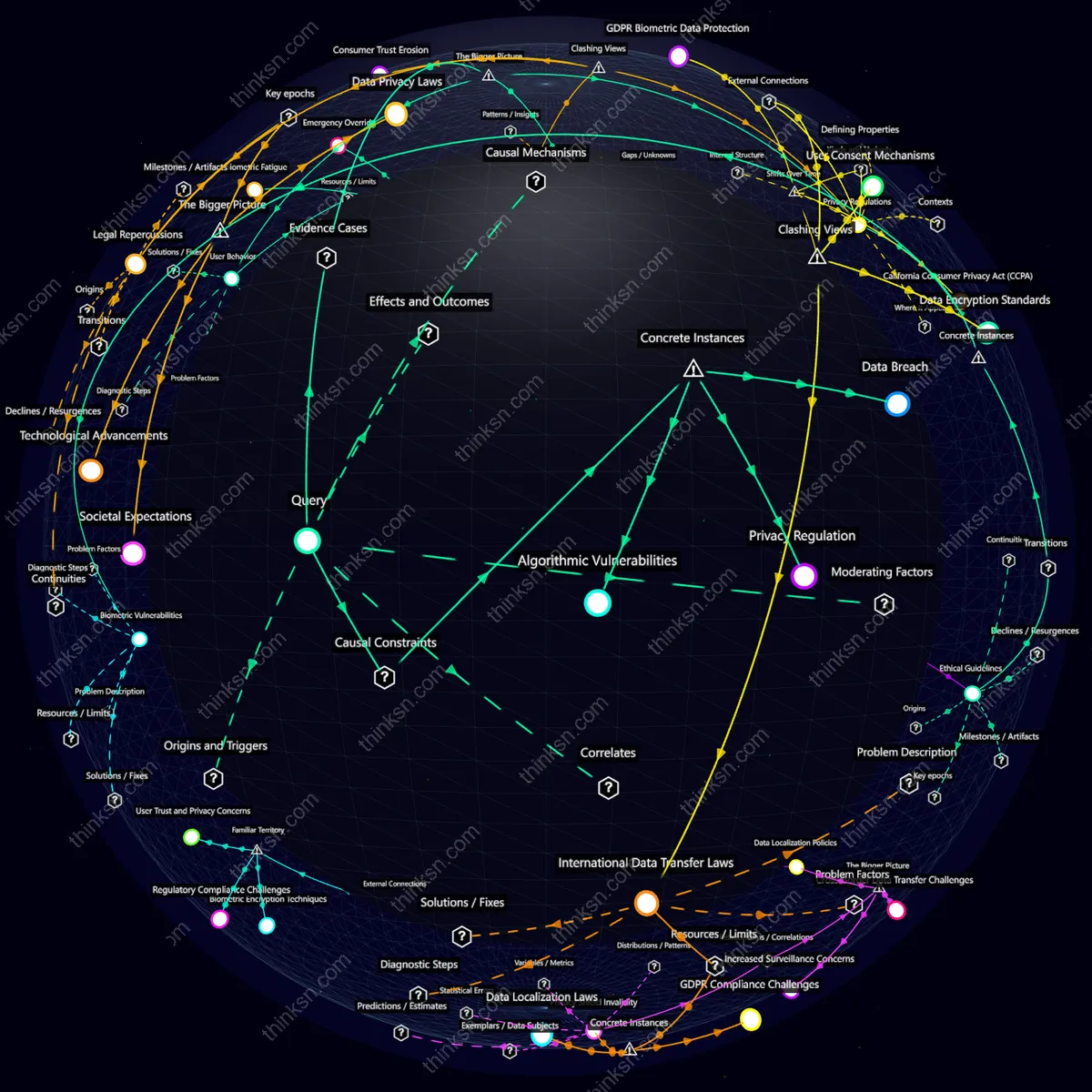
Analysis reveals 5 key thematic connections.
Key Findings
Digital Mimicry
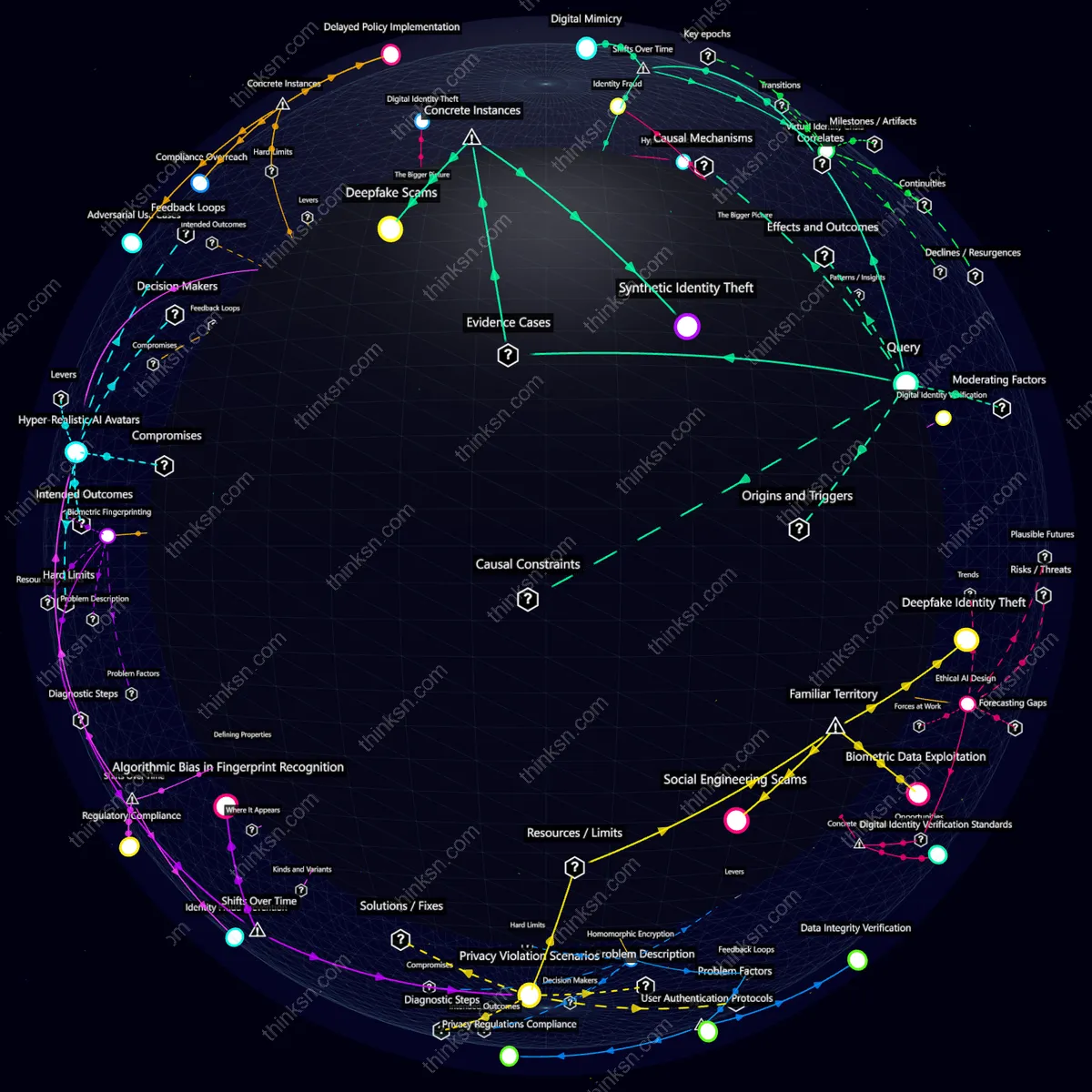
Hyper-realistic AI avatars amplify the risk of digital mimicry, where scammers use sophisticated technology to impersonate individuals convincingly. As these techniques evolve, they challenge existing security measures and can lead to unprecedented identity fraud cases, highlighting a fragile dependency on rapid technological countermeasures.
Privacy Paradox
The adoption of hyper-realistic AI avatars creates a privacy paradox where individuals seek enhanced online anonymity but inadvertently expose new facets of their identities through sophisticated avatar interactions. This shift can lead to increased surveillance and data breaches, as the line between authentic and simulated identity becomes blurred.
Virtual Identity Crisis
As hyper-realistic avatars become more prevalent, users face a virtual identity crisis where the boundary between their online persona and real self becomes increasingly indistinct. This evolution can lead to complex psychological impacts, such as identity confusion or alienation from one's true identity.
Synthetic Identity Theft
Hyper-realistic AI avatars can enable synthetic identity theft by allowing attackers to convincingly impersonate individuals in real-time video calls, tricking victims into divulging sensitive information or conducting fraudulent transactions.
Deepfake Scams
The rise of deepfakes has seen criminals exploit hyper-realistic AI avatars to impersonate CEOs and other high-profile figures, using these synthetic personas to deceive employees into wiring large sums to offshore accounts under the guise of urgent business needs.
Deeper Analysis
How does the Privacy Paradox evolve in relation to hyper-realistic AI avatars and their potential for causing identity fraud and privacy issues over time?
Hyper-realistic AI Avatars
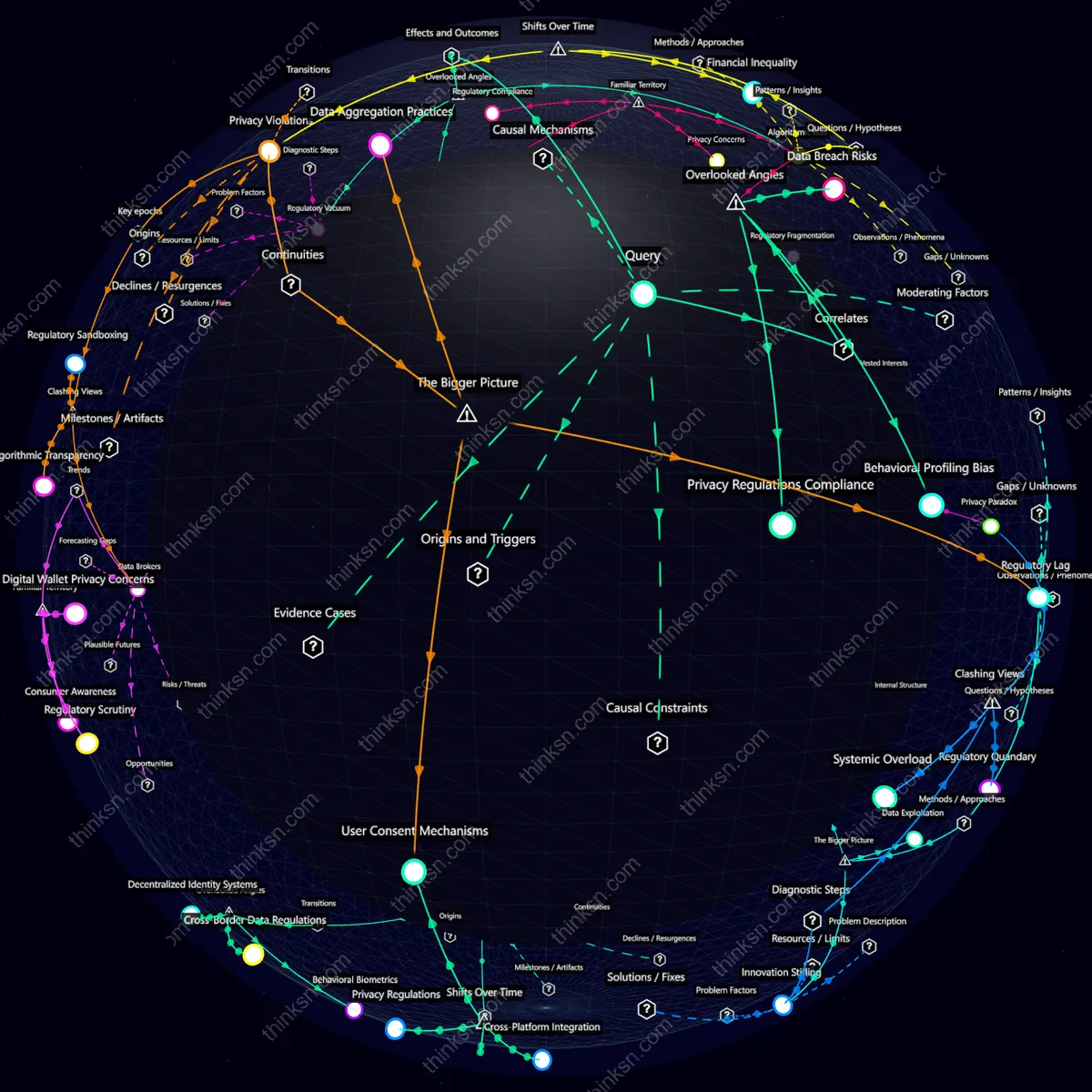
The rise of hyper-realistic AI avatars exacerbates the Privacy Paradox by blurring lines between digital and physical identities. As these avatars become increasingly sophisticated, they pose a significant risk for identity fraud, as individuals may unknowingly consent to sharing highly personal data under the guise of entertainment or convenience.
Digital Identity Theft
The Privacy Paradox intensifies with digital identity theft facilitated by AI avatars, creating a cycle where users' heightened awareness of privacy risks paradoxically leads to more relaxed attitudes towards sharing sensitive information online. This trade-off emboldens cybercriminals who exploit the trust built between individuals and their virtual counterparts.
Regulatory Lag
The rapid evolution of AI technology, particularly in avatar creation, outpaces legal frameworks designed to protect individual privacy, leading to a widening gap where regulatory lag fuels the Privacy Paradox. As lawmakers struggle to keep up with technological advancements, individuals and corporations are left vulnerable to sophisticated privacy breaches.
Identity Fraud
As AI avatars become increasingly adept at impersonating human identity, the Privacy Paradox deepens due to escalating identity fraud cases. Financial institutions and social networks face mounting challenges distinguishing genuine user interactions from fraudulent ones, leading to systemic vulnerabilities and a chilling effect on digital engagement.
Privacy Legislation
The evolving threat landscape of AI avatars has spurred the development of stringent privacy legislation globally. However, these measures often lag behind technological advancements, leaving legal frameworks struggling to protect individuals from sophisticated identity fraud tactics, thereby exacerbating the Privacy Paradox through regulatory inadequacy.
Explore further:
What strategies can be formulated to address regulatory lag in response to identity fraud and privacy issues caused by hyper-realistic AI avatars?
Delayed Policy Implementation
Delayed policy implementation allows hyper-realistic AI avatars to exploit identity fraud and privacy gaps before regulations catch up, exposing millions of users to potential data breaches. This lag undermines trust in digital platforms as companies scramble to mitigate risks through internal guidelines rather than comprehensive legal frameworks.
Compliance Overreach
Overly broad or premature compliance measures can stifle innovation and hinder beneficial uses of AI avatars, such as personalized health care applications. This results in a paradox where stringent regulations intended to protect privacy may inadvertently curtail the development of technologies that could improve lives.
Adversarial Use Cases
Regulatory lag incentivizes malicious actors to exploit legal loopholes, deploying AI avatars for fraudulent activities like synthetic identity theft. This arms race between regulators and criminals leads to a fragmented regulatory landscape, with enforcement efforts often lagging behind the rapid evolution of AI capabilities.
How might current and future privacy legislation address or be challenged by identity fraud issues caused by hyper-realistic AI avatars?
Hyper-Realistic AI Avatars
The advent of hyper-realistic AI avatars challenges privacy legislation by enabling sophisticated identity fraud. As these avatars become indistinguishable from real individuals, current laws struggle to protect against impersonation and data breaches, creating legal grey areas where personal information is used without consent.
Digital Identity Verification
Increased reliance on digital identity verification systems in response to privacy legislation can paradoxically exacerbate the risk of identity fraud. As more sophisticated methods are deployed to secure identities, cybercriminals adapt by leveraging hyper-realistic AI avatars, undermining the very protections intended to safeguard personal data.
Data Minimization Principles
The principle of data minimization in privacy legislation aims to reduce the risk of identity fraud by limiting the collection and storage of personal data. However, this approach may be insufficient against AI-driven threats that can synthesize vast amounts of publicly available information to construct convincing identities, thereby exposing a critical vulnerability in current regulatory frameworks.
Explore further:
- What strategies can be implemented to mitigate identity fraud and privacy issues caused by hyper-realistic AI avatars?
- How might applying data minimization principles to hyper-realistic AI avatars reveal new strategies for preventing identity fraud and privacy issues, considering emerging insights and hidden assumptions?
How might applying data minimization principles to hyper-realistic AI avatars reveal new strategies for preventing identity fraud and privacy issues, considering emerging insights and hidden assumptions?
Surveillance Capitalism
Data minimization principles can paradoxically empower surveillance capitalism by incentivizing companies to collect only necessary data, which might be less scrutinized and more easily exploited. This shift could create a false sense of security, masking the real risks of comprehensive data misuse.
Biometric Fingerprinting
Applying data minimization principles to hyper-realistic AI avatars may encourage over-reliance on biometric fingerprints for identification. This can lead to a single point of failure, where breaches compromise both digital and physical identities without offering robust alternatives.
Digital Shadow
The principle of data minimization might inadvertently strengthen the concept of an indelible 'digital shadow', as minimal but critical data points become irreplaceable markers for identity verification. This could result in a persistent, unerasable digital footprint that is difficult to manage and control.
Ethical AI Design
The application of data minimization in ethical AI design reveals a tension where reducing data collection can hinder the development of hyper-realistic avatars, which depend on vast datasets for accurate representation and interaction. This raises questions about balancing privacy with innovation.
Identity Verification Systems
Implementing strict data minimization principles in identity verification systems could paradoxically increase reliance on biometric data to compensate for limited information, thereby amplifying privacy risks associated with biometrics and complicating the prevention of identity fraud.
Explore further:
- What are the potential failure points and measurable systemic strains when using biometric fingerprinting in hyper-realistic AI avatars for identity verification, and how might these lead to new types of identity fraud or privacy issues?
- How will ethical AI design evolve to address new identity fraud and privacy issues posed by hyper-realistic AI avatars over time?
What are the potential failure points and measurable systemic strains when using biometric fingerprinting in hyper-realistic AI avatars for identity verification, and how might these lead to new types of identity fraud or privacy issues?
Privacy Violation Scenarios
The deployment of biometric fingerprinting in hyper-realistic AI avatars for identity verification can lead to unprecedented privacy violations. As fingerprint data becomes linked with detailed personal information through these avatars, the risk increases that such data could be hacked or misused by malicious actors. This scenario highlights a critical trade-off between convenience and security, potentially leading to new forms of identity theft where biometric data is replicated for unauthorized access.
Algorithmic Bias in Fingerprint Recognition
Biometric fingerprinting systems can exhibit significant algorithmic bias when integrated into hyper-realistic AI avatars. This occurs due to differences in the quality and quantity of training datasets across demographic groups, leading to higher error rates for underrepresented populations. Such biases not only undermine the reliability of identity verification but also perpetuate systemic inequalities by disproportionately affecting marginalized communities.
How will ethical AI design evolve to address new identity fraud and privacy issues posed by hyper-realistic AI avatars over time?
Digital Identity Verification Standards
As hyper-realistic AI avatars blur the lines between digital and physical identities, evolving ethical AI design necessitates stringent verification standards. This shift could expose vulnerabilities in current systems, such as the reliance on biometric data, which may become easily replicable or stolen.
Privacy Enhancing Technologies (PETs)
The rise of PETs underscores a critical need for ethical AI design to protect user privacy. Innovations like differential privacy and homomorphic encryption offer robust solutions but also introduce complexities in balancing transparency with security, potentially creating new access barriers for less tech-savvy users.
What are the potential privacy violation scenarios in which hyper-realistic AI avatars could be misused to stress-test and exploit systemic vulnerabilities leading to identity fraud?
Deepfake Identity Theft
Hyper-realistic AI avatars enable deepfake identity theft by impersonating individuals in real-time video calls, allowing attackers to bypass multi-factor authentication and gain unauthorized access to sensitive accounts or systems.
Biometric Data Exploitation
Attackers exploit hyper-realistic AI avatars to collect and use biometric data without consent, undermining the security of biometric verification methods and leading to widespread identity fraud across multiple platforms and services.
Social Engineering Scams
Fraudsters use sophisticated AI avatars to conduct social engineering scams by mimicking trusted contacts in urgent conversations, tricking victims into revealing sensitive information or transferring funds under the guise of legitimacy.
What are the components and categories of Privacy Enhancing Technologies (PETs) that can mitigate identity fraud risks associated with hyper-realistic AI avatars?
Data Masking Techniques
Privacy Enhancing Technologies (PETs) often rely on data masking techniques to prevent hyper-realistic AI avatars from accessing or inferring personal information. However, this reliance introduces a risk of false security; if the underlying algorithms for identifying and obfuscating sensitive data are flawed, attackers could still exploit the system through cleverly crafted queries or attacks.
Attribute-Based Access Control
PETs increasingly implement attribute-based access control (ABAC) to restrict unauthorized use of hyper-realistic AI avatars. Yet, this approach can become overly complex and cumbersome as it requires continuous assessment of user attributes against a dynamic set of policies, leading to potential human error in configuration or oversight.
Homomorphic Encryption
Homomorphic encryption allows computations on encrypted data, making it a key PET for protecting identity information when interacting with AI avatars. However, the computational overhead and performance degradation can significantly hinder real-time operations, creating a trade-off between security and usability that may be exploited in less vigilant implementation scenarios.
Explore further:
- What are the spatial distribution and application categories of data masking techniques in mitigating identity fraud risks associated with hyper-realistic AI avatars?
- How can homomorphic encryption be utilized to develop secure communication protocols for hyper-realistic AI avatars to mitigate identity fraud and privacy issues?
What are the spatial distribution and application categories of data masking techniques in mitigating identity fraud risks associated with hyper-realistic AI avatars?
Hyper-Realistic AI Avatars
The emergence of hyper-realistic AI avatars has intensified the demand for robust data masking techniques, as these avatars can easily replicate and distribute sensitive personal information. This shift highlights a critical trade-off between enhancing user experience and protecting identity fraud risks, where inadequate masking might lead to severe privacy breaches.
Identity Fraud Prevention
Data masking techniques have evolved from simple anonymization methods to sophisticated algorithms that protect against advanced threats like synthetic identities created by AI. However, this evolution has also exposed the fragility of trust in digital environments, as users must constantly verify their identity while relying on systems that are inherently prone to new forms of attack.
Regulatory Compliance
The rapid advancement of data masking techniques necessitates continuous adaptation of regulatory frameworks to address emerging risks. This dependency introduces a delicate balance where lagging regulations can expose organizations to legal and reputational risks, while overly stringent rules might stifle innovation in protecting against identity fraud.
How can homomorphic encryption be utilized to develop secure communication protocols for hyper-realistic AI avatars to mitigate identity fraud and privacy issues?
Data Integrity Verification
Homomorphic encryption enables real-time verification of data integrity for AI avatars without revealing sensitive information. However, reliance on this technology can introduce vulnerabilities if the underlying cryptographic algorithms are compromised or outdated.
User Authentication Protocols
Incorporating homomorphic encryption into user authentication enhances security by enabling secure biometric checks for AI avatars without exposing raw data. Yet, over-reliance on encrypted protocols can lead to a false sense of security, undermining the importance of complementary measures like multi-factor authentication.
Privacy Regulations Compliance
Homomorphic encryption supports stringent privacy regulations by allowing secure computation and analysis of personal data from AI avatars. However, rapid changes in legal frameworks can render existing encryption methods inadequate, necessitating continuous updates to maintain compliance and security.