Do Procedural Losses in Class Actions Undermine Future Regulation?
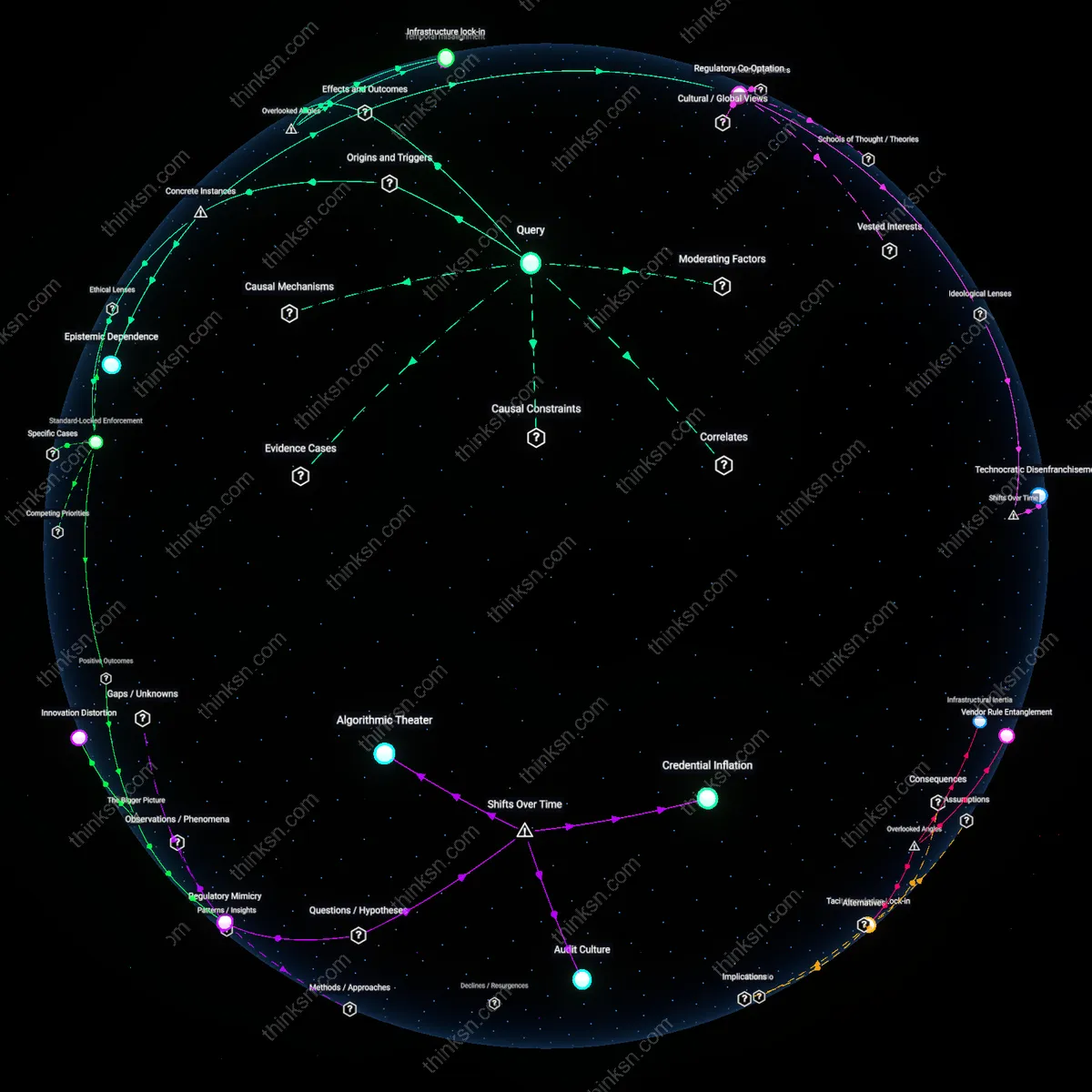
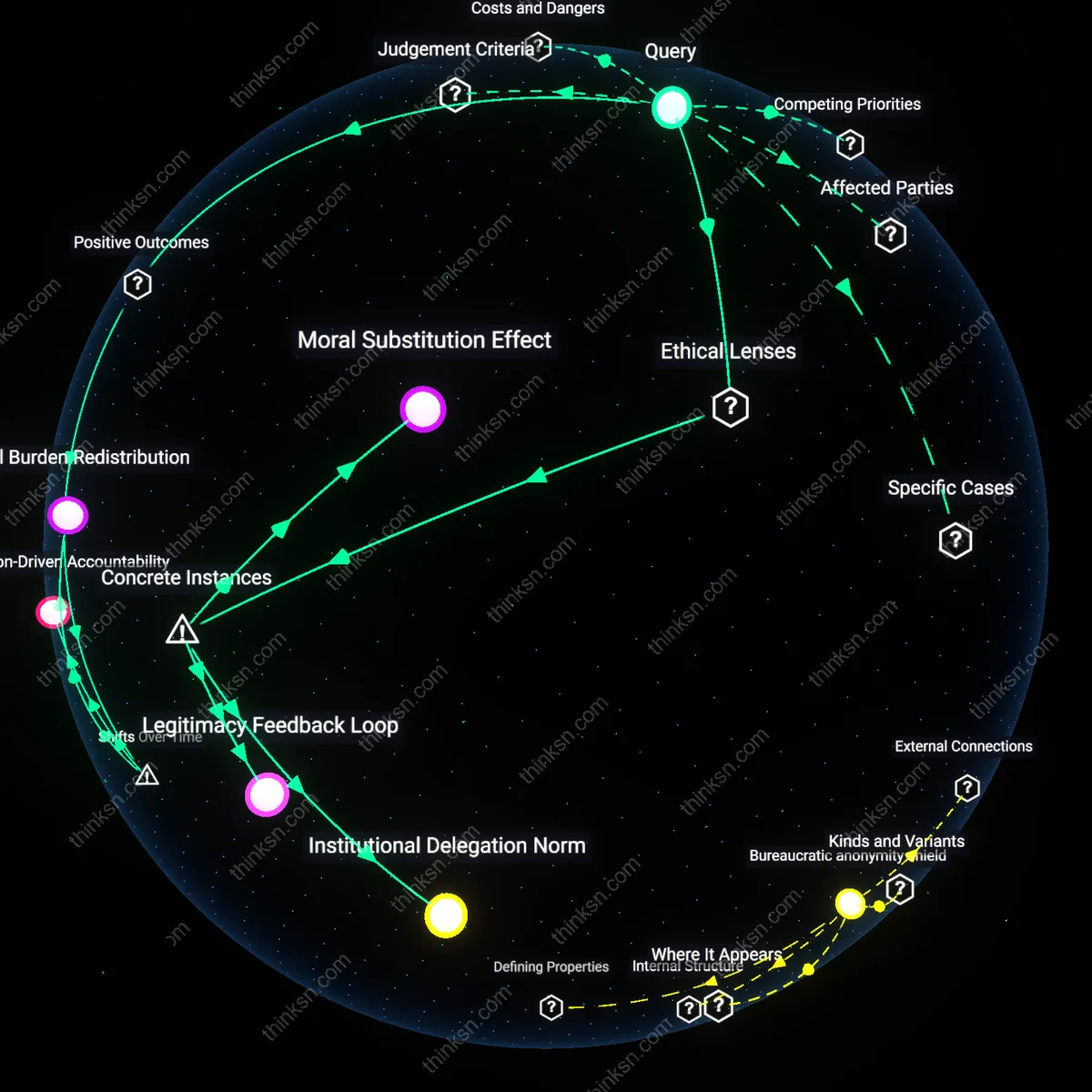
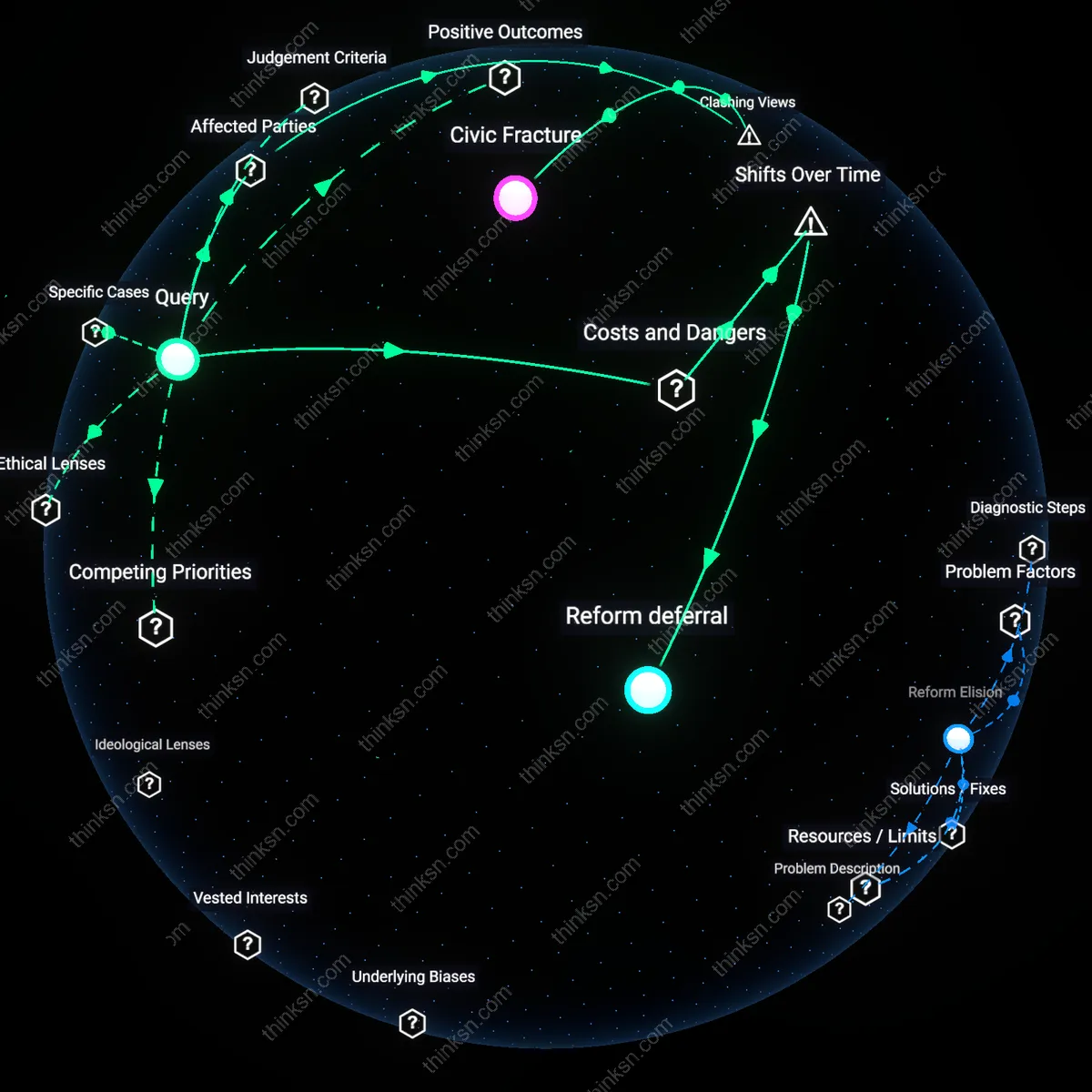
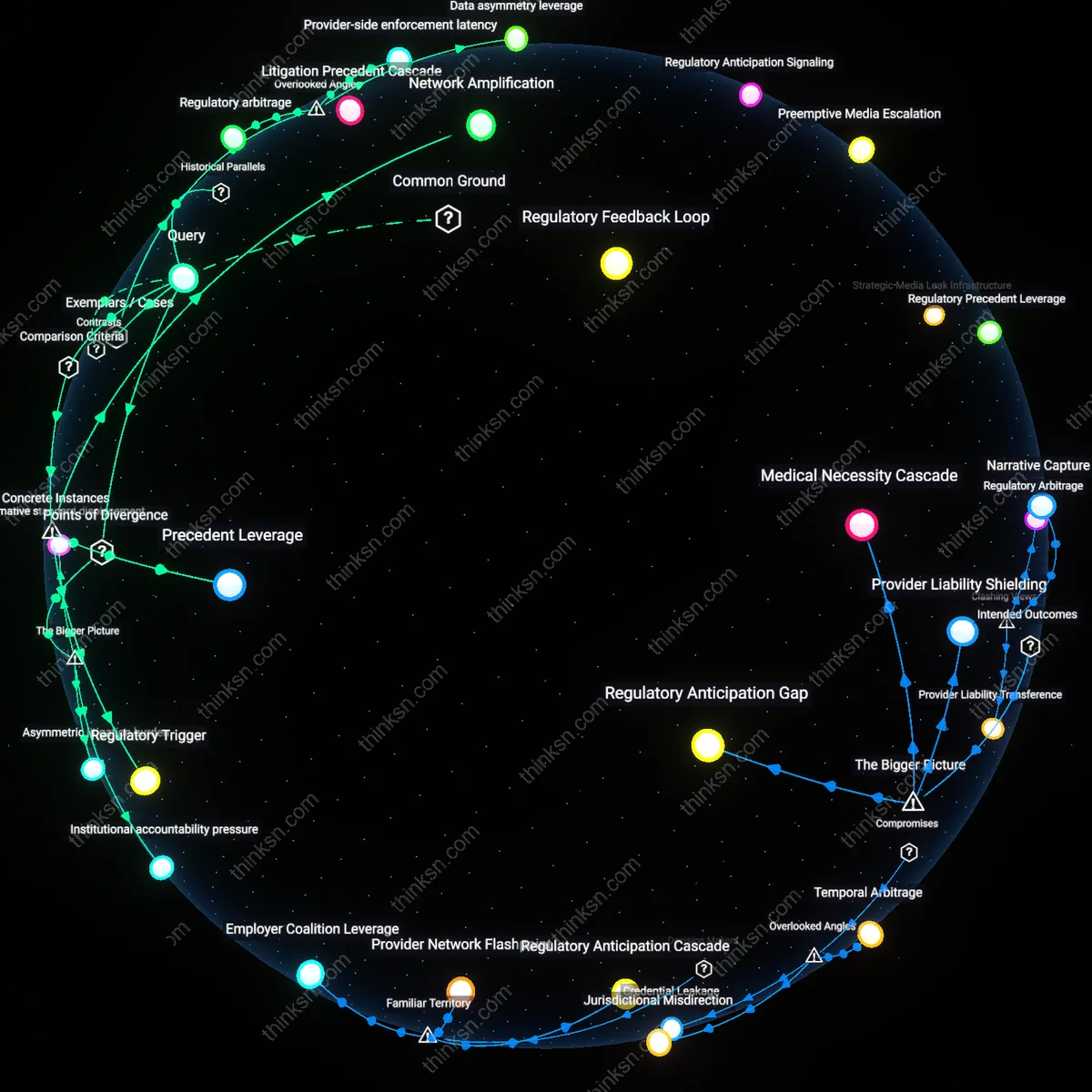
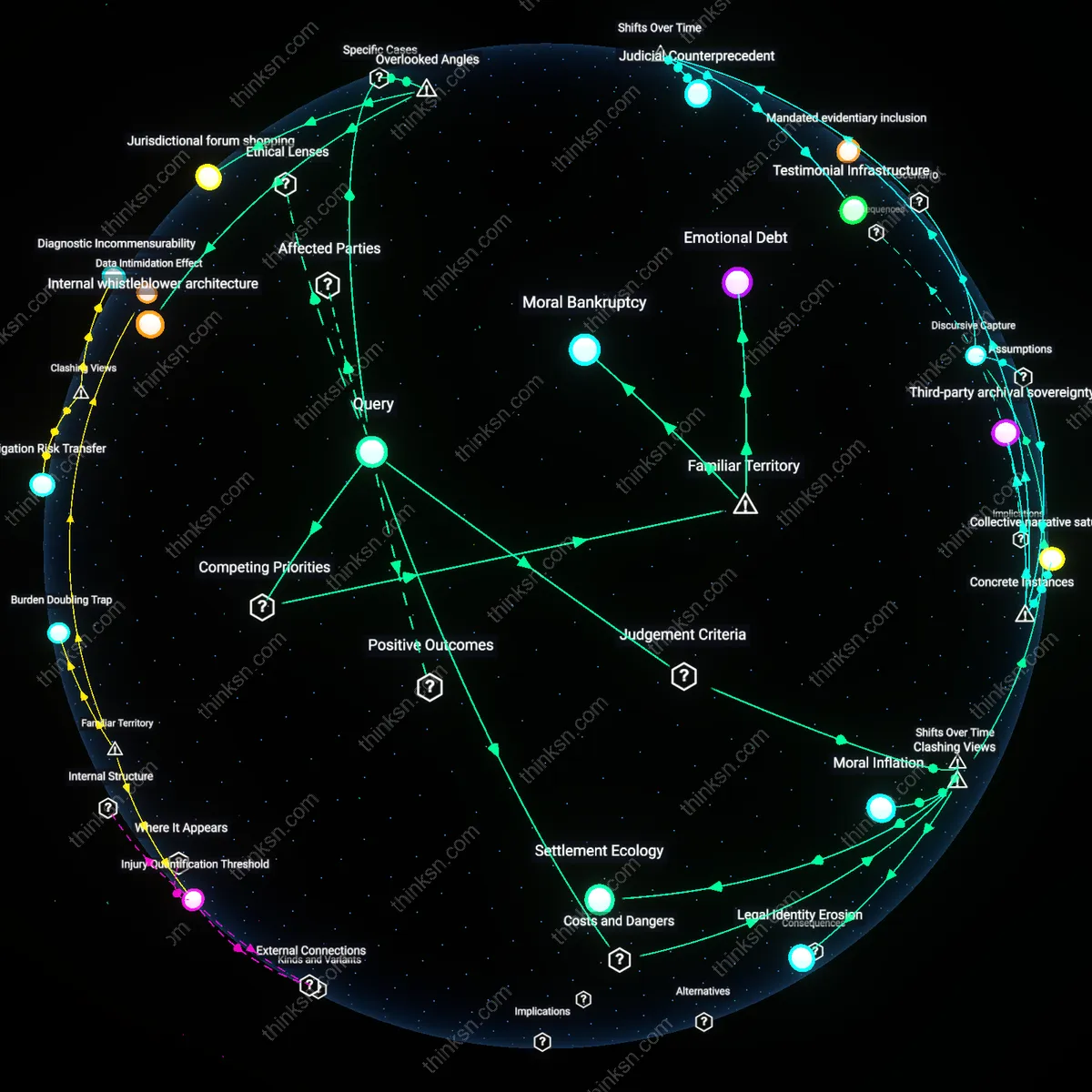
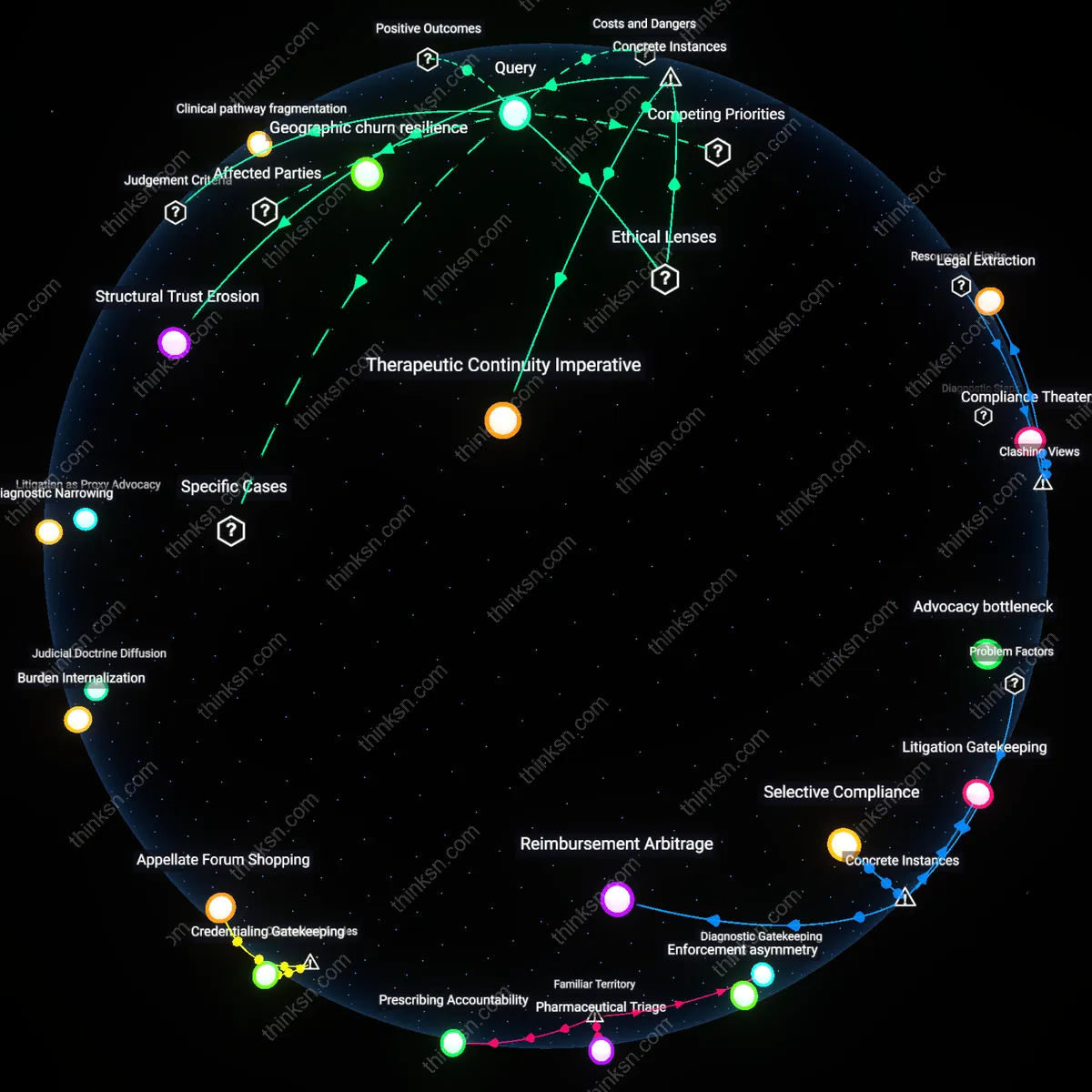
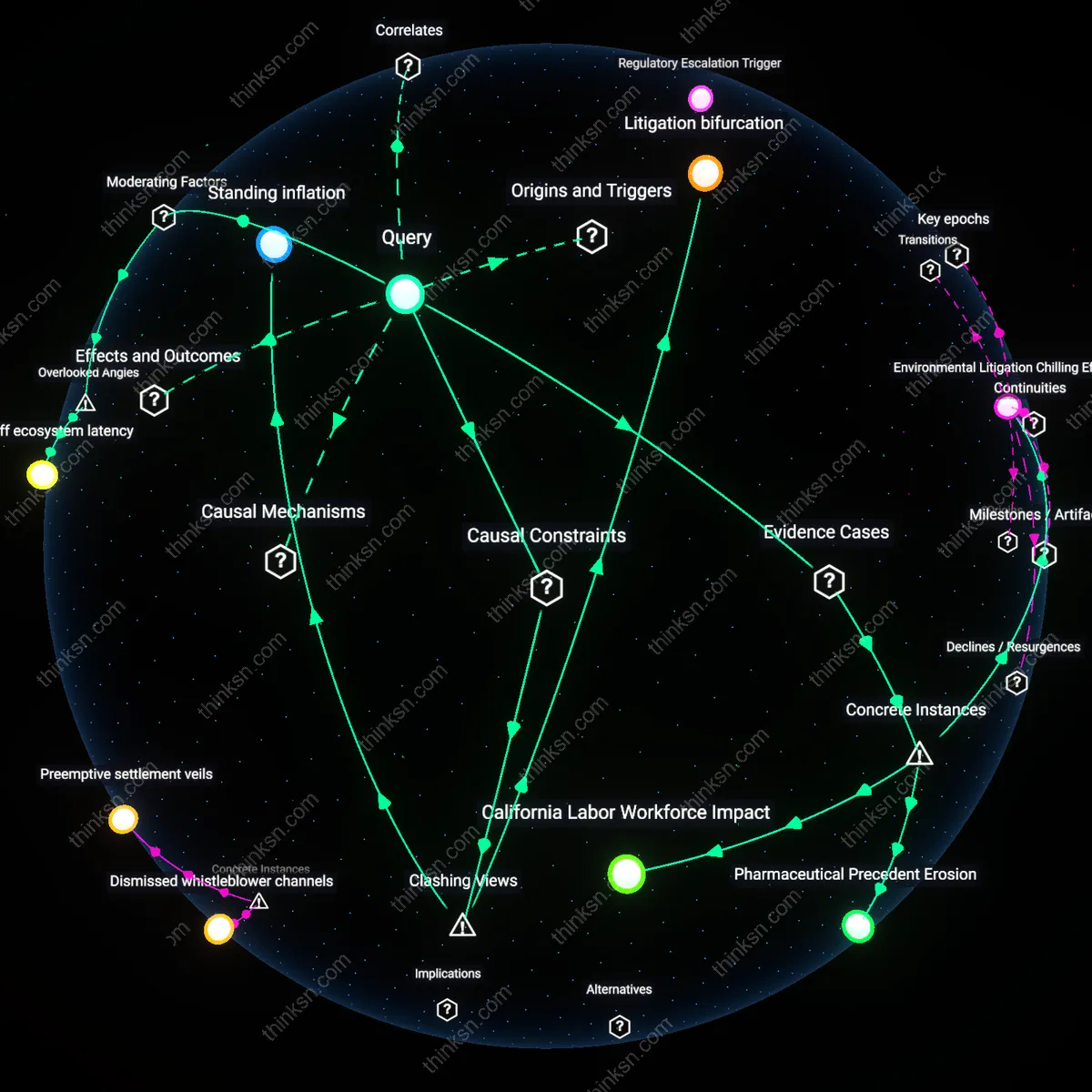
Analysis reveals 8 key thematic connections.
Key Findings
Procedural memory erosion
Dismissing a class action on procedural grounds erodes the institutional memory of regulatory agencies by depriving them of structured litigation data that would otherwise inform enforcement priorities. Courts serve as diagnostic sites where patterns of corporate misconduct are documented, and when cases are dismissed without addressing the merits, this forensic archive remains fragmented. The loss of aggregated harm narratives—particularly in areas like consumer finance or pharmaceuticals—weakens future enforcement not through deterrence failure but by degrading the epistemic infrastructure regulators rely on to identify systemic risk. This mechanism is rarely acknowledged because legal analysis tends to focus on precedent or sanctions, not the evidentiary byproducts of litigation.
Plaintiff ecosystem latency
When class actions are dismissed on procedural grounds, the delay between harm and remediation elongates to the point where grassroots plaintiff recruitment networks—comprised of community health workers, tenant organizers, or union representatives—disband or reallocate resources, disrupting an informal but essential triage system for future regulatory action. These peripheral actors function as early-warning sensors, and their disengagement after repeated procedural setbacks reduces case origination even when violations persist. Most analyses ignore this ecosystem because it operates outside formal legal institutions, but its atrophy severs the pipeline through which latent harms become visible and actionable.
Enforcement substitution
Dismissing a class action on procedural grounds strengthens, rather than weakens, future regulatory enforcement by triggering regulatory agencies to absorb the enforcement role courts reject. When courts exclude plaintiffs on jurisdictional or standing grounds—such as in cases involving data breaches with intangible harms—agencies like the FTC or state attorneys general are institutionally primed to treat such dismissals as signals of market failure requiring administrative intervention. This mechanism operates through statutory mandates that compel agencies to act where private litigation fails, particularly under consumer protection or privacy laws, revealing that procedural closure in one forum can activate latent bureaucratic authority in another—an underappreciated dynamic where judicial retrenchment functions not as a barrier but as a procedural relay.
Standing inflation
Dismissing a class action on procedural grounds intensifies future regulatory leverage by generating political and judicial pressure to expand standing doctrines, making collective enforcement more accessible over time. When courts reject aggregate claims over technical defects—as seen in Spokeo or TransUnion—advocacy groups and lawmakers respond by pushing for statutory standing or test-case litigation that redefines injury to include systemic risk or procedural violations. This shift operates through legislative feedback loops in states like California or through federal privacy bills that codify new rights, revealing that procedural loss in court can paradoxically strengthen collective power by fueling doctrinal innovation that bypasses prior constraints—an outcome that contradicts the assumption that dismissal equals defeat.
Litigation bifurcation
Dismissing a class action on procedural grounds does not weaken collective leverage but fragments it into parallel enforcement channels that increase systemic pressure on violators. In cases like those dismissed under Rule 23 for inadequately defined classes, individual lawsuits and agency referrals multiply across state courts and administrative bodies, creating overlapping investigations that strain corporate defendants’ capacity to resist reform. This dynamic operates through jurisdictional arbitrage—where plaintiffs’ lawyers and public enforcers exploit regulatory heterogeneity across states like New York, Illinois, and California—revealing that procedural failure in federal class litigation can trigger a dispersion of enforcement that is more resilient and harder to neutralize than centralized litigation, challenging the view that unity equals strength.
California Labor Workforce Impact
Dismissal of the *Durham v. Uber* class action on arbitration grounds fragmented gig worker claims, shielding Uber from coordinated wage-theft enforcement and reducing the California Labor Commissioner’s leverage to investigate systemic misclassification through aggregated evidence. By replacing collective adjudication with isolated arbitrations, the procedural bar diminished the state's access to pattern evidence crucial for proactive regulatory targeting, revealing how court-driven disaggregation of claims weakens downstream administrative enforcement capacity in labor markets.
Environmental Litigation Chilling Effect
The dismissal of the *Comer v. Murphy Oil* class action on standing grounds after procedural vacillations deprived the Fifth Circuit of a vehicle to address climate accountability in coastal Mississippi communities, leaving post-Hurricane Katrina pollution claims unaggregated and invisible to EPA enforcement priorities. This procedural termination discouraged subsequent environmental class actions in Gulf states, demonstrating how judicial gatekeeping can mute collective voices that might otherwise catalyze regulatory attention to industrial pollution patterns masked by case-by-case fragmentation.
Pharmaceutical Precedent Erosion
When the Supreme Court’s decision in *Matrixx Initiatives, Inc. v. Siracusano* rejected the dismissal of a class action based on statistical invisibility of adverse drug effects, it preserved the evidentiary pathway for investors and the FDA to access early signals of Vioxx-like risks through market-based collective litigation. Unlike cases dismissed on procedural grounds, this allowance reinforced regulatory sensing mechanisms by validating investor-led aggregation as a sentinel system for latent public health threats, exposing how non-dismissal can sustain early-warning functions otherwise lost to procedural filtering.