When is Financial Loss Too Much for Class Action Indifference?
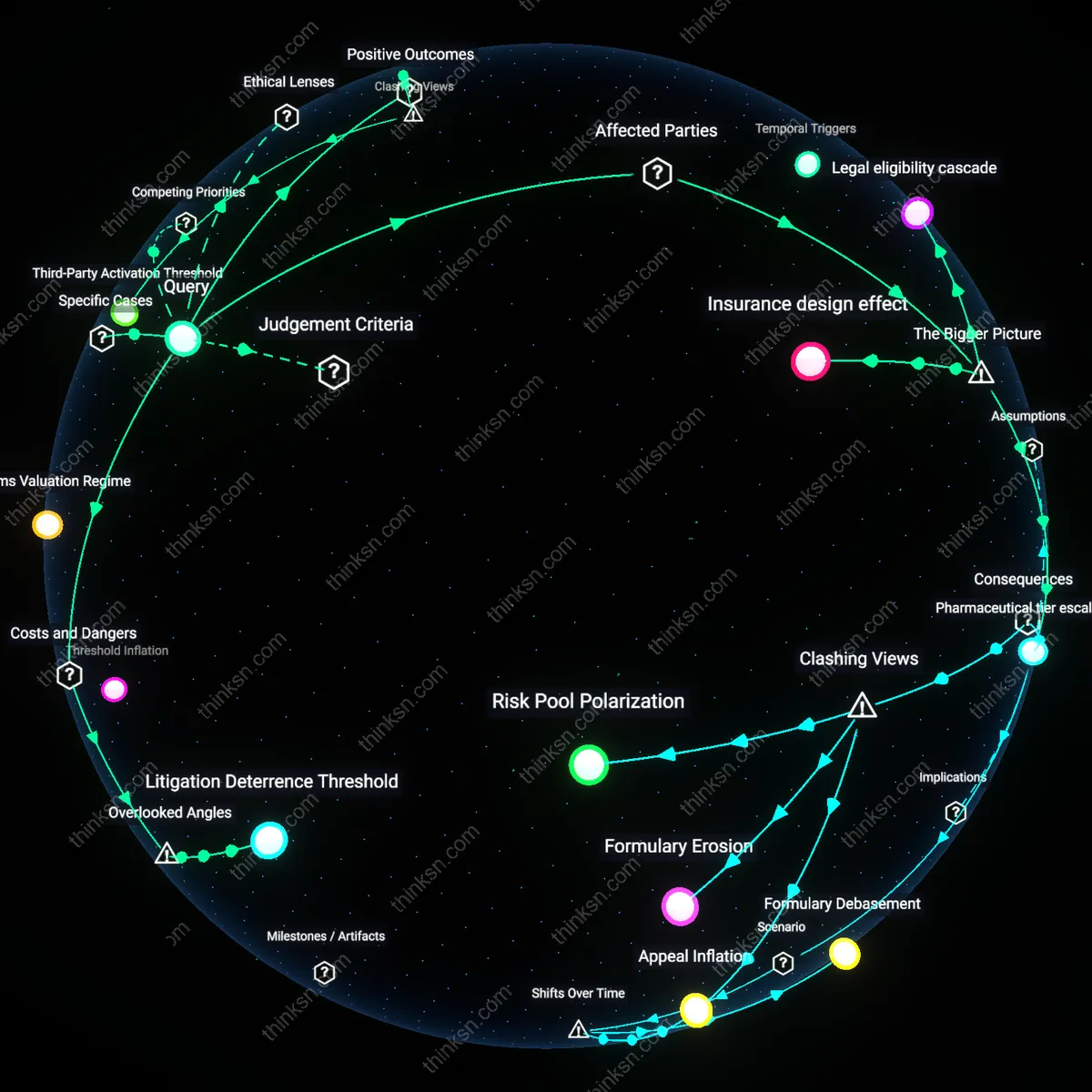
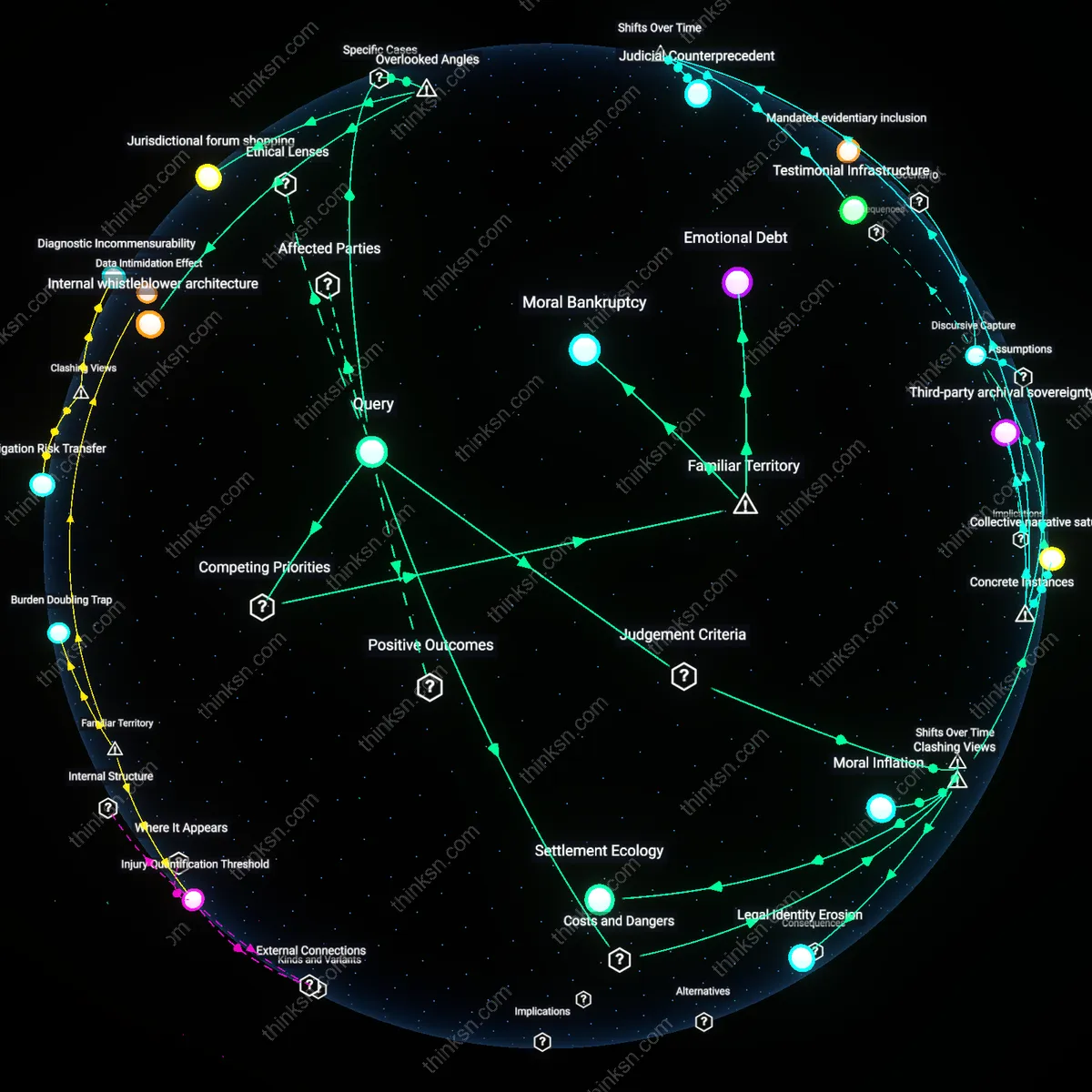
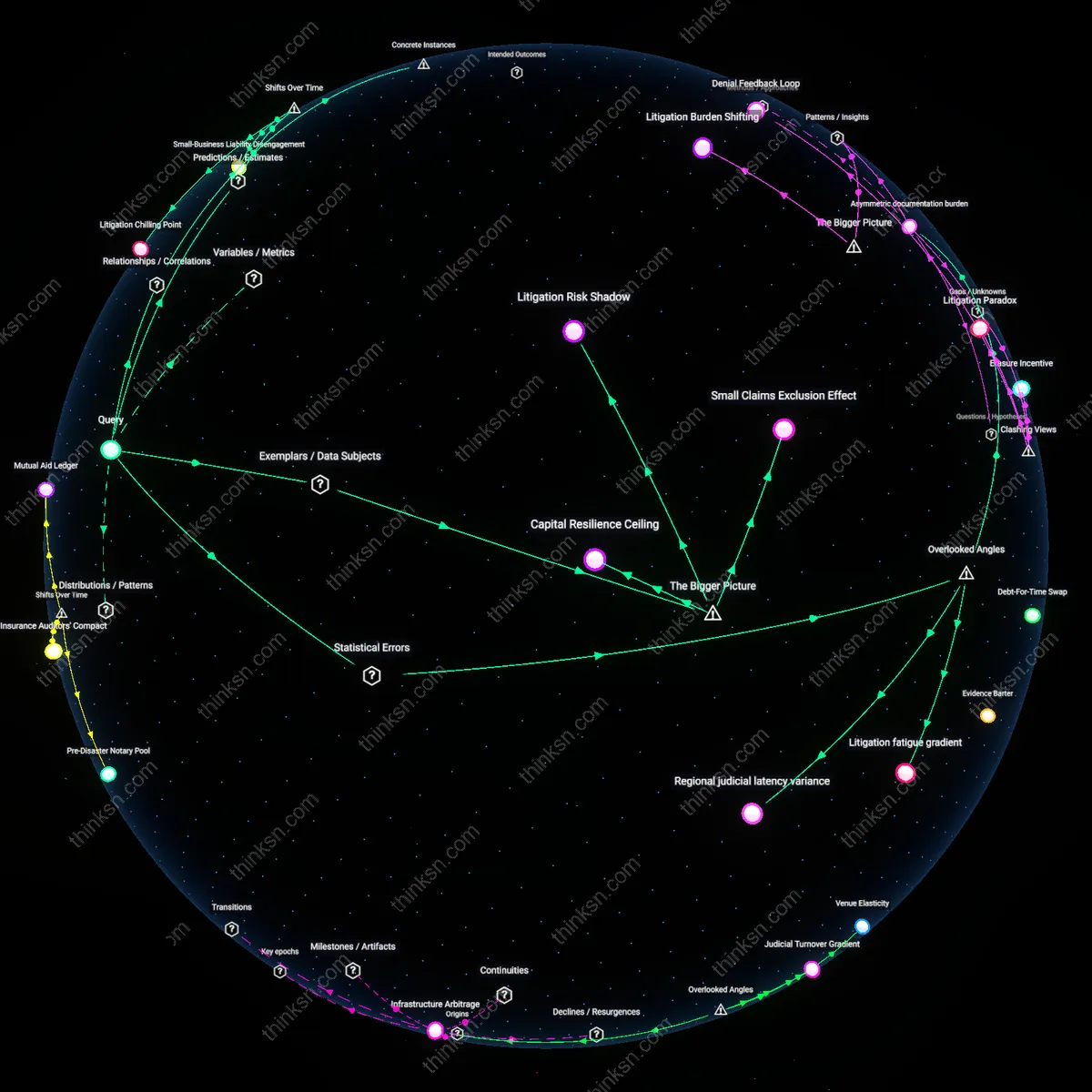
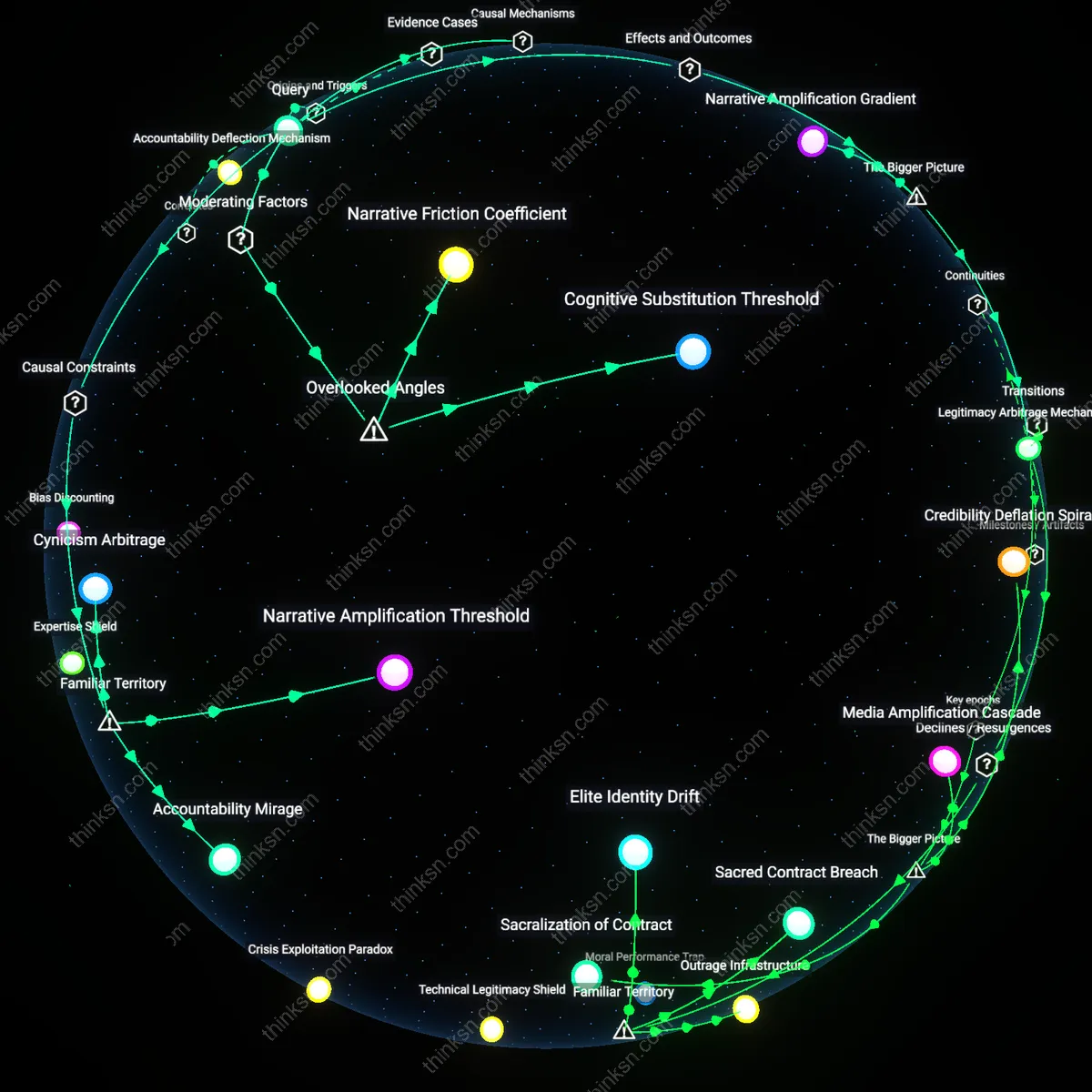
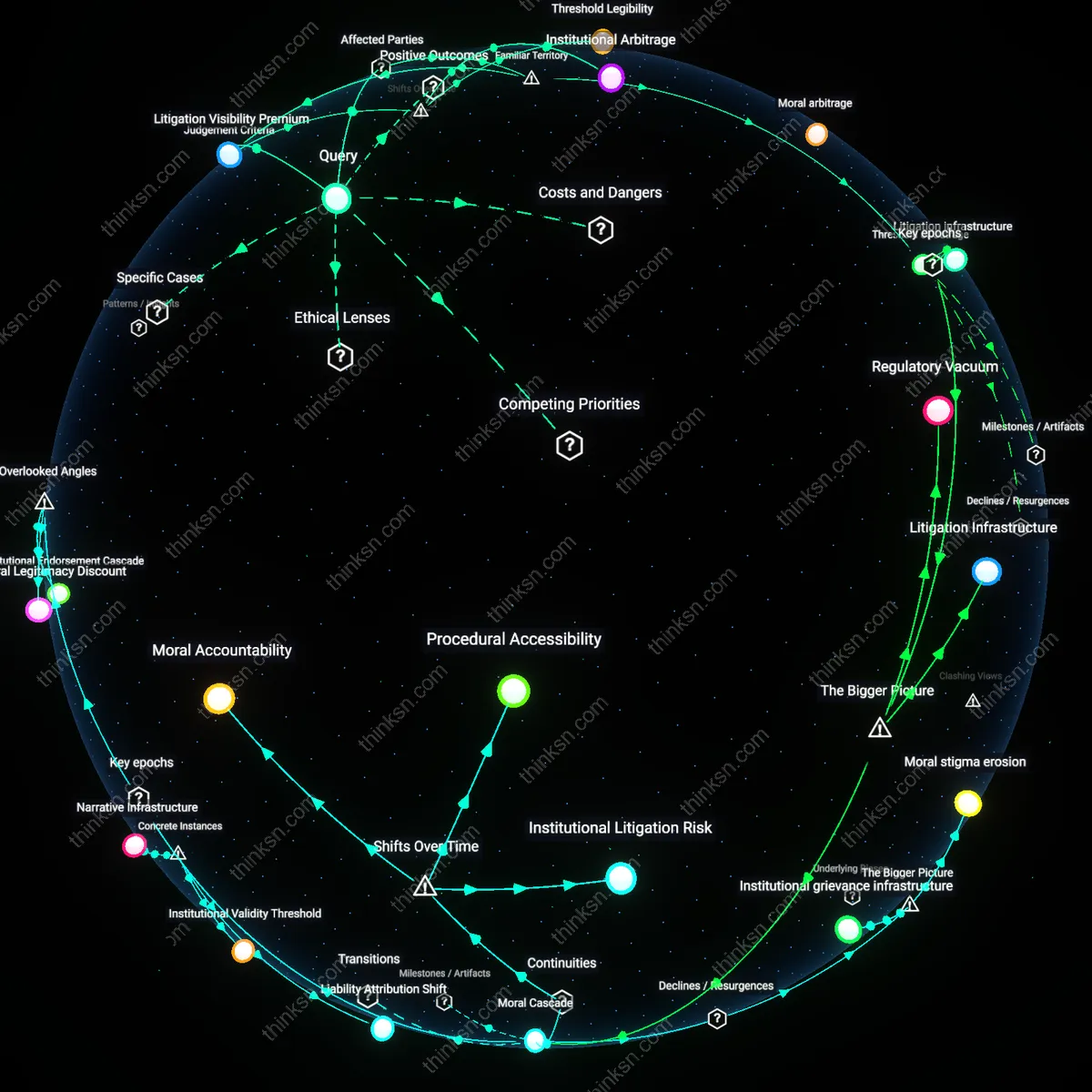
Analysis reveals 6 key thematic connections.
Key Findings
Threshold of Outrage
A consumer will pursue class action when individual loss intersects with collective visibility, triggering a shared narrative of injustice among affected clients of financial institutions like banks or investment firms. This occurs not at a fixed dollar amount but when personal loss becomes symbolically amplified through social validation—such as media coverage or peer mobilization—transforming private frustration into public claim-making. The mechanism operates through social contagion in digital forums and community networks, where emotional resonance outweighs cost-benefit calculations. What’s underappreciated in the familiar framing of ‘how much is too much to lose’ is that people don’t act on financial thresholds alone—they act when loss becomes narratively intolerable.
Institutional Trust Erosion
Consumers initiate class actions against financial services firms when repeated small losses accumulate to a level that ruptures perceived reliability, particularly among middle-income depositors in federally insured banks or retirement savers in brokerage accounts. The breaking point emerges not from total monetary value but from the collapse of trust in custodial responsibility—the expectation that firms like Fidelity or Chase will safeguard assets without hidden erosion. This shift operates through cognitive tipping points where individuals reinterpret past inconveniences as systemic betrayal. Contrary to common belief that only large frauds provoke legal action, the familiar experience of gradual, invisible fees or unexplained declines in account value often catalyzes collective litigation once trust dissolves.
Litigation Visibility Premium
A consumer finds class action worthwhile when the personal cost of engagement is offset by the prospect of reputational redress, especially among younger demographics using fintech platforms like Robinhood or neobanks such as Chime. The decision hinges less on the absolute financial loss and more on the public platform litigation provides—where filing a claim becomes an act of consumer citizenship amplified by social media visibility. This dynamic functions through legal intermediaries (e.g., plaintiff law firms) who lower entry barriers by advertising no-cost participation, turning procedural access into performative accountability. What most overlook in the familiar discourse of ‘fighting back’ is that the emotional burden is not overcome—it is repurposed as symbolic capital.
Threshold Legibility
A consumer finds it worthwhile to pursue a class action when individual financial loss crosses a threshold of legal recognizability, which emerged after the 1990s standardization of damages in federal courts; this shift transformed small, diffuse harms into actionable claims through aggregated statistical validation rather than personal injury severity, making previously invisible losses visible under the law. The mechanism operates through judicial acceptance of econometric modeling in certification phases, particularly post-*Wal-Mart v. Dukes* (2011), which paradoxically raised evidentiary bars while entrenching quantitative harm as a prerequisite for class cohesion. What is underappreciated is that the threshold is no longer economic but epistemic—loss must be *demonstrable* at scale, not merely felt, revealing how procedural doctrine, not moral injustice, now gates access to remedy.
Emotional Amortization
The emotional burden of litigation becomes justifiable when cumulative psychic costs are offset by the emergence of collective identity among claimants, a shift accelerated by digital organizing post-2010; social media platforms and fintech grievance ecosystems now allow micro-loss holders to pool not just claims but affect, transforming isolation into shared narrative. This dynamic operates through decentralized networks—like those seen in overdraft fee challenges against regional banks—where the act of joining a suit functions as both protest and therapeutic validation, decoupling rational cost-benefit analysis from emotional restitution. The non-obvious insight is that the 'willingness to sue' increasingly reflects cultural resonance more than loss magnitude, revealing how digital mediation has altered the temporal economy of harm, where emotional labor is amortized across viral exposure rather than sunk per plaintiff.
Institutional Arbitrage
Pursuit becomes rational when individual loss aligns with the strategic interests of third-party litigation funders, a transformation crystallized post-2008 as hedge funds and legal finance firms began treating consumer claims as asset classes; losses as low as $50 per plaintiff became actionable not because they satisfied traditional notions of justice but because they could be bundled into high-leverage portfolio instruments. This operates through private equity–backed legal workshops that identify regulatory gaps—such as those in prepaid card terms or alternative credit reporting—as scalable vulnerabilities in financial services' compliance architecture. What is underappreciated is that the consumer is no longer the primary agent of enforcement; instead, they are a data point in a speculative legal market, revealing how post-crisis financialization has colonized the very mechanisms designed to check it.