Is Filing a Wage Theft Suit Against Gig Platforms Worth It?
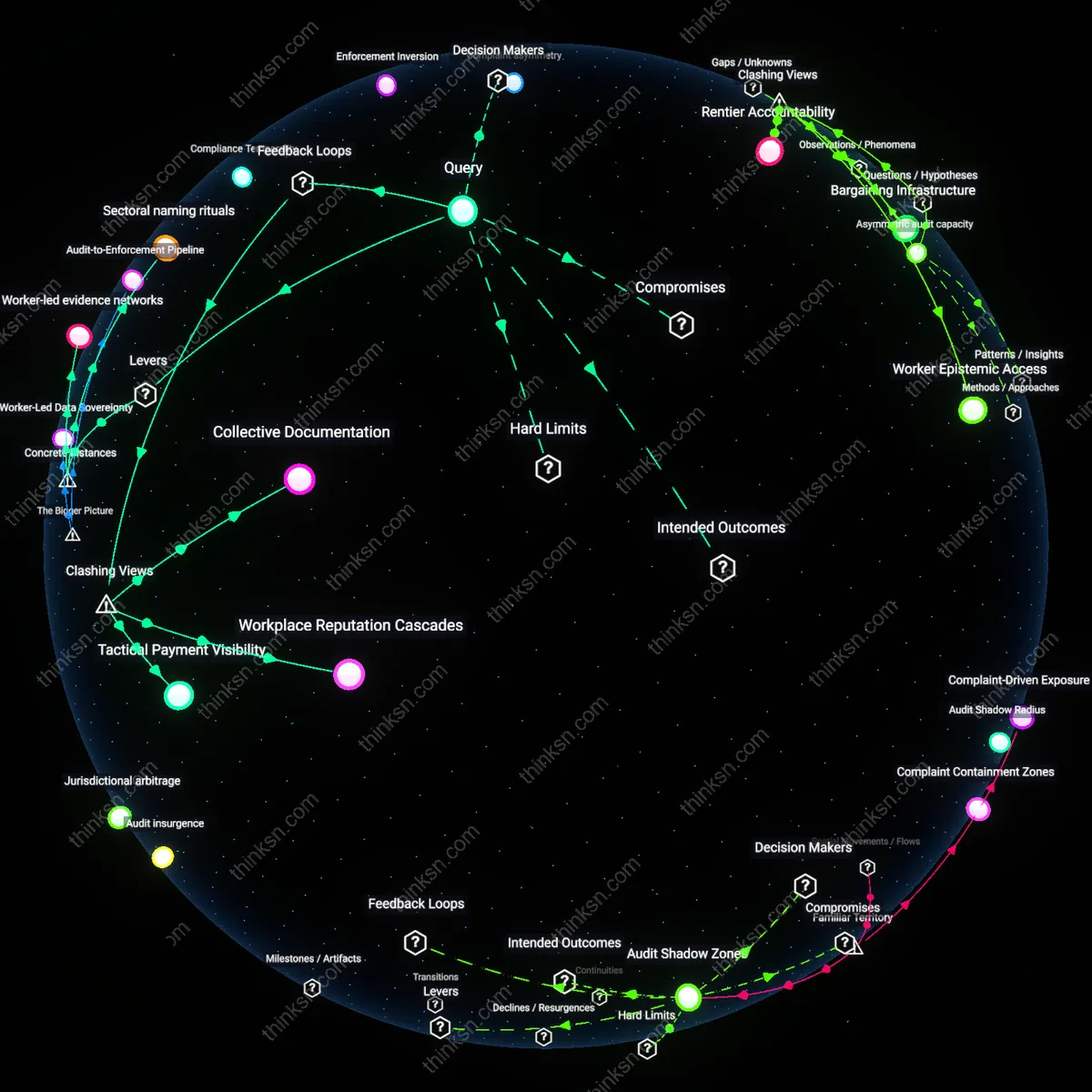
Analysis reveals 6 key thematic connections.
Key Findings
Platform Liability Deflection
Couriers should pursue wage-theft lawsuits now because platforms have systematically shifted employer-like control without legal accountability, a transformation cemented after the mid-2010s reclassification campaigns in California and Europe. This shift replaced earlier, ambiguous contractual models with refined algorithmic management systems that dictate work intensity, delivery windows, and de facto performance metrics—mirroring traditional employment while evading its obligations. The platforms’ denial of payroll responsibility post-2015 reveals a calculated institutional design, making individual litigation a necessary provocation to expose structural fraud. What is underappreciated is that these lawsuits are not just about back pay but about reversing a decade-long normalization of operational parasitism on labor law gaps.
Collective Injury Accumulation
Couriers should litigate because the erosion of mutual aid among gig workers since the pandemic has transformed wage theft from isolated grievances into systemic disenfranchisement, breaking from earlier phases when informal networks in cities like New York and London absorbed small losses through shared information and resistance. The collapse of these peer-mediated support systems under platform-induced competition and mobility fragmentation means individual claims now carry the weight of unmet collective redress. This transition—from communal resilience to atomized precarity—makes filing suit not merely a personal financial calculation but a political reactivation of dormant group injury. The non-obvious insight is that today’s solitary legal filings are symptomatic of a larger decommissioning of lateral worker solidarity once critical to survival in the gig economy.
Judicial Doctrine Lag
Couriers should sue despite limited platform support because the legal system’s reliance on 20th-century employment categories has created a temporal mismatch that only test cases can disrupt, a condition that intensified after 2021 when gig firms standardized A/B testing of labor policies across EU and U.S. jurisdictions. Courts remain bound by analog-era definitions of 'employee' while platforms operate through digital behavioral governance—location tracking, dynamic deactivation, route optimization mandates—that constitute economic coercion without formal hierarchy. This divergence between regulatory ontology and operational reality means individual lawsuits are now the primary mechanism forcing doctrinal evolution. The overlooked truth is that these cases function less as claims for compensation than as temporal probes, revealing how law’s slow metabolism cannot metabolize algorithmic exploitation in real time.
Retaliatory deplatforming
Gig-economy couriers who file wage-theft claims risk immediate deplatforming by app-based companies, as seen when Uber and Lyft deactivated hundreds of drivers in California after they publicly joined collective actions in 2020—this operational retaliation bypasses formal legal processes and leverages private digital infrastructure to enforce economic discipline, revealing how platform architecture enables extrajudicial suppression of labor rights claims that courts do not remedy quickly enough to prevent harm.
Legal isolation
Individual gig workers pursuing wage-theft lawsuits face systemic collapse of support structures, illustrated by the 2016 misclassification suit against Foodora in Toronto, where the company dissolved its Canadian operations entirely rather than settle, leaving claimants without a functioning employer entity and demonstrating how platform capitalism can exploit jurisdictional mobility and corporate evanescence to nullify individual legal victories through strategic abandonment, a risk rarely accounted for in labor litigation planning.
Cost inversion
In the 2021 Amsterdam gig-worker strike against Deliveroo, couriers discovered that the financial burden of pursuing individual wage claims exceeded projected recoveries due to fragmented earnings and high administrative costs—this inversion, where legal effort outweighs restitution, exposes how platform-designed compensation systems fragment labor value to make restitution economically irrational for individuals, even when wrongdoing is proven, rendering individual litigation a self-punishing act.