Equity forfeiture leverage
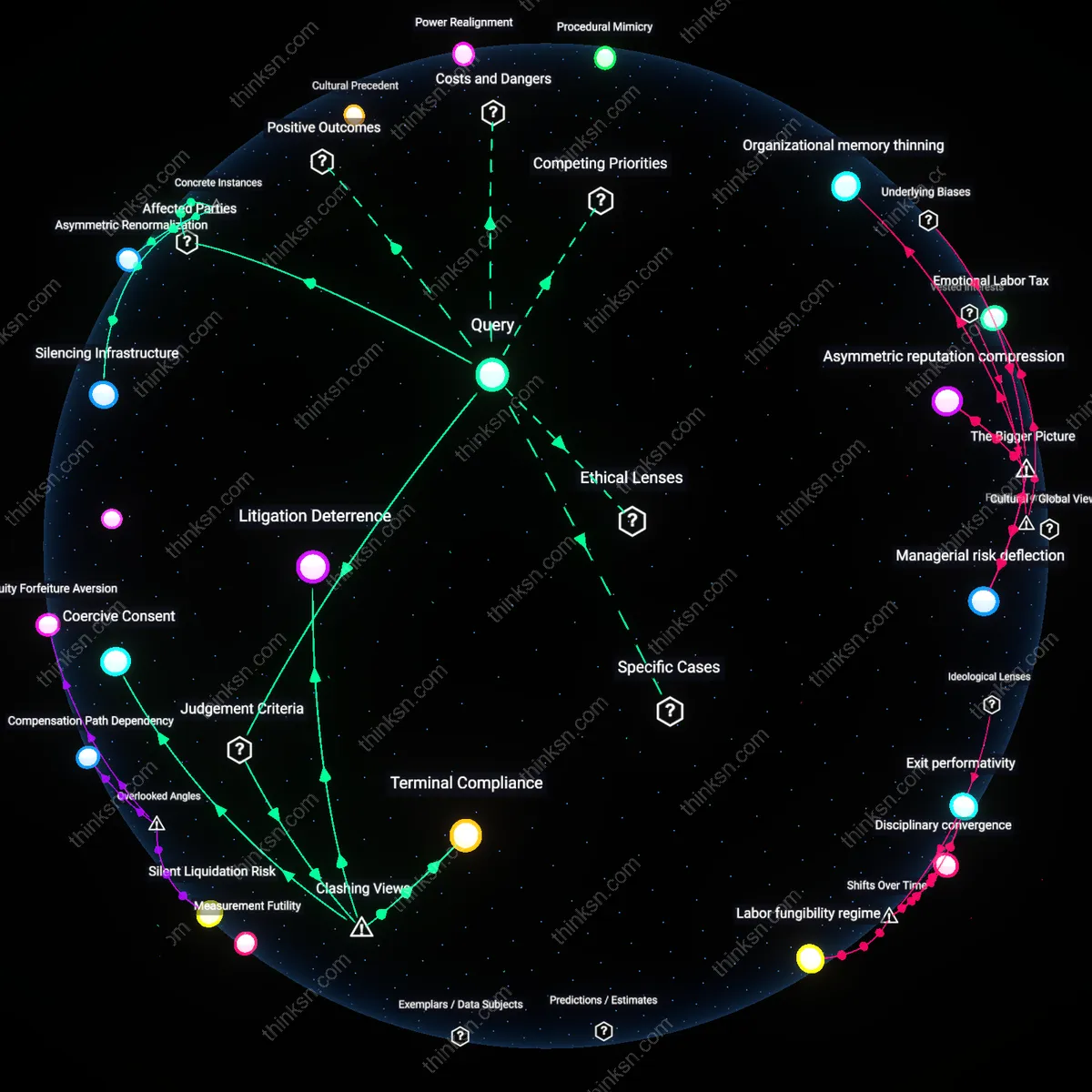
Tesla institutionalized exit agreements as a standard termination mechanism by weaponizing unvested stock options to extract compliance, beginning in 2018 during mass layoffs at its Fremont factory, where employees were required to sign releases waiving legal claims in exchange for continued vesting or severance. This created a coercive yet voluntary structure—workers perceived the agreement as a benefit, masking the forfeiture threat—while enabling Tesla to suppress litigation risks far beyond typical layoff scenarios. The overlooked mechanism is not legal liability reduction per se, but the strategic deployment of deferred financial incentives as coercive tools, which transformed exit agreements from HR formalities into embedded control devices across voluntary and involuntary departures. This shifts the understanding from a contractual norm to a behavioral economic instrument calibrated to equity timing.
Cultural precedent replication
Tesla’s normalization of exit agreements spread through deliberate mimicry by mid-tier EV and hardware startups in Austin and Palo Alto between 2019 and 2021, who interpreted Tesla’s legal minimalism and rapid scaling as proof that standardized employee exits reduced operational friction, especially in high-turnover manufacturing roles. These firms, lacking Tesla’s brand insulation from reputational risk, adopted exit agreements not for cost savings but to simulate organizational stability and control narrative leakage in investor reporting. The underappreciated factor is the symbolic function of exit agreements as signals of managerial discipline to stakeholders, not just legal shields—turning a transactional practice into a performative proxy for governance maturity among mimetic followers in capital-sensitive sectors.
Litigation surface minimization
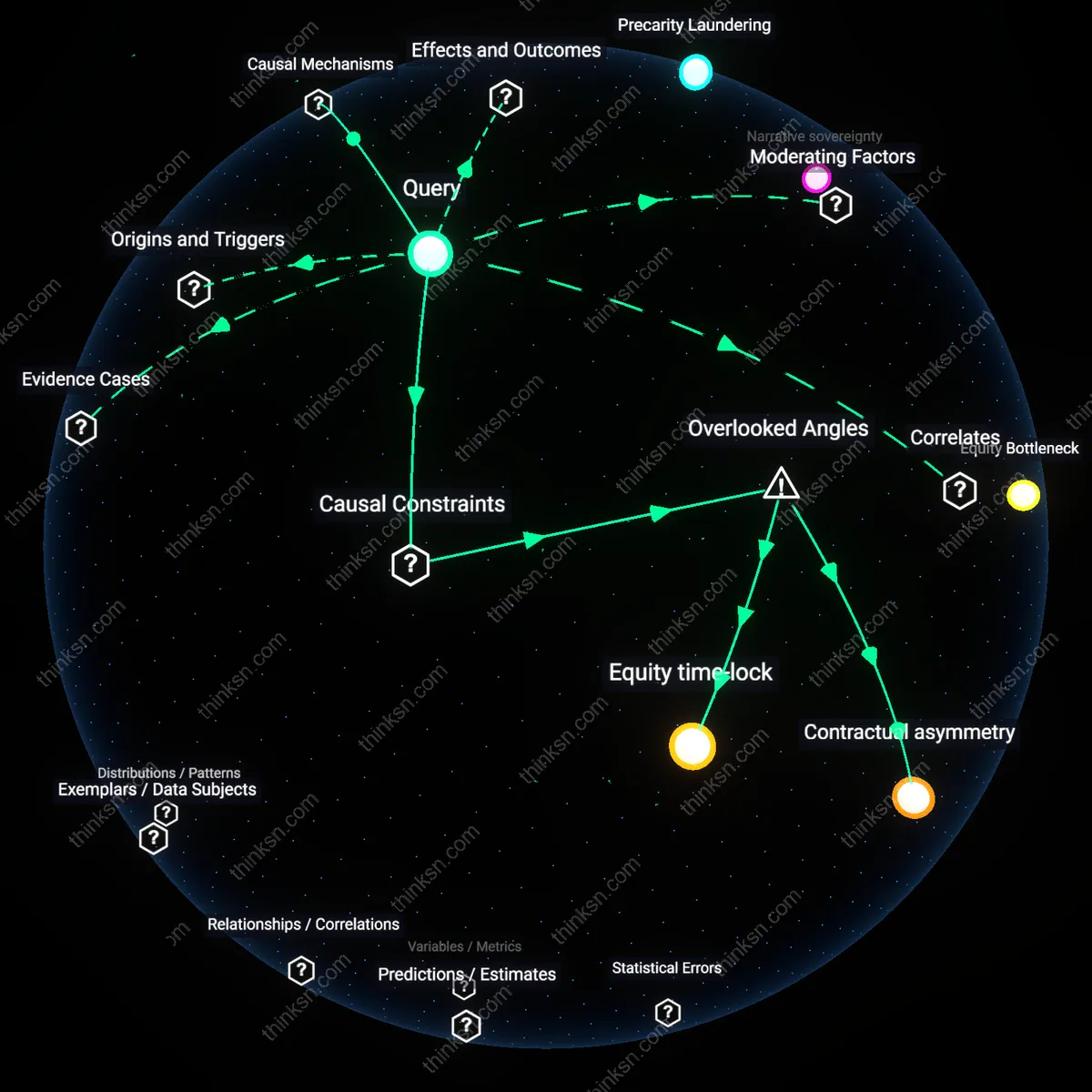
Tesla expanded exit agreements to all termination types by mapping internal incident reports and exit interview data to predict legal exposure hotspots, particularly around safety complaints at Gigafactory Nevada in 2020, leading HR to preemptively require signed releases even for resignations in roles with high regulatory scrutiny. This transformed the exit agreement from a reactive instrument into a data-driven risk containment tool, synchronizing human capital workflows with legal threat modeling that treated every departure as a potential regulatory or whistleblower vector. The overlooked dynamic is the integration of workforce analytics into legal prophylaxis—where HR systems began flagging employees for mandatory exit processing not based on departure type, but on embedded risk scores derived from operational logs, thus decoupling the release requirement from termination cause and institutionalizing it as standard protocol.
Contractual normalization
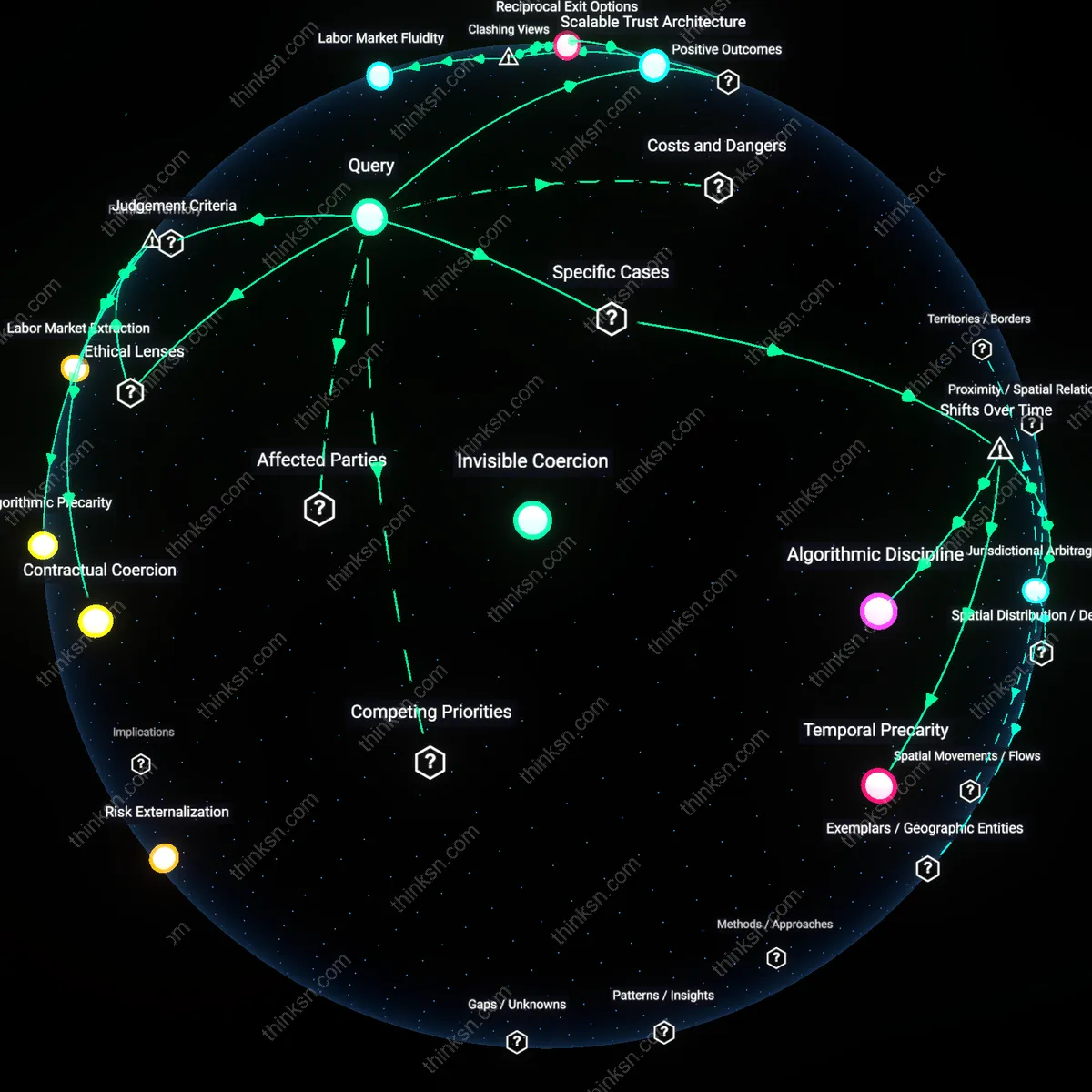
Tesla extended exit agreements from laid-off engineers at its Fremont factory in 2018 to all departing employees, including those resigning or transferred, by embedding standardized release clauses into digital HR workflows managed through Workday. This systemic integration bypassed managerial discretion, transforming what had been a discretionary layoff practice into an invisible, universal condition of departure enforced through automated offboarding checklists tied to final pay. The non-obvious effect was not increased legal protection but the erasure of exit type distinctions in human capital management—resignation became procedurally equivalent to termination. This reveals how software-mediated processes can silently universalize contingent practices into default organizational norms.
Executive precedent cascades
When Tesla's Chief Accounting Officer, Vaibhav Taneja, transitioned to CFO in 2023 while simultaneously receiving a revised departure package codified in an 8-K filing, it established a template for linking executive role changes to formal separation terms regardless of continuity in employment. This act reframed internal mobility as a de facto termination event requiring new contractual ratification, a move mirrored months later in mid-tier engineering promotions at Giga Texas where reclassification triggered mandatory exit-and-rehire documentation. The underappreciated mechanism was not legal risk mitigation but the strategic use of public disclosures to set internal precedents that cascade downstream, turning high-visibility leadership transitions into institutional blueprints for universalizing departure protocols.
Regulatory arbitrage infrastructure
Following the 2019 NLRB complaint filed by the United Auto Workers alleging that Tesla’s blanket exit agreements at the Buffalo Gigafactory suppressed collective organizing by silencing departing solar panel technicians, Tesla revised its forms to include jurisdiction-specific carve-outs while retaining core nondisclosure and non-disparagement clauses across all departure types. Rather than limit the practice, the company doubled down by making the agreements appear compliant while standardizing their deployment, effectively using regulatory pressure as an opportunity to build a scalable, legally resilient offboarding architecture. The unexpected outcome was that compliance demands accelerated the expansion of exit agreements beyond layoffs, revealing how defensive legal adaptations can become engines of procedural expansion rather than restraint.
Cultural Precedent
Tesla normalized exit agreements by publicly treating all departures as potential legal vulnerabilities, starting with mass layoffs in Fremont where every terminated worker received identical settlement terms. This established a template that other firms copied because it reduced reputational risk and litigation costs in high-profile tech industries. The non-obvious shift was not legal necessity but the reframing of employee exit as brand management, making even voluntary departures subject to standardized exit terms. What feels familiar—the idea that big tech treats employees transactionally—masks how Tesla turned operational expediency into systemic practice.
Power Realignment
Executives across Silicon Valley began adopting Tesla’s exit agreement model after high-profile whistleblower cases, like those in Autopilot divisions, revealed that unrestricted employee departures could lead to regulatory exposure. By extending exit agreements to resignations and role transitions, companies institutionalized control over post-employment speech and data access. The underappreciated mechanism is not employee protection but the quiet transfer of informational authority from individuals to corporate legal departments, reinforcing management dominance in innovation-driven firms. This aligns with the common association of tech CEOs as control-centric, yet obscures how exit paperwork became a tool of ongoing influence.
Procedural Mimicry
HR departments at mid-tier tech firms adopted Tesla’s universal exit agreements because the practice appeared in benchmark reports from firms like PwC as a ‘best practice’ in workforce scalability, particularly after Tesla’s 2018 restructuring was praised in shareholder letters. The shift occurred not through legal mandate or labor pressure but through consulting-driven operational isomorphism, where routines spread because they signal modernity and efficiency. The overlooked dynamic is how superficial adoption—copying form without strategic intent—allowed the ritual to displace judgment, turning exit agreements into automatic procedures regardless of context. This mirrors the familiar narrative of tech bureaucracy growing in lockstep with growth, but reveals how mimicry, not merit, institutionalizes norms.
Exit Ritualization
Tesla institutionalized exit agreements as a standardized closure mechanism across all terminations beginning in the mid-2010s, shifting from ad hoc responses to layoffs into a routinized corporate practice embedded in HR governance. This standardization emerged through centralized policy reforms at its Palo Alto headquarters, where legal and human resources teams codified release terms, confidentiality clauses, and equity forfeiture schedules into universal departure packets, applied irrespective of termination cause. The mechanism reflects a broader managerial turn toward procedural formalism in high-growth tech firms, where legal risk mitigation and brand control outweigh situational discretion. What is underappreciated is how this shift transformed exit agreements from economic transactions into symbolic rites of organizational disengagement, marking a departure from the improvisational, role-specific exits typical of early Silicon Valley startups.
Equity Forfeiture Regime
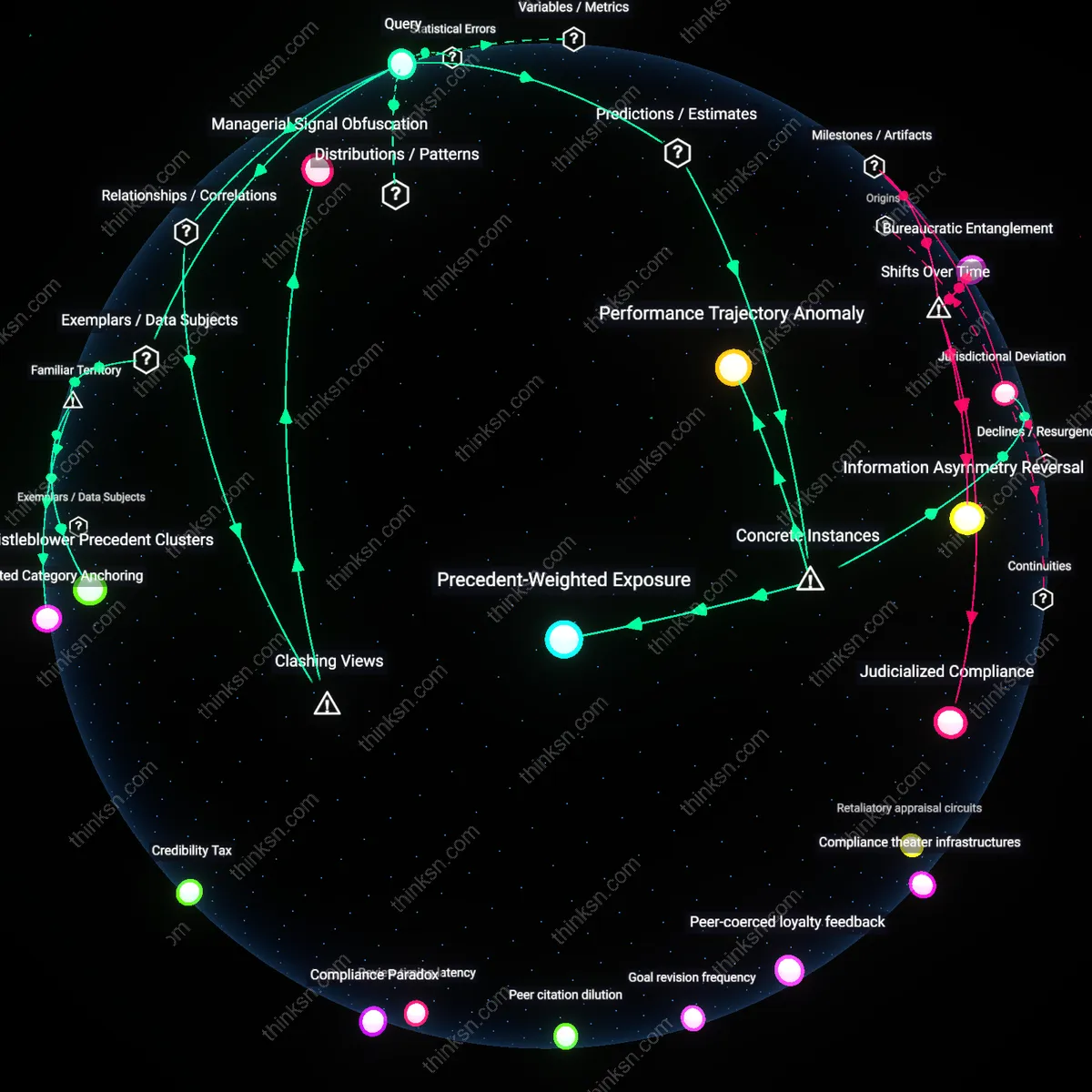
The expansion of exit agreements at Tesla coincided with the conversion of stock options into a disciplinary tool during the 2018 restructuring, when mass layoffs were paired with accelerated vesting cliffs and punitive forfeiture conditions for dissenting or non-compliant departures. This shift repurposed equity—a previously motivational incentive—into a compliance-enforcing asset, ensuring that even voluntary or performance-based exits occurred under formally negotiated terms to avoid financial penalties. The mechanism operated through amendments in employee stock purchase plans administered by Tesla’s compensation committee, aligning with tighter control over intellectual property and public messaging during a period of regulatory scrutiny. The underappreciated dynamic is that this financialized control loop effectively erased categorical distinctions between resignation, firing, and layoff, collapsing all exits into a single governed pathway.
Cultural Precedent Cascade
After Tesla’s handling of high-profile executive exits in 2020—particularly those involving engineering leads departing amid Autopilot controversies—the company’s use of legally binding separation agreements became a model replicated across peer firms in the electric vehicle and advanced manufacturing sectors. These cases established a template where reputational containment, rather than workforce reduction, became the primary function of exit agreements, prompting other companies to adopt Tesla’s broad application across all termination types to preempt leaks and regulatory exposure. The diffusion occurred through interfirm mobility of HR executives and legal consultants who carried Tesla’s protocols to second-tier suppliers and startups in Texas and Nevada expansion zones. The non-obvious point is that the practice spread not due to its efficacy in managing layoff transitions, but because it evolved into a crisis-anticipation tool during a phase of intensified public and investor scrutiny.