Do Higher Density Homes Near Transit Threaten Community Bonds?
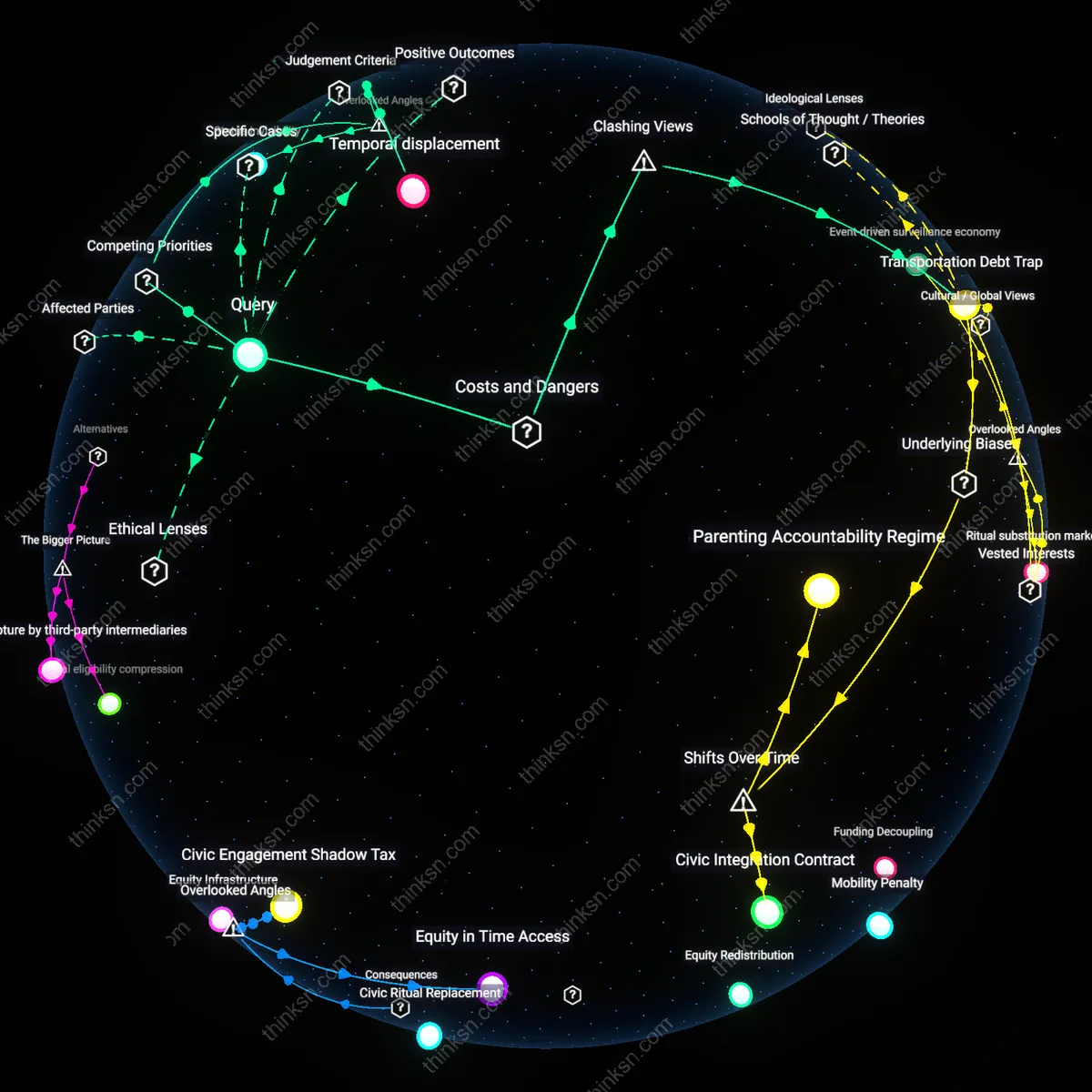
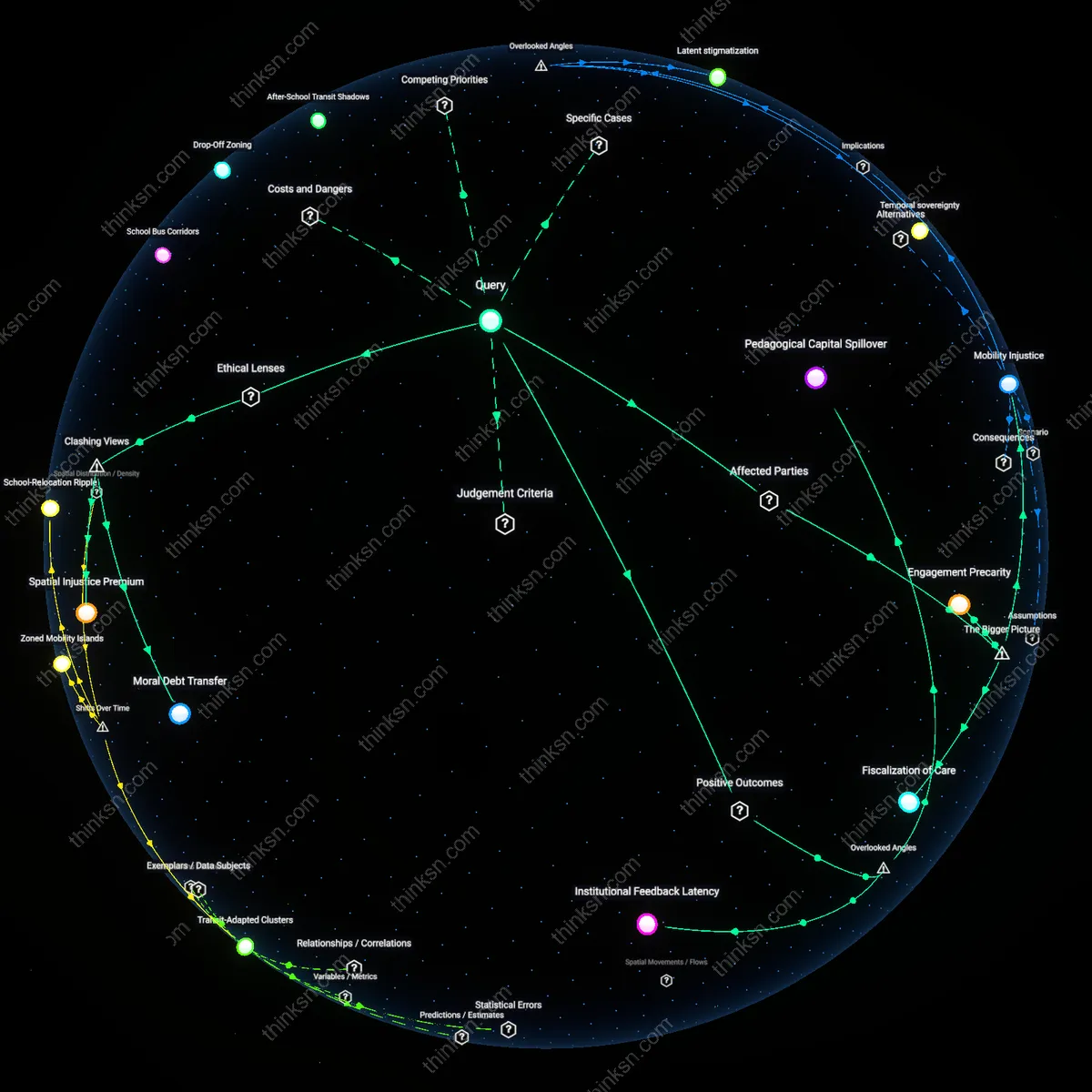
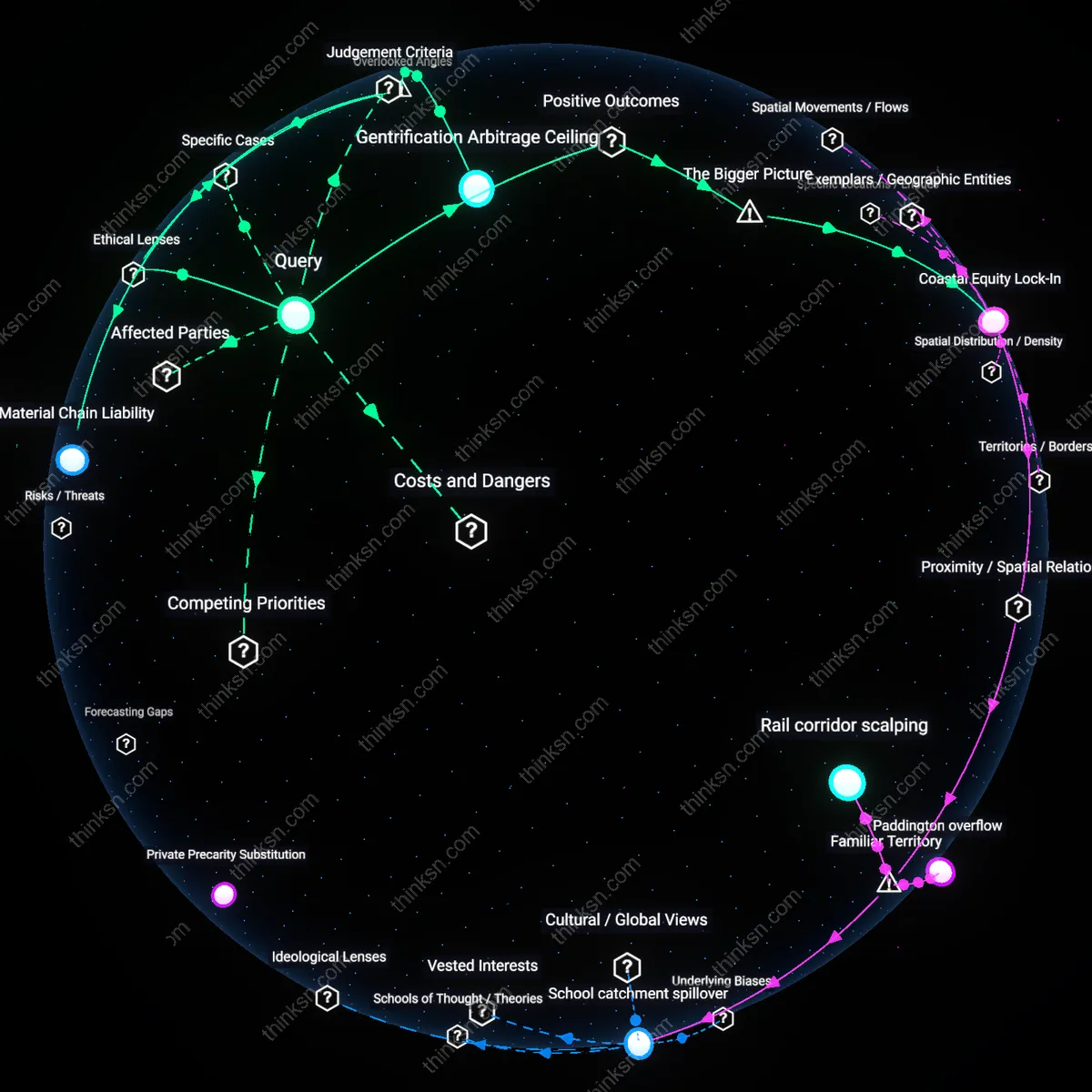
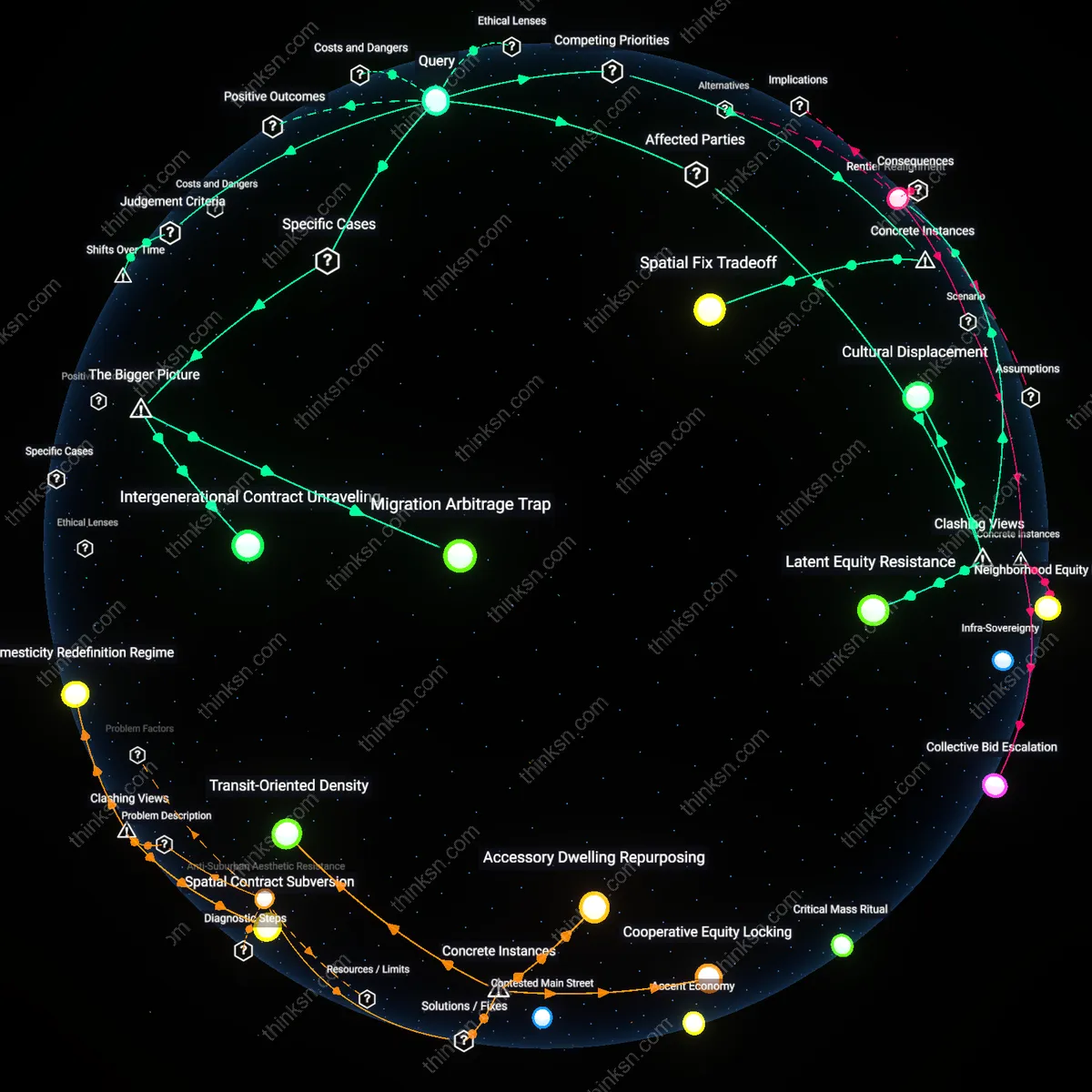
Analysis reveals 11 key thematic connections.
Key Findings
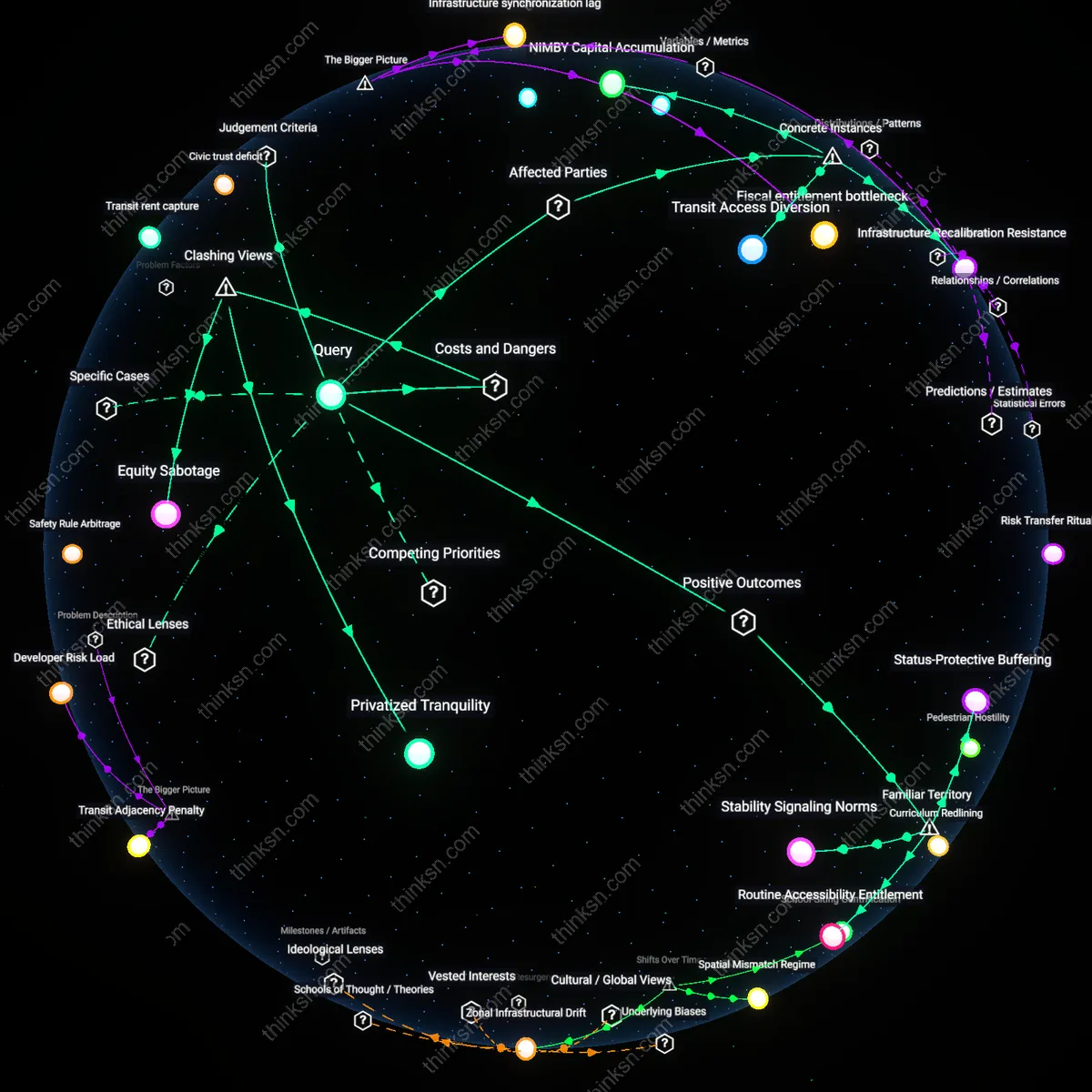
NIMBY Capital Accumulation
Opposition to increased housing density near public transit in Santa Monica’s Expo Line corridor reveals that affluent homeowners treat restrictive zoning as a tool to preserve property values and exclusivity, positioning themselves as beneficiaries of stagnant development while transit-dependent renters and lower-income commuters bear the cost of exclusion. The Santa Monica Rent Control Board and neighborhood councils, dominated by long-term homeowner stakeholders, systematically diluted transit-oriented development proposals after 2010 to prevent ‘overcrowding,’ demonstrating how localized democratic institutions can be weaponized to convert public infrastructure gains into private asset appreciation. This exposes the underappreciated mechanism by which ostensibly community-based governance channels individual convenience into structural wealth preservation at the expense of regional equity.
Transit Access Diversion
In the 2018 rezoning debates around the Purple Line Extension stations in Los Angeles, community coalitions such as Stop the Overdevelopment Project (STOP) — composed of homeowners and small business operators — successfully lobbied to cap density despite Metro’s equity mandate, revealing that opposition functions not merely to protect neighborhood character but to actively redirect the benefits of public transit away from affordable housing and toward commercial gentrification. The mechanism operates through discretionary entitlement processes that allow well-resourced actors to delay, modify, or defeat high-density proposals even when they align with regional climate and mobility goals. This illustrates how community cohesion is redefined selectively, masking economic exclusion as cultural preservation, and showing that opposition often serves to divert transit access from low-income users to higher-spending consumers.
Infrastructure Recalibration Resistance
When Arlington County slowed the development of the Rosslyn-Ballston corridor’s high-density nodes in the 1990s despite Metro expansion, civic groups like the Ballston Citizens Association framed opposition as necessary to protect school capacity and pedestrian safety, but internal planning documents later revealed that the primary concern was maintaining single-family dominance near stations favored by federal workers and military-adjacent professionals. This resistance operated through public comment channels and environmental reviews to recalibrate infrastructure outcomes toward middle- and upper-income lifestyles, delaying affordable units for over a decade. The overlooked dynamic is that community cohesion becomes a rhetorical instrument to resist recalibrating infrastructure equity, privileging the convenience of the already-connected over systemic inclusion.
NIMBYism infrastructure
Opposition to increased housing density near public transit reflects a prioritization of residential property stability over collective urban equity, signaling how local homeowners leverage zoning as a tool of exclusion. Wealthier residents, particularly in cities like San Francisco or Brooklyn, invoke neighborhood character and traffic concerns to block multifamily developments, effectively preserving racial and class homogeneity under the guise of aesthetic or convenience-based objections. This dynamic reveals a systemic feedback loop where decentralized land-use authority enables privileged individuals to treat public infrastructure investments as private amenity enhancements, subverting transit-oriented development goals. The non-obvious insight is that individual ‘convenience’ claims function as a socially acceptable proxy for resisting demographic change, entrenching spatial inequality.
Transit rent capture
Resistance to denser housing near transit exposes a conflict between municipal efficiency goals and private value appropriation, where homeowners capture publicly funded infrastructure gains without contributing to capacity expansion. When agencies like LA Metro or Portland’s TriMet improve service, adjacent property values rise, incentivizing existing residents to oppose density that might dilute their windfall—revealing a moral hazard in localized benefits from collective investment. This mechanism operates through municipal zoning autonomy, which allows small majorities to override regional housing needs, turning transit stops into engines of speculative value rather than access. The underappreciated consequence is that community cohesion becomes financially incompatible with efficiency, as inclusionary growth threatens concentrated rents.
Civic trust deficit
Housing opposition near transit indicates deteriorating trust in institutional capacity to manage growth equitably, where residents fear that increased density will outpace resourced services and deepen neglect. In cities such as Washington D.C. or Minneapolis, long marginalized communities may oppose new development not out of exclusionary intent but from historical experience—where past urban reforms brought displacement rather than shared benefit—leading to skepticism about promises of inclusive design. This dynamic emerges from a historical pattern of disinvestment followed by uneven reinvestment, structured by racialized planning legacies and unequal municipal finance systems. The key insight is that apparent resistance to density often reflects a judgment not about inconvenience, but about the legitimacy of governing institutions to sustain community cohesion under change.
Status-Protective Buffering
Opposition to increased housing density near public transit functions as a defense of residential exclusivity, preserving neighborhood character and property values. Homeowners leverage zoning regulations and civic associations to restrict development, invoking aesthetic or traffic concerns as proxies for maintaining socioeconomic homogeneity. This mechanism reveals how localized democratic processes can institutionalize privilege under the guise of community preservation, a reality often obscured by the familiar framing of 'neighborhood integrity' as inherently positive.
Routine Accessibility Entitlement
Resistance to denser housing near transit reflects an expectation that low-density living should remain accessible within convenient reach of urban jobs and services. Commuters who rely on cars but live near train stations or bus lines benefit from existing infrastructure without bearing the costs of higher-density trade-offs like shadowing or noise. This dynamic illuminates how perceived personal convenience becomes a de facto entitlement, subtly reshaping public investment to favor individual mobility over collective land-use efficiency.
Stability Signaling Norms
NIMBY opposition to transit-oriented development signals commitment to long-term neighborhood stability, a value widely praised in civic discourse. Residents frame their resistance as stewardship—protecting schools, parks, and safety from imagined degradation due to new construction. What’s underappreciated is how this performance of cohesion reinforces social boundaries, transforming participation in community meetings into a ritual where belonging is demonstrated through exclusionary planning preferences.
Privatized Tranquility
Opposition to increased housing density near public transit reveals that many residents treat neighborhood character as a form of personal entitlement, where proximity to transit is acceptable only if it does not alter their private quality of life. This dynamic operates through zoning norms in cities like San Francisco and Portland, where homeowners leverage environmental review processes to block mid-rise or multifamily developments, effectively preserving aesthetic and acoustic consistency at the cost of regional affordability. The non-obvious risk is not NIMBYism per se, but the systemic enclosure of communal infrastructure benefits into private consumption goods—transit access without density transforms public investment into a subsidy for low-density privilege.
Equity Sabotage
Resistance to dense housing near transit indicates a submerged preference for maintaining racial and class homogeneity, even at the expense of declared sustainability goals. In suburbs like Bethesda, Maryland, or neighborhoods in Los Angeles, predominantly white, high-income residents invoke traffic or 'historic preservation' to oppose affordable housing mandates near Metro stations, thereby weaponizing planning processes to avoid demographic change. This reveals the dissonance between liberal environmental rhetoric and exclusionary behavior—where community cohesion is redefined as cultural continuity rather than inclusive belonging, making integration itself the hidden danger to be managed.