Are Small Claims Courts Still Tenant-Friendly Against Corporate Giants?
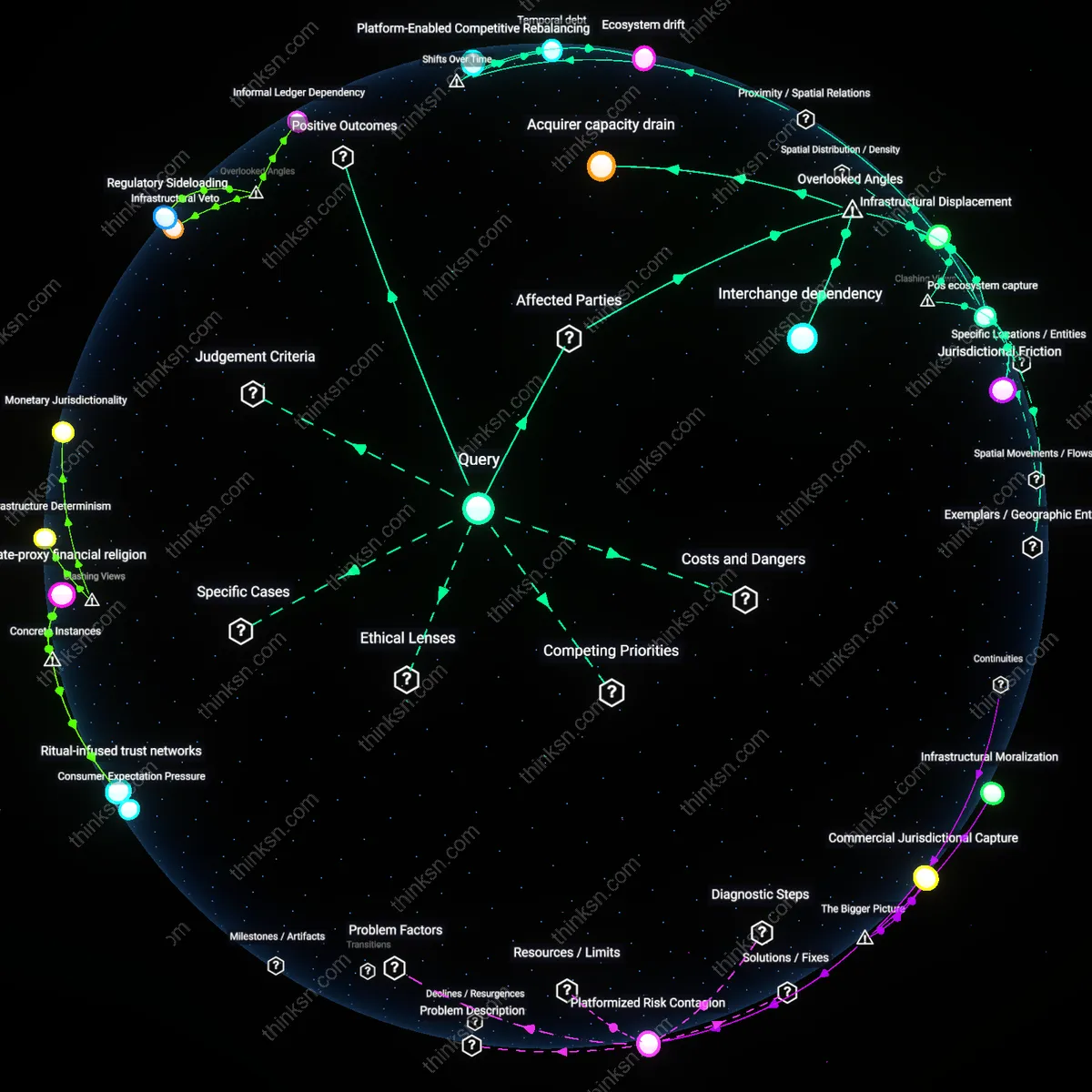
Analysis reveals 6 key thematic connections.
Key Findings
Equal Footing Access
Small-claims court grants tenants immediate procedural parity with corporate landlords despite financial asymmetry. Ordinary renters gain standing to challenge powerful entities in a forum where discovery is minimal, legal representation is often unnecessary, and filing caps limit the stakes, ensuring outcomes hinge on evidence rather than endurance. This flattens the power differential in a way that aligns with public intuition about fairness—ordinary people getting their day in court—while bypassing the prolonged financial drain of higher litigation, a relief often underappreciated given the assumption that all court access favors the well-funded.
Speed as Shield
Tenants benefit from small-claims court’s rapid scheduling and enforcement timelines, which interrupt corporate landlords’ common delay tactics even when those landlords can afford protracted disputes. Because hearings are set within weeks and judgments are enforceable directly through wage or property liens, landlords gain little from stalling, countering the widespread belief that deep-pocketed firms always outlast individuals. The underappreciated reality is that speed functions not just as convenience but as protection—momentum becomes a tenant’s ally.
Evidence Democracy
In small-claims disputes over security deposits or repairs, tenants often possess the decisive evidence—photos, text logs, and dated video—that corporate landlords cannot easily refute despite legal teams. The court’s informal rules allow laypeople to present this evidence directly, sidestepping discovery gatekeeping that would occur in higher courts, which reinforces the folk idea that 'the truth wins' in simple cases. What’s rarely acknowledged is how this reliance on firsthand documentation shifts power back to tenants not through process, but through immediacy of proof.
Procedural Exhaustion Gradient
Small-claims court is not tenant-friendly because corporate landlords exploit the procedural exhaustion gradient, where tenants—despite formal access—face compounded fatigue from repeated hearings, document production, and scheduling demands that deplete their time and mental bandwidth. This dynamic operates most acutely in jurisdictions like New York City or Los Angeles, where housing courts process thousands of cases monthly, and corporate firms use volume litigation to normalize minor defaults, forcing tenants into repeated compliance rituals even when legally in the right. What is overlooked is that fairness here is eroded not by legal outcomes but by the asymmetric stamina required to endure the process—making procedural persistence, not legal merit, the deciding factor.
Normative Data Asymmetry
Small-claims court disadvantages tenants through normative data asymmetry, where corporate landlords systematically collect, categorize, and repurpose outcome data across jurisdictions to refine eviction strategies, while individual tenants generate no comparable intelligence and rarely re-engage the system. This creates a feedback loop in which firms like Equity Residential or Aimco adjust lease terms, timing, and repair responses based on aggregated litigation experience, whereas tenants confront each case in isolation without institutional memory. The overlooked issue is that the court functions as a covert data extraction mechanism—favoring entities that learn from losing, not just winning.
Spatial Enforcement Disparity
Tenants are structurally undermined in small-claims court because enforcement of judgments is spatially uneven—when tenants win monetary awards against corporate landlords, collection often requires navigating separate county enforcement systems, liens, or wage garnishments, while landlords can immediately leverage centralized lease databases and credit reporting to penalize defaults. This asymmetry is clearest in states like Texas, where justice of the peace courts issue favorable rulings for tenants, but no coordinated mechanism exists to compel corporate compliance, whereas negative rental history appears instantly on tenant screening reports. The overlooked reality is that court 'access' means little when the power to enforce rulings is geographically fragmented for tenants but vertically integrated for firms.