Risk of Misclassification for Freelance Designers as Independent Contractors?
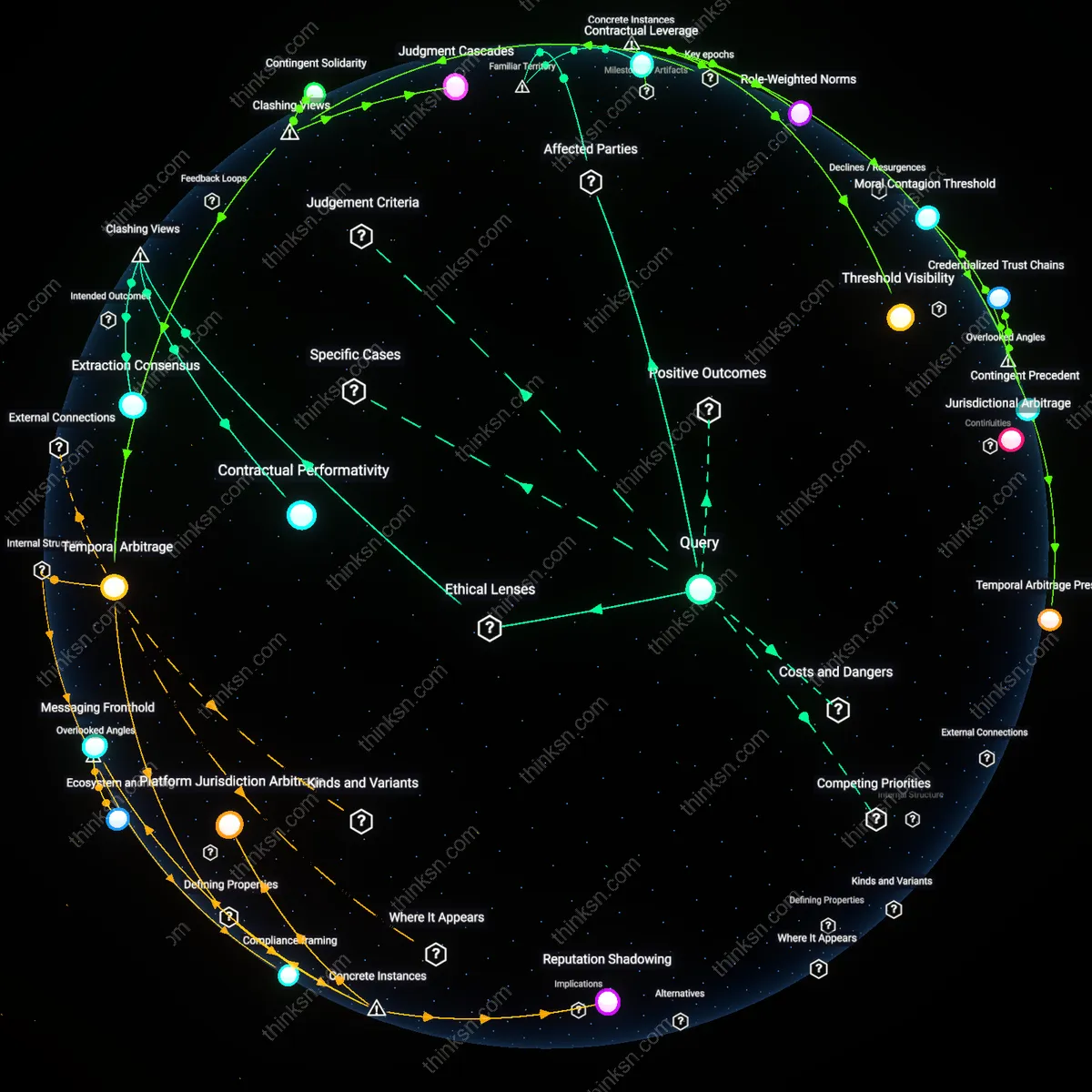
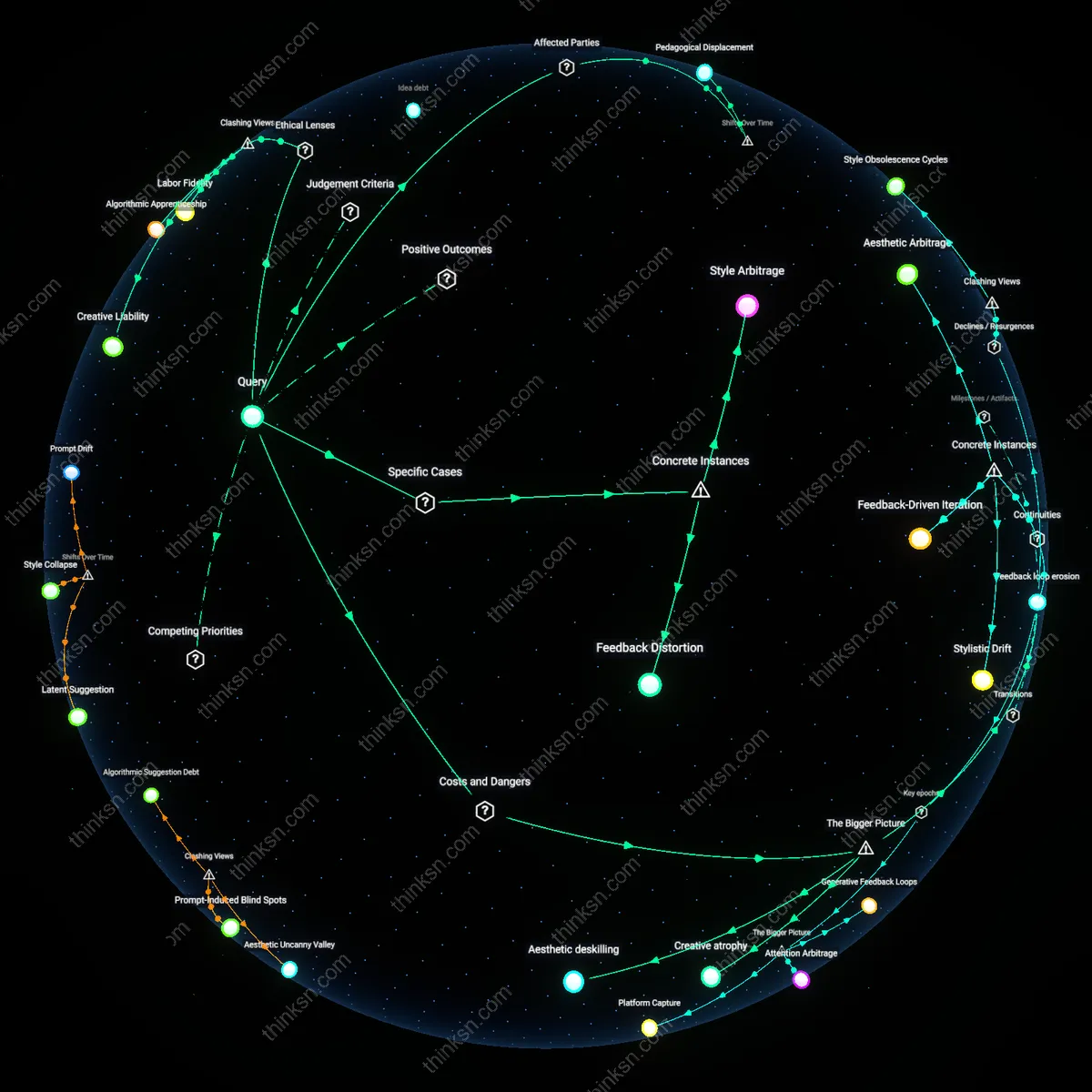
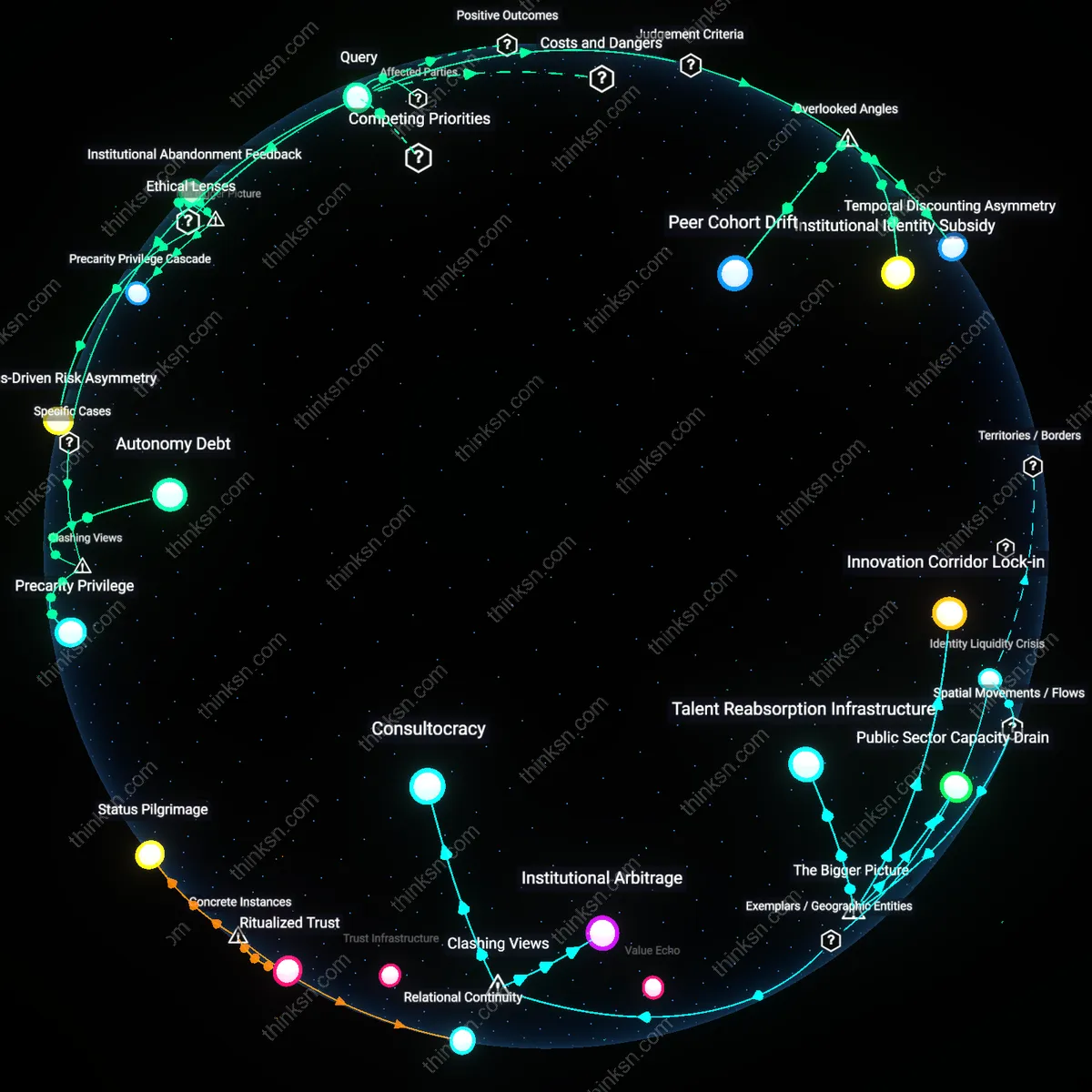
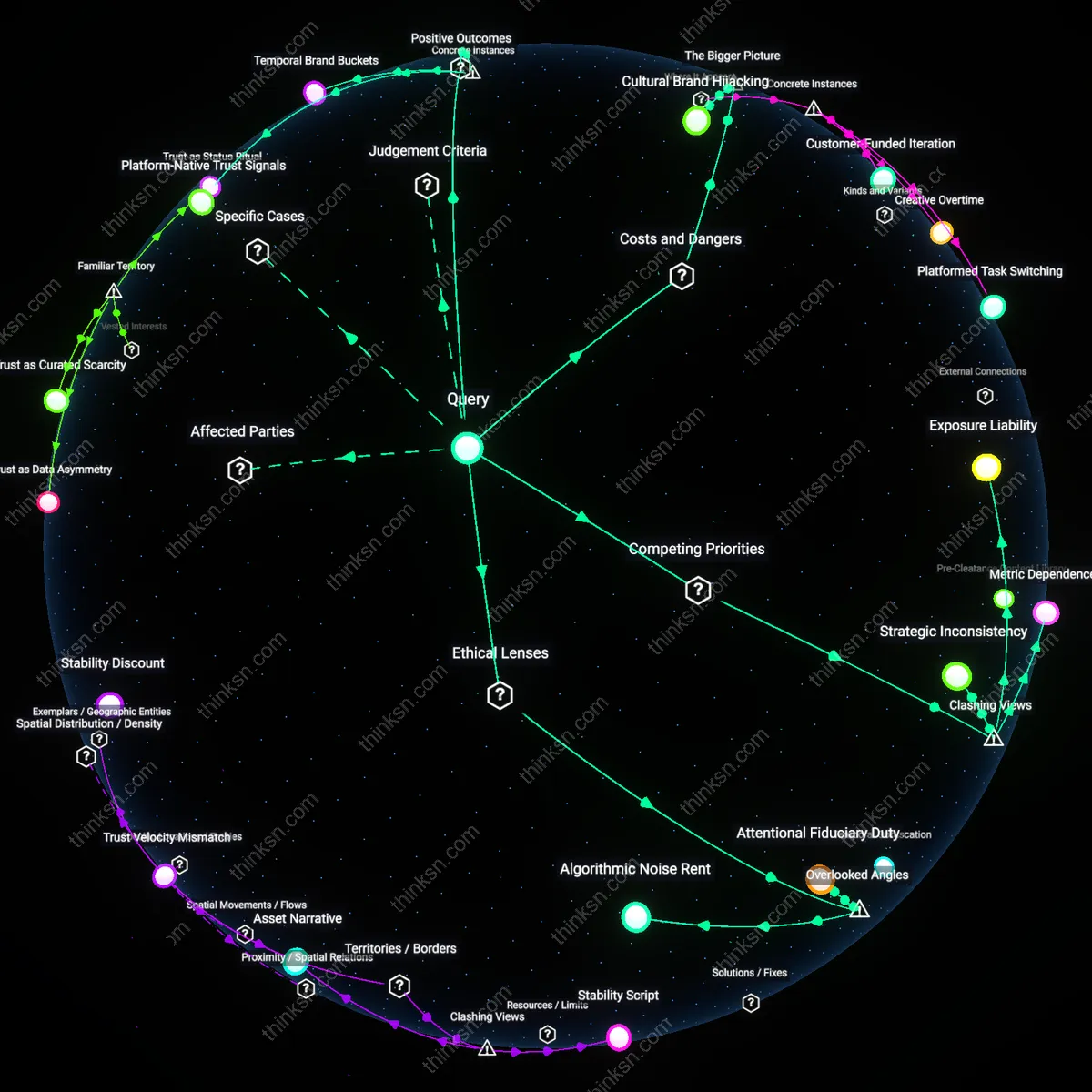
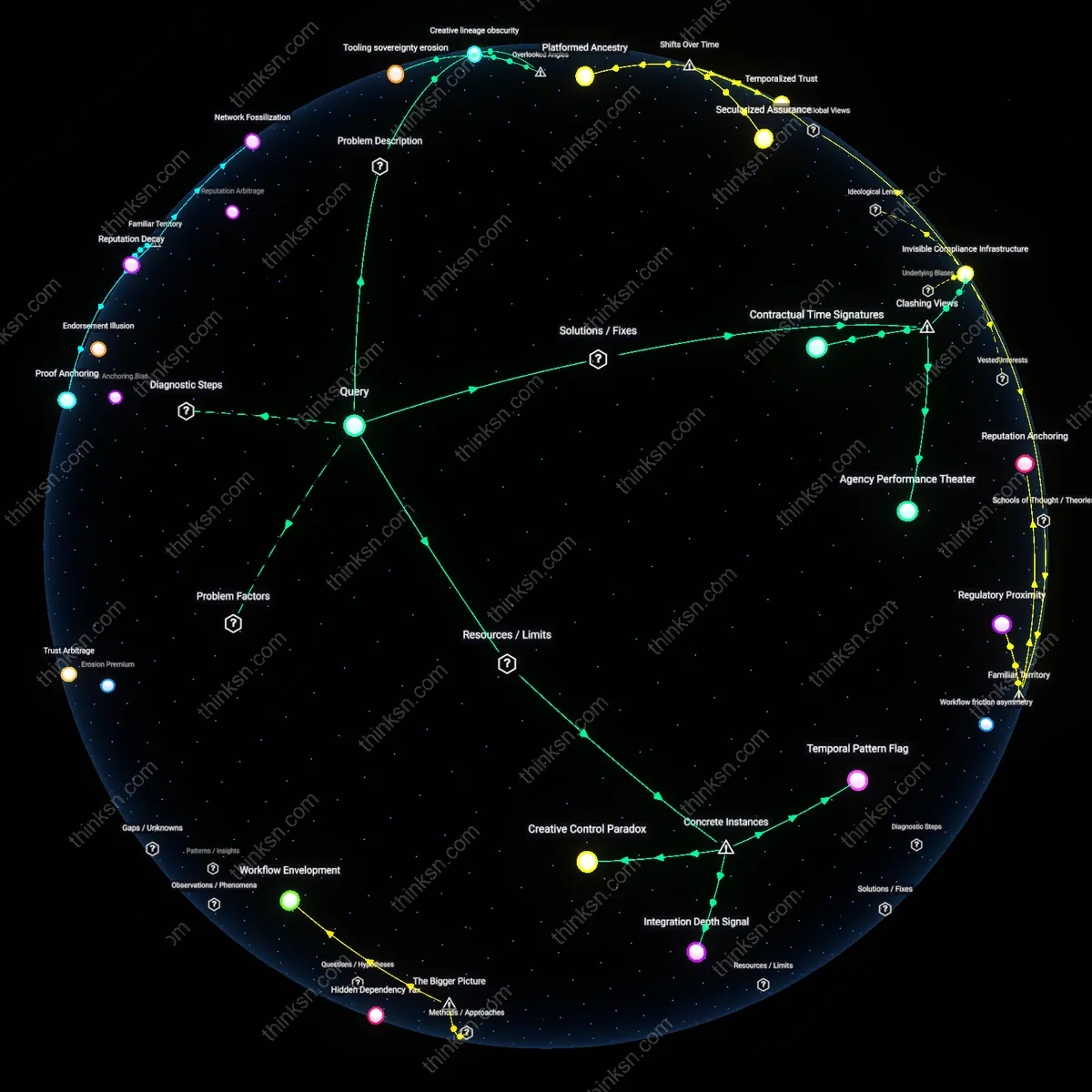
Analysis reveals 9 key thematic connections.
Key Findings
Contractual rhythm dissonance
A freelance graphic designer can evaluate misclassification risk by assessing whether the timing and frequency of contract renewals align with actual work patterns, because agencies that issue quarterly contracts but demand daily availability create a hidden contradiction between formal independence and operational integration. This dissonance reveals statutory vulnerability when labor inspectors compare the contractual shell to lived workflow, exposing discrepancies that override written labels—most designers focus on deliverables or payment methods, not the tempo of engagement renewal, despite its weight in Canadian and EU gig economy rulings. The mismatch between contractual periodicity and project heartbeat exposes a legal fault line rarely acknowledged in freelance compliance checklists.
Tooling sovereignty erosion
Designers must audit which software environments, asset repositories, and communication platforms dictate their daily workflow, because reliance on an agency’s centralized Adobe Enterprise deployment or Slack tenant transfers de facto control over labor conditions despite nominal independence. When the designer cannot legally or technically reproduce their capacity outside the agency’s digital fiefdom—such as restricted access to layered source files or client briefs stored exclusively in the agency’s Asana instance—they forfeit a core criterion of independent operation recognized in California’s AB5 evaluations. This erosion of tooling autonomy is rarely flagged in freelance guides, which emphasize invoice practices over infrastructural dependence, yet it materially shapes IRS determinations of behavioral control.
Creative lineage obscurity
The designer should track whether their contributions are formally attributed in client-facing materials or buried under the agency’s brand, because persistent erasure of authorship dissolves the boundary between employee and vendor in regulatory perception—when a designer’s visual motifs appear in national ad campaigns without traceable provenance, it signals integration rather than arm’s-length service. This invisibility enables agencies to bypass disclosure requirements that would otherwise trigger employment scrutiny, particularly under UK Employment Rights Act assessments where identifiability of contribution correlates with control. Most risk assessments ignore attribution patterns, yet lineage transparency is a silent indicator of functional autonomy with precedential weight in intellectual property labor disputes.
Contractual Time Signatures
A freelance graphic designer should insert explicit time-delimiting clauses in service contracts that forbid recurring work windows and penalize habitual scheduling, because agencies relying on regular hours exploit contractual ambiguity to simulate employment rhythms without liability; this leverages contract law’s underused capacity to encode temporal boundaries as legal distinctions, revealing that misclassification risk stems not from work content but from unregulated temporal patterns that mimic salaried labor — a non-obvious leverage point since most compliance advice focuses on tools or deliverables, not scheduling syntax.
Agency Performance Theater
Designers must require public attribution of freelance work in client-facing materials, forcing agencies to formally acknowledge independent status during project rollouts, because major agencies often absorb freelancer output into internal portfolios while suppressing authorship, creating a facade of in-house production that retroactively justifies reclassification risk; this disrupts the assumption that autonomy is proven by work location or hours, instead exposing institutional erasure as the real precursor to legal vulnerability.
Invisible Compliance Infrastructure
Freelancers should register with a third-party compliance cooperative that audits client engagement patterns and issues misclassification risk scores to counterparties, because platforms like Upwork or Andela obscure systemic pressures by individualizing liability, whereas a collective infrastructure shifts the burden onto agencies by creating market consequences for habitual misclassification; this reframes isolated contractor decisions as part of a distributed enforcement network, challenging the myth that classification is a bilateral determination rather than a tiered, reputation-mediated process.
Temporal Pattern Flag
A freelance graphic designer can identify misclassification risk by recognizing that working fixed daily hours identical to employees triggers scrutiny under IRS guidelines, as occurred with Adobe’s 2014 contractor audit where designers logging 9-to-5 schedules were reclassified due to behavioral mimicry of staff; this matters because the IRS uses time-logging patterns as primary evidence of control, revealing that regularity—not volume or skill—is the silent trigger for legal reclassification, a signal often overlooked in favor of formal contract terms.
Integration Depth Signal
When a freelance designer is embedded into an agency’s internal workflows—such as using proprietary project management tools like Wieden+Kennedy’s custom Asana configurations for Nike campaigns—they become structurally indistinguishable from employees, as seen in the 2018 California Division of Labor Standards Enforcement action against BBDO; the deeper the tool integration, the more the designer’s autonomy erodes in practice, exposing them to misclassification risk even with a valid 1099 form, a hazard invisible to contract reviewers focused solely on language rather than operational assimilation.
Creative Control Paradox
A designer retains contractor status only when they control the method and means of work, but when major agencies like Saatchi & Saatchi impose brand lockups, mandatory templates, and weekly creative mandates—as occurred in their 2016 rebranding of Chrysler—this negates operational independence, a condition the DOL identified in its 2019 guidance as decisive in reclassification; the paradox is that high-budget clients, in demanding consistency, strip away the very autonomy that defines contracting, making compliance with creative standards a legal liability.