How Much Does Solar Drag Grid Efficiency? Weighing Losses vs Emissions Gains
Analysis reveals 4 key thematic connections.
Key Findings
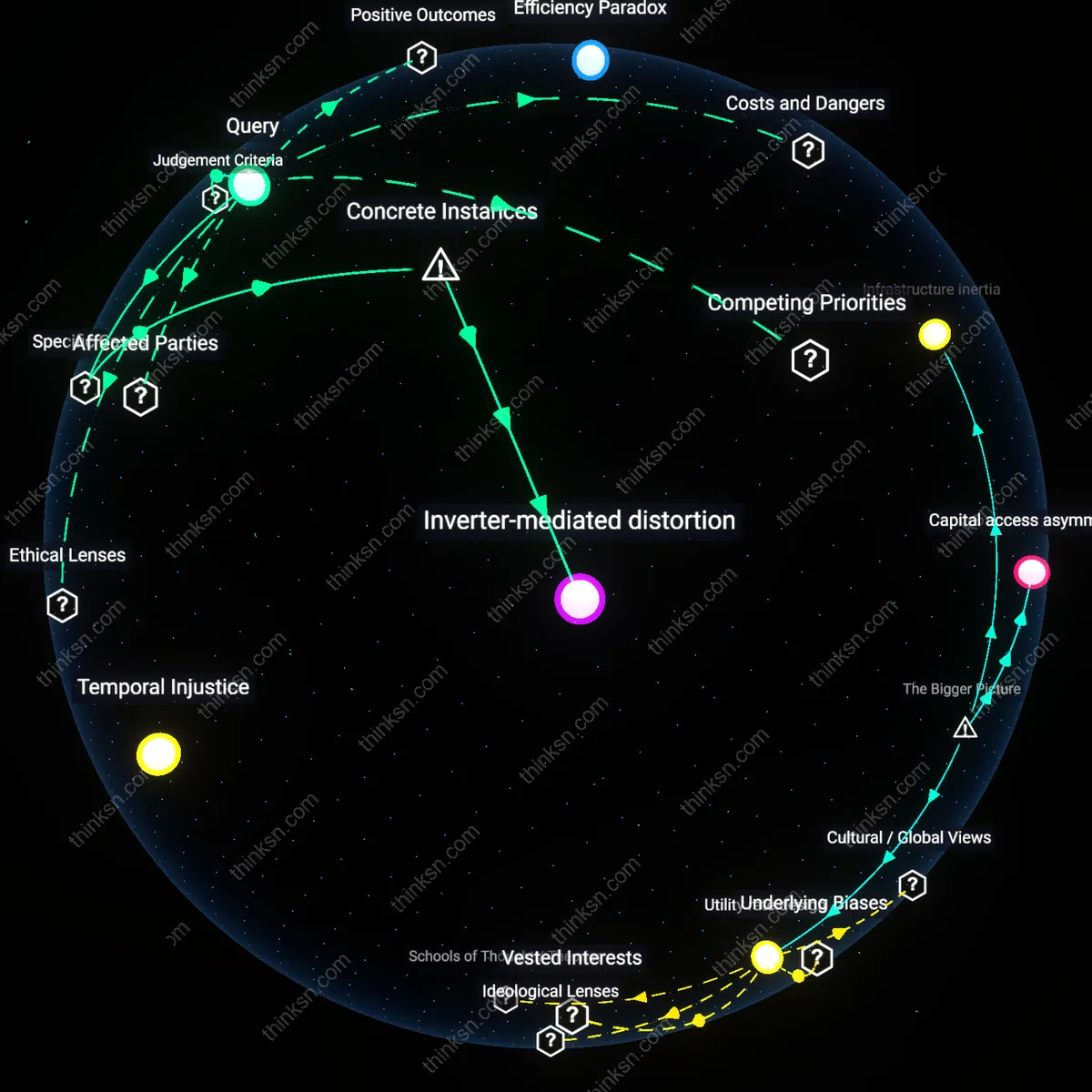
Efficiency Paradox
Integrating large-scale distributed solar reduces conventional grid efficiency because voltage regulation and load-matching become more complex in distribution networks designed for unidirectional flow. Utilities like Southern California Edison face increased reactive power demands and transformer cycling when rooftop solar floods daytime circuits, forcing curtailment or costly grid upgrades — a technical inefficiency that persists even as carbon emissions fall. This reveals that the narrowly defined 'efficiency' of power delivery — measured in megawatt-miles transported with minimal loss — becomes a liability when the grid must absorb decentralized, variable inputs, challenging the assumption that lower-carbon energy systems operate more efficiently by default.
Temporal Injustice
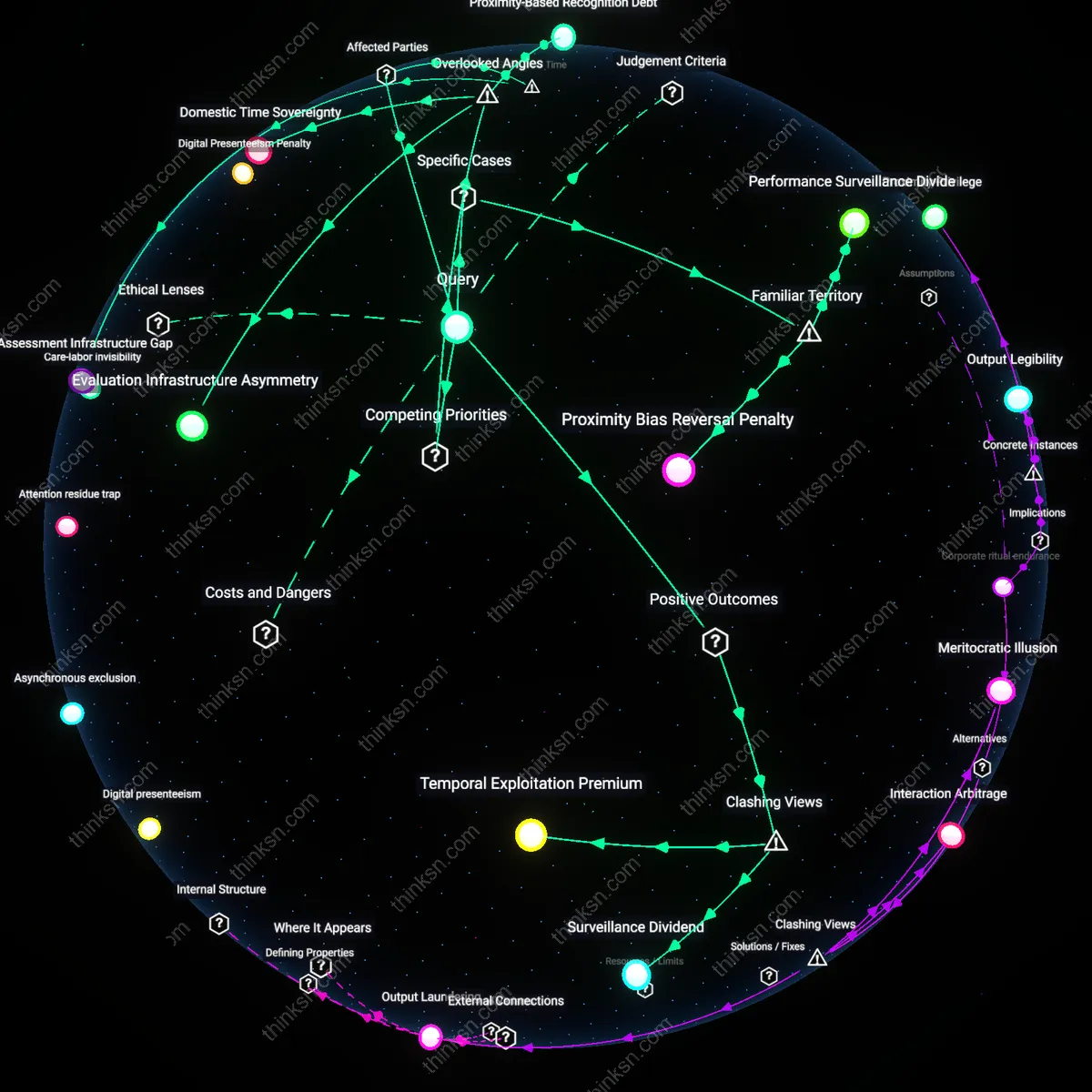
Distributed solar improves grid efficiency during peak daylight hours but shifts energy scarcity to evening ramps, creating a temporal misalignment that burdens low-income urban populations reliant on aging infrastructure. In cities like Phoenix, where air conditioning demand peaks post-sunset, utility-scale storage lags behind solar deployment, forcing reliance on inefficient natural gas peakers — an outcome that contradicts intuitive claims of net environmental benefit. This exposes how emissions reductions achieved during midday sunlight hours may compound energy injustice during critical evening hours, reframing the trade-off not as efficiency vs. emissions, but as inter-temporal equity in access to clean, reliable power.
Regulatory Arbitrage
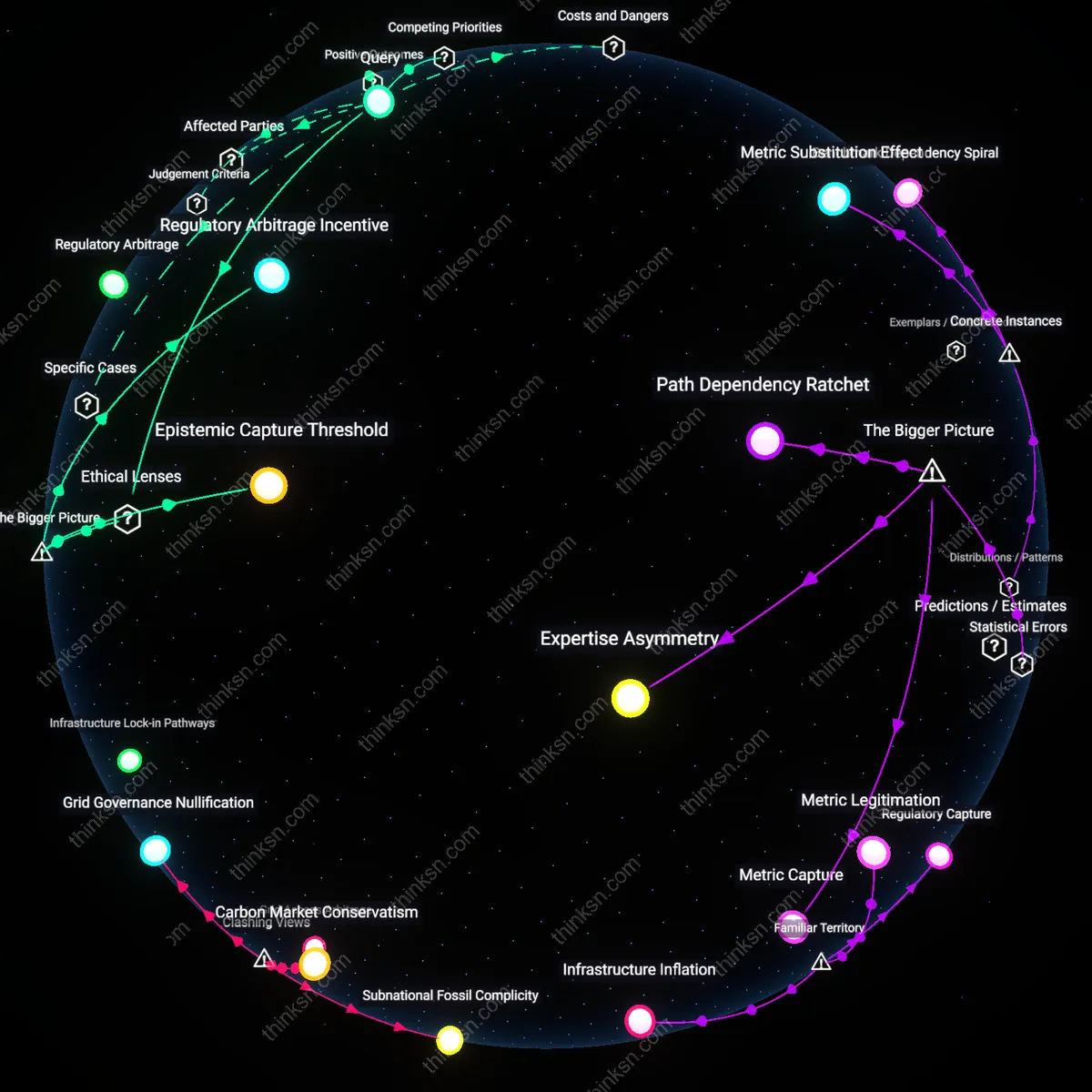
Distributed solar enhances grid efficiency only under regulatory frameworks that externalize maintenance costs onto non-solar customers, as seen in Nevada’s 2015 rate restructuring that shifted fixed grid costs to lower-income households without rooftop access. This creates a perverse incentive where utilities underinvest in long-term resilience while solar adopters, often wealthier and suburban, benefit from net metering — a dynamic that inflates the apparent emissions efficiency of distributed solar at the expense of system-wide equity and maintenance solvency. The result is a hidden redistribution mechanism disguised as decarbonization, exposing how market-based environmentalism can degrade collective infrastructure under the guise of progress.
Inverter-mediated distortion
In California’s Central Valley, large-scale solar farms feeding into aging substations have exacerbated harmonic distortion due to high concentrations of inverters cycling non-sinusoidal waveforms, reducing effective transmission capacity during peak generation hours. This phenomenon emerged prominently after the 2020 expansion of the Solar Star complex near Mojave, where localized grid hardening lagged behind deployment, forcing CAISO to curtail output despite demand not reaching peak—revealing an underappreciated coupling between power electronics design and bulk system efficiency. The loss mechanism is not generation intermittency but waveform fidelity degradation at scale, a technical bottleneck invisible in net-metering models yet decisive in balancing real-time grid stability. This case underscores that distributed solar integration can degrade efficiency through electromagnetic effects, not just supply-demand mismatch.