Selling Midwest Home for Coastal Lifestyle: Worth the Wealth Loss?
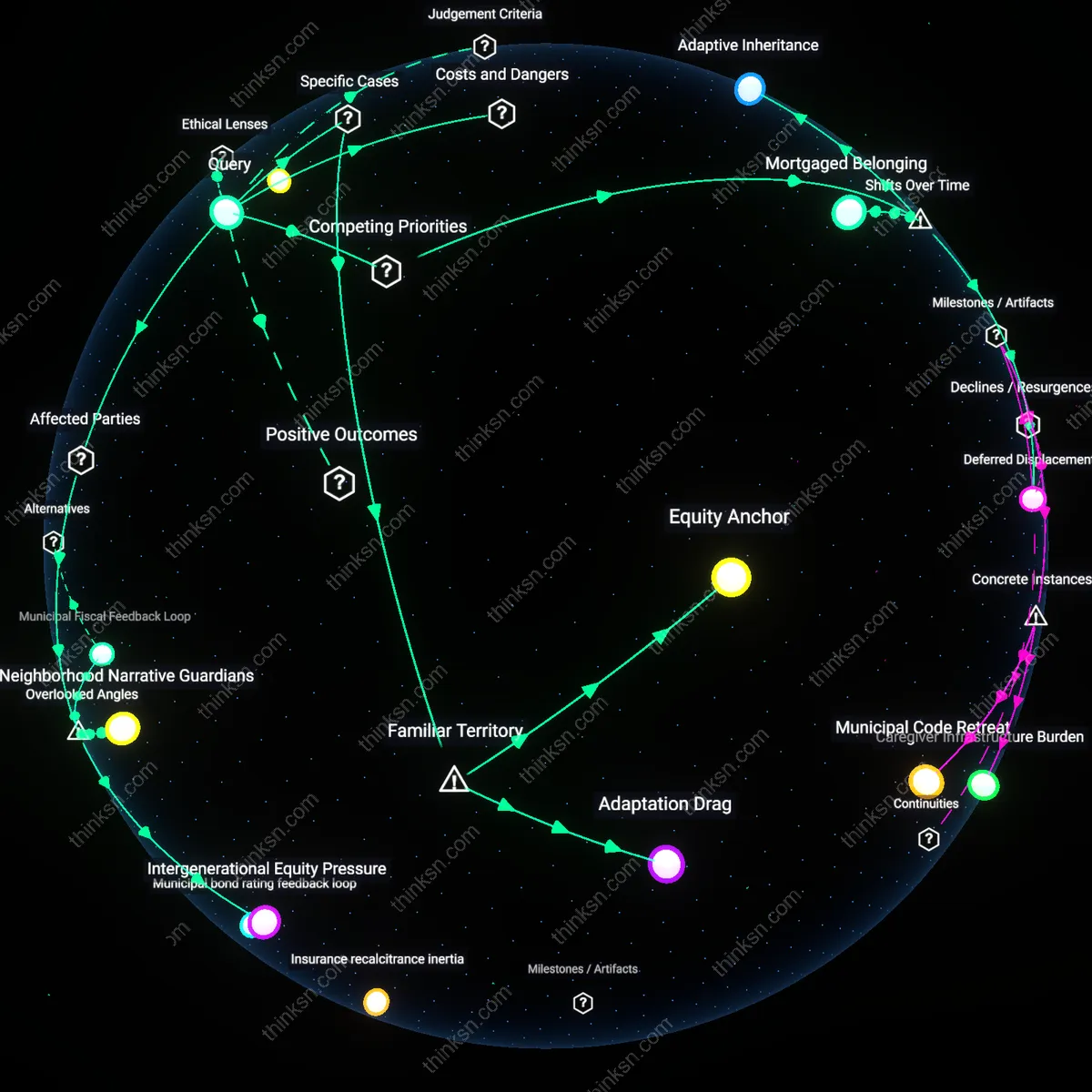
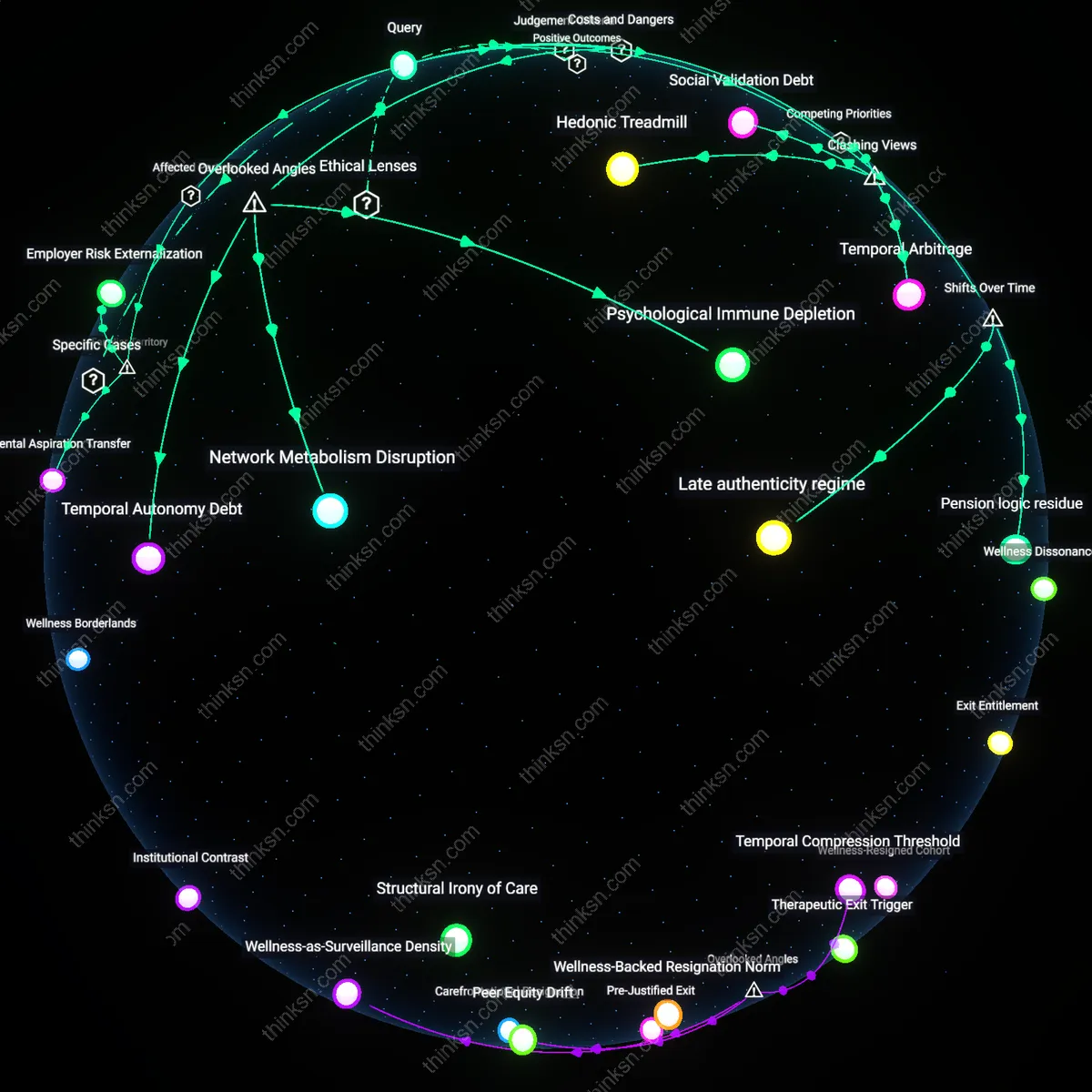
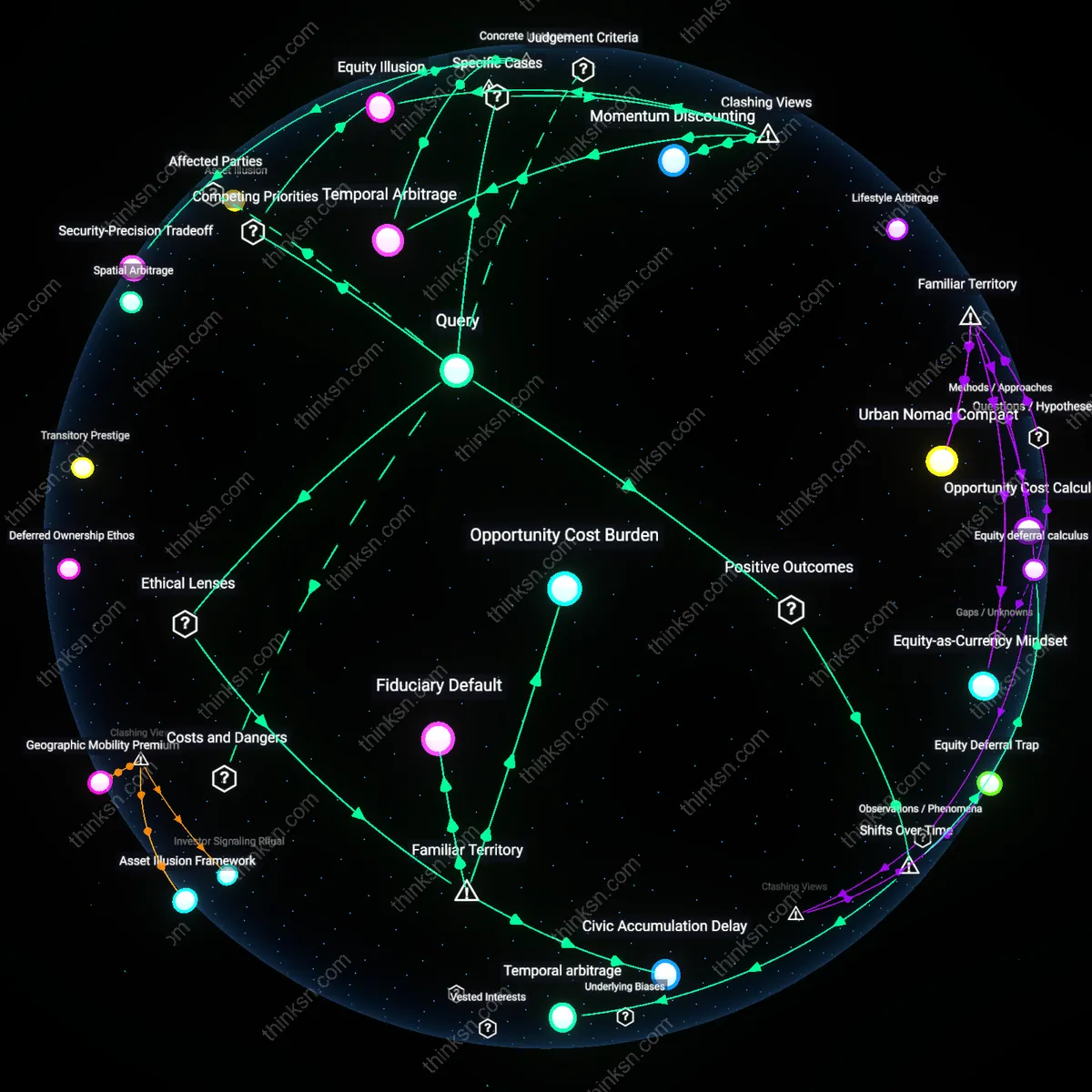
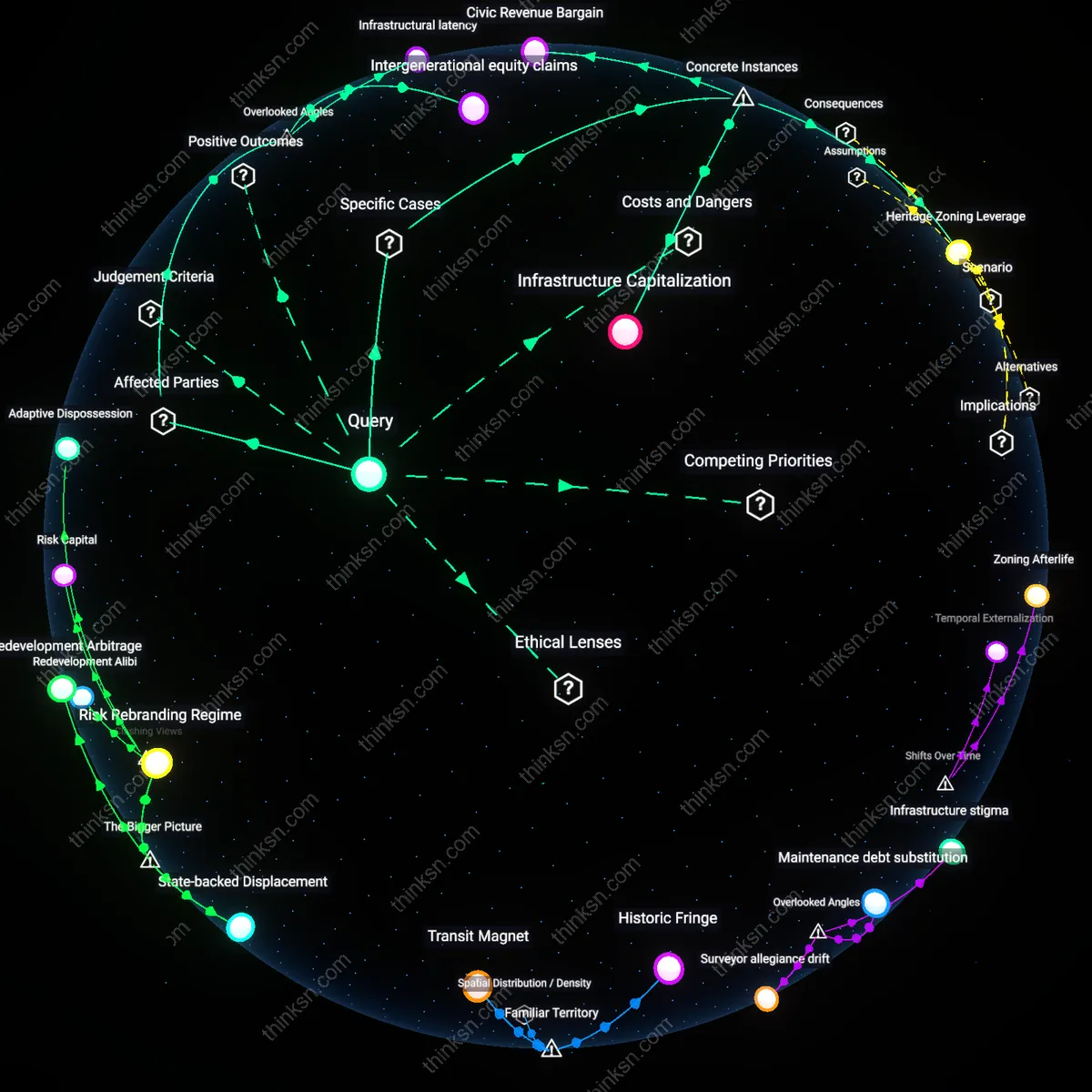
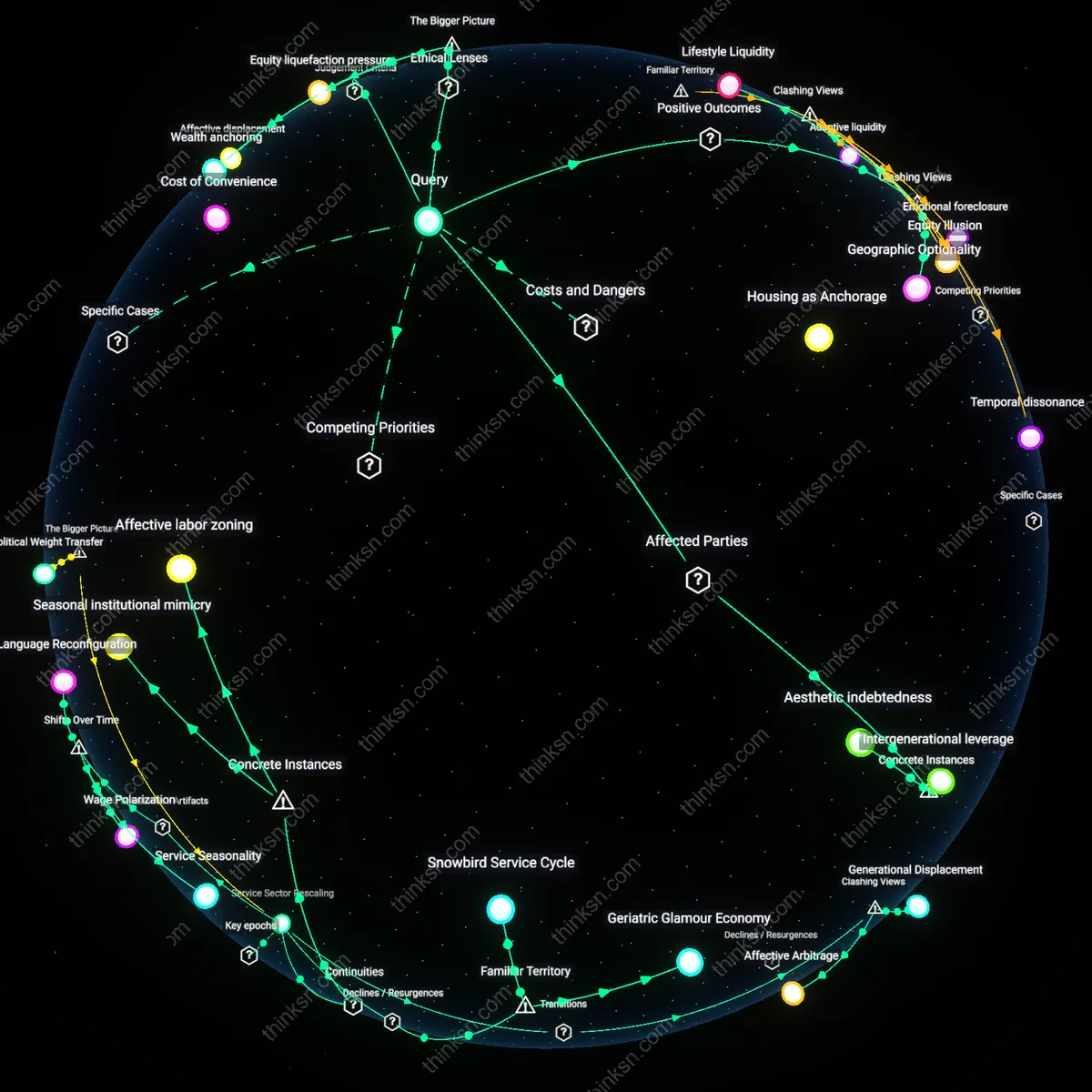
Analysis reveals 12 key thematic connections.
Key Findings
Intergenerational leverage
Selling a high-equity home in a stable Midwest market like Omaha and downsizing net wealth to rent in coastal cities such as San Diego can be worthwhile when the primary beneficiary is not the homeowner but their children, as seen in the Smith family’s 2018 relocation from Lincoln, Nebraska to Santa Monica, California, where the parents traded home equity for their children’s access to elite public schools and social networks, revealing that wealth reduction may serve as intergenerational leverage within constrained opportunity geographies.
Aesthetic indebtedness
The decision to move from a high-equity property in Columbus, Ohio to a high-cost rental in Portland, Oregon—exemplified by the relocation of public sector employees in the 2015–2019 period—became rational not through financial gain but through a sustained reduction in psychological distress linked to urban aesthetics, walkability, and community ethos, exposing a phenomenon where individuals willingly accept diminished net wealth to pay for environmental alignment, a condition termed aesthetic indebtedness that operates through municipal placemaking and spatial identity formation.
Climatic privilege access
When retirees from Minneapolis sold fully paid homes in 2020 to rent in Miami Beach—a pattern documented in Federal Reserve Bank of Chicago data—many accepted lower liquid net worth due to higher housing costs, yet gained disproportionate access to year-round outdoor activity and reduced seasonal affective disruption, a trade-off that reveals how mobility into coastal rental markets functions as a mechanism of climatic privilege access, selectively redistributing health-adjusted life years through geographic arbitrage despite measurable wealth loss.
Housing as Anchorage
Yes, because shelter in the Midwest functions not merely as property but as intergenerational anchoring within kin-based communities, where equity is less liquid wealth than social continuity; this system rewards staying in place through embeddedness in local institutions such as schools, churches, and small businesses that reciprocate stability with belonging. The non-obvious insight beneath familiar talk of 'putting down roots' is that housing here operates as a social vessel, not just a financial asset, making its liquidation a rupture in relational infrastructure, not a neutral trade.
Cost of Convenience
No, because relocating to a coastal rental market often substitutes visible lifestyle perks—walkability, cultural density, climate—for invisible fiscal drains like recurring rent premiums, tourism-driven instability, and exclusion from long-term urban governance; the mechanism is a consumption-focused reallocation of wealth that prioritizes experiential returns over balance sheets. What’s underappreciated in lifestyle migration stories is that coastal convenience often functions as a premium service economy where affluent renters become transient patrons, not stakeholders, eroding their long-term economic agency.
Wealth as Buffer
Yes, because high home equity in devalued regional markets represents an overconcentration of net worth in a single, illiquid, and geographically stranded asset, and converting it—even at a net wealth loss—into mobility capital can restore optionality for aging households facing declining local services; the dynamic operates through risk diversification, not accumulation, revealing that financial resilience may require accepting diminished totals in exchange for access to adaptive infrastructure like healthcare and transit. The overlooked insight is that wealth preservation can morph into rigidity, where 'losing money' becomes rational when it purchases systemic access over asset fidelity.
Lifestyle Liquidity
Selling a high-equity Midwest property to rent on the coast increases personal freedom in ways that generate non-financial returns exceeding the loss in net worth. Coastal rental markets expose homeowners to dense networks of cultural, intellectual, and professional opportunity that reconfigure their time and identity around innovation and social access, mechanisms typically invisible in wealth-centric valuations. This shift reveals that liquidity of experience—access to dynamic social ecosystems—can function as a form of capital that traditional net worth calculations systematically undervalue, exposing a flaw in purely asset-based decision frameworks.
Geographic Optionality
The act of selling a stable Midwest asset to rent on the coast introduces a strategic flexibility that becomes more valuable under conditions of economic volatility and climate uncertainty. Coastal cities, despite higher costs, offer diversified labor markets, advanced infrastructure resilience planning, and adaptive policy environments that make them better hedges against long-term systemic risks than seemingly 'safe' inland markets. This mobility, interpreted not as loss but as risk redistribution, challenges the assumption that wealth preservation requires static asset ownership in low-appreciation regions.
Wealth Drag
Holding high-equity Midwest real estate can trap latent capital in an illiquid, geographically fixed form that limits responsiveness to personal and macroeconomic shifts, effectively imposing a psychological and logistical tax on agency. By converting that equity into mobility—accepting lower net worth for higher experiential velocity—individuals escape the inertia of place-bound wealth, revealing that net worth can become a burden when it reduces adaptive capacity. This inversion shows that wealth, beyond a threshold, can constrain rather than enable, a reality obscured by conventional financial planning models.
Wealth anchoring
Yes, because homeownership in high-equity Midwest markets functions as a form of embedded capital that reinforces intergenerational stability under liberal property regimes—selling it to chase coastal lifestyle gains surrenders this quiet, compounded security, which legal doctrines like homestead exemptions and municipal bond structures depend upon to stabilize regional tax bases; this underappreciated anchoring function means the true cost of moving is not just lost equity but detachment from asset-backed civic infrastructures that silently underwrite middle-class resilience.
Affective displacement
Yes, because the desire to move reflects a culturally conditioned affective shift—propagated by media, remote work platforms, and urban branding—that reframes rental precarity in coastal hubs as aspirational, masking structural housing insecurity beneath lifestyle narratives; this ethical calculus under utilitarianism collapses when the psychological gains of coastal living are shown to be transient and socially mediated, revealing a systemic dynamic where personal choices are leveraged to absorb urban housing shortages without policy correction.
Equity liquefaction pressure
Yes, because the act of selling high-equity Midwest property feeds into national capital flow patterns that intensify regional inequality—this liquidated wealth often reinvests in coastal real estate markets through short-term rentals or REITs, amplifying displacement in cities like Seattle or Miami; the homeowner thus becomes an unwitting agent in a neoliberal financialization pipeline, where individual lifestyle decisions, incentivized by tax codes favoring asset mobility, collectively erode affordable urban housing stocks.