Uneven Wind Jobs: Equity Gaps in Energy Transition?
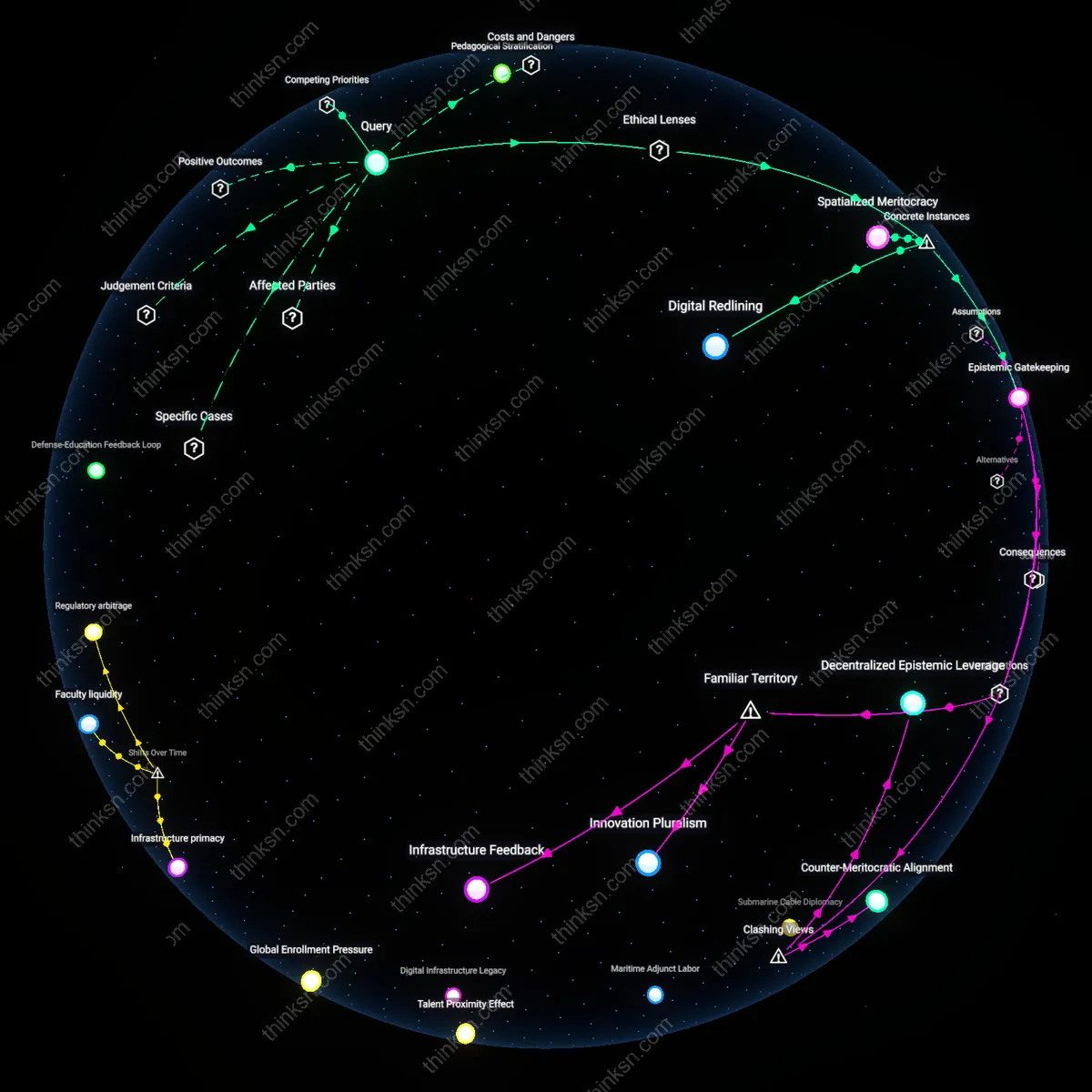
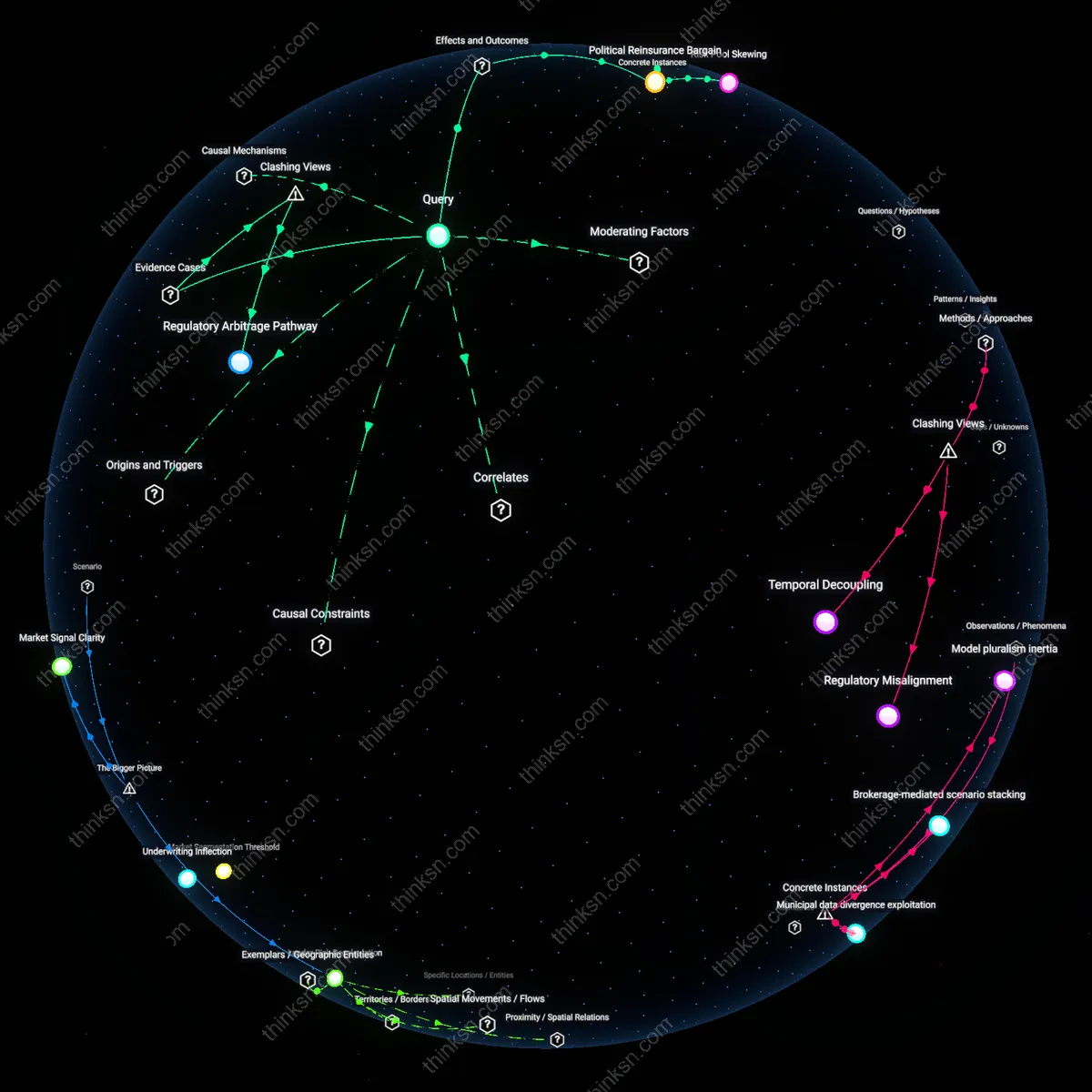
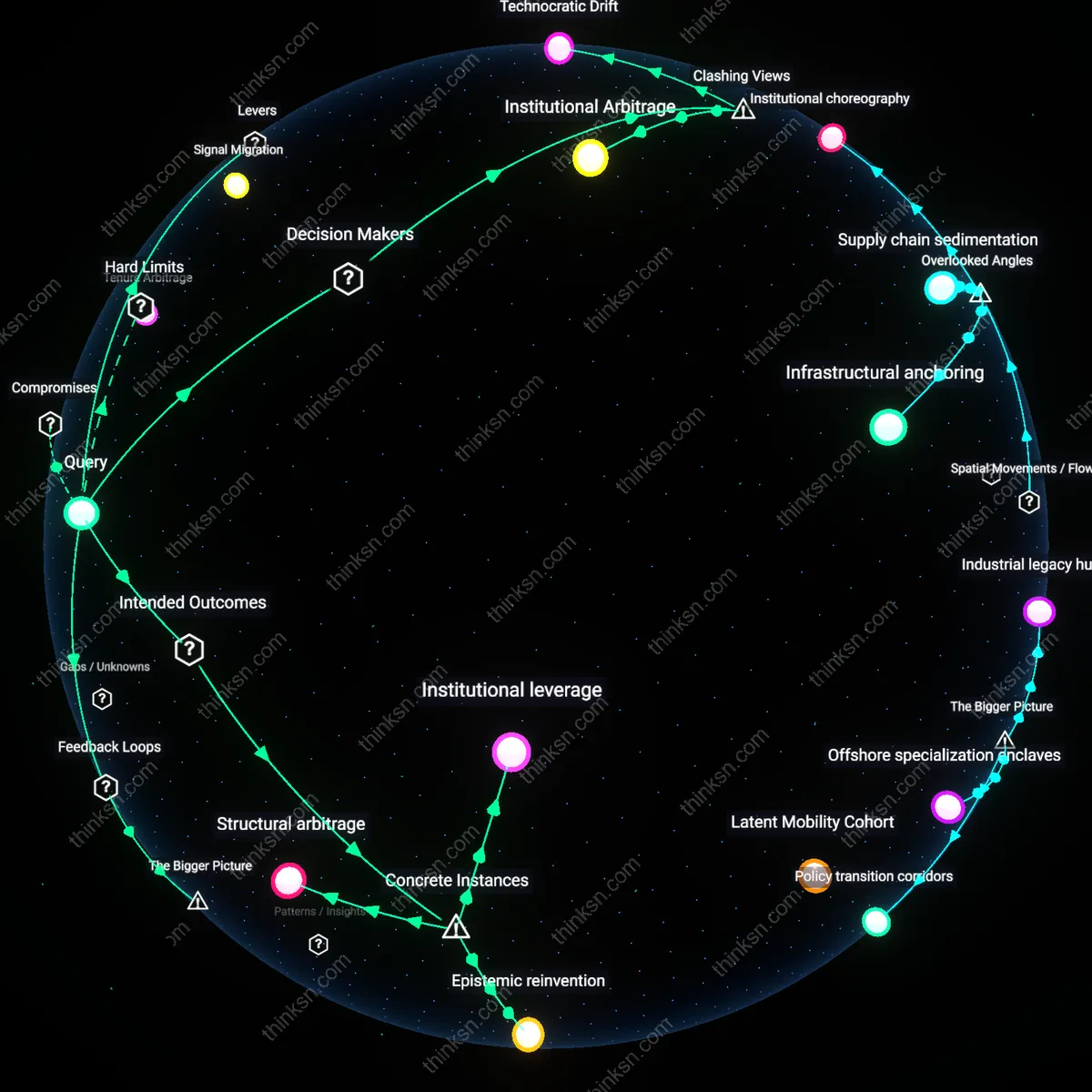
Analysis reveals 7 key thematic connections.
Key Findings
Rentier Lock-in
Disparities in offshore wind job distribution reflect how state-level procurement rules favor incumbent utilities and coastal elites, entrenching regional economic advantages under the guise of climate action. Publicly backed offshore wind contracts in states like Massachusetts and New Jersey overwhelmingly channel project ownership and high-value jobs to firms already embedded in regional power structures, while bypassing historically disinvested port communities—even when those locations qualify for equity grants. This enables established energy and financial firms to extract value from public climate investments without redistributing control or employment benefits, effectively converting decarbonization policy into a subsidy stream for asset holders. The non-obvious consequence is not just inequitable labor outcomes but the institutionalization of a new rentier class that captures transition gains, making future redistribution politically harder.
Labor Arbitrage
The clustering of offshore wind jobs in certain coastal regions functions as a form of tacit labor arbitrage, where developers minimize transition costs by relying on existing maritime union networks in the Northeast while avoiding higher wage or training mandates for disadvantaged workers elsewhere. Firms like Ørsted and Dominion Energy partner with established trade unions in New York and Rhode Island not primarily for skill access but to signal project stability to regulators and financiers, thereby excluding non-unionized, often minority-majority workforces in the Gulf South and Pacific despite federal equity goals. This creates a two-tier labor market where 'green jobs' are protected privileges in wealthier regions, while economically distressed areas receive only low-wage service roles or job promises that evaporate post-construction. The underappreciated risk is that energy transition policies become tools for suppressing regional wage convergence, effectively using climate policy to reinforce national labor segmentation.
Labor Arbitrage Regime
Offshore wind job disparities reflect a deliberate redirection of labor investment from historically marginalized coastal communities to regions with preexisting industrial infrastructure, a shift accelerated after the 2016 U.S. Clean Energy Initiative incentivized speed-to-market over equitable development. State-led economic development agencies in Massachusetts and Rhode Island, leveraging decommissioned port facilities from the 20th-century shipping decline, secured early-phase contracts by offering faster permitting and lower regulatory risk, effectively pricing out Gulf Coast and rural Atlantic communities lacking capital to retrofit docks or train workforces at scale. This represents a non-obvious trade-off where energy security—defined as rapid capacity deployment—was prioritized over distributive equity, normalizing a labor arbitrage model in which transition benefits flow to geographies already possessing institutional readiness, a condition solidified during the 2020–2023 project pipeline surge.
Decommissioning Debt
The concentration of offshore wind jobs in the Northeast reveals how environmental remediation costs from prior industrial eras have become a silent gatekeeper to green job access, with federal workforce grants after 2021 disproportionately funding training in regions that had already converted coal and oil facilities into clean energy staging zones. Coastal counties in New Jersey and Maryland, having secured EPA Brownfield remediation funds between 2005 and 2015, were able to repurpose contaminated waterfronts into wind hub logistics centers, while Gulf Coast communities, still burdened with unremediated petrochemical waste and lacking post-2010 clean-up investment, were excluded from bidding on major projects due to site compliance barriers. The underappreciated shift here is that equity in the energy transition has become path-dependent on prior success in securing environmental cleanup capital—turning past exposure to industrial harm into a prerequisite for future green inclusion, thereby institutionalizing a form of spatialized historical debt.
Procedural Exclusion
Offshore wind job clustering in Massachusetts, driven by state-led procurement under the 2016 Green Communities Act, systematically bypassed established port labor in Providence, Rhode Island, despite its deeper maritime workforce history, revealing that equity in energy-transition policy is compromised by centralized decision-making that prioritizes project efficiency over inclusive labor integration. This process, justified by utilitarian cost-benefit frameworks embedded in state energy law, reproduces infrastructural privilege by allocating economic benefits to jurisdictions with preexisting political capacity to negotiate contracts, not those with greater need or readiness. The non-obvious outcome is that procedural fairness—such as transparent workforce inclusion in siting decisions—is absent even in regions celebrated for climate leadership, undermining distributive justice claims.
Spatialized Meritocracy
The concentration of offshore wind manufacturing jobs in Ohio and Pennsylvania, far from Atlantic lease sites, under the Biden administration’s ‘Buy America’ and workforce partnership directives, constructs a moral economy in which inland deindustrialized zones are symbolically redeemed through green job rhetoric, even as coastal communities like Atlantic City—where fishing and maritime labor face direct displacement—receive minimal retraining investment. This reflects a Rawlsian 'difference principle' selectively applied to favor regions deemed politically fragile, yet it ignores the situated knowledge and historical claims of coastal workers. The underappreciated consequence is that merit is redefined not by proximity or ecological stakeholding but by electoral geography, turning energy transition into a tool of spatial redistribution that masks coastal dispossession.
Regulatory Arbitrage
In Louisiana, state regulators’ refusal to classify offshore wind support structures as 'energy facilities' under coastal management rules has prevented local content requirements from applying, enabling developers like Dominion Energy to source turbine components from non-union South Korean shipyards while promising minimal local hiring in port hubs like Lake Charles. This legal maneuvering exploits federalism gaps in the Outer Continental Shelf Lands Act, where state discretion undermines environmental justice mandates in the National Environmental Policy Act’s implementation. What remains unacknowledged is that equity gaps stem not from lack of policy but from deliberate forum selection—where corporate actors and compliant state agencies use jurisdictional ambiguity to circumvent equity obligations, normalizing labor extraction under the guise of regulatory compliance.