Risk Attribution Clarity
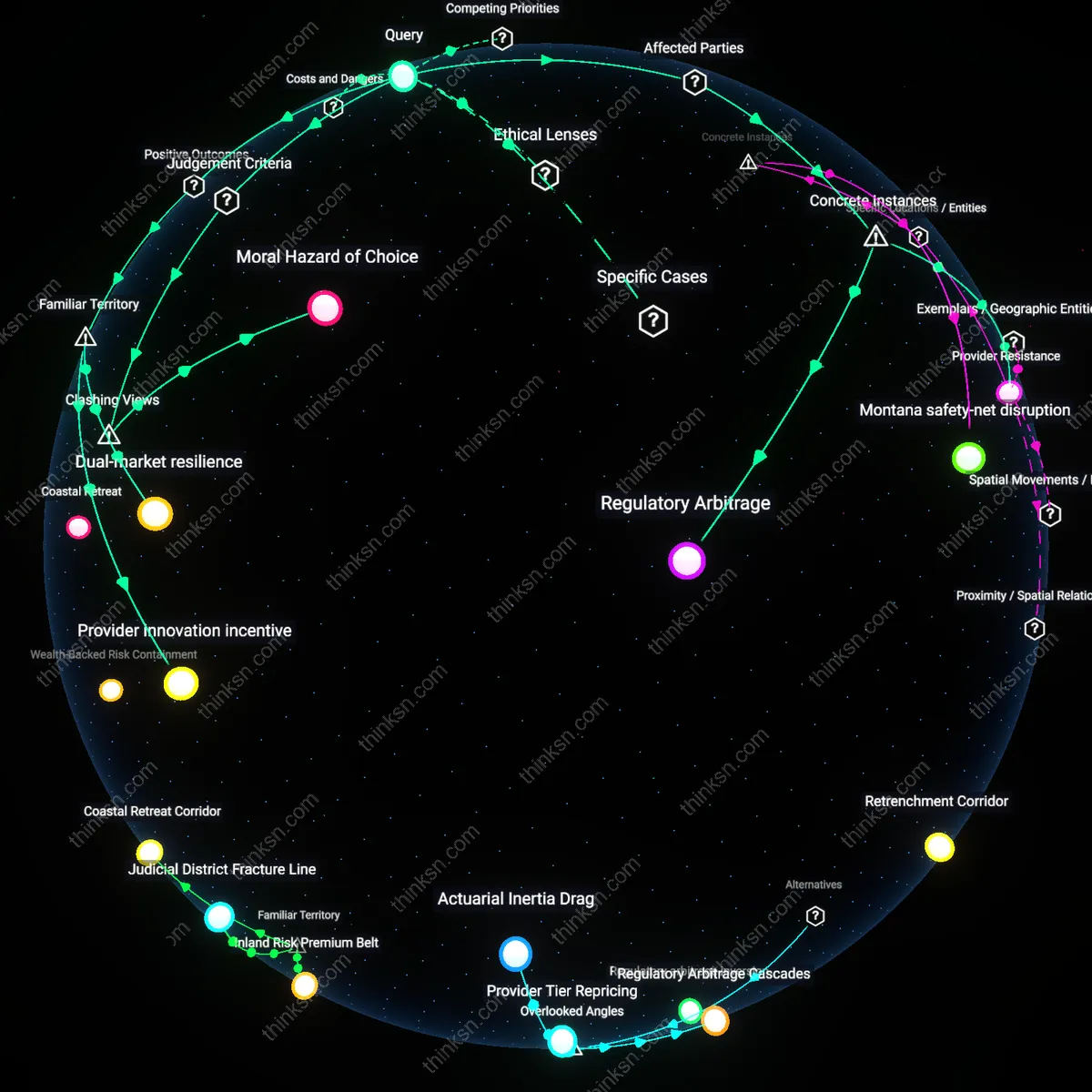
Coastal insurance rates would rise more precisely for properties exposed to storm surge, because separating wind and surge models allows insurers to isolate flood-driven risk from wind damage, using location-specific hydrodynamic data from agencies like FEMA and NOAA. This shift makes flood exposure less subsidizable within bundled premiums, forcing rate adjustments that reflect actual water-level risk rather than averaged storm threat. The non-obvious result is that even minor elevation differences—like those within a single neighborhood—could yield significant rate divergences, exposing the hidden cost of ground-level flood exposure.
Inland Risk Repricing
Inland insurance rates would begin to reflect wind-only risk more accurately because decoupling surge models removes the distorting influence of coastal catastrophe pooling on regional rate calculations. Insurers typically bundle wind and surge to simplify pricing, which inadvertently inflates premiums inland where surge is irrelevant; separating the models reveals that tornado and severe thunderstorm risks are systematically underpriced relative to coastal flood hazards. This recalibration unveils a long-concealed cross-subsidy, where interior communities have effectively overpaid to support coastal resilience through uniform wind-storm pricing.
Regulatory Arbitrage Pressure
Insurance regulators in high-exposure states like Florida and Louisiana would face political pressure to delay adoption of split models because transparent risk attribution threatens municipal bond ratings and real estate valuations by revealing uninsurability at current rates. When surge is modeled independently, local governments can no longer rely on blended risk scores to maintain insurable conditions across entire coastal zones, increasing fiscal vulnerability for infrastructure dependent on stable premiums. The underappreciated consequence is that regulatory transparency becomes fiscally destabilizing, turning actuarial accuracy into a threat to municipal creditworthiness.
Model Fragmentation Risk
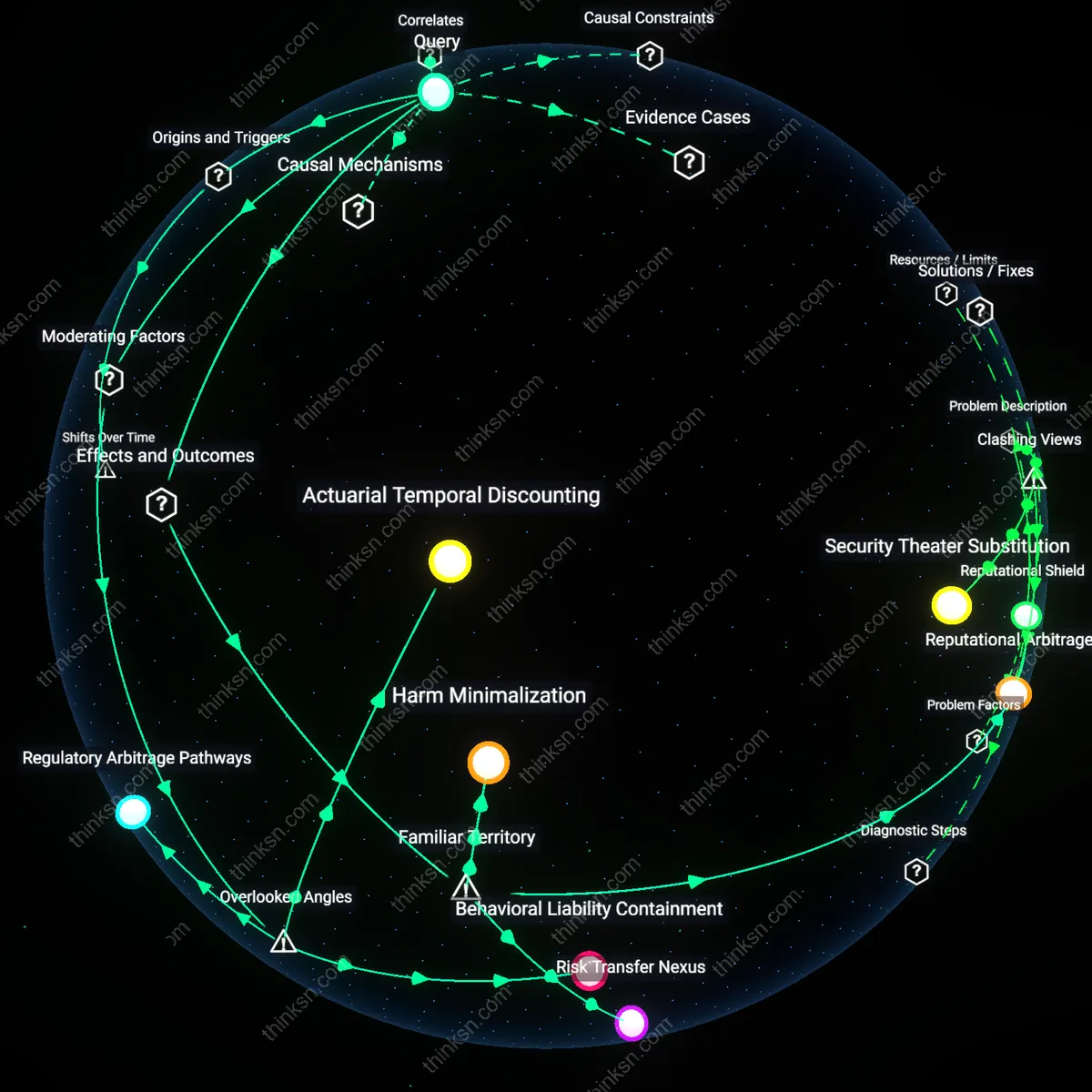
Separate wind and surge models would increase coastal insurance rates because divergent risk signals create regulatory arbitrage, as seen in Florida’s 2019 revision of its hurricane models, where wind-only assessments underestimated compound events, prompting insurers like Citizens Property Insurance Corporation to raise premiums preemptively to offset unpriced surge exposure, revealing that model segregation distorts holistic risk pricing when physical perils are interdependent.
Actuarial Asymmetry
Insurers would internalize higher capital reserves due to conflicting model outputs, as occurred when Swiss Re adjusted its U.S. coastal exposure after the NFIP adopted split modeling in the 2012 Hurricane Sandy aftermath, where wind models (from RMS) and surge models (from USACE) produced divergent loss projections for the same ZIP codes in Hoboken, NJ, forcing reinsurers to hedge against regulatory misalignment rather than physical risk, exposing that institutional modeling incoherence generates financial friction beyond hazard exposure.
Regulatory Signal Distortion
Separate wind and surge models would initially lower inland insurance premiums by isolating wind risk from flood exposure, leading insurers to price based on newly disaggregated peril data. Regulators in states like Florida and Louisiana, under pressure to reduce consumer premiums, might adopt these models to reflect more granular risk—but this creates a false signal, as inland communities begin to underestimate their secondary exposure to surge-adjacent flooding due to upstream hydrological connections. This distortion emerges because regulatory modeling choices reshape insurer risk perception faster than physical systems adjust, causing capital allocation to misalign with actual systemic vulnerability, a dynamic rarely captured in rate-setting impact assessments.
Coastal Risk Compression
Insurers would face compressed margins on coastal properties if regulators mandated split wind and surge models, because surge risk—now explicitly priced and potentially excluded from standard policies—would force homeowners to purchase separate flood insurance, reducing uptake and increasing underinsurance. This occurs as private insurers, reacting to granular risk segmentation by FEMA and state commissions, restrict wind coverage in high-surge zones like Galveston or Norfolk, where storm dynamics are interdependent, thereby shifting systemic risk onto public backstops. The underappreciated consequence is not higher premiums but retrenchment in private market participation, exposing the fragility of insurance ecosystems when physical perils are administratively decoupled from their natural synergy.
Spatial Arbitrage Incentive
Disentangling wind and surge models would incentivize developers and insurers to exploit spatial mismatches in risk pricing, particularly in transitional zones like barrier island backlands or riverine estuaries where surge penetration is probabilistic but wind exposure is universal. In regions such as southeastern North Carolina, builders may flock to areas just beyond modeled surge boundaries, triggering construction booms that inflate exposure precisely where drainage infrastructure is weakest. The overlooked systemic effect is that regulatory modeling boundaries become de facto development blueprints, transforming actuarial lines on a map into physical land-use patterns—revealing how risk model jurisdictions can unintentionally govern urban expansion.
Regulatory Misalignment Incentive
Separate wind and surge models would create divergent actuarial signals that enable coastal insurers to reprice policies based on isolated perils, leading to unintended cross-subsidies between inland and coastal zones. Coastal insurers may underprice surge-exposed properties by attributing high risk solely to wind—a politically less sensitive driver—while inland flood-prone areas absorb disproportionate risk loading due to wind-only surcharges misapplied beyond storm zones. This dynamic arises through state insurance departments’ reliance on FEMA flood maps that do not dynamically integrate meteorological surge projections, creating a regulatory lag where pricing reflects outdated spatial assumptions. The overlooked reality is that model separation decouples political accountability from actuarial responsibility, enabling strategic risk reallocation under the guise of scientific precision.
Municipal Bond Feedback Loop
Insurers’ adoption of split wind-surge models would alter catastrophe bond triggers, causing reinsurance markets to recalibrate asset-backed securities in ways that indirectly raise municipal borrowing costs for inland cities with climate-vulnerable infrastructure. Because many inland municipalities issue bonds tied to natural disaster risk indices that insurers use for pricing, a regulatory shift emphasizing surge as a separate, coastally-bound peril reduces capital allocation to inland flood defenses, despite shared hydrological systems like river basins. This change matters because most bond rating agencies treat inland flood risk as static, ignoring dynamic feedbacks from altered coastal capital flows. The non-obvious dependency is that coastal risk modeling choices can depreciate inland fiscal credibility through capital market linkages rarely mapped in resilience planning.
Renter Migration Arbitrage
Decoupling wind and surge risk would distort rental price elasticity in secondary metro areas, as landlords in inland floodplains—formerly cross-subsidized by coastal wind premiums—face abrupt rate hikes absent shared risk pooling, triggering tenant displacement into unregulated informal housing markets. This occurs because insurance-backed mortgage requirements adjust faster than local tenant protection laws, particularly in states like Missouri or Tennessee where flood disclosure rules lag behind new model adoption. The overlooked mechanism is that internal migration patterns respond not to absolute risk but to relative insurance affordability shocks between regions, which discrete modeling intensifies by erasing implicit geographic subsidies. This shifts the geography of vulnerability in ways that neither insurers nor emergency planners currently track.
Model Fragmentation Paradox
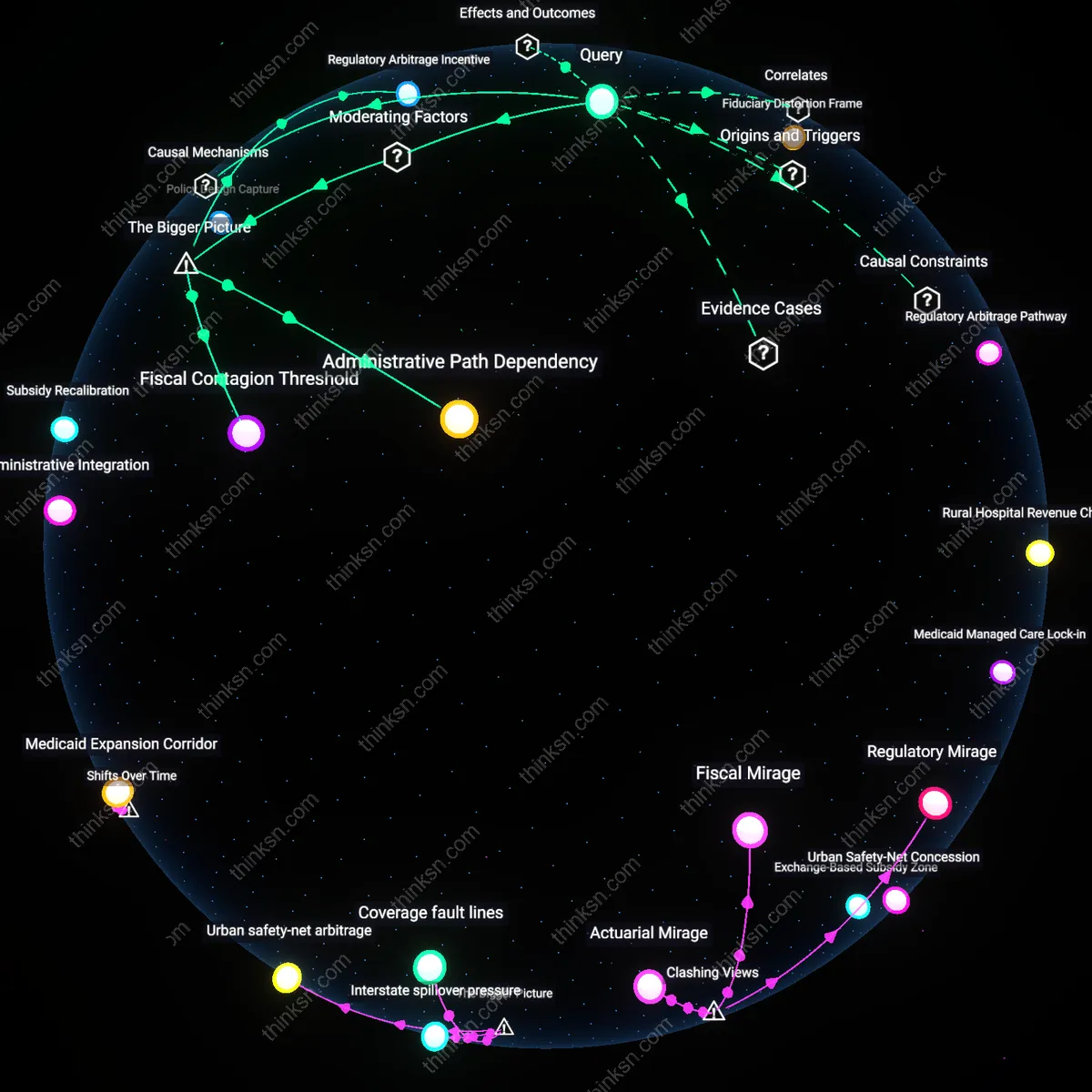
Separating wind and surge models would initially lower premiums in inland areas while raising them on immediate coastlines, exposing a historical shift from holistic risk pooling to granular actuarial segmentation that emerged after the 1980s deregulation of insurance markets. As catastrophe modeling firms like RMS gained influence post-1992 (post-Hurricane Andrew), insurers increasingly adopted disaggregated perils data to price risk with surgical precision, shifting from averaged regional rates to hyperlocal hazard accounting—this transition reveals how model fragmentation, while scientifically rigorous, can destabilize cross-subsidies that previously protected marginally exposed communities. The non-obvious consequence is that such fragmentation reintroduces spatial inequity under the guise of accuracy, unraveling decades of implicit solidarity in coastal risk finance.
Temporal Blurring Effect
Regulators’ shift to separate wind and surge models would accelerate the decoupling of insurance pricing from historical flood-weather patterns, reflecting a broader post-2010 transition as climate dynamics outpace actuarial timelines. In the pre-2000 era, combined models relied on stable correlations between wind speed and storm surge derived from 20th-century hurricanes, but rising sea levels and intensifying cyclones since 2017 (e.g., Harvey, Michael) have broken these empirical links—when models separate, surge becomes primarily a function of coastal elevation and subsidence, while wind risk ties to building codes, creating divergent temporal trajectories for each peril. The underappreciated insight is that this modeling split codifies a new actuarial presentism, where future risks are priced as disjointed events rather than integrated disasters, thus blurring responsibility across time and weakening preparedness for compound events.
Jurisdictional Arbitrage Incentive
Divergent wind and surge pricing would incentivize municipalities to manipulate land-use policies in ways that exploit regulatory gaps, marking a distinct phase in the post-1990s federalism shift where local governance adapts to national risk models rather than the reverse. Coastal counties like those in Florida’s panhandle, facing higher surge premiums under split models, would have a vested interest in upgrading seawalls and elevating infrastructure to reclassify risk zones, while inland towns such as Columbia, South Carolina, might relax wind-resistant building codes if wind models are priced independently—this represents a reversal from mid-20th-century top-down disaster planning to a current bottom-up gaming of actuarial boundaries. The non-obvious outcome is that model separation doesn’t just improve accuracy; it creates new arbitrage opportunities as local actors strategically reframe their vulnerability to align with cheaper risk categories.