Should Crohns Patients Risk Radiation for Early Stricture Detection?
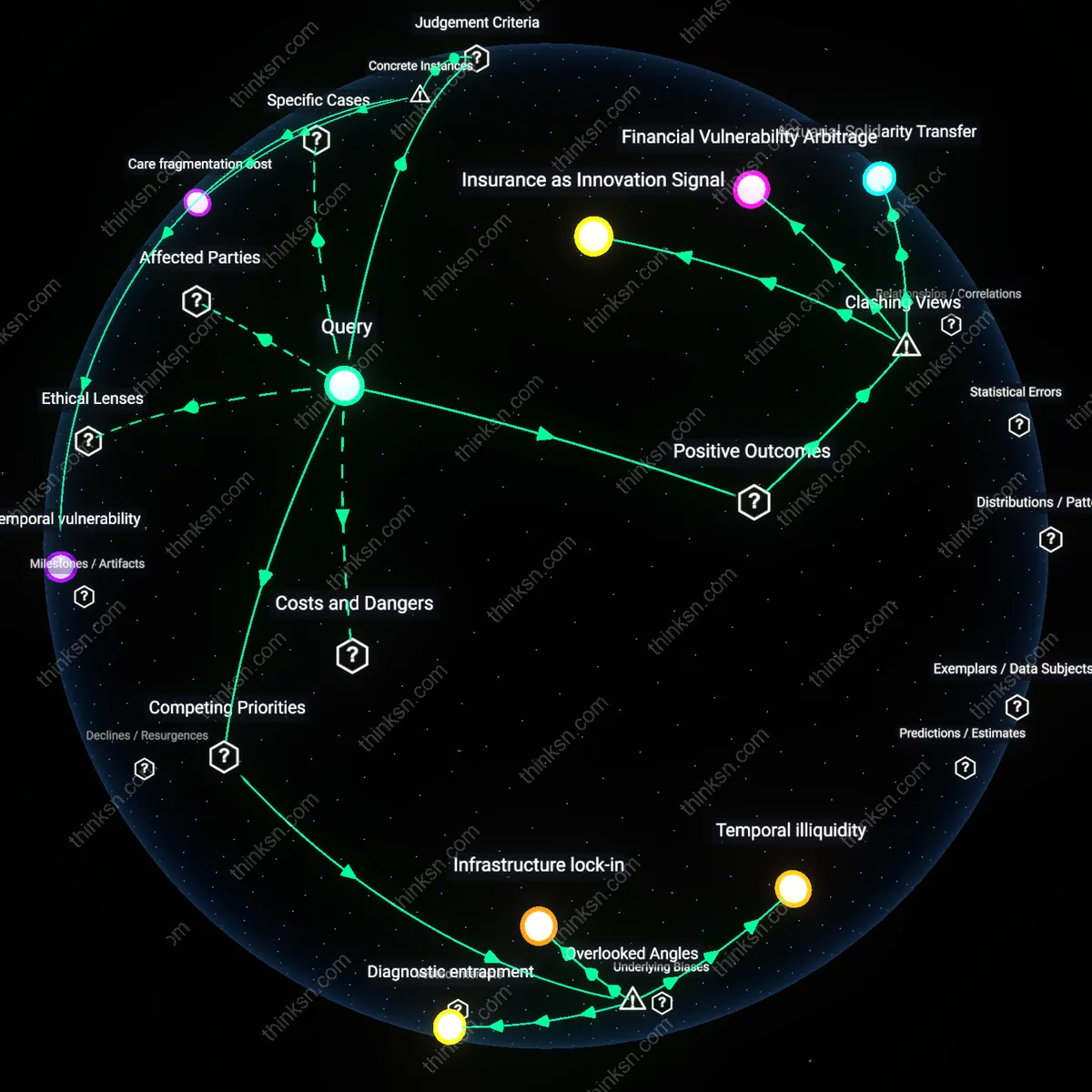
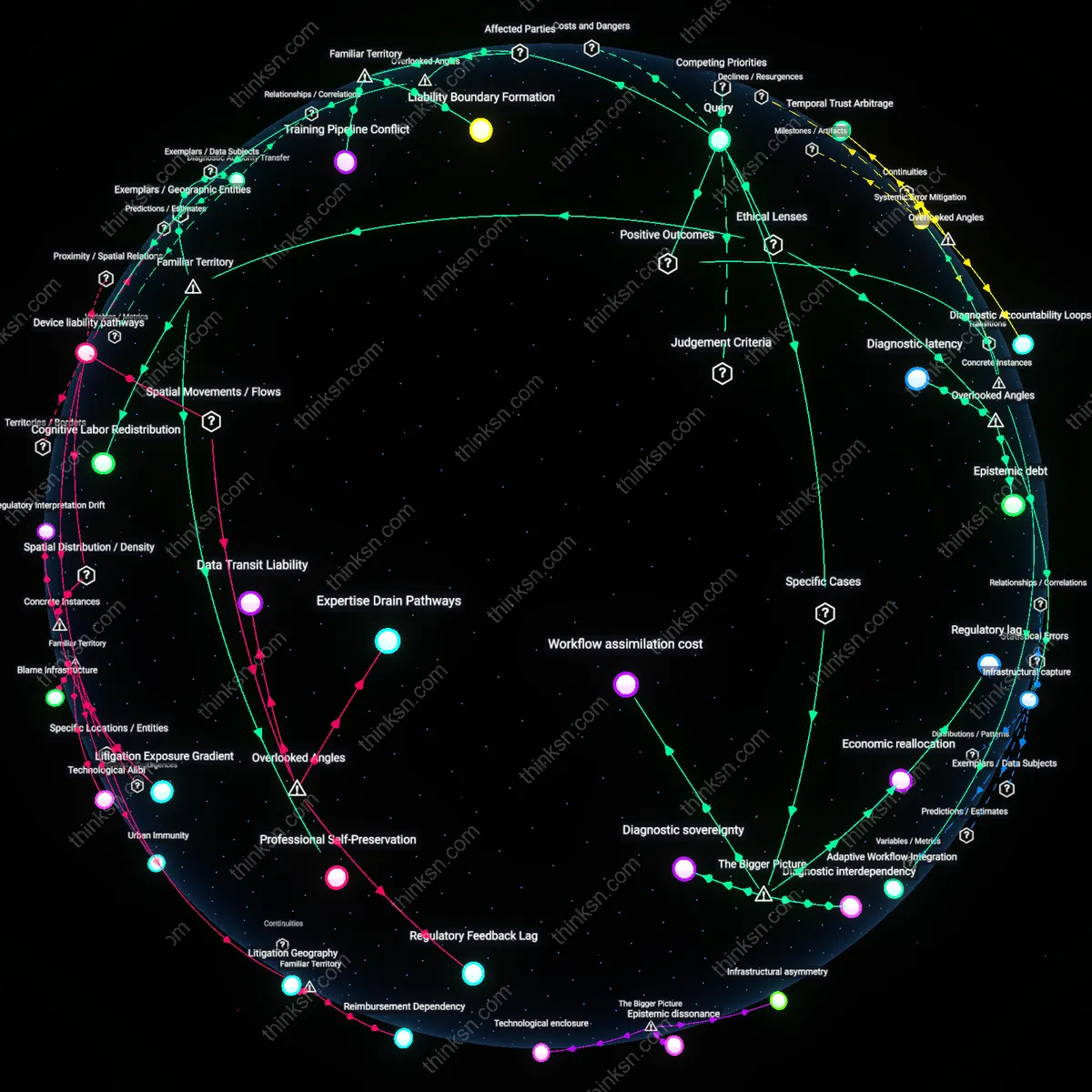
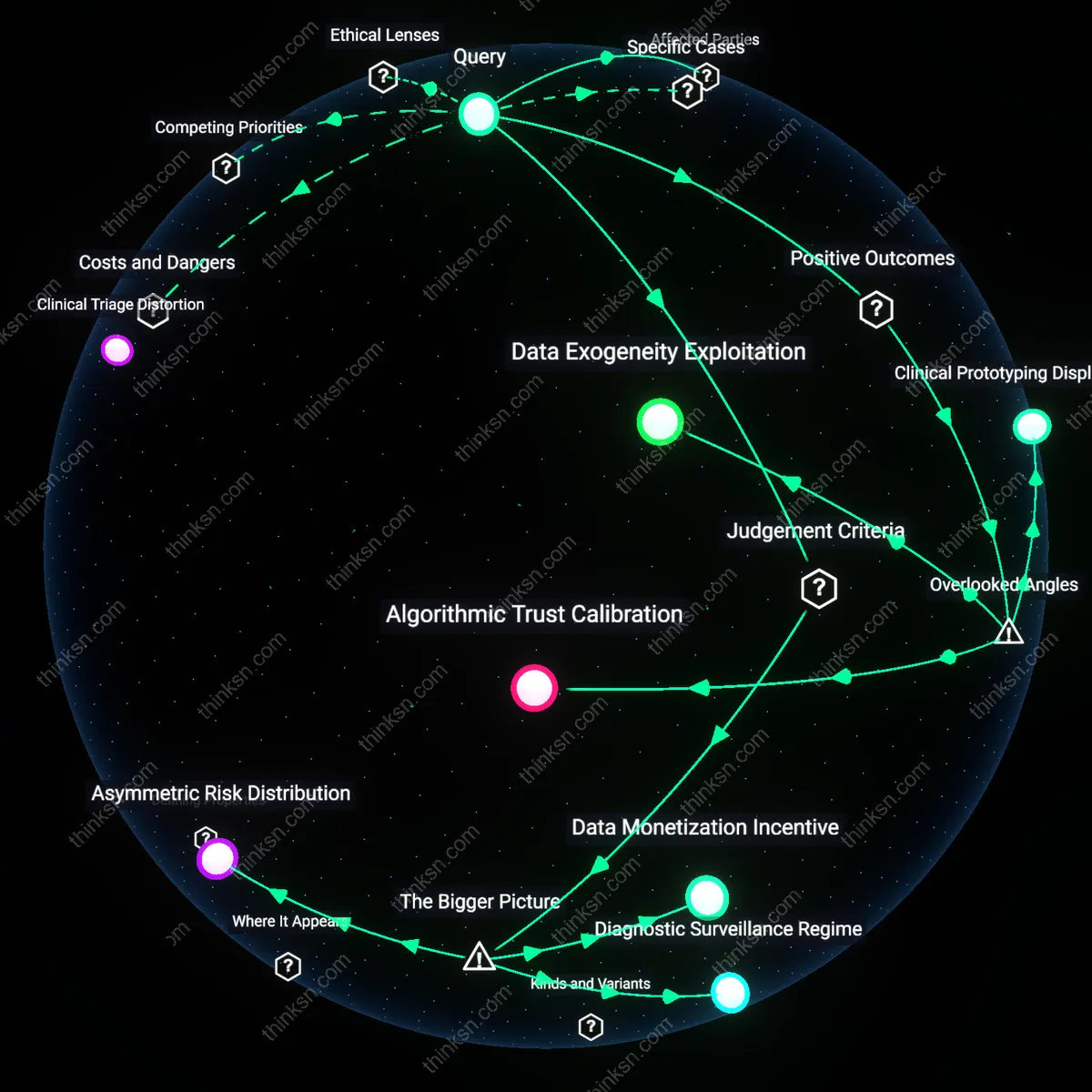
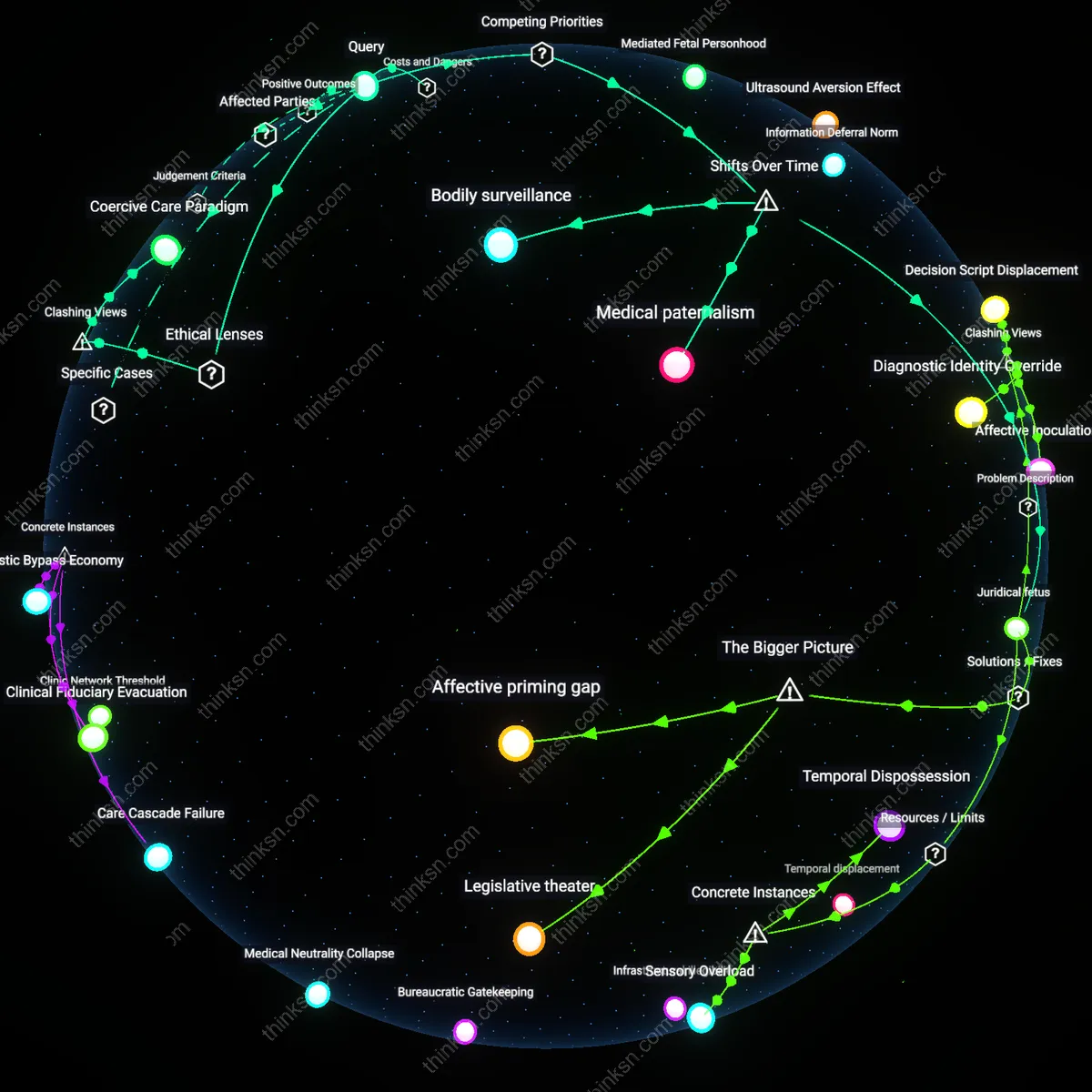
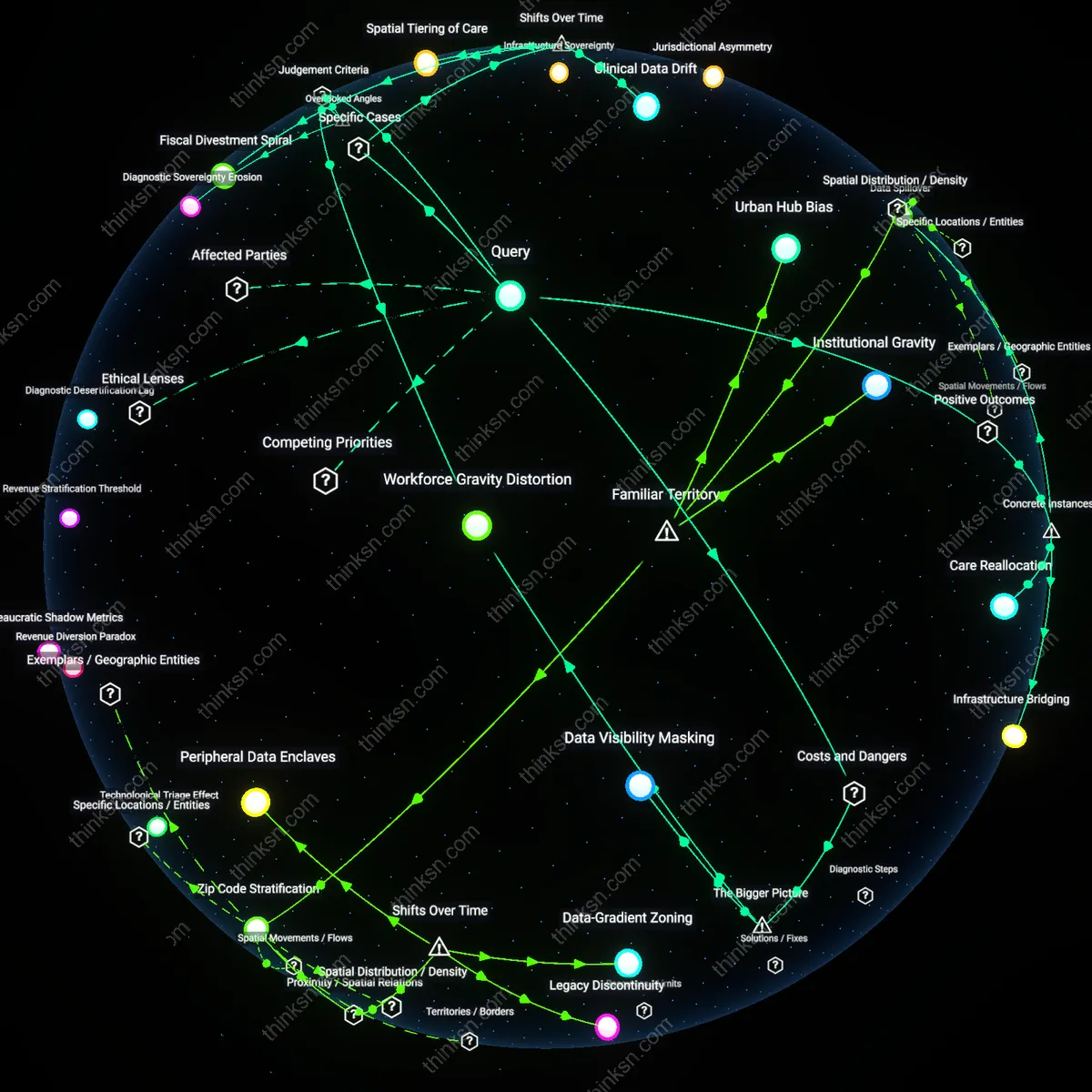
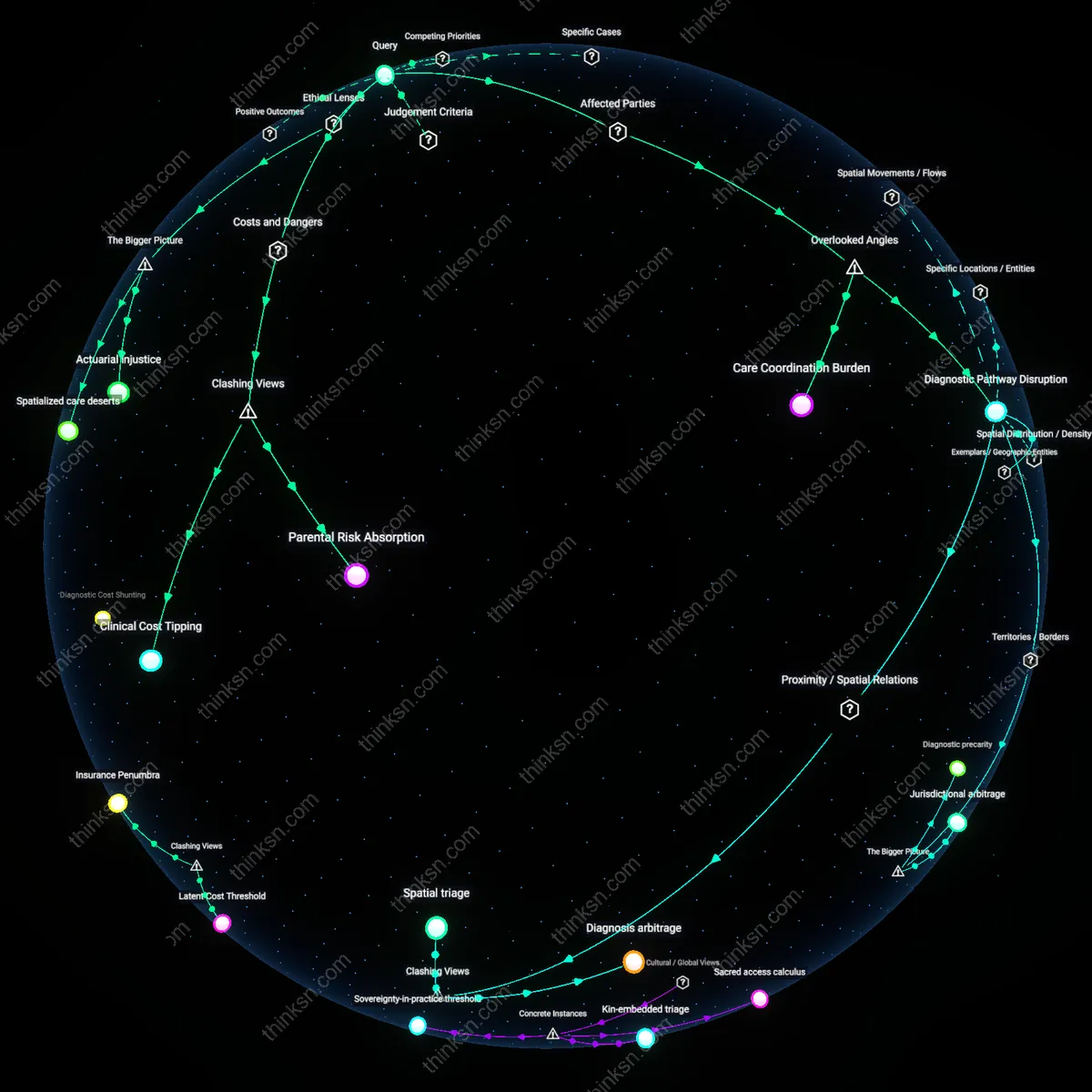
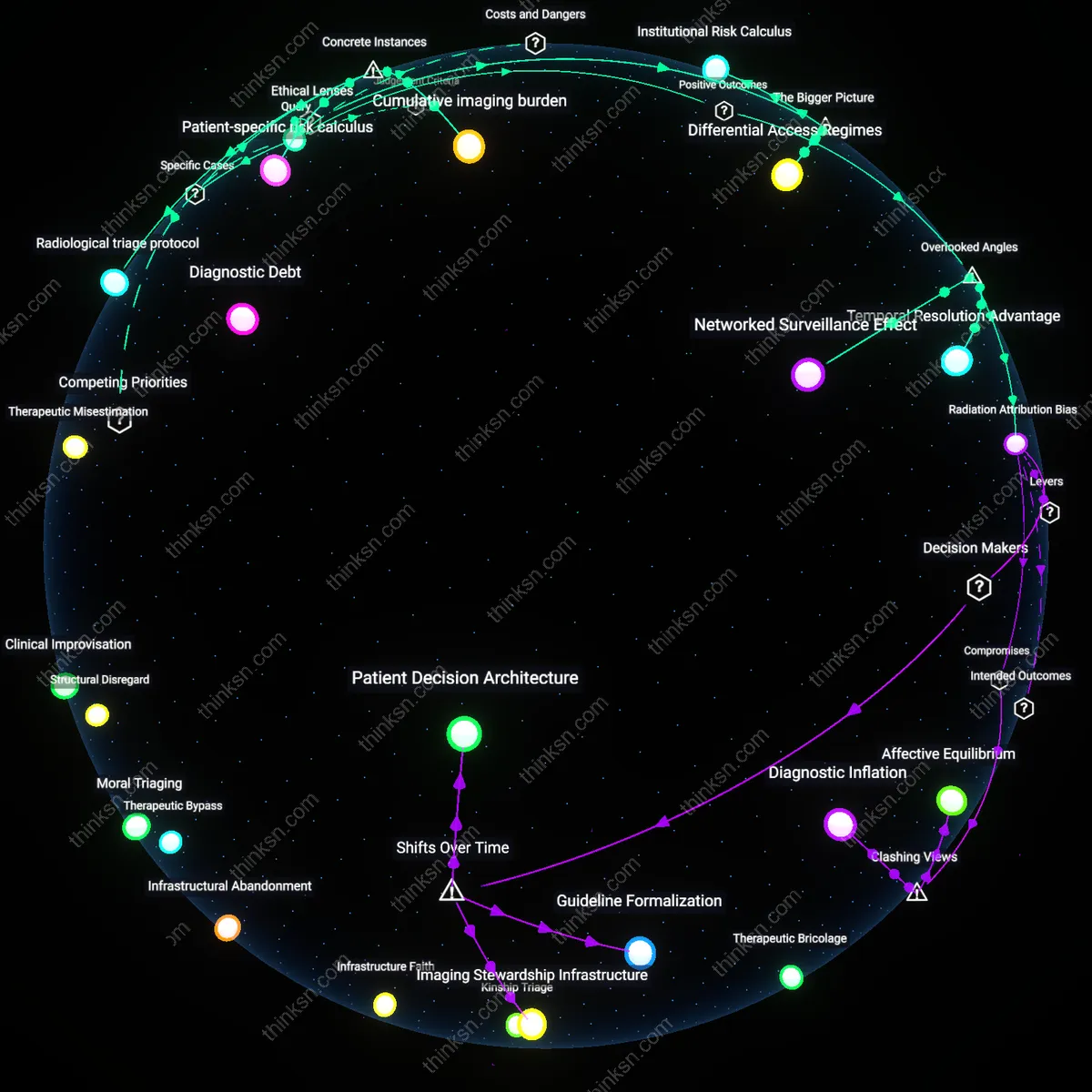
Analysis reveals 11 key thematic connections.
Key Findings
Diagnostic Debt
Patients should prioritize MRI surveillance because under-detection of subclinical strictures imposes long-term diagnostic debt on health systems, where deferred imaging leads to delayed interventions, costlier surgeries, and prolonged morbidity—responsibility falls on gastroenterology practices and hospital systems that under-resource monitoring protocols despite mounting evidence of silent progression in Crohn’s. This dynamic reveals the non-obvious cost-shifting from preventive oversight to acute care, challenging the dominant risk narrative that centers only the individual’s short-term radiation exposure as the primary ethical concern.
Imaging Inequity
Patients cannot equitably balance individual risks when access to MRI is structurally constrained by regional disparities in radiology infrastructure and insurance design—rural patients and Medicaid enrollees face longer wait times and higher co-pays, making the so-called 'choice' between radiation and detection a false equivalence shaped by policy neglect rather than clinical deliberation. This reframing exposes how the dominant discourse on risk-benefit assumes a universal patient agency that only exists for the insured, urban, and privately managed, thus obscuring systemic inequity as the real determinant of outcomes.
Therapeutic Misestimation
Patients overestimate the therapeutic decisiveness of early stricture detection because surgical or endoscopic interventions for subclinical strictures often fail to alter disease trajectory, making repeated MRIs a ritual of surveillance that satisfies clinical diligence without proportional improvement in quality of life—this dynamic implicates academic medical centers and pharma-aligned guidelines that emphasize imaging-driven management despite ambiguous long-term functional benefits. The clash lies in rejecting the intuitive belief that earlier detection inherently improves outcomes, revealing how professional norms inflate the perceived value of visibility.
Temporal Resolution Advantage
Patients should prioritize periodic MRI not for its radiation safety but because its superior temporal resolution enables detection of subclinical fibrotic progression before biomechanical failure in the bowel wall. Unlike endoscopy or calprotectin levels, MRI captures spatially resolved changes in tissue stiffness and luminal tapering over time, allowing clinicians to map the rate of stricture formation rather than merely its presence—this transforms monitoring from reactive to predictive. The overlooked dynamic is that the value of MRI lies less in avoiding radiation and more in compressing the uncertainty interval between stable disease and irreversible structural damage, which reshapes risk-benefit calculations around timing rather than exposure.
Radiation Attribution Bias
Patients overestimate MRI-related risks because they misattribute ionizing radiation exposure to MRI, when in fact MRI uses no ionizing radiation—this false equivalence with CT scans distorts shared decision-making. The real risk trade-off involves logistical, financial, and psychological burdens of frequent scanning, not cellular radiation damage, yet clinical discussions persistently frame MRI in contrast to ionizing modalities, reinforcing a phantom hazard. This misattribution persists in patient advocacy materials and even provider conversations, suppressing more relevant concerns like gadolinium retention or access disparities, thereby distorting the informed consent process in subtle but consequential ways.
Networked Surveillance Effect
Repeated MRIs generate a longitudinal imaging repository that enhances not only individual care but also population-level algorithmic refinement for stricture prediction in Crohn’s disease. Each scan contributes to institutional or multi-center machine learning models that progressively improve automated detection of early fibrostenotic change, meaning the individual’s participation upgrades diagnostic infrastructure for future patients. This collective data accrual creates a hidden public good—where personal monitoring generates anonymized training data that improves model sensitivity for rare progression patterns—making each patient’s decision to undergo MRI a tacit contribution to evolving diagnostic norms beyond their own clinical outcome.
Institutional Risk Calculus
Patients should prioritize MRI monitoring because institutional standards of care embed de facto risk prioritization that downweights uncertain long-term radiation effects in favor of preventing acute, measurable harm. Regulatory bodies like the FDA and clinical societies such as the American College of Gastroenterology align diagnostic guidelines with liability-minimizing, evidence-based interventions, where immediate disease progression poses greater legal and reputational risk than potential future radiation-induced morbidity. This creates a systemic bias toward active surveillance—clinicians are more vulnerable for missing a stricture than for contributing to cumulative radiation exposure, reinforcing MRI use despite theoretical concerns. What is underappreciated is how malpractice regimes and credentialing institutions, not just medical evidence, shape what counts as 'responsible' monitoring.
Differential Access Regimes
A patient should weigh MRI risks against benefits by recognizing that access to both MRI and alternative monitoring methods is structurally shaped by insurance design and hospital resource allocation, not individual medical judgment. In the U.S. healthcare system, for example, private insurers often cover MRI for Crohn’s disease under precedent-based approval pathways, while cheaper functional alternatives like fecal calprotectin or capsule endoscopy remain gatekept by prior authorization or exclusion from formularies—making MRI the path of least resistance even when proportionality is questionable. The dynamic reveals how reimbursement logic, not clinical urgency, enables MRI use, rendering 'choice' largely illusory for insured populations dependent on pre-authorized workflows.
Radiological triage protocol
At Massachusetts General Hospital, gastroenterologists and radiologists jointly developed a protocol to limit MRI use in Crohn’s patients with stable biomarkers, reserving imaging for those with elevated calprotectin or clinical deterioration, thereby reducing cumulative radiation exposure without delaying surgical intervention for strictures. This mechanism operates through a biomarker-gated imaging referral system embedded in the hospital’s electronic health record, which triggers MRI only when non-radiographic indicators cross predefined thresholds, revealing that radiation risk is not managed through imaging frequency alone but through conditional access calibrated to proximate physiological signals. The non-obvious insight is that the timing and trigger—not just the tool—of imaging determine the balance between risk and benefit.
Patient-specific risk calculus
A 28-year-old patient in the UK’s IBD BioResource cohort with ileocolonic Crohn’s disease and a heterozygous ATM gene mutation—associated with heightened radiosensitivity—was transitioned from routine MRI to enteric ultrasound and fecal calprotectin monitoring to avoid radiation-induced DNA damage, despite increased stricture surveillance needs. This shift was governed by a multidisciplinary team decision incorporating germline genetic risk into imaging policy, revealing that individual genetic predispositions can become decisive factors in monitoring strategy, overriding population-level screening guidelines. The underappreciated reality is that genomic co-morbidities transform the risk calculus from a clinical to a molecular decision space.
Cumulative imaging burden
In a retrospective audit at the University of Alberta Hospital, Crohn’s patients who underwent more than two MRIs per year had a 90% higher likelihood of undergoing incidental finding cascade—including unnecessary biopsies and anxiety-induced care seeking—than those monitored via clinical + laboratory markers alone, even though early stricture detection rates differed by less than 5%. This dynamic emerged from the overinterpretation of subclinical bowel wall thickening on MRI, which activated downstream interventions independent of symptomatic progression, showing that the risk of radiation is compounded not just biologically but administratively through diagnostic overamplification. The overlooked issue is that imaging burden includes not only radiation dose but the systemic inertia of detecting ambiguous anomalies.