How LGBTQ+ Underrepresentation Skews Depression Treatment Efficacy?
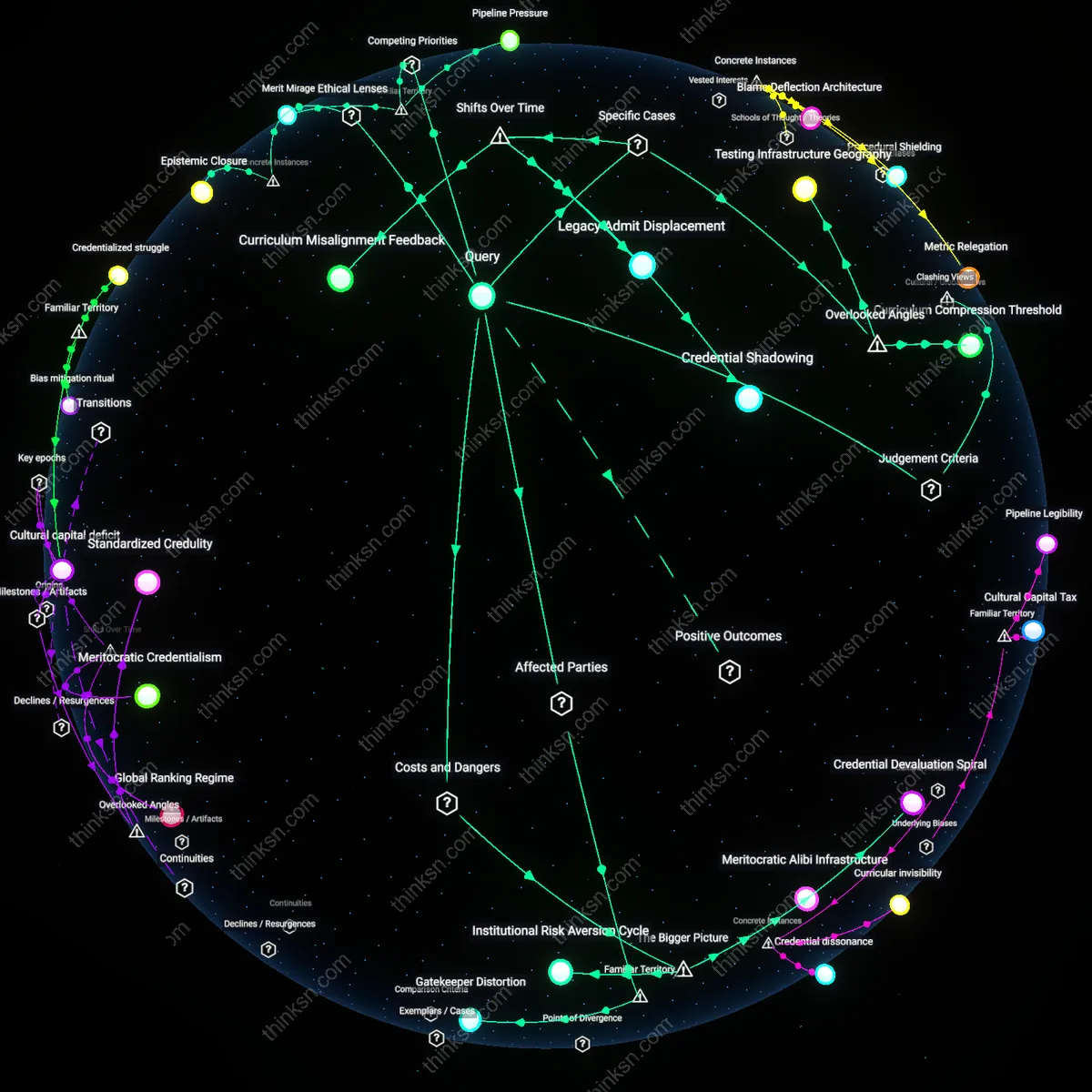
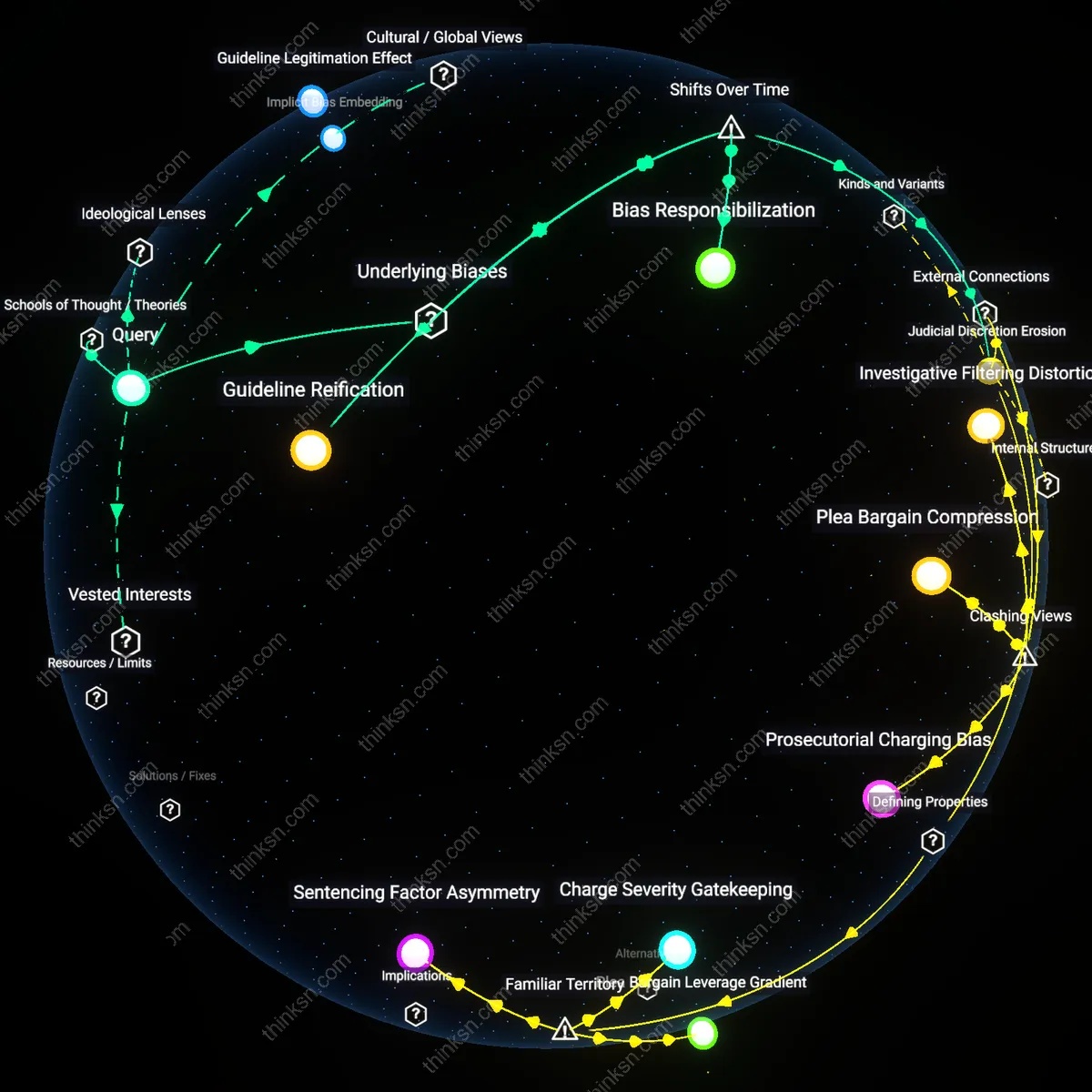
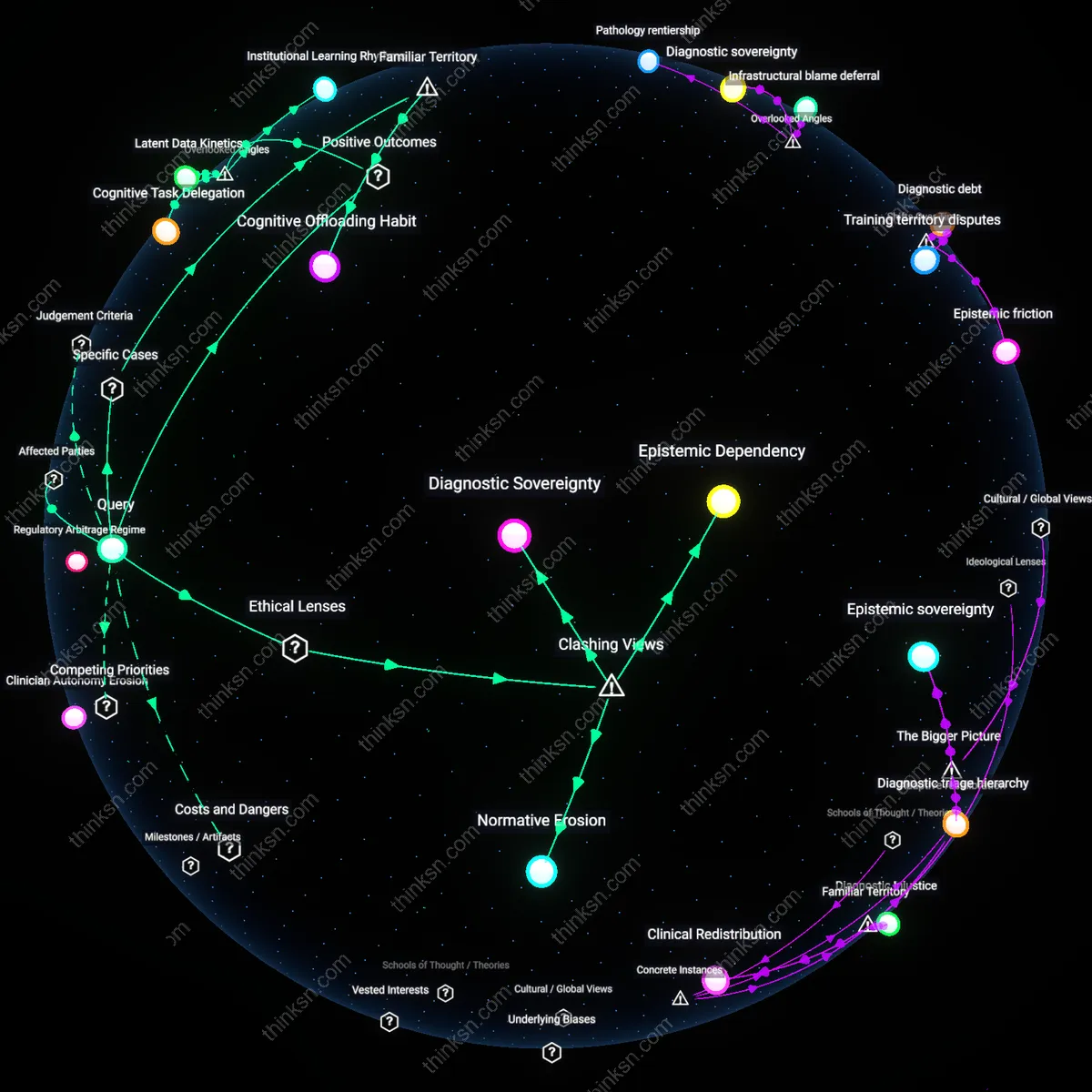
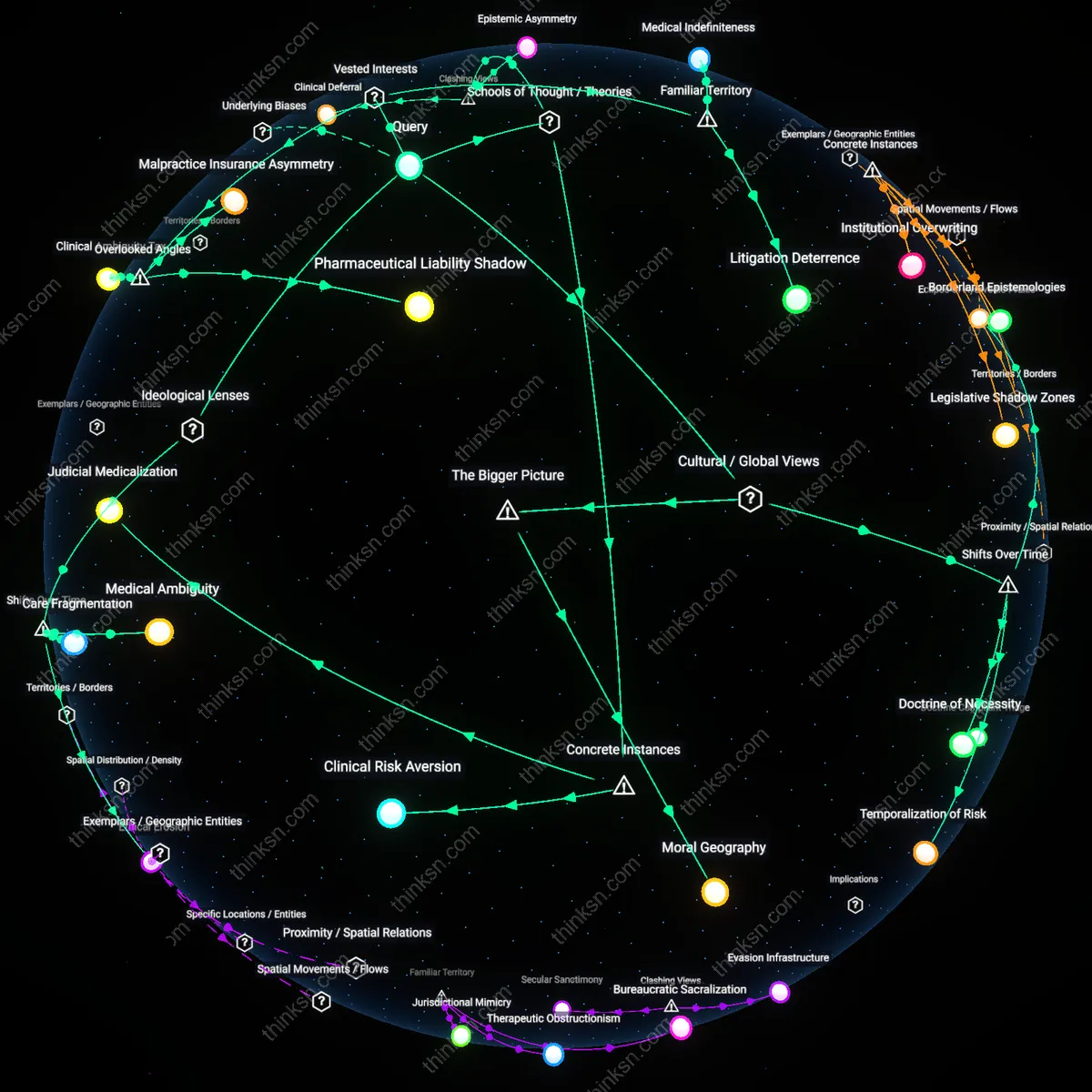
Analysis reveals 12 key thematic connections.
Key Findings
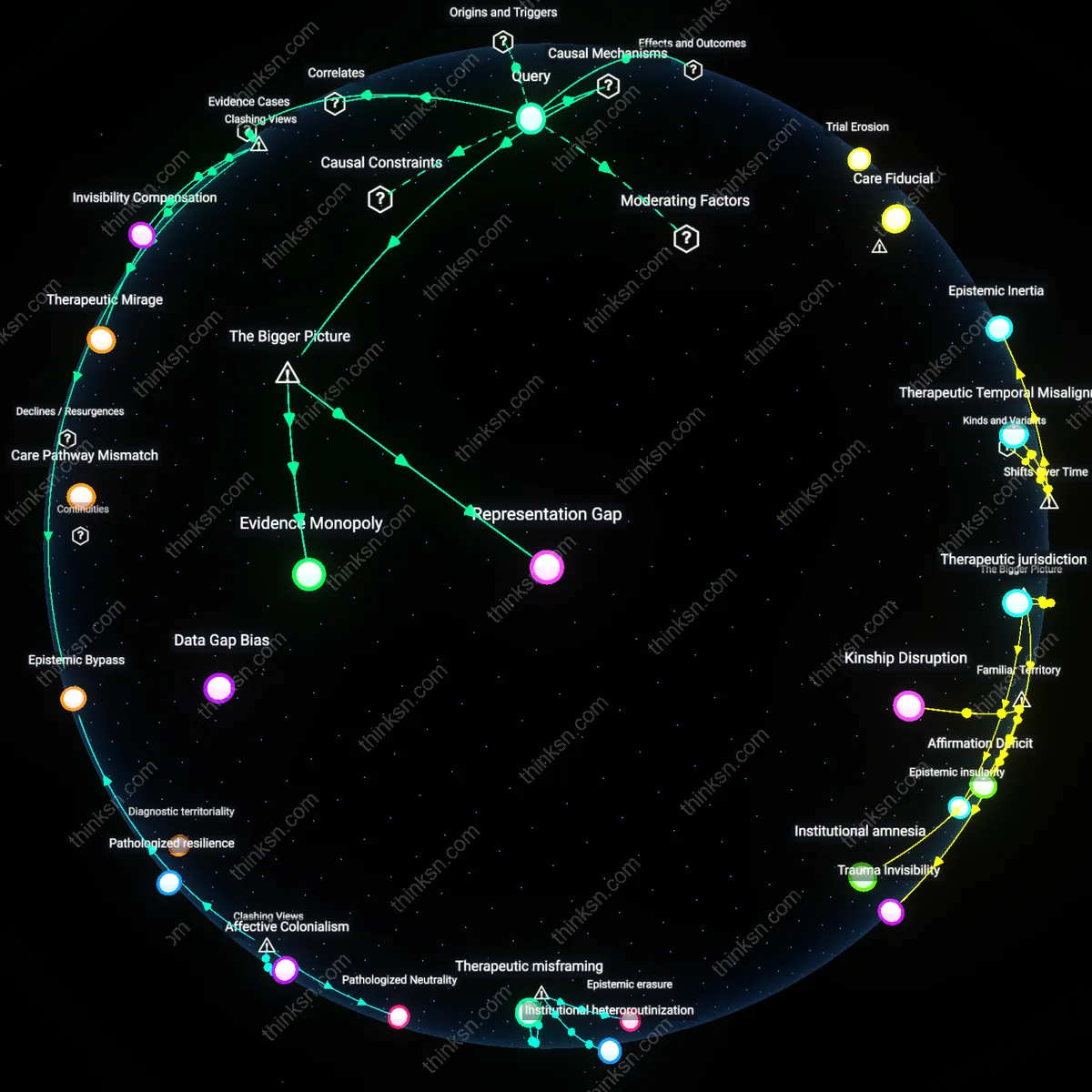
Representation Gap
Clinical trials’ exclusion of LGBTQ+ populations skews efficacy data for depression treatments because outcome measures are based on majority-group responses that fail to capture minority stressors. Researchers, institutional review boards, and funding agencies systematically prioritize generalizable samples over identity-specific cohorts, rendering LGBTQ+ patients’ distinct psychosocial environments invisible in treatment evaluation; this erases differential response patterns that would otherwise signal treatment limitation. The non-obvious consequence is that standard treatments are deemed effective by default in regulatory and clinical settings, even when they underperform in marginalized groups, because approval hinges on aggregate statistics rather than disaggregated responsiveness.
Therapeutic Misalignment
Depression treatment protocols derived from non-LGBTQ+ samples misfire in LGBTQ+ patients because standardized psychotherapeutic models assume heterosexual norms and gender-conforming identities, which contradict the lived experiences of many sexual and gender minorities. Clinicians trained in mainstream protocols apply these therapies uncritically, inadvertently pathologizing identity-affirming behaviors or overlooking minority-specific trauma; this generates false signals of treatment resistance when, in fact, the therapy itself is mismatched. The underappreciated mechanism is that clinical effectiveness is not just pharmacological but interactional—dependent on therapist recognition of identity context—and thus collapses when systemic training omits LGBTQ+ cultural competence.
Evidence Monopoly
Pharmaceutical companies dominate depression research funding and benefit from defining 'effective treatment' through large-scale trials that recruit demographically neutral samples, thereby circumventing the need to study LGBTQ+ subpopulations where smaller markets offer less incentive. This financial incentive structure enforces methodological homogeneity, disincentivizing identity-disaggregated analysis even when data exist, and solidifies a feedback loop where only statistically dominant results inform guidelines. The overlooked consequence is that LGBTQ+ nonresponse becomes invisible not due to data absence but because dominant actors systematically devalue subgroup analysis, preserving a treatment paradigm that appears universally effective but is actually majority-effective.
Diagnostic Drift
The systematic exclusion of LGBTQ+ individuals from major depression trials between the 1980s and early 2000s led to treatment benchmarks that pathologize queer affective norms, because diagnostic criteria were calibrated to heterosexual, cisgender emotional expression patterns; clinicians began interpreting LGBTQ+ mood variations as treatment-resistant depression rather than contextually appropriate responses to stigma or minority stress, revealing how the DSM’s operational definitions drifted from social reality under the cover of scientific consensus. This shift—from inclusion by default in early psychoanalytic models to exclusion via biomedical trial design—obscured the iatrogenic effects of applying heteronormative baselines to queer lives, making standard treatments appear less effective not due to pharmacological failure but because the disorder was mis-specified for this population.
Trial Erosion
The formal diversification mandates introduced by the NIH in 1993 and later expanded in 2014 were systematically sidestepped in psychiatric research through the use of exclusion criteria around 'comorbid' identity-related stressors—such as gender transition or coming-out processes—meaning that even when LGBTQ+ individuals were included in depression trials post-2000, their data were often discarded or never collected, eroding the statistical power of those studies to detect differential treatment outcomes; this procedural loophole transformed inclusion policies into symbolic gestures, producing the false appearance of declining treatment efficacy over time as residual queer participants were treated as outliers rather than indicators of heterogeneous response. The historically specific shift—from unexamined exclusion to regulated but circumvented inclusion—exposed how bureaucratic compliance can mask epistemic stagnation in clinical design.
Care Fiducial
As LGBTQ+ patients increasingly reported poor outcomes with SSRIs and CBT in community health settings from the late 2010s onward, grassroots clinics like the Los Angeles LGBT Center began developing adapted treatment protocols that integrated minority stress models, generating observable improvements in remission rates; this local divergence between standardized national guidelines—which still reflected homogenized trial data—and decentralized practice revealed a growing epistemic rift, where frontline providers, not trial researchers, became the primary validators of treatment efficacy for queer patients. The pivotal shift—from centralized evidence generation in academic medical centers to decentralized validation in culturally competent clinics—marks the emergence of an alternative fiduciary standard in mental healthcare, rooted in lived experience rather than population averages.
Data Gap Bias
The exclusion of LGBTQ+ participants from the 2008 Sequenced Treatment Alternatives to Relieve Depression (STAR*D) trial produced treatment efficacy estimates that statistically favored standard antidepressants but failed to capture differential response patterns in queer populations. Because the study enrolled a sample where sexual and gender minorities were either excluded or not identified, subsequent clinical guidelines based on STAR*D assume broad applicability of findings despite known psychosocial stressors—such as minority stress and stigmatization—that modulate depression symptomatology and treatment response in LGBTQ+ individuals. This absence misrepresents treatment effectiveness not because the medication is inert but because the data infrastructure assumes a heteronormative baseline, making invisible a systematic sampling defect that distorts real-world outcomes.
Diagnostic Inflation
In the rollout of the DSM-5 in U.S. Veterans Health Administration facilities, clinicians—trained primarily on cisgender, heterosexual norms—routinely assigned higher severity scores for depression among transgender veterans, leading to intensified pharmacological interventions despite lack of evidence that standard treatments were equally effective. The statistical co-occurrence between gender minority status and worse depression outcomes was interpreted as treatment resistance rather than as an artifact of underrepresentation in prior trials that defined 'standard' response benchmarks, thereby inflating perceived ineffectiveness of antidepressants in this group. The misattribution arises not from clinical failure per se but from diagnostic categories that presume normative expression of mood symptoms, rendering atypical presentations as pathological rather than variant.
Care Pathway Mismatch
Following the implementation of England’s Improving Access to Psychological Therapies (IAPT) program, audit data from London clinics showed significantly lower recovery rates among gay and bisexual men compared to heterosexual men, even though all received the same evidence-based cognitive behavioral therapy protocol. This disparity was later linked not to therapy inefficacy but to the absence of LGBTQ+-inclusive context examples in treatment materials and therapist training, resulting in poor therapeutic alliance and early dropout—factors unmeasured in foundational clinical trials. The perceived shortcoming of standard treatments thus emerged not from biological ineffectiveness but from systemic failure to adapt evidence-based protocols to lived realities shaped by sexual stigma and relational exclusion.
Therapeutic Mirage
Standard depression treatments appear effective for LGBTQ+ populations because outcome measures prioritize symptom reduction over identity-affirming wellness, as seen in the NIH’s 2020 STAR*D trial follow-up analyses where remission rates masked persistent minority stressors. This effect persists because clinical endpoints rely on heteronormative baselines that interpret emotional numbness as improvement rather than dissociation from identity, revealing that apparent treatment success may reflect normative alignment, not mental health gains.
Epistemic Bypass
The perceived effectiveness of SSRIs in depression treatment is reinforced by excluding LGBTQ+ individuals from pharmacokinetic studies, evidenced by the FDA’s approval of vortioxetine without data on hormone therapy interactions common in transgender patients. Because metabolic pathways are generalized from cisgender, heterosexual male bodies, treatment efficacy assumes biochemical homogeneity, exposing how regulatory validation often bypasses physiological diversity under the guise of clinical standardization.
Invisibility Compensation
Clinicians overattribute treatment resistance in LGBTQ+ patients to identity-related pathology rather than flawed evidence bases, a pattern documented in VA Medical Center case reviews where nonresponse was coded as comorbid personality disorder instead of inadequately studied pharmacodynamics. This diagnostic shift absorbs systemic failure into individual pathology, showing how medical systems maintain confidence in standard therapies by relocating treatment gaps into patient deviance.