Family Choice Rhetoric: Masking Power Asymmetries in Childcare Policy?
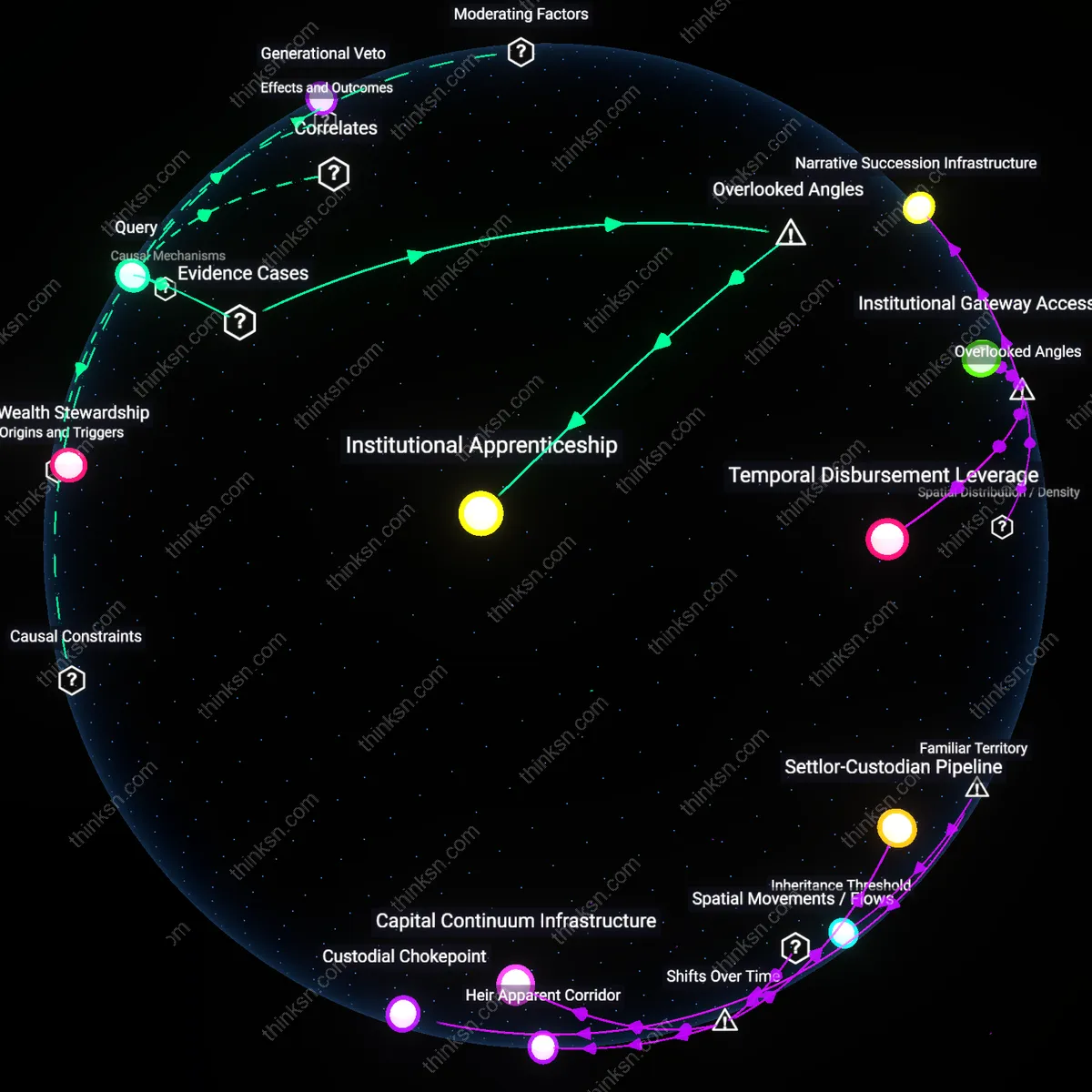
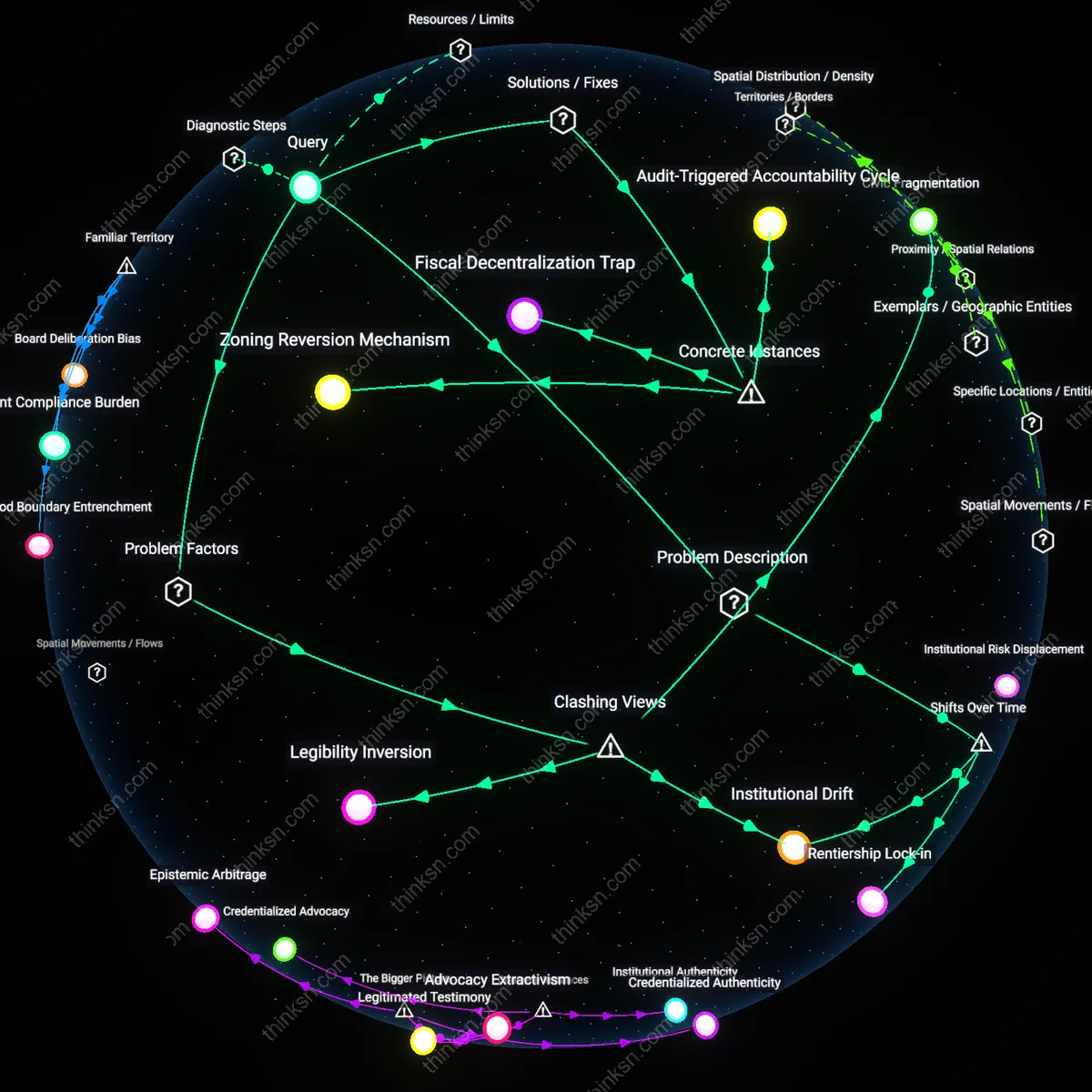
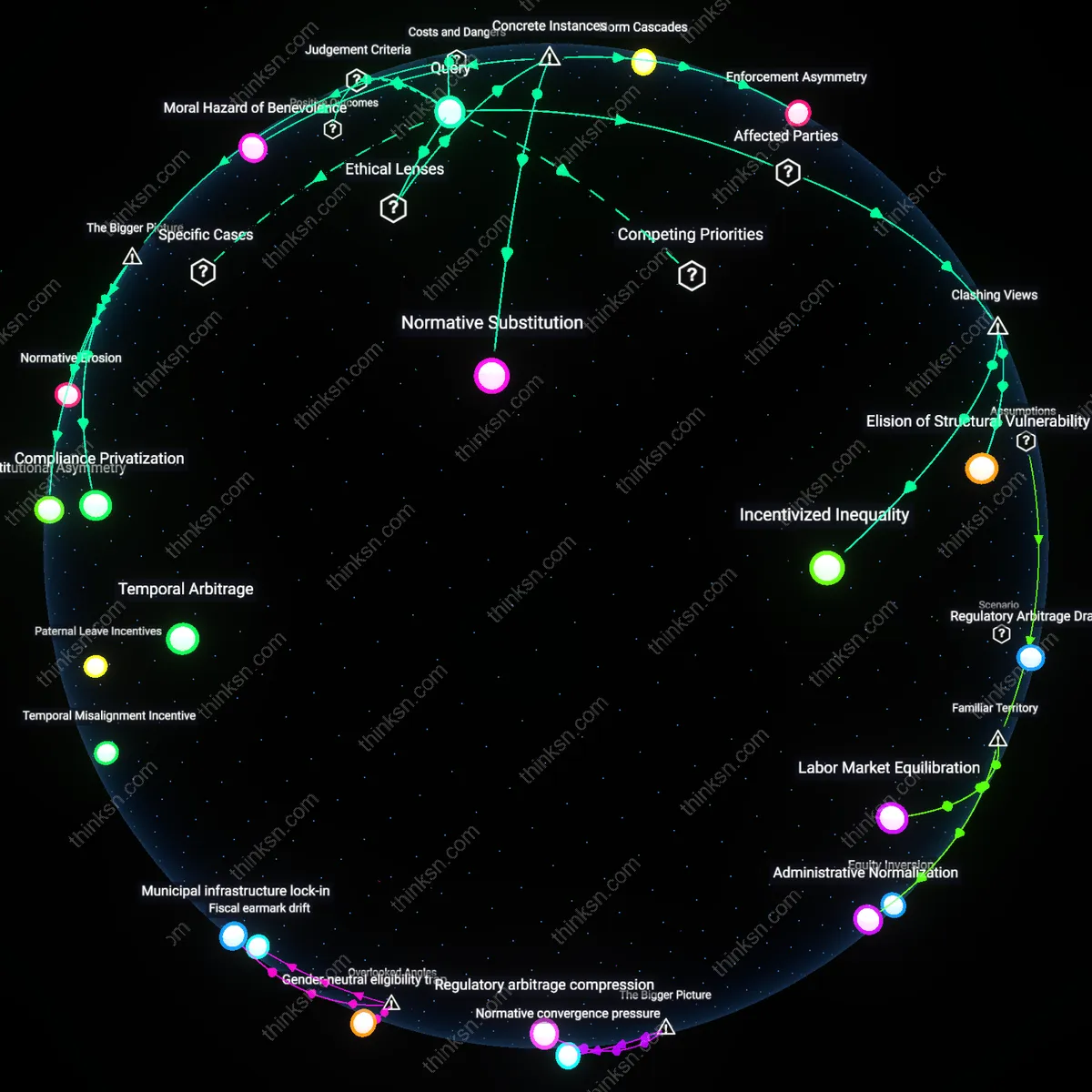
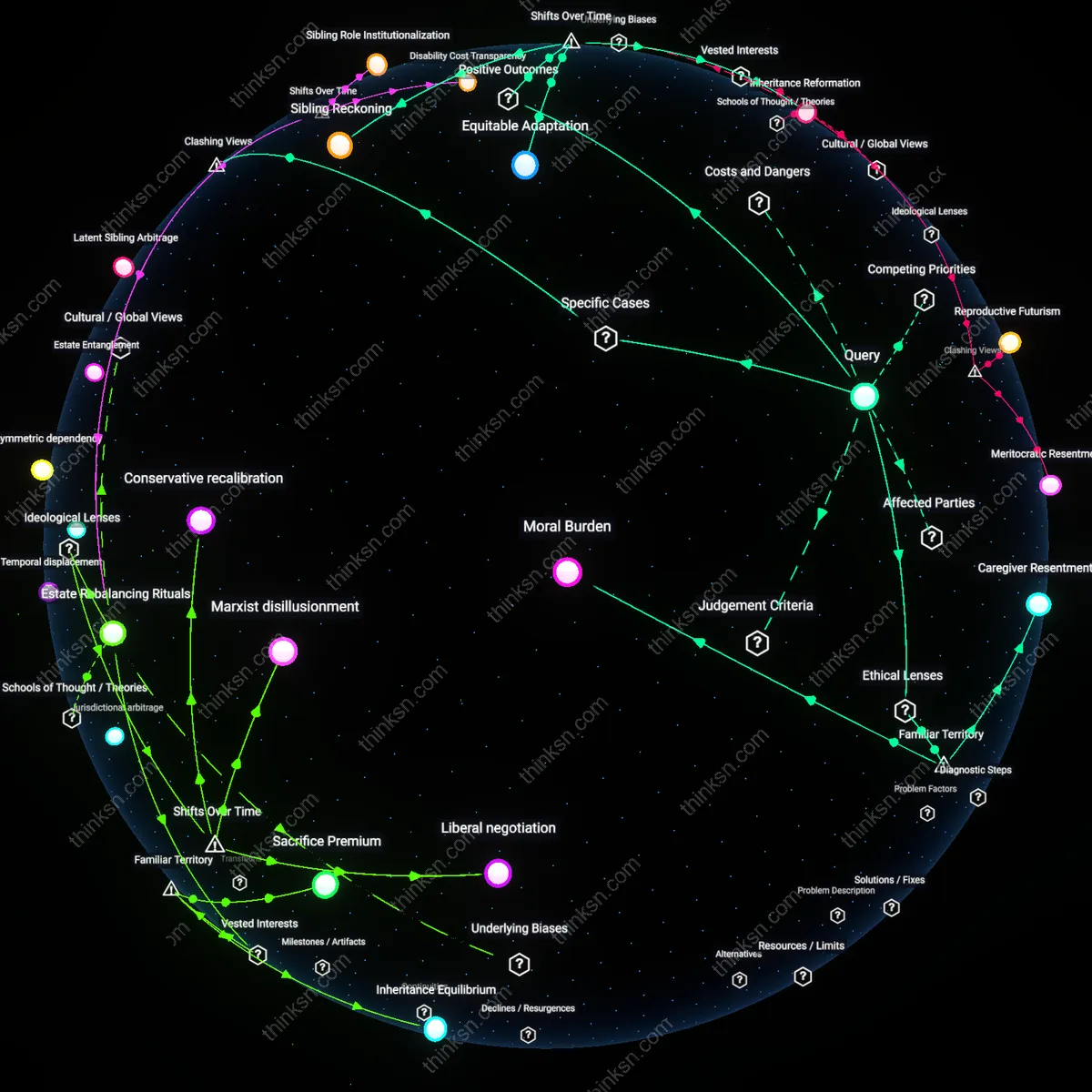
Analysis reveals 6 key thematic connections.
Key Findings
Maternal Coercion
Policymakers invoking 'family choice' entrench a power asymmetry that coerces mothers into unpaid care labor by framing withdrawal from the workforce as voluntary, when in reality social supports and workplace norms make non-participation the only feasible option for many. This mechanism operates through tax structures like the U.S. secondary earner bias and lack of paid parental leave, which financially penalize dual-earner households, positioning 'choice' as a façade over structural compulsion. The non-obvious reality is that 'choice' rhetoric serves not to expand agency but to outsource reproductive labor to women under the guise of autonomy, masking a systemic reliance on gendered sacrifice.
Professional Dispossession
The invocation of 'family choice' disempowers early childhood educators by devaluing their labor as non-essential, positioning care as something that can be authentically delivered only within kinship networks rather than as skilled professional work. This dynamic functions through underfunded public childcare systems and the political rejection of wage standards for care workers, reinforcing a hierarchy where intimate labor performed by relatives is seen as morally superior to that performed by trained providers. The dissonance lies in how 'choice' discourse romanticizes familial care while eroding the livelihoods and social recognition of an already marginalized workforce, primarily composed of low-income women of color.
Suburban Entitlement
Affluent suburban families leverage 'family choice' to block universal childcare expansion, preserving local control over education funds and avoiding redistribution that would integrate services across urban and rural poverty lines, thereby maintaining spatially concentrated advantages in early development resources. This occurs through school funding mechanisms tied to property taxes and lobbying byPTAs to resist state-led childcare mandates, revealing that 'choice' functions not as a shield for individual liberty but as a cudgel for geographic privilege. The underappreciated force here is how decentralized decision-making, cloaked in family autonomy, perpetuates class-based segregation in access to foundational care infrastructure.
Moral Alibi
Policymakers invoke 'family choice' to shield regressive funding models from scrutiny, preserving middle-class entitlements while defunding universal access. This framing recasts structural deprivation as personal preference, allowing politicians to appear supportive of families without committing resources—leveraging widely accepted ideals of parental autonomy to neutralize demands for equitable systems. The non-obvious danger is that this alibi thrives not by rejecting care, but by romanticizing choice in a context where only the affluent can afford 'opting in'.
Choice Theater
Framing childcare access as 'family choice' sustains a performative marketplace where real options exist only for those with income, stability, and spousal backup. Since most associate 'choice' with freedom, this rhetoric masks how deregulated provision pushes low-income parents into informal, unregulated care—or forces them to exit work altogether. The underappreciated cost is that policy appears responsive while systematically maintaining exclusion, as 'choice' becomes a stage prop rather than a functional reality for the majority.
Parental Penalty
When 'family choice' determines childcare policy, women—especially single mothers of color—are funneled into economic dependency by design, as unpaid care is presumed their natural domain. This relies on the familiar narrative that 'good mothers choose to stay home,' which policymakers exploit to avoid building public infrastructure, externalizing child-rearing costs onto vulnerable households. The systemic danger is that this penalty is disguised as freedom, making its coercion invisible even as it distorts labor markets and entrenches gendered poverty.