What Happens When Wind Farm Credits Blow Away?
Analysis reveals 9 key thematic connections.
Key Findings
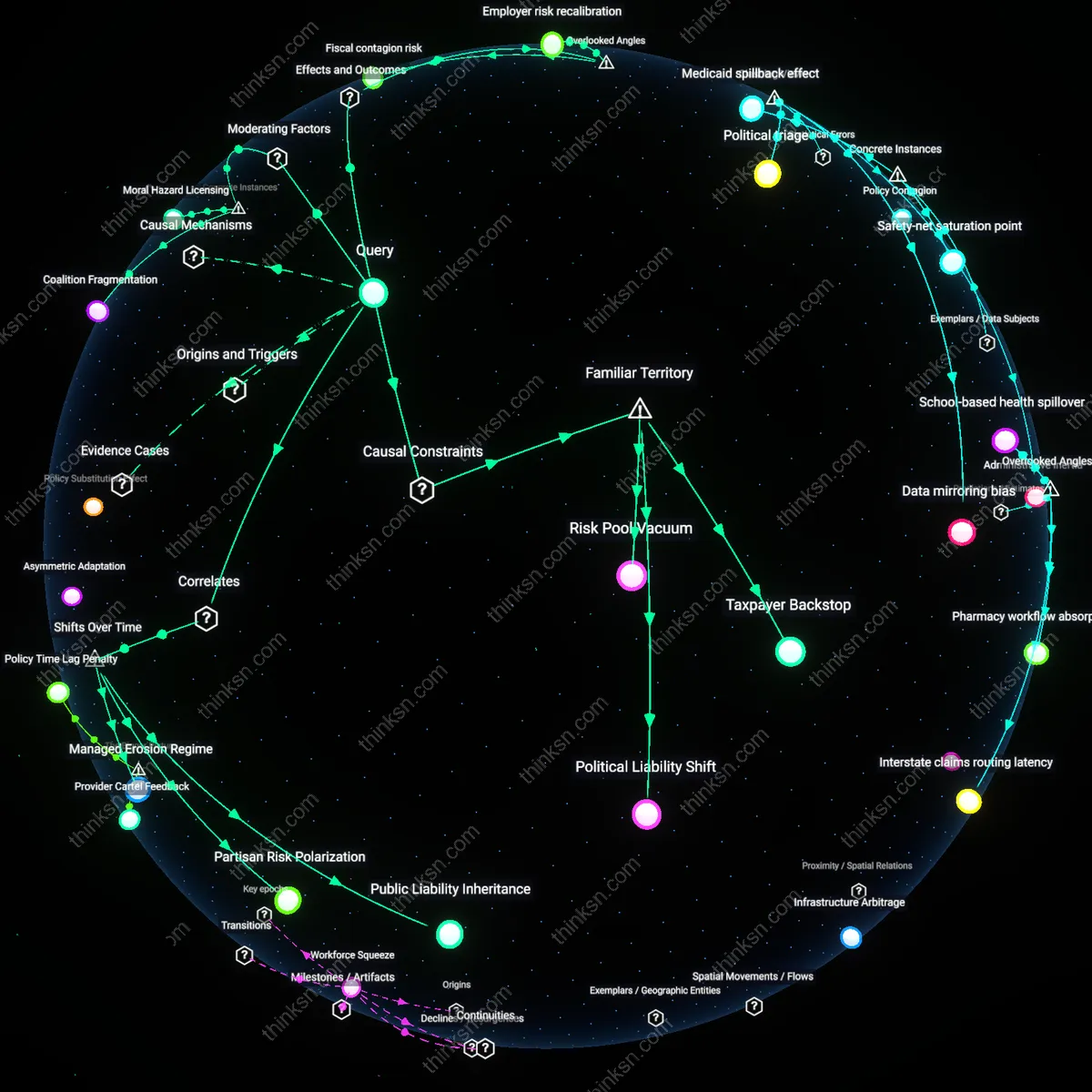
Intergovernmental fiscal contagion
A shift in federal tax credit policy triggers cascading state-level revenue shortfalls by invalidating previously committed state matching incentives tied to federal disbursements. States like Iowa and Oklahoma, which structured budgetary outlays around anticipated federal flows to leverage private wind investment, face abrupt fiscal gaps when those federal credits contract—because their own subsidy programs were conditionally activated by federal eligibility, creating a hidden dependency where state fiscal exposure is indexed to federal political cycles. This intergovernmental layering of conditional incentives is routinely omitted in energy policy assessments, which focus on direct project viability rather than the fiscal architecture of cross-governmental contingent spending, revealing a systemic risk of intergovernmental fiscal contagion.
Credit recapture externalities
Wind developers in states such as Texas and Kansas, having already claimed phased tax credits based on project milestones, may be forced to return funds upon federal credit reduction, creating unplanned liabilities that ripple back into state tax rolls through developer solvency crises. Because many states permit roll-forward credit accounting and allow balance sheet recognition of future credit streams, a political rollback can trigger retroactive liability assessments that destabilize firms with otherwise viable operations—especially mid-tier independent producers reliant on certainty in credit duration. This dynamic of credit recapture externalities is rarely modeled in fiscal risk forecasts, which assume static credit withdrawal rather than backward-looking financial corrections, thereby obscuring a key source of fiscal volatility in state corporate revenue collections.
Regulatory opportunity cost
When federal tax credits for wind energy shrink due to political change, state public utility commissions—such as those in New Mexico and Wyoming—face heightened pressure to approve rate hikes or extend depreciation schedules for renewable assets, diverting regulatory bandwidth from grid modernization or equity initiatives. The sudden need to mitigate stranded investment risks reorients regulatory priorities toward damage control, freezing long-term planning on storage integration or rural electrification as commissions scramble to adjust return-on-investment assumptions for utility-scale wind. This regulatory opportunity cost is structurally invisible in fiscal risk analyses, which count direct revenue losses but miss how credit instability hijacks the temporal and procedural resources of state regulatory bodies, degrading their capacity to govern energy transitions effectively.
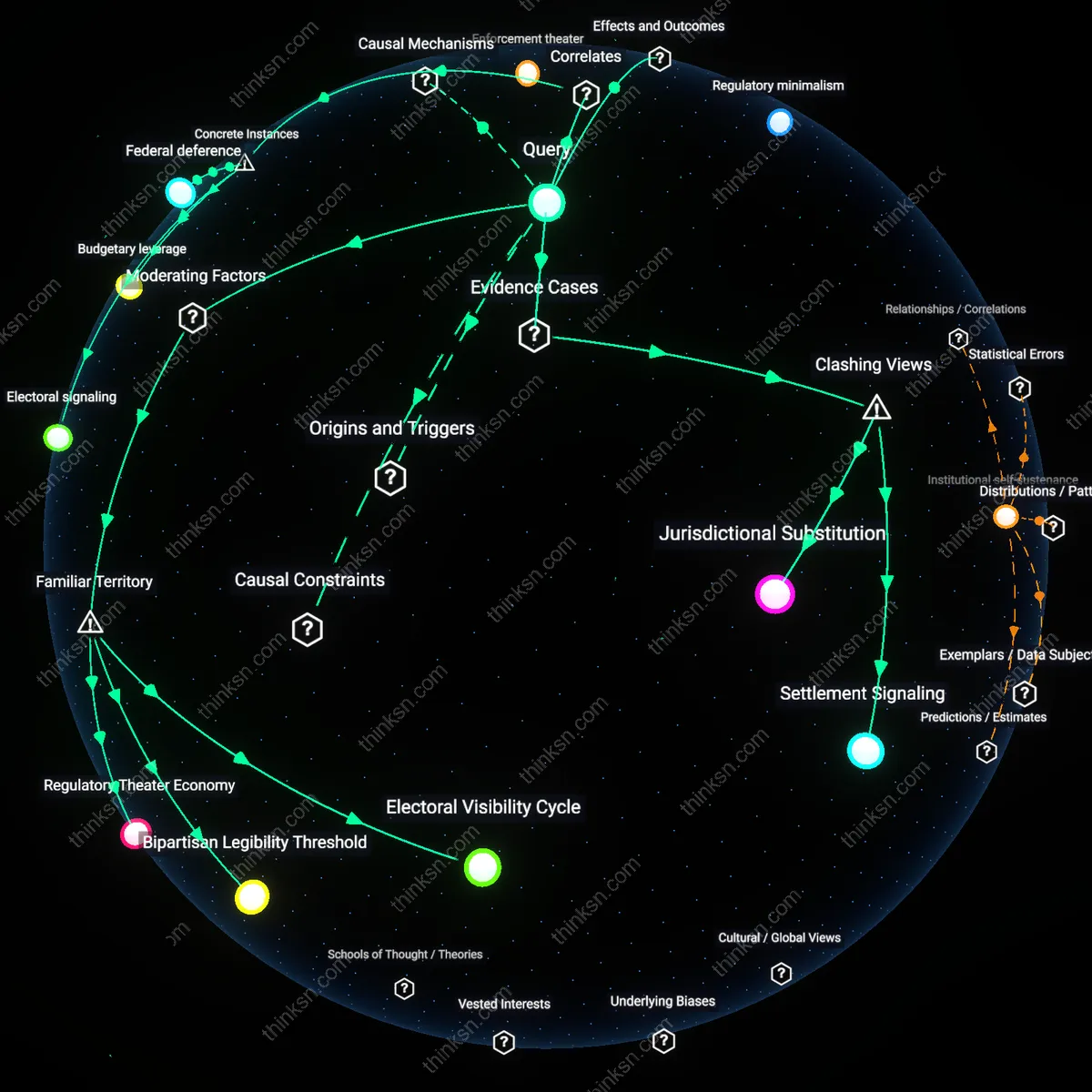
Revenue Contingency Trap
Iowa’s heavy reliance on federal production tax credits (PTCs) for wind energy expansion created a fiscal vulnerability when the 2013 PTC expiration caused a 92% drop in new wind installations statewide, exposing how state-level green growth strategies dependent on unpredictable federal subsidies can collapse without direct revenue diversification. State incentives were structured assuming PTC continuity, but when political shifts in Congress curtailed the credit, Iowa’s projected tax base from turbine investments and local payments evaporated overnight, revealing that federal policy volatility can invalidate state fiscal projections even when local support remains strong. The non-obvious lesson is that enabling conditions at the national level function as silent line items in state budgets, and their removal can trigger fiscal shortfalls without formal state policy changes.
Supply Chain Exposure Gradient
Texas avoided significant fiscal disruption after the 2016 weakening of federal investment tax credits (ITCs) because its wind development was already transitioning to merchant financing models anchored in competitive power markets and corporate off-take agreements, showing that state fiscal resilience to credit reductions depends on pre-existing market structures that absorb policy shocks. Unlike states dependent on guaranteed returns from tax equity, Texas had cultivated a merchant wind ecosystem where pricing signals and grid access—not tax credits—drove investment, insulating state-level revenues from project-level profitability shifts. This case reveals that fiscal risk is not uniformly distributed across states, but graded by how deeply market mechanisms have been embedded beneath credit-dependent surface incentives.
Local Fiscal Lock-in
When Maine expanded wind tax credits in 2008 only to see federal headwinds stall development after 2012, towns like Mars Hill lost anticipated long-term property tax revenues tied to projected turbine leases, forcing austerity in rural services despite ongoing maintenance costs for access infrastructure funded during the boom. Because local governments had adjusted operating budgets based on projected royalty and tax inflows, the slowdown created a mismatch between fixed public costs and evaporating wind-related income, demonstrating how sub-state fiscal units can become locked into revenue expectations more rigid than state or federal policy environments. The underappreciated dynamic is that political change at the national level can induce municipal fiscal stress even when state policies remain unchanged.
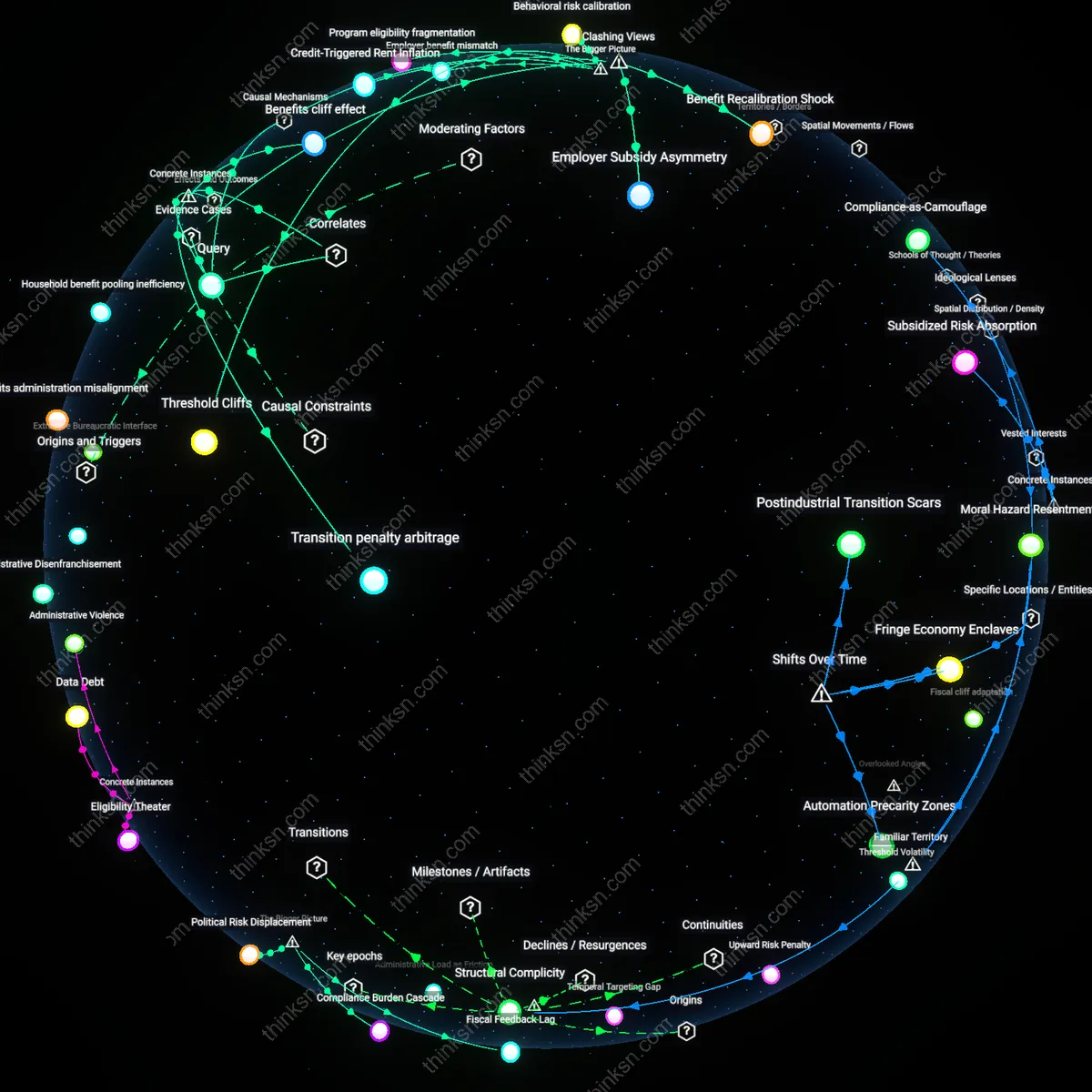
Revenue Contagion
A sudden reduction in federal investment tax credits directly undermines state-level wind project viability, causing developers to abandon or delay projects that depend on guaranteed returns over ten to twenty years. This triggers cascading ownership disputes, debt defaults, and municipal tax shortfalls in counties that budgeted around wind lease payments and property taxes from operational farms. The non-obvious risk, despite public focus on immediate job losses, is how credit cuts propagate through layered financial obligations—private equity covenants, bond issuances, infrastructure commitments—creating a systemic fiscal contagion that bypasses state control.
Subsidy Dependence Trap
States structuring economic development plans around tax credit availability become locked into a subsidy-dependent growth model that collapses when federal policy shifts. Local governments issue bonded debt to build access roads, substations, and workforce housing predicated on wind revenues materializing, but with credit reductions, those projections fail and fixed costs remain. The underappreciated dynamic is how the expectation of perpetual incentives warps long-term fiscal planning—making reversal more destabilizing than stagnation, revealing a path dependency few publicly acknowledge until after leadership changes trigger fiscal shocks.
Investor Confidence Threshold
Wind project financing hinges on perceived federal policy continuity, so announced tax credit reductions immediately raise perceived risk and required rates of return for institutional lenders like pension funds and green bonds. Even temporary uncertainty can freeze capital deployment across multiple development zones, particularly in states where regulatory approval timelines stretch beyond election cycles. What’s rarely highlighted in mainstream discussion is not that investors leave, but that their expectations obey a binary trigger—one election outcome can push perceived risk past a confidence threshold, halting lending despite otherwise viable projects and stable local conditions.