How Twitter's Character Limit Affects Public Debate Quality
Analysis reveals 4 key thematic connections.
Key Findings
Information Overload
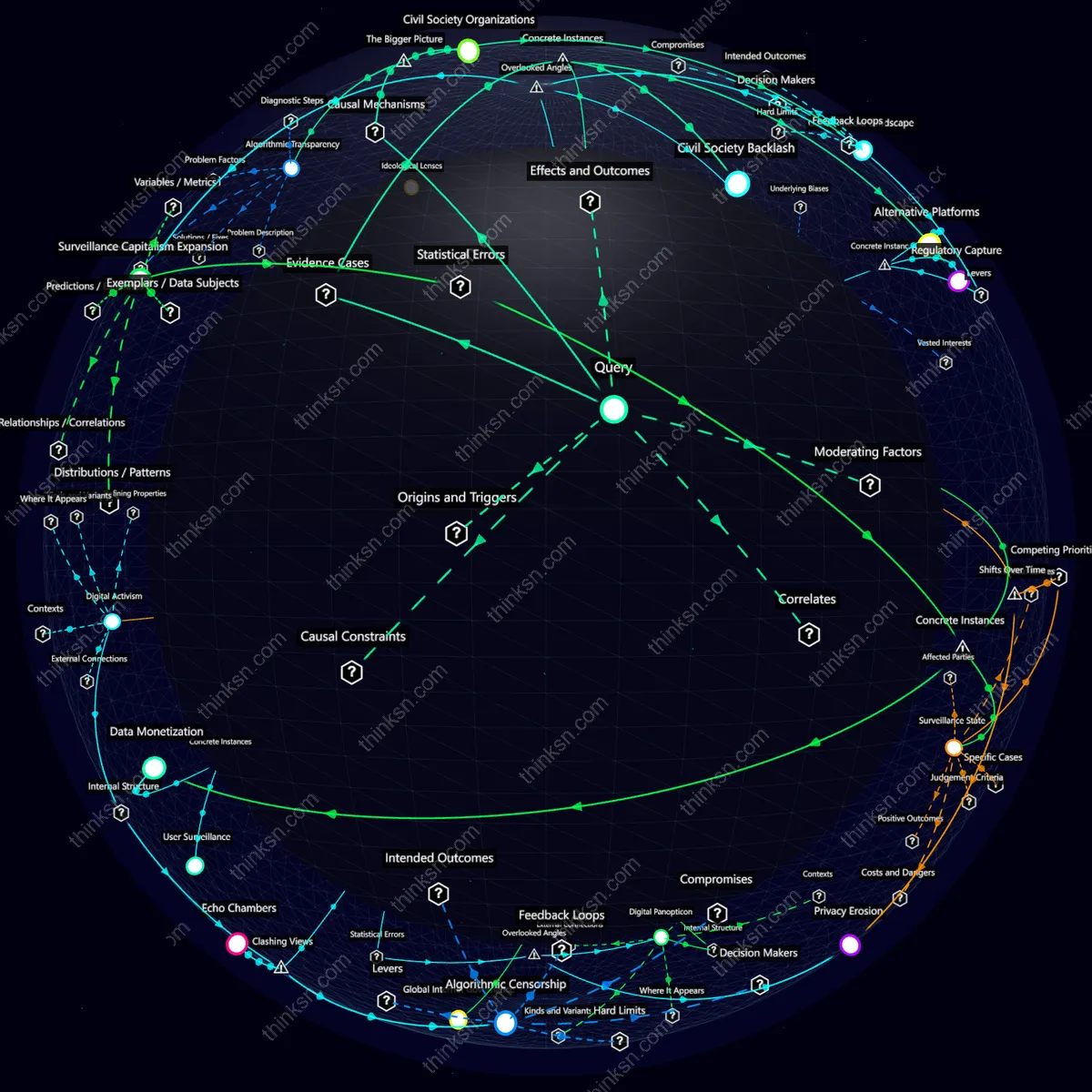
Twitter's character limit exacerbates information overload by forcing complex issues into succinct, often superficial statements. This shifts public attention from nuanced debates to fleeting soundbites, making it harder for users to engage deeply with multifaceted topics.
Echo Chambers
The constraint of 280 characters encourages users to share quick reactions rather than in-depth analysis, reinforcing echo chambers. This can limit exposure to diverse viewpoints and hinder the development of well-rounded arguments within public discourse.
Microblogging Culture
Twitter's character limit fosters a microblogging culture that privileges brevity over depth. This shift encourages users to condense complex ideas into bite-sized tweets, often leading to oversimplification and the loss of nuanced discussion. Consequently, public debates become more polarized as participants struggle to articulate detailed viewpoints within tight constraints.
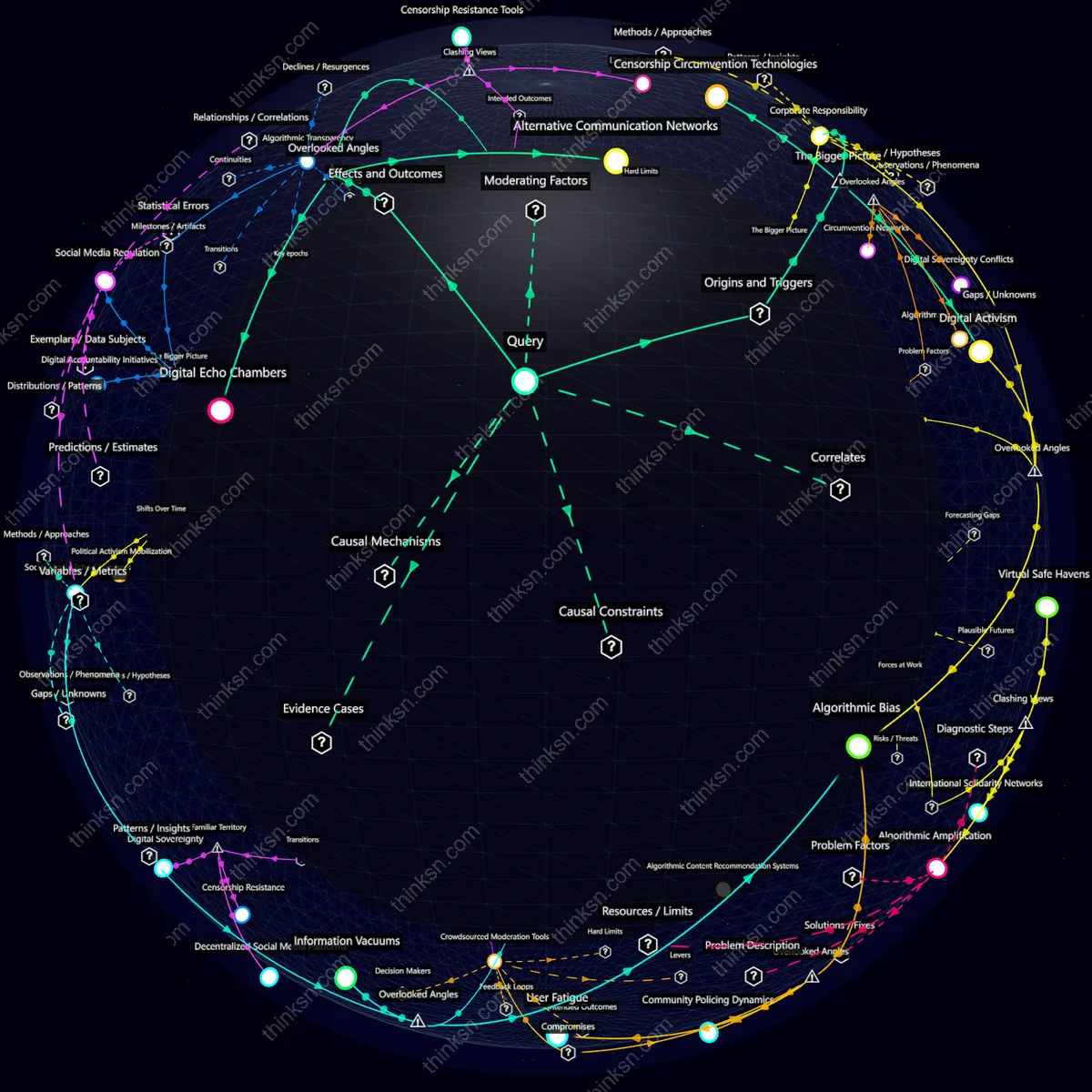
Digital Activism
The evolution from lengthy op-eds to concise hashtags in digital activism reflects a broader trend where impactful messages are crafted for quick consumption and wide dissemination. While this enables rapid mobilization, it can also lead to oversimplified narratives that ignore the complexity of social issues, thereby undermining nuanced understanding and collaborative problem-solving.
Deeper Analysis
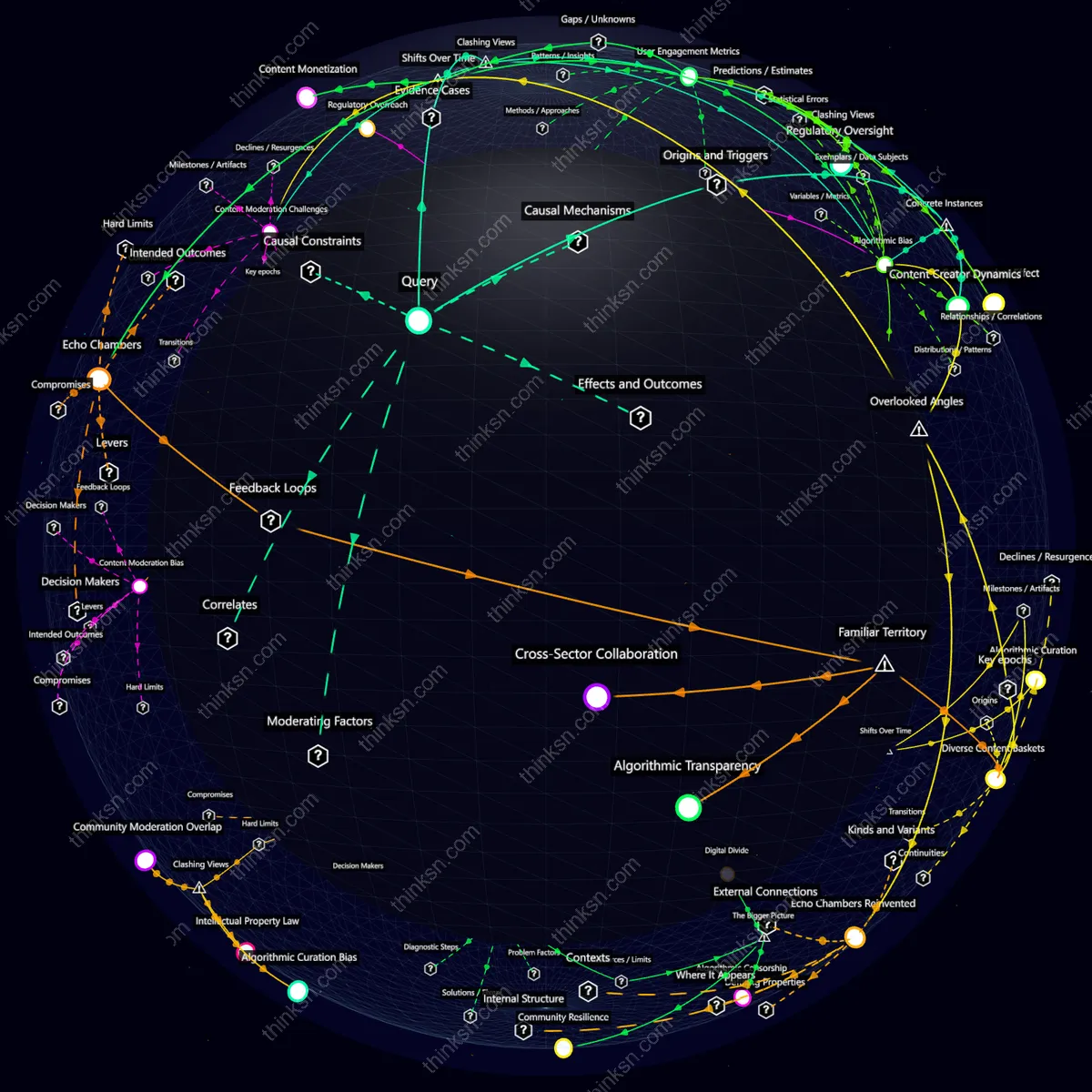
In what ways does Twitter's character limit shape digital activism by influencing the nature and reach of brief, fragmented messages versus detailed discourse?
Microcelebrity Influence
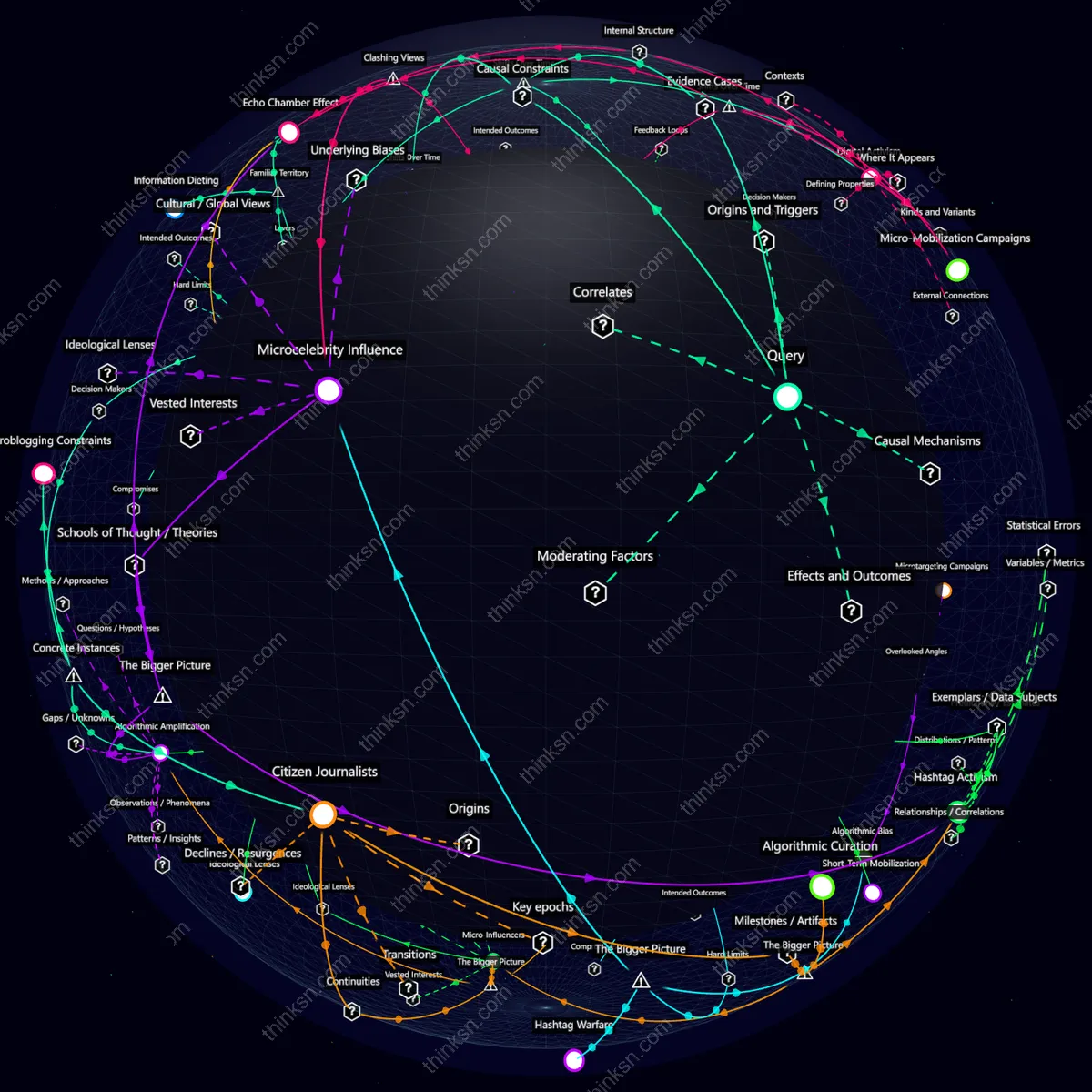
The Twitter character limit elevates microcelebrities as key influencers in digital activism due to their ability to craft concise, impactful messages that go viral. However, this also centralizes the spread of information through a narrow network, risking the amplification of unverified or biased narratives.
Echo Chamber Effect
Twitter's truncated format often leads activists to engage in polarized debates within their echo chambers, reinforcing existing beliefs and limiting exposure to diverse perspectives. This can hinder constructive dialogue and collaboration between opposing factions, undermining broader social cohesion efforts.
Hashtag Fatigue
The proliferation of hashtags driven by Twitter's character constraints leads to information overload, causing fatigue among users who may ignore or mute relevant activist content. Consequently, this can dilute the urgency and visibility of important issues over time.
Micro-Mobilization Campaigns
Twitter's character limit accelerates the formation of micro-mobilization campaigns by enabling rapid dissemination of urgent calls to action. Activists must condense complex messages into bite-sized tweets, which can galvanize immediate responses but also risks oversimplifying nuanced issues.
Explore further:
- How do microcelebrities on Twitter leverage the character limit to shape public debates, and what are the implications for nuanced discussion?
- How does hashtag fatigue on Twitter exacerbate the quality and depth of public debates due to overuse and dilution of hashtags in brief, fragmented discussions?
How do microcelebrities on Twitter leverage the character limit to shape public debates, and what are the implications for nuanced discussion?
Echo Chamber Effect
Microcelebrity Influence amplifies the echo chamber effect on Twitter by curating content that resonates with specific audiences within character limits. This reduces exposure to diverse viewpoints, intensifying polarization and undermining nuanced public debates.
Hashtag Activism
Microcelebrities exploit hashtags for rapid mobilization of followers, shaping narratives through simplified, emotive messages that bypass complex analysis. This tactic can galvanize immediate action but risks oversimplifying issues and fostering shallow engagement.
Algorithmic Amplification
The interplay between microcelebrity influence and algorithmic amplification creates a feedback loop where popular tweets receive more visibility, often at the expense of substantive discussions. This dynamic can distort public perception by elevating sensational content over nuanced discourse.
How does hashtag fatigue on Twitter exacerbate the quality and depth of public debates due to overuse and dilution of hashtags in brief, fragmented discussions?
Information Overload
Hashtag Fatigue exacerbates Information Overload on Twitter by flooding users with countless irrelevant hashtags, diminishing their ability to discern valuable information from noise. This overload can lead to cognitive fatigue and a decreased willingness to engage deeply in discussions.
Echo Chamber Effect
As Hashtag Fatigue sets in, the Echo Chamber Effect intensifies as users rely on hashtags to curate their feeds, inadvertently isolating themselves from diverse viewpoints. This creates silos of opinionated communities that rarely interact with opposing perspectives.
Cultural Significance
The cultural significance of Hashtag Fatigue shifts over time as social media platforms evolve. Initially seen as a tool for community engagement, it has morphed into an indicator of the superficiality and ephemeral nature of online discourse, undermining the depth and authenticity of public debates.
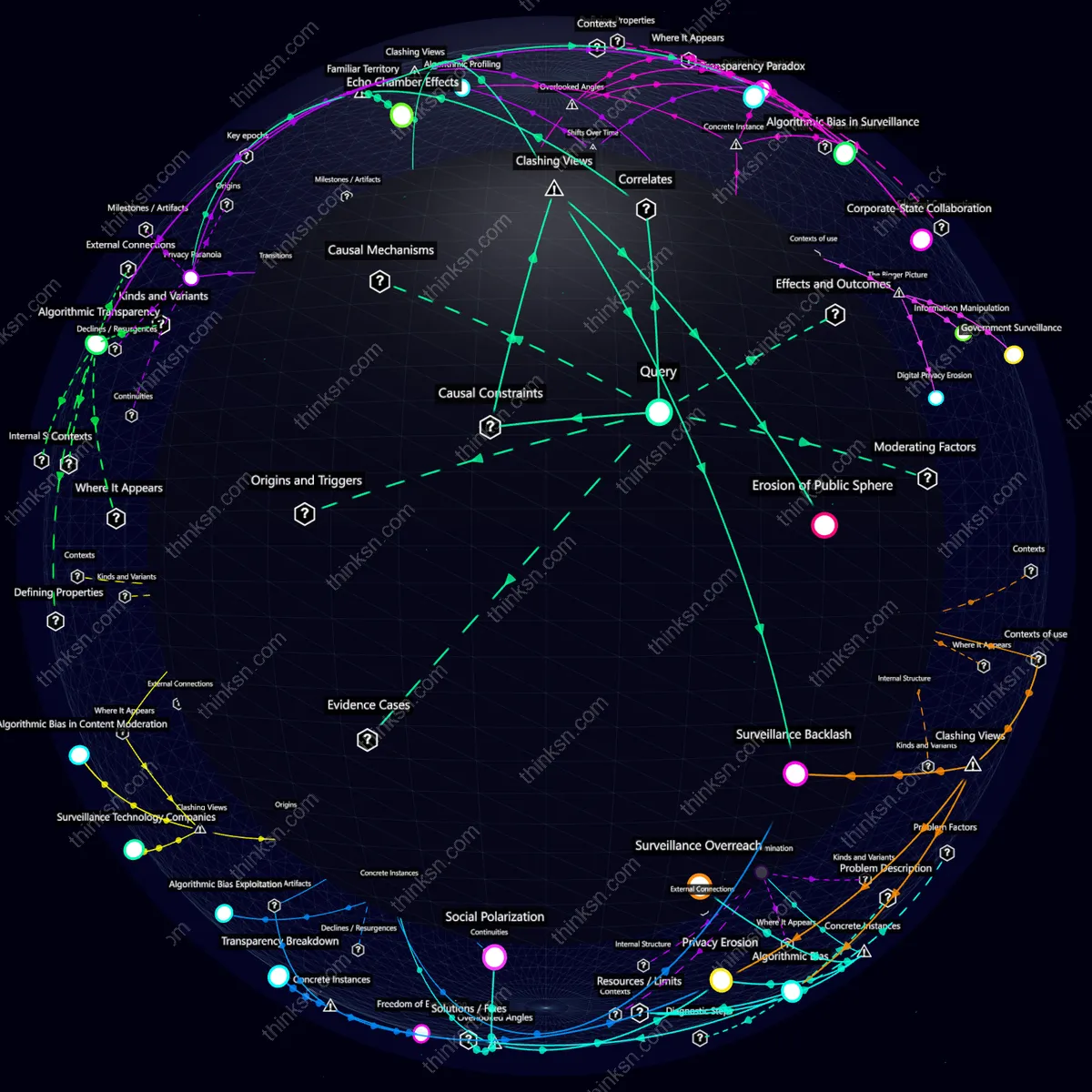
What strategies can be formulated to mitigate information overload caused by Twitter's character limit, promoting more nuanced and comprehensive public debates?
Microblogging Fatigue
The incessant stream of truncated thoughts on Twitter induces fatigue, where users feel compelled to consume more content despite diminishing returns. This leads to a cycle of mental exhaustion and reduced engagement with deeper issues, as the brevity enforces surface-level understanding.
Echo Chamber Effect
Twitter's character limit often results in polarized exchanges that reinforce existing beliefs rather than fostering nuanced dialogue. Users are more likely to engage with content confirming their views, inadvertently amplifying the echo chamber effect and hindering constructive public debates.
Information Dieting
To combat information overload, individuals adopt 'information dieting,' selectively choosing what they consume. This can lead to a fragmented understanding of complex issues due to the selective nature of content choices, potentially isolating people from diverse perspectives and reducing social cohesion.
Microblogging Constraints
Twitter's character limit exacerbates microblogging constraints, compelling users to condense complex ideas into brief, often polarizing statements. This distorts nuanced public discourse and fosters echo chambers, where information overload leads to oversimplification of issues.
Algorithmic Amplification
Social media algorithms amplify trending topics, regardless of their complexity or reliability, leading to rapid dissemination of superficial content that captures attention but fails to deepen understanding. This creates a feedback loop where information overload is compounded by algorithmically-driven sensationalism.
Citizen Journalists
Amateur and citizen journalists often use platforms like Twitter to disseminate news, bypassing traditional media gatekeepers. While this democratizes information sharing, it also increases the risk of misinformation spreading rapidly due to a lack of rigorous fact-checking.
Explore further:
- What is the relationship between microblogging fatigue and Twitter's character limit in shaping the quality of public debates, particularly in terms of promoting brief and fragmented thoughts over nuanced discussion?
- How has the evolution of Twitter's character limit influenced the way citizen journalists conduct their reporting and engage in public debates, considering the shift towards brief and fragmented thoughts over nuanced discussion?
How has the evolution of Twitter's character limit influenced the way citizen journalists conduct their reporting and engage in public debates, considering the shift towards brief and fragmented thoughts over nuanced discussion?
Micro-Influencers
As Twitter's character limit tightened the focus on immediate impact, citizen journalists evolved into micro-influencers who leverage concise narratives to attract followers and shape public opinion. This shift amplifies their reach but also narrows the scope of nuanced debate.
Echo Chambers
The brevity enforced by Twitter's character limits fuels echo chambers where citizen journalists share rapid, emotionally charged updates, reinforcing beliefs within like-minded groups while silencing dissenting voices and stifling complex dialogue.
Algorithmic Amplification
Citizen journalists increasingly rely on algorithmic amplification to spread their messages. This dependence creates a fragile ecosystem where sudden changes in platform policies can silence influential voices, highlighting the precarious balance between viral success and marginalization.
Hashtag Activism
The emergence and rapid spread of hashtag activism have both empowered and constrained citizen journalists. While hashtags like #BlackLivesMatter amplified marginalized voices and brought attention to critical issues, they also risked oversimplifying complex social problems into brief, often polarized debates that lacked the depth necessary for nuanced discussion.
Algorithmic Curation
Twitter's algorithmic curation of content has inadvertently created echo chambers where citizen journalists' work is only seen by like-minded individuals. This siloing effect limits exposure to diverse viewpoints and can undermine the broader impact of their reporting, leaving systemic issues under-discussed among wider audiences.
Explore further:
- What role do micro-influencers play in shaping public debates on Twitter, considering the platform's character limit and how it might skew towards brief, impactful messages rather than detailed discourse?
- What are the measurable impacts of hashtag activism on the depth and quality of public debates when constrained by Twitter's character limit?
What role do micro-influencers play in shaping public debates on Twitter, considering the platform's character limit and how it might skew towards brief, impactful messages rather than detailed discourse?
Echo Chambers
Micro-influencers often curate content that resonates with their followers' existing beliefs, inadvertently reinforcing echo chambers. This can polarize debates on Twitter by limiting exposure to diverse perspectives and fostering a sense of shared reality within tight-knit groups.
Ideological Lenses
Different ideological lenses reshape the influence micro-influencers have. For example, Marxism might view them as agents perpetuating capitalist narratives, whereas Liberalism could see them as facilitators of free speech and democratization of information. This highlights how the same actions can be interpreted vastly differently based on one's political or social belief system.
Algorithmic Amplification
Micro-influencers heavily rely on Twitter’s algorithm to amplify their reach, which may lead them to focus more on generating engagement through provocative or attention-grabbing content rather than substantive discourse. This dependency can distort the platform's conversation landscape and contribute to a cycle of sensationalism.
What are the measurable impacts of hashtag activism on the depth and quality of public debates when constrained by Twitter's character limit?
Short-Term Mobilization
Hashtag activism rapidly mobilizes supporters for immediate actions, often overshadowing long-term strategic planning. This creates a dependency on viral moments that can lead to burnout among activists and superficial engagement from the public.
Information Overload
The character limit of tweets fosters concise but fragmented information exchange, leading to information overload where critical nuances are lost amidst rapid-fire updates. This undermines the depth of understanding necessary for nuanced policy debates.
Echo Chamber Effects
Hashtag activism can exacerbate echo chamber effects as like-minded individuals amplify each other's messages without engaging with opposing viewpoints, thereby limiting constructive dialogue and deepening societal divisions.
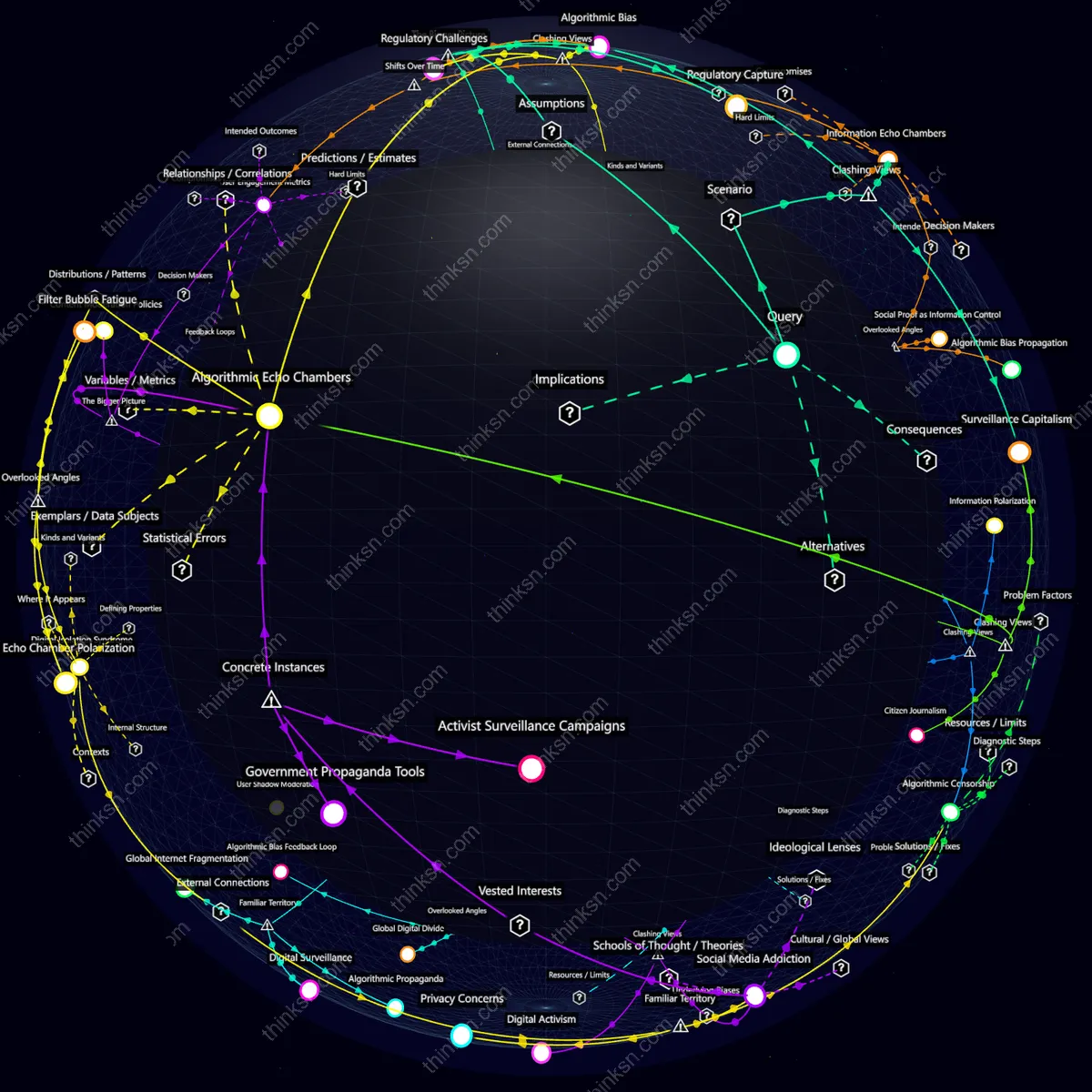
How do echo chambers on Twitter, influenced by character limits, evolve over time and affect the quality of public debates through brief and fragmented thoughts rather than nuanced discussion?
Algorithmic Bias
Twitter's algorithm amplifies tweets within echo chambers by prioritizing content that aligns with users' pre-existing beliefs. This creates a feedback loop where diverse opinions are rarely seen, reinforcing biases and limiting exposure to alternative viewpoints.
Microtargeting Campaigns
Political campaigns exploit Twitter's character limits to craft brief, emotionally charged messages that resonate within echo chambers. These microtargeted posts can sway public opinion without fostering nuanced debate or critical thinking among the audience.
What strategies can be formulated to mitigate echo chamber effects in public debates on Twitter despite its character limit constraints?
Algorithmic Bias
The prioritization of algorithmically curated content on Twitter exacerbates echo chamber effects by showing users predominantly similar viewpoints. This bias can lead to radicalization and polarization, as individuals are less exposed to diverse perspectives and more likely to engage with content that reinforces their existing beliefs.
Hashtag Warfare
The use of hashtags to organize debates on Twitter often leads to 'hashtag warfare', where opposing sides vie for visibility by using distinct hashtags. This strategy can deepen echo chamber effects by isolating communities and reducing cross-pollination of ideas, making it harder for users to encounter contrasting viewpoints.
Microcelebrity Influence
Influential microcelebrities on Twitter often amplify specific narratives within their follower base. While this can increase engagement and visibility for certain causes or opinions, it also risks entrenching echo chambers by reinforcing the selective exposure of their followers to a narrow range of viewpoints.